


 English
 中文简体
中文简体 عربى
عربى
What Is A High Efficiency Gear Reducer Motor And How Does It Work
Industrial machines rarely run at the exact speed that comes straight out of an electric motor. Most processes need slower, stronger rotation to move heavy loads, stir thick mixtures, or keep production lines flowing smoothly. That's where a High Efficiency Gear Reducer Motor comes in. It combines the motor and gear reduction into one tidy package so the equipment gets the right balance of speed and force without extra belts, chains, or separate boxes taking up space.
Gear Reducer Motor Supplier companies typically offer a range of these integrated units to match different power requirements and machine layouts. The basic idea is straightforward: take the fast spinning from the motor, slow it down through gears, and deliver more usable turning force at the output shaft.
What Is A High Efficiency Gear Reducer Motor
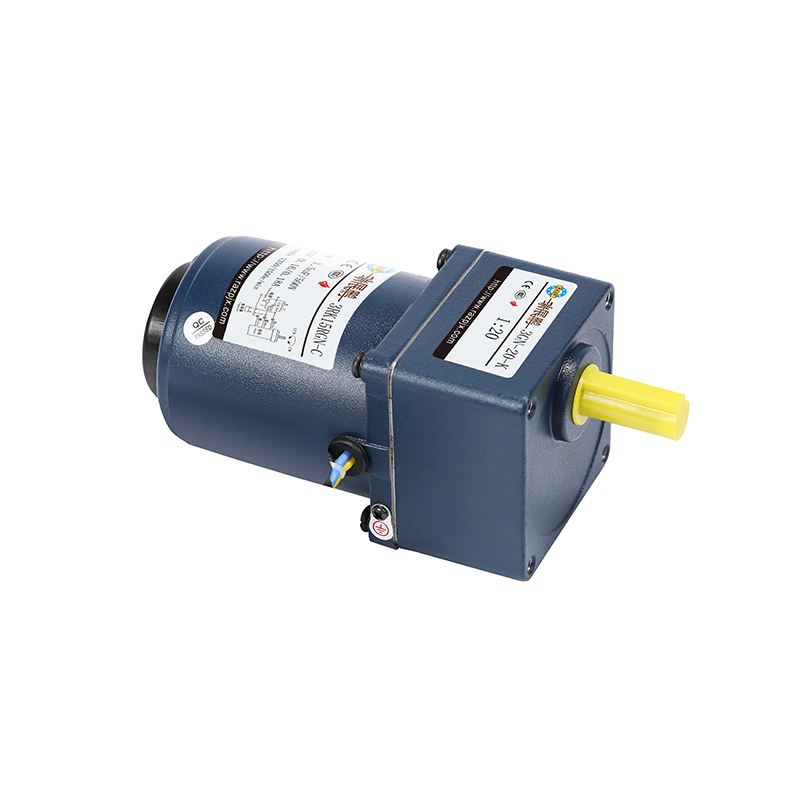
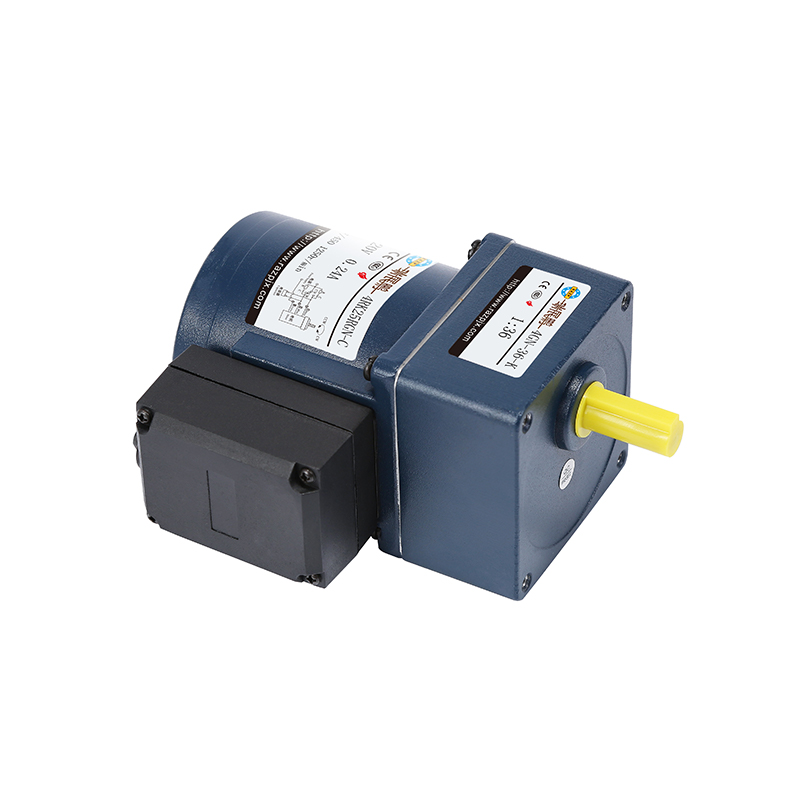
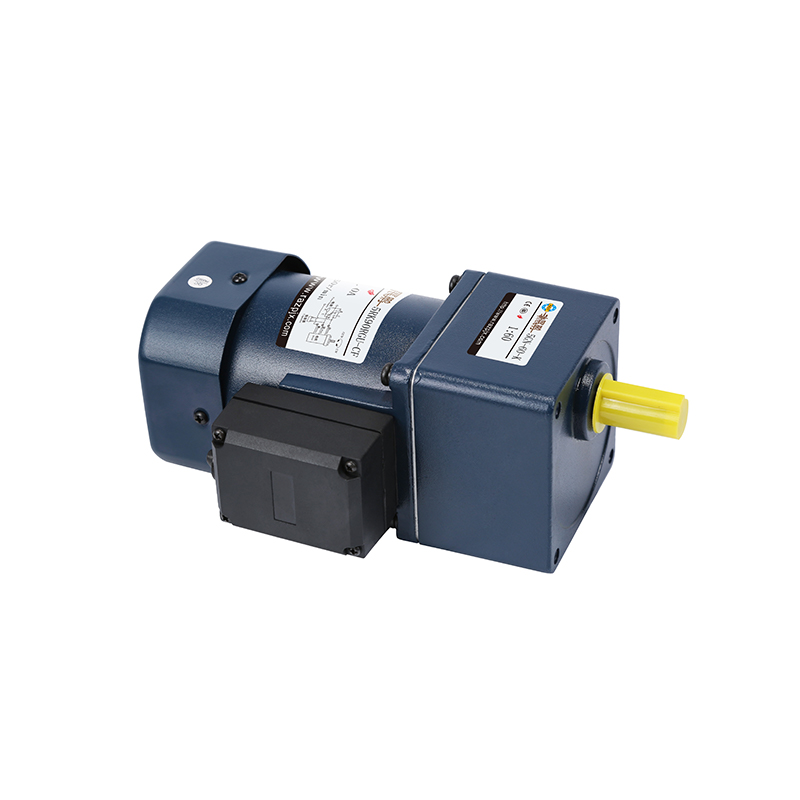
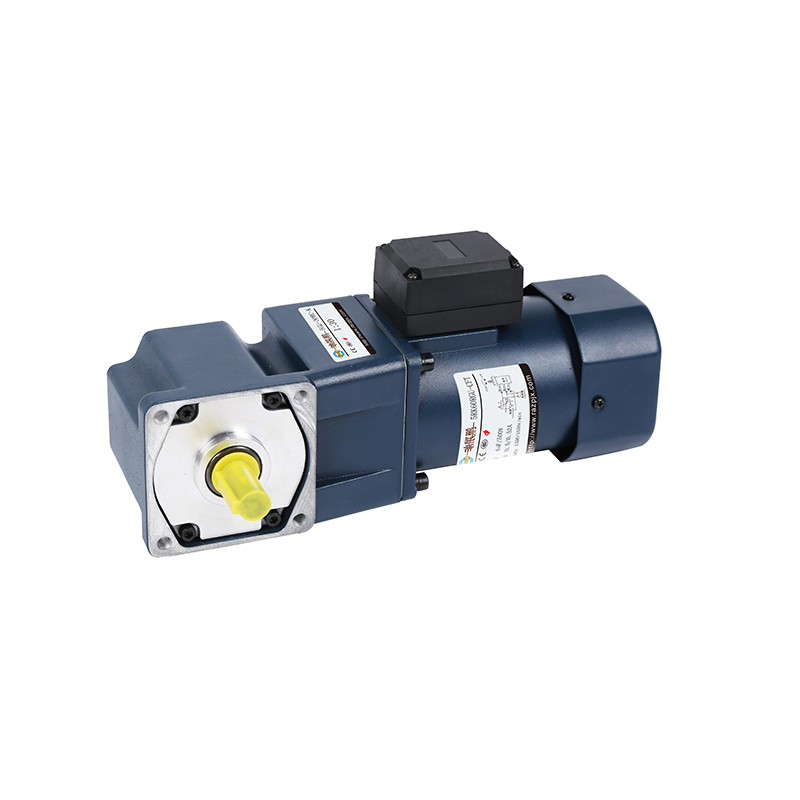
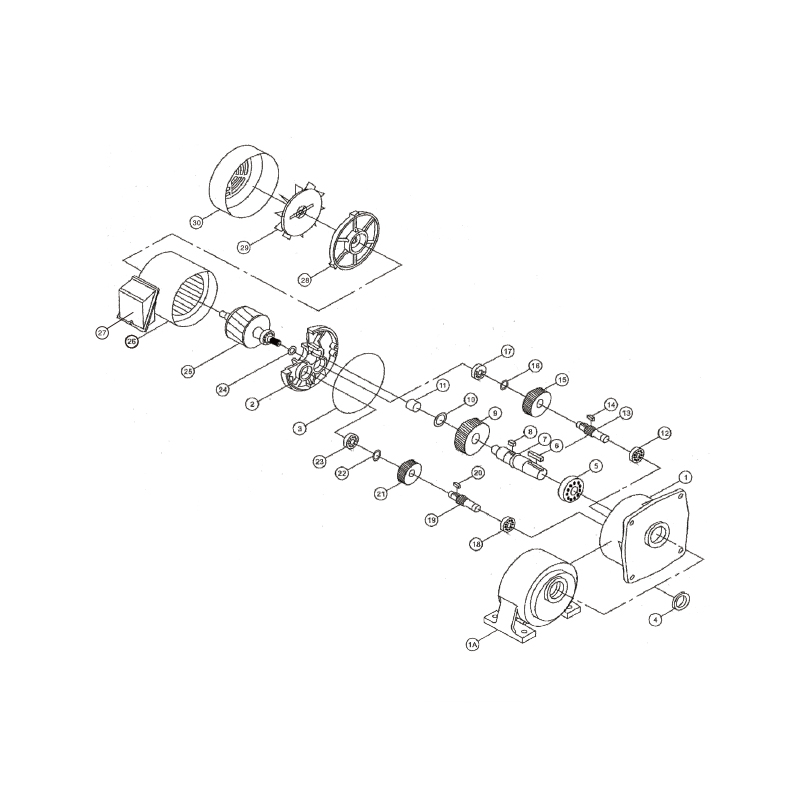
Think of a High Efficiency Gear Reducer Motor as a self-contained drive ready to bolt onto a machine. Inside the same housing you have an electric motor on one side and a gearbox on the other. The motor spins fast when power is applied. The gearbox then steps that speed down while multiplying the torque so the driven equipment can do its job without straining.
The motor creates rotation using its windings and rotor. That rotation goes directly into the gearbox, where a series of gears mesh together. Smaller gears drive larger ones, naturally reducing speed and increasing force with each stage. Some designs keep everything in a straight line; others turn the motion 90 degrees to fit tight machine spaces better.
The outer housing protects the internal parts from dust and moisture while letting heat escape through its surfaces. Output shafts come in solid or hollow styles depending on how you need to connect to the load. Because everything is built together, alignment is simpler during installation and there are fewer separate pieces to worry about.
These units tend to show up wherever space is limited and a clean, compact drive makes sense. The efficiency focus means the gears and bearings are arranged to pass power through with less wasted energy turning into unwanted heat or noise.
How Does A High Efficiency Gear Reducer Motor Work
When you switch on power, the motor generates a magnetic field that spins its rotor at high speed. This spinning shaft feeds straight into the gearbox. Inside, the gears start engaging one after another. A small gear turns a larger one, which slows the motion and builds torque. If more reduction is needed, additional gear stages continue the process.
Several things help the unit run quietly and reliably:
- The angled or shaped teeth on the gears engage gradually instead of slamming together
- Lubricant forms a thin film between surfaces to cut friction and move heat away
- The motor and gears are designed together so their characteristics match from the first turn
The output shaft then carries the slower, stronger rotation to whatever the machine needs to move — a conveyor roller, a mixing paddle, or an indexing table. Because the whole drive sits in one housing, there is less chance for misalignment and the system responds more predictably when loads change or the machine starts and stops.
Heat still builds up during normal operation, but it dissipates through the housing. Keeping the right amount and type of lubricant inside helps maintain smooth performance whether the unit runs all day or cycles frequently.
Where High Efficiency Gear Reducer Motor Appears In Everyday Industrial Equipment
Walk through almost any manufacturing plant and you will see these drives quietly working in the background. They power rollers that keep materials moving at a steady pace on production lines. In assembly areas they turn indexing tables that position parts exactly where the next operation needs them.
Many machines that run for full shifts use these compact units because they fit neatly into crowded frames. Shaft-mounted versions connect directly without extra couplings in some setups. The integrated construction also suits equipment that starts and stops often, since the motor and gears are already matched and ready to work together from the initial rotation.
Operators usually notice them on machines handling bulk materials or performing the same processing step hour after hour, where steady torque delivery keeps the output consistent.
Real World Uses Of High Efficiency Gear Reducer Motor In Material Handling And Conveying
Material handling systems depend heavily on controlled movement. High Efficiency Gear Reducer Motor units drive belt conveyors that carry parts, packages, or raw materials between different workstations or into storage. The slower output speed reduces the chance of items shifting or falling when the belt starts or stops.
In warehouses and sorting facilities, conveyors often run at moderate speeds that match manual or robotic picking. The gear reduction helps maintain even tension across the belt even when the weight on it changes. Right-angle models are handy when the motor has to sit beside the frame rather than in line with it.
You will also find these motors on roller conveyors where each roller needs to turn independently or in sync. The steady force keeps boxes or pallets advancing smoothly during accumulation. On inclined conveyors or bucket elevators, the extra torque helps lift loads while allowing the motor size to stay practical for the overall machine design.
How High Efficiency Gear Reducer Motor Supports Mixing And Processing Operations
Mixing is all about controlled agitation. Thick liquids, powders, or pastes need slow, powerful turning so ingredients blend thoroughly without splashing or creating unwanted air pockets. A High Efficiency Gear Reducer Motor supplies exactly that kind of low-speed, high-torque rotation for the paddles or stirrers inside tanks and vessels.
In processing lines the unit keeps paddle speed relatively constant even as the mixture becomes thicker or thinner during the batch. Vertical mounting works well when the drive sits on top of the tank. Similar drives handle dough mixers, coating drums, and granulators where even rotation prevents clumping and helps deliver uniform product.
Using an integrated motor-gearbox also means fewer external drive components that could vibrate and disturb sensitive processes.
Practical Roles Of High Efficiency Gear Reducer Motor In Packaging And Automation Lines
Packaging machines perform many small, precise movements — pulling film, folding cartons, sealing packages, or positioning labels. High Efficiency Gear Reducer Motor units drive the rollers and mechanisms that need steady, repeatable motion at the right speed.
On form-fill-seal lines they keep film feeding smoothly. Sealing stations use the controlled force to apply consistent pressure. In automation cells the compact size lets engineers fit several drives into one station without crowding the frame.
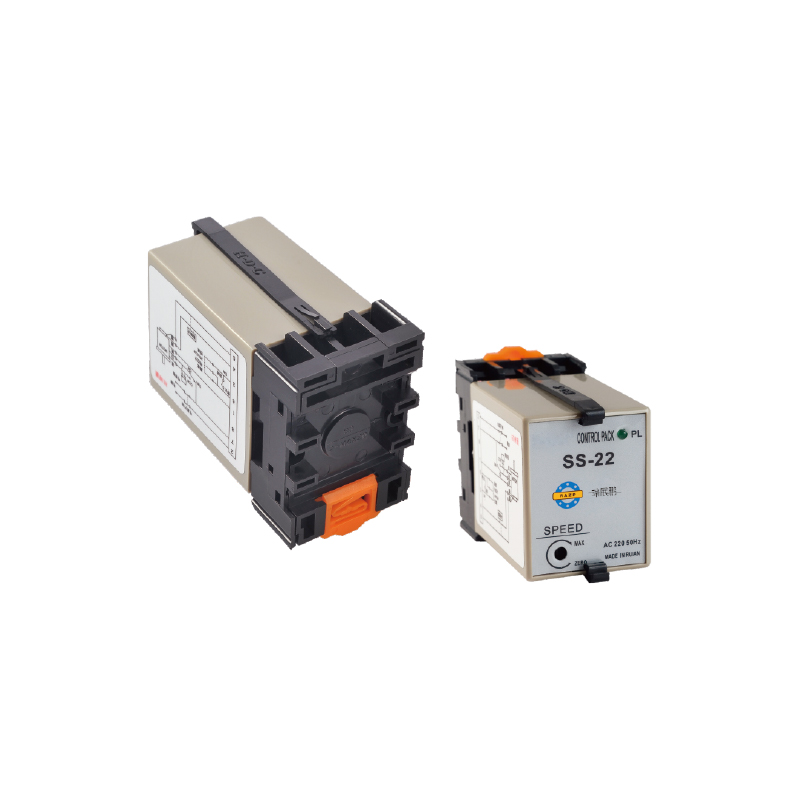
These motors also help synchronize different sections of a packaging line so filling, labeling, and case packing stay in rhythm. When product types change, pairing the drive with simple speed controls allows operators to adjust the line pace without major mechanical rework.
Challenges Operators Face When Using High Efficiency Gear Reducer Motor
In actual workshops, these drives don't always behave perfectly from day one. Many operators find that High Efficiency Gear Reducer Motor units start running noticeably warmer during long shifts, particularly when the load is on the heavy side or airflow around the machine is blocked. After several months, some units also begin to make more noise or develop a slight vibration that wasn't obvious at the beginning.
Other frequent issues include:
- Shaft misalignment after installation or equipment relocation that causes uneven wear on gears and bearings
- Seals slowly losing effectiveness in dusty or wet areas, letting contaminants sneak inside
- Jerky movement when the machine starts and stops often without controlled acceleration
- Performance dropping when daily loads vary more than expected
These problems usually creep up gradually rather than appearing suddenly.
| Challenge Area | Common Observations | Related Factors |
|---|---|---|
| Temperature Rise | Housing feels warmer during extended runs | Load level, airflow around unit |
| Noise Or Vibration | Gradual increase in operating sound | Alignment, lubricant condition |
| Wear On Components | Earlier need for inspection of seals | Dust ingress, duty cycle |
| Inconsistent Speed | Slight variation under changing loads | Gear ratio match to application |
Common Issues With High Efficiency Gear Reducer Motor In Harsh Environments
Tough working conditions quickly show the weak points of any drive. In dusty workshops, high-humidity areas, or places that get washed down regularly, High Efficiency Gear Reducer Motor units tend to face a few repeated difficulties.
Common observations include:
- Dust working its way into the gearbox and mixing with the oil, making everything feel grittier
- Moisture getting past seals and causing the lubricant to break down faster than normal
- Daily temperature changes affecting how smoothly the gears mesh
- Heat building up faster when the housing is crowded by other equipment or covered in debris
In such environments, the interval between maintenance checks often needs to be shortened.
How To Address Overheating And Wear In High Efficiency Gear Reducer Motor
Most overheating and wear troubles can be managed with straightforward routines. Keeping the gearbox properly lubricated is still the single most important step. Checking oil level and condition at regular intervals helps reduce friction and keeps temperatures in check.
Other useful practices include:
- Making sure there is enough open space around the unit for air to move freely
- Re-checking alignment whenever the machine is moved or serviced
- Fitting simple guards or shields to keep heavy dust and water spray away from the housing
- Listening and feeling for changes in sound or temperature during normal operation
When loads fluctuate a lot, teams often prefer to choose a unit with a little extra capacity during selection. Talking with a Gear Reducer Motor Supplier who understands the actual site conditions can also save a lot of trial and error.
Selecting The Right High Efficiency Gear Reducer Motor To Match Application Needs
Choosing the right model is mainly about understanding the real daily demands of the machine. It's not just about power ratings — it's about how the equipment actually runs hour after hour.
Key things to look at include:
- The gear ratio that keeps the motor working comfortably without running too fast or too slow
- Mounting style and shaft layout that actually fit the machine's available space
- Protection rating suitable for the surrounding dust, moisture, or cleaning routines
- How frequently the machine will start, stop, or handle changing loads
Good electrical compatibility with existing controls also matters, especially if variable speed is needed later.
Role Of Gear Reducer Motor Supplier In Solving Practical Problems
Gear Reducer Motor Supplier companies become really useful once the equipment is running in the plant. When operators describe problems like unusual heating or increasing noise, suppliers can look at the actual application and suggest workable solutions based on what they've seen in similar setups.
They often help with layout reviews, lubrication recommendations, and providing correct spare parts when the time comes. This support usually helps maintenance teams resolve issues faster and avoid long production stoppages.
Long Term Considerations For Reliable Operation Of High Efficiency Gear Reducer Motor
Over the years, reliable performance comes from steady basic care rather than big fixes. Simple regular checks for oil leaks, loose bolts, or changes in running sound can catch small issues early. Lubricant condition should still be monitored even on units meant for longer service life.
As production requirements slowly change — new products, different speeds, or heavier loads — it makes sense to review whether the current drive is still well matched. When the unit fits the job properly from the start, it usually runs with fewer headaches and lets the maintenance team focus on other parts of the line.
Understanding how High Efficiency Gear Reducer Motor units actually perform in daily use helps factories apply them more effectively and deal with the common challenges that come up over time.
As one example, equipment built by Ruian Zhanpeng Machinery Co., Ltd. uses High Efficiency Gear Reducer Motor units in various processing and packaging lines where steady, dependable motion control supports consistent daily production flow.
Related Products
-
-
Cat:Right-Angle
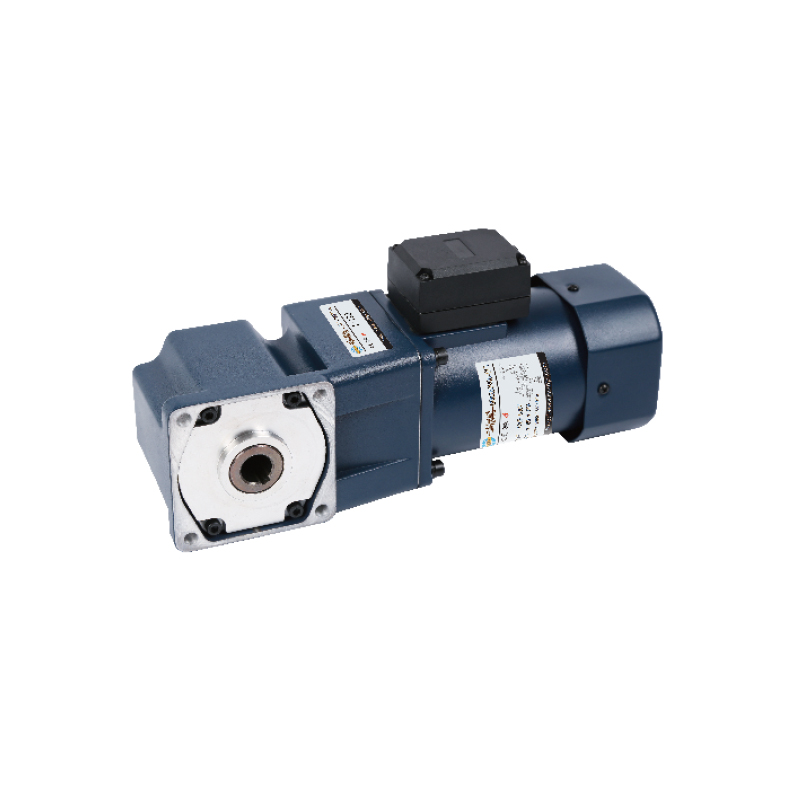
Electric Reduction Motor is designed for stable torque output and controlled low speed operation. This AC Gear Motor Low Rpm provides efficient power ...
See Details -
Cat:Right-Angle
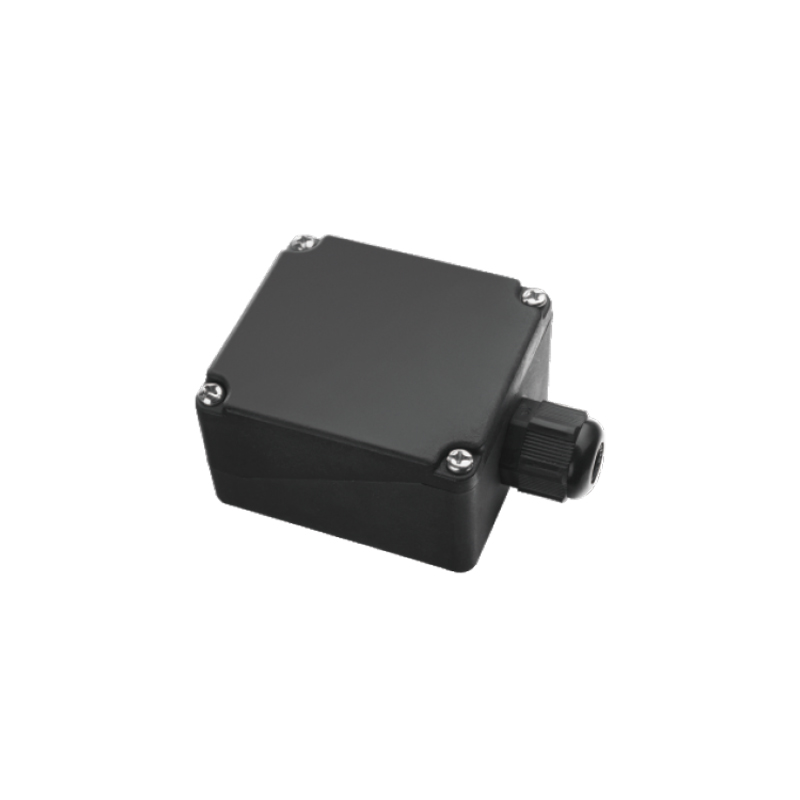
The SX Type Junction Box is designed for safe and reliable electrical connection and cable management in motor and industrial equipment systems. Featu...
See Details -
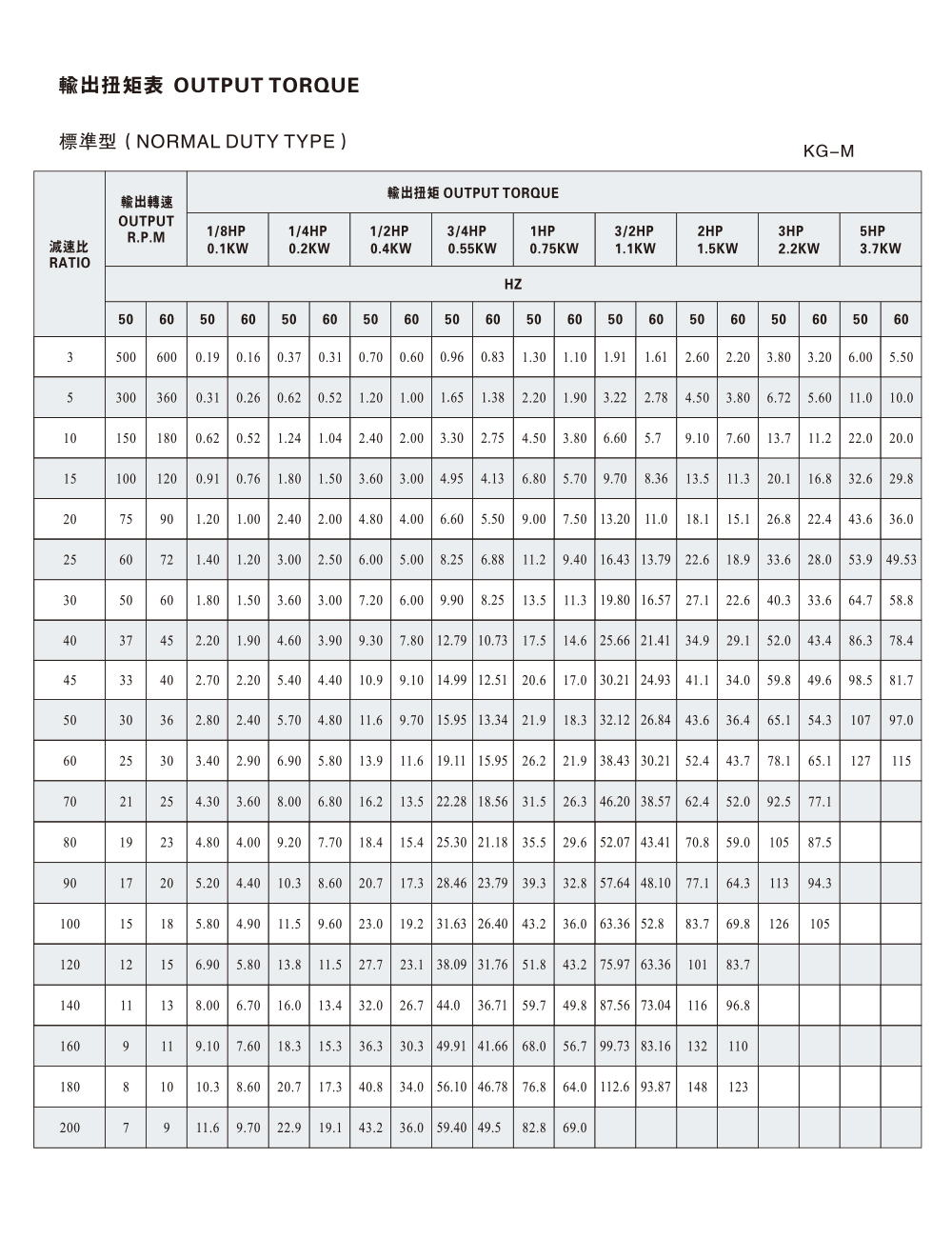
Cat:CH
The CH, CV Output Torque provides essential performance data for evaluating transmission capacity and equipment matching. It specifies torque output v...
See Details
Looking For Business Opportunity?
Request for a call today

Zhanpeng Machinery sincerely cooperates with people at home and
abroad to create common development and achieve win-win
results!
Contact Us
-
 sales@razhanpeng.com
-
 +86 13335770176
-
 No. 2807, Huaming Road, Ruian City, Wenzhou City,Zhejiang Province,China
Quick Links
Message


Copyright 2024 Ruian Zhanpeng Machinery Co., Ltd.
Gear Motor Factory


Contact Us