


 English
 中文简体
中文简体 عربى
عربى
Small Packages Delivering Big Power
Defining Compact Gear Motor Design
Space constraints in modern machinery demand components that deliver maximum performance within minimal volume. A compact gear motor addresses this requirement through engineering that optimizes every cubic millimeter for power density. Unlike standard units where size follows performance, these designs begin with dimensional targets and work backward to achieve required torque and speed within strict envelopes. The result enables equipment designers to reduce overall machine footprints while maintaining or improving functionality.
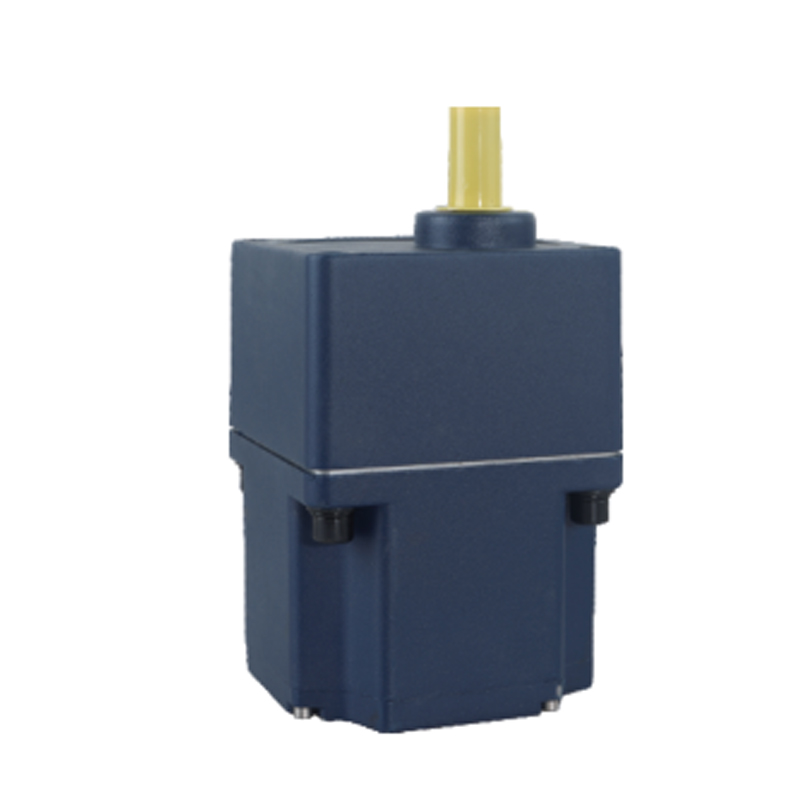
Applications Demanding Small Footprints
Medical devices represent one of the most demanding applications for compact motion control. Surgical robots, patient lifts, and diagnostic equipment must fit within tight operating spaces while delivering precise, reliable movement. A compact gear motor small enough to integrate into handheld surgical tools must still provide sufficient torque for cutting and drilling operations. The reliability requirements prove equally stringent, with failure during medical procedures simply unacceptable.
Robotics and automation equipment similarly depend on compact drive solutions. Collaborative robot joints require motors hidden within sleek arm profiles that interact safely with human workers. Automated guided vehicles need drive motors fitting within wheel hubs, maximizing cargo space while maintaining maneuverability. Packaging machinery benefits from reduced sizes that allow more functions within existing floor space.
Gear Reduction in Minimal Volume
Achieving high torque within small packages requires innovative gear reduction approaches. Planetary gear systems dominate compact applications because they distribute load across multiple planet gears, achieving higher torque density than other configurations. The concentric design places output shaft directly in line with motor rotation, simplifying integration. Multiple stages stack within the same envelope, with reduction ratios multiplying while length increases minimally.
Harmonic drive gearing offers even greater reduction in extremely compact packages for precision applications. These designs use flexible splines and wave generators to achieve ratios up to one hundred sixty to one in single stages. The zero-backlash characteristic proves valuable for positioning applications where accuracy matters. A well-designed compact gear motor with a harmonic drive fits applications where both size and precision constrain alternatives.
Motor Selection for Space Constraints
The motor portion of compact drives requires equally thoughtful selection. Brushless DC motors dominate premium applications due to high efficiency that minimizes heat generation within enclosed spaces. The absence of brushes eliminates a wear mechanism and reduces electromagnetic interference that could affect nearby sensitive electronics. Rare earth magnets provide maximum magnetic flux density, enabling shorter motor lengths for given torque requirements.
Coreless motor designs remove iron from rotating assemblies, reducing inertia and enabling faster acceleration within compact packages. These motors respond quickly to control signals, suiting applications requiring frequent starts, stops, and direction changes. A responsive compact gear motor with coreless construction delivers dynamic performance impossible with conventional designs.
Thermal Management Challenges
Heat dissipation becomes increasingly difficult as components shrink and power density rises. Smaller surface areas provide less opportunity for convective cooling, while tighter internal spaces restrict airflow. Engineers address these challenges through multiple strategies. High-efficiency components generate less waste heat initially. Thermal paths conduct heat from windings to housing surfaces, where it can transfer to ambient air. Some designs incorporate cooling features like integrated fans or liquid cooling passages.
Material selection affects thermal performance significantly. Aluminum housings conduct heat better than steel while reducing weight. Copper windings with high slot fill ratios minimize resistive losses. Magnetic materials with low core losses reduce internal heating during operation. A thermally optimized compact gear motor maintains safe operating temperatures even under continuous full-load conditions.
Bearing and Lubrication Considerations
Smaller components require bearings sized appropriately for space constraints while carrying expected loads. Miniature ball bearings with cages maintain proper ball spacing in limited volumes. Needle bearings provide high load capacity in radial directions where axial space is limited. Lubricant selection proves critical, with greases formulated for long life without migration from bearing surfaces.
Related Products
-
-
Cat:Right-Angle
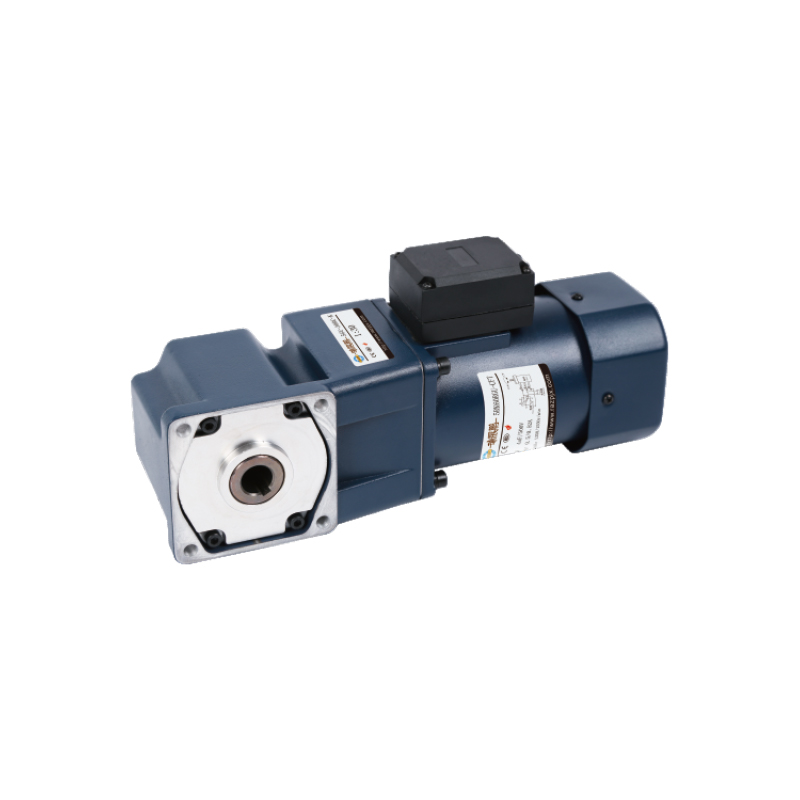
The 90mm 60W VT Reduction Motor is designed for compact equipment that needs a bit more power while keeping a small installation size.It handles autom...
See Details -
Cat:Right-Angle
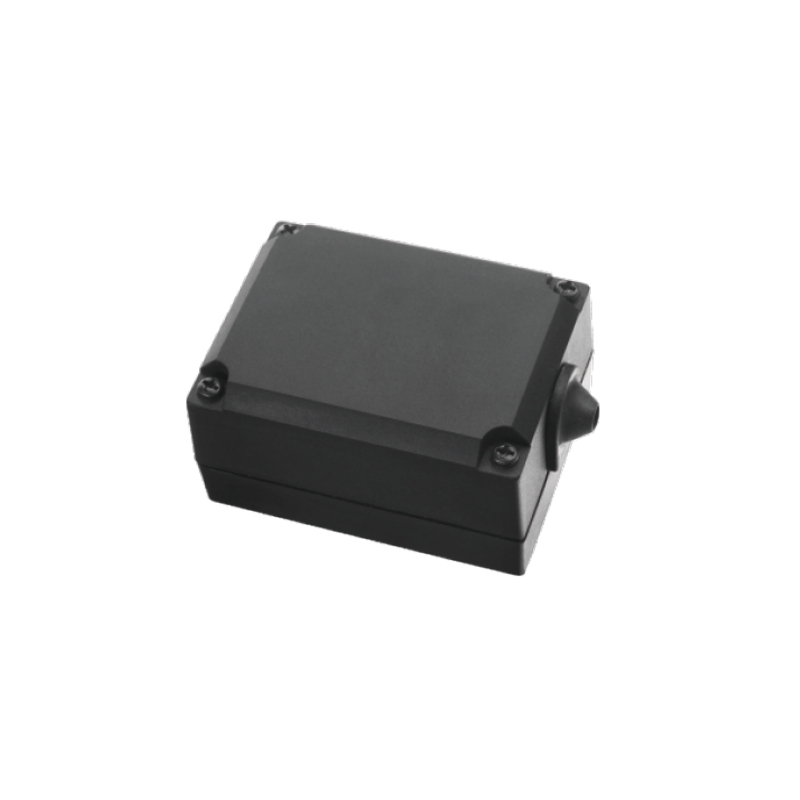
The Power Distribution Junction Box is designed for safe and stable electrical wiring management. With a durable External Junction Box Black structure...
See Details -
Cat:Motor Controller & Accessories
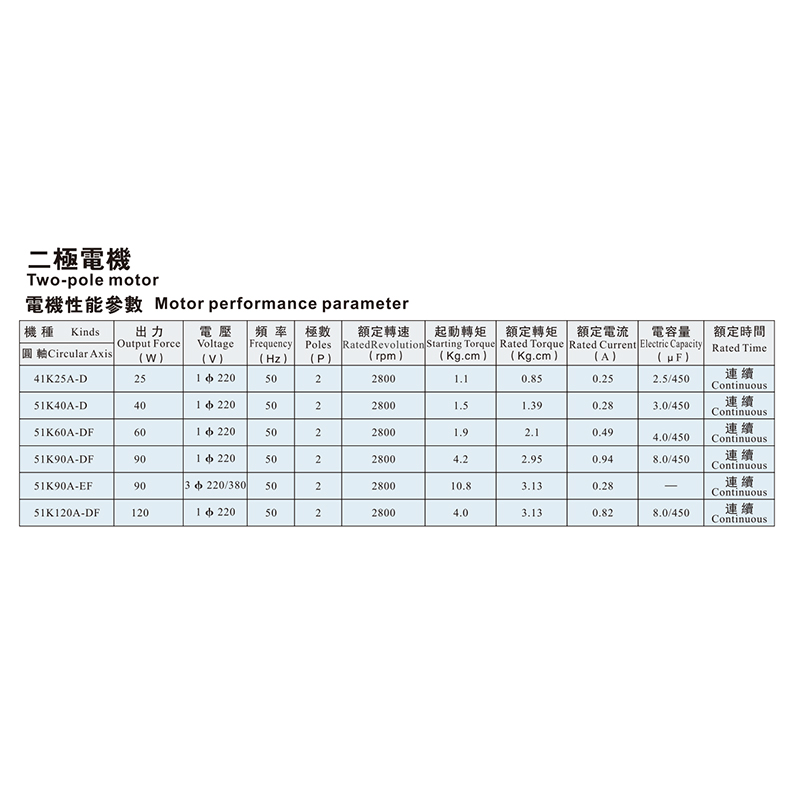
The Two-pole Motor is designed to provide stable and efficient power output for a variety of industrial and automation applications. Its compact struc...
See Details -
Cat:CH
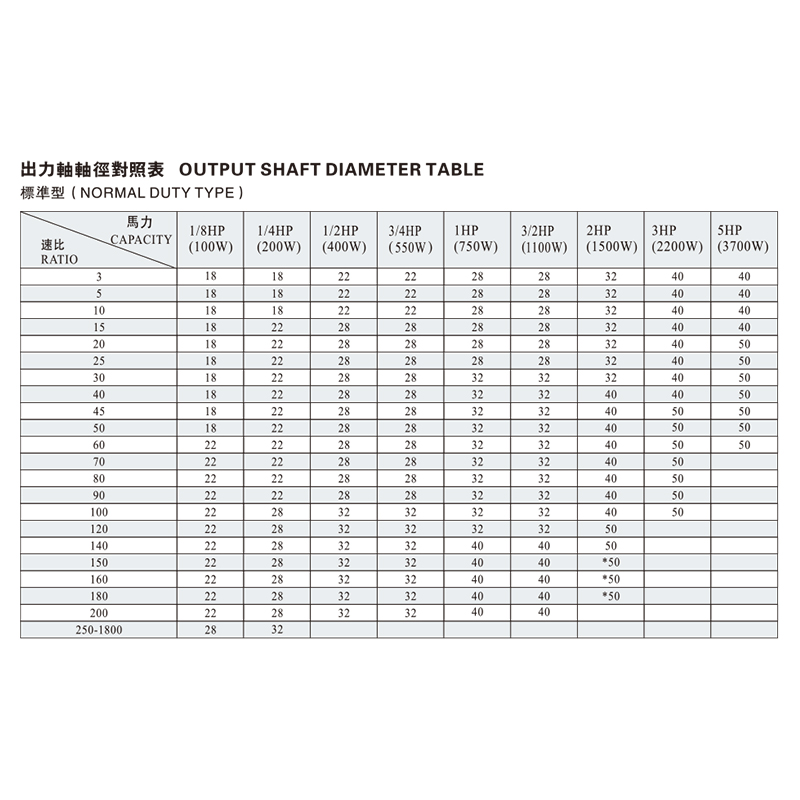
The CH, CV Output Shaft Diameter Table provides standardized dimensional data for selecting compatible transmission components and mechanical assembli...
See Details -
Cat:CH
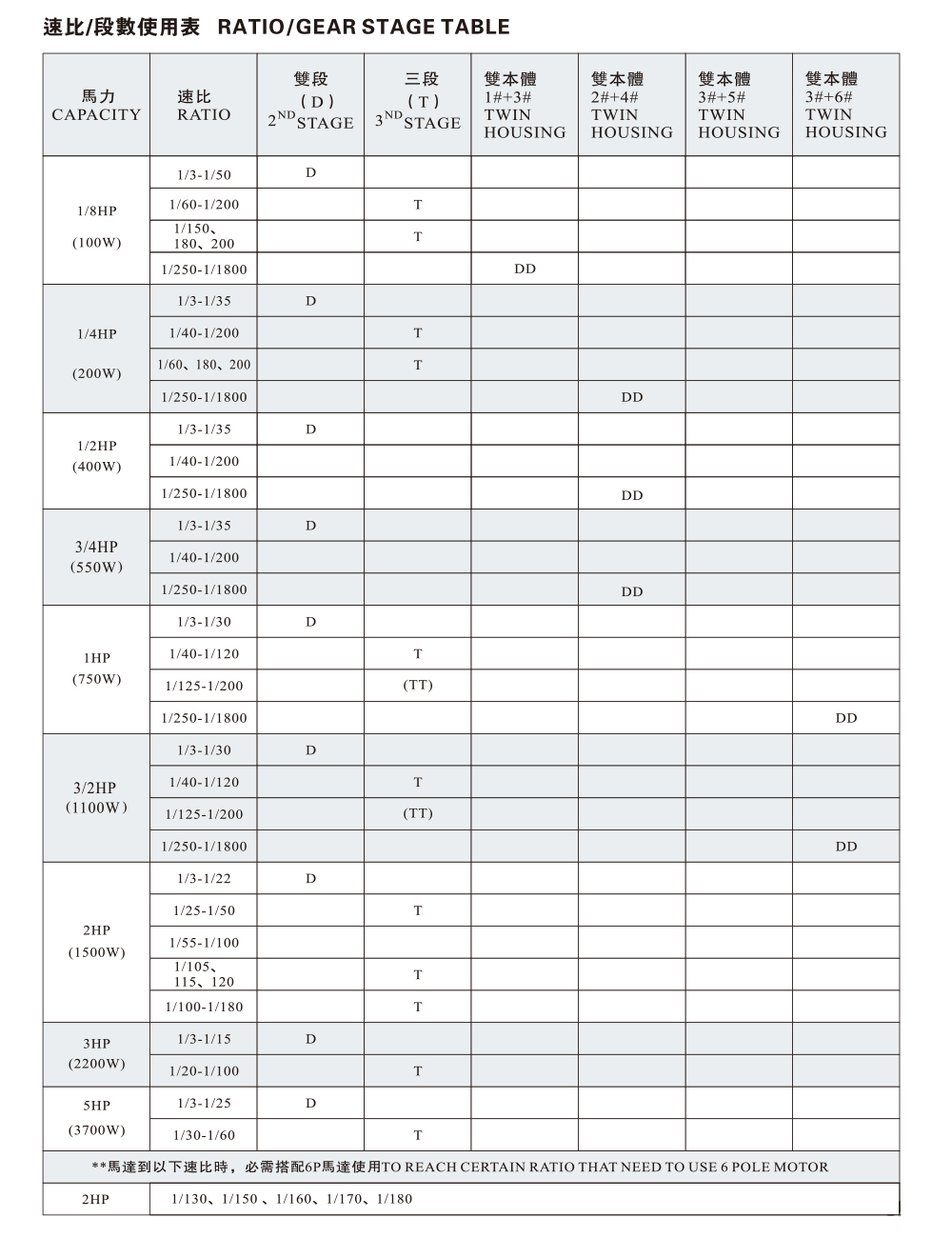
The CH, CV Ratio / Gear Stage Table provides standardized transmission ratio and gear stage information to support equipment selection and system desi...
See Details
Looking For Business Opportunity?
Request for a call today

Zhanpeng Machinery sincerely cooperates with people at home and
abroad to create common development and achieve win-win
results!
Contact Us
-
 sales@razhanpeng.com
-
 +86 13335770176
-
 No. 2807, Huaming Road, Ruian City, Wenzhou City,Zhejiang Province,China
Quick Links
Message


Copyright 2024 Ruian Zhanpeng Machinery Co., Ltd.
Gear Motor Factory


Contact Us