


 English
 中文简体
中文简体 عربى
عربى
The Precision Behind Modern Motion Control
Understanding Electric Gear Motor Manufacturing
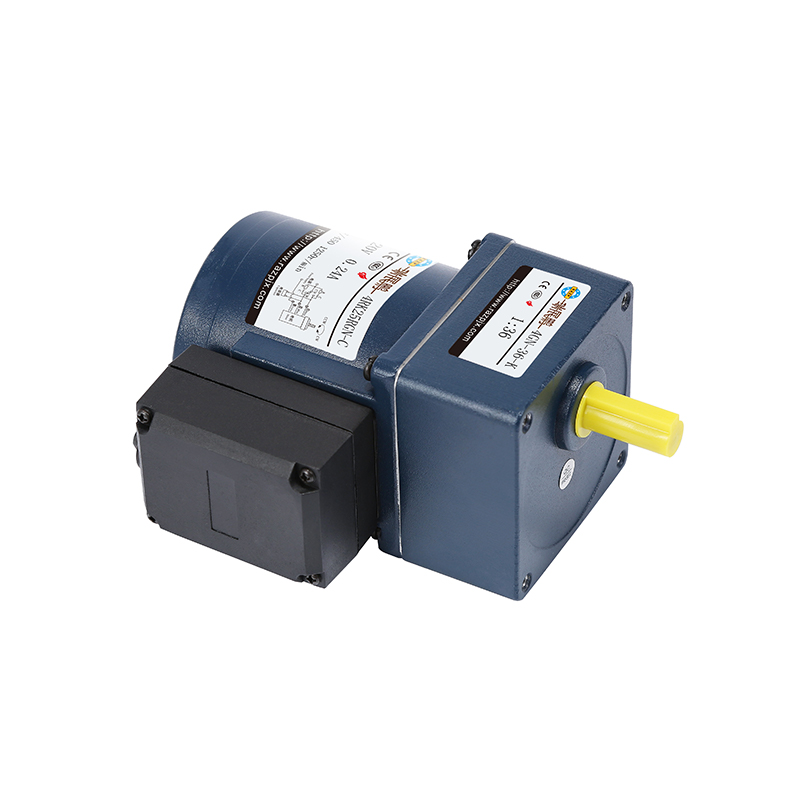
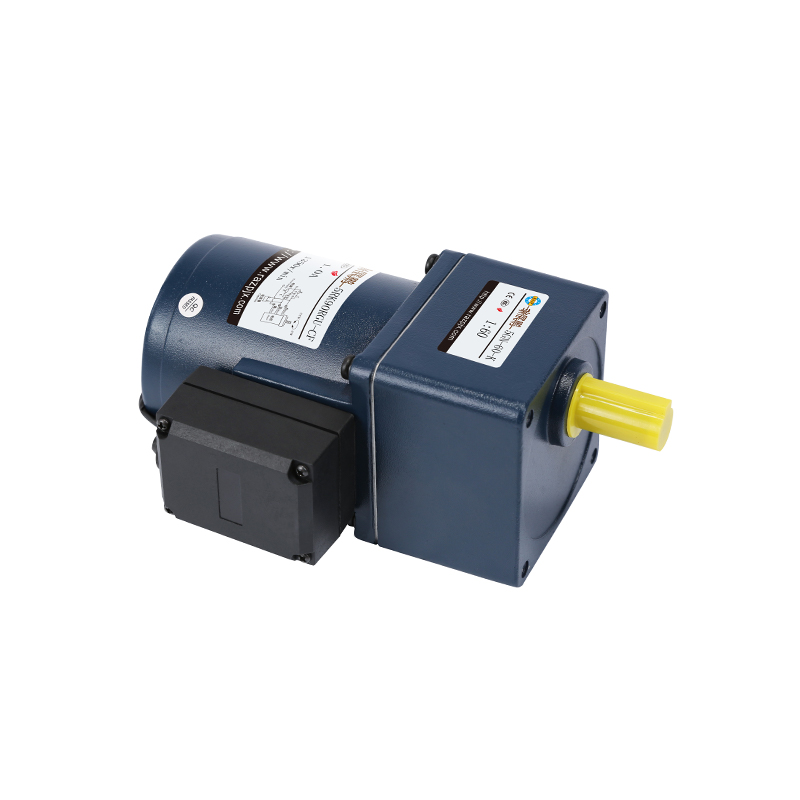
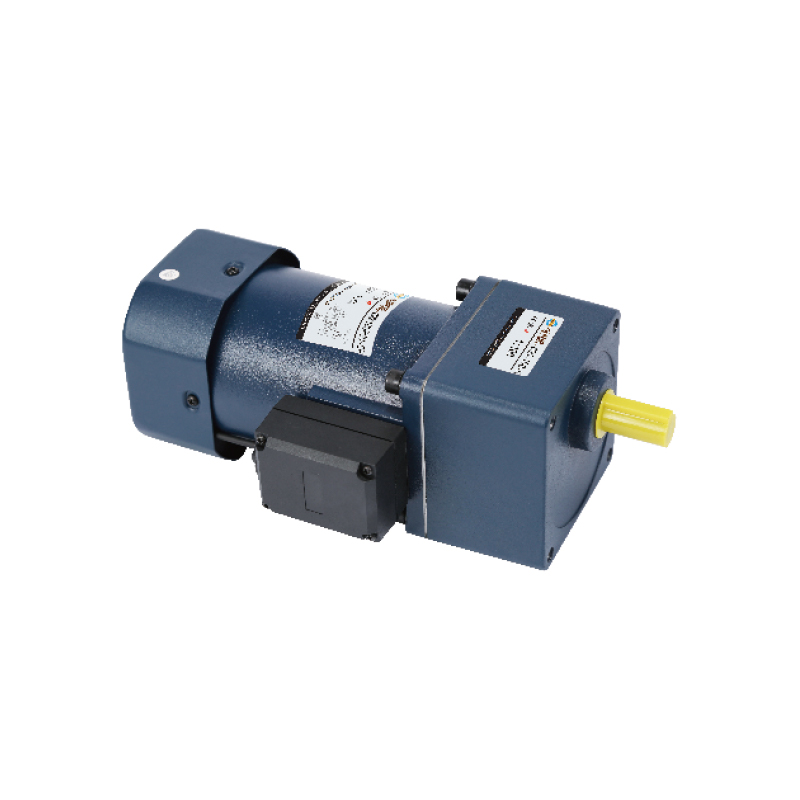
Electric gear motors combine two essential components into a single integrated unit: the electric motor that generates rotational force and the gear reducer that modifies speed and torque. An electric gear motor manufacturer specializes in engineering these combined systems for optimal performance, efficiency, and reliability. Unlike general motor producers who may offer gearboxes as add-ons, dedicated manufacturers design both components to work together seamlessly, with matched interfaces, optimized lubrication systems, and integrated mounting configurations that simplify customer installation.
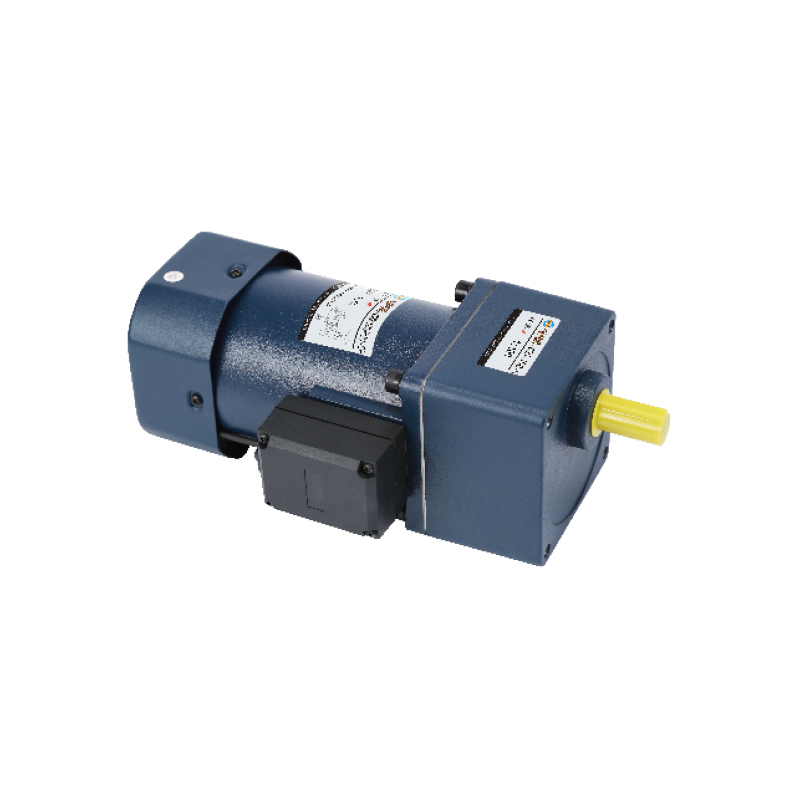
Motor Types and Applications
Different applications demand distinct motor characteristics, and a capable electric gear motor manufacturer offers multiple options to match specific requirements. AC induction motors provide rugged, reliable operation for continuous duty applications like conveyors and pumps where variable speed is unnecessary. Permanent magnet DC motors deliver high starting torque and smooth speed control for battery-powered equipment and adjustable-speed drives. Brushless DC motors combine high efficiency with long life for applications requiring frequent starting, stopping, and speed changes. Stepper motors provide precise positioning for automation applications where accurate movement control matters most.
Gear Reduction Technologies
The gear reduction portion of any electric gear motor determines how speed and torque transform between motor output and final drive. Helical gears provide smooth, quiet operation with high efficiency, typically achieving 95 to 98 percent power transmission per stage. Parallel shaft configurations offer simple, cost-effective designs for moderate reduction ratios. Planetary gear systems deliver exceptional torque density in compact packages, with load sharing across multiple planet gears enabling higher ratings than other types. Worm gears provide high reduction ratios with self-locking capability, preventing back-driving in vertical applications.
Integrated Design Advantages
When motor and gearbox come from a single electric gear motor manufacturer, several benefits emerge. Mounting interfaces are precisely matched, eliminating alignment issues common when combining components from different sources. Lubrication systems designed for the complete assembly ensure both motor bearings and gear teeth receive appropriate protection throughout service life. Thermal management considers heat generation from both motor and gear losses, preventing hot spots that could cause premature failure. Overall dimensions typically reduce compared to separate components, simplifying installation in space-constrained applications.
Motor Winding and Magnet Systems
Electric motor performance depends critically on winding and magnet design. Copper windings must balance resistance against space constraints, with optimal wire gauge and turn counts determined through detailed magnetic circuit analysis. Insulation systems must withstand operating temperatures, voltage stresses, and environmental exposure throughout expected service life. Permanent magnets in DC and brushless motors require careful selection of materials balancing magnetic strength against cost and temperature stability. A quality electric gear motor manufacturer employs engineers skilled in electromagnetic design who optimize these elements for each application.
Housing and Structural Engineering
The mechanical structure enclosing motor and gear components must satisfy multiple requirements simultaneously. Rigidity maintains alignment between rotating elements under varying loads, preventing premature wear and noise generation. Thermal paths conduct heat away from windings and bearings to external surfaces where cooling occurs. Mounting features provide secure attachment to customer equipment while maintaining proper orientation. Environmental sealing protects internal components from moisture, dust, and chemical exposure. A thoughtful electric gear motor manufacturer designs housings balancing these competing demands.
Quality Control Through Production
Consistent quality requires systematic verification throughout manufacturing. Incoming inspection confirms raw materials and purchased components meet specifications before production begins. In-process checks monitor critical dimensions and assembly steps where errors would be costly to correct later. Final testing validates performance under simulated operating conditions, measuring speed, torque, current, temperature, and noise against design targets. A thorough electric gear motor manufacturer maintains calibration systems ensuring all test equipment provides accurate, traceable measurements.
Related Products
-
-
Cat:Motor Controller & Accessories
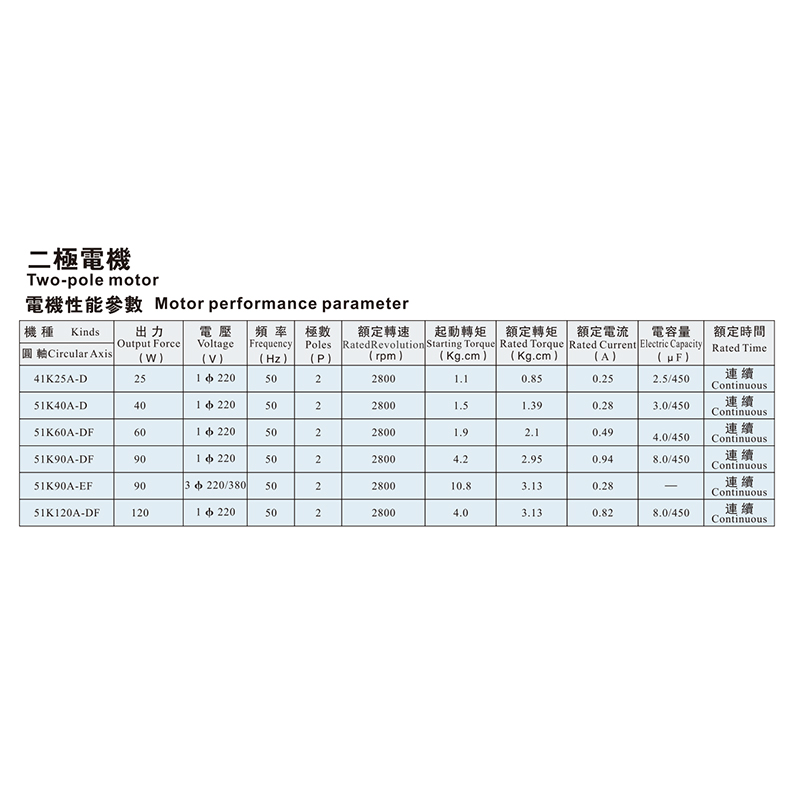
The Two-pole Motor is designed to provide stable and efficient power output for a variety of industrial and automation applications. Its compact struc...
See Details -
Cat:CH
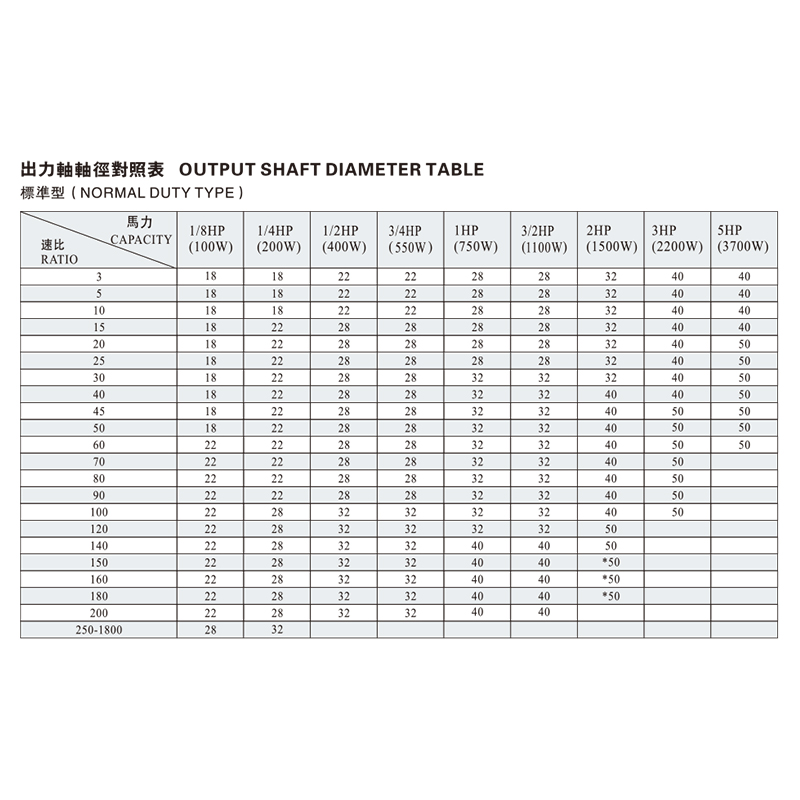
The CH, CV Output Shaft Diameter Table provides standardized dimensional data for selecting compatible transmission components and mechanical assembli...
See Details
Looking For Business Opportunity?
Request for a call today

Zhanpeng Machinery sincerely cooperates with people at home and
abroad to create common development and achieve win-win
results!
Contact Us
-
 sales@razhanpeng.com
-
 +86 13335770176
-
 No. 2807, Huaming Road, Ruian City, Wenzhou City,Zhejiang Province,China
Quick Links
Message


Copyright 2024 Ruian Zhanpeng Machinery Co., Ltd.
Gear Motor Factory


Contact Us