


 English
 中文简体
中文简体 عربى
عربى
What Is Electric Reduction Motor Used For In Daily Industrial Equipment
Why Machines Need Controlled Movement Instead Of Direct Fast Rotation
In many real workshops or production spaces, one common issue is not lack of power, but lack of control. A motor can spin easily, but what happens next is not always easy to manage. When that spinning is passed directly into a machine, the movement can feel too sharp or too fast for the task.
For example, a conveyor that moves parts too quickly may cause items to bump into each other. A lifting device that reacts too fast may feel unstable when the load changes. Even simple positioning work becomes harder when motion is not smooth.
In these situations, what matters is not just "movement," but how that movement is shaped.
An Electric Reduction Motor is often used to solve this type of problem. It does not change the idea of motion itself. It changes how that motion is delivered. Instead of letting rotation pass through directly, it slows it down and makes it easier to use in real tasks.
In daily practice, this difference is noticeable. The machine feels less "jumpy." The movement becomes easier to follow. And operators do not need to constantly adjust things to keep it stable.
Where Electric Reduction Motor Sits In A Real Machine Setup
A working machine is usually not just one motor. It is a chain of connected parts. Power starts from one point and moves through different sections before reaching the working end.
The Electric Reduction Motor is placed in the middle of that chain.
Its job is simple:
take fast rotation in, and send out controlled rotation.
Inside the unit, the movement does not travel in a straight line. It passes through internal parts that change how the motion behaves. By the time it reaches the output side, the movement is slower and more suitable for work.
A simple way to describe the flow is:
- rotation enters the system
- internal structure changes motion behavior
- output becomes slower and more controlled
- working part receives usable movement
This is why it is often used in machines where direct rotation would feel too aggressive.
How The Motor Actually Slows Down Movement
Inside the Electric Reduction Motor, there are internal mechanical parts that interact with each other while turning. These parts do not stop the movement. They reshape it.
When rotation enters, it is passed through a series of internal contacts. Each step slightly changes the speed. By the time it reaches the output, the movement is noticeably calmer.
It is not about cutting power. It is about spreading movement through internal structure so it does not rush forward all at once.
In simple terms:
- fast input
- internal slowing steps
- calm output
This is why machines connected to it do not feel as harsh during operation.
Why Slower Movement Is Often More Useful In Real Work
At first glance, fast movement may seem more powerful. But in real work environments, speed alone can create problems.
When something moves too fast:
- it is harder to control position
- load can shift unexpectedly
- connected parts may shake
- timing becomes harder to manage
Slower movement avoids these issues.
With an Electric Reduction Motor, motion becomes easier to handle. Instead of rushing, the machine moves in a way that can be followed and adjusted.
For example:
- in material transfer, items stay in place
- in lifting tasks, load feels more stable
- in positioning work, small adjustments become easier
This is why many systems prefer controlled speed over raw rotation.
How Torque Feels Different After Reduction
Torque is the force used to turn or move something under resistance. In real equipment, this matters when loads are not light.
Inside a reduction motor, when speed is lowered, usable force becomes more noticeable at the output side. This is not extra energy being created. It is the same energy being redirected in a more practical way.
So instead of fast spinning, the output feels stronger when pushing against resistance.
In daily operation:
- light load → smooth movement
- heavier load → steady pushing force
- changing load → gradual adjustment
This balance makes the machine feel less sensitive to sudden changes in resistance.
What Happens When The Load Keeps Changing During Work
In real environments, load is rarely constant. A conveyor may carry light items one moment and heavier ones the next. A lifting device may face different resistance depending on what is being moved.
The Electric Reduction Motor adjusts to this naturally through its internal structure.
When load increases:
- movement slows slightly
- force becomes more noticeable
- system keeps running without sudden interruption
When load decreases:
- movement becomes easier
- speed stabilizes again
- operation continues smoothly
This kind of response is not controlled manually. It happens through mechanical behavior inside the motor.
Where This Type Of Motor Is Commonly Used In Daily Operation
Even though it sounds technical, this kind of motor appears in many familiar working systems.
It is often found in:
- belt movement systems that carry objects
- lifting devices that move loads up and down
- rotating platforms that need steady motion
- repetitive mechanical cycles in production lines
In all of these, the main need is not speed. It is controlled movement that behaves the same way every time.
A simple comparison:
| Situation | Without Reduction | With Electric Reduction Motor |
|---|---|---|
| movement start | sudden | gradual |
| load handling | unstable | steady |
| continuous motion | uneven | consistent |
| positioning | hard to control | easier to adjust |
Why Smooth Movement Matters More Than It Seems
When machines move roughly, the effect is not always visible at first. But over time, small issues start to appear. Parts may loosen slightly, movement may feel less stable, and repeated adjustments become more common.
Smooth movement reduces these small problems.
With controlled output:
- vibration is reduced
- motion feels more even
- connected parts experience less stress
- repeated tasks become easier to manage
Electric Reduction Motor helps create this smoother behavior by controlling how motion is released into the system.
Basic View Of Speed And Force Balance
Speed and force are always linked. Changing one affects the other. In real work, the goal is not to maximize either one, but to balance them.
Inside a reduction system:
- speed is lowered
- force becomes more usable
- movement becomes easier to control
This balance is what makes the system practical for real tasks where stability matters more than fast spinning.
What Changes After A Machine Runs For A While In Real Conditions
In actual use, machines rarely behave exactly the same from the moment they start to the moment they keep running. At the beginning, movement can feel slightly tight or uneven. After a period of operation, things usually settle into a more predictable rhythm.
An Electric Reduction Motor plays a quiet role in this shift. It does not "fix" the system, but it helps the movement avoid sudden behavior changes during this settling stage.
In practice, operators may notice:
- early movement feels slightly heavier
- later movement becomes more even
- small resistance changes become less noticeable
- repeated cycles feel closer to each other in behavior
This happens because internal mechanical contact becomes more stable during continuous use, and the reduction structure keeps changes from becoming too sharp.
Why Load Position Feels More Important Than Total Weight
In real work, total load is not always the main issue. Where that load sits often matters more. A centered load behaves differently compared to one that is slightly off balance.
The Electric Reduction Motor reacts to resistance rather than visual position, so uneven load shows up as small changes in movement feel.
Common situations:
- centered load → steady rotation without interruption
- shifted load → slight variation in movement smoothness
- changing load position → minor fluctuation during motion
These effects are not dramatic, but they can be noticed in long continuous operation where consistency matters.
How Continuous Operation Changes Movement Feel
When a system runs for a long time without stopping, movement behavior slowly changes. This is not because the motor changes function, but because the mechanical system reaches a more settled state.
At the start:
- parts are not fully settled
- resistance feels slightly irregular
- motion may feel less uniform
After running:
- contact surfaces become more stable
- movement becomes easier to predict
- small fluctuations reduce naturally
The Electric Reduction Motor supports this process by avoiding sudden speed jumps that could interrupt the settling phase.
Why Internal Resistance Is Not A Problem In This Case
In many mechanical systems, resistance is usually seen as something to reduce. But inside a reduction motor, controlled resistance actually helps keep movement stable.
If everything moved too freely:
- small load changes would cause quick speed shifts
- motion would feel harder to control
- connected parts would react more sharply
With controlled resistance:
- changes are softened
- motion responds more gradually
- system behavior becomes easier to manage
This is why the internal structure is designed to guide movement instead of letting it pass without adjustment.
| Work Condition | What Happens Inside Motor | How Motion Feels In Practice |
|---|---|---|
| stable load | steady internal transfer | smooth and consistent movement |
| increasing load | gradual resistance rise | slower but stable output |
| uneven load | slight internal imbalance response | small variation in motion |
| long continuous run | system settles internally | more uniform operation feel |
This kind of behavior is commonly observed in machines that run through changing working conditions rather than fixed environments.
Why Repetitive Tasks Depend On Controlled Motion
Many machines do not perform one-time actions. They repeat the same movement again and again. In these cases, even small differences between cycles can become noticeable over time.
The Electric Reduction Motor helps reduce these differences by keeping each movement cycle closer in behavior to the previous one.
This is useful in situations like:
- repeated lifting and lowering
- continuous material transfer
- rotating equipment used in cycles
- positioning tasks done many times
Instead of trying to make every cycle identical, the system keeps variation small enough that it does not affect operation.
Why Sudden Movement Changes Are Rare In Reduction Systems
In systems without reduction, changes in speed can happen quickly. A small change in load or input can immediately affect output. This often creates a feeling of sudden movement shifts.
Inside an Electric Reduction Motor, movement passes through internal stages before reaching output. Each stage slightly slows or adjusts the change.
So instead of:
instant change → strong reaction
It becomes:
gradual change → softened reaction
This layered behavior is what makes motion feel more controlled in real use.
How Installation Conditions Influence Real Operation Feel
Even though the motor itself performs the same function, the surrounding setup can influence how movement is experienced.
In real installations:
- aligned systems feel smoother
- slightly misaligned systems may feel uneven
- flexible mounting can reduce vibration feel
- rigid mounting can transfer more load feedback
These factors do not change the motor's internal behavior, but they change how that behavior is transmitted to the machine.
Long Term Pattern Of Stable Mechanical Behavior
Over time, machines using Electric Reduction Motors often show a more consistent movement pattern. This is not a sudden change, but something that develops through repeated use.
What is often observed:
- fewer sudden movement variations
- more predictable response under load
- smoother start and stop behavior
- reduced sensitivity to small external changes
These patterns come from the combination of mechanical reduction and continuous operation under similar working conditions.
In everyday operation, Electric Reduction Motor acts less like a power source and more like a motion stabilizer. It takes fast rotation and reshapes it into movement that can adapt to changing load, repeated cycles, and uneven working conditions.
Instead of focusing on speed, it focuses on keeping movement usable in real environments where conditions are never perfectly stable.
Related Products
-
-
Cat:Right-Angle
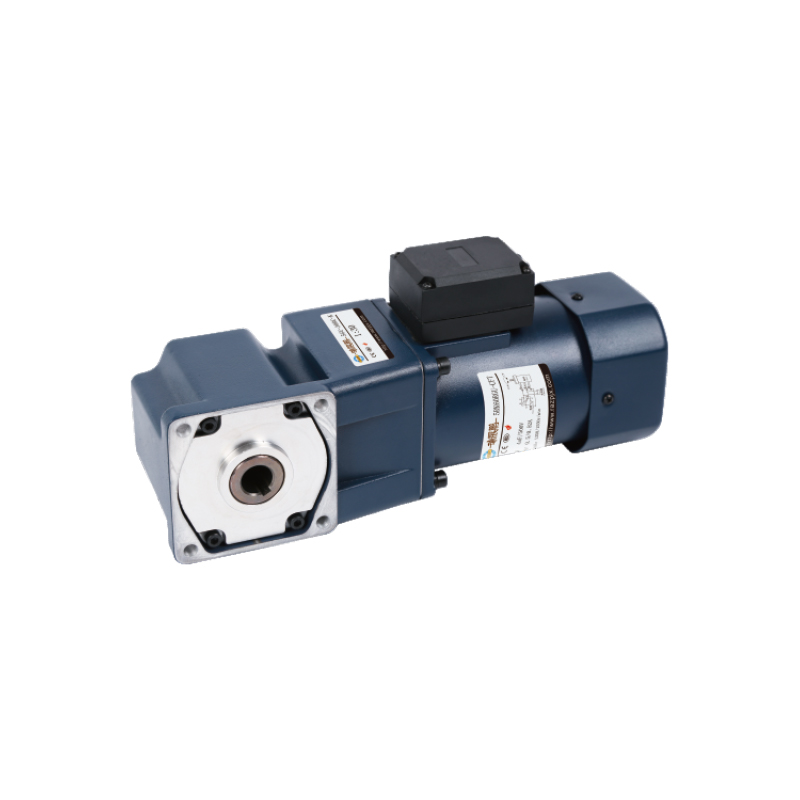
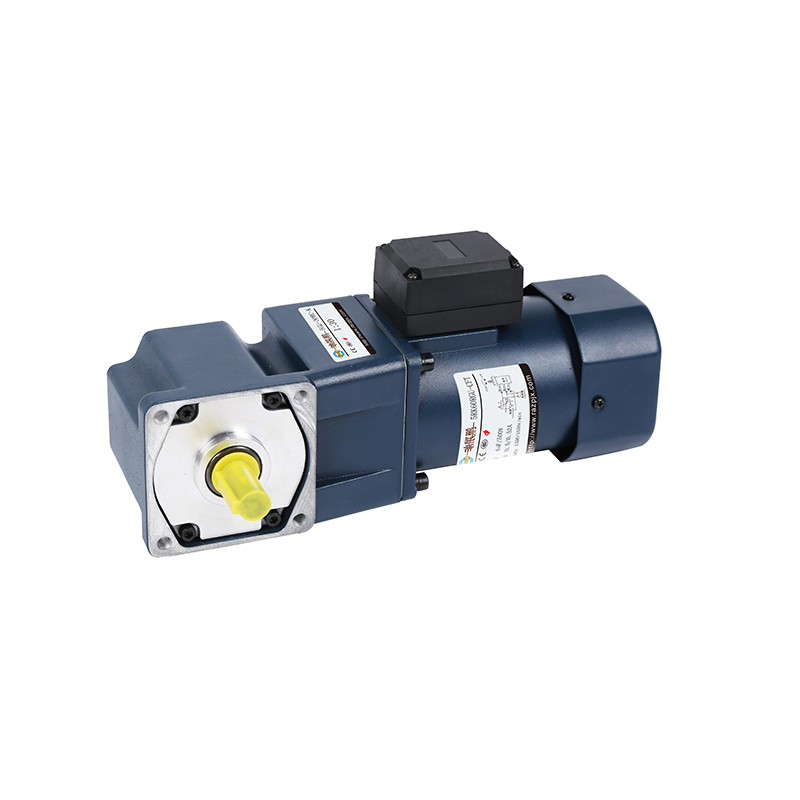
The 90mm 60W VT Reduction Motor is designed for compact equipment that needs a bit more power while keeping a small installation size.It handles autom...
See Details -
Cat:Right-Angle
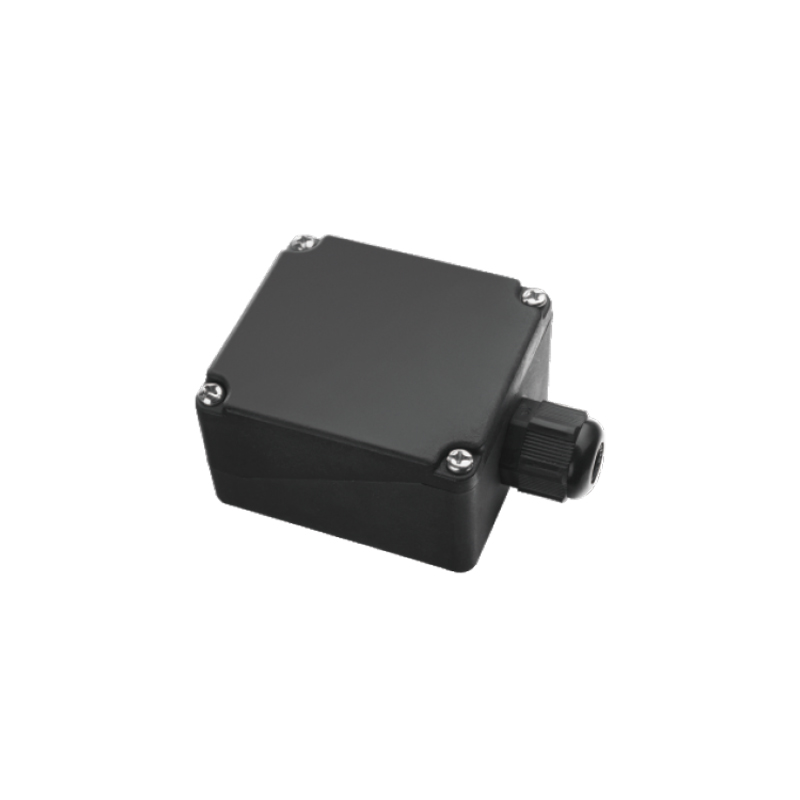
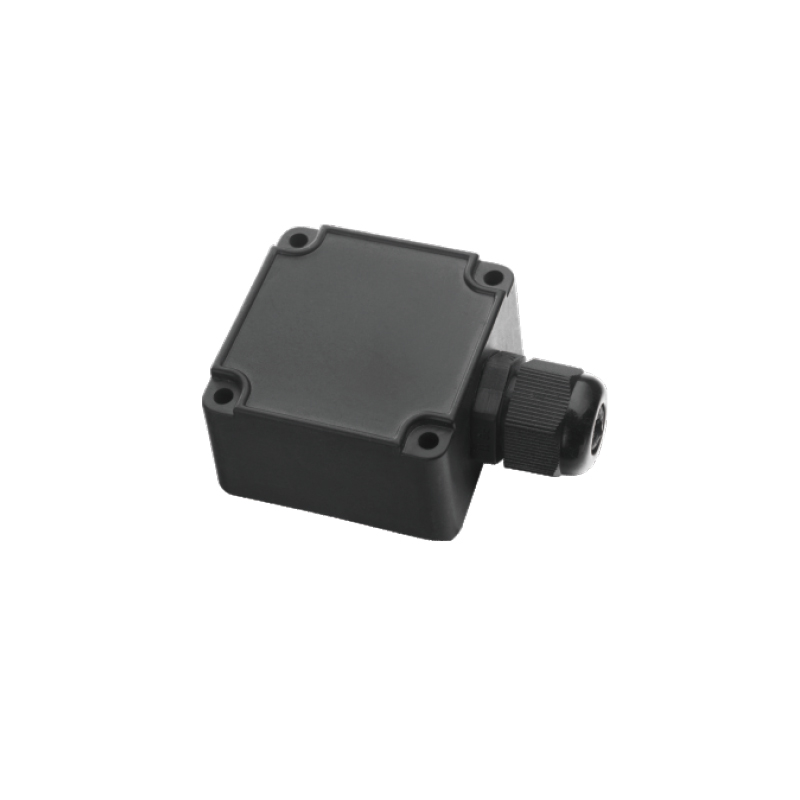
The SX Type Junction Box is designed for safe and reliable electrical connection and cable management in motor and industrial equipment systems. Featu...
See Details -
Cat:Motor Controller & Accessories
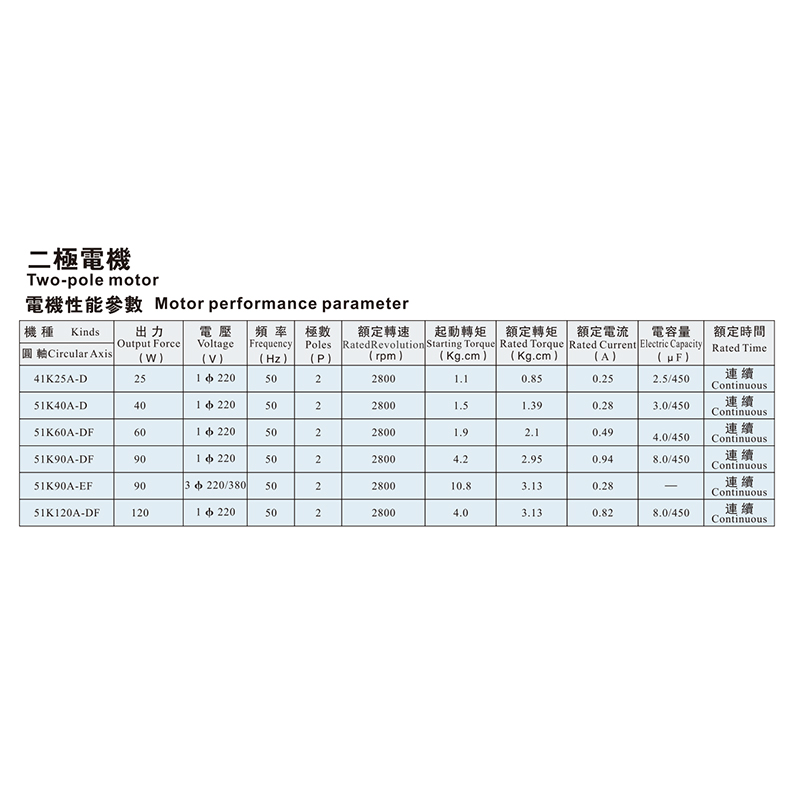
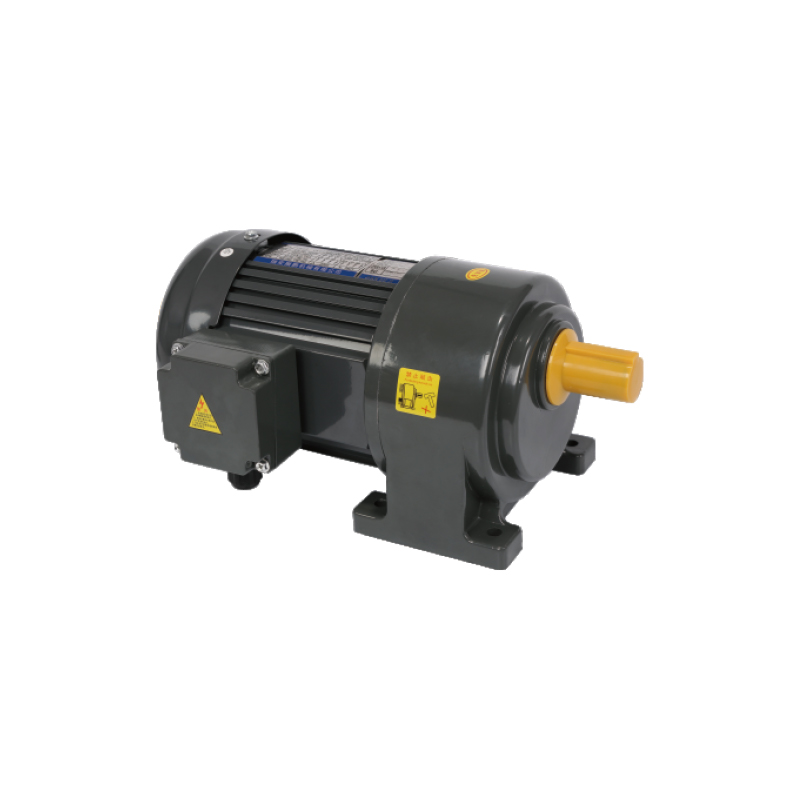
The Two-pole Motor is designed to provide stable and efficient power output for a variety of industrial and automation applications. Its compact struc...
See Details -
Cat:CH
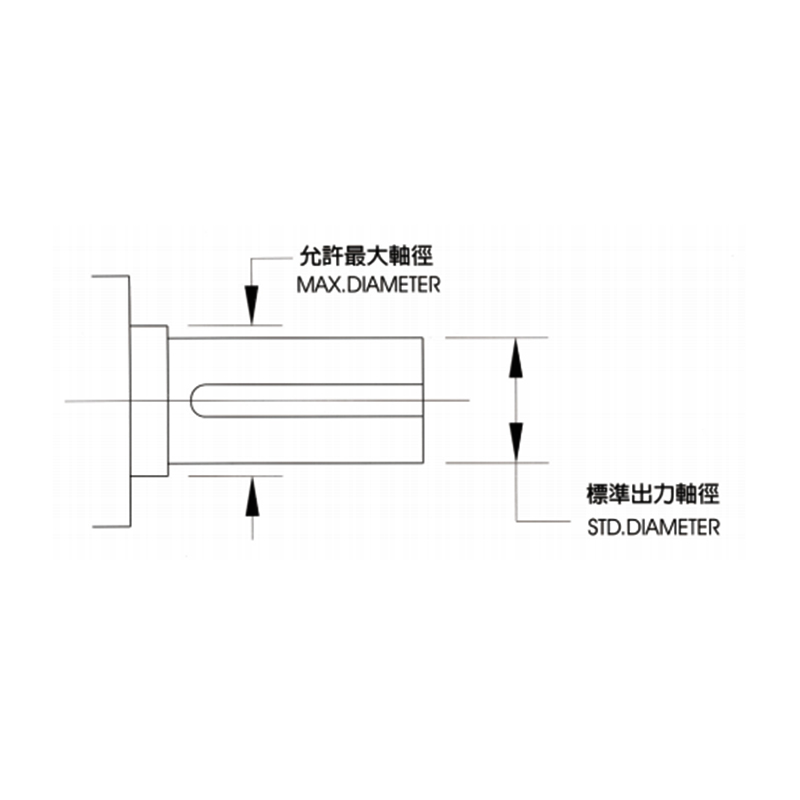
The CH, CV Available Max Output Shaft Diameter provides detailed reference data for selecting suitable shaft dimensions in transmission systems. It he...
See Details -
Cat:CH
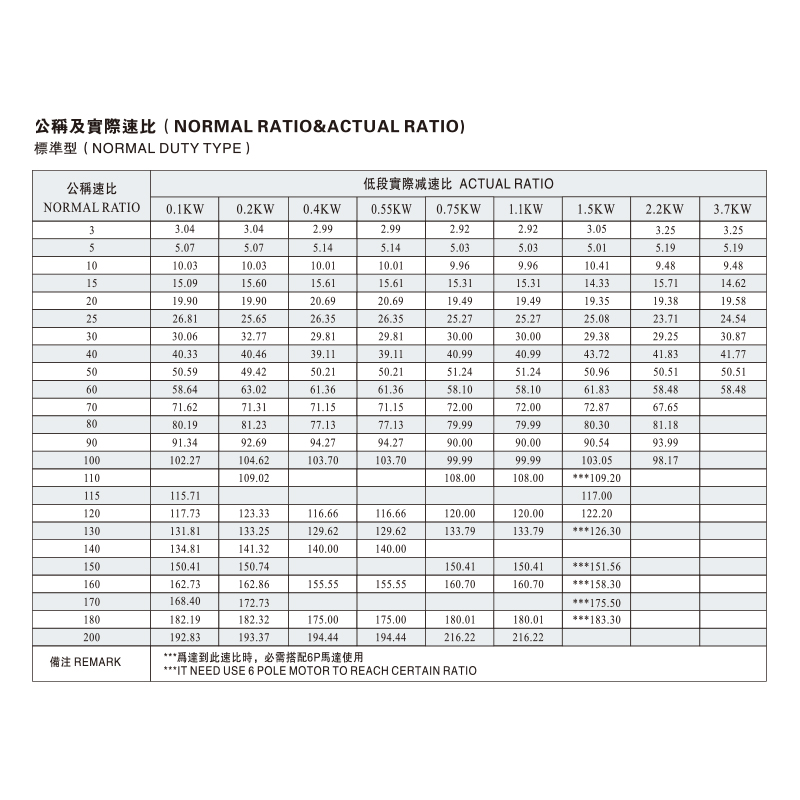
The CH, CV Normal Ratio & Actual Ratio provides accurate reference data for matching transmission requirements and optimizing reducer performance....
See Details -
Cat:CH
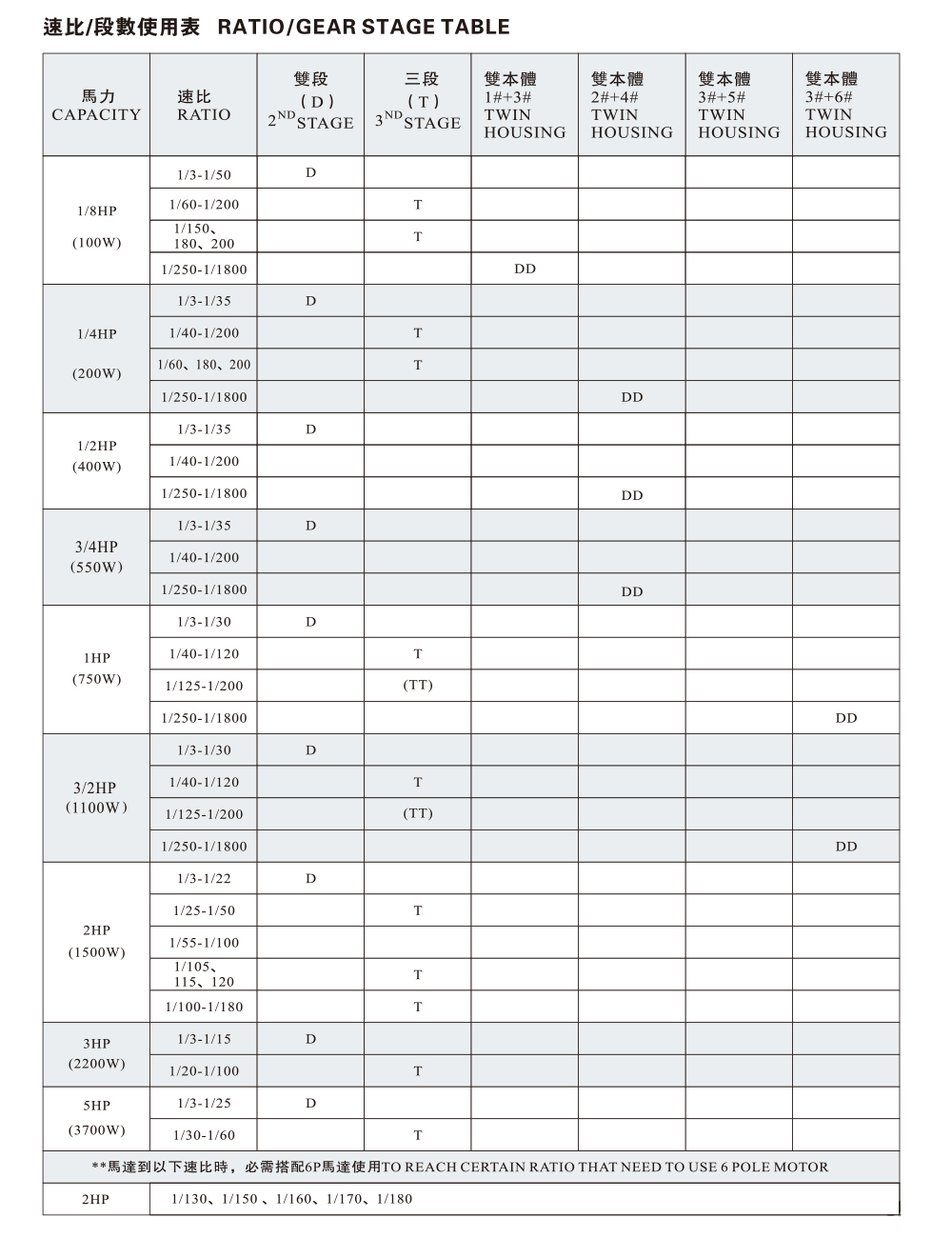
The CH, CV Ratio / Gear Stage Table provides standardized transmission ratio and gear stage information to support equipment selection and system desi...
See Details
Looking For Business Opportunity?
Request for a call today
Zhanpeng Machinery sincerely cooperates with people at home and
abroad to create common development and achieve win-win
results!
Contact Us
-
 sales@razhanpeng.com
-
 +86 13335770176
-
 No. 2807, Huaming Road, Ruian City, Wenzhou City,Zhejiang Province,China
Quick Links
Message


Copyright 2024 Ruian Zhanpeng Machinery Co., Ltd.
Gear Motor Factory


Contact Us