


 English
 中文简体
中文简体 عربى
عربى
How Can Right Angle Gear Drives Improve Industrial Efficiency?
The Right Angle Gear Drive is an essential solution for redirecting mechanical power between shafts positioned at 90 degrees. This configuration is widely implemented in industrial machinery where compact layouts are necessary, such as automated packaging lines, rotary tables, and material handling systems. Its ability to transmit torque efficiently in tight spaces makes it a preferred choice for engineers aiming to optimize machine performance without enlarging equipment footprint.
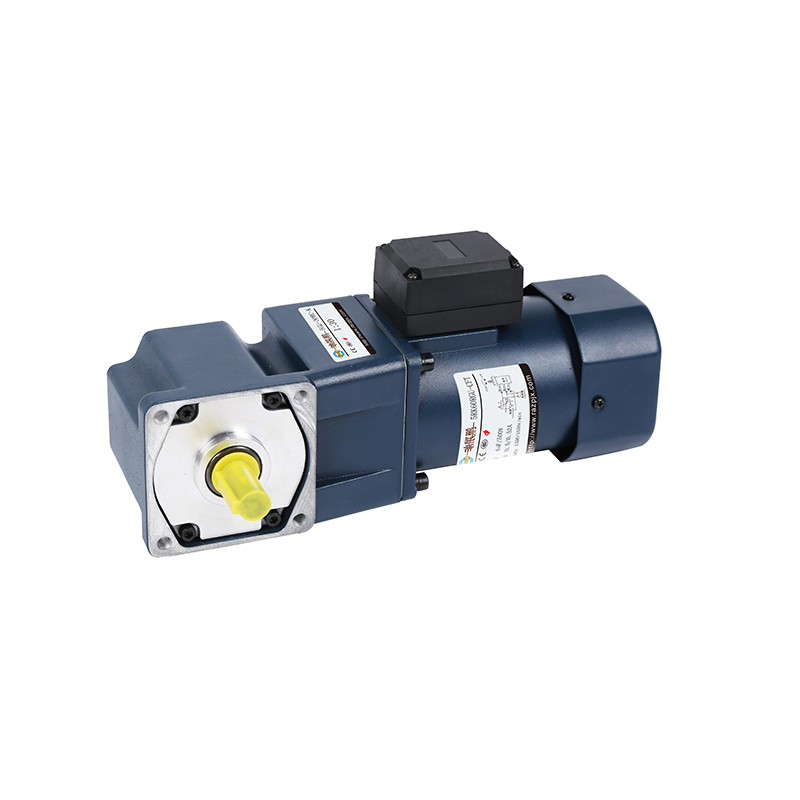
Designed for durability and high-load handling, modern right-angle gear drives feature robust gear sets and reinforced housings. Advanced designs reduce vibration and heat generation, which enhances operational stability and extends service life. These characteristics make them suitable for continuous industrial operations where reliability is essential. Additionally, they perform well in automated assembly lines, packaging machinery, and conveyor systems, maintaining consistent torque under varying loads. Their construction allows integration with monitoring systems for temperature and load, supporting preventive maintenance and reducing the risk of unexpected downtime in demanding industrial environments.
In production environments, right-angle drives are often used to power conveyors, lifts, and rotary machinery. Their compact design enables engineers to create efficient layouts where multiple drives can be installed in proximity. This allows synchronized operation across different machine components while preserving precise motion control.
Modular construction is another advantage. Standardized mounting dimensions and interchangeable gear sets simplify replacement and maintenance while allowing flexibility in machinery design. Many right-angle drives also include integrated lubrication systems and sealed housings, which reduce maintenance needs and support long-term operational stability even in challenging factory conditions.
Additionally, these gear drives are increasingly applied in automated assembly lines and packaging machines, where precise torque and compact space utilization are important. The drives allow machines to handle high-torque tasks without affecting speed or accuracy, improving production consistency. They are also implemented in systems that require coordinated motion between multiple axes, such as multi-station conveyors and indexing mechanisms, providing smooth and predictable operation.
Technological improvements have introduced optimized gear profiles and specialized materials that further enhance load distribution and reduce vibration. These features support machines handling delicate or irregular products, such as fragile packages, food containers, or sensitive electronic components, where consistent torque and mechanical stress are necessary for maintaining quality and workflow continuity.
In conclusion, the Right Angle Gear Drive offers a practical approach for transferring torque at right angles while supporting efficient space utilization and steady operation. Its combination of adaptability, modular design, and mechanical stability allows integration across diverse industrial systems, providing reliable performance in various manufacturing and processing applications.
Frequently Asked Questions (FAQ)
Q: What is the primary function of a right angle gear drive?
A: It changes the direction of torque transmission between two shafts positioned at 90 degrees.
Q: Which industries use these drives frequently?
A: Industries including packaging, food processing, electronics manufacturing, and heavy machinery rely on them.
Q: How do they improve machine performance?
A: By enabling compact layouts, synchronized motion, and precise torque transfer under varying loads.
Q: Are right angle drives suitable for continuous operation?
A: Yes, their durable construction and integrated lubrication systems support extended use.
Q: What maintenance considerations are needed?
A: Modular design and standardized components simplify inspection, replacement, and routine maintenance.
Related Products
-
-
Cat:Right-Angle
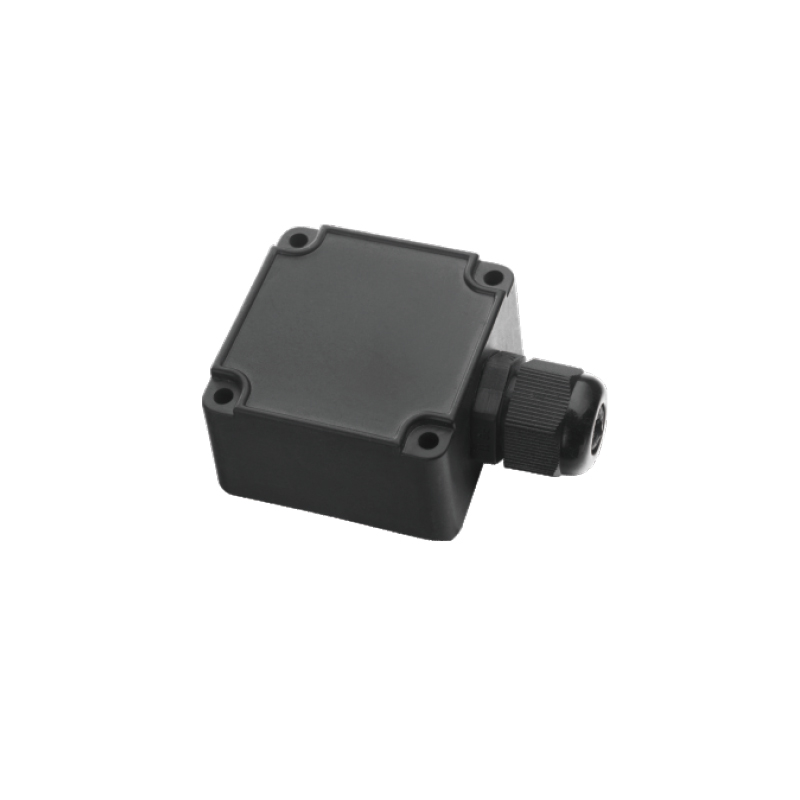
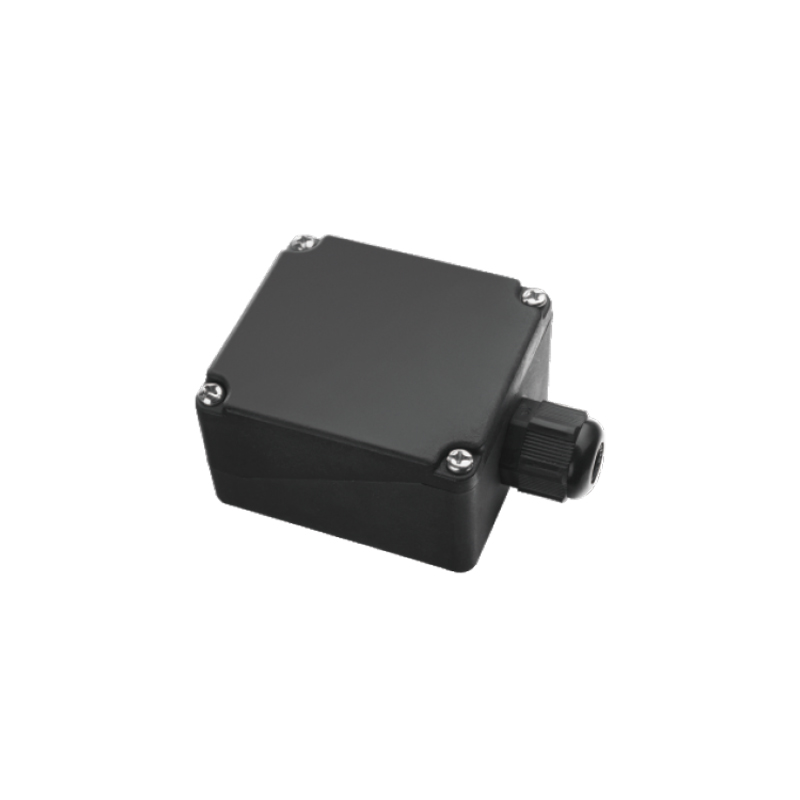
The SX Type Junction Box is designed for safe and reliable electrical connection and cable management in motor and industrial equipment systems. Featu...
See Details -
Cat:CH
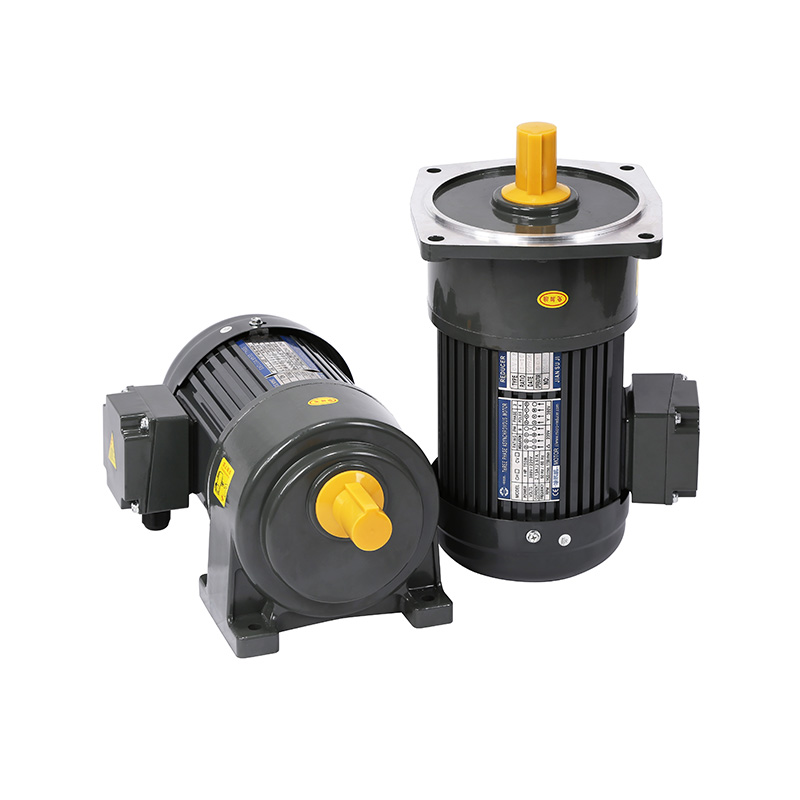
The Mirco and Special Electronic product series is designed for compact electronic equipment and precision transmission applications requiring stable ...
See Details -
Cat:CH
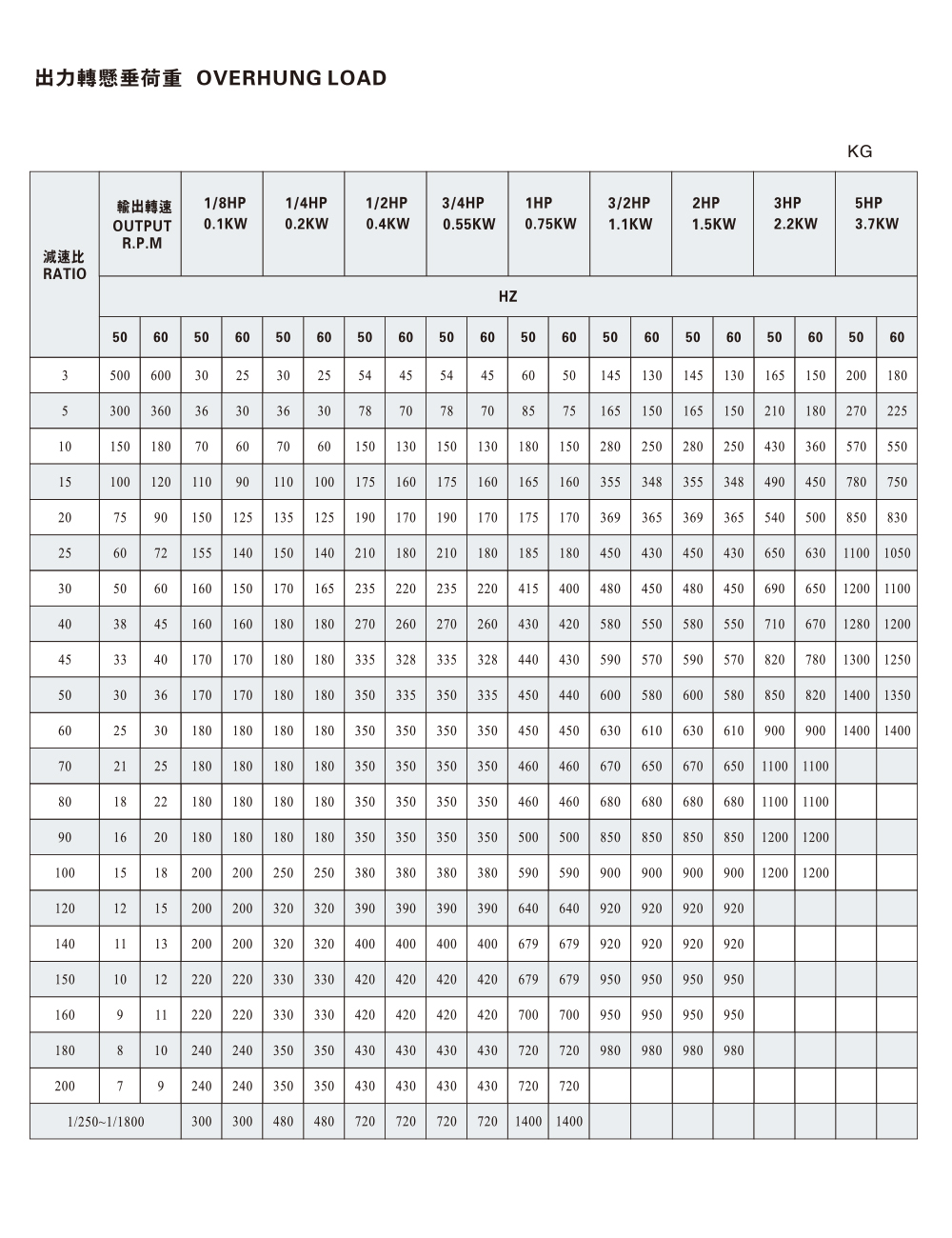
The CH, CV Overhung Load component is designed to provide reliable support and load management for transmission systems, helping improve the stability...
See Details -
Cat:CH
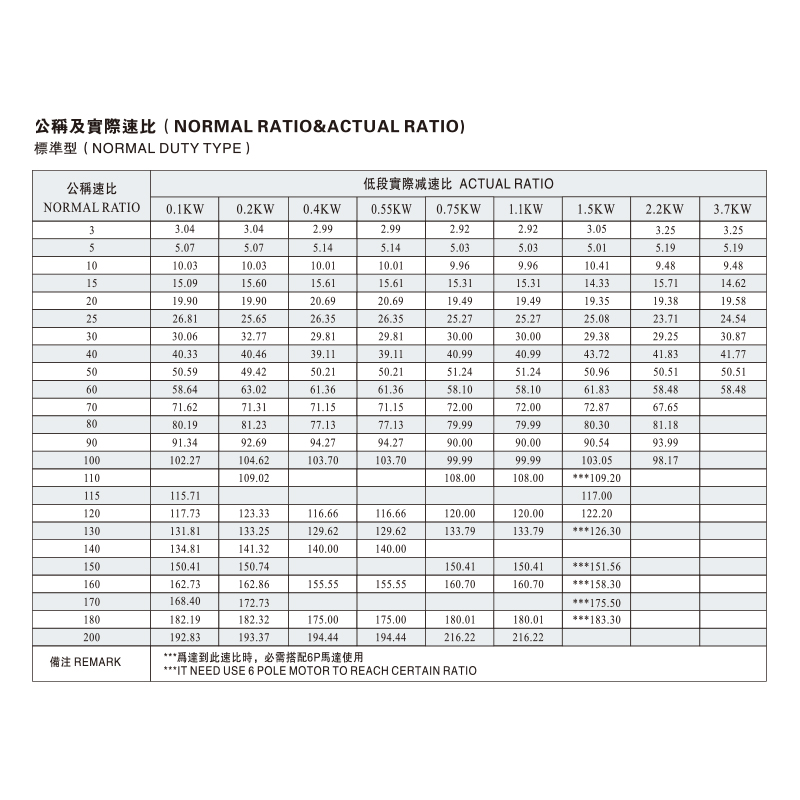
The CH, CV Normal Ratio & Actual Ratio provides accurate reference data for matching transmission requirements and optimizing reducer performance....
See Details -
Cat:CH
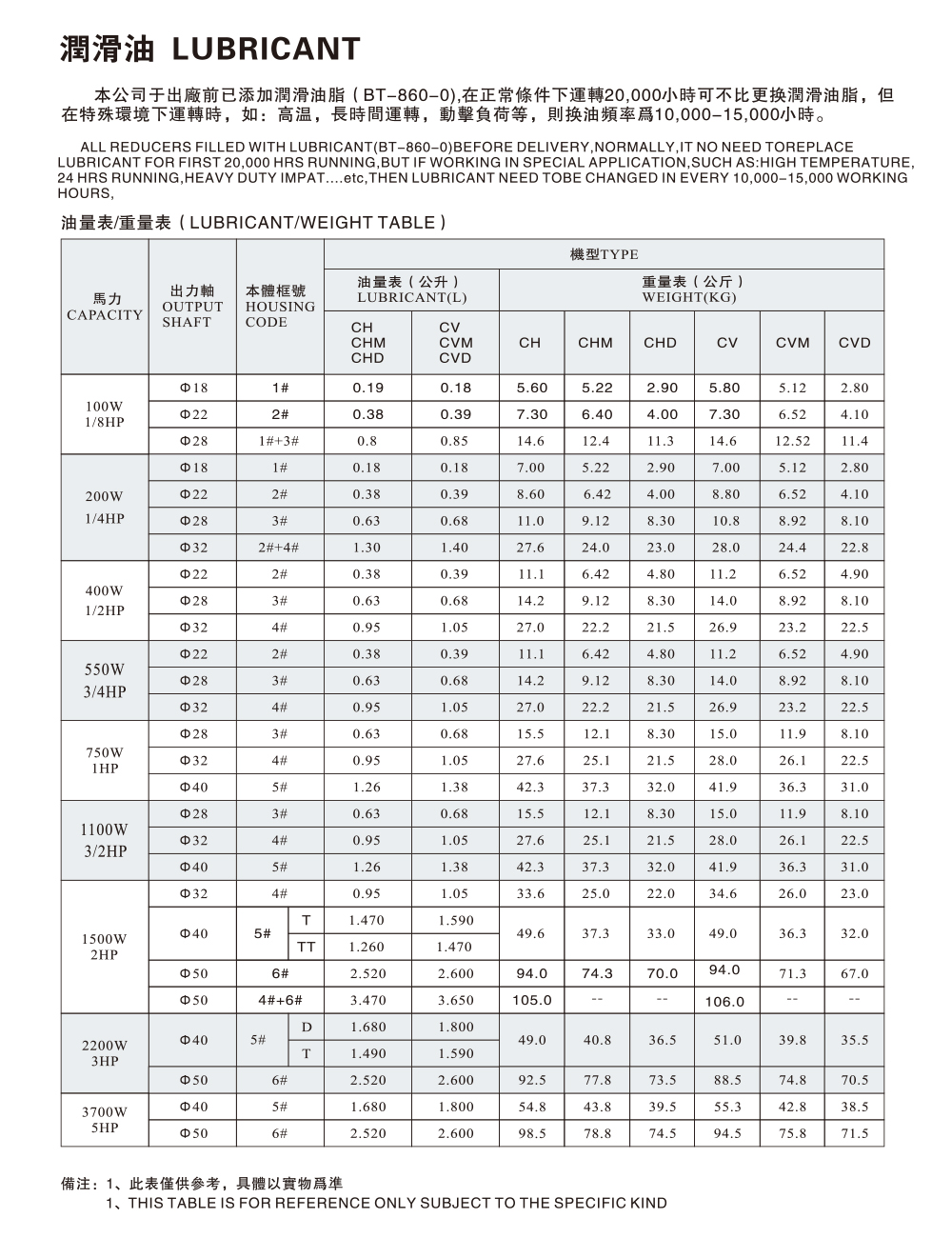
Our company has added lubricating grease (BT-860-0) before leaving the factory. It is not necessary to replace the lubricating grease after 20,000 hou...
See Details
Looking For Business Opportunity?
Request for a call today

Zhanpeng Machinery sincerely cooperates with people at home and
abroad to create common development and achieve win-win
results!
Contact Us
-
 sales@razhanpeng.com
-
 +86 13335770176
-
 No. 2807, Huaming Road, Ruian City, Wenzhou City,Zhejiang Province,China
Quick Links
Message


Copyright 2024 Ruian Zhanpeng Machinery Co., Ltd.
Gear Motor Factory


Contact Us