


 English
 中文简体
中文简体 عربى
عربى
How Right Angle Gear Box Motor Fits Small Systems
The Right Angle Gear Box Motor is used where space constraints require the output shaft to be at 90 degrees to the motor shaft. This configuration allows torque to be redirected efficiently, making it suitable for machinery with compact layouts such as automated conveyors, lab equipment, and robotic joints.
Right angle gear motors often include worm, bevel, or hypoid gears, which can deliver torque while maintaining a smaller footprint. These designs provide higher torque and smoother operation in confined areas compared with traditional inline configurations.
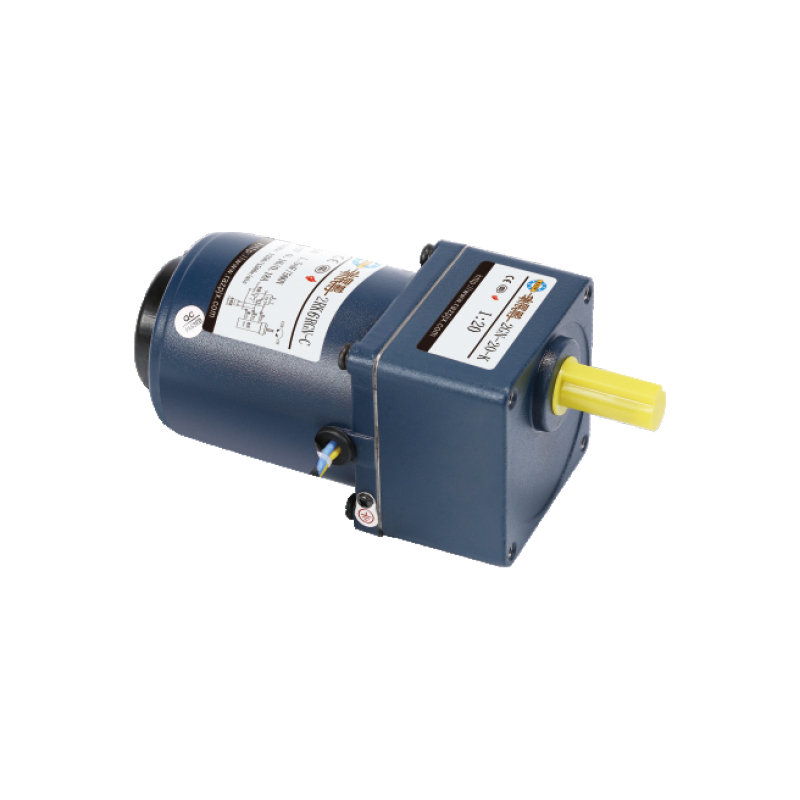
In industrial settings, these motors are installed in systems where limited space and precise torque control are important. They can handle a range of tasks from conveyor drives to robotic wrist actuators, offering mechanical efficiency without significantly increasing system size.
Modern right-angle gear motors incorporate features for monitoring and maintenance. Sensors can provide feedback on speed, load, and temperature, supporting predictive maintenance and helping reduce unplanned downtime. This capability is particularly useful in automated facilities with complex machine arrangements.
Engineers appreciate that right-angle motors allow flexible system design. By redirecting torque through a compact gearbox, designers can optimize mechanical layouts while maintaining performance. These motors are found in manufacturing, packaging, and automated material handling applications where footprint reduction and precise motion control are needed.
The versatility of right-angle motors allows them to be integrated into systems that require repeated start-stop operations. For example, conveyor indexing systems or sorting machinery benefit from smooth acceleration and deceleration, which reduces mechanical wear. Some models are also designed with reinforced housings for moderate environmental exposure, making them suitable for slightly dusty or humid conditions.
Robotic applications continue to grow for right-angle motors, particularly in articulation points such as joints or pivoting assemblies. Compact size and torque density allow mechanical designers to maintain precise positioning and reduce overall machine size, which can improve throughput without increasing the factory footprint.
In addition, right angle motors are being used in inspection and labeling systems where accurate speed control and space efficiency are crucial. Integrating these motors with programmable controllers allows precise synchronization across multiple axes, improving overall workflow and minimizing production delays.
Furthermore, some advanced models feature lightweight alloy housings and quiet gear sets, which make them suitable for laboratory automation and food handling environments. Their ability to maintain precise torque under varying load conditions supports delicate handling tasks, such as moving vials or packages without causing misalignment or product damage.
Overall, the Right Angle Gear Box Motor offers a practical solution for applications requiring space-efficient torque transmission. Its compact design, adaptability, and mechanical performance make it a choice for industries where reliability and precision are essential, and its flexibility enables its use across diverse production environments.
Frequently Asked Questions
Q: What is a right-angle gearbox motor?
A: It is a motor with a gearbox that changes the output direction by 90 degrees.
Q: Why is it used?
A: To transmit torque in systems with space limitations.
Q: What gears are used?
A: Worm, bevel, or hypoid gears, depending on torque and efficiency needs.
Q: Where is it applied?
A: Robotics, conveyors, lab equipment, and compact machinery.
Q: Can it include sensors?
A: Yes, sensors for speed, temperature, and load monitoring are commonly used.
Related Products
-
-
Cat:Right-Angle
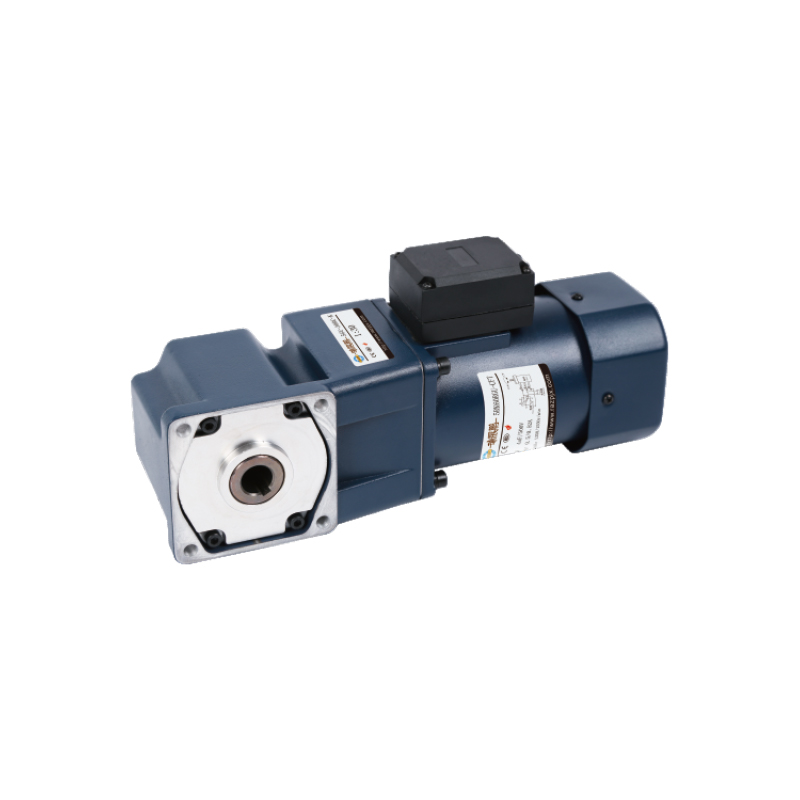
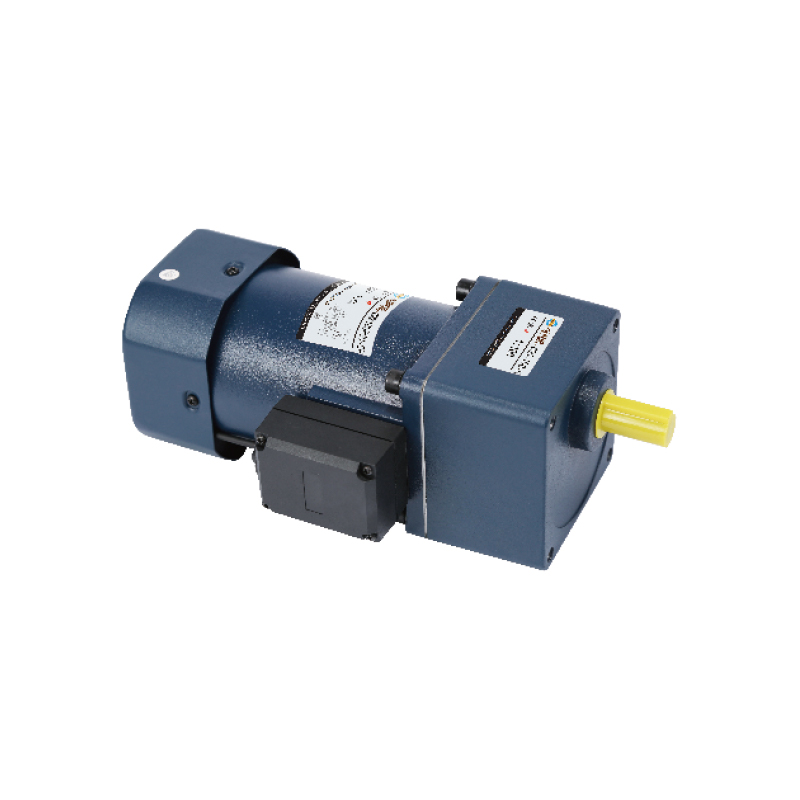
The 90mm 60W VT Reduction Motor is designed for compact equipment that needs a bit more power while keeping a small installation size.It handles autom...
See Details -
Cat:CH
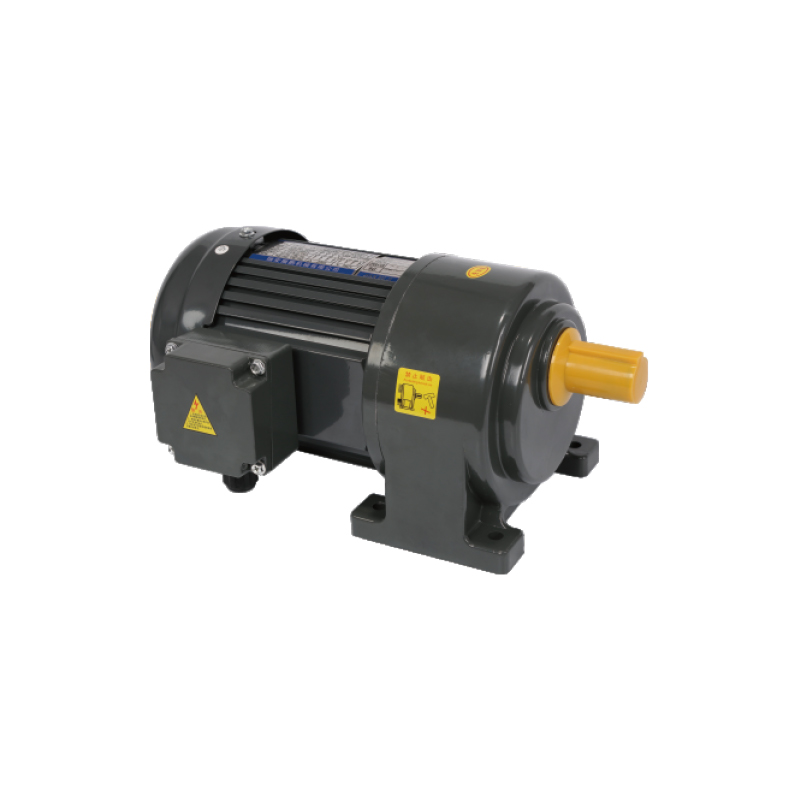
Small AC Gearmotors are designed for compact power transmission with stable torque output and efficient performance. These Fractional HP Gearmotors ar...
See Details -
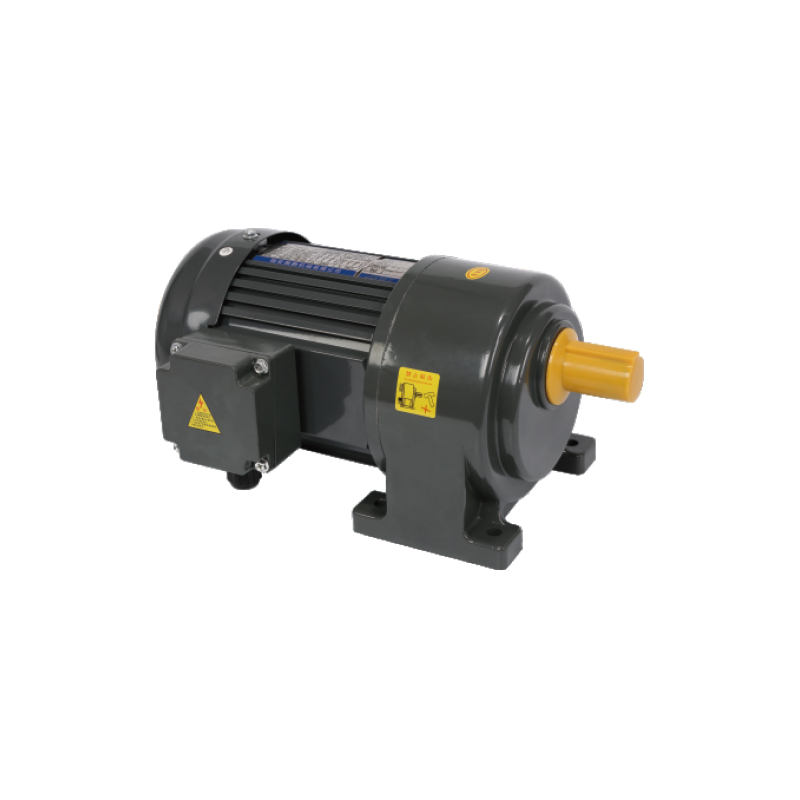
Cat:CH
AC Brake Gear Motor is designed with an integrated braking system to ensure precise stopping and stable control during operation. This AC Gear Motor W...
See Details -
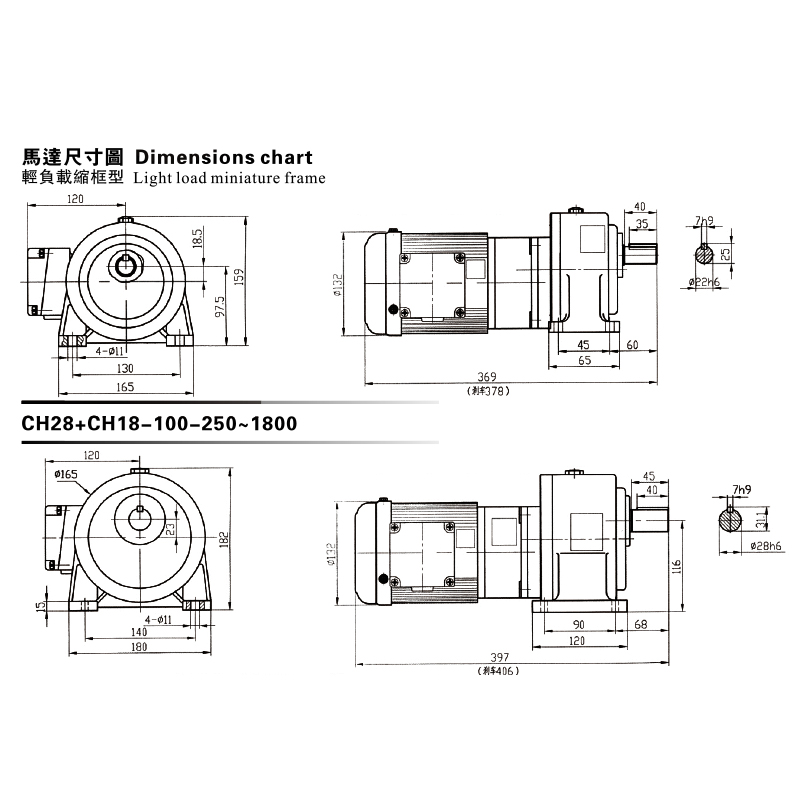
Cat:CH
This CH, CV Dimensions Chart showcases a premium Gear Reduced Electric Motor series engineered for light-load, miniature frame applications. The chart...
See Details -
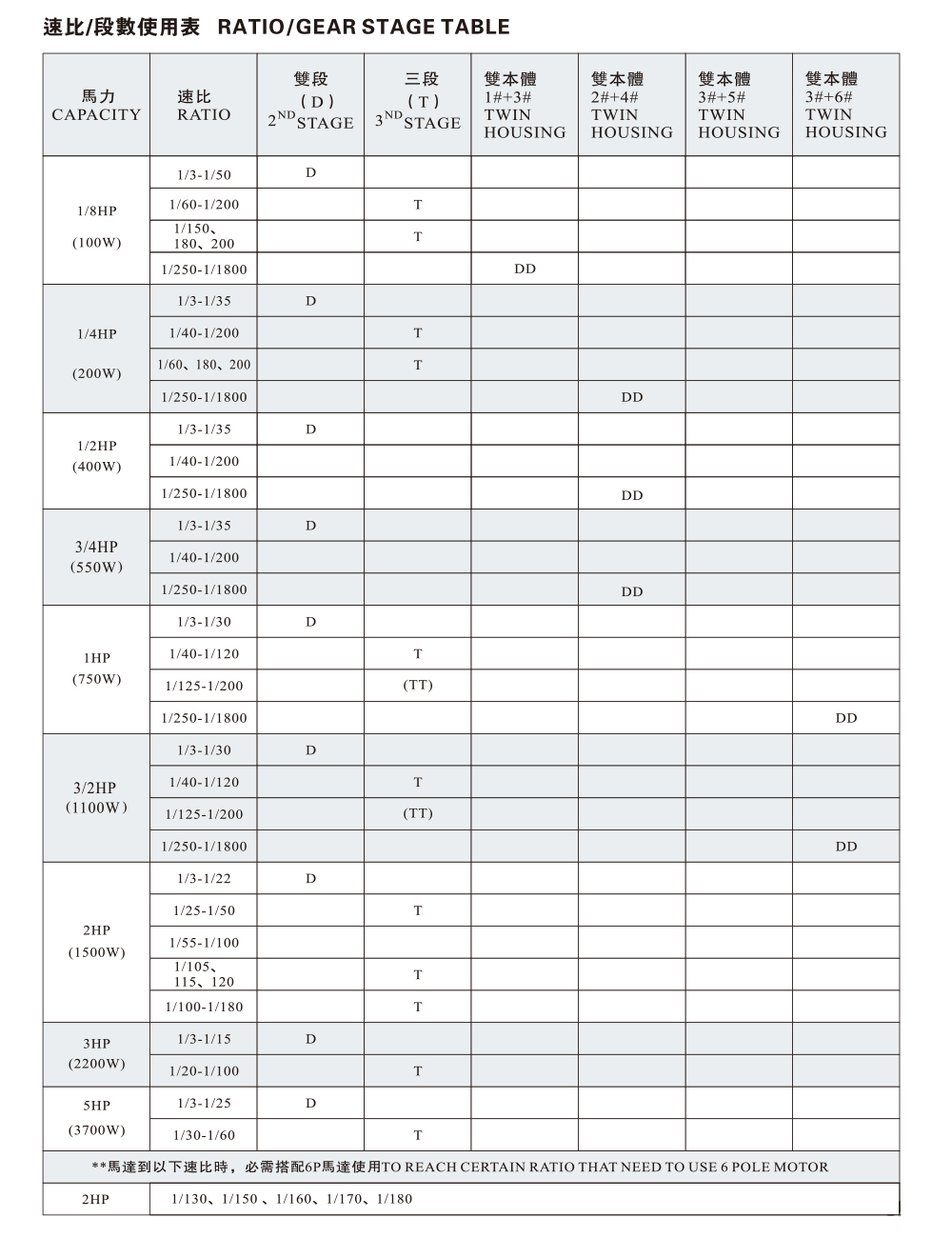
Cat:CH
The CH, CV Ratio / Gear Stage Table provides standardized transmission ratio and gear stage information to support equipment selection and system desi...
See Details
Looking For Business Opportunity?
Request for a call today

Zhanpeng Machinery sincerely cooperates with people at home and
abroad to create common development and achieve win-win
results!
Contact Us
-
 sales@razhanpeng.com
-
 +86 13335770176
-
 No. 2807, Huaming Road, Ruian City, Wenzhou City,Zhejiang Province,China
Quick Links
Message


Copyright 2024 Ruian Zhanpeng Machinery Co., Ltd.
Gear Motor Factory


Contact Us