


 English
 中文简体
中文简体 عربى
عربى
How Does AC Brake Gear Motor Stop Movement Safety In Industry
Why Controlled Stopping Matters in Real Industrial Motion
In many industrial setups, motion does not really "stop" the moment power is cut. A conveyor keeps sliding a little. A lifting arm may drift down slightly. Even a rotating table can continue turning for a short moment after shutdown. That small continuation is not random behavior, it comes from stored mechanical energy inside moving parts.
The issue becomes more noticeable when loads are heavy or uneven. What looks like a simple stop at the control panel often turns into a delayed physical stop on the machine side. That gap between command and actual rest position is where positioning errors start showing up.
In daily operation, uncontrolled stopping can create small but repeated problems:
- parts landing slightly off position
- load shifting after intended stop
- extra stress on shafts and couplings
- misalignment that needs correction before next cycle
Nothing dramatic in a single cycle. Over time, those small differences begin to affect workflow consistency.
What an AC Brake Gear Motor Does in Practical Operation
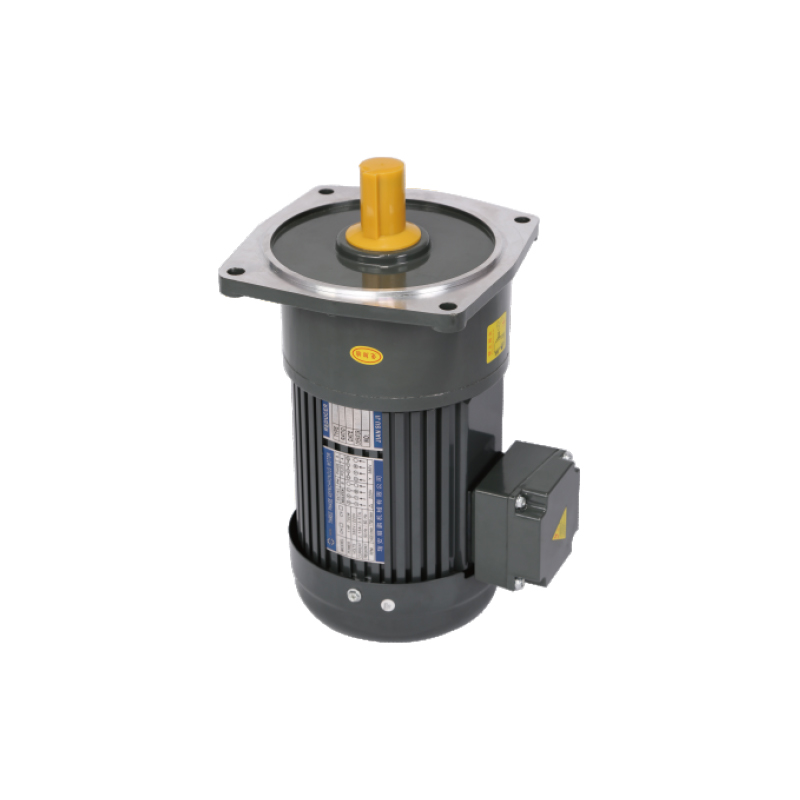
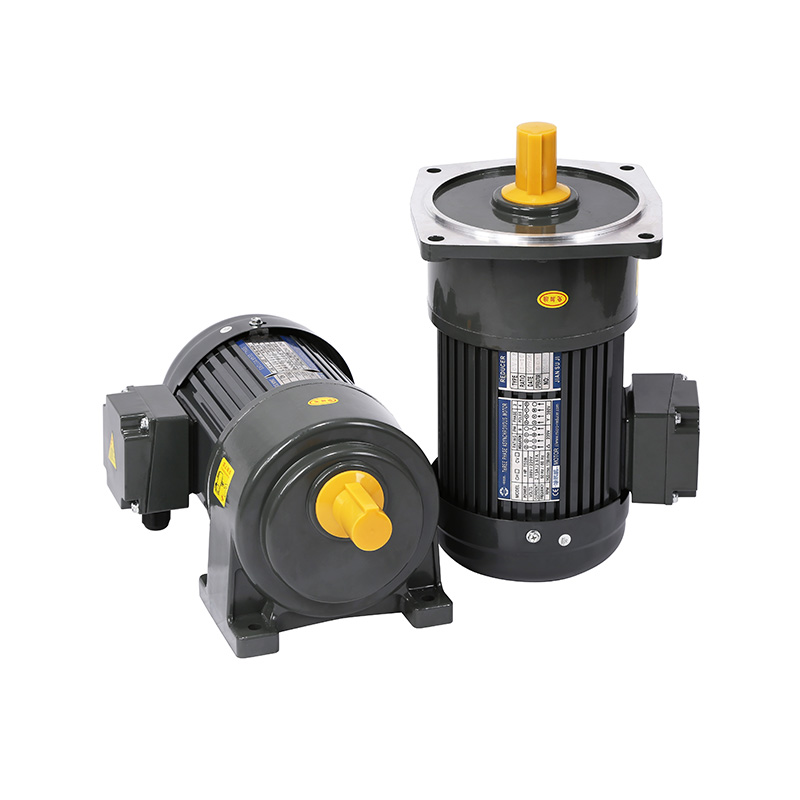
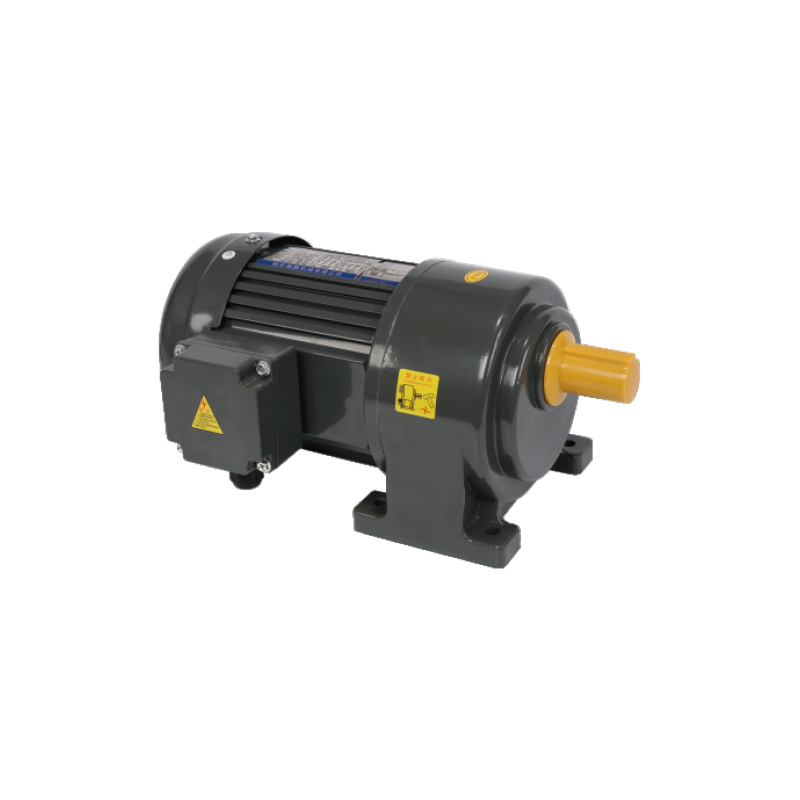
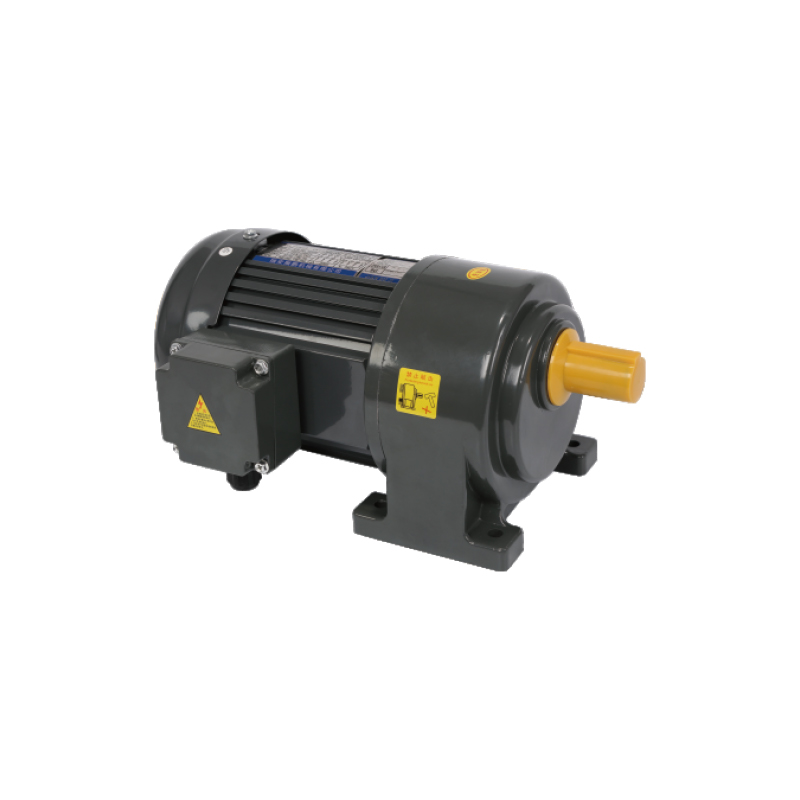
An AC brake gear motor is not just about turning motion on and off. It deals with what happens after the stop command. The structure combines three working parts: an electric motor, a gear reduction section, and a braking unit.
Motor provides rotation. Gear system adjusts torque so movement stays usable under load. Brake unit handles the part many basic motors leave behind—final stopping and holding.
In real use, the behavior feels more controlled. Instead of a free spin that slowly dies out, the rotation moves into a defined stop point. Then it stays there instead of drifting.
Basic working idea in daily terms:
- motor creates motion
- gearbox shapes that motion into usable force
- brake decides when movement should end and stay ended
It sounds simple, but that last part changes how machines behave during shutdown and idle phases.
How Electric Reduction Motor Structure Supports Motion Control
Inside the reduction section, gears change the character of the motor output. High-speed rotation is reduced into slower movement with higher usable torque. That change is important because industrial loads rarely behave gently. They resist motion, they pull back, they shift weight.
Without reduction, motion would feel too sharp or unstable under load. With it, movement becomes more manageable.
What gear reduction changes in practice:
- rotation slows down to a usable level
- torque becomes stronger and more stable
- load movement feels less abrupt
- control during start and stop becomes easier
In everyday operation, this means a conveyor doesn't jerk forward too strongly, or a lifting system doesn't drop too quickly when load changes.
When brake is added into the same system, the gearbox also helps reduce stress during stopping. Lower speed means less stored motion energy to handle at the end.
How Brake Mechanism Stops Rotation After Power Cut
The braking part is where motion actually gets "caught." Once electrical conditions change, the brake engages a friction-based holding system. It is not a sudden lock in most cases. It behaves more like a controlled squeeze on a rotating surface.
When activated, internal parts press together and create resistance. That resistance slows down rotation until movement fades into a full stop.
A simple way to picture it:
- movement is still present in the shaft
- brake surface begins to press inward
- friction increases step by step
- rotation slows instead of snapping
- shaft finally settles into a fixed position
That gradual reduction matters. It avoids harsh mechanical shock that would otherwise travel through connected equipment.
In systems without braking, the motor might stop electrically, yet the load keeps moving briefly. That short drift is often enough to disturb alignment in precision work.
Why Uncontrolled Stop Creates Mechanical Risk
Stopping without control is not always visible as a failure. Machines still stop, just not in a clean way. The hidden issue is what happens inside the structure during that final moment.
When motion is not managed, energy stored in moving parts releases in unpredictable ways. That can show up as small vibration, slight overshoot, or brief reverse movement depending on load direction.
Common real-world effects include:
- suspended loads swinging slightly after stop
- conveyor sections drifting out of alignment
- gear teeth taking uneven impact during shutdown
- support bearings experiencing repeated micro-shocks
Individually, each effect seems minor. In repeated cycles, those stresses start accumulating.
That is where braking control becomes more about consistency than safety alone.
How Gear Reduction Supports Brake Stability
Gear systems and brakes work together more closely than they appear at first glance. Reduction lowers output speed, which also lowers the amount of kinetic energy present at the load side.
Less speed means braking does not need to fight high inertia all at once. Instead, it deals with a slower, more predictable motion state.
In practical terms:
- slower shaft movement at output side
- more stable response when braking starts
- less mechanical shock during stop phase
- smoother transition into rest position
It is not only about stopping power. It is about shaping motion so that stopping becomes manageable.
Without reduction, braking would need to absorb stronger and less predictable energy. That increases stress and reduces smoothness.
How Holding Function Keeps Position After Stop
Once motion ends, some systems still face another issue: drift. Loads can shift slightly due to gravity or external force. That becomes a problem in lifting equipment, rotating platforms, or any system where position matters.
The brake does not only stop motion. It also holds position after stopping.
In daily operation, that holding function means:
- lifted load stays in place without slipping
- rotating platform does not drift backward
- conveyor sections remain fixed during idle time
- positioning systems keep alignment until restart
Without holding, even a stopped system can slowly lose position, which forces constant correction during operation cycles.
A typical operation cycle can be seen as a loop rather than a single action:
| Stage | What Happens in System | Physical Effect |
|---|---|---|
| Start | motor begins rotation | load starts moving |
| Drive | gearbox adjusts torque | motion stabilizes |
| Working phase | load moves under control | steady operation |
| Stop signal | power or control changes | brake prepares |
| Braking phase | friction engages | motion slows |
| Hold phase | brake stays active | position remains fixed |
Each stage flows into the next without sudden jump, which is where stability comes from.
How Emergency Stop Behavior Changes System Response
In sudden stop situations, timing becomes important. Power loss or emergency command does not wait for smooth deceleration. The system needs to respond immediately.
When brake-equipped design is involved:
- motor loses driving force quickly
- brake engages almost immediately after signal change
- remaining motion is absorbed through friction
- load settles into stable position instead of drifting
Even under abrupt conditions, movement still follows a controlled path instead of uncontrolled spin-down.
What Happens to the System After Long-Term Use
In real factories and workshops, machines do not work in ideal conditions. They run repeatedly, pause, restart, sometimes carry uneven loads, sometimes operate close to their limits. Over time, an AC brake gear motor reflects those working habits in its internal condition.
The brake surface gradually experiences repeated contact. Gear teeth keep meshing under load cycles. Bearings keep supporting rotation with changing force directions. None of these changes appear suddenly. They build up slowly through repetition.
Common long-term changes:
- braking response feels slightly slower compared to early use
- small delay appears before full stop is reached
- surface friction becomes less uniform over time
- minor vibration shows up during stop phase
Even with these changes, the system still functions, just with different sensitivity compared to initial condition.
How Heat Develops During Repeated Stop Cycles
Stopping is not only a mechanical action. It also produces heat inside the braking area. Every time motion is absorbed, part of that energy turns into thermal load on the friction surface.
In light operation, heat stays low and dissipates quickly. In frequent start-stop cycles, temperature builds more often. That heat influences how the brake feels during operation.
Practical heat-related behavior:
- brake surface warms up after repeated cycles
- friction response may feel slightly softer during heavy use
- cooling period becomes part of stable operation rhythm
- continuous overload increases wear rate over time
Heat does not immediately cause failure. It changes the balance between friction and smooth stopping.
Real Industrial Situations Where Brake Control Becomes Noticeable
In daily industrial environments, the role of AC brake gear motor becomes easier to notice when the load is not simple. Different applications highlight different parts of its behavior.
Typical usage situations:
Conveyor movement
A conveyor needs to stop at precise positions. Without controlled braking, material may slide slightly after stop, affecting alignment for next process step.
Lifting systems
Vertical movement introduces gravity load. When power is removed, holding function becomes essential to prevent downward drift.
Rotating platforms
Positioning accuracy matters. Even small overshoot during stop can affect downstream operations like assembly or inspection.
Packaging lines
Repeated start-stop cycles require stable timing. Uncontrolled drift may interrupt synchronization between stages.
In each case, stopping is not just ending motion. It is keeping the system ready for the next action.
How Wear Gradually Changes Braking Feel
Wear inside the braking system does not appear in a single moment. It develops through repeated friction contact. Each cycle removes a very small amount of material from the contact surface.
Over time, that creates subtle changes in behavior:
- engagement may feel slightly less sharp
- stopping distance may increase a little
- surface contact becomes less uniform
- adjustment period becomes more noticeable
These changes do not always mean failure. They often signal natural aging of friction components under mechanical load.
Regular inspection helps keep behavior predictable rather than reactive.
Why Mechanical Stress Builds During Repeated Starts and Stops
Every start and stop cycle places stress on connected parts. Gears, shafts, couplings, and mounting structures all experience shifting forces. The stress is not constant; it comes in pulses.
Start phase introduces sudden torque demand. Stop phase introduces reverse reaction from inertia. Over time, these repeated transitions shape how the mechanical system behaves.
Stress patterns often appear as:
- slight loosening of alignment over time
- uneven wear on coupling connections
- increased vibration under heavy load cycles
- gradual change in operating noise
Brake control helps reduce part of that stress by smoothing the final phase of motion.
How Control Signals Influence Safety Behavior
The electrical side of the system plays a direct role in how braking behaves. Control signals do not only start and stop rotation. They also decide when the brake should engage or release.
In practical operation:
- power signal activates motor rotation
- control change prepares brake engagement
- signal interruption triggers braking response
- timing between signals affects stop smoothness
Even small delays in signal transition can affect how smoothly the system enters braking mode.
Stable signal timing often results in more predictable stopping behavior.
How Position Stability Improves Operational Flow
Once stopping becomes controlled, the next benefit appears during restart. Machines that stop in a stable position tend to restart more smoothly.
Without drift, the system does not need to correct alignment before next cycle. That reduces small interruptions in workflow.
Stability benefits in real operation:
- consistent start position across cycles
- reduced adjustment time before restart
- smoother coordination between connected machines
- fewer alignment corrections during production flow
This creates a more continuous working rhythm, especially in multi-step processes.
| Situation | Without Brake System | With AC Brake Gear Motor |
|---|---|---|
| Stop behavior | gradual drift after power cut | controlled stop to fixed point |
| Load holding | position may shift slightly | position remains stable |
| Restart alignment | frequent adjustment needed | stable start position |
| Wear pattern | uneven stress on components | smoother force distribution |
| Safety response | relies on inertia fade | active braking control |
The difference is not only about stopping speed. It is about how predictable the system remains after every cycle.
How AC Brake Gear Motor Fits Modern Safety Thinking
Modern industrial design tends to avoid relying only on passive stopping behavior. Instead, motion is shaped from start to finish, including how it ends. AC brake gear motor fits into that direction by adding controlled stopping into the motion cycle.
Instead of allowing inertia to decide final movement, braking defines the endpoint. That reduces uncertainty in mechanical behavior.
In daily operation, that means:
- fewer unpredictable stop positions
- smoother transition between active and idle states
- more consistent mechanical timing
- improved coordination in linked systems
Safety becomes part of motion design, not only emergency response.
Related Products
-
-
Cat:Motor Controller & Accessories
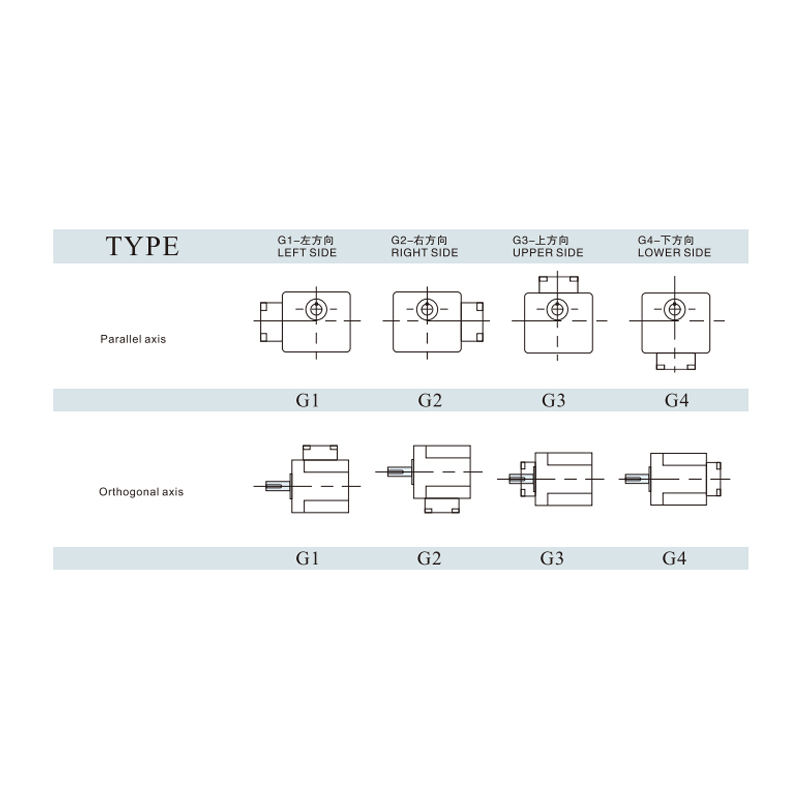
Junction Box Orientation Selected offers flexible installation options to match different equipment layouts and wiring requirements. Available in four...
See Details -
Cat:Motor Controller & Accessories
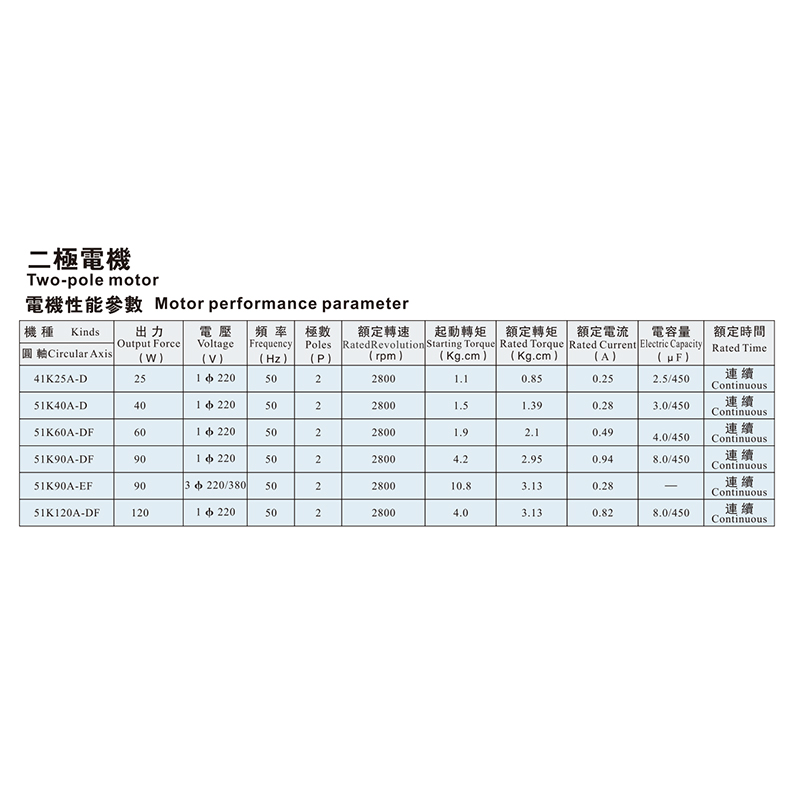
The Two-pole Motor is designed to provide stable and efficient power output for a variety of industrial and automation applications. Its compact struc...
See Details -
Cat:CH
The Mirco and Special Electronic product series is designed for compact electronic equipment and precision transmission applications requiring stable ...
See Details
Looking For Business Opportunity?
Request for a call today

Zhanpeng Machinery sincerely cooperates with people at home and
abroad to create common development and achieve win-win
results!
Contact Us
-
 sales@razhanpeng.com
-
 +86 13335770176
-
 No. 2807, Huaming Road, Ruian City, Wenzhou City,Zhejiang Province,China
Quick Links
Message


Copyright 2024 Ruian Zhanpeng Machinery Co., Ltd.
Gear Motor Factory


Contact Us