


 English
 中文简体
 عربى

Can a Low Speed Gear Motor Deliver High Torque Without Overheating?
A low speed gear motor shows up in conveyor systems, automated machinery, lifting equipment, robotics—anywhere you need controlled movement and decent output torque. But running slow while pushing hard raises a fair question: can the motor keep that up without cooking itself? Short answer: yes, if the motor, gearbox, and operating conditions are matched properly. A suitable gear ratio boosts output torque while dropping speed. Heat generation still depends on motor current, mechanical losses, load requirements, duty cycle. Get these factors right and you avoid premature failure.
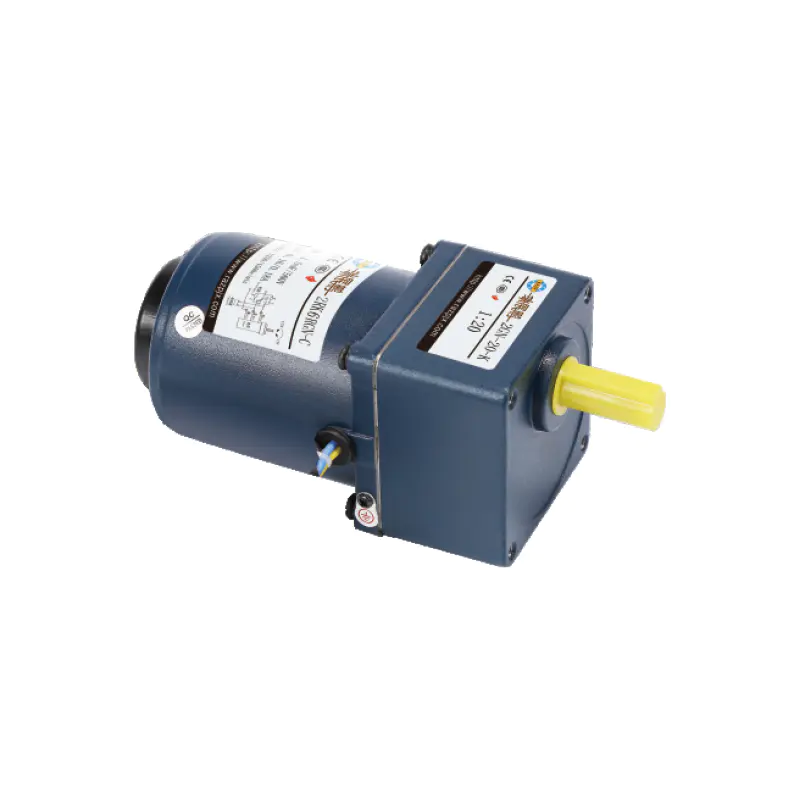
How Does a Low Speed Gear Motor Generate High Torque?
It pairs an electric motor with a reduction gearbox. The motor spins, the gearbox slows the output and multiplies torque. In an ideal world, reducing speed increases torque proportionally. Real systems have friction and mechanical losses that eat into the output. A simplified relationship:
Output torque ≈ Motor torque × Gear reduction ratio × Gearbox efficiency
Say a motor makes 0.5 N·m. A 20:1 reduction with 85% gearbox efficiency theoretically gives about 8.5 N·m at the output. Actual performance depends on the motor's operating point and the gearbox's rated limits. This torque multiplication lets equipment move heavier loads at lower speeds without making the motor itself turn slowly. But the gearbox can't create extra power. Output power is lower than input because energy escapes as friction, heat, other inefficiencies.
Why Can a Low Speed Gear Motor Overheat?
High output torque doesn't automatically mean overheating. The real question is whether the motor has to draw excessive current or run beyond its thermal limits to hold the load.
Excessive Motor Current
Winding resistance generates heat as current flows. Copper loss rises roughly with the square of current—P = I²R. Repeated heavy-load starts, too-fast acceleration, near-stall operation—current spikes. If heat can't dissipate fast enough, winding temps exceed insulation limits.
Gearbox Friction and Mechanical Losses
Gears, bearings, seals, lubrication—they all contribute losses. Those losses become heat. Wrong reduction ratio, poor lubrication, excessive bearing preload, loads beyond gearbox capacity—friction and temperature climb. Gearbox efficiency varies with gear type, ratio, speed, lubrication, operating conditions.
Insufficient Cooling and Ventilation
A motor in a sealed enclosure or near other heat sources struggles to shed heat. Low-speed operation makes cooling harder for designs relying on a shaft-mounted fan—the fan slows down too. Actual effect depends on cooling design. Some motors use independent cooling or are built for low-speed work.
Continuous Operation Beyond Rated Conditions
A motor that handles a short peak load may not handle the same load continuously. Starting frequency, acceleration, ambient temp, mounting, duty cycle—all affect thermal balance. Picking a motor based only on max torque rating can lead to overheating in real use.
Which Factors Determine Torque and Temperature Performance?
| Factor | Effect on Performance | Recommended Approach |
|---|---|---|
| Gear reduction ratio | Higher ratios generally reduce speed and increase output torque | Select a ratio that meets the required speed and torque |
| Motor current | Higher current increases winding heat | Check current under the actual working load |
| Gearbox efficiency | Lower efficiency increases mechanical losses | Choose a gearbox suited to the load and operating speed |
| Duty cycle | Frequent starts or continuous heavy loads increase thermal stress | Match the motor to the required operating pattern |
| Cooling method | Limited heat dissipation can raise operating temperature | Evaluate ventilation, enclosure, and mounting conditions |
| Load variation | Sudden peaks can increase current and mechanical stress | Account for startup torque and peak loads |
| Lubrication and alignment | Poor conditions increase friction and wear | Follow maintenance and installation requirements |
Assess these together. Improving the gear ratio alone won't fix a thermal problem if the motor is undersized or the gearbox runs beyond its limits.
How to Choose a Low Speed Gear Motor That Runs Cooler
Calculate the Required Output Torque and Speed
Start with the load's required torque, operating speed, acceleration, starting conditions. Consider friction, inertia, transmission losses, external forces. For conveyors or lifting mechanisms, starting torque may be much higher than steady-operation torque. The motor must handle the actual load profile while staying within manufacturer ratings.
Check Rated Torque and Thermal Capacity
Compare required operating torque with motor and gearbox ratings. Confirm whether the specified torque is continuous, intermittent, or a short-duration peak. Review rated current, permissible temperature rise, duty cycle, operating limits. A product advertised with high max torque may not sustain it continuously.
Select the Appropriate Gearbox and Motor Combination
A larger reduction ratio can reduce motor speed needed to hit a target output speed. But the whole assembly must stay within mechanical and thermal limits. Worm, spur, planetary, helical gearboxes—different efficiency, size, noise, torque characteristics. The right choice depends on the application and verified performance data. For low-speed work needing efficiency and sustained operation, comparing gearbox efficiency and thermal behavior is particularly important.
Verify Temperature Under Real Operating Conditions
After selecting a motor, test it under representative loads, speeds, ambient temps, duty cycles. Monitor current and temperature after the system reaches thermal equilibrium. Follow manufacturer test procedures and permissible limits. If it overheats, investigate current draw, load peaks, gearbox friction, cooling, installation conditions before changing components. Temperature measurements alone may not reveal the underlying problem.
Where Are High-Torque, Low-Speed Gear Motors Most Useful?
Equipment needing controlled movement and substantial output force—conveyor drives, packaging machinery, automated doors, material-handling equipment, agricultural machinery, positioning systems. For each application, the right combination depends on more than output torque. Consider required speed, startup behavior, operating duration, noise, installation space, environmental conditions. A properly selected low speed gear motor provides reliable torque with manageable heat generation. Size the motor and gearbox according to actual operating requirements, verify thermal performance, maintain the assembly per manufacturer guidance.
Related Products
-
-
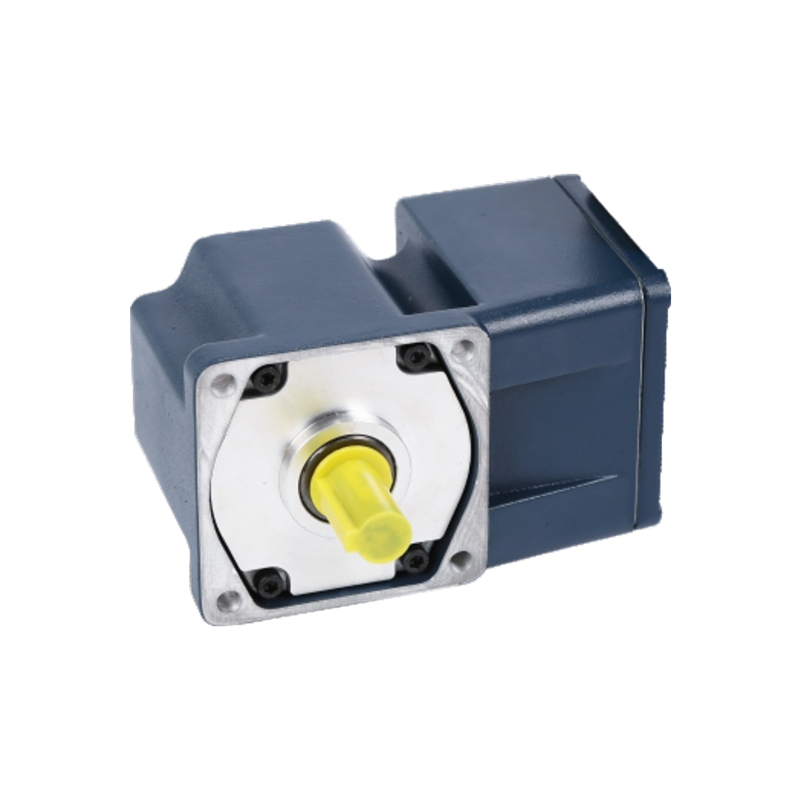
Cat:Right-Angle
The Micro and Special Electronic Motor is designed for compact drive systems requiring reliable performance in limited installation spaces. Its small ...
See Details -
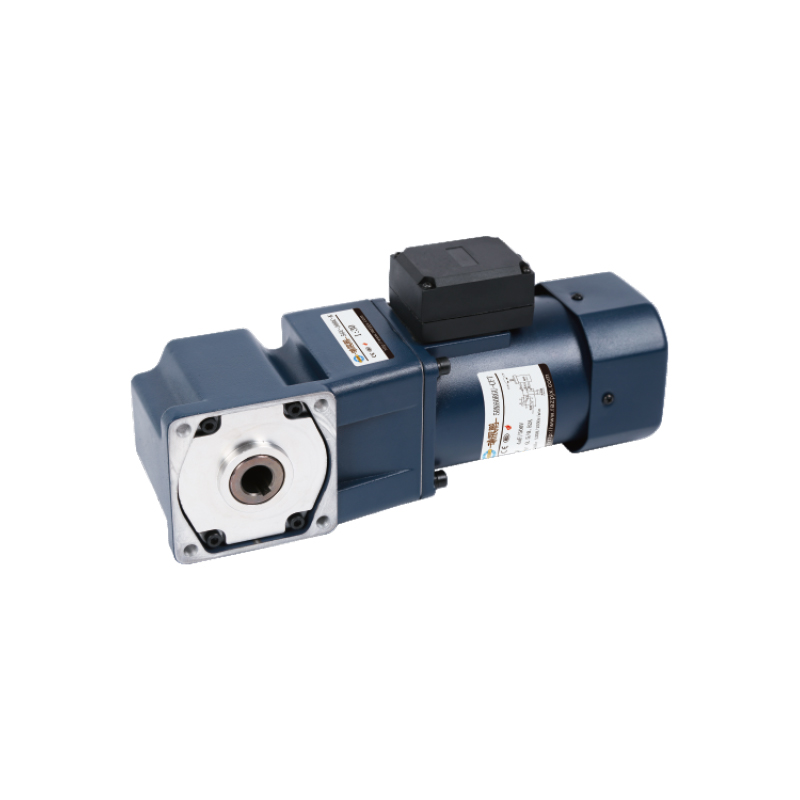
Cat:Right-Angle
The 90mm 60W VT Reduction Motor is designed for compact equipment that needs a bit more power while keeping a small installation size.It handles autom...
See Details -
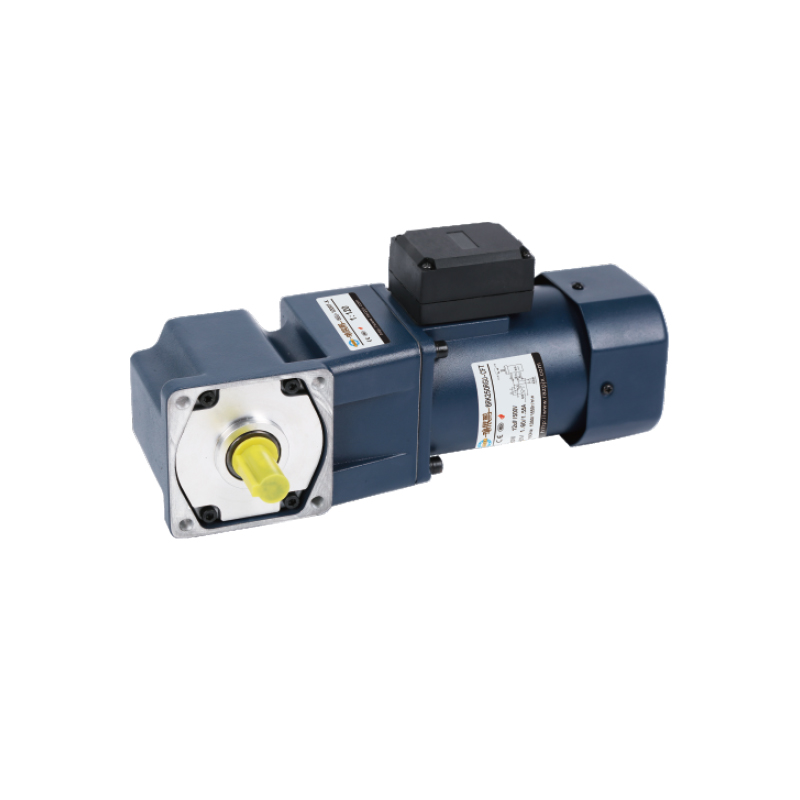
Cat:Right-Angle
The 100mm 120W/140W VT Reduction Motor is designed for compact transmission systems requiring stable torque output and controlled operating speed. Fea...
See Details -
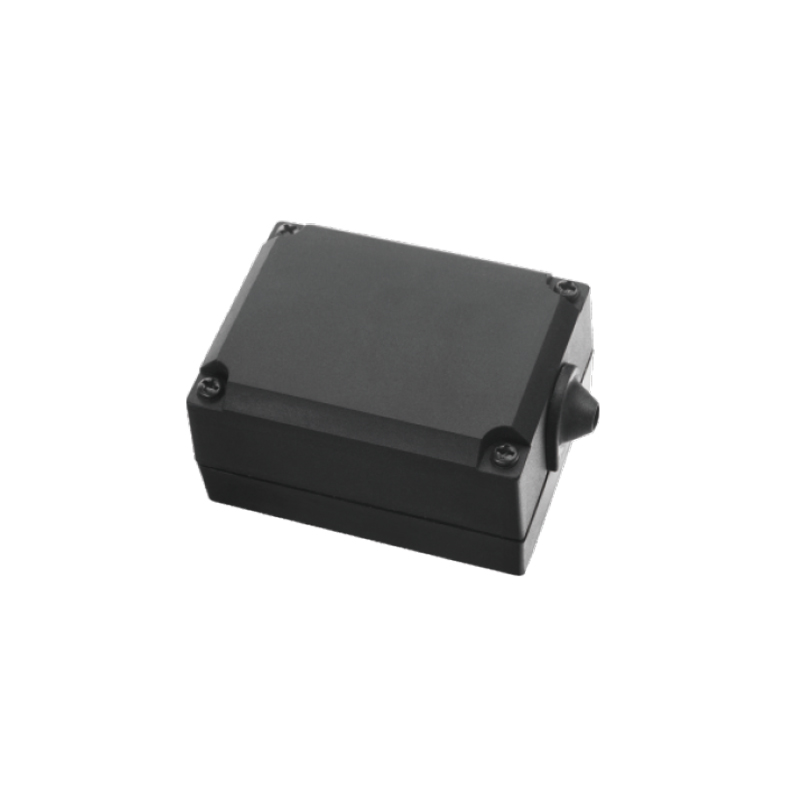
Cat:Right-Angle
The Power Distribution Junction Box is designed for safe and stable electrical wiring management. With a durable External Junction Box Black structure...
See Details -
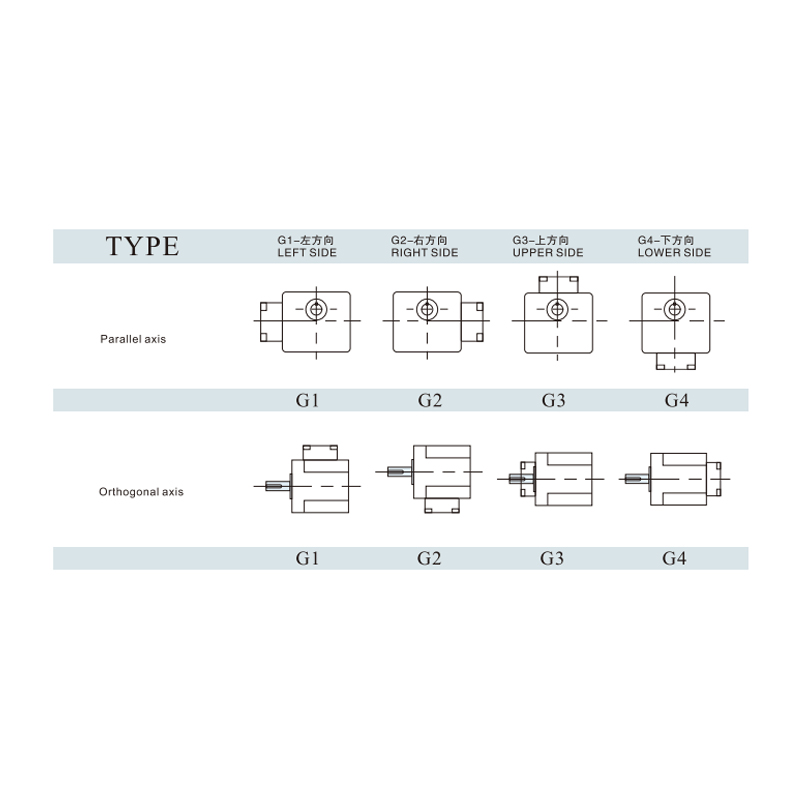
Cat:Motor Controller & Accessories
Junction Box Orientation Selected offers flexible installation options to match different equipment layouts and wiring requirements. Available in four...
See Details -
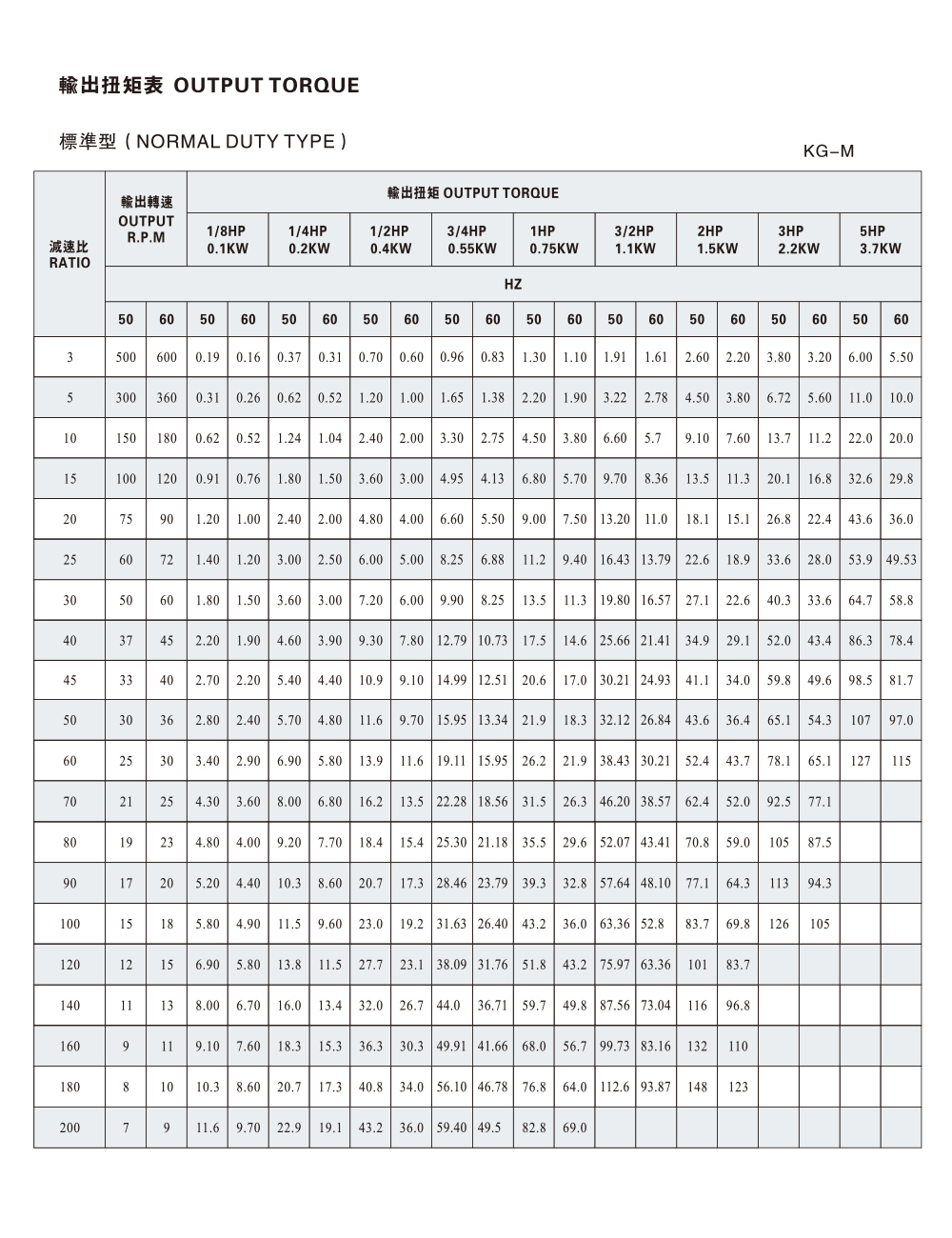
Cat:CH
The CH, CV Output Torque provides essential performance data for evaluating transmission capacity and equipment matching. It specifies torque output v...
See Details
Looking For Business Opportunity?
Request for a call today

Zhanpeng Machinery sincerely cooperates with people at home and
abroad to create common development and achieve win-win
results!
Contact Us
-
 sales@razhanpeng.com
-
 +86 13335770176
-
 No. 2807, Huaming Road, Ruian City, Wenzhou City,Zhejiang Province,China
Quick Links
Message


Copyright 2024 Ruian Zhanpeng Machinery Co., Ltd.
Gear Motor Factory


Contact Us