


 English
 中文简体
中文简体 عربى
عربى
Why Does an Industrial Gear Motor Overheat Under Continuous Load?
Industrial gear motors are built to deliver steady torque and speed for all kinds of tough jobs — conveyors, mixers, packaging lines, material handling systems, you name it. Even so, it’s not uncommon for one to overheat under continuous load. When that happens, efficiency drops, wear accelerates, and eventually you’re looking at unplanned downtime that throws production schedules off.
Some heat during operation is totally normal. The trouble starts when temperatures climb past the manufacturer’s stated limits, or keep creeping up even under steady operating conditions. Pinpointing the root cause is key to protecting motor windings, the gearbox, bearings, and the lubrication system.
Below are common causes of overheating, straightforward troubleshooting steps, and routine maintenance tips to keep things running reliably.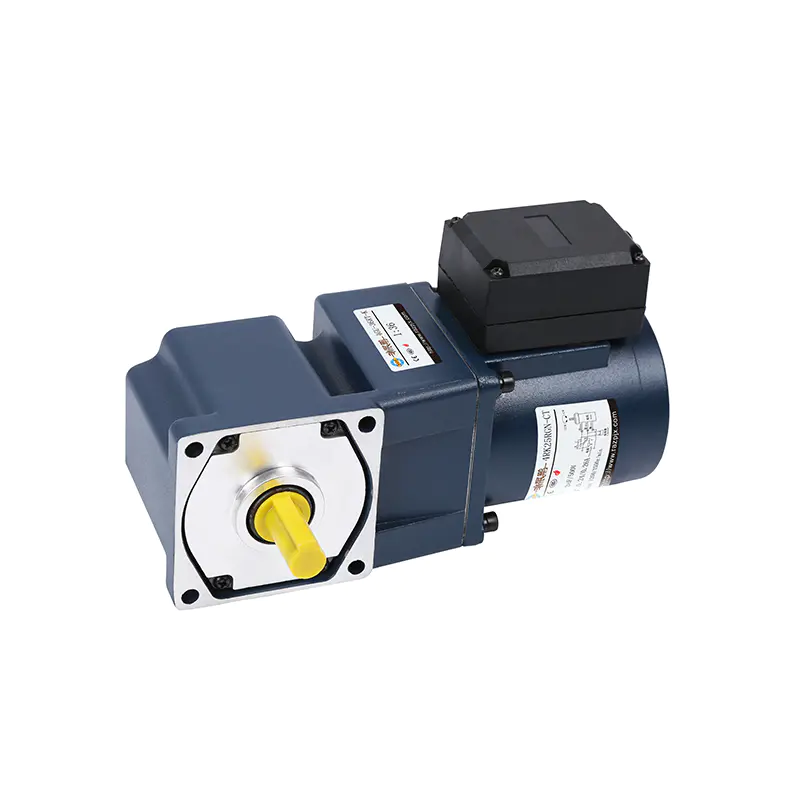
Excessive Load Raises Motor Temperature
Overload is one of the most common triggers for overheating. If the gear motor has to drive equipment pulling more torque than it can sustain continuously, it draws extra current. That extra current ramps up resistive heat in the windings. Over time, it speeds up insulation breakdown.
Overload can come from heavier conveyor loads, thicker mixer fluids, a jammed production line, or extra friction on connected machinery. Picking an undersized motor causes the same issue — it simply can’t keep up with real-world operating demands.
To check for overload, measure motor current under typical working conditions and compare it to the nameplate rating. Also inspect connected equipment for mechanical drag or sudden shifts in production load.
Picking a suitably rated gear motor and cutting unnecessary mechanical resistance helps keep operating temperatures steady.
Wrong Gear Ratio or Poor Sizing Creates Thermal Stress
The motor and gearbox work as one complete drive system. Motor power alone doesn’t tell you if a unit can run continuously. Output torque, speed, startup behavior, duty cycle, and gearbox efficiency all play a part.
An undersized motor will run above its rated limit for long stretches. A mismatched gear ratio also wastes energy as heat, since the driven machine can’t hit target speed and torque efficiently.
When specifying a gear motor, engineers should check:
- Rated power: confirm it handles continuous load
- Output torque: cover both steady-state and startup needs
- Gear ratio: match output speed to connected equipment
- Duty cycle: account for constant run, starts, stops, and load swings
- Environment: factor in ambient temperature, ventilation, and installation space
A well-matched setup cuts energy losses and lowers the chance of repeated overheating.
Poor Lubrication Heats the Gearbox
Lubricant cuts friction between gear teeth and moving parts, and carries heat away from the gearbox. If oil runs low, the wrong grade is used, or fluid breaks down over time, friction and wear both go up.
Water, dust, or metal particles in the oil make things worse. Too much oil also causes churning losses in some designs, so topping it off isn’t always the fix.
During inspections, check oil level following the manufacturer’s procedure. Confirm the right type and viscosity, and look for leaks, discoloration, contamination, or visible metal flecks.
Stick to the recommended lubrication schedule and approved oils. If temperatures stay high after fixing lubrication issues, check for bearing damage, gear wear, or other internal faults.
Insufficient Cooling Stops Heat From Escaping
Gear motors put off heat from a few sources: electrical losses, friction between moving parts, and the work of transferring mechanical power. The cooling system has to carry that heat away to keep temperatures in check.
Blocked vent openings, caked-on cooling fins, a failed fan, or cramped airflow all cut into cooling performance. Throw in high ambient temps or a tight install spot, and things get worse fast.
Make a habit of checking the housing, cooling fan, vent openings, and clearance around the unit on a regular schedule. Brush or blow out dust and built-up gunk following the maintenance manual.
For motors run off a VFD, keep a closer eye on cooling at low speeds. A shaft-mounted fan moves less air when RPMs drop, so cooling can fall short when you’re pulling high torque.
If your application needs continuous low-speed running, make sure the cooling design is up for the job. Forced ventilation or an approved motor variant may be necessary.
Misalignment and Bearing Wear Produce Extra Heat
Mechanical problems can drive overheating even when your load and power supply read totally normal. Shaft misalignment, a wonky coupling install, loose mounting bolts, or excessive bearing load all crank up friction and vibration.
Worn or damaged bearings also create localized hot spots. Usually it boils down to bad lubrication, contamination, sloppy installation, or too much radial or axial force.
Keep an ear out for odd vibration, grinding noises, coupling wear, loose bolts, and climbing temps at the bearings. Regular vibration checks can catch developing faults before they turn into a full breakdown.
And don’t jump to the conclusion that a hot gearbox housing means the windings are overheating. Compare temps across the motor frame, bearing locations, and gearbox casing to narrow down where the heat is actually coming from.
Electrical Faults Can Heat the Motor
Electrical supply problems are another common culprit. Voltage imbalance, a lost phase, loose terminals, miswiring, or poorly tuned drive settings all create erratic current and uneven heating.
Test incoming voltage and motor current, and line up the readings with the nameplate specs. Always lock out and isolate power completely before you go poking at electrical connections.
If there’s a VFD in the mix, double-check that its parameters line up with the motor’s ratings and what the application needs. Running at low frequency, pushing too much torque, or a misconfigured drive can all pile on extra heat.
Leave electrical diagnosis to qualified personnel with the right tools and safety training.
Diagnosing an Overheating Gear Motor
Working through overheating step by step keeps teams from swapping parts blindly and wasting mone.
| Inspection area | Warning signs | Recommended action |
|---|---|---|
| Motor load | High current or slowed speed under load | Check torque demand and mechanical resistance |
| Gearbox lubrication | Low oil, leaks, or contaminated fluid | Verify lubricant grade, level, and condition |
| Cooling system | Blocked fins, broken fan, or restricted airflow | Clean cooling surfaces and restore airflow |
| Bearings and alignment | Vibration, strange noise, or localized heat | Inspect bearings, couplings, and shaft alignment |
| Electrical supply | Voltage imbalance or abnormal current | Test supply and check connections |
| VFD operation | Overheating at low speed or high torque | Review drive settings and cooling needs |
Start by logging load, speed, ambient temp, and how the temperature trends over time. Match what you’re seeing up against the product manual. Once you’ve fixed a suspected fault, run the unit under normal conditions to make sure temps level out.
Shut things down immediately if temp spikes fast, or you see smoke, smell burning, feel heavy vibration, or hear strange mechanical noises. Stick to lockout/tagout procedures before you crack anything open for inspection or repair.
Prevent Overheating With Routine Maintenance
Routine preventive maintenance cuts down on unplanned downtime and lets units run longer. Log a baseline temperature when everything is running normally, then track changes under similar load and ambient conditions.
A solid maintenance routine covers regular checks of motor current, supply voltage, gearbox oil, cooling components, mounting hardware, and vibration. Keep notes so gradual wear and tear gets caught before it becomes a bigger issue.
Temperature limits aren’t universal — always go by the manufacturer’s guidance. What’s acceptable depends on insulation class, bearing design, lubricant ratings, ambient conditions, and even where you take the measurement. There’s no single threshold that works for every unit.
If overheating keeps happening after you’ve worked through the basics, reach out to the manufacturer or a seasoned drive technician. Repeated bearing failures, burnt windings, internal gear wear, or shifts in production demands might call for a full engineering review.
At the end of the day, reliable operation boils down to picking the right unit, keeping up with lubrication, making sure cooling works, and sticking to regular checks. Nail these areas, and plants can cut down on thermal stress, protect critical drive parts, and keep production running steady.
Related Products
-
-
Cat:Right-Angle
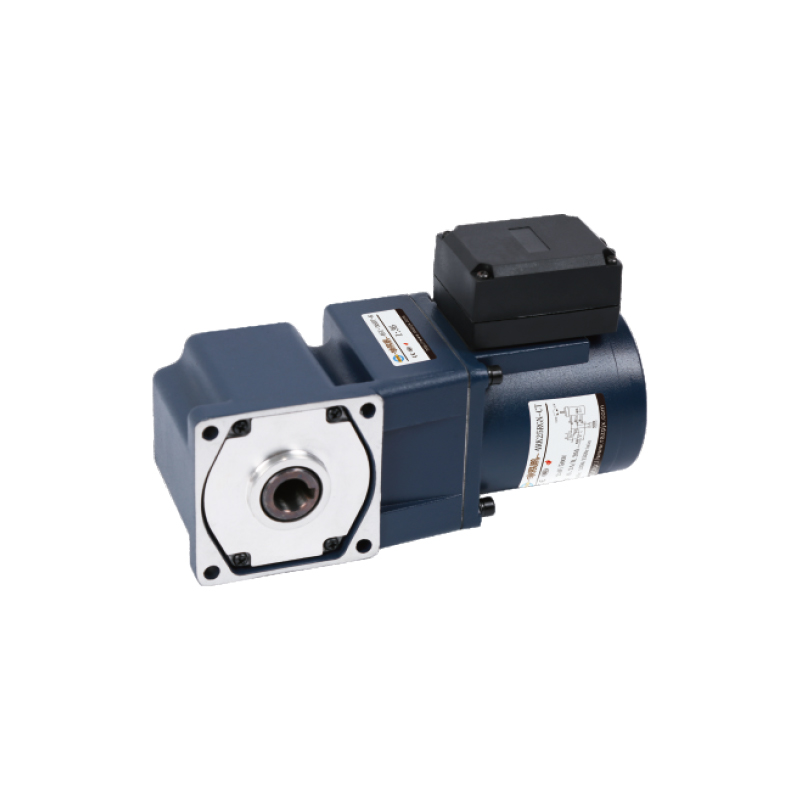
The 90mm 40W VT Reduction Motor is a small motor that does the job without taking up much space. It’s got a small footprint, but handles light automat...
See Details -
Cat:Right-Angle
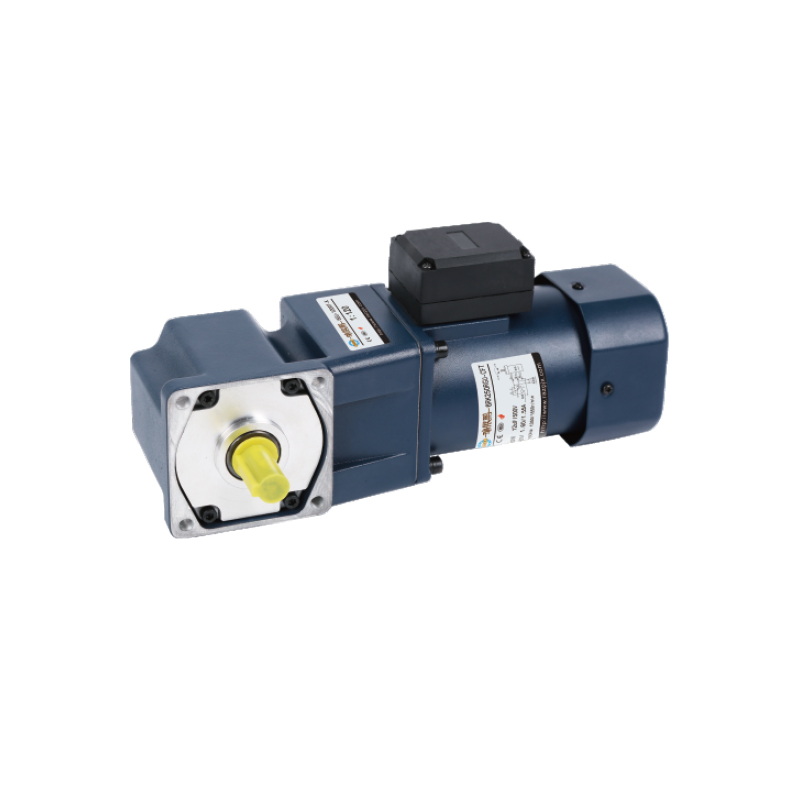
The 100mm 120W/140W VT Reduction Motor is designed for compact transmission systems requiring stable torque output and controlled operating speed. Fea...
See Details -
Cat:Right-Angle
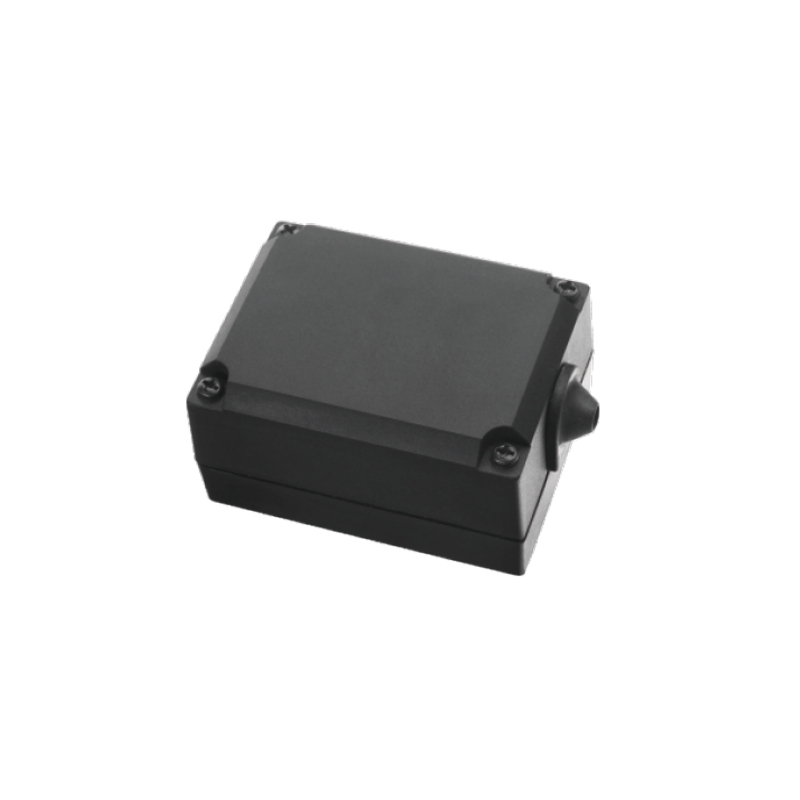
The Power Distribution Junction Box is designed for safe and stable electrical wiring management. With a durable External Junction Box Black structure...
See Details -
Cat:CH
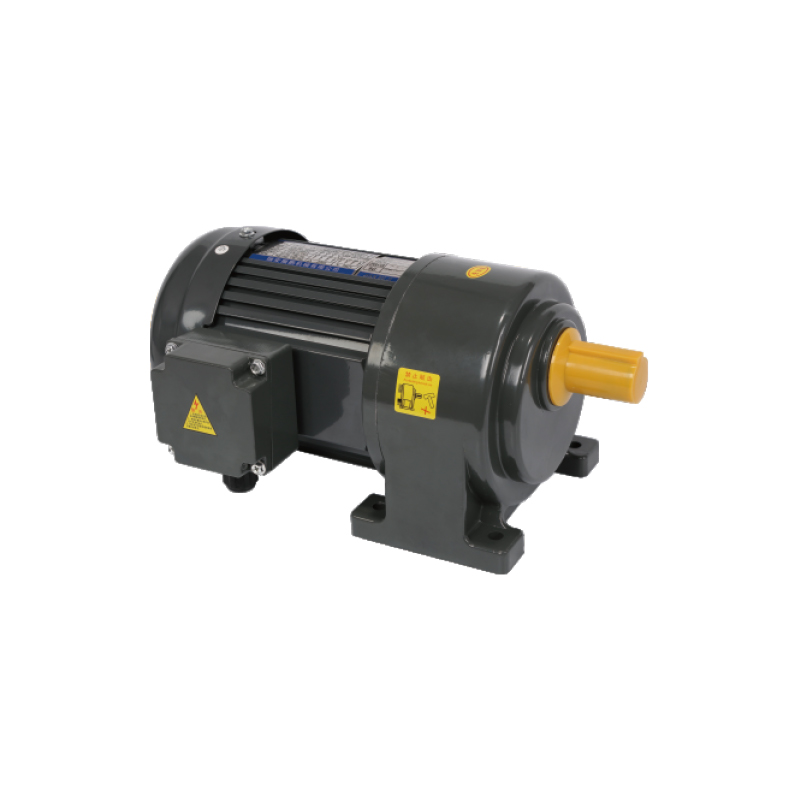
Small AC Gearmotors are designed for compact power transmission with stable torque output and efficient performance. These Fractional HP Gearmotors ar...
See Details -
Cat:CH
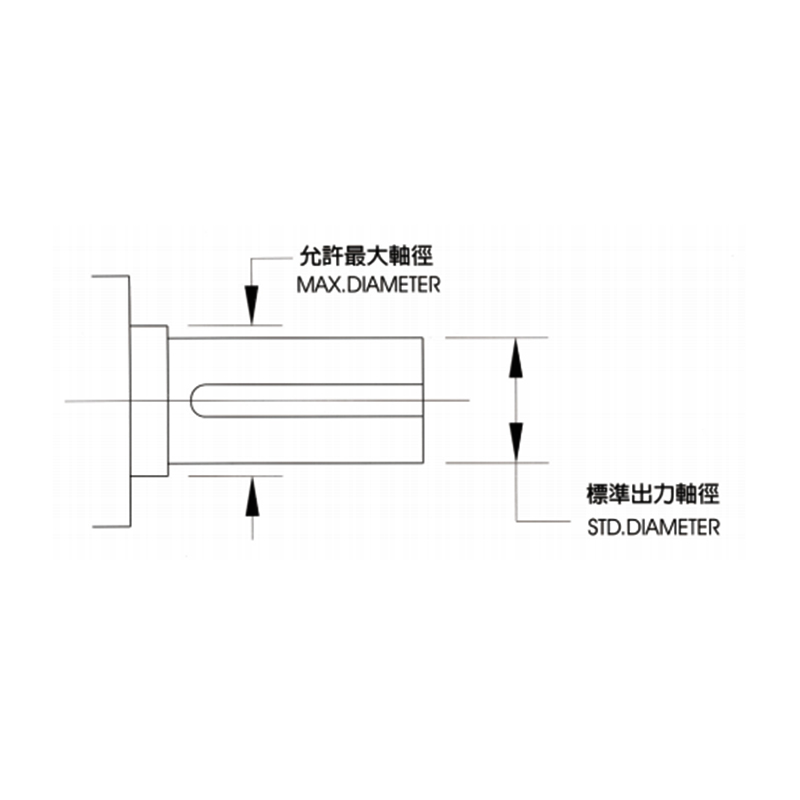
The CH, CV Available Max Output Shaft Diameter provides detailed reference data for selecting suitable shaft dimensions in transmission systems. It he...
See Details
Looking For Business Opportunity?
Request for a call today

Zhanpeng Machinery sincerely cooperates with people at home and
abroad to create common development and achieve win-win
results!
Contact Us
-
 sales@razhanpeng.com
-
 +86 13335770176
-
 No. 2807, Huaming Road, Ruian City, Wenzhou City,Zhejiang Province,China
Quick Links
Message


Copyright 2024 Ruian Zhanpeng Machinery Co., Ltd.
Gear Motor Factory


Contact Us