

 English
 中文简体
 عربى

What Quality Tests Should a DC Gear Motor Supplier Perform Before Shipment?
A DC gear motor has to deliver steady speed, torque, and reliability. That matters in industrial automation, robotics, medical equipment, smart appliances—anywhere a small defect in the motor, gearbox, or wiring can cause noise, unstable operation, or early failure. Picking a qualified DC Gear Motor Supplier helps, but it's not enough. The manufacturer also needs a documented inspection process before anything leaves the factory.
Pre-shipment testing should cover electrical performance, mechanical operation, output characteristics, and manufacturing consistency. The exact plan depends on motor design, application needs, and the customer's specs.
Why Pre-Shipment Quality Testing Matters for DC Gear Motors
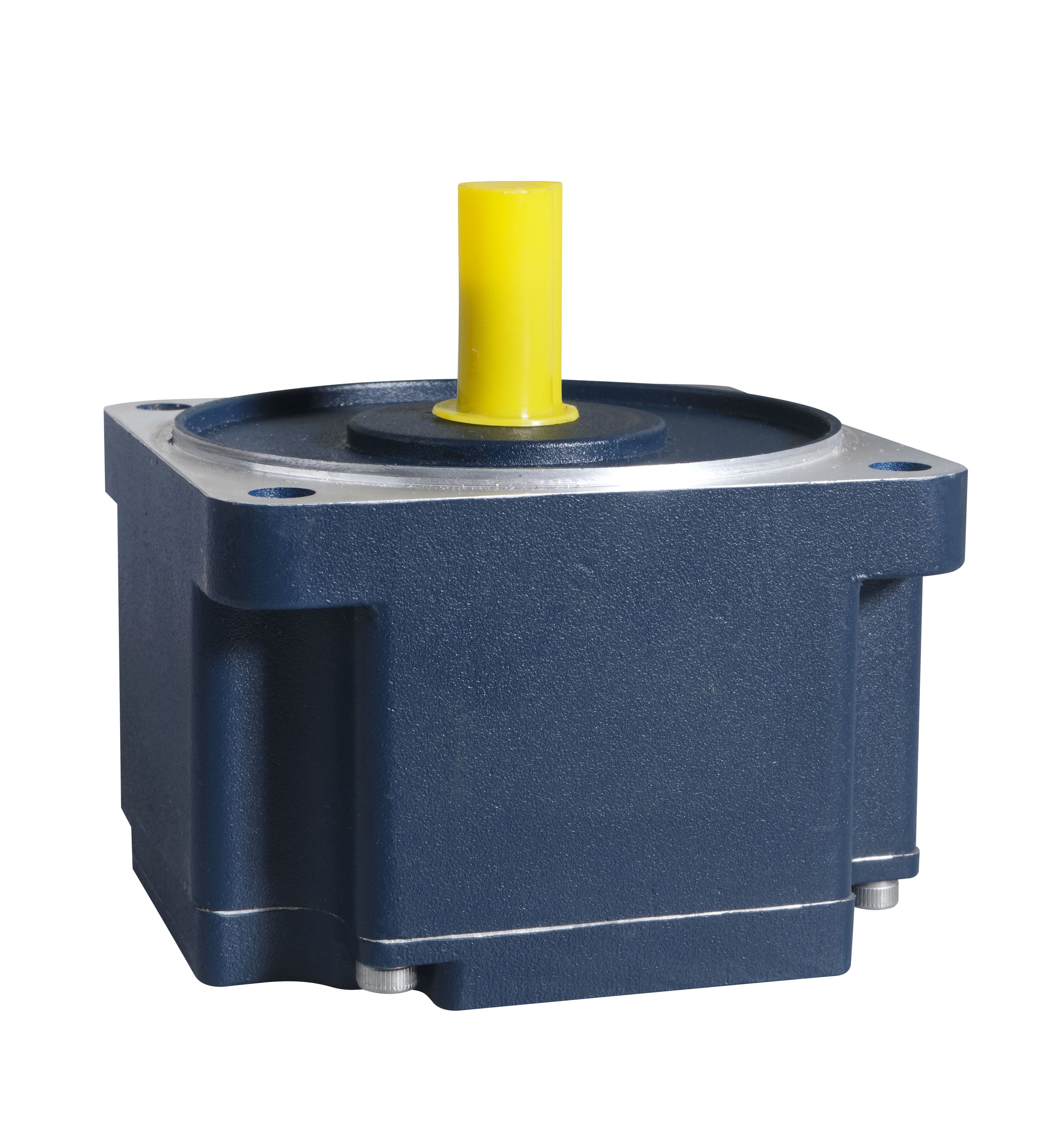
A DC gear motor combines a motor and gearbox to cut speed and boost torque. Performance depends on winding, brushes or electronic commutation, bearings, gears, shaft, housing—all working together. A motor can pass a basic startup check and still have high no-load current, wrong output speed, gearbox noise, or weak torque under load. Systematic inspection catches these issues before delivery. It also gives measurable proof that products meet agreed specs and lowers the risk of downtime, returns, and replacements.
Which Quality Tests Should a DC Gear Motor Supplier Perform?
A solid program mixes routine production checks with deeper tests based on product risk and customer requirements.
| Quality test | What is checked | Why it matters |
|---|---|---|
| Visual and dimensional inspection | Housing, shaft dimensions, connectors, mounting holes, and surface defects | Confirms manufacturing consistency and installation compatibility |
| Electrical testing | Winding resistance, operating voltage, current, and electrical connections | Detects wiring faults and electrical inconsistencies |
| No-load performance test | Motor speed and current without an external mechanical load | Identifies abnormal friction and assembly problems |
| Load and torque test | Output speed, torque, and current under specified operating conditions | Verifies practical operating performance |
| Noise and vibration test | Abnormal sound, vibration, and mechanical irregularities | Helps identify gear, bearing, and alignment issues |
| Direction and startup test | Rotation direction and reliable starting behavior | Confirms functional requirements |
| Temperature and endurance testing | Temperature rise and performance during extended operation | Evaluates thermal behavior and durability |
| Final packaging inspection | Labels, accessories, protective materials, and shipping cartons | Reduces damage and identification errors during transportation |
Not every test runs on every unit. A good plan defines which checks are 100%, which are sampled, and which are for design validation or periodic reliability assessment.
How Electrical Tests Verify Motor Consistency
Electrical inspection is a starting point. Check rated voltage, polarity, connections, winding resistance. Odd resistance readings can mean winding defects, poor connections, or unit-to-unit inconsistency. No-load testing matters too. Run the motor without load, measure speed and current at controlled voltage. High no-load current suggests excessive friction, gearbox trouble, or electrical faults. Compare results to approved drawings, datasheets, and acceptance limits. Calibrate test gear. Record measurements consistently. For motors with electronic drivers or integrated controls, add checks for control signals, speed regulation, protective functions, communication interfaces.
Why Load Testing Is Essential for Gear Motor Performance
A DC gear motor works under mechanical load in real life. A no-load test alone can't prove torque and speed meet requirements. During load testing, apply a defined mechanical load and measure output speed, torque, current. That shows whether the assembled motor and gearbox deliver. A conveyor motor may need torque during startup and continuous movement. A positioning mechanism may need low-speed stability and repeatable output. Specify supply voltage, load level, measurement method, tolerances. If stall torque is in the spec, measure it carefully—prolonged stall generates heat and can damage the motor. Also check gearbox backlash, shaft runout, output-shaft dimensions when they affect the application.
How Noise, Vibration, and Temperature Tests Reveal Hidden Problems
Mechanical defects don't always show up visually. Bad gear meshing, bearing damage, poor alignment, inadequate lubrication—they cause abnormal noise or vibration. Run representative motors under defined conditions. Investigate units exceeding noise or vibration limits. Keep test fixtures, mounting, operating conditions consistent. Temperature testing is another indicator. Excessive heat rise can come from high current, heavy loads, friction, poor heat dissipation, or unsuitable conditions. Endurance testing evaluates wear and long-term performance. Depending on use, it might involve repeated starts/stops, continuous running, or changing loads. These tests are valuable for new designs, production qualification, or demanding applications. Duration and acceptance criteria should reflect intended service conditions.
How a DC Gear Motor Supplier Should Document Test Results
Reliable testing is more than pass/fail. Keep records that link inspection results to shipped products. A practical record includes model, production batch, serial number where applicable, test conditions, measured values, inspection date, equipment ID. Clear traceability makes defect investigation easier and helps identify affected batches. Define procedures for nonconforming products. Failed units should be identified, segregated, evaluated before rework or release. Corrective actions should address recurring problems at the source. For buyers, asking for a sample inspection report, acceptance criteria, and an explanation of the sampling plan helps assess manufacturing capability. Certifications and quality systems add evidence, but they don't replace product-specific performance verification.
What Buyers Should Confirm Before Shipment
Before a bulk order, agree with the supplier on rated voltage, reduction ratio, output speed, required torque, duty cycle, mounting dimensions, environmental conditions, special electrical requirements. Clarify which tests run on every motor and which rely on sampling. For safety-critical or highly demanding applications, the inspection plan may need extra validation and independent verification. A dependable DC Gear Motor Supplier should explain testing methods, demonstrate compliance with agreed specs, and provide traceable quality records. Setting these expectations before production improves incoming quality, reduces integration risks, and builds a more reliable supply chain.
Related Products
-
-
Cat:Right-Angle
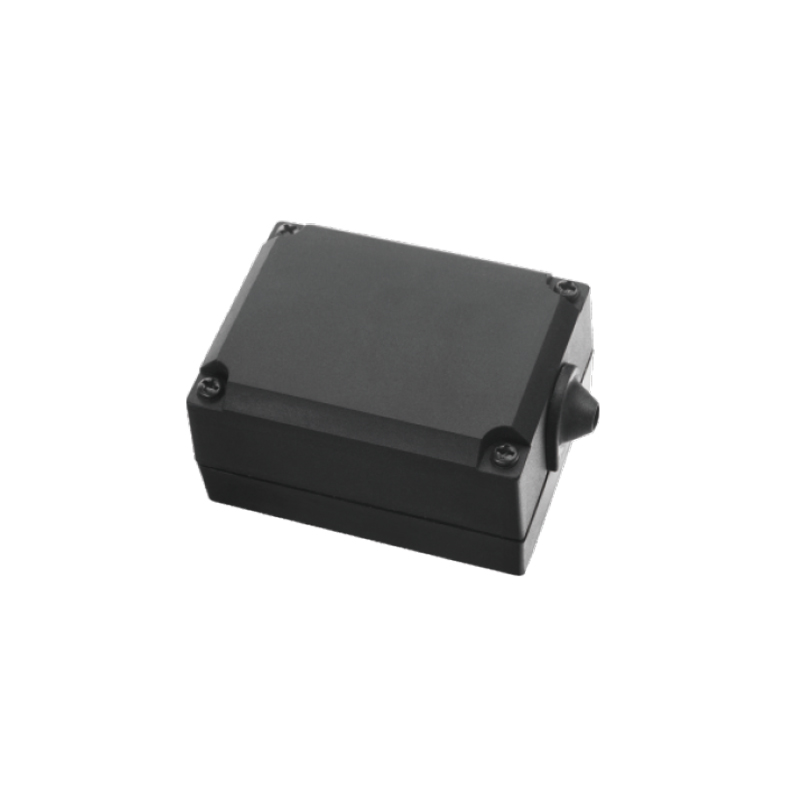
The Power Distribution Junction Box is designed for safe and stable electrical wiring management. With a durable External Junction Box Black structure...
See Details -
Cat:Motor Controller & Accessories
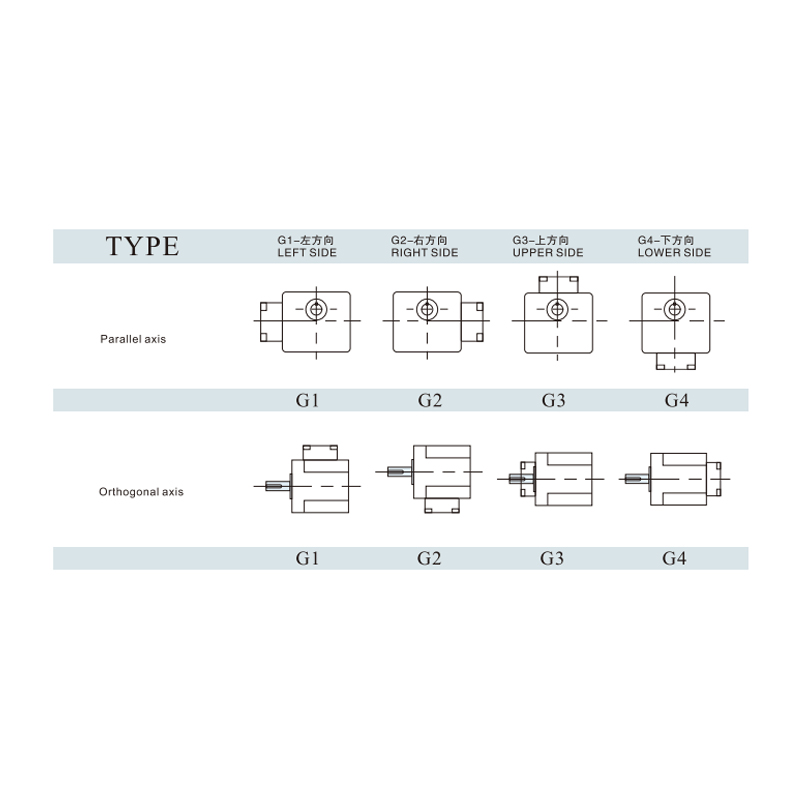
Junction Box Orientation Selected offers flexible installation options to match different equipment layouts and wiring requirements. Available in four...
See Details -
Cat:CH
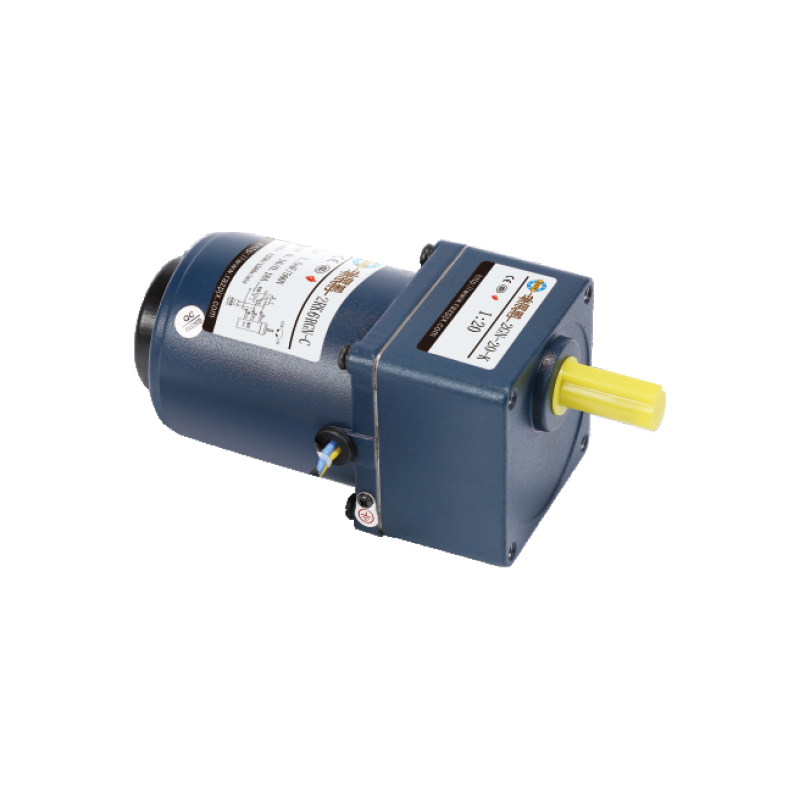
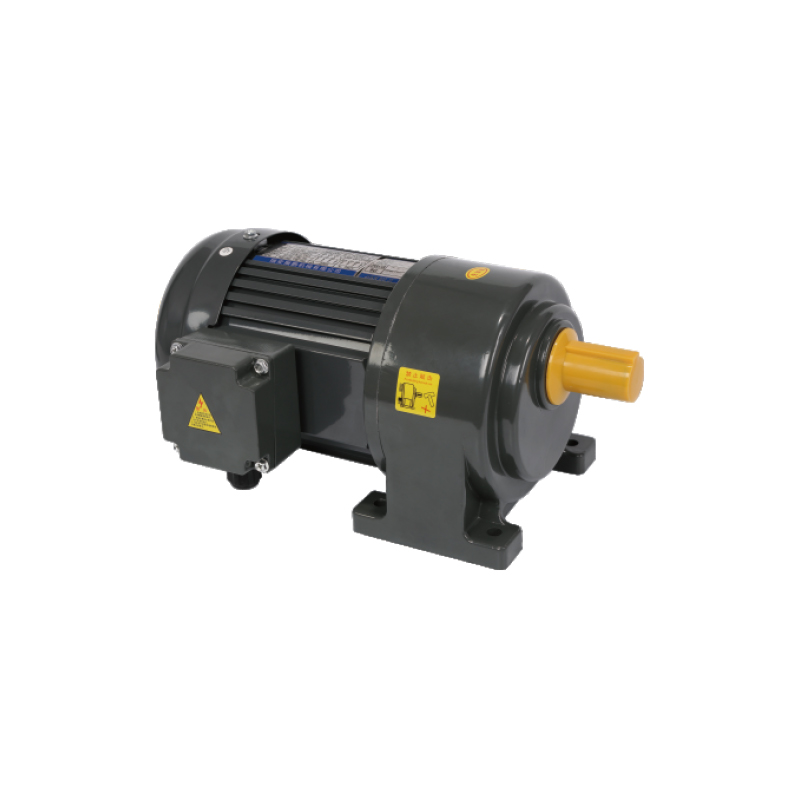
AC Brake Gear Motor is designed with an integrated braking system to ensure precise stopping and stable control during operation. This AC Gear Motor W...
See Details -
Cat:CH
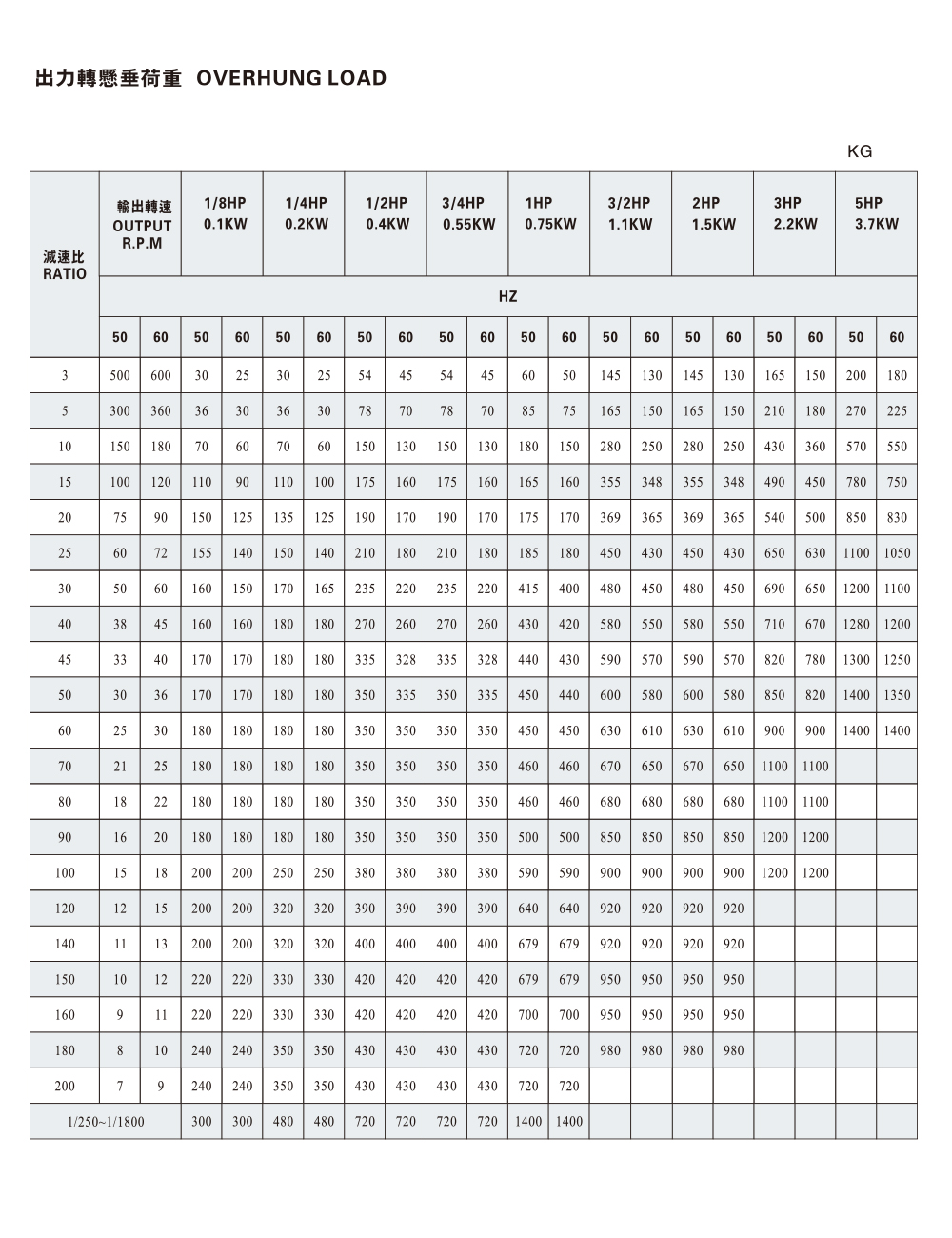
The CH, CV Overhung Load component is designed to provide reliable support and load management for transmission systems, helping improve the stability...
See Details
Looking For Business Opportunity?
Request for a call today
Zhanpeng Machinery sincerely cooperates with people at home and
abroad to create common development and achieve win-win
results!
Contact Us
-
 sales@razhanpeng.com
-
 +86 13335770176
-
 No. 2807, Huaming Road, Ruian City, Wenzhou City,Zhejiang Province,China
Quick Links
Message


Copyright 2024 Ruian Zhanpeng Machinery Co., Ltd.
Gear Motor Factory


Contact Us