


 English
 中文简体
中文简体 عربى
عربى
Does Gear Ratio Affect the Performance of Gear Reduction Motors?
If you have worked with conveyors, packaging equipment, mixers, lifting machines, or other industrial equipment, you have probably come across gear reduction motors. They are used when a motor needs to slow down and still have enough torque to move the machine.
One number that often gets overlooked is the gear ratio. It is not just a number on a gearbox specification sheet. Change the ratio and the output speed changes. The available torque changes too. In some cases, efficiency, temperature, acceleration, and even the physical size of the gearbox can change.
For B2B buyers, this is important when choosing a standard gear motor or asking a factory for a custom one. A ratio may look correct when you only check the output rpm, but that doesn't tell you whether the motor will actually handle the machine.
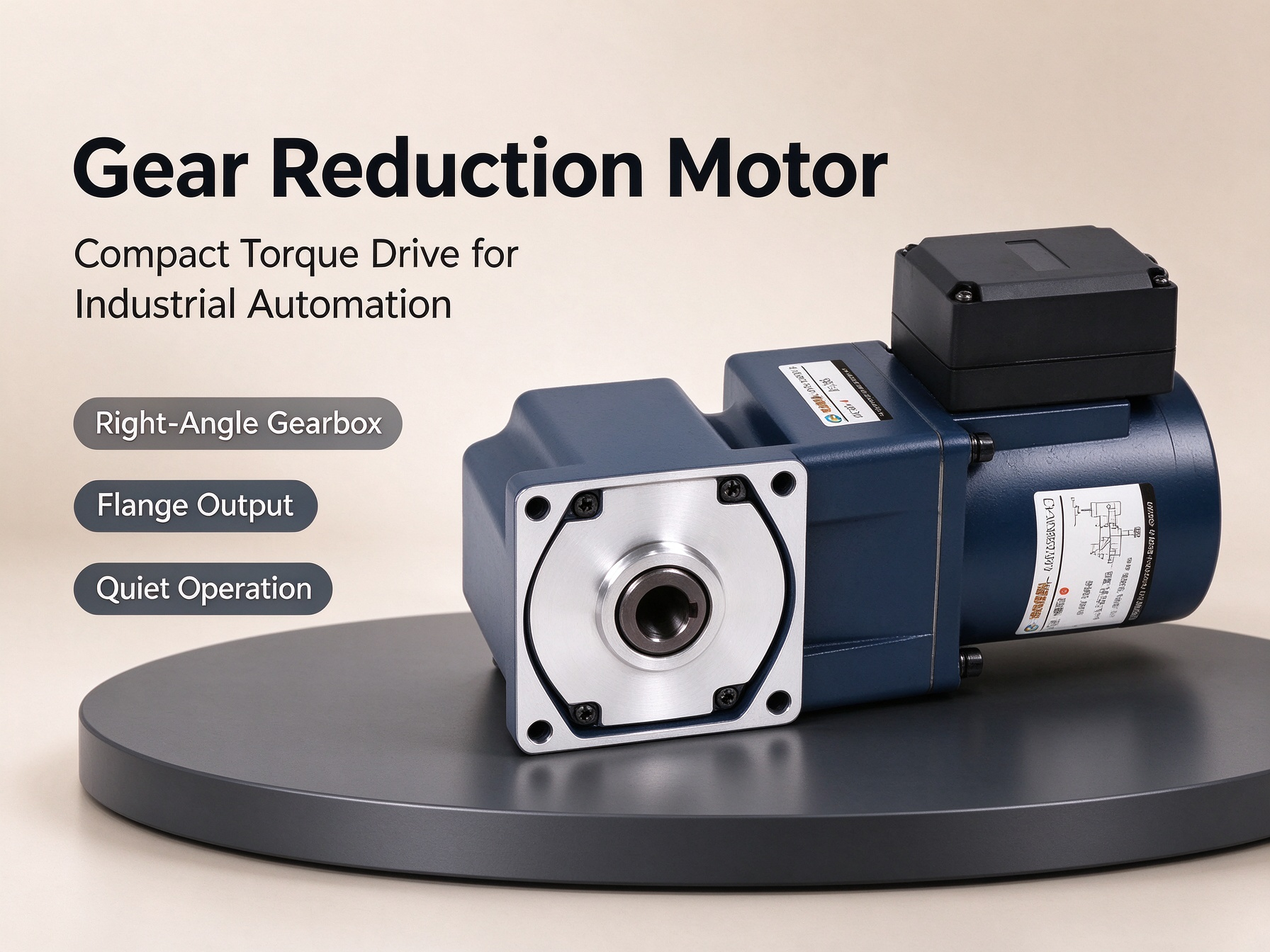
What Does Gear Ratio Mean in a Gear Reduction Motor?
Gear ratio is basically the amount of speed reduction between the motor and the output shaft.
For example, with a 10:1 gearbox, the motor may turn at 1,500 rpm while the output shaft turns at roughly 150 rpm.
The simple calculation is:
Output Speed ≈ Motor Speed ÷ Gear Ratio
Here is a quick example:
| Motor speed | Gear ratio | Approx. output speed |
|---|---|---|
| 1,500 rpm | 5:1 | 300 rpm |
| 1,500 rpm | 10:1 | 150 rpm |
| 1,500 rpm | 20:1 | 75 rpm |
| 1,500 rpm | 30:1 | 50 rpm |
That gives you a useful starting point, but don't expect the actual machine to always match the calculation exactly. Motor slip, gearbox losses, load, and the transmission design can all affect the final speed.
So if a buyer needs a very specific output speed, the factory will normally need more information than just the motor rpm.
Why a Higher Gear Ratio Increases Output Torque
The other side of speed reduction is torque.
When the gearbox slows the output down, it can provide more torque at the output shaft. A simplified calculation is:
Output Torque ≈ Motor Torque × Gear Ratio × Gearbox Efficiency
Let's say the motor produces 2 N·m and the gearbox ratio is 10:1. Without considering losses, the calculation gives about 20 N·m at the output.
In real life, the number will be lower because the gearbox has mechanical losses.
This is why higher-ratio gearboxes are often used for conveyors, lifting equipment, screw drives, and material handling machines. These applications don't necessarily need a fast output shaft. They need the shaft to keep moving when there is a load on it.
But there is an important point here: more reduction does not mean unlimited torque.
The gears, output shaft, bearings, housing, lubrication, and other parts all have their own limits. If the calculated torque is higher than what the gearbox can safely handle, simply choosing a higher ratio won't solve the problem.
How Gear Ratio Changes Output Speed
This is probably the easiest effect to understand.
Lower ratio, faster output.
Higher ratio, slower output.
Suppose a conveyor roller needs to rotate at around 60 rpm, and the motor runs at 1,800 rpm. A ratio around 30:1 would be a reasonable starting calculation.
But that isn't necessarily the final answer.
The roller diameter, belt speed, motor frequency, controller, and actual load all need to be considered. If the conveyor is heavily loaded at startup, for example, the torque requirement may affect the gearbox selection.
This is why sending only “1.5 kW motor, 60 rpm output” to a manufacturer may not be enough. A supplier needs to know what the motor is actually driving.
Does a Higher Ratio Always Mean Better Performance?
No. And this is where gear motor selection can get a little tricky.
A high ratio gives you lower speed and more output torque, but the output may become too slow for the machine. The gearbox may also become larger, heavier, or less efficient depending on its design.
A low ratio gives you more output speed, but the motor may not have enough torque to start the load.
For a machine that runs at one steady speed, this may be fairly easy to work out. Machines that start, stop, reverse, or change loads frequently need a closer look.
So the question isn't really “Which ratio gives more torque?” It is “What speed and torque does this machine actually need?”
Gear Ratio Can Affect Gearbox Efficiency
Gearbox efficiency depends on more than the ratio printed on the nameplate.
The type of gears, lubrication, load, operating speed, gear design, and number of stages all matter.
A high reduction ratio may require several gear stages. Every stage creates some mechanical loss. It isn't necessarily a problem, but it needs to be considered when the motor will run for long periods.
Gearbox types also behave differently.
Spur gears, helical gears, planetary gearboxes, bevel gears, and worm gears each have different characteristics. Worm gearboxes can provide a relatively large reduction in a compact design, but efficiency can be lower in some operating conditions.
For a machine that runs all day, these differences are more noticeable. Energy that isn't transferred to the output is eventually turned into heat.
Gear Ratio Also Affects Motor Starting and Acceleration
Starting a machine can require much more torque than keeping it running.
Think about a conveyor that has been sitting still with a load on the belt. The motor has to get the belt, rollers, and material moving from zero. That's different from simply keeping the conveyor running once everything is already moving.
A suitable gear ratio can help the motor deal with this starting load.
But the ratio isn't the only thing involved. Motor power, load inertia, controller settings, gearbox design, and the rest of the transmission all matter.
There is also a downside to using too much reduction. The output can become slow to respond. For a positioning machine or equipment that changes speed quickly, that may be a problem.
Load Characteristics Should Be Considered With Gear Ratio
Before choosing a gear ratio, take a look at the load.
Not every machine loads the gearbox in the same way. A conveyor carrying boxes at a fairly steady rate is different from a mixer that gets harder to turn as material becomes thicker.
Common load conditions include:
- Constant torque
- Variable torque
- High starting torque
- Repeated acceleration and deceleration
- Shock loading
- Intermittent operation
- Continuous operation
Shock loading is especially easy to miss.
A gearbox might run comfortably at its normal torque but see a much larger load when a machine suddenly starts, stops, jams, or reverses.
For this reason, a manufacturer may ask for both normal torque and peak torque. If the application has frequent shocks, that information can make a real difference to gearbox sizing.
Gear Ratio Affects Gearbox Size and Mechanical Design
The reduction ratio can also affect the physical size of the gearbox.
A higher ratio may require more stages or larger gears. That can mean a longer gearbox, a larger output shaft, different mounting dimensions, or more weight.
This matters when the gear motor has to fit inside an existing machine. There may not be much room to work with.
| Design factor | Lower gear ratio | Higher gear ratio |
|---|---|---|
| Output speed | Higher | Lower |
| Output torque | Lower | Higher |
| Gearbox stages | May be fewer | May require more |
| Physical size | Often more compact | May increase |
| Efficiency | Depends on design | Can decrease with added stages |
| Suitable applications | Higher-speed motion | Low-speed, higher-torque motion |
This is a general comparison, not a rule for every gearbox. A well-designed compact gearbox can have a different result from another gearbox with the same ratio.
How Gear Ratio Influences Heat Generation
Whenever gears, bearings, and other moving parts are working, some energy is lost as heat.
For a motor that only runs for short periods, this may not cause much trouble. Continuous operation is another story.
If the gearbox is running hot for hours, the temperature needs to stay within the manufacturer's recommended range. Too much heat can affect lubrication and the working life of internal components.
A higher-ratio gearbox may have additional gear stages, which means more areas where mechanical losses can occur. Lubrication is important too.
When checking the thermal side of a gear motor, buyers should look at:
- Duty cycle
- Ambient temperature
- Mounting position
- Gearbox efficiency
- Motor load
- Lubricant selection
- Cooling conditions
A setup that works for a few minutes at a time may not be suitable for a production line running continuously.
Output Torque Ratings Need More Than a Simple Ratio Calculation
One common mistake is to calculate the torque and stop there.
For example, a buyer may take the motor torque, multiply it by 20, and assume the gearbox can provide that amount at the output.
The calculation is useful, but it is only part of the picture.
The gearbox itself has a rated output torque. That rating is based on things such as gear tooth strength, shaft size, bearings, housing design, lubrication, and operating conditions.
So even if the theoretical calculation gives a high torque figure, the actual gearbox may have a lower allowable output torque.
When comparing products, check the manufacturer's rated torque and permissible torque instead of relying only on the ratio calculation.
How Gear Ratio Works With Motor Power
Power, torque, and speed are connected, but they aren't the same thing.
The basic relationship is:
Power ∝ Torque × Speed
A gearbox can reduce speed and increase output torque, but it doesn't create additional motor power. Some power is also lost inside the transmission.
This explains why two gear motors with the same motor power can behave quite differently.
One may have a lower reduction ratio and produce a relatively fast output. Another may use a higher ratio and turn much more slowly, while providing higher output torque.
Which one works depends on the machine.
Choosing Gear Ratio for Common Industrial Applications
Different equipment calls for different combinations of speed and torque.
Conveyor systems usually need a controlled output speed and enough torque to start and move the material.
Packaging machinery may need moderate speed, frequent starts and stops, and fairly controlled movement.
Mixing equipment often needs higher torque at low speed. This becomes more obvious when the material being mixed is thick or heavy.
Lifting equipment needs careful attention to torque, output speed, braking, load inertia, and mechanical safety requirements.
Positioning machinery can be different again. It may need quick response and controlled acceleration, so a very high reduction ratio isn't automatically the right choice.
The machine should come before the gearbox selection, not the other way around.
What B2B Buyers Should Give a Gear Motor Manufacturer
If you're asking a factory to recommend a gear motor, give them as much useful application information as possible.
The basic details usually include motor power, input voltage, required output speed, load torque, duty cycle, mounting arrangement, shaft configuration, and working environment.
It also helps to provide:
- Starting load
- Peak torque
- Required acceleration
- Reversing frequency
- Operating hours per day
- Ambient temperature
- Space limitations
- Moisture or dust exposure
For OEM projects, there may also be requirements for custom shafts, mounting holes, connectors, brakes, encoders, or other parts.
This information may seem like a lot when you're just asking for a quotation, but it can prevent the factory from selecting a gearbox based on incomplete information.
Testing the Selected Gear Reduction Motor Before Bulk Production
For a large order, it makes sense to test the selected gear motor before going into full production.
Check things such as output speed, torque under load, current consumption, noise, vibration, and temperature rise. If the motor is going to run for long periods, test that too.
And if possible, test it on the actual machine.
A gear motor can look fine on a test bench and still behave differently when it is connected to a conveyor, mixer, lifting system, or production line. The actual load and transmission setup can change the working conditions quite a bit.
Depending on the product and customer requirements, a factory may also perform incoming component checks, assembly inspection, no-load testing, load testing, and final inspection.
Selecting a Gear Ratio That Fits the Complete Machine
Gear ratio has a direct effect on the way Gear Reduction Motors work. It changes output speed and torque, but it can also affect heat, efficiency, acceleration, gearbox dimensions, and operating life.
The ratio should not be picked from output rpm alone. Look at the normal load, starting load, peak torque, duty cycle, available space, and operating temperature as well.
For B2B buyers, it is usually easier to start with the machine requirements and then select the motor and gearbox around them. Tell the manufacturer what the machine needs to do, how often it runs, what kind of load it sees, and what output speed and torque are required.
Then check the gearbox's rated torque, efficiency, operating limits, and test results before placing a bulk order. That way, the gear motor is being selected for the actual job, not just because the numbers on a quotation sheet happen to look right.
Related Products
-
-
Cat:Right-Angle
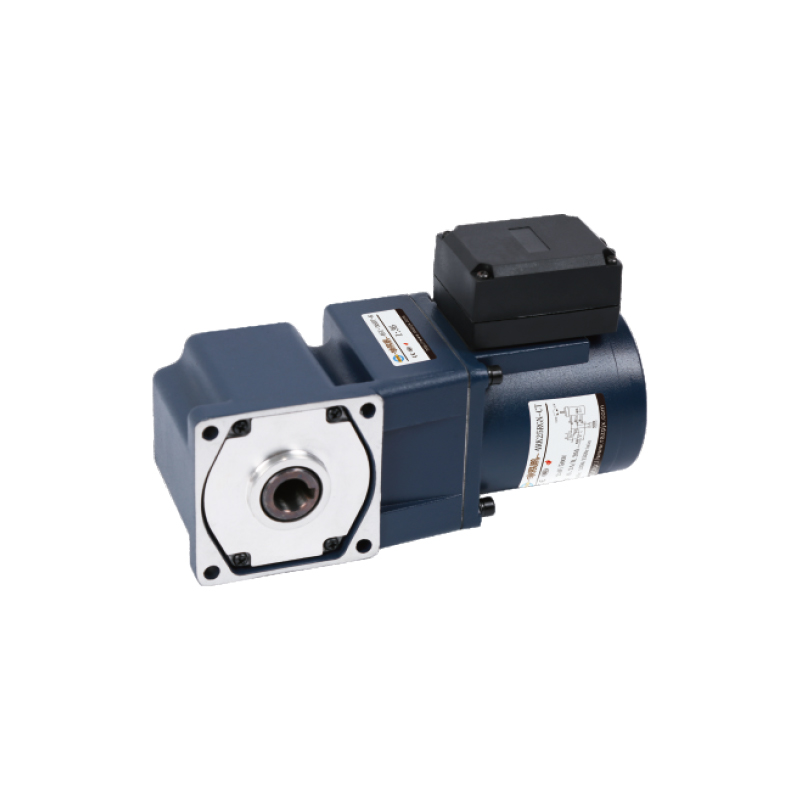
The 90mm 40W VT Reduction Motor is a small motor that does the job without taking up much space. It’s got a small footprint, but handles light automat...
See Details -
Cat:Motor Controller & Accessories
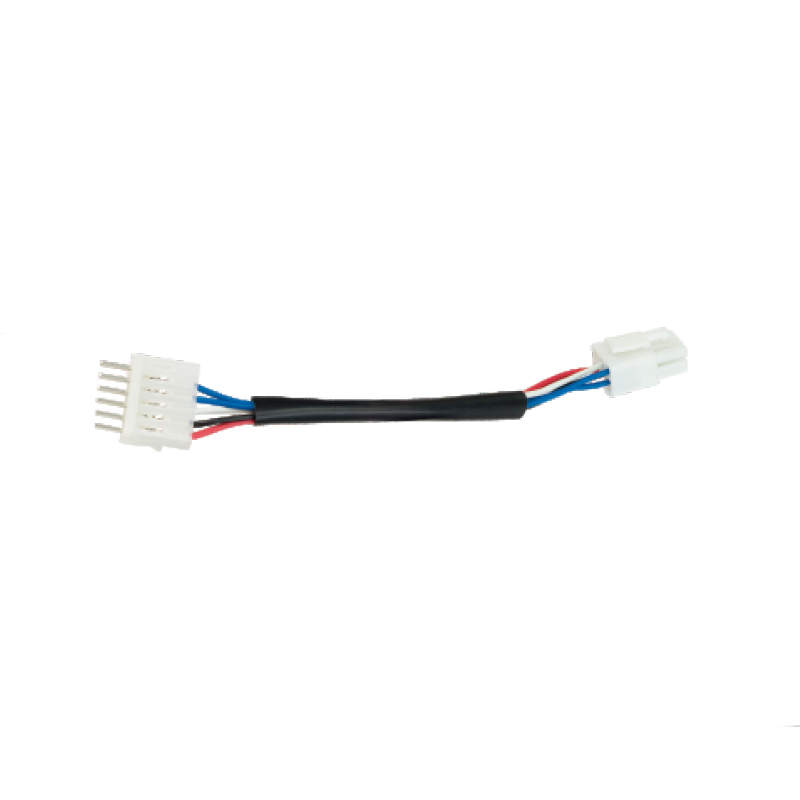
Prolonging line used between speed motor and controller.Additional sale product.When buying the controller, there will be a prolonging line with 0.5 m...
See Details -
Cat:CH
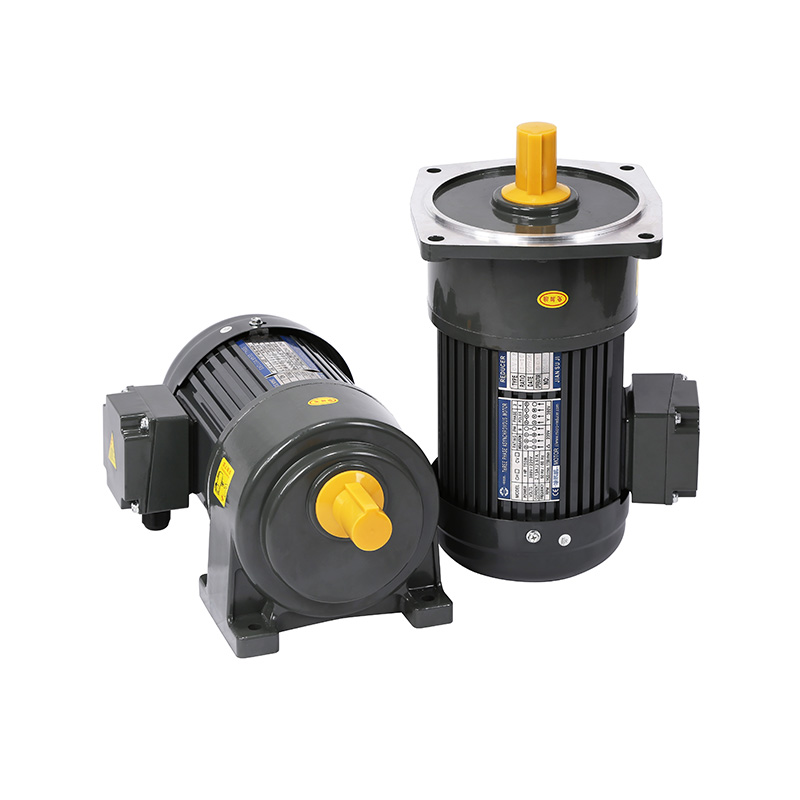
The Mirco and Special Electronic product series is designed for compact electronic equipment and precision transmission applications requiring stable ...
See Details -
Cat:CH
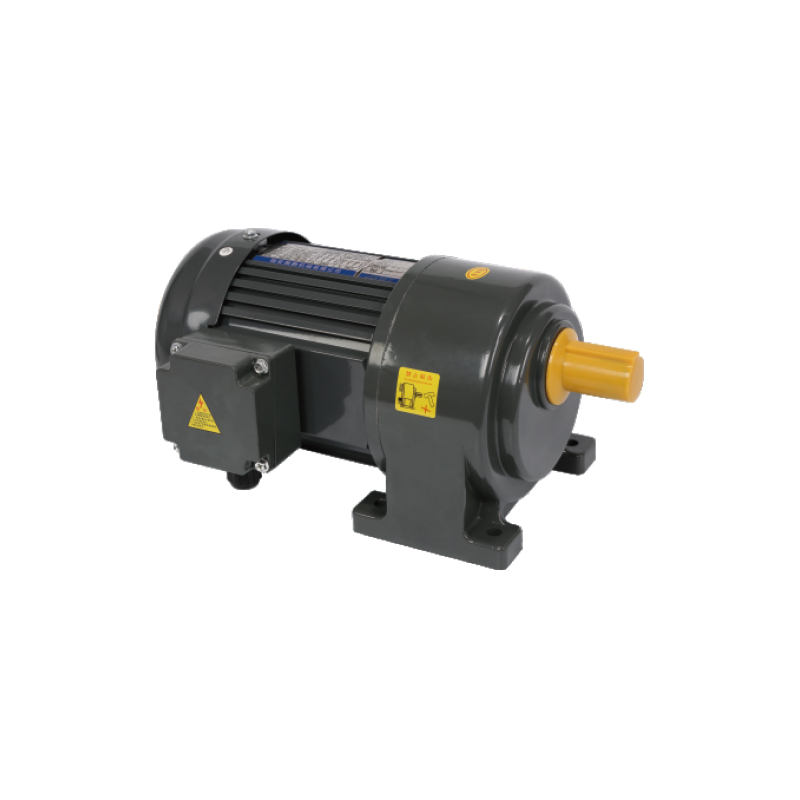
AC Brake Gear Motor is designed with an integrated braking system to ensure precise stopping and stable control during operation. This AC Gear Motor W...
See Details -
Cat:CH
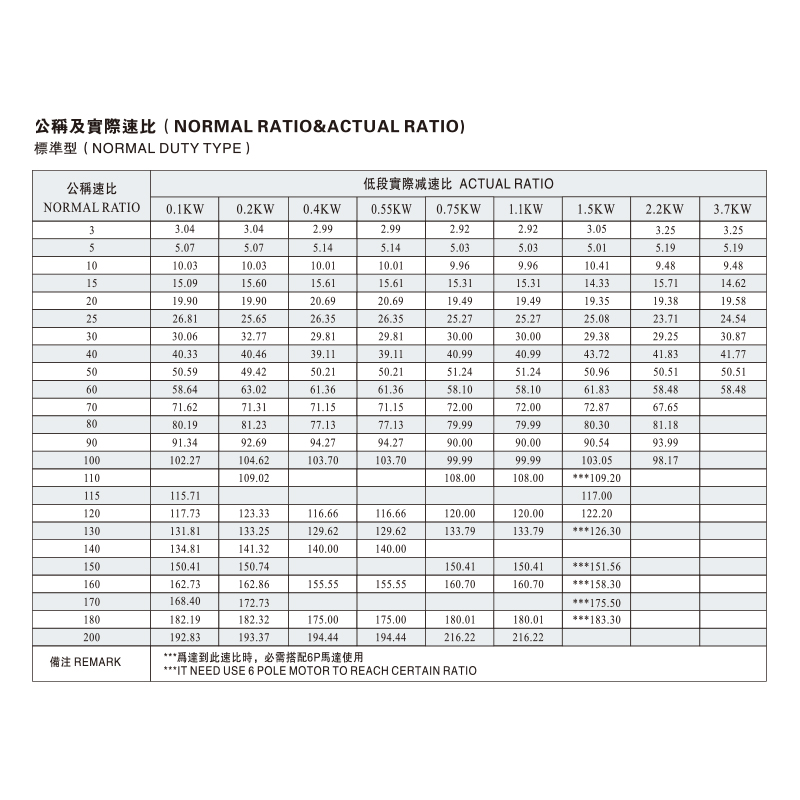
The CH, CV Normal Ratio & Actual Ratio provides accurate reference data for matching transmission requirements and optimizing reducer performance....
See Details
Looking For Business Opportunity?
Request for a call today

Zhanpeng Machinery sincerely cooperates with people at home and
abroad to create common development and achieve win-win
results!
Contact Us
-
 sales@razhanpeng.com
-
 +86 13335770176
-
 No. 2807, Huaming Road, Ruian City, Wenzhou City,Zhejiang Province,China
Quick Links
Message


Copyright 2024 Ruian Zhanpeng Machinery Co., Ltd.
Gear Motor Factory


Contact Us