


 English
 中文简体
 عربى

Can DC Brushless Gear Motor Technology Extend Battery Runtime in Mobile Equipment
A mobile robot that needs recharging halfway through a warehouse shift creates an operational problem. The same applies to electric carts, floor-cleaning machines and battery-powered lifting equipment. In these applications, motor efficiency affects how long the equipment can work before returning to a charging station.
A DC Brushless Gear Motor can help reduce energy losses and provide better control over speed and torque. Its brushless design eliminates mechanical commutation, while the gearbox adapts the motor's output to the equipment's actual movement requirements. However, a brushless motor does not automatically guarantee longer battery life. The controller, gearbox, battery and operating load all influence the final result.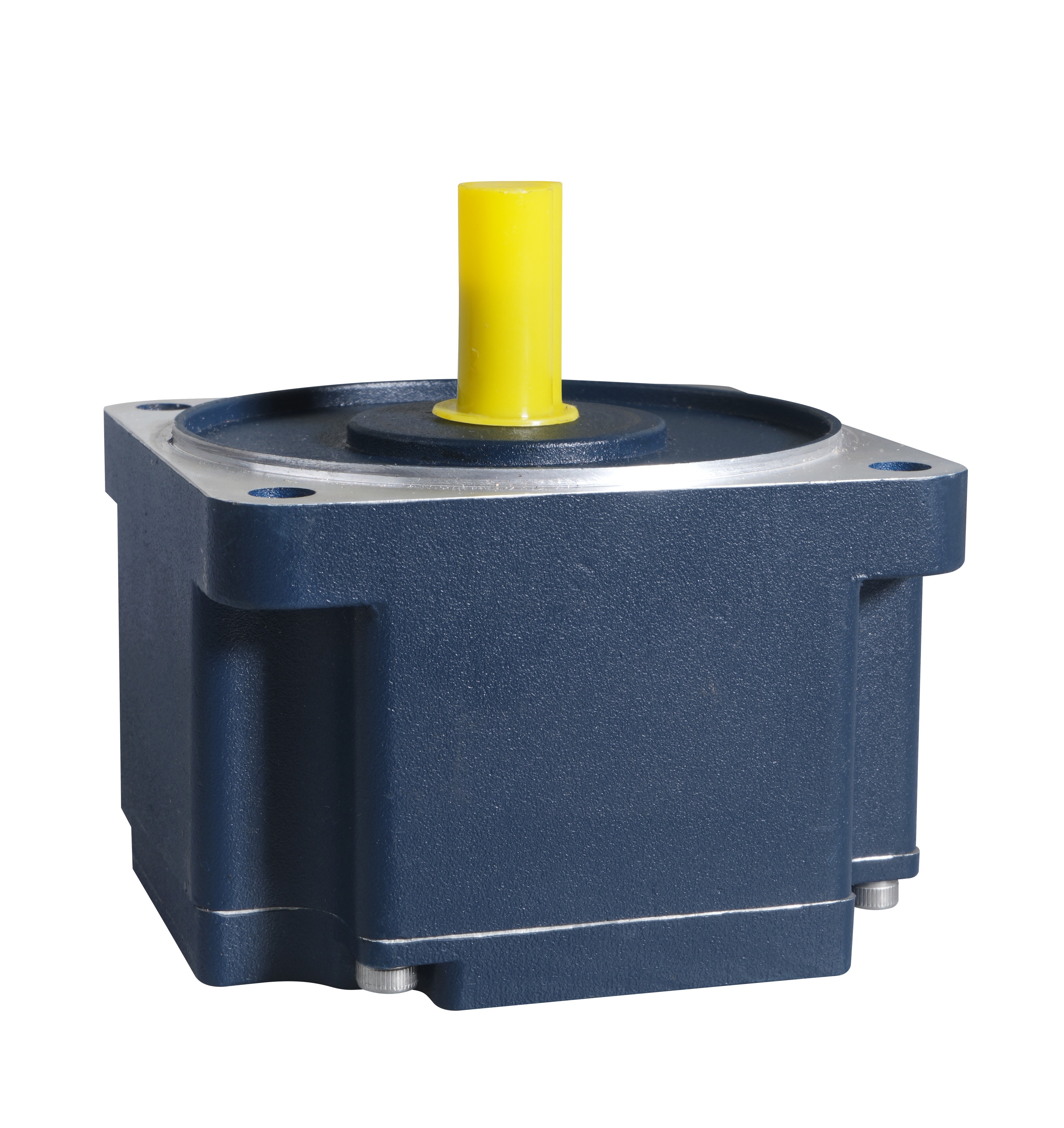
Where Brushless Motors Save Energy
A conventional brushed DC motor uses carbon brushes to transfer electrical current to the rotating armature. As the motor runs, friction develops between the brushes and commutator. Electrical contact losses also occur, and the brushes gradually wear down.
A brushless DC motor handles current switching electronically. Permanent magnets are generally fitted to the rotor, while the windings remain on the stator. An electronic controller switches current through the windings according to the motor's operating position.
Removing the brush-and-commutator arrangement eliminates one source of friction and electrical loss. It also removes the need for routine carbon brush replacement.
Other potential advantages include:
- More precise speed regulation through electronic control.
- Reduced maintenance associated with brush wear.
- Lower mechanical losses from brush contact.
- Better control across different operating speeds and loads.
There are still losses in the windings, bearings, magnetic circuit and controller. The actual efficiency advantage depends on motor construction and the operating point, not simply whether the motor is brushless.
Why the Gearbox Matters in Battery-Powered Equipment
A motor may rotate at several thousand revolutions per minute, while an electric cart or mobile robot needs a much slower wheel speed. The gearbox bridges this difference by reducing rotational speed and increasing available output torque.
Consider a warehouse robot moving a loaded trolley. The drive system needs sufficient torque to start moving the load, but excessive wheel speed is neither necessary nor desirable. A suitable reduction ratio allows the motor to operate within a more appropriate speed range.
Gearbox selection involves several considerations:
- Reduction ratio and required output speed.
- Continuous and peak output torque.
- Gear material and transmission efficiency.
- Bearing friction and lubrication.
- Gear alignment and manufacturing accuracy.
A poorly matched gearbox can actually waste energy. Excessive friction, unsuitable gearing or unnecessary reduction stages increase mechanical losses. The objective is to match motor speed and gearbox output to the equipment's real operating requirements.
Brushless and Brushed Gear Motors Compared
| Performance factor | Brushed DC gear motor | Brushless DC gear motor |
|---|---|---|
| Commutation | Mechanical brushes | Electronic controller |
| Brush replacement | Required as brushes wear | Not required |
| Maintenance | Includes brush and commutator inspection | Focuses on bearings, gearbox and electronics |
| Speed control | Relatively straightforward | Requires compatible electronic control |
| Energy losses | Includes brush-related losses | Eliminates brush-contact losses |
| Initial system cost | Often lower | May require a more advanced controller |
For manufacturers comparing the two technologies, purchase price is only part of the calculation. A brushless system may cost more initially, but reduced brush maintenance and potential energy savings can make it attractive in equipment that operates frequently.
The comparison should use complete drive-system performance, including the motor controller and gearbox, rather than motor efficiency figures alone.
What Actually Determines Battery Runtime?
A motor running at high efficiency on a test bench may consume considerably more energy once installed in a loaded mobile machine. Acceleration, stopping, floor conditions and operating schedules all change the demand placed on the drive system.
Several factors deserve attention.
Payload: Carrying heavier loads requires more torque, particularly when starting or climbing a slope. Motor current can increase significantly during these periods.
Acceleration and braking: Equipment that repeatedly starts, stops and changes direction experiences changing power demand. The controller's handling of acceleration and braking affects energy consumption.
Travel speed: Higher speeds can increase rolling and aerodynamic resistance. The amount of additional energy required depends on the equipment and operating environment.
Floor conditions: Uneven surfaces, slopes and high rolling resistance make the drive system work harder than smooth warehouse flooring.
Temperature: Low temperatures can reduce available battery capacity, while excessive heat can affect the battery, motor and electronic controller.
This is why runtime testing should reproduce the equipment's normal working cycle. Continuous operation at one fixed speed rarely represents actual mobile equipment usage.
Match Motor Specifications to the Battery
Motor selection should begin with the battery voltage and required mechanical output. Rated power alone does not provide enough information to determine whether a motor is suitable.
| Specification | Importance for equipment design |
|---|---|
| Rated voltage | Must match the battery and controller operating range |
| Rated torque | Defines continuous mechanical load capability |
| Peak torque | Supports starting and temporary high-load conditions |
| Rated speed | Helps establish the gearbox ratio |
| Gear reduction ratio | Determines output speed and available torque |
| Efficiency curve | Shows performance at different speed and torque levels |
| Controller compatibility | Affects commutation and current regulation |
Battery capacity provides another useful reference. Nominal energy in watt-hours (Wh) can be estimated by multiplying battery voltage by ampere-hours.
A simplified runtime calculation is:
Runtime (hours)≈Usable battery energy (Wh)/Average system power (W)
For example, a battery with 500 Wh of usable energy supplying equipment that consumes an average of 100 W would theoretically provide five hours of operation.
Real runtime will usually differ because of controller losses, battery discharge limits, temperature and changing mechanical loads. Other electrical consumers, such as control systems and sensors, must also be included in the equipment's average power consumption.
Test the Complete Drive System Before Finalizing the Design
For OEM manufacturers, comparing a brushless motor with an existing brushed model requires testing under equivalent conditions.
Use the same payload, travel distance, acceleration settings and operating cycle. Record battery voltage, current, energy consumption, motor temperature and output speed throughout the test.
Testing should include both light-load and heavy-load operation. Motor efficiency changes with torque and speed, so a model that performs particularly well at one operating point may not offer the same advantage elsewhere.
Manufacturers should request efficiency curves, torque-speed data and controller specifications from motor suppliers. Prototype testing can then show whether the proposed DC Brushless Gear Motor delivers a measurable reduction in energy consumption.
Look Beyond Motor Efficiency When Targeting Longer Runtime
Brushless technology can reduce brush-related losses and eliminate a recurring maintenance item. A suitable gearbox can also help the motor deliver the torque and speed required by mobile equipment without unnecessary mechanical losses.
But battery runtime is determined by the entire machine. A poorly selected gear ratio, inefficient controller or excessive mechanical load can offset the benefits of a more advanced motor.
For equipment manufacturers, the useful comparison is the energy consumed over a complete operating cycle. That figure provides a much clearer indication of whether changing motor technology will genuinely increase working time between charges.
Related Products
-
-
Cat:Right-Angle
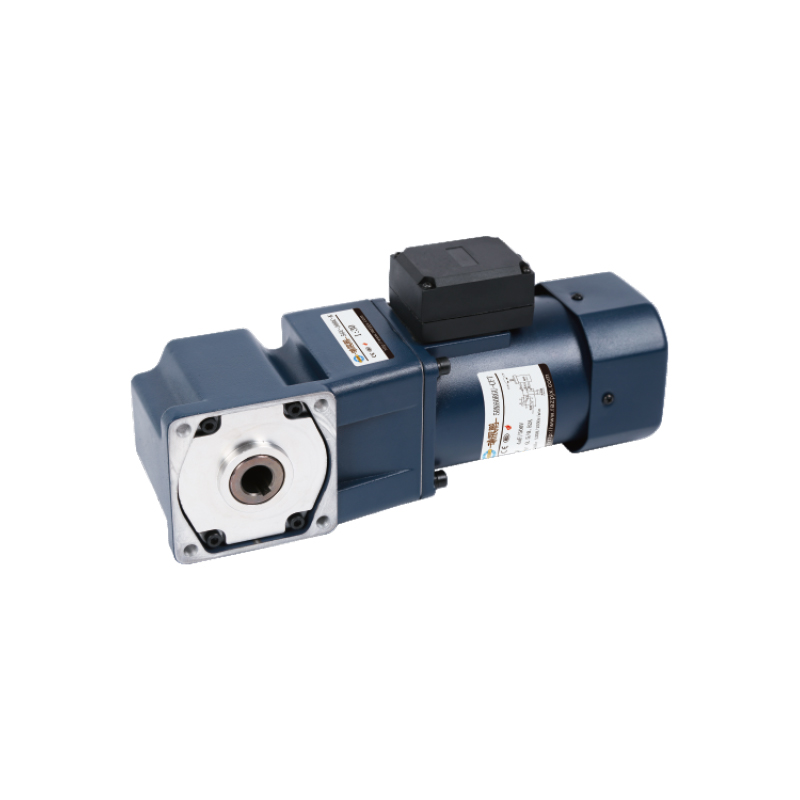
The 90mm 60W VT Reduction Motor is designed for compact equipment that needs a bit more power while keeping a small installation size.It handles autom...
See Details -
Cat:Right-Angle
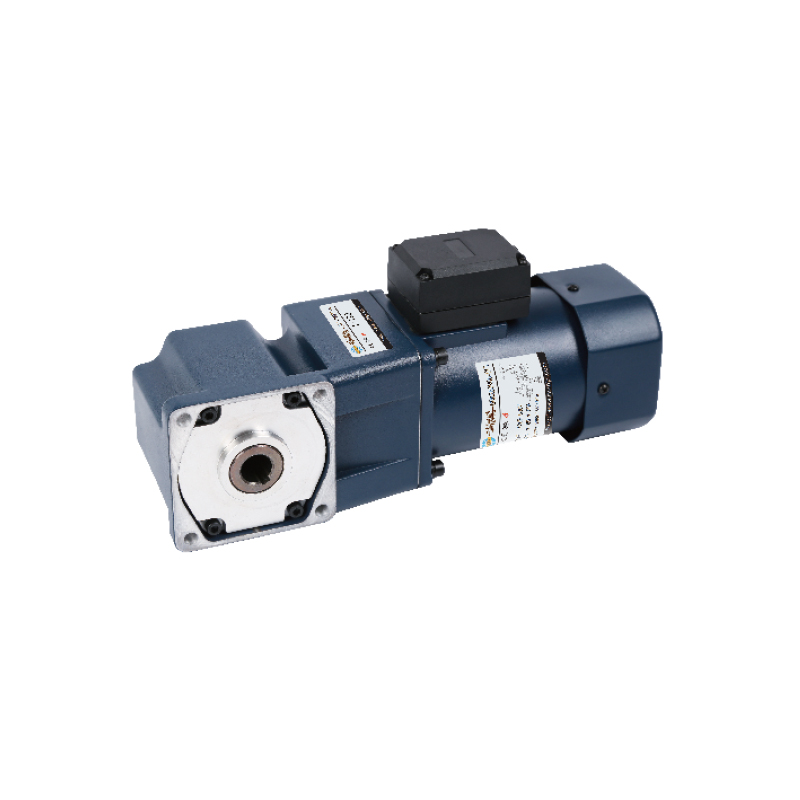
Electric Reduction Motor is designed for stable torque output and controlled low speed operation. This AC Gear Motor Low Rpm provides efficient power ...
See Details -
Cat:Motor Controller & Accessories
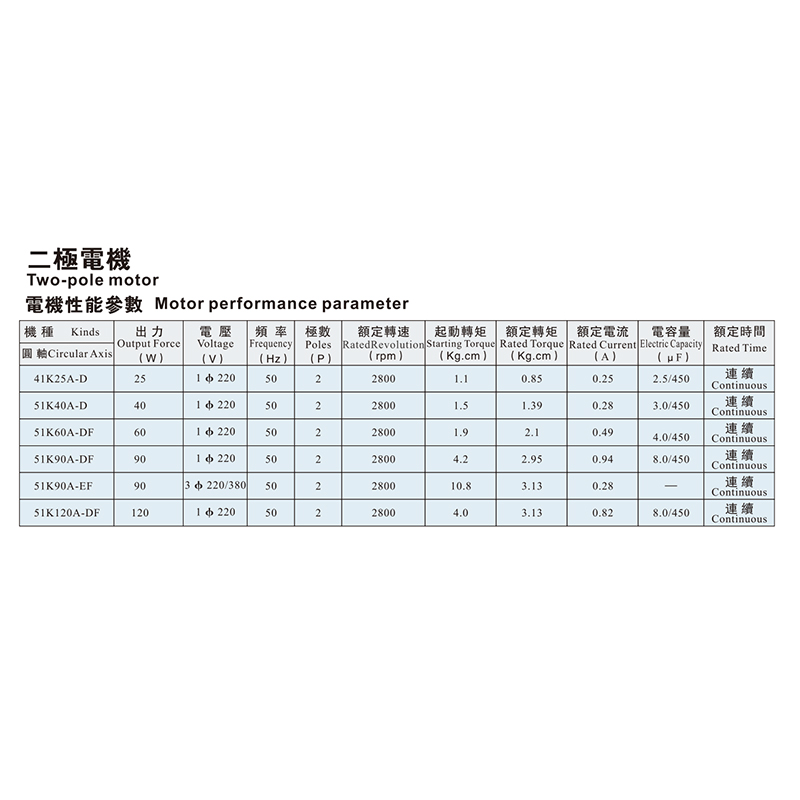
The Two-pole Motor is designed to provide stable and efficient power output for a variety of industrial and automation applications. Its compact struc...
See Details -
Cat:CH
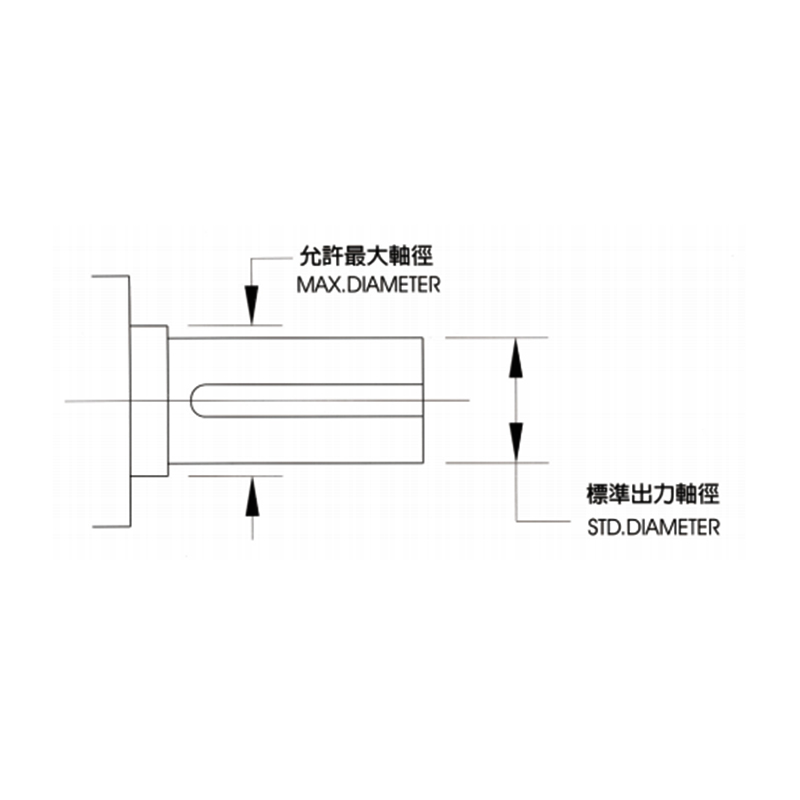
The CH, CV Available Max Output Shaft Diameter provides detailed reference data for selecting suitable shaft dimensions in transmission systems. It he...
See Details -
Cat:CH
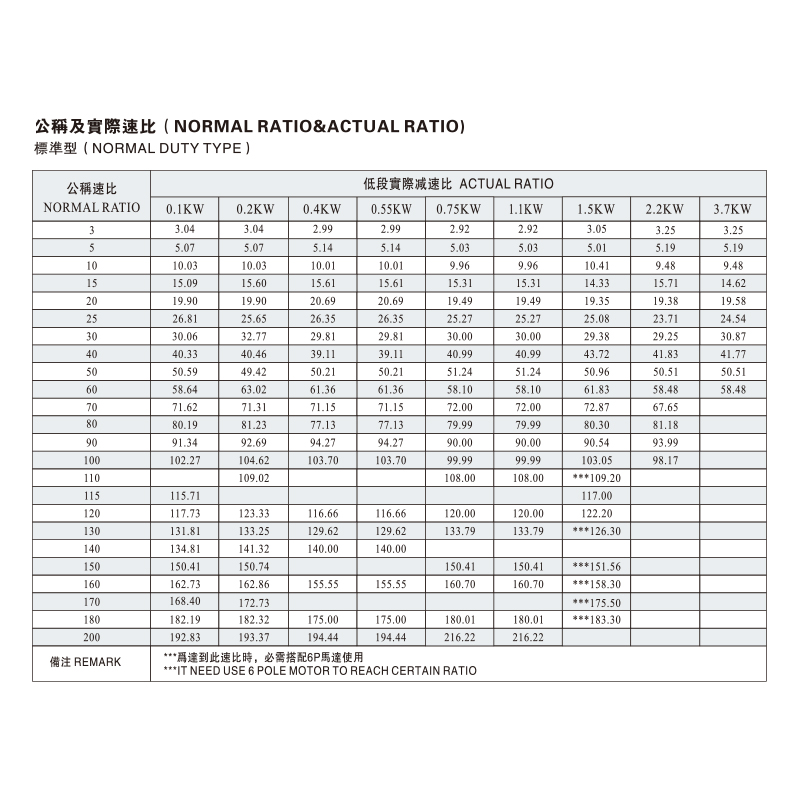
The CH, CV Normal Ratio & Actual Ratio provides accurate reference data for matching transmission requirements and optimizing reducer performance....
See Details -
Cat:CH
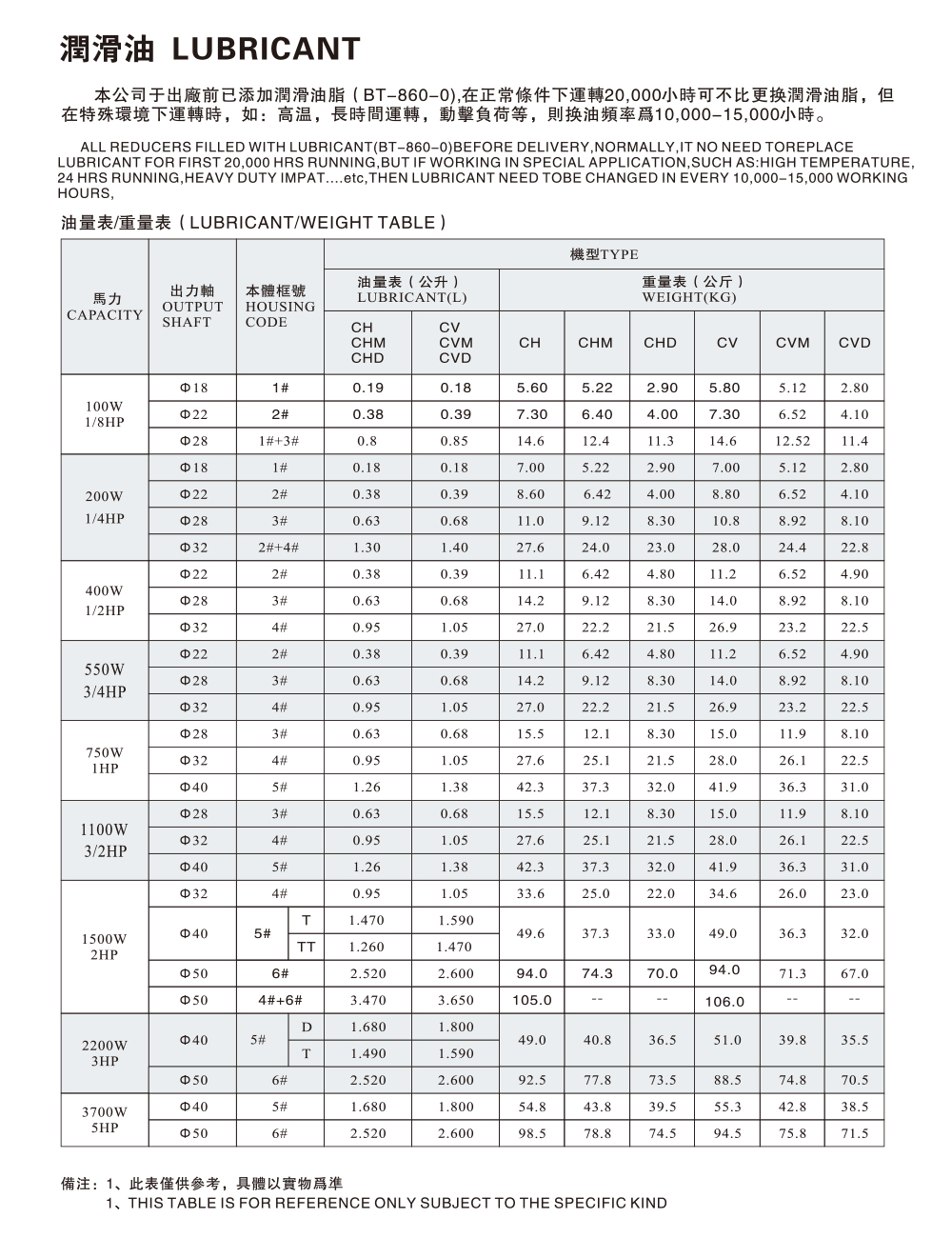
Our company has added lubricating grease (BT-860-0) before leaving the factory. It is not necessary to replace the lubricating grease after 20,000 hou...
See Details
Looking For Business Opportunity?
Request for a call today

Zhanpeng Machinery sincerely cooperates with people at home and
abroad to create common development and achieve win-win
results!
Contact Us
-
 sales@razhanpeng.com
-
 +86 13335770176
-
 No. 2807, Huaming Road, Ruian City, Wenzhou City,Zhejiang Province,China
Quick Links
Message


Copyright 2024 Ruian Zhanpeng Machinery Co., Ltd.
Gear Motor Factory


Contact Us