


 English
 中文简体
 عربى

How Do Gear Reduction Motors Improve Efficiency in Industrial Automation Systems?
Walk through any automated plant and you'll spot them everywhere—gear reduction motors, tucked into conveyors, mixers, packaging lines. The concept is simple enough: bolt an electric motor to a gearbox, and you get controlled speed with more torque at the output. That's the combination a lot of machinery needs to move loads at the pace production demands. When everything's selected right and maintenance keeps up, these units improve efficiency, motion consistency, and equipment reliability. Get it wrong and you'll find out through inefficiency, wear, and downtime you didn't plan for.
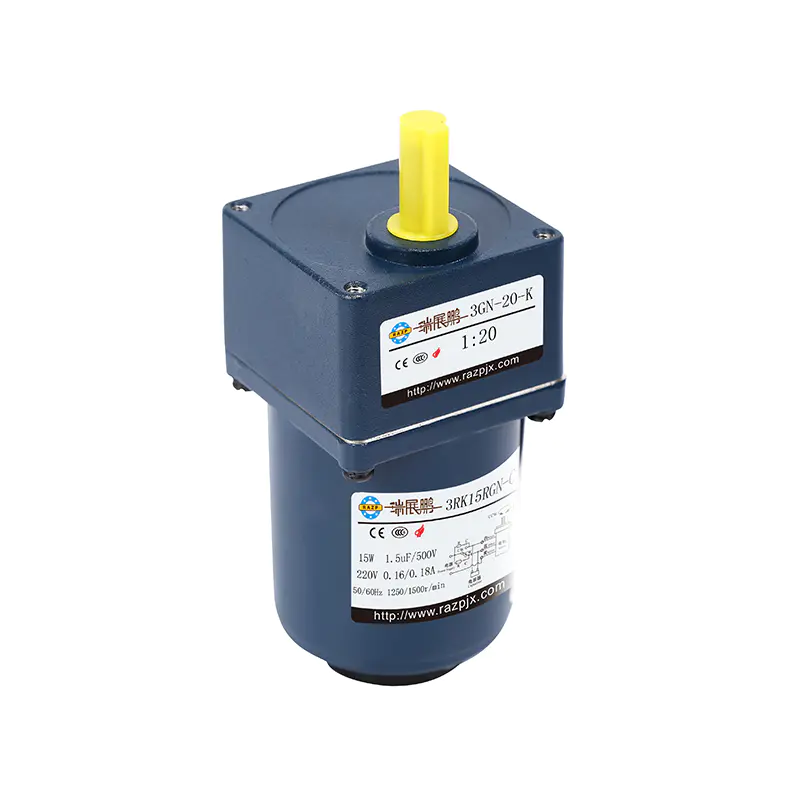
How Gear Reduction Motors Work
The gearbox's job is straightforward. It slows down the motor's rotational speed before power reaches the driven equipment. As speed drops, output torque rises according to the gear ratio—though friction and other mechanical effects eat into the total along the way.
Consider a conveyor moving heavy products at low speed. A reduction gearbox lets the motor spin fast while the output shaft turns slowly with greater torque. Nothing magical here—the gearbox doesn't create energy. It simply matches motor speed and torque to what the machine requires.
Reduce Energy Waste Through Correct Motor Matching
Poor motor-to-load matching is where energy waste sneaks in. An oversized motor may run inefficiently during normal production. An undersized one runs near its limits, overheats, needs frequent maintenance. Neither scenario is great.
Gear reduction helps engineers pick a motor and transmission combination suited to the required output speed and torque. That supports efficient operation, especially with stable loads and continuous duty cycles. Actual energy savings depend on motor efficiency, gearbox design, load profile, operating hours, and control strategy—there's no fixed number that applies everywhere.
Variable frequency drives add further benefits when a process needs different speeds. The drive adjusts motor speed to match demand while the gearbox handles the mechanical reduction.
Improve Torque and Output Control
Plenty of automated machines need substantial starting torque or steady force at low speed. Conveyors, mixers, packaging equipment, material-handling systems—common examples, all of them.
A suitable gear ratio increases torque at the output shaft, helping machinery start and maintain movement under load. Sometimes that reduces the need for an unnecessarily large motor. Paired with appropriate sensors and motor controls, the system can support more consistent movement. The ratio needs careful selection, though. Too much reduction and the output becomes painfully slow. An unsuitable gearbox may not withstand peak loads, shock loads, or frequent starts and stops. Either way, you're asking for trouble.
Compare Common Gearbox Types
| Gearbox type | Main characteristics | Common applications |
|---|---|---|
| Helical | Smooth, quiet operation and good efficiency | Conveyors and production lines |
| Worm | Compact design and high reduction ratios | Positioning equipment |
| Planetary | High torque capacity in a compact package | Robotics and precision machinery |
| Bevel | Changes the direction of power transmission | Angled drive systems |
What works depends on torque, speed, duty cycle, available space, noise limits, maintenance requirements. Check efficiency figures against the manufacturer's data for the exact model and operating conditions—vague claims won't help you.
Support Reliability and Consistent Production
Choose the right gear reduction motor and automated equipment runs at a predictable speed and load. That stability matters for filling, sorting, conveying, assembly—anywhere inconsistent movement can hurt product quality or stop production.
Reliability also hinges on installation and maintenance. Alignment, lubrication, mounting strength, ventilation, protection from dust or moisture—all of it affects how long the thing lasts. Stick to the manufacturer's lubrication schedule. Watch for unusual noise, vibration, overheating, oil leakage. Catch abnormal conditions early and you prevent bigger failures down the road. A small issue addressed now beats a gearbox replacement later.
Select a Motor for the Actual Application
Before picking a unit, engineers need to know the machine's required output speed, continuous and peak torque, load inertia, operating hours, start-stop frequency. Ambient temperature, mounting orientation, available space, speed-control requirements—those count too.
A practical selection review should cover:
- Confirming the output speed and torque the driven machine requires.
- Checking service factor and allowable peak or shock loads.
- Comparing gearbox efficiency, backlash, noise, and maintenance needs.
- Verifying motor voltage, power rating, enclosure, and control compatibility.
- Reviewing the supplier's technical documentation and service support.
These checks help prevent oversizing and cut the risk of premature motor or gearbox failure. Oversizing happens all the time—people assume more power is safer, but it usually just wastes energy and money.
Apply Gear Reduction Motors Across Automation Systems
Gear reduction motors turn up in conveyor lines, automated storage systems, packaging machines, food-processing equipment, industrial mixers. In each case, the goal is the same: deliver the required mechanical output in a controlled, dependable way.
For an efficient installation, look at the complete drive system instead of fixating on motor power alone. Match the motor, gearbox, controller, and driven load, and Gear Reduction Motors can contribute to reliable, energy-conscious industrial automation. That's the real objective—not just pulling a motor off a catalog page, but getting the pieces to work together.
Related Products
-
-
Cat:Right-Angle
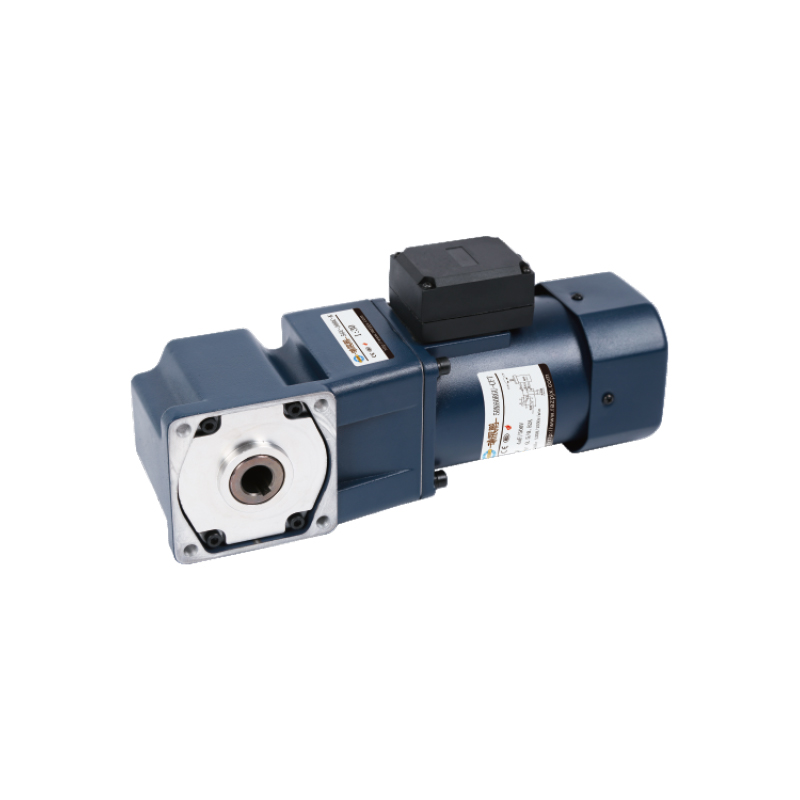
The 90mm 60W VT Reduction Motor is designed for compact equipment that needs a bit more power while keeping a small installation size.It handles autom...
See Details -
Cat:Right-Angle
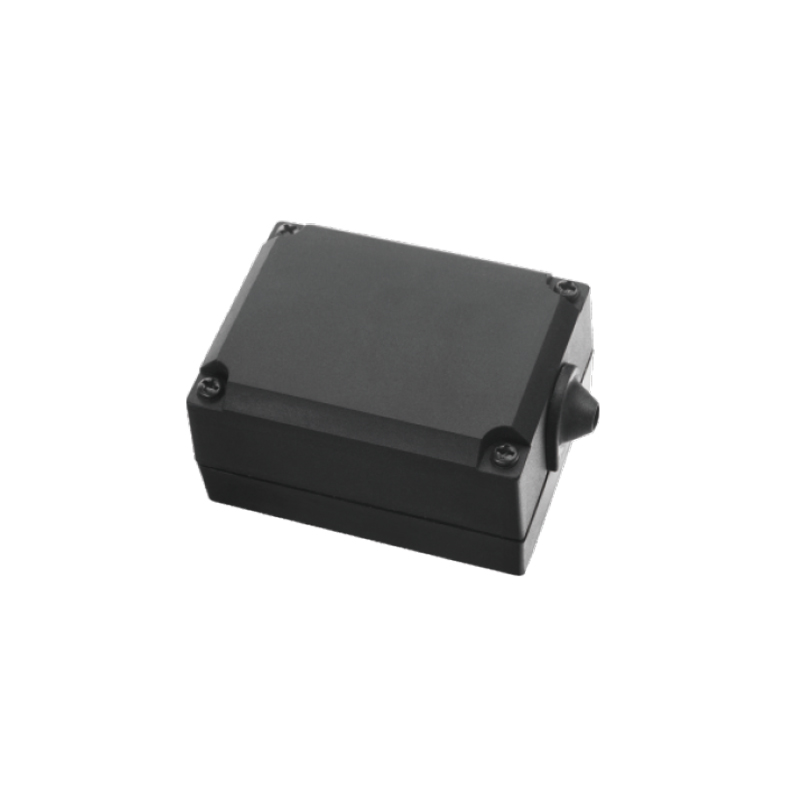
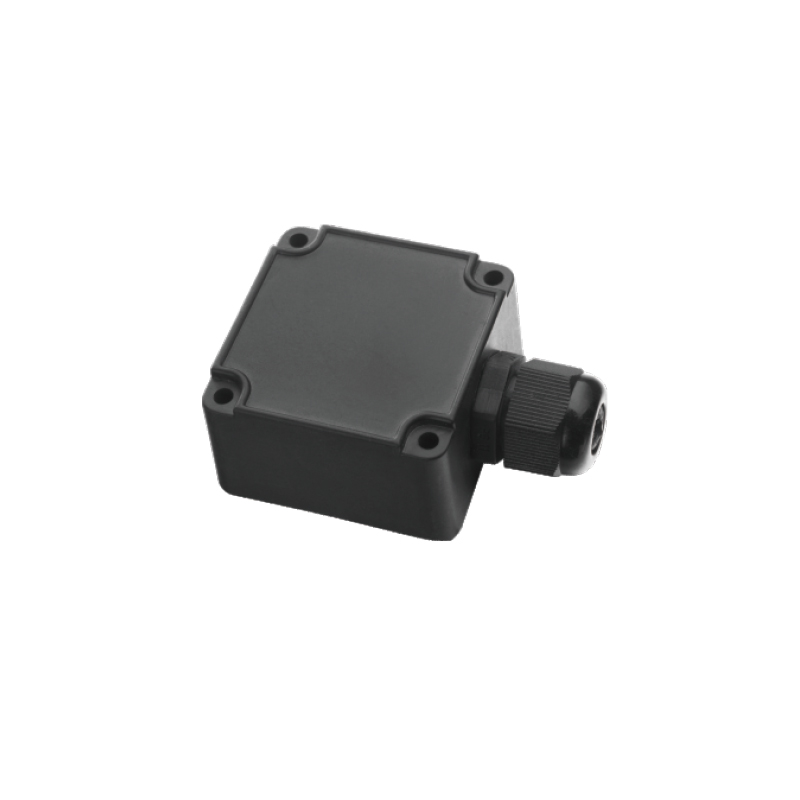
The Power Distribution Junction Box is designed for safe and stable electrical wiring management. With a durable External Junction Box Black structure...
See Details -
Cat:CH
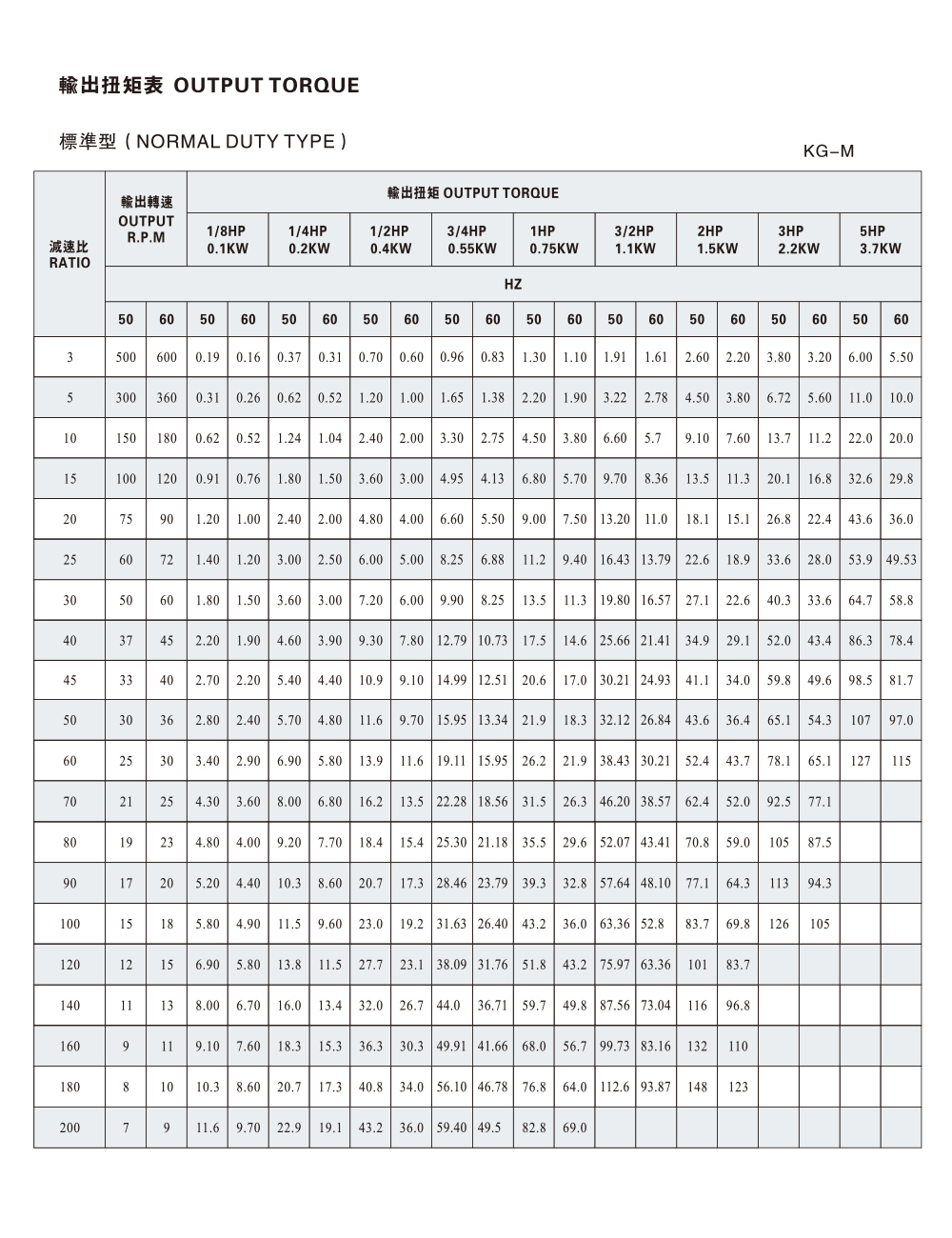
The CH, CV Output Torque provides essential performance data for evaluating transmission capacity and equipment matching. It specifies torque output v...
See Details -
Cat:CH
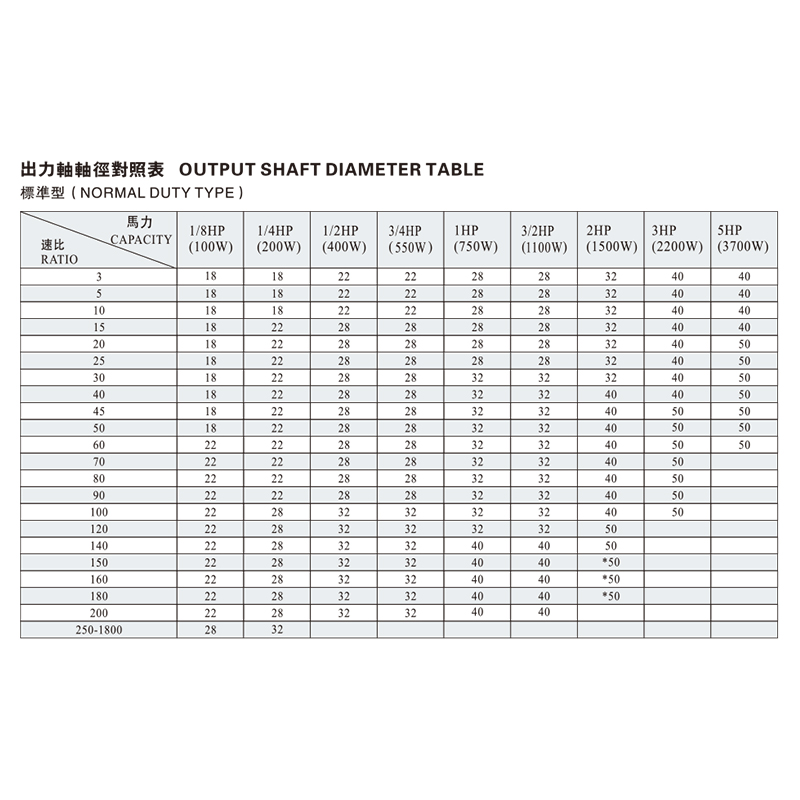
The CH, CV Output Shaft Diameter Table provides standardized dimensional data for selecting compatible transmission components and mechanical assembli...
See Details
Looking For Business Opportunity?
Request for a call today

Zhanpeng Machinery sincerely cooperates with people at home and
abroad to create common development and achieve win-win
results!
Contact Us
-
 sales@razhanpeng.com
-
 +86 13335770176
-
 No. 2807, Huaming Road, Ruian City, Wenzhou City,Zhejiang Province,China
Quick Links
Message


Copyright 2024 Ruian Zhanpeng Machinery Co., Ltd.
Gear Motor Factory


Contact Us