


 English
 中文简体
 عربى

Which Gearbox Configurations Should a Geared Motor Manufacturer Offer for Conveyor Systems?
Not every conveyor needs the same drive arrangement. A packaging line moving lightweight cartons has different requirements from a mining conveyor carrying heavy bulk materials. Speed, starting torque, installation space, and operating hours all influence gearbox selection.
For a Geared Motor Manufacturer, the challenge is deciding which models are worth keeping in the product range. Helical, helical-bevel, parallel-shaft, and worm gearboxes cover many common conveyor applications, but customers also need different shaft arrangements, mounting options, and motor ratings.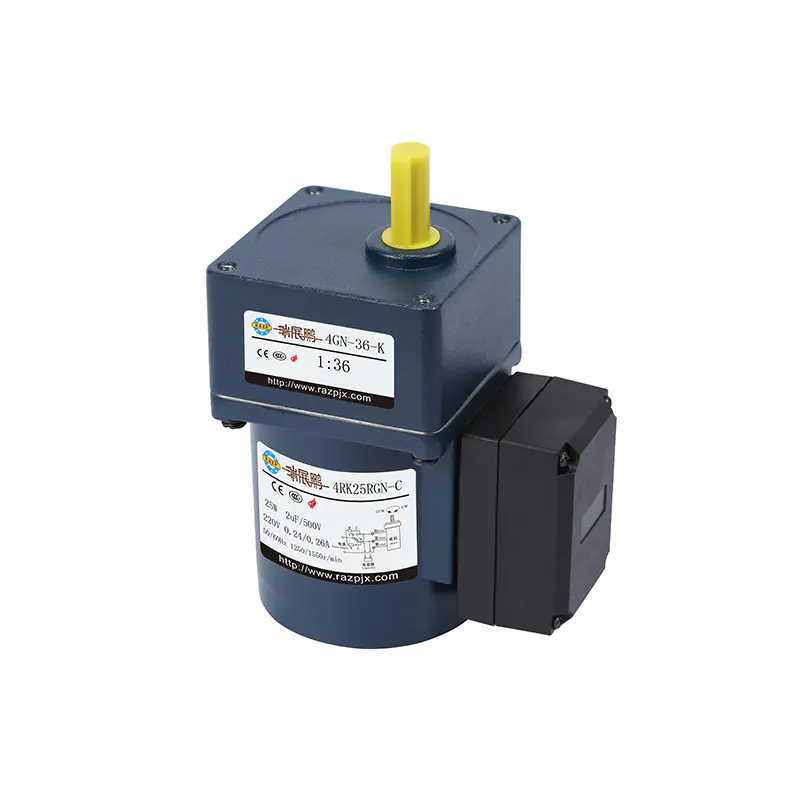
Helical Gearboxes for Continuous Conveyor Operation
Helical gearboxes are widely used in factory conveyors because they run smoothly and offer good transmission efficiency. Their angled teeth engage gradually rather than making contact across the entire tooth width at once. This generally helps reduce noise and vibration.
They are commonly found in packaging lines, assembly conveyors, and material handling equipment that runs for long periods.
Manufacturers should offer several gearbox sizes and reduction ratios rather than relying on one standard configuration. Foot-mounted and shaft-mounted models are also useful for different conveyor layouts.
One thing buyers should not overlook is the service factor. A gearbox operating continuously under heavy loads needs sufficient capacity for starting torque, shock loads, and frequent stops. Matching the rated motor power alone is not enough.
Helical-Bevel Gearboxes for Right-Angle Drives
Some conveyor installations leave little room for a straight-through drive. Helical-bevel gearboxes solve this by transferring power through a 90-degree arrangement.
They are commonly used on inclined conveyors, transfer equipment, and production lines where the motor needs to sit beside the driven shaft rather than in line with it.
Hollow-shaft designs can simplify connection to compatible conveyor shafts, while different mounting positions give equipment designers more freedom when arranging the drive.
Pay attention to radial and axial loads on the output shaft. A gearbox may have sufficient rated torque but still suffer premature bearing wear if external loads exceed its permitted limits.
Parallel-Shaft Gearboxes for Compact Drive Arrangements
Parallel-shaft gearboxes have input and output shafts running parallel to each other. Their relatively compact shape makes them useful where conveyor frames have limited installation space.
They are frequently used with belt conveyors, roller conveyors, and material handling machinery. Depending on the design, they can provide substantial reduction ratios and output torque.
A manufacturer should consider offering both solid-shaft and hollow-shaft versions. Solid shafts allow the use of external couplings, while hollow shafts can fit directly onto compatible drive shafts.
The choice usually comes down to the conveyor structure, available clearance, alignment requirements, and ease of maintenance.
Worm Gearboxes for Low-Speed Applications
Worm gearboxes offer high reduction ratios in a compact, right-angle arrangement. They can be useful for smaller conveyors, auxiliary drives, and equipment where low output speed is required.
However, their sliding contact creates more friction than many helical gearbox designs. This can mean lower efficiency and greater heat generation, particularly under continuous heavy loads.
Some worm gearboxes resist back-driving under certain conditions, but this should never be treated as a guaranteed load-holding function. If an inclined conveyor must remain stationary when power is removed, a properly specified brake or separate safety device may be necessary.
Manufacturers should provide efficiency and thermal capacity data for the actual operating conditions rather than relying on general gearbox characteristics.
Comparing Gearbox Configurations
| Gearbox type | Typical conveyor use | Main advantage | Points to check |
|---|---|---|---|
| Helical | Continuous production conveyors | Smooth operation and good efficiency | Mounting space and shaft arrangement |
| Helical-bevel | Inclined and transfer conveyors | Right-angle power transmission | External shaft loads and alignment |
| Parallel-shaft | Belt and roller conveyors | Compact layout and flexible output options | Available installation space |
| Worm | Light-duty, low-speed conveyors | High reduction in a compact arrangement | Heat generation and efficiency |
A conveyor may also use different gearbox types in different sections. The selection should follow the load and layout of each drive, not simply the gearbox already used elsewhere in the factory.
Give Buyers Enough Mounting and Output Options
A gearbox can have the right torque rating and still be difficult to install if its shaft or mounting arrangement does not match the conveyor.
A useful product range should include:
- Foot-mounted units for installation on machine frames or baseplates.
- Flange-mounted units for direct attachment to equipment.
- Hollow-shaft versions for compatible conveyor drive shafts.
- Solid-shaft versions for coupling connections.
- Torque arms for shaft-mounted installations.
Dimensional drawings should show shaft tolerances, mounting positions, and permissible external loads. OEM customers often need these details before finalizing their conveyor frame design.
Match the Motor to the Gearbox
The motor and gearbox should be selected as one drive assembly. Motor power, output speed, starting torque, and gearbox capacity all need to suit the conveyor's load profile.
For variable-speed conveyors, a variable-frequency drive may be needed. The motor must be compatible with the intended control arrangement and operating speed range.
Inclined conveyors deserve extra attention. Depending on the load and direction of travel, they may need braking to prevent uncontrolled movement during a power failure.
Environmental requirements also affect motor selection. Dust, moisture, washdown chemicals, and ambient temperature influence enclosure and protection requirements. An IP rating describes protection against solid particles and water ingress; it does not automatically establish resistance to chemicals or suitability for hazardous areas.
What Conveyor Builders Need from a Geared Motor Manufacturer
Offering several gearbox types is only part of the job. Customers also need help working out reduction ratios, output torque, service factors, and thermal limits.
Manufacturers should have inspection procedures covering gear contact, backlash, bearing operation, vibration, noise, temperature rise, and oil leakage. Machining accuracy and assembly clearances also need to remain consistent between production batches.
For OEM customers, modular designs can make customization and spare-parts management easier. Offering compatible motors, brakes, mounting accessories, and control options is another practical advantage.
Building a Gearbox Range Around Actual Conveyor Needs
Helical gearboxes cover many general conveyor applications. Helical-bevel and parallel-shaft designs address different mounting arrangements, while worm gearboxes remain an option for selected low-speed drives.
A Geared Motor Manufacturer does not need an endless range of models. What matters is having enough sizes, ratios, shaft arrangements, and motor options to cover common conveyor requirements, backed by accurate technical data and application support.
Related Products
-
-
Cat:CH
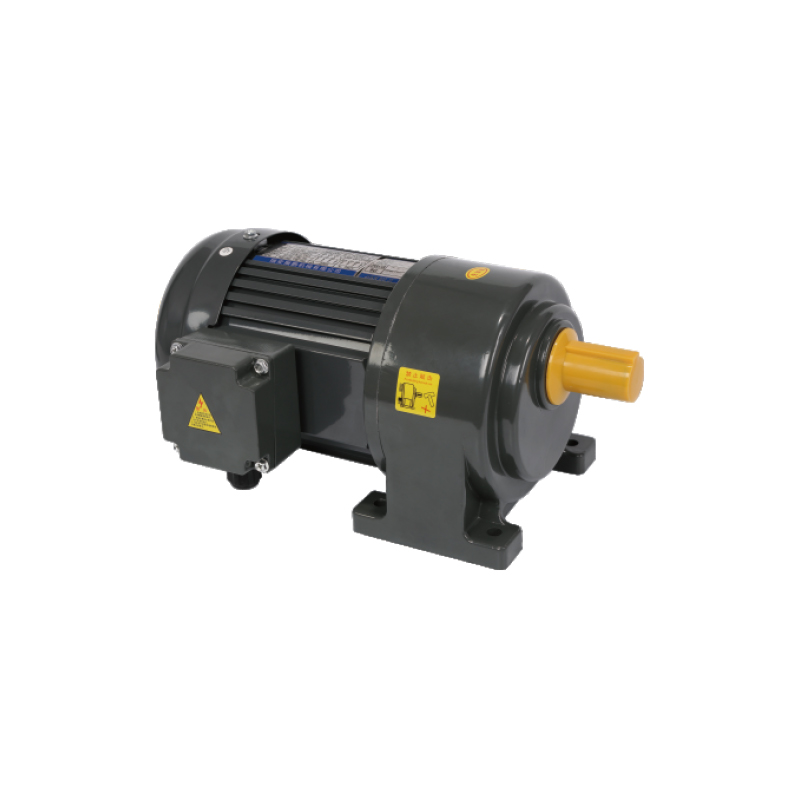
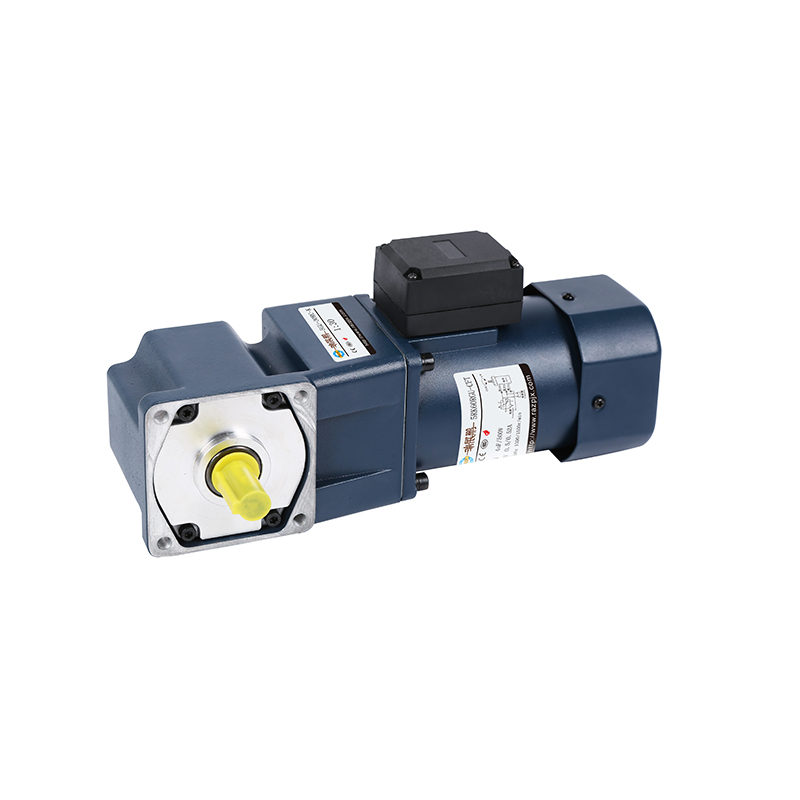
AC Brake Gear Motor is designed with an integrated braking system to ensure precise stopping and stable control during operation. This AC Gear Motor W...
See Details -
Cat:CH
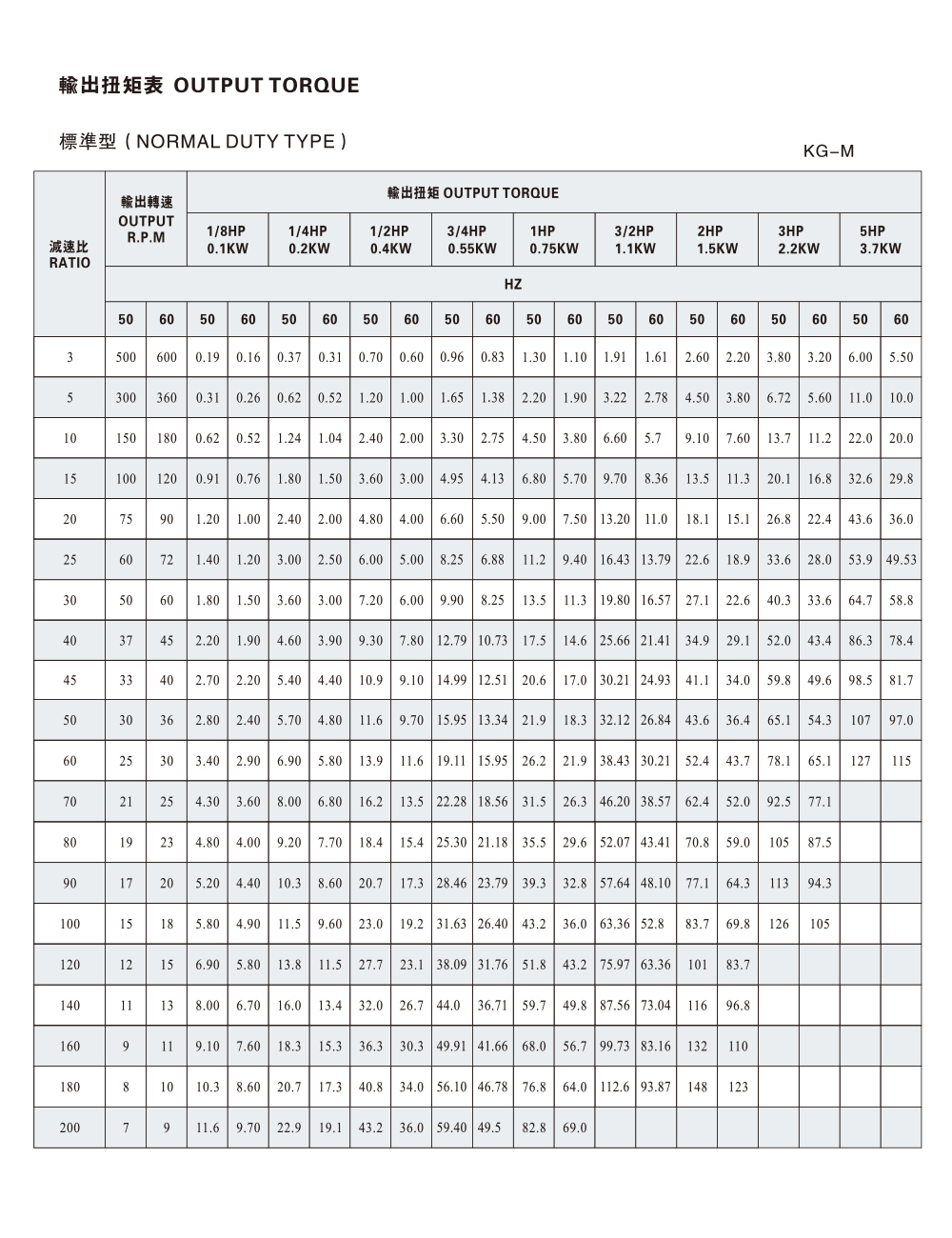
The CH, CV Output Torque provides essential performance data for evaluating transmission capacity and equipment matching. It specifies torque output v...
See Details -
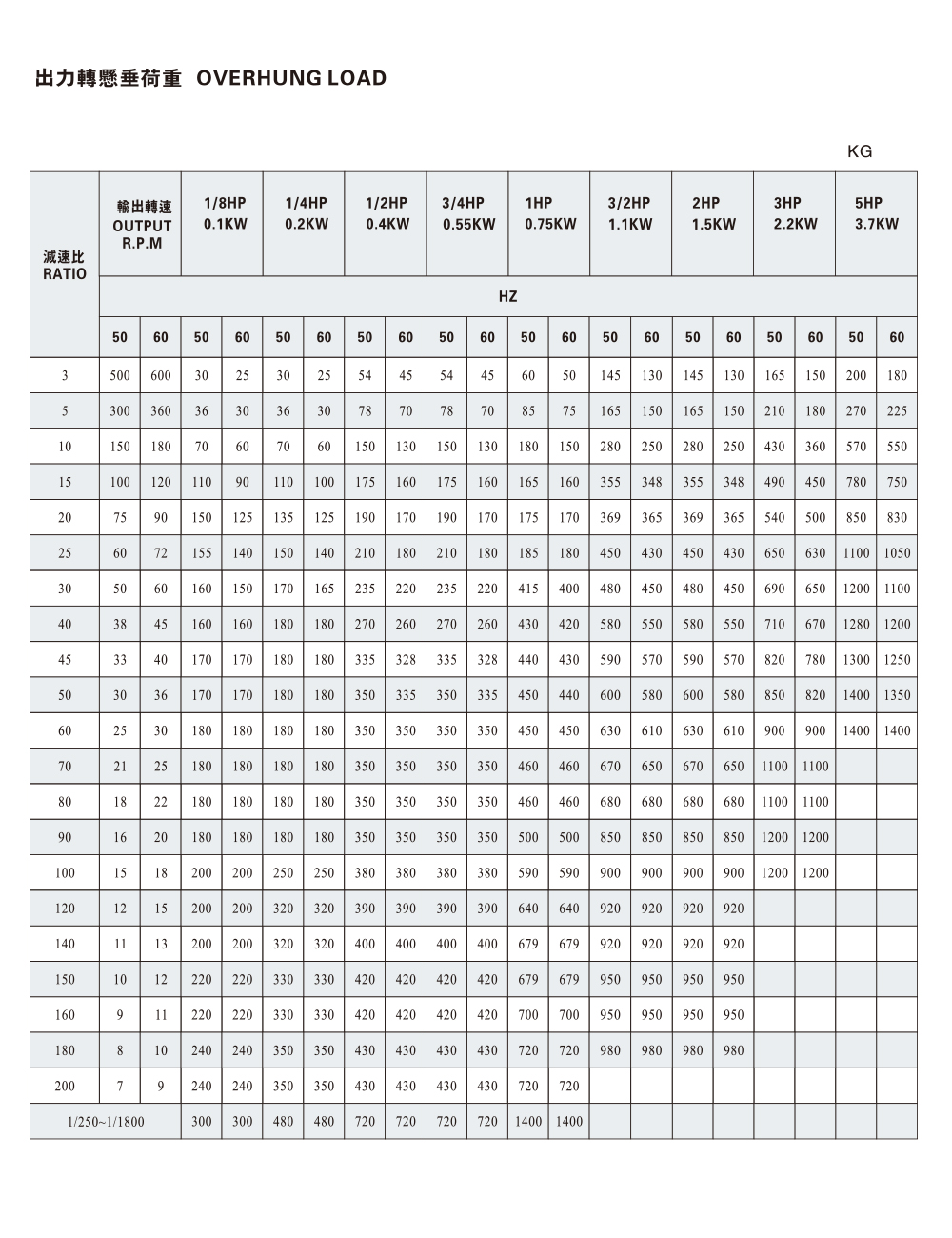
Cat:CH
The CH, CV Overhung Load component is designed to provide reliable support and load management for transmission systems, helping improve the stability...
See Details
Looking For Business Opportunity?
Request for a call today

Zhanpeng Machinery sincerely cooperates with people at home and
abroad to create common development and achieve win-win
results!
Contact Us
-
 sales@razhanpeng.com
-
 +86 13335770176
-
 No. 2807, Huaming Road, Ruian City, Wenzhou City,Zhejiang Province,China
Quick Links
Message


Copyright 2024 Ruian Zhanpeng Machinery Co., Ltd.
Gear Motor Factory


Contact Us