


 English
 中文简体
中文简体 عربى
عربى
How Does Electric Reduction Motor Differ From Brushless DC Motor
Choosing a motor for equipment design is usually related to how movement is created and controlled. A machine used for transporting materials, rotating parts, or driving mechanical structures may require steady output over a long working period, while compact equipment with changing operating conditions may need more flexible adjustment during use.
Different motor structures solve different movement problems. Some systems need a motor to provide rotation and then adjust that movement through a reduction mechanism before reaching the working part. Other systems need the motor itself to handle more control tasks, especially where installation space is limited and external components need to be reduced.
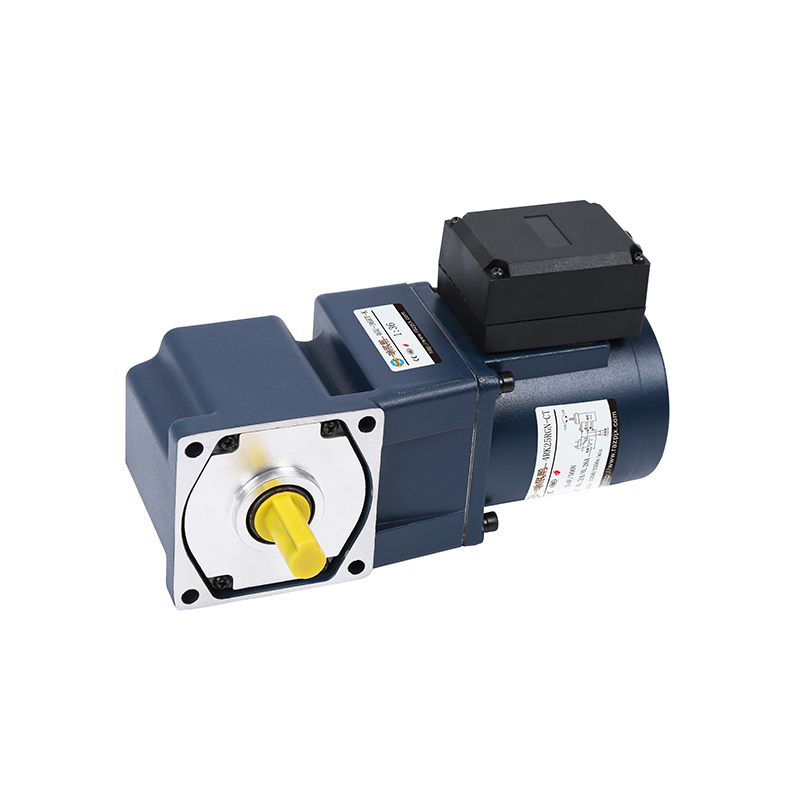
An Electric Reduction Motor is commonly used in situations where mechanical output needs to match a specific movement requirement. The reduction structure changes the relationship between speed and output force, allowing connected equipment to operate at a suitable movement rate. This type of structure is often found in machines where movement follows a relatively fixed pattern.
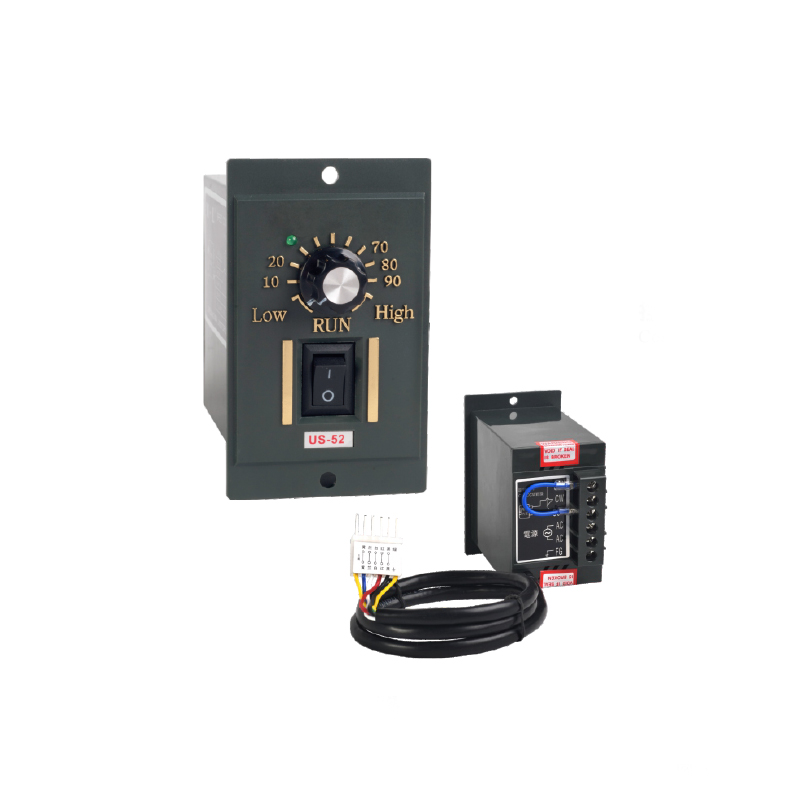
A brushless DC motor with an integrated controller follows a different design idea. Motor operation and control functions are combined into one assembly, making it suitable for equipment where adjustment and compact installation are important considerations.
The difference between both motor types becomes clearer when looking at actual working environments. A conveyor device moving products along a fixed route may focus on steady rotation and mechanical connection. A small automated device that changes movement according to different conditions may require easier control adjustment.
Several factors usually affect motor selection:
- How the equipment moves during normal operation
- Whether speed changes happen frequently
- Available installation space
- Connection method between motor and machine
- Future maintenance requirements
Motor selection is therefore connected with equipment structure rather than only the motor itself. The surrounding design determines which type of solution fits the working condition.
How Does Electric Reduction Motor Work In Practical Applications
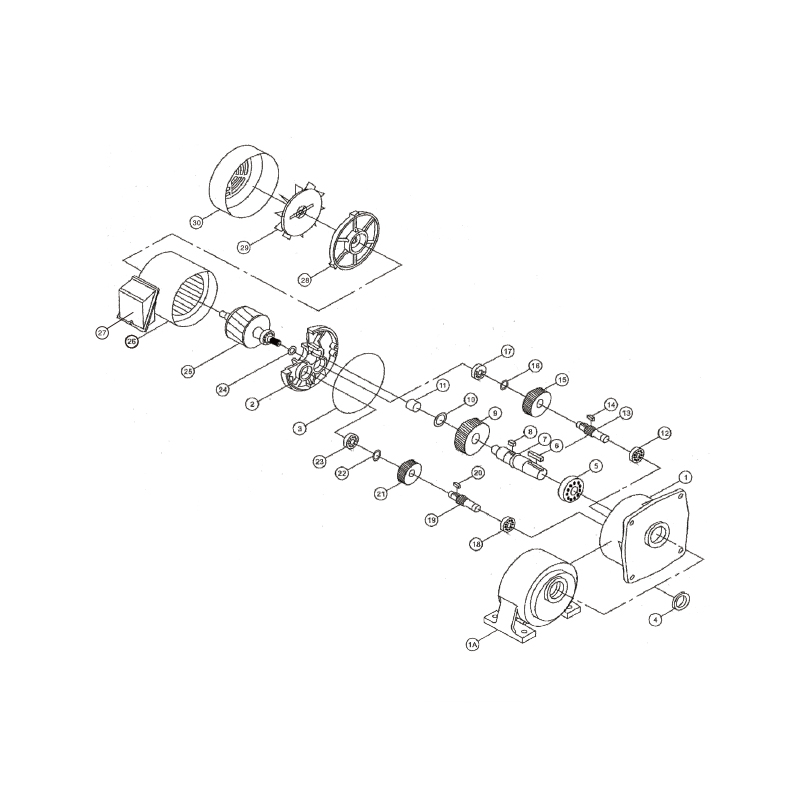
In many mechanical systems, the rotation speed produced by a motor does not directly match the speed needed by the equipment. A reduction structure changes the output before it reaches the connected mechanism, allowing the movement to follow the requirements of the machine.
For example, equipment used for lifting, transferring, or rotating heavy components often needs controlled movement rather than rapid rotation. A reduction structure helps create a slower output suitable for mechanical operation.
The installation process usually involves several practical considerations:
- The motor mounting position needs to match the equipment structure.
- The output connection needs proper alignment with driven parts.
- The surrounding mechanical components need enough operating space.
- The selected motor size needs to fit the expected working condition.
A problem during installation often appears when the motor and machine connection are not considered together. Even when a motor can operate normally, incorrect mounting position or unsuitable connection design may create additional adjustment work during assembly.
Maintenance also follows the mechanical characteristics of the system. Since movement passes through connected mechanical parts, regular inspection usually focuses on connection conditions, alignment, and the condition of transmission components.
In a workshop environment, a machine that performs the same movement repeatedly may not need frequent control changes. Stable mechanical output can become more important than rapid adjustment. For such applications, a reduction motor structure can match the working pattern more naturally.
How Does Brushless DC Motor With Integrated Controller Differ In Operation
A motor with an integrated controller combines driving and adjustment functions within a compact structure. Instead of separating motor operation and control into different units, related control elements are arranged together with the motor assembly.
This structure is often considered for equipment where installation space is limited. Smaller machines, automated devices, and systems with changing movement requirements may need a motor solution that can respond to different operating situations.
The working approach differs from a traditional reduction structure. Rather than mainly changing output through mechanical transmission, operation adjustment relies more on the control system connected with motor performance.
Practical application considerations include:
- Space available inside the equipment
- Need for changing movement patterns
- Arrangement of electrical connections
- Maintenance access around the motor area
A compact design can simplify equipment layout, although maintenance methods also change. Inspection may involve checking electrical connections, control functions, and overall operating conditions rather than focusing only on mechanical parts.
The choice between motor types depends on what the machine needs to accomplish. A device designed around continuous mechanical movement may follow a different path from equipment that requires frequent adjustment during operation.
Which Factors Influence The Choice Between Two Motor Types
Selecting a motor usually starts from the equipment itself. A machine designer needs to consider how movement is created, how often operating conditions change, and how much installation space is available. A motor that fits one type of machine may not match another system because the working conditions are different.
For equipment with a fixed movement route, mechanical transmission is often an important consideration. Machines used for repeated rotation, lifting, or transferring tasks usually need stable output that can work together with connected mechanical parts. In such cases, a reduction structure may fit the overall design more naturally.
Equipment with changing operation requirements may need a different approach. A compact device that adjusts movement during operation may benefit from a motor structure that combines driving and control functions. The choice depends on how the equipment is expected to respond during use.
Several points can help during selection:
- Movement pattern
Continuous movement and frequent adjustment require different motor characteristics.
- Installation environment
Space limitations, mounting position, and surrounding components influence the suitable structure.
- Connection method
The motor needs to match the mechanical or electrical arrangement of the equipment.
- Maintenance planning
Inspection methods and replacement processes vary between motor designs.
| Consideration | Electric Reduction Motor | Brushless DC Motor With Integrated Controller |
|---|---|---|
| Main Design Focus | Mechanical speed adjustment and output matching | Combined motor operation and control adjustment |
| Common Application Direction | Equipment with repeated mechanical movement | Equipment requiring flexible operation |
| Installation Consideration | Connection with mechanical structures | Space arrangement and control integration |
| Maintenance Attention | Mechanical connection and transmission condition | Electrical connection and control condition |
Why Are Custom Gear Motors Considered For Special Applications
Standard motor designs can meet many common installation needs, although some equipment has unusual layouts or specific connection requirements. A machine may have limited internal space, a special mounting position, or a movement pattern that requires adjustment of the transmission structure.
In those situations, Custom Gear Motors are considered because the motor and gear arrangement can be planned around the equipment instead of forcing the equipment design to follow a standard structure.
For example, a machine with limited installation space may require changes in mounting direction or connection position. Equipment used in a special working environment may also need a motor structure that matches its operating conditions more closely.
Customization discussions often focus on practical details:
- Required output direction
- Available installation space
- Connection arrangement
- Expected movement pattern
- Maintenance accessibility
The purpose of customization is usually related to matching the motor with the equipment layout. A suitable structure can reduce unnecessary changes during installation and help maintain a cleaner machine design.
A manufacturer working with customized gear solutions often needs to consider both mechanical requirements and production consistency. The final motor structure needs to fit the equipment while remaining practical for assembly and future service.
How Do Maintenance Requirements Differ Between Motor Types
Maintenance methods often reflect the internal structure of a motor. Different designs create different inspection points, meaning service plans need to follow the way each motor operates.
For reduction motor systems, maintenance usually involves checking mechanical connections. Since power passes through transmission components, attention is often placed on alignment, connection condition, and the condition of moving parts.
Common maintenance considerations include:
- Checking whether mounting positions remain stable
- Inspecting mechanical connections during routine service
- Confirming that connected parts move normally
- Keeping installation areas clean
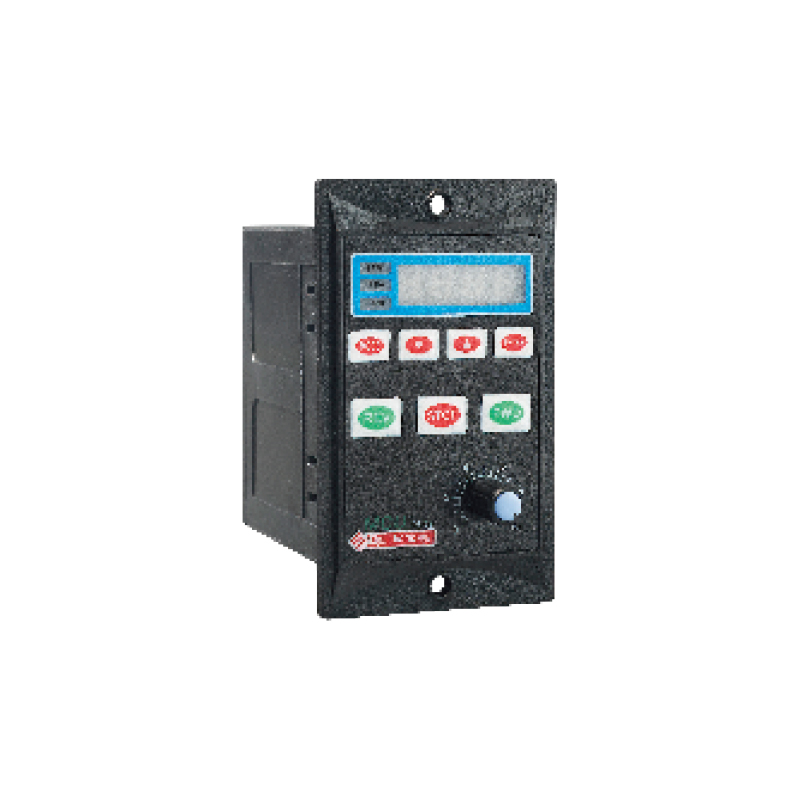
For motors with integrated controllers, inspection focuses on different areas. Electrical connections, control functions, and operating responses become important parts of routine checking.
Typical maintenance points include:
- Checking wiring conditions
- Inspecting control-related components
- Confirming normal operating response
- Protecting sensitive parts from unsuitable environments
Neither maintenance method is complicated by nature. The key difference comes from where attention needs to be placed. Understanding the motor structure helps service teams prepare suitable inspection methods before problems appear.
How Can Equipment Designers Select A Suitable Motor Solution
Motor selection often becomes easier when the equipment requirements are clearly defined before purchasing begins. Instead of starting from motor specifications alone, designers usually look at the complete movement process.
Several questions can help organize the selection process:
- Does the equipment need continuous movement or frequent adjustment?
- Is there enough space for motor installation?
- Will the motor connect with existing mechanical parts?
- Is future replacement access important?
- Does the system require customized transmission arrangements?
A machine designed for repeated mechanical action may need stable output and a suitable connection structure. Another device that changes movement frequently may require a different control approach.
The relationship between motor and equipment is similar to a matching process. The motor needs to support the machine's purpose while fitting into the available structure. Considering installation, operation, and maintenance together can help avoid changes after assembly begins.
Different motor designs exist because equipment requirements are different. A reduction structure and an integrated controller solution each have their own application direction. Choosing based on actual working conditions allows the motor to become a suitable part of the complete system rather than an isolated component.
Related Products
-
-
Cat:Right-Angle
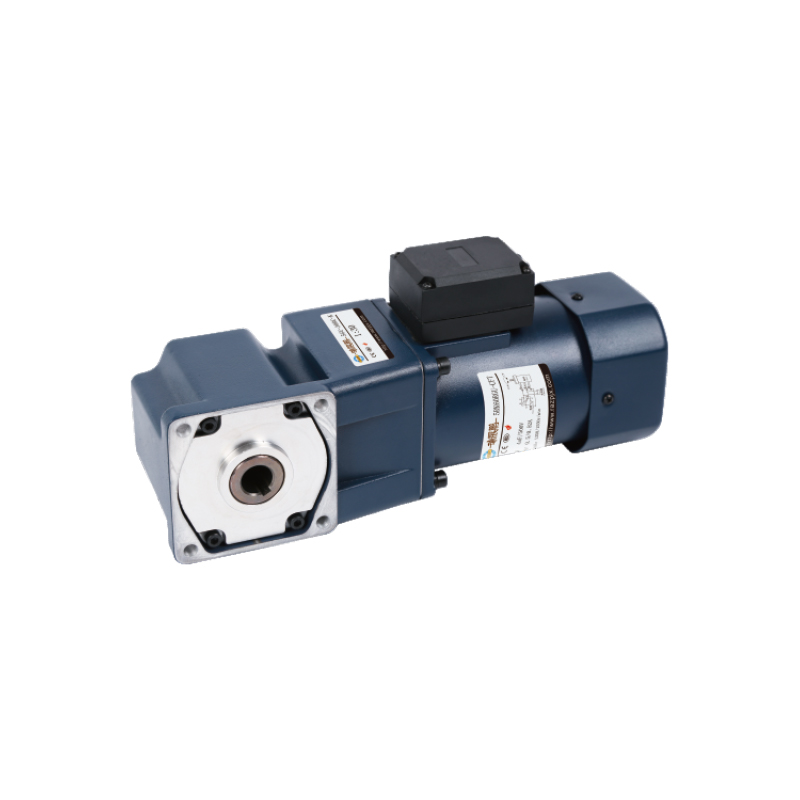
The 90mm 60W VT Reduction Motor is designed for compact equipment that needs a bit more power while keeping a small installation size.It handles autom...
See Details -
Cat:Motor Controller & Accessories
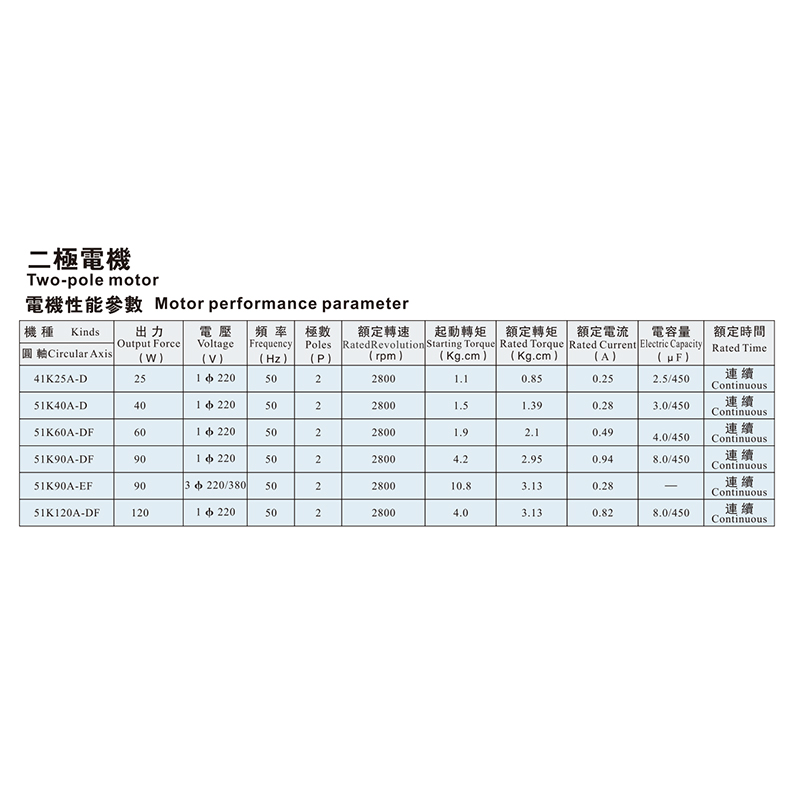
The Two-pole Motor is designed to provide stable and efficient power output for a variety of industrial and automation applications. Its compact struc...
See Details -
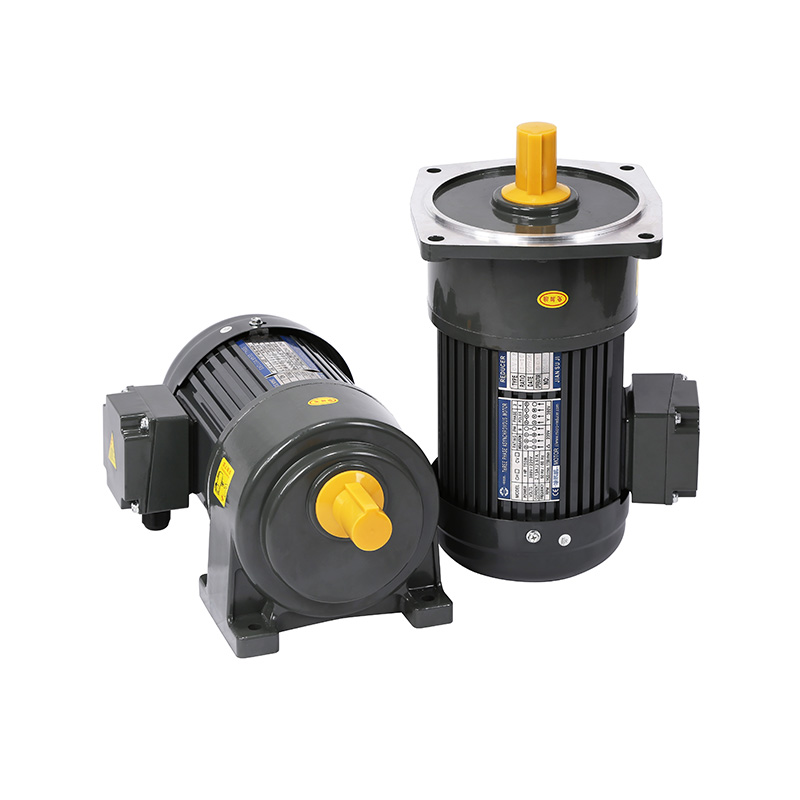
Cat:CH
The Mirco and Special Electronic product series is designed for compact electronic equipment and precision transmission applications requiring stable ...
See Details -
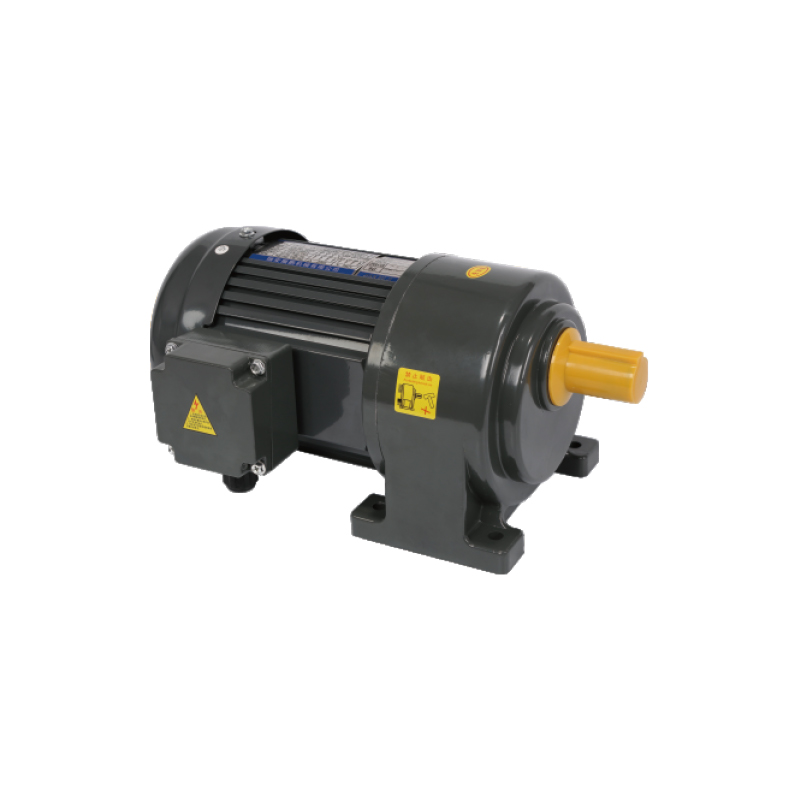
Cat:CH
Small AC Gearmotors are designed for compact power transmission with stable torque output and efficient performance. These Fractional HP Gearmotors ar...
See Details -
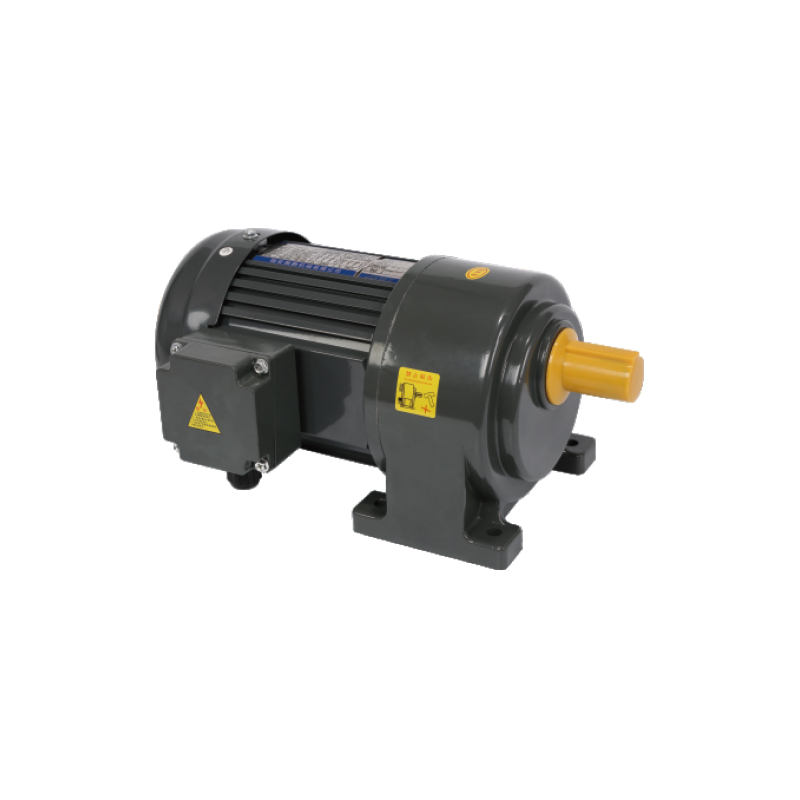
Cat:CH
AC Brake Gear Motor is designed with an integrated braking system to ensure precise stopping and stable control during operation. This AC Gear Motor W...
See Details
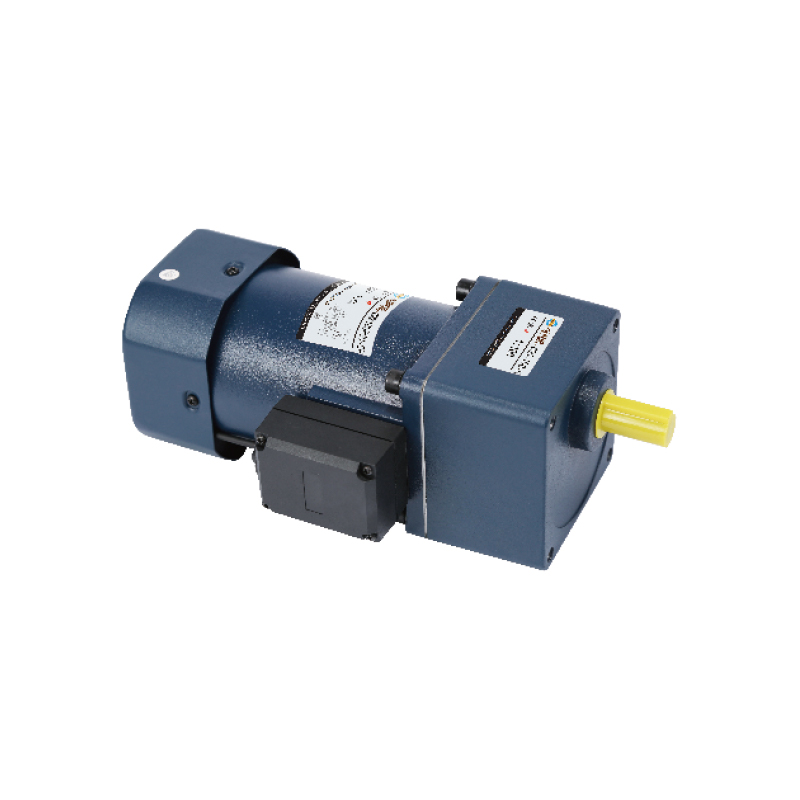
Looking For Business Opportunity?
Request for a call today
Zhanpeng Machinery sincerely cooperates with people at home and
abroad to create common development and achieve win-win
results!
Contact Us
-
 sales@razhanpeng.com
-
 +86 13335770176
-
 No. 2807, Huaming Road, Ruian City, Wenzhou City,Zhejiang Province,China
Quick Links
Message


Copyright 2024 Ruian Zhanpeng Machinery Co., Ltd.
Gear Motor Factory


Contact Us