


 English
 中文简体
中文简体 عربى
عربى
What Design Features Make Compact Dc Gear Motor Easy to Integrate
Compact mechanical systems often face a common constraint: internal space is limited, yet multiple moving and control components still need to work together inside the same structure. In such environments, motor selection is rarely based on output alone. How the motor fits into the system layout often matters just as much as how it performs.
A Compact DC Gear Motor is frequently used in these conditions because it can be placed inside narrow mechanical zones without requiring major changes to surrounding parts. In real assemblies, the focus is not only on whether the motor can run, but whether it can sit in place, align with other components, and continue operating without disturbing nearby structures.
In some cases, a Custom DC Gear Motor is introduced when the internal layout does not match standard mounting or shaft conditions. Small adjustments in structure or connection style often decide whether installation becomes straightforward or requires redesign of adjacent parts.
What Integration Means In Real Mechanical Layouts
Integration in mechanical design is not an abstract idea. It can be observed directly during assembly. A motor is considered well integrated when it becomes part of the internal structure without forcing other components to shift or adjust excessively.
- The motor can be fixed without extra modification to the frame
- The shaft aligns naturally with connected transmission parts
- Wiring can be routed without interfering with moving elements
- The body does not block nearby mechanical movement
When these conditions are met, installation becomes less about adjustment and more about placement.
In compact equipment, even small misalignment can affect how smoothly the system runs. That is why integration is often treated as a structural issue rather than a single component feature.
Why Compact Structure Is Important In Tight Assemblies
Inside small mechanical devices, space is often divided into functional layers. One layer may handle motion, another may handle control, while another supports the structure itself. In such layouts, every millimeter of space affects how the rest of the system is arranged.
A Compact DC Gear Motor is shaped to fit into these restricted zones. The reduced outer size allows it to be positioned closer to other components without forcing layout changes. This is particularly important when the overall design cannot be expanded outward.
- Makes placement possible in narrow internal sections
- Reduces overlap with surrounding mechanical parts
- Allows more flexible arrangement of other components
- Supports enclosed or partially sealed device structures
Instead of being treated as a separate module, the motor becomes part of the internal layout plan from the beginning.
How Housing Shape Affects Installation Behavior
The outer housing of a Compact DC Gear Motor is not only a protective layer. In practice, it often determines how easily the motor can be fixed into a system.
Flat surfaces, rounded edges, and structured mounting areas all influence how the motor sits inside a frame. If the housing shape matches the surrounding structure, installation usually requires fewer adjustments. If it does not, additional alignment steps are often needed during assembly.
- Stability after installation
- Alignment with mounting brackets
- Resistance to vibration during operation
- Physical protection of internal gear parts
In compact systems, stability is often more important than appearance, since even small movement inside the frame can affect connected parts.
What Happens Inside The Gear System During Operation
Inside the motor, motion is transferred through a set of interacting gear elements. These parts work together to adjust speed and torque before the output reaches external components.
In practical operation, what matters most is not the number of gears but how smoothly they interact. When movement between gear surfaces remains stable, the output feels more consistent and easier to connect with other mechanical parts.
- Smooth transfer of rotational motion
- Reduced fluctuation during load changes
- Steady output under repeated operation
- Controlled internal movement without sudden variation
These characteristics help the motor blend into larger systems where multiple moving parts must stay synchronized.
How Mounting Design Influences System Fit
Mounting structure often decides how quickly a motor can be integrated into a device. In compact systems, installation space is often restricted, so mounting points need to match existing structural elements rather than requiring redesign.
A Compact DC Gear Motor usually includes predefined mounting areas that allow direct connection to frames or brackets. This reduces the need for additional support components during assembly.
- Ease of positioning during assembly
- Stability under continuous movement
- Compatibility with different installation angles
- Alignment with surrounding mechanical supports
When mounting points are consistent with system layout, integration becomes a positioning task rather than a structural modification process.
Why Electrical Routing Cannot Be Ignored
Even though the motor is a mechanical component, electrical connection plays a direct role in how it integrates into a system. In compact environments, wiring space is often limited and must be arranged carefully.
If wiring paths cross moving parts or crowded areas, maintenance becomes more complicated later. For this reason, Compact DC Gear Motor designs often consider connection direction and cable routing from the beginning.
- Safety of internal wiring paths
- Avoidance of mechanical interference
- Ease of system assembly
- Stability of long-term operation
Good routing design reduces the chance of unexpected contact with moving components inside confined spaces.
How Custom DC Gear Motor Adjusts To Real Layout Limits
Not every mechanical system has the same internal structure. Some devices have fixed dimensions, while others have irregular installation spaces. In these situations, a Custom DC Gear Motor is often used to adapt to existing conditions.
Customization in real applications may involve small structural adjustments rather than complete redesign. These adjustments help the motor align with the system without forcing changes to other components.
- Modified shaft shape for different connection methods
- Adjusted housing dimensions for limited space
- Alternative mounting positions for layout compatibility
- Electrical connection changes for system matching
These changes allow integration to happen within existing design boundaries instead of requiring system-level modifications.
| Design Element | Practical Effect In Real Use |
|---|---|
| Compact housing size | Fits into narrow internal spaces |
| Mounting structure | Supports stable fixation |
| Gear interaction | Maintains consistent motion |
| Wiring layout | Reduces internal interference |
| Shaft alignment | Improves mechanical connection |
Thermal Behavior In Confined Spaces
Heat is always present during motor operation. In compact systems, it becomes more noticeable because surrounding space is limited and airflow is often restricted.
A Compact DC Gear Motor must therefore maintain stable operation even when placed close to other components. Thermal balance is influenced not only by the motor itself but also by how it is positioned inside the system.
- Consistency of motion during long operation
- Interaction with nearby mechanical parts
- Stability inside enclosed assemblies
- Overall system reliability under continuous use
Because of this, thermal management is often considered during layout design rather than after installation.
Vibration Behavior In Tight Mechanical Layouts
In compact assemblies, vibration is rarely obvious at the moment of installation. It usually appears later, during continuous operation, when different parts begin to interact under load. A Compact DC Gear Motor does not operate in isolation once placed inside a system. Its rotation is transferred directly into surrounding frames, shafts, and support points.
When the motor is well aligned with the structure, movement tends to stay steady. If the mounting surface is slightly uneven or the shaft connection is not perfectly centered, small oscillations can spread through the system.
- How tightly the motor is fixed inside the frame
- Whether the shaft connects smoothly with adjacent parts
- Stability of surrounding structural supports
- Internal balance during rotation
In many compact devices, even a small vibration can be felt across other components because everything is positioned close together. For this reason, integration quality is often judged by how calm the whole structure feels during operation rather than by the motor alone.
What Happens When Compact DC Gear Motor Is Used In Real Devices
Inside actual equipment, space is usually already divided before the motor is introduced. There is rarely extra room available, so installation becomes a matter of fitting into existing structure rather than redesigning it.
A Compact DC Gear Motor is typically placed into a fixed mechanical path where it drives or supports movement within a confined section. Once installed, it has to work alongside other parts without disturbing their movement range.
- Narrow internal compartments
- Layered mechanical arrangements
- Limited clearance between moving parts
- Fixed structural frames that cannot be modified
Because of this, integration success depends heavily on whether the motor can "sit naturally" inside the layout without forcing adjustments elsewhere.
Difficulties That Often Appear During Installation
Even when the motor size is suitable, real assembly can still present challenges that only appear during installation.
One common situation is misalignment. When connected shafts are slightly off-center, motion becomes less smooth, and surrounding parts may feel uneven force during rotation.
Another issue comes from space restriction. In tightly packed systems, wiring and mounting tools often have very little room to move, which makes positioning more time-consuming than expected.
Heat behavior can also become noticeable after the system runs for a while. Since airflow is limited inside compact enclosures, temperature tends to build up in enclosed areas rather than spreading evenly.
- Limited visibility during installation
- Difficulty adjusting position after fixing
- Wiring interference with moving components
- Restricted access during maintenance work
These issues are often not related to motor quality alone but to how tightly the entire system is arranged.
How Custom DC Gear Motor Is Used To Adjust Real Conditions
When a standard structure does not match the system layout, Custom DC Gear Motor solutions are often introduced to reduce fitting issues.
In practice, customization is usually not about changing everything, but adjusting a few key points so the motor can match the existing mechanical environment.
- Changing shaft shape to match connection parts
- Modifying housing outline to fit narrow spaces
- Shifting mounting positions for better alignment
- Adjusting wiring direction to avoid interference
These changes help reduce the need for altering surrounding structures, which is often difficult in compact systems that are already fixed in design.
In many real applications, the goal is simple: make the motor fit the system without forcing the system to change.
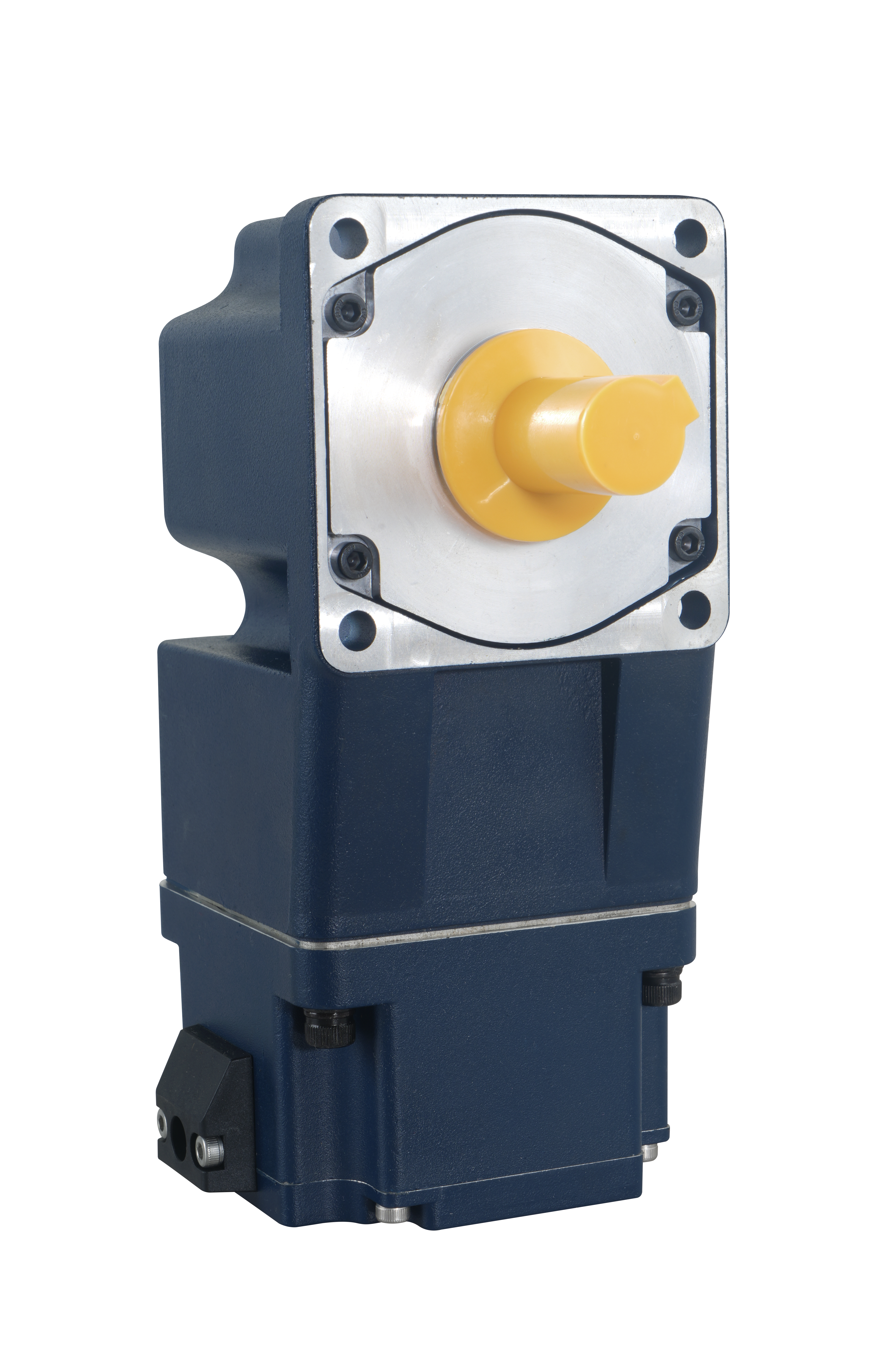
How Engineers Check Integration In Real Operation
After installation, integration is usually judged during actual running conditions rather than inspection alone. At this stage, attention shifts to how the whole system behaves when the motor is active.
- Whether movement stays smooth under continuous operation
- Whether nearby parts remain stable during rotation
- Whether the motor holds its position after repeated cycles
- Whether wiring stays clear of moving areas
If the system continues running without visible stress between components, integration is generally considered stable.
In practical environments, a well-integrated motor is often not noticed during operation because it works in coordination with surrounding parts rather than acting as a separate element.
How Compact Motor Design Is Gradually Changing
As mechanical systems continue to become smaller and more layered, design priorities are slowly shifting. Instead of focusing only on output performance, more attention is being placed on how easily a motor can fit into existing structures.
- Smoother shape transitions for tighter fitting
- More flexible mounting options for different layouts
- Simpler wiring paths to reduce internal clutter
- Better alignment tolerance during installation
At the same time, Custom DC Gear Motor configurations are being used more often in systems where space and layout cannot be adjusted. Small structural changes allow the same motor concept to be used across different environments without redesigning the full system.
The direction is becoming clearer in practice: integration is no longer treated as a secondary step, but as part of the design process itself.
Compact DC Gear Motor applications continue to be shaped by real installation conditions inside mechanical systems. Success is often determined by how well the motor fits into limited space, aligns with surrounding parts, and maintains stable operation during continuous movement.
Custom DC Gear Motor solutions extend this flexibility further by adapting structural details to match fixed layouts. This allows motion systems to be built within tighter spaces without changing the overall mechanical framework.
In many real applications, the value of a motor is reflected less in isolated performance and more in how smoothly it becomes part of the complete structure.
Related Products
-
-
Cat:Right-Angle
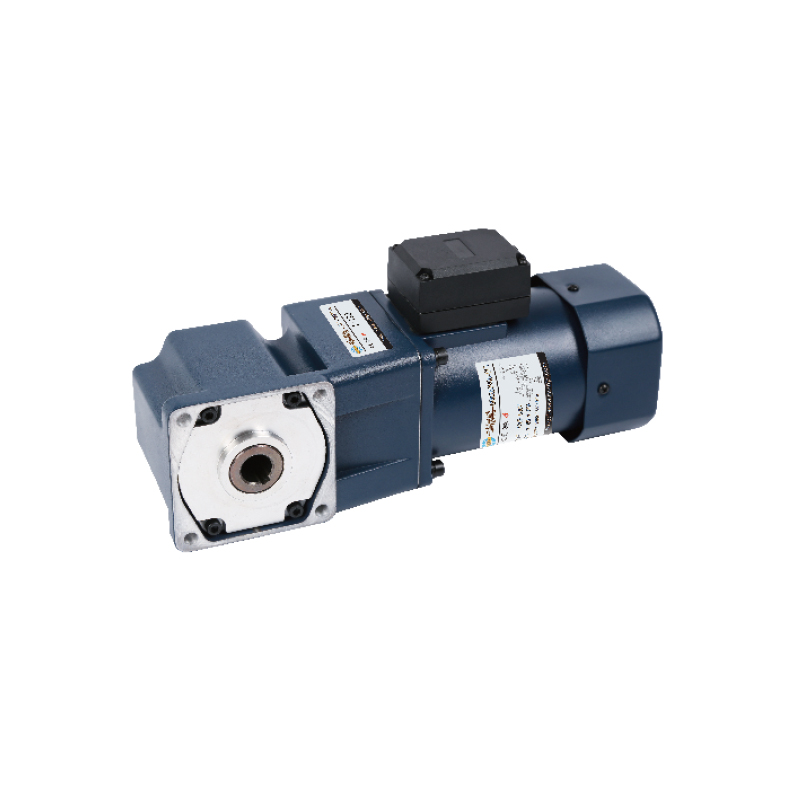
Electric Reduction Motor is designed for stable torque output and controlled low speed operation. This AC Gear Motor Low Rpm provides efficient power ...
See Details -
Cat:CH
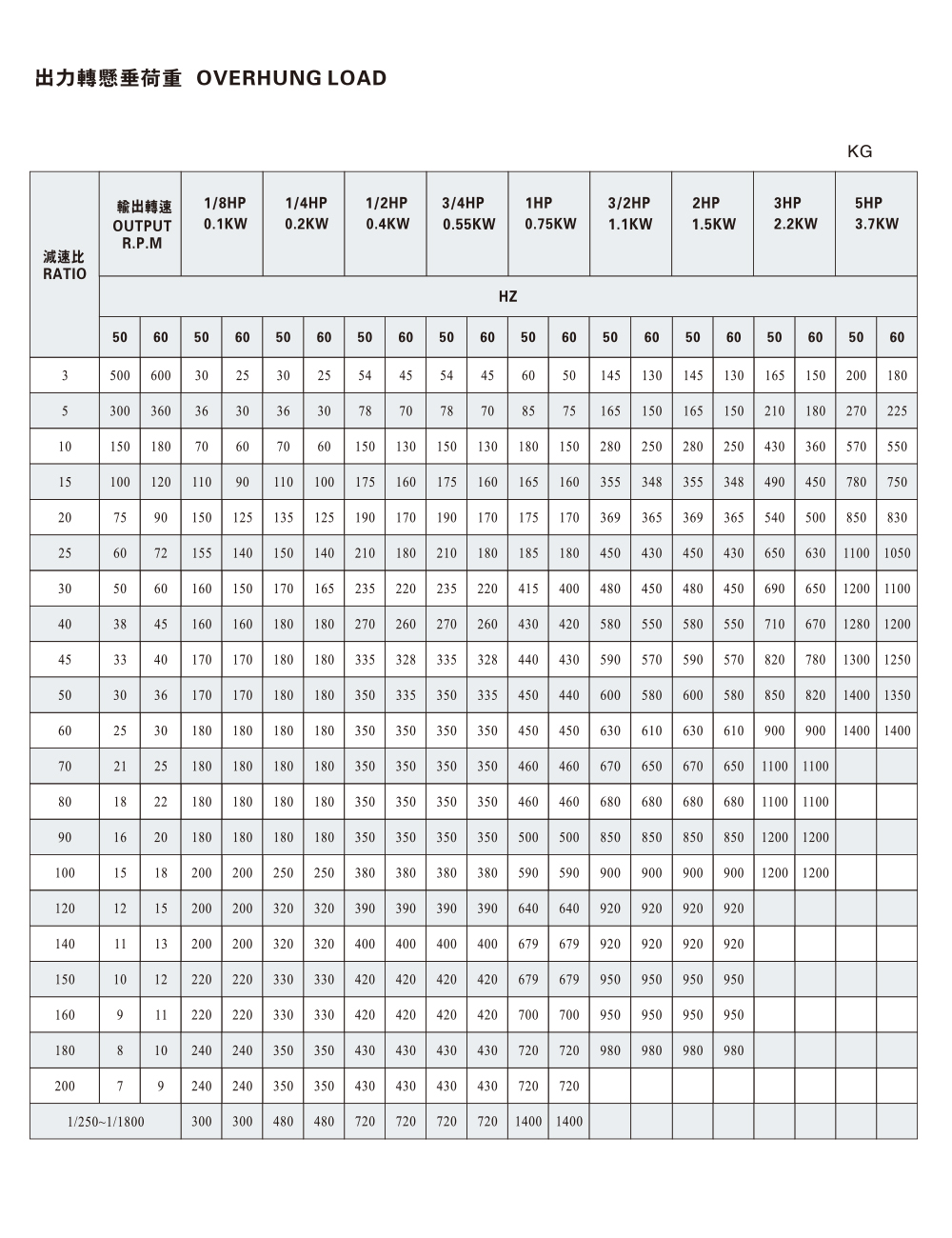
The CH, CV Overhung Load component is designed to provide reliable support and load management for transmission systems, helping improve the stability...
See Details -
Cat:CH
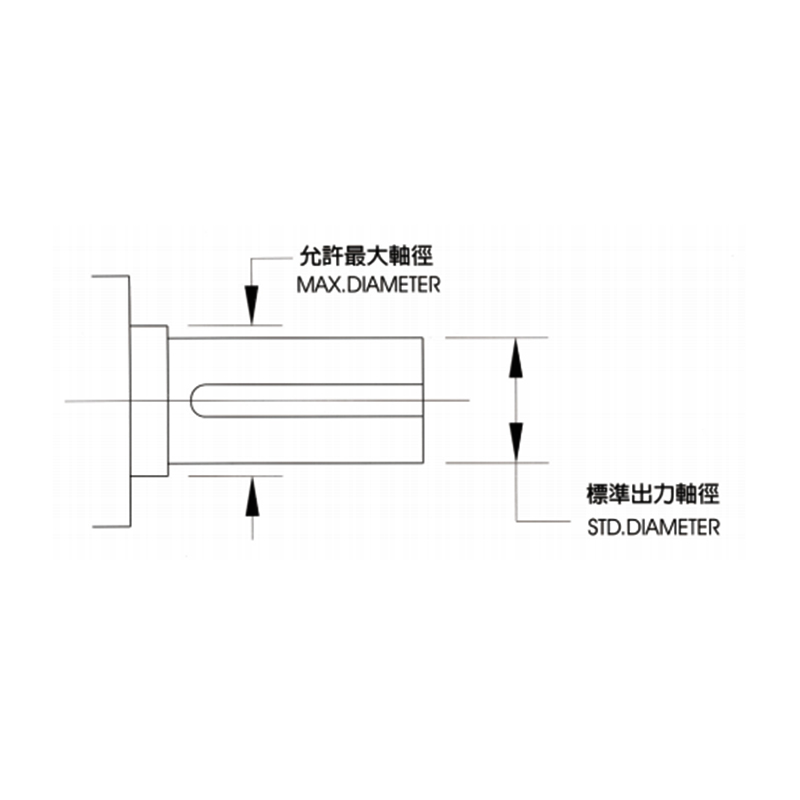
The CH, CV Available Max Output Shaft Diameter provides detailed reference data for selecting suitable shaft dimensions in transmission systems. It he...
See Details
Looking For Business Opportunity?
Request for a call today

Zhanpeng Machinery sincerely cooperates with people at home and
abroad to create common development and achieve win-win
results!
Contact Us
-
 sales@razhanpeng.com
-
 +86 13335770176
-
 No. 2807, Huaming Road, Ruian City, Wenzhou City,Zhejiang Province,China
Quick Links
Message


Copyright 2024 Ruian Zhanpeng Machinery Co., Ltd.
Gear Motor Factory


Contact Us