


 English
 中文简体
中文简体 عربى
عربى
Which Industries Use Industrial DC Gear Motors Most Frequently
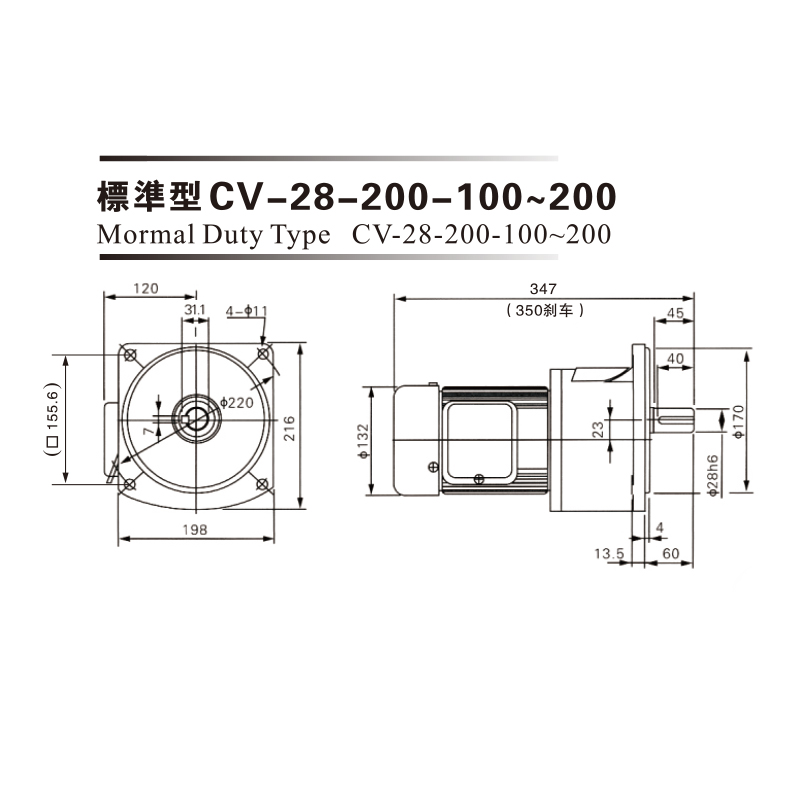
Open up any piece of industrial equipment that moves things around, and chances are a gear motor sits somewhere inside. The device brings together two parts that people usually think of separately—a DC motor and a gearbox. The motor provides the spin, and the gearbox changes that spin into something more useful.
Motors naturally want to turn fast. A typical DC motor might spin at several thousand revolutions per minute. That speed works fine for some things, though many industrial tasks require slower movement with more force behind it. The gearbox takes that fast spin and slows it down. In exchange for losing speed, the output gains turning force. Push a gear lever on a bicycle into a lower gear and the same thing happens—the wheels turn slower but the pedaling feels easier.
The DC part of the motor matters because DC responds well to control. Changing the voltage changes the speed. Flipping the polarity changes the direction. Starting from a stop happens smoothly. Those traits make DC motors useful in industrial settings where operators need to adjust speeds or reverse directions frequently.
Industrial versions differ from the motors found in consumer products. The housings are heavier, the bearings sturdier, the insulation better. A Gear Motor Factory builds these units with a longer service life in mind because industrial equipment runs for hours at a time, day after day. The motor needs to handle that kind of schedule without breaking down or losing performance.
What Role Does a Gear Motor Factory Play in Industrial Supply
A Gear Motor Factory does more than assemble parts. The motor and gearbox need to match each other precisely. The mounting flanges need to line up. The shaft alignment has to be correct. Put together wrong, the unit vibrates, wears out quickly, or fails outright.
The production process involves several stages. The motor windings get wound and placed in the stator. The rotor assembly goes together with bearings and shaft. The gearbox housing gets machined to hold the gear train. Gears are cut and finished to exact dimensions. Assembly brings the whole thing together.
Quality checks happen at multiple points. Windings get tested for proper resistance. Gear teeth get checked for dimensional accuracy. Completed units run on test stands to verify speed, torque, and current draw. Noise levels get measured. A Gear Motor Factory keeps records of these tests, which helps track consistency across production runs.
Customization comes up frequently. One customer needs a different voltage. Another needs a specific mounting arrangement. A third requires a particular gear ratio. The factory adapts the basic design to meet each customer's requirements. That adaptation might be simple—changing a winding configuration—or more involved—modifying the housing shape entirely.
Which Manufacturing Industries Rely on Industrial DC Gear Motor
Look around any factory floor and gear motors appear in all kinds of equipment. The combination of speed control and torque makes them useful for moving, positioning, and conveying tasks.
Conveyor systems are one of the larger applications. Belt conveyors, roller conveyors, chain conveyors—they all need drives. The motor moves the belt or rollers, and the material on top moves along with it. The speed needs to match the production rate. Too fast and the line outruns the workers. Too slow and production falls behind.
Packaging equipment uses them too. Wrapping machines, labeling machines, filling stations—all have moving parts that need precise control. The motor accelerates, runs at speed, then decelerates at the right time. The gearbox lets the motor operate at efficient speeds while the output turns at the slower pace needed for packaging.
| Application | Motor Function | What Matters Most |
|---|---|---|
| Conveyor drive | Moves materials | Steady speed with changing load |
| Packaging machine | Controls wrapping motions | Timing and positioning |
| Assembly station | Positions parts | Repeatable movements |
| Robotic arm | Moves joints | Smooth starts and stops |
| Machine feed | Advances workpieces | Controlled feed rate |
Assembly stations use gear motors for positioning. A motor might rotate a turntable to bring parts to different work positions. Another might drive a screw feeder. The controlled speed helps keep cycle times consistent.
How Are DC Gear Motors Used in Material Handling Equipment
Material handling equipment moves things around inside facilities. These machines need drives that start and stop smoothly, handle different loads, and keep working over many cycles.
Lift tables use gear motors to raise and lower platforms. The motor turns a screw mechanism or drives hydraulic pumps through gear reducers. The torque needs to handle the weight on the platform. The speed needs to be controlled so the platform moves at a safe rate. The motor runs intermittently—starting when a lift cycle begins, stopping when the platform reaches the right height.
Warehouse conveyors move packages and pallets through distribution centers. The motor drives the belt or roller chain. The speed gets set to match the flow of goods. Variable speed lets the operator adjust as needed.
Automated guided vehicles move materials across factory floors. These battery-powered carts use gear motors to drive their wheels. The motor provides both propulsion and steering control. The gear reduction lets the motor deliver enough torque to move the vehicle and its load. The DC operation fits naturally with battery power.
What Applications Exist in the Automotive Industry
The automotive industry uses Industrial DC Gear Motor in two ways—for building cars and for running things inside cars. Both sides have their own requirements and operating conditions.
Assembly lines in automotive plants use conveyor systems to move vehicles through production. The line moves slowly, carrying the vehicle from welding stations to paint booths to assembly areas. Gear motors drive the conveyor that carries the vehicle forward. The speed matches the production rhythm, and the torque handles the weight of the vehicle on the line.
Inside the vehicle, DC gear motors handle many small but important jobs. Power windows use small gear motors to raise and lower glass. The motor turns a regulator mechanism that moves the window. Seat adjustment systems use motors to move the seat forward, backward, up, and down. These motors need to work reliably through many adjustment cycles.
Engine cooling fan systems use DC motors with gear reduction to control fan speed. The gear reduction lets the motor run efficiently while turning the fan at the right speed. Electric parking brakes incorporate gear motors for actuation. These applications need consistent torque and quick response to control signals.
Where Do DC Gear Motors Appear in the Food and Beverage Sector
Food processing plants look different from other factories. Water runs across floors. Steam rises from cleaning stations. Chemicals get sprayed on equipment at the end of each shift. The motors running the lines have to survive all of that.
Filling machines use gear motors to move containers through the filling station. The motor indexes containers into position under the filling heads. Speed needs to stay consistent. If the motor speeds up or slows down, fill levels change. Too much product in one container, too little in the next. The motor holds steady speed through the cycle.
Bottling lines have motors at every station. One drives the conveyor that moves bottles along. Another runs the capping head that screws caps onto bottles. A third operates the labeling mechanism. All these motors need to work together. The line speed gets coordinated across the whole system.
Mixers and blenders rely on gear motors too. The motor turns mixing elements through the product. Different products need different mixing speeds. Gentle blending for some things, faster agitation for others. Adjusting the voltage changes the motor speed, so one motor can handle different mixing requirements.
The washdown environment creates problems for ordinary motors. High-pressure water and cleaning agents get sprayed everywhere. Moisture finds its way into unsealed housings. A Gear Motor Factory offers units with sealed enclosures rated for these conditions. The sealing keeps water and cleaning solutions out of the motor and gearbox.
How Are DC Gear Motors Used in Medical Equipment
Medical equipment has to work right every time. Patient care depends on it. The motors inside these devices see regular use and cannot afford to fail.
Hospital beds use gear motors for adjustments. Raising the head section, lifting the foot section, moving the bed up and down. Attendants press buttons and the motors respond. The gear reduction provides enough torque to move the bed with the patient on it. When the motor stops, the bed stays in position.
Surgical tables position patients for procedures. The motor tilts the table surface or raises it to the right height. During surgery, the table holds position without drifting. The gear motor design keeps the table stable when power is removed.
Lab automation uses gear motors for sample handling. Automated analyzers move samples from one station to another. The motor positions the sample under the testing instrument. Precision matters—the sample needs to be in exactly the right spot. An Industrial DC Gear Motor provides that precision through controlled speed and torque.
What Applications Exist in the Renewable Energy Sector
Renewable energy equipment often sits outdoors. Motors face rain, sun, dust, and temperature swings. The operating cycles vary, though many motors run intermittently rather than continuously.
Solar tracking systems rotate panels to follow the sun. Early morning finds panels facing east. The motor moves them through the day, and by evening they face west. The movement happens slowly—a few degrees per minute. The gear reduction gives the motor enough torque to move the panel array against wind loads.
Wind turbines use gear motors for blade pitch control. The blades need different angles for different wind speeds. The motor rotates the blade at the hub to set the pitch. The gear reduction provides the torque needed to move the blade. The motor operates each time the wind changes or when the turbine starts or stops.
Battery production lines use gear motors in the manufacturing process. Cells get assembled, filled, and sealed on automated equipment. The motors position components and move materials. Energy storage has grown as an industry, and the equipment that makes batteries uses the same kinds of motors found in other manufacturing lines.
Recycling and sorting equipment uses gear motors too. Conveyors move materials through sorting lines. Motors drive screens and separators. The equipment runs in dusty environments. Motors need protection against particle ingress.
How Does a Gear Motor Factory Address Industry-Specific Requirements
Different industries ask for different things. A Gear Motor Factory adapts its products based on what each application needs. The basic motor stays the same, though the packaging and features change.
Voltage requirements vary. Battery-powered equipment needs low-voltage motors. Stationary equipment might use higher voltages. The factory offers motors in different voltage ratings. Control requirements differ too. Some installations need simple on-off operation. Others need variable speed through voltage adjustment.
Environmental protection drives many design decisions. Food processing needs washdown-rated motors. Outdoor equipment needs weather-resistant housings. Dusty environments need sealed enclosures. The factory provides different levels of ingress protection depending on the application.
Mounting configurations change based on the equipment design. Some machines mount the motor directly to the driven shaft. Others use a separate mounting plate. The factory offers foot mounting, flange mounting, face mounting—different options for different installations.
Noise matters in certain settings. Medical equipment needs quiet operation. Office environments want minimal noise. The factory addresses noise through gear design and bearing selection. Motors get checked for noise during final testing.
Which Factors Determine the Right Industrial DC Gear Motor for Each Application
Choosing a motor involves looking at several things at once. The motor needs to deliver the right speed and torque. The environment determines protection needs. The duty cycle affects how long the motor lasts.
Speed and torque start the process. How fast does the output need to turn? How much force does it need? The gear reduction ratio converts motor speed to output speed. The torque at the output equals motor torque times the reduction ratio. The motor has to provide enough torque for the load with some room to spare.
Duty cycle matters for sizing. A motor running continuously needs different thermal characteristics than one running intermittently. Continuous operation requires adequate cooling. Intermittent operation lets the motor run at higher loads because rest periods allow heat to dissipate.
The environment affects motor selection. Hot places reduce motor output. Cold places affect lubrication. Dusty or wet places require sealing. The motor selected needs to survive where it will operate.
The power supply influences the choice. Battery-powered applications need efficient motors to conserve battery life. Fixed power supplies allow higher power draw. The motor voltage has to match what is available.
| Selection Factor | What to Look At | Why It Matters |
|---|---|---|
| Speed requirement | Output speed needed | Determines gear reduction |
| Torque requirement | Force needed | Determines motor size |
| Duty cycle | Running time versus idle | Affects cooling needs |
| Environment | Temperature, moisture, dust | Determines enclosure type |
| Power supply | Available voltage | Matches motor to system |
The gear reduction ratio connects motor speed to output speed. Too low a ratio and the output runs too fast with not enough torque. Too high a ratio and the output runs too slow. The right ratio matches the application requirements. A Gear Motor Factory can help with ratio selection based on speed and torque calculations.
Service life expectations influence the motor choice. Applications needing long life without maintenance get different motors than applications where occasional replacement is acceptable. Bearing type, brush materials, and gear materials affect motor longevity. The selection balances initial cost against expected service life.
Putting all these factors together points toward a motor that fits the application. The motor might be a standard unit or something built to meet specific requirements. The right selection means the motor performs as needed and lasts as expected.
Related Products
-
-
Cat:Right-Angle
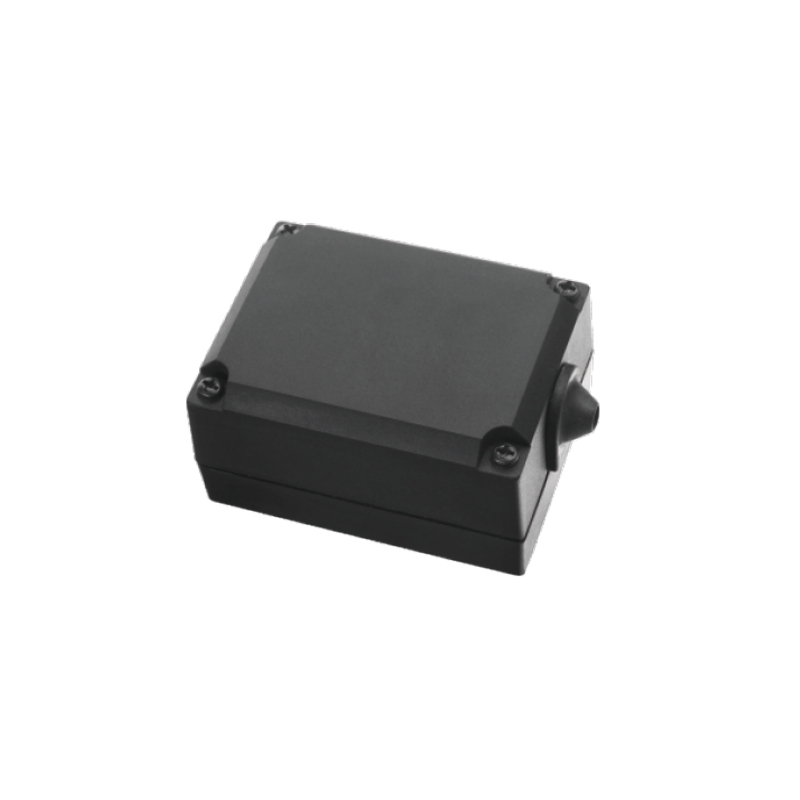
The Power Distribution Junction Box is designed for safe and stable electrical wiring management. With a durable External Junction Box Black structure...
See Details -
Cat:CH
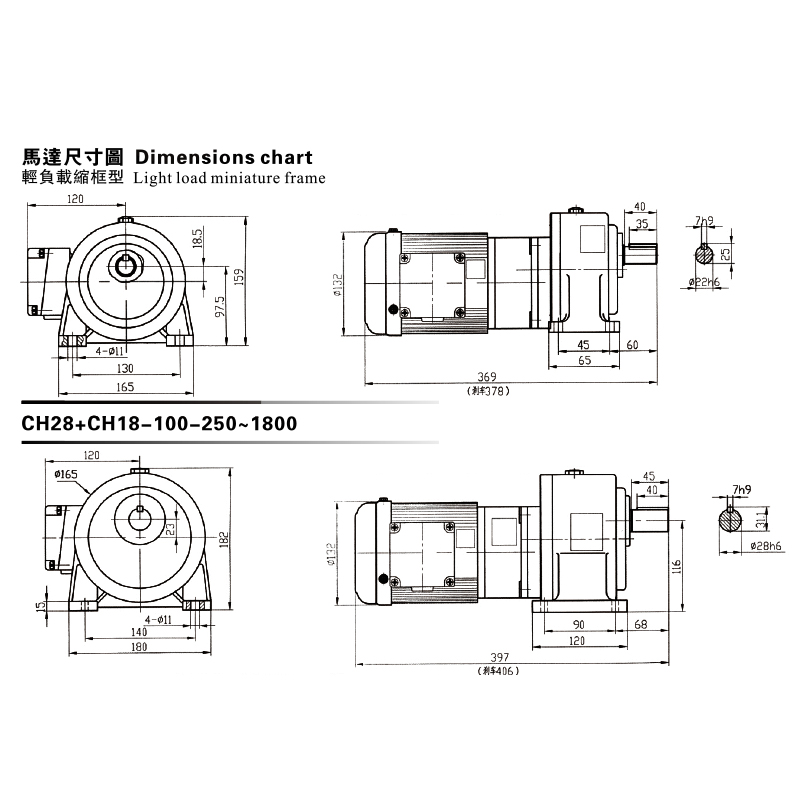
This CH, CV Dimensions Chart showcases a premium Gear Reduced Electric Motor series engineered for light-load, miniature frame applications. The chart...
See Details
Looking For Business Opportunity?
Request for a call today

Zhanpeng Machinery sincerely cooperates with people at home and
abroad to create common development and achieve win-win
results!
Contact Us
-
 sales@razhanpeng.com
-
 +86 13335770176
-
 No. 2807, Huaming Road, Ruian City, Wenzhou City,Zhejiang Province,China
Quick Links
Message


Copyright 2024 Ruian Zhanpeng Machinery Co., Ltd.
Gear Motor Factory


Contact Us