


 English
 中文简体
中文简体 عربى
عربى
How Custom Gear Motors Support Quiet Operation in Small Spaces
Small mechanical systems often end up placed close to daily human activity, like desks, kitchen corners, compact machines in shared rooms, or enclosed equipment boxes. In such limited spaces, sound behaves differently compared with open areas. Vibration does not have enough distance to fade, so it returns from nearby surfaces and stays noticeable longer.
A small motor working steadily inside a tight enclosure may not feel loud in open air, yet inside a closed cabinet it can become more noticeable. Panels, walls, and nearby components reflect vibration in many directions, which makes sound feel stronger even when mechanical load stays unchanged.
In these situations, Custom Gear Motors are often used when equipment needs stable motion while keeping acoustic output under control. Space limitation changes not only installation layout, it also changes how mechanical sound is perceived during normal operation.
Common situations where sound becomes sensitive include:
- Small household equipment placed near living areas
- Compact office devices running close to users
- Enclosed mechanical boxes with limited airflow
- Portable systems used in quiet surroundings
Quiet operation becomes part of usability rather than a secondary detail, especially when equipment runs for long periods near people.
What Design Factors Influence Sound Generation in Gear Systems
Sound inside a gear system usually begins at contact points where teeth meet during rotation. Each contact carries small vibration, and when those vibrations repeat continuously, sound becomes more noticeable.
Even small differences in alignment can influence how smooth movement feels. If gear surfaces are not evenly matched, motion may slightly fluctuate during rotation, which creates uneven vibration patterns. Inside compact systems, those patterns do not disperse easily.
Housing structure also plays a quiet but important role. A rigid frame may pass vibration directly, while less stable structures can allow small resonance zones to form inside enclosed space. Neither situation is extreme on its own, yet both affect how sound is transmitted.
Load variation also changes acoustic behavior. When equipment switches between lighter and heavier load, gear pressure adjusts. That adjustment can create small shifts in movement smoothness, which may be heard more clearly in confined environments.
Main sources of sound influence include:
- Contact stability between gear surfaces
- Frame structure that carries vibration
- Load changes during operation cycles
- Alignment consistency during rotation
In small installations, even minor mechanical differences can become more noticeable due to limited space for vibration release.
How Custom Gear Motors Adapt to Space Constraints
Compact mechanical layouts often leave very little freedom for standard components. Surrounding parts, wiring, and housing structure already define available space, so motor design needs to adapt instead of forcing changes in surrounding structure.
Custom Gear Motors are often shaped with this limitation in mind. Internal layout can be adjusted so motion paths remain efficient within narrow spaces. When movement inside gear stages becomes more direct, unnecessary vibration points are reduced.
Shape and housing design also matter. Rounded internal transitions and compact assembly structure help reduce unnecessary friction points where vibration may start. Instead of increasing size, focus stays on fitting stable movement into restricted space.
In real applications, space constraints often appear in:
- Compact household devices with sealed casing
- Small automation modules with stacked parts
- Enclosed control systems with minimal clearance
- Portable equipment designed for limited space use
In each case, design balance becomes more important than size expansion. Motion stability inside a small volume often determines whether equipment feels smooth during operation.
How Custom Gear Motors Support Different Application Scenarios
Quiet operation matters in more places than people often notice. A small motor inside a home appliance may run beside a sleeping area, while an office machine may sit close to a desk where even light vibration becomes part of the background. In automation equipment, space can be tight enough that every mechanical sound feels closer than expected.
That is one reason Custom Gear Motors are chosen for many compact systems. Instead of using a general layout and hoping it fits, the motor can be matched to the available space, surrounding parts, and expected working rhythm. A small appliance may need gentle motion and low sound. An office device may need steady rotation without sharp vibration. A compact automation unit may need both control and physical fit.
| Application Area | Acoustic Need | Practical Focus |
|---|---|---|
| Home appliances | Low background sound | Comfort near daily living space |
| Office equipment | Quiet steady motion | Less distraction during work |
| Small automation units | Stable operation in limited space | Fit, alignment, and vibration control |
What matters here is not simply reducing sound. What matters is keeping motion stable enough that sound stays calm during daily use. In a small machine, a quiet motor often feels less intrusive because movement remains even, not because the system has disappeared.
What Engineering Adjustments Are Made in Gear Motor Factory Production
Quiet performance does not start after installation. It begins much earlier, during assembly and component preparation. Inside a Gear Motor Factory, small details such as alignment, fitting, and rotation balance influence how the finished motor behaves once it starts running.
If gear parts sit slightly off center, movement may still work, though sound can become less even. When alignment stays clean, contact between parts feels smoother, and vibration stays easier to control. The same logic applies to housing assembly. A frame that holds parts in a stable position helps prevent small internal shifts during use.
Precision work in production often focuses on practical points such as:
- Matching internal parts with steady alignment
- Keeping housing contact points even
- Checking movement after assembly
- Reducing small vibration sources before shipment
Factory control also affects consistency from one unit to another. When assembly stays balanced, motors behave in a more predictable way after installation. That matters in small spaces, where slight differences in sound are noticed more quickly than in open environments.
Noise behavior, then, is not only a design question. It is also an assembly question, a fitting question, and a control question inside production space.
How Power Load Variation Influences Noise Behavior
A motor rarely works under one fixed condition. Load changes during start-up, steady motion, pauses, and repeated cycles all affect how gears meet and how vibration appears. In small spaces, those changes become easier to notice because sound has fewer places to spread.
When load rises, gears may press together with more force. That can slightly change the sound pattern. When load drops, movement may feel lighter, though a different kind of vibration may appear if the transition is abrupt. Quiet operation often depends on how smoothly those changes happen.
Load variation is common in many real devices:
- A home appliance may begin with a lighter movement then shift into normal running
- An office machine may pause and restart throughout the day
- A compact automation unit may switch between different working states
- A small tool may experience changing resistance across each cycle
In each case, stable motor behavior helps keep sound from changing sharply. A motor that responds smoothly to load transitions usually feels calmer in everyday use, especially when installed inside a narrow housing or close to other parts.
The goal is not silence in every condition. The goal is smoother change, so sound does not jump suddenly when work conditions shift.
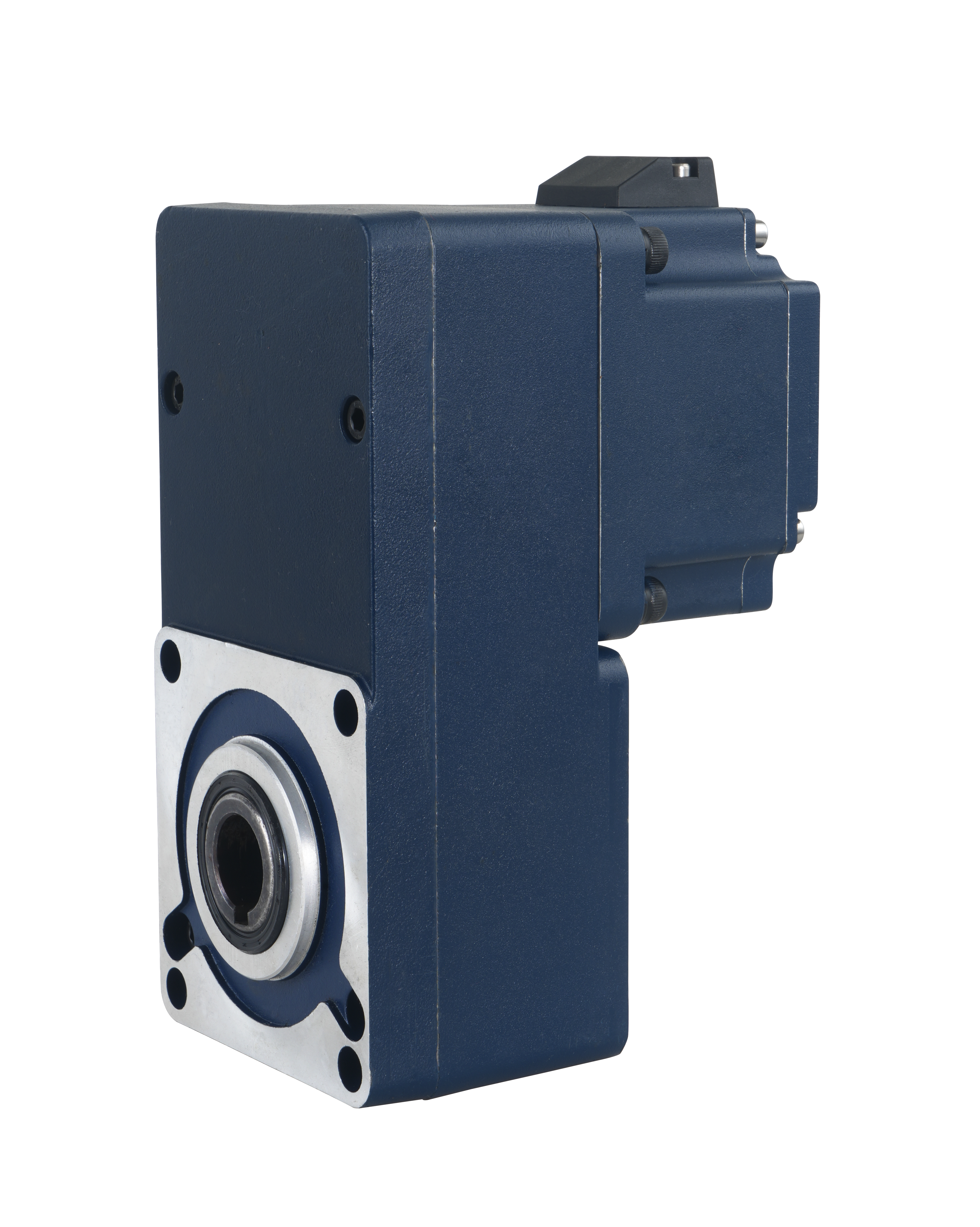
How System Integration Helps Maintain Long Term Quiet Operation
A motor does not operate alone once installed. It works together with housing, mount points, nearby parts, and the overall shape of the machine. If any one part moves too freely or sits too tightly, vibration may shift in ways that become noticeable over time.
Good integration starts with the relationship between motor and enclosure. A motor placed in a tight, balanced position usually transfers vibration more evenly than one held loosely or forced into a narrow irregular space. Surrounding parts also matter. Panels, brackets, and support pieces can either absorb movement or reflect it back into the system.
Long-term quiet operation often depends on three practical layers:
- Stable motor alignment inside the machine
- Balanced support from surrounding structure
- Regular check of wear, dust, and mounting condition
When those layers stay in good condition, the sound character of the machine usually remains more consistent through daily use. In small spaces, that consistency is especially valuable because users notice changes faster than in larger equipment.
Custom design helps here as well. Instead of treating size and sound as separate issues, the motor can be matched to the space it enters, the load it handles, and the movement pattern it needs to sustain. That is where compact design, stable assembly, and careful installation come together in a practical way.
Quiet operation in small spaces rarely depends on one single feature. It comes from a series of small choices that work together: smoother gear contact, balanced housing, stable mounting, controlled lubrication, and careful handling of load changes. When those parts stay in step, the motor fits its environment in a way that feels steady rather than noisy.
Related Products
-
-
Cat:Right-Angle
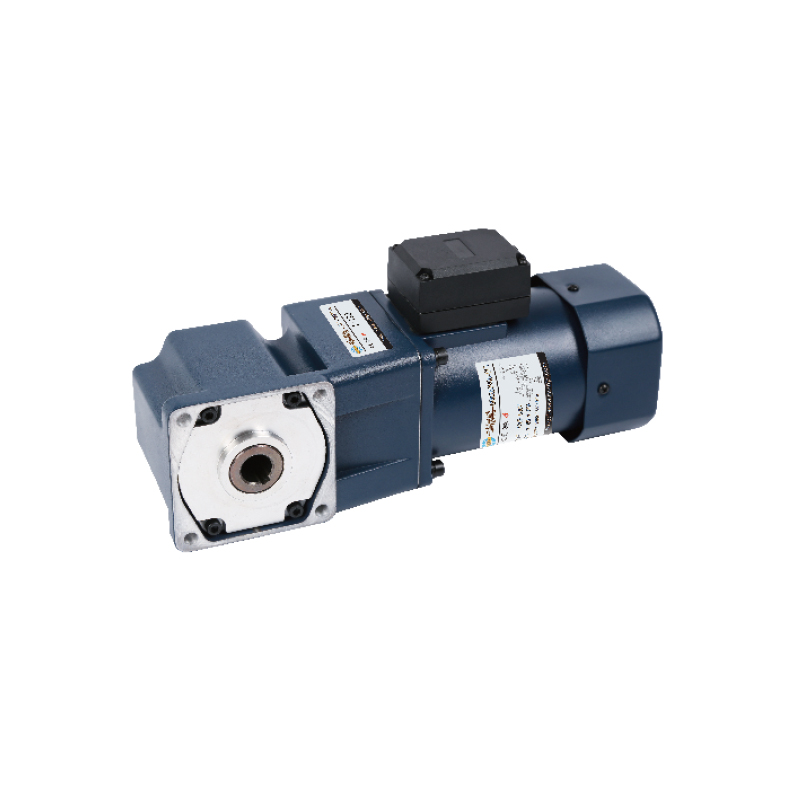
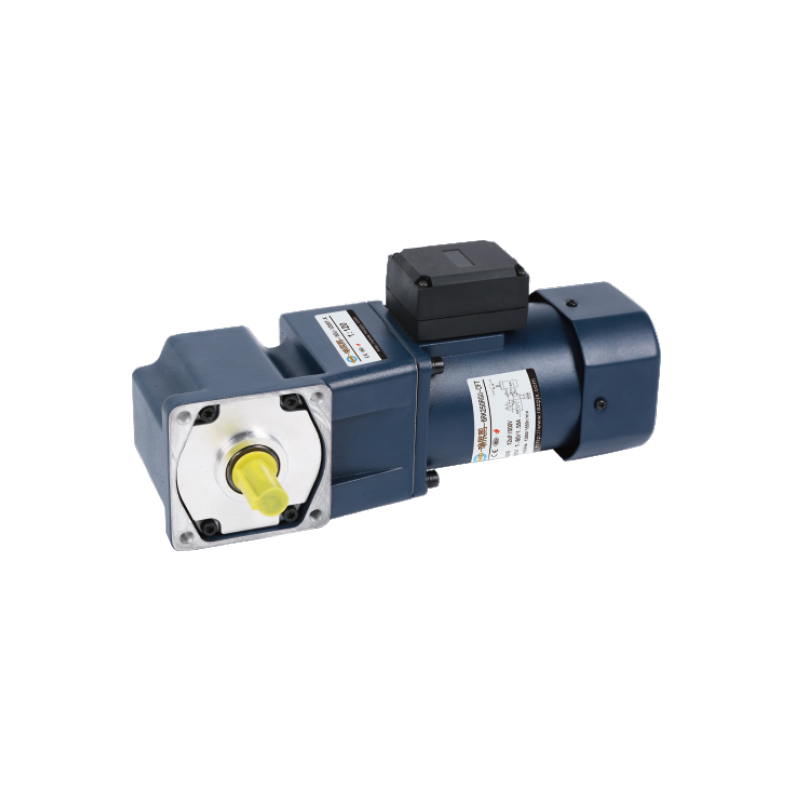
Electric Reduction Motor is designed for stable torque output and controlled low speed operation. This AC Gear Motor Low Rpm provides efficient power ...
See Details -
Cat:Right-Angle
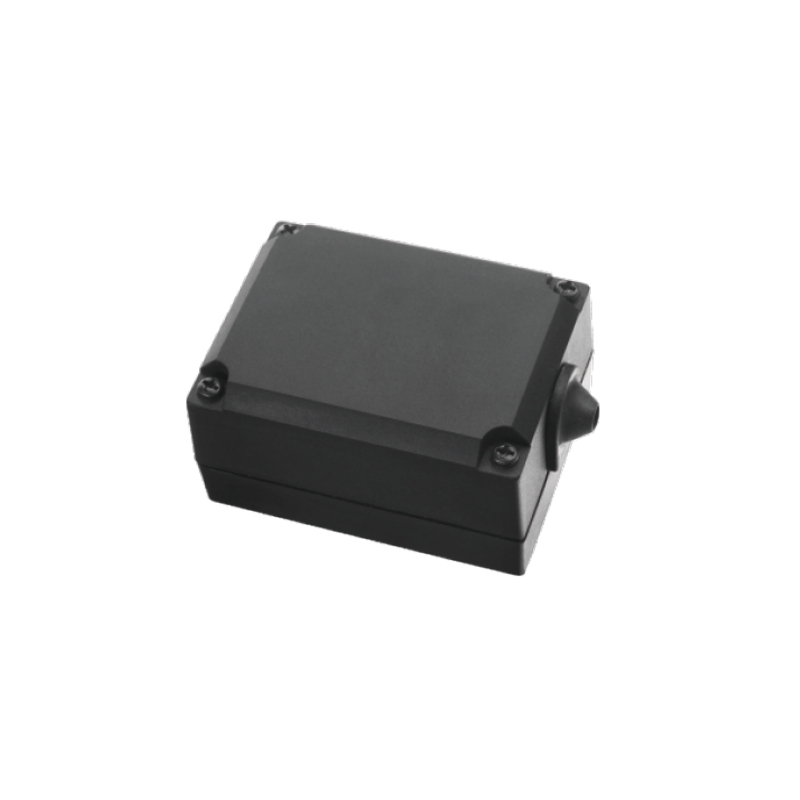
The Power Distribution Junction Box is designed for safe and stable electrical wiring management. With a durable External Junction Box Black structure...
See Details -
Cat:CH
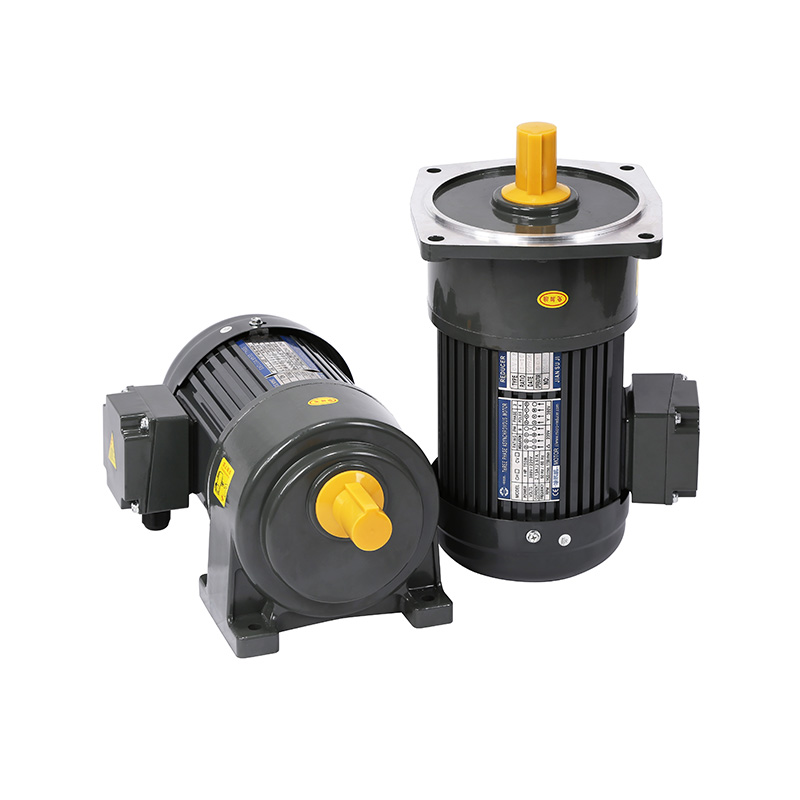
The Mirco and Special Electronic product series is designed for compact electronic equipment and precision transmission applications requiring stable ...
See Details -
Cat:CH
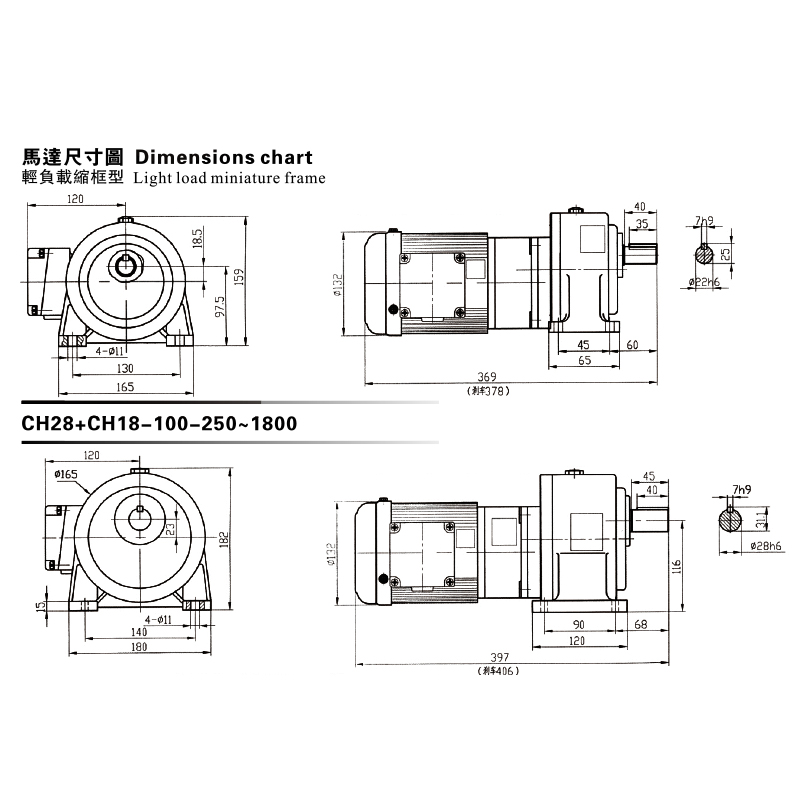
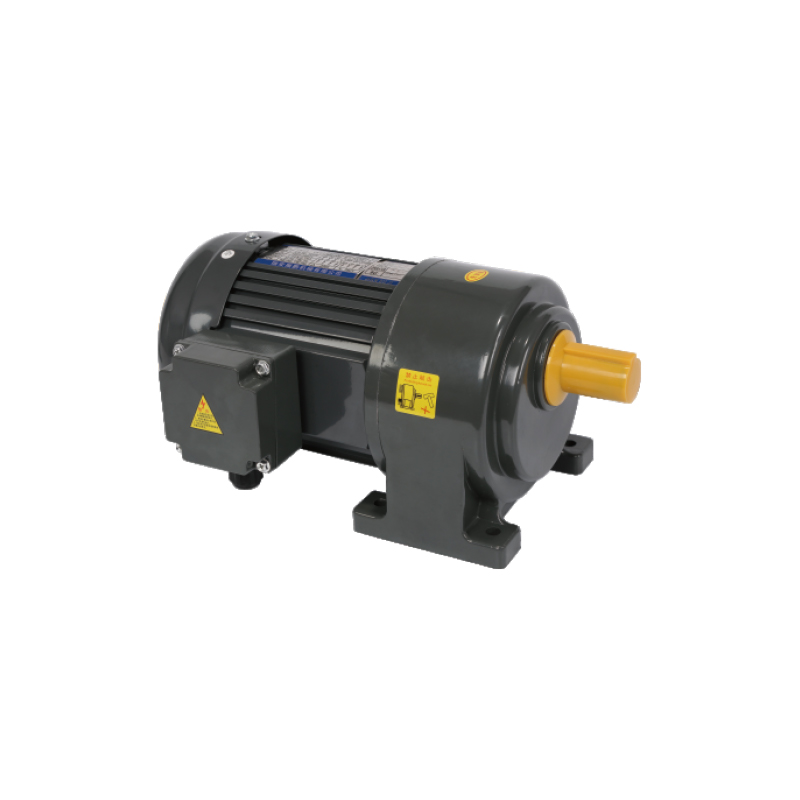
This CH, CV Dimensions Chart showcases a premium Gear Reduced Electric Motor series engineered for light-load, miniature frame applications. The chart...
See Details
Looking For Business Opportunity?
Request for a call today

Zhanpeng Machinery sincerely cooperates with people at home and
abroad to create common development and achieve win-win
results!
Contact Us
-
 sales@razhanpeng.com
-
 +86 13335770176
-
 No. 2807, Huaming Road, Ruian City, Wenzhou City,Zhejiang Province,China
Quick Links
Message


Copyright 2024 Ruian Zhanpeng Machinery Co., Ltd.
Gear Motor Factory


Contact Us