


 English
 中文简体
中文简体 عربى
عربى
How a Geared Motor Manufacturer Can Support the Growing Demand for Industrial Automation
Industrial automation is no longer limited to large factories with fully automated production lines. More manufacturers are adding conveyors, robotic equipment, packaging machines, warehouse systems, and automated assembly equipment to handle everyday production tasks.
And behind all that movement, there are motors.
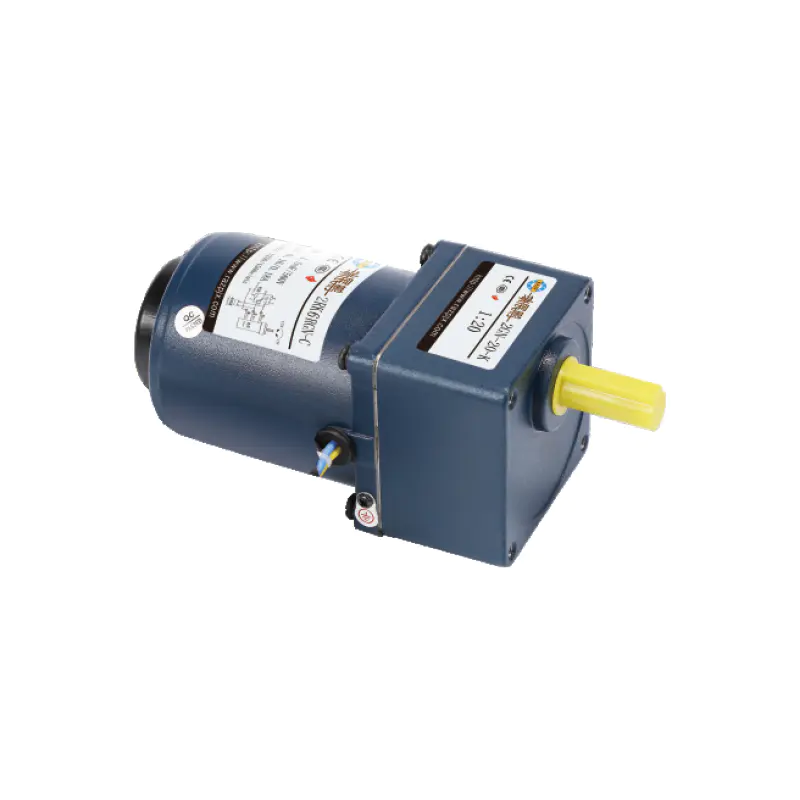
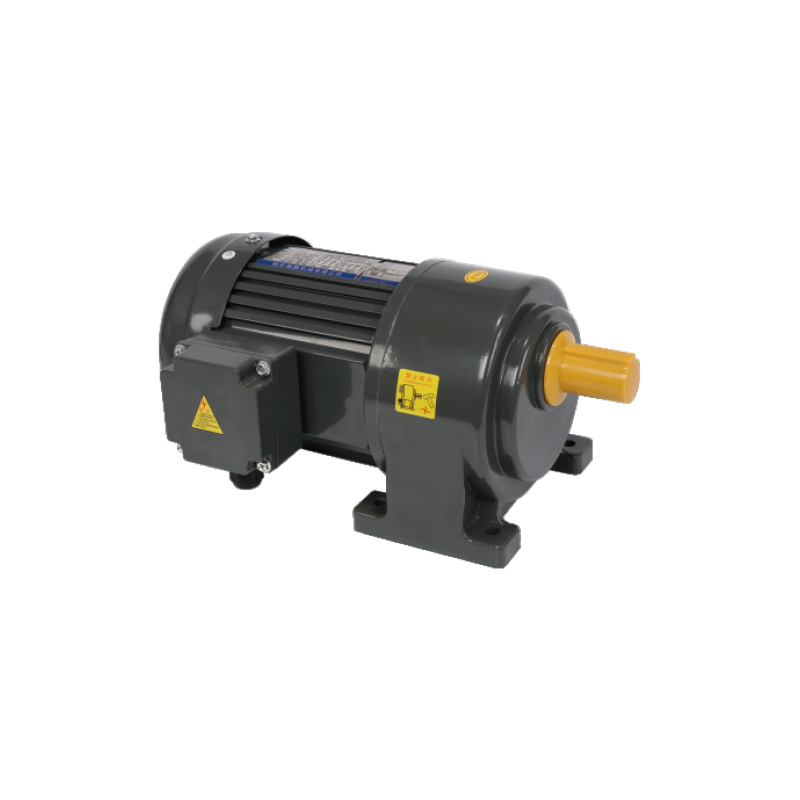
A Geared Motor Manufacturer provides the motor and gearbox combinations that help machines move at the required speed and handle the required load. It sounds simple, but choosing the right geared motor is not always just a matter of checking the power rating. Speed, torque, duty cycle, installation space, control method, and working conditions can all change what a machine actually needs.
For OEMs, automation equipment builders, system integrators, distributors, and other industrial buyers, the manufacturer can also be involved in the project itself. Product selection, customization, samples, testing, and production support can make a difference once the motor becomes part of a real machine.
Why Geared Motors Matter in Industrial Automation
Most industrial machines need movement that is controlled in some way. A motor provides the rotation, but its original speed and torque may not be suitable for the machine.
This is where the gearbox becomes useful. It reduces the motor speed and increases the available output torque according to the reduction ratio and gearbox efficiency.
That combination is used in a surprisingly wide range of equipment:
- Conveyor systems
- Automated material handling
- Packaging machinery
- Industrial robots
- Food processing equipment
- Warehouse automation
- Assembly machines
- Printing and converting equipment
- Agricultural machinery
- Production line equipment
The important point is that these applications do not all need the same geared motor. A conveyor carrying lightweight cartons has a very different job from a machine moving heavy metal components.
Automation Demand Is Increasing the Need for Application-Specific Motion Solutions
There is no single way to build an automated production system.
Some machines run for hours without stopping. Others start and stop constantly. Some need fairly precise speed control, while others simply need steady movement with enough torque to get the load moving.
Because of this, the geared motor usually needs to be selected around the machine.
A manufacturer may help buyers look at things such as:
- Motor power
- Gear ratio
- Output torque
- Output speed
- Mounting configuration
- Shaft dimensions
- Brake options
- Control compatibility
- Housing size
This kind of discussion can be more useful than simply choosing a motor from a catalog. The same motor may work in one machine and cause problems in another because the load or operating conditions are different.
How a Geared Motor Manufacturer Supports OEM Automation Projects
OEM machine builders often have very specific space and mounting requirements. A standard geared motor might have enough power and the right speed, but the shaft could be too short, the mounting holes may not line up, or the motor body may not fit into the machine.
That is where a manufacturer with customization capability can be helpful.
A Geared Motor Manufacturer may support OEM projects with:
- Product selection based on the actual load and speed.
- Customized shaft or mounting dimensions.
- Different gear ratios for different output speeds.
- Motor and gearbox combinations for tight installation spaces.
- Brake or encoder options where needed.
- Prototype or sample production.
- Technical support during machine development.
- Batch production after the design is confirmed.
For an equipment builder, having this conversation before production starts is usually much easier than discovering a mechanical mismatch during final assembly.
Torque and Speed Need to Be Matched to the Machine
Torque and speed are probably the two specifications buyers look at most often, and for good reason.
If the output speed is too low, the machine may not keep up with the production process. If it is too high, the machine may move products too quickly or create unnecessary mechanical stress. And if the motor cannot provide enough torque, starting the load can become difficult.
The gear ratio has a direct effect on this.
Generally, increasing the reduction ratio lowers output speed and increases torque multiplication, although the actual result depends on gearbox efficiency and other factors.
| Application | Typical selection focus |
|---|---|
| Conveyor | Output speed, torque, duty cycle |
| Packaging machine | Speed consistency, starting frequency |
| Mixing equipment | High torque at controlled speed |
| Automated storage | Load capacity and braking |
| Assembly equipment | Stable movement and repeatability |
| Material handling | Torque, duty cycle, durability |
So, looking only at motor power is not enough. The manufacturer needs to understand what the motor will actually be driving.
Duty Cycle Is Important for Automated Equipment
One detail that sometimes gets overlooked is how often the machine runs.
An automated machine operating eight or more hours a day puts a different demand on a geared motor than a machine that runs for a few minutes at a time. Some equipment also starts and stops hundreds of times during a shift.
Before selecting the motor, buyers should be ready to provide information such as:
- Operating hours per day
- Starts and stops per hour
- Average load
- Peak load
- Required acceleration
- Ambient temperature
- Installation position
- Expected service life
These details give the manufacturer a better idea of the motor's thermal and mechanical requirements.
It is a small step during the design stage, but it can save some trouble later.
Gearbox Design Influences Efficiency and Reliability
The gearbox is responsible for transferring the motor's rotation to the output shaft. Different gearbox designs behave differently, so the choice depends on the machine.
Common types include spur, helical, worm, and planetary gear systems, along with other designs used for more specialized equipment.
The selection may depend on torque, reduction ratio, efficiency, available space, backdriving characteristics, and how the machine is expected to operate.
For example, a compact automation machine may have very little room around the drive unit. A heavy material-handling system may care much more about load capacity and mechanical durability.
Having several gearbox options gives an OEM more flexibility during machine development.
Compact Designs Help With Space-Limited Automation Systems
Machine builders are often trying to fit a lot of components into a limited space. The motor and gearbox have to share that space with sensors, cables, controllers, mechanical assemblies, and other parts.
So, physical dimensions matter.
A compact geared motor can make machine layout easier, but making something smaller should not be viewed separately from thermal performance or output requirements. There still needs to be enough room for the motor to operate properly and for technicians to access it during maintenance.
For custom automation projects, manufacturers can provide dimensional drawings or 3D models when available. These can be checked against the machine design before the motor is ordered in quantity.
Compatibility With Automation Controls Matters
The motor is also part of the machine's electrical system.
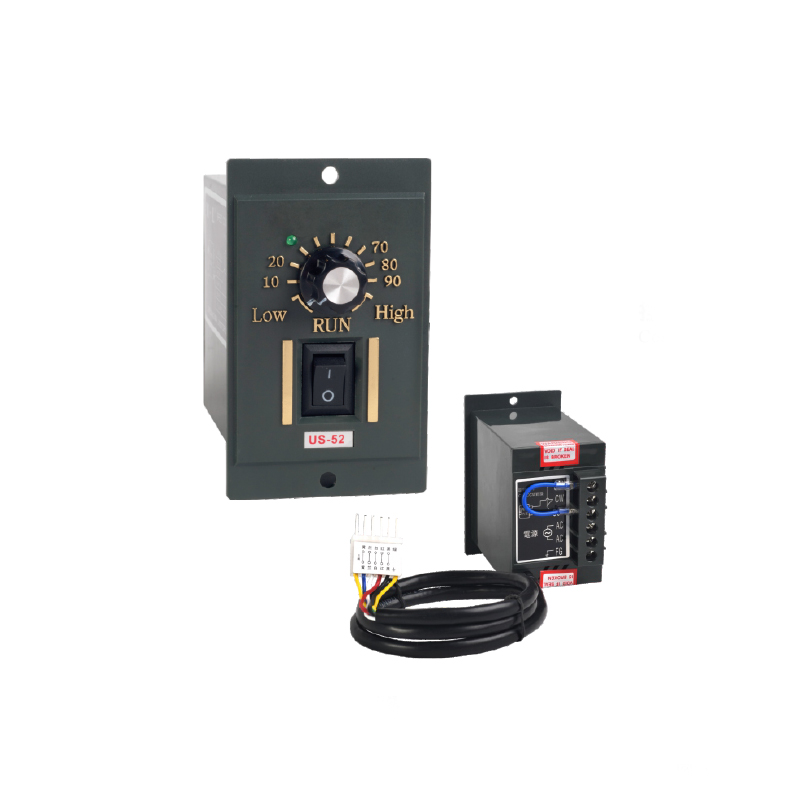
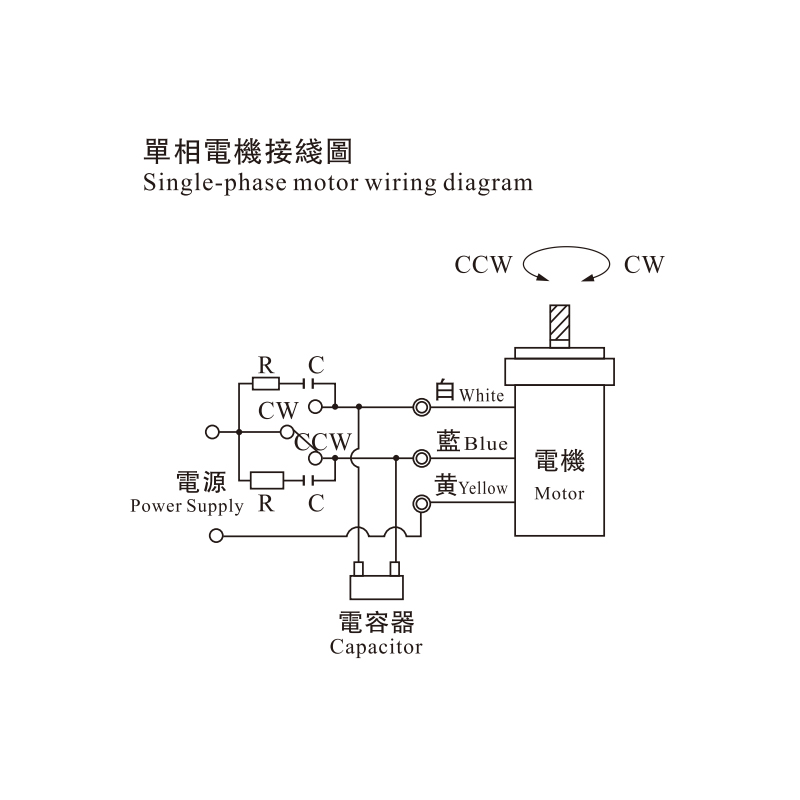
Modern automated equipment may use PLCs, variable-frequency drives, servo controls, encoders, or other control devices. If the motor's electrical characteristics do not fit the control system, mechanical compatibility alone will not solve the problem.
Depending on the application, buyers may need:
- AC motor configurations
- DC motor options
- Brake motors
- Encoders
- Speed sensors
- Variable-speed control compatibility
- Specific terminal arrangements
Clear electrical data from the manufacturer helps machine builders check these details before installation.
Customization Can Reduce Integration Problems
Automation machines are rarely identical, and the motor may need to fit a particular mechanical design.
One OEM might need a different shaft length for its coupling. Another could need a special flange, mounting arrangement, or connector location.
Depending on production capabilities, these parts can sometimes be adjusted during manufacturing.
| Customization area | Possible purpose |
|---|---|
| Gear ratio | Match required output speed |
| Shaft size | Fit coupling or driven component |
| Mounting flange | Match machine structure |
| Motor voltage | Meet electrical requirements |
| Brake | Hold or stop the load |
| Encoder | Provide feedback |
| Housing | Fit limited installation space |
| Connector | Simplify machine wiring |
For custom orders, drawings and samples are worth using. A prototype gives the buyer a chance to see whether the motor actually fits and performs as expected before a larger order is placed.
Quality Control Supports Stable Automation Production
When an OEM buys a small number of motors for testing, minor differences may not seem like a major issue. Once the same motor is being installed in hundreds of machines, consistency becomes much more important.
Differences in dimensions, torque, noise, vibration, or electrical performance can slow down assembly and create extra adjustment work.
A geared motor manufacturer may therefore inspect different parts of the production process, including:
- Dimensional checks
- Gearbox assembly inspection
- Electrical testing
- Noise and vibration checks
- Rotation testing
- Output performance verification
- Brake testing when applicable
- Final inspection
The exact tests depend on the product and its specifications. What matters is that the inspection process is connected to the actual requirements of the motor.
Prototyping Helps Validate Motion Components
Calculations are useful, but they do not tell the whole story.
During prototype testing, an OEM can see how the geared motor behaves on the actual machine. Starting performance, vibration, noise, heat, mounting stability, and interaction with the driven mechanism may all be different from what was expected on paper.
This is why sample production can be valuable for new automation projects.
If something is not quite right, the motor power, gear ratio, shaft dimensions, or other details can be adjusted before moving into regular production.
Supply Capability Is Important for Growing Automation Demand
Automation projects often grow from a prototype into regular production. Once an OEM starts selling its equipment, it may need the same geared motor in much larger quantities.
This makes supplier capacity worth considering from the beginning.
B2B buyers may want to ask about:
- Production capacity
- Lead time
- Minimum order quantity
- Standard product availability
- Custom manufacturing capability
- Replacement parts
- Technical documentation
- Packaging
- Batch consistency
A supplier that can support both small development orders and later production orders can make purchasing easier as the project grows.
Energy Efficiency and Operating Cost Should Also Be Considered
Energy consumption also deserves some attention, particularly for machines that operate for long hours.
The efficiency of a geared motor depends on the motor, gearbox, load, operating speed, and control method. A small difference in efficiency may become more noticeable over a long operating period.
Still, efficiency should be looked at together with the machine's actual load, duty cycle, required speed, and control system. Choosing a motor based on one specification alone can give a misleading picture of how it will perform in real operation.
What Should B2B Buyers Ask a Geared Motor Manufacturer?
Before requesting a quotation, buyers should give the manufacturer enough information to understand the application.
Useful details include:
- Required output speed
- Required torque
- Motor power
- Voltage and frequency
- Duty cycle
- Load characteristics
- Mounting position
- Shaft dimensions
- Operating environment
- Control system
- Required quantity
- Customization requirements
It is also useful to ask for product drawings, technical specifications, and relevant test information.
The more clearly the application is explained at this stage, the less guesswork there is later.
A Practical Supplier Evaluation Table
| Factor | What buyers should review |
|---|---|
| Technical support | Can the supplier assist with motor selection? |
| Product range | Are different gear ratios and motor powers available? |
| Customization | Can dimensions and functions be modified? |
| Quality control | How are products inspected? |
| Prototyping | Can samples be produced for testing? |
| Production capacity | Can the supplier handle larger orders? |
| Documentation | Are drawings and specifications available? |
| After-sales support | Are replacement parts and technical assistance available? |
These points give buyers a better idea of what a supplier can provide throughout the project, instead of judging the product from its basic catalog specifications alone.
Supporting Automation From Component Selection to Production
As factories continue to automate more production tasks, demand for practical and adaptable motion components is likely to remain important.
A Geared Motor Manufacturer can contribute at several stages, from helping select the initial motor and gearbox to modifying dimensions, producing samples, testing prototypes, and supplying larger production batches.
For OEMs and automation equipment builders, it makes sense to start with the real machine requirements. Load, speed, duty cycle, installation space, operating environment, and control method all affect the final selection.
In the end, a geared motor is only one component inside a much larger automation system. When the manufacturer understands that bigger picture and can provide technical and production support around it, the sourcing process becomes much easier to manage.
Related Products
-
-
Cat:Right-Angle
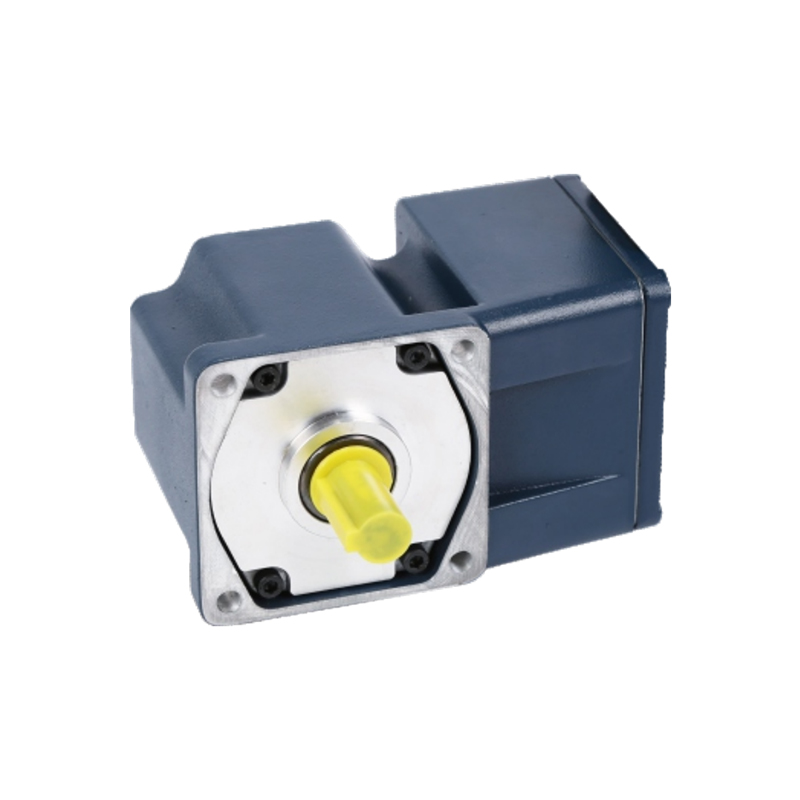
The Micro and Special Electronic Motor is designed for compact drive systems requiring reliable performance in limited installation spaces. Its small ...
See Details -
Cat:Right-Angle
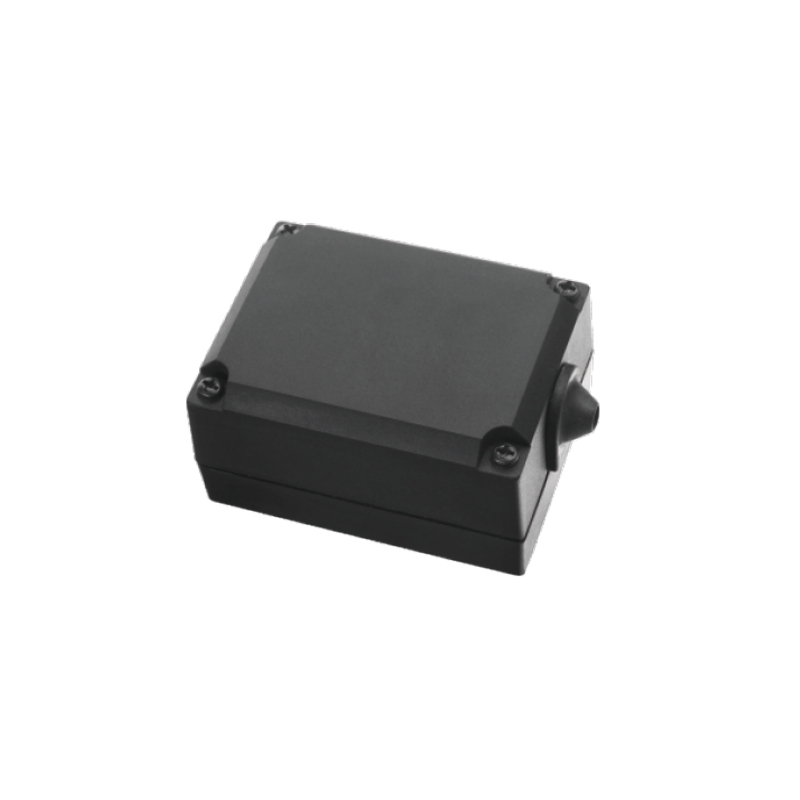
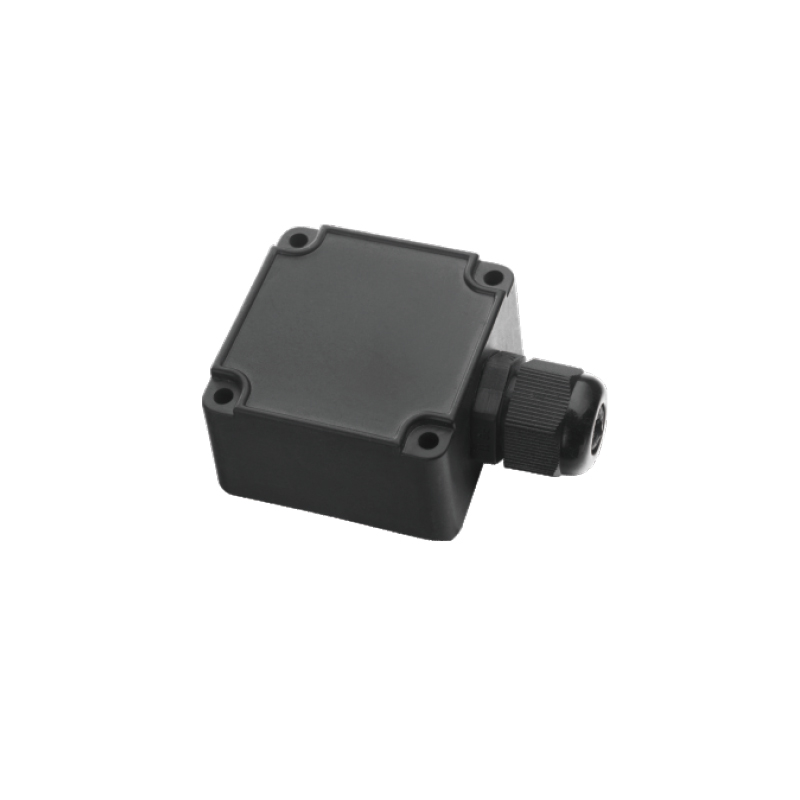
The Power Distribution Junction Box is designed for safe and stable electrical wiring management. With a durable External Junction Box Black structure...
See Details -
Cat:Motor Controller & Accessories
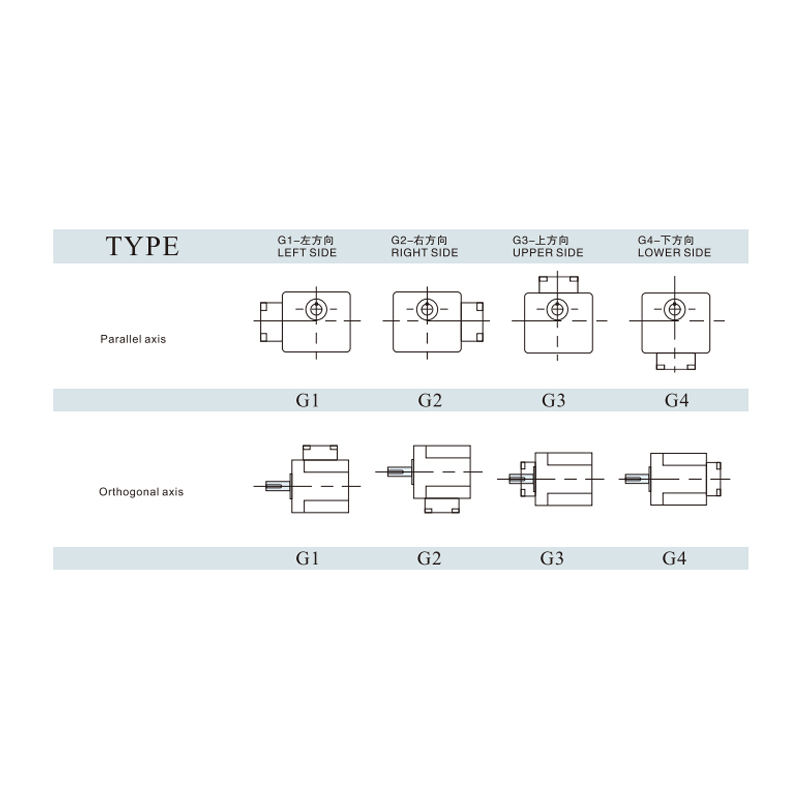
Junction Box Orientation Selected offers flexible installation options to match different equipment layouts and wiring requirements. Available in four...
See Details -
Cat:Motor Controller & Accessories
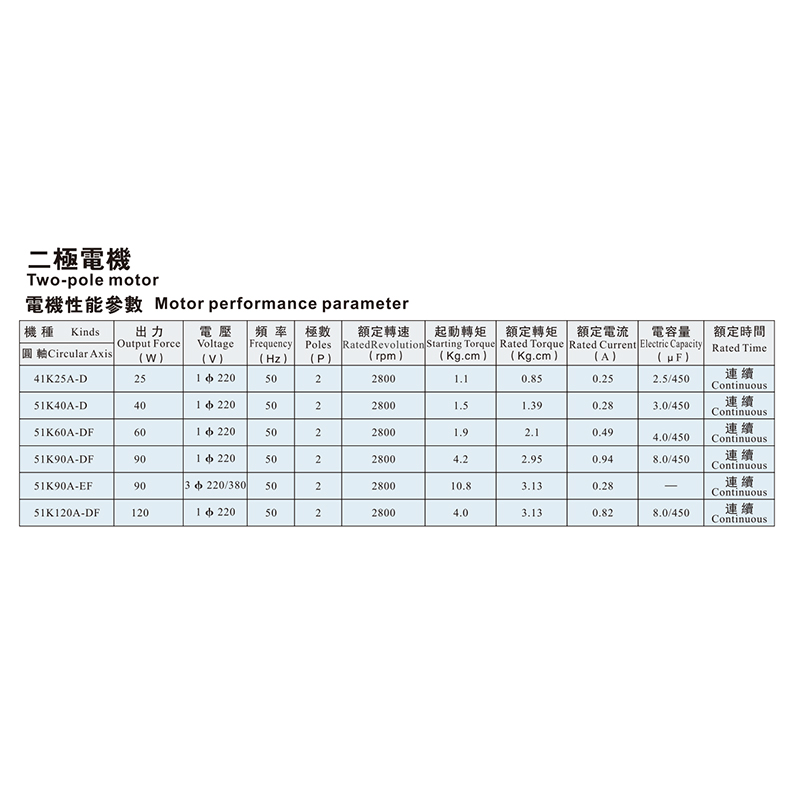
The Two-pole Motor is designed to provide stable and efficient power output for a variety of industrial and automation applications. Its compact struc...
See Details -
Cat:CH
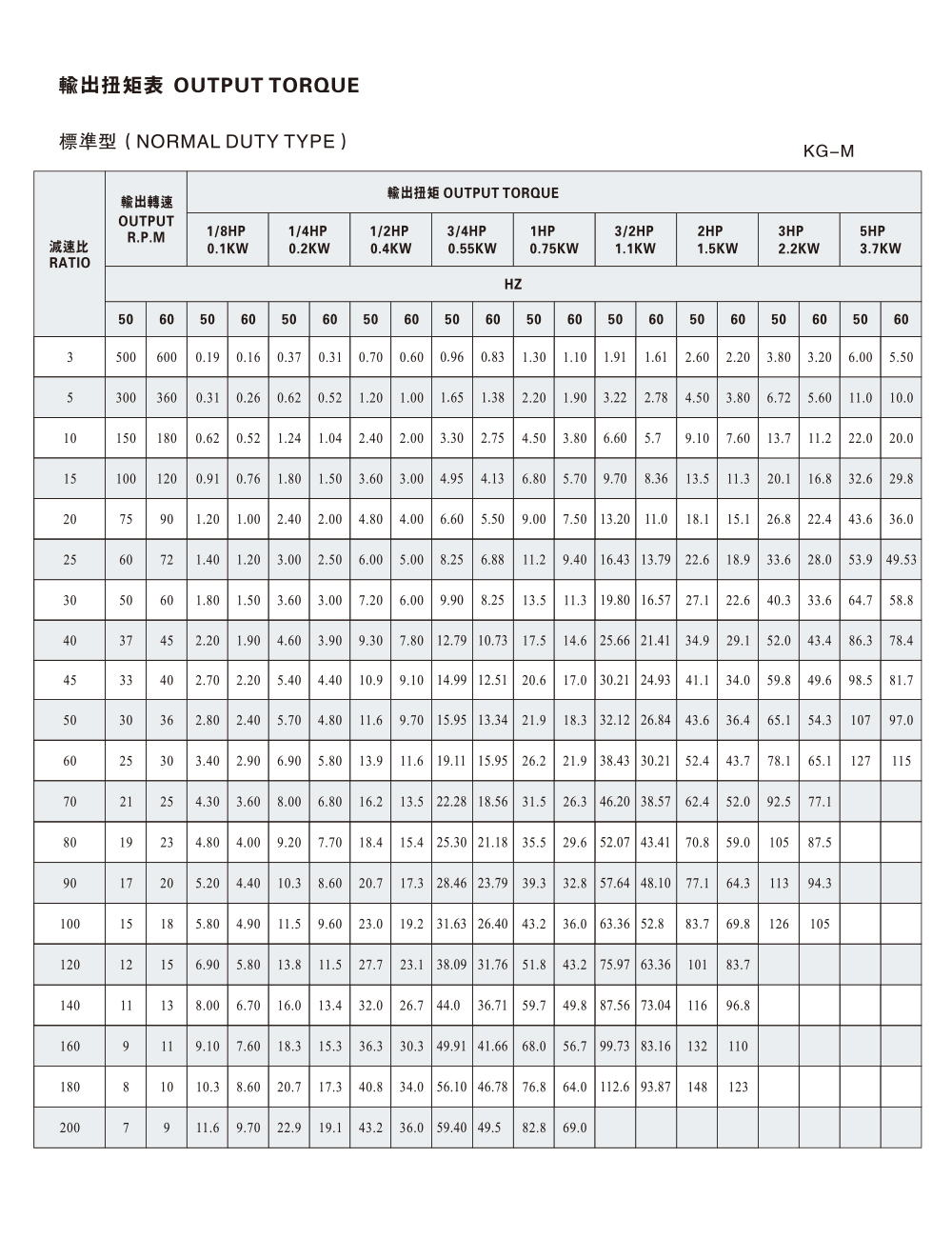
The CH, CV Output Torque provides essential performance data for evaluating transmission capacity and equipment matching. It specifies torque output v...
See Details
Looking For Business Opportunity?
Request for a call today

Zhanpeng Machinery sincerely cooperates with people at home and
abroad to create common development and achieve win-win
results!
Contact Us
-
 sales@razhanpeng.com
-
 +86 13335770176
-
 No. 2807, Huaming Road, Ruian City, Wenzhou City,Zhejiang Province,China
Quick Links
Message


Copyright 2024 Ruian Zhanpeng Machinery Co., Ltd.
Gear Motor Factory


Contact Us