


 English
 中文简体
中文简体 عربى
عربى
Where a Heavy Duty Gear Motor Typically Installs in a Production Line
A production line usually runs through several linked steps, and each step depends on steady movement from one machine to another. Some sections move materials in a straight path, while others handle rotation, lifting, feeding, or positioning. Once the drive unit sits in the wrong place, the whole layout can become harder to manage.
Motor placement affects more than installation space. It can change how easily power reaches the working part, how much room remains for inspection, and how much effort is needed during later maintenance. In busy production areas, that difference often shows up in everyday work rather than on a drawing.
A Heavy Duty Gear Motor is often chosen for machines that carry repeated loads or work under steady pressure. Its position depends on how the equipment moves, not on a fixed rule. A conveyor, a mixer, and a lifting device may all use drive units in different spots because each one asks for a different movement pattern.
Common points checked before installation include:
- distance between the motor and the driven part
- room available for mounting and service
- direction of movement required by the machine
- space around the unit for airflow and inspection
- conditions in the working area
When the placement matches the machine structure, the drive connection becomes easier to arrange. Fewer extra parts may be needed, and the production line often feels more orderly.
Layout planning matters as well. Some workshops leave only a small area around the equipment, so installation has to fit both operation and maintenance. A location that works during assembly may still create trouble later if technicians cannot reach it easily. Thinking about daily use from the start usually avoids that problem.
Where Is A Heavy Duty Gear Motor Commonly Installed
Production lines include several places where controlled movement is needed. A drive unit may sit near a conveyor, close to feeding equipment, beside a rotating machine, or around a lifting section. The exact position changes with the task.
Conveyor sections are one of the more common places. Materials need to keep moving from one stage to the next, so the motor often sits near the drive end of the belt or roller system. That placement helps keep movement direct and easier to control.
Processing machines use drive units in another way. Mixing, rotating, or handling materials usually calls for stable motion rather than simple transfer. In those cases, the motor is arranged close to the part that actually performs the work.
Typical locations include:
- conveyor systems for material transfer
- feeding equipment for regular supply
- rotating processing machines
- lifting devices for vertical movement
- packaging equipment with controlled motion
Every location brings its own conditions. A conveyor may need long, steady running, while a lifting unit may face changing loads during use. Because of that, motor placement is usually tied to the working process instead of the machine size alone.
Environment also affects the final choice. Dust, heat, tight spaces, and access limits can all change where a motor should sit. A practical position leaves enough room for daily operation while keeping the unit protected and easy to check.
| Installation Location | Main Function | Practical Concern |
|---|---|---|
| Conveyor section | Moves materials forward | Stable connection with moving parts |
| Feeding system | Supplies material at a steady pace | Smooth start and stop control |
| Processing area | Supports machine action | Matches movement requirements |
| Lifting equipment | Handles vertical motion | Secure mounting and support |
Maintenance access deserves attention as well. A motor that is hard to reach can slow down inspection and create delays when adjustment is needed. Leaving a sensible working gap around the unit makes routine checks less troublesome.
How Does The Drive System Support Different Production Stages
Every stage in a production line asks for a different kind of movement. One area may move products between stations, another may rotate materials, and another may position parts before the next step. A drive system links all of those tasks together.
A motor gives motion, yet the useful result depends on how well it fits the machine it powers. Speed, force, and stability all need to match the work being done. A conveyor does not need the same movement pattern as a feeder or a mixer.
Production work often includes:
- moving materials from one section to another
- keeping parts in motion during processing
- supporting repeated machine actions
- holding a steady pace through longer runs
When the drive unit connects well with the machine body, the flow of work usually feels more even. Less strain appears on nearby parts, and the equipment can keep a more regular rhythm.
Production lines also change over time. Some plants add new machines, shift product layouts, or change the way materials move. A motor position that allows some flexibility can make those changes easier to handle later.
Why Is An Electric Reduction Motor Often Used Together With Gear Systems
Many machines need movement that is slower and more controlled than a direct motor connection can provide. A reduction structure helps adjust output so the machine can work at a pace that suits the task.
An Electric Reduction Motor combines electrical power with a reduction setup, giving equipment a more controlled driving condition. That makes it useful in places where smooth movement matters more than simple speed.
Gear systems help change how rotation is delivered. In industrial work, stable force and usable speed often matter more than raw turning speed. A machine that handles materials, lifts loads, or keeps parts aligned usually benefits from that kind of arrangement.
| Drive Method | Movement Characteristic | Typical Use |
|---|---|---|
| Direct drive | Simple rotation transfer | Basic movement tasks |
| Electric reduction system | Adjusted speed and force | Controlled machine operation |
| Gear transmission system | Flexible movement support | Different load conditions |
Drive choice depends on the machine, the line layout, and the working load. A good arrangement is not only about selecting the right unit; it also depends on placing it where it can do its job without making the system harder to maintain.
A motor and its gear system should fit the production flow as a whole. When that happens, the line usually runs in a more stable way and stays easier to manage during daily use.
What Should Be Considered Before Installing A Drive Unit
Installing a drive unit is usually decided during equipment planning rather than after the machine has already been built. A production line contains many connected parts, so the position of one component may affect the arrangement of other sections.
Available space is often the first practical issue considered during installation. Some machines have a compact structure, while others leave more room around the working area. The motor position needs to fit the equipment design and still allow access for checking, cleaning, or replacing related parts.
Connection direction is another point that cannot be ignored. The drive unit needs to work together with shafts, gears, belts, or other moving components. A suitable arrangement helps reduce unnecessary changes in the mechanical structure and keeps the power transfer path easier to manage.
Before installation, engineers usually review several conditions:
- Available mounting area
- Direction of mechanical movement
- Working load during operation
- Surrounding environment
- Future maintenance requirements
The actual working condition of the machine also affects the decision. Equipment used for moving heavy materials may place different demands on the drive system compared with machines handling lighter tasks. Understanding the daily working process helps create a more suitable installation plan.
The surrounding environment should also be considered. Production areas may include dust, moisture, heat, or limited working space. A reasonable installation position allows the motor to operate properly while making routine checks more convenient.
Good planning can also make future changes easier. Production layouts may be adjusted when equipment is repaired or when new processes are introduced. A flexible installation arrangement gives manufacturers more room to manage those changes.
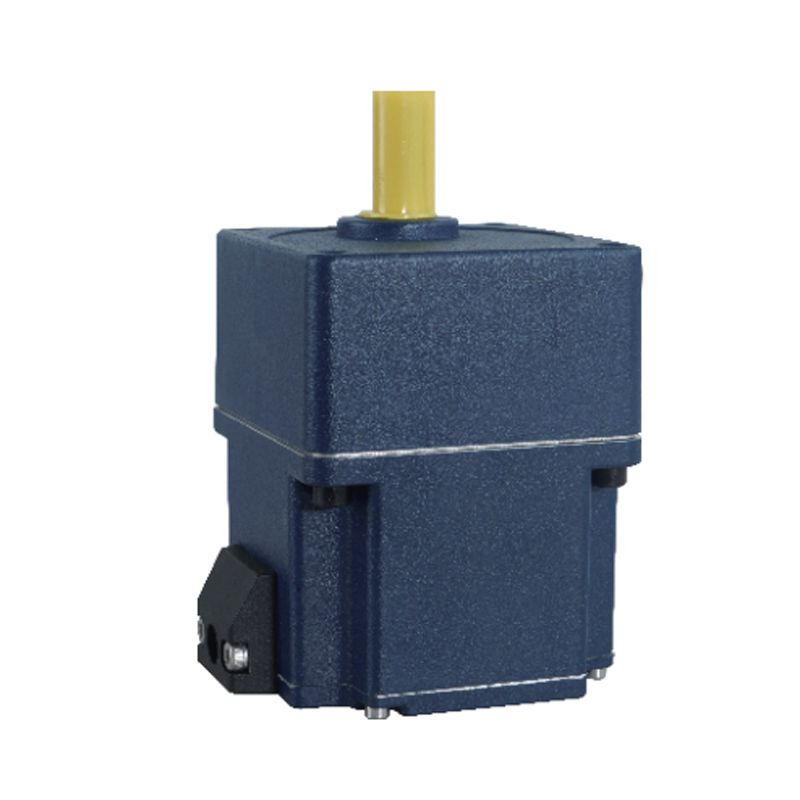
How Does Proper Installation Help Daily Equipment Operation
A production line depends on steady movement between different sections. When a drive system is installed correctly, connected parts can work together more smoothly during daily operation.
One important point is the connection between the motor and the driven equipment. A suitable installation position helps maintain a stable transfer of movement. When connected parts are arranged properly, unnecessary vibration and uneven movement can be reduced.
Maintenance is another reason why installation location matters. Operators need to check equipment regularly during use. A motor placed in an accessible position makes inspection work easier and helps identify unusual conditions earlier.
Daily checks may include:
- Looking at connection areas
- Checking movement changes
- Inspecting surrounding components
- Removing dust or unwanted material near the equipment
Maintenance does not only happen after a problem appears. Regular observation helps keep equipment working in a stable condition and supports longer service periods.
A Heavy Duty Gear Motor is part of a complete drive system rather than an independent component. Its performance depends on how well it matches the machine structure, installation method, and working environment.
For example, a motor used in a conveyor system needs to cooperate with rollers and transport parts, while a motor used in processing equipment needs to match the movement of internal mechanisms. Different applications require different installation approaches.
How Do Production Requirements Influence Drive Selection
Every production line has its own working rhythm. Some machines operate continuously, while others perform repeated actions with changing movement patterns. Because of this, drive selection needs to follow the actual production process.
A machine that moves materials for long periods may require stable operation, while equipment used for positioning tasks may need more controlled movement. Choosing a drive system involves looking at how the machine works rather than focusing only on its size.
| Production Situation | Drive System Consideration |
|---|---|
| Continuous material movement | Supports steady operation |
| Frequent start and stop actions | Provides controlled movement |
| Heavy load handling | Matches required output force |
| Limited installation area | Fits the available structure |
Production layout also influences drive selection. Two machines with similar sizes may require different drive arrangements because their working methods are not the same.
Flexible production has become an important consideration for many manufacturers. Equipment may need to handle different products or adjusted workflows, so drive systems need to fit changing conditions without making the entire line difficult to manage.
An Electric Reduction Motor is often used in applications where movement speed and output force need adjustment. By changing movement characteristics, it helps machines work according to different production requirements.
Selecting a drive unit is not only about choosing a motor type. Installation location, machine connection, maintenance access, and working environment all influence whether the system can operate smoothly.
How Is Heavy Duty Gear Motor Technology Adapting To Modern Manufacturing
Production methods continue changing, and equipment needs to respond to different manufacturing requirements. Drive systems are also being adjusted to fit production lines that require more flexible arrangements.
Modern equipment design pays more attention to how different parts work together. A motor is no longer considered only a source of movement. Its position, connection method, and relationship with other components all influence the performance of the complete machine.
Several areas receive attention during equipment improvement:
- Flexible installation methods
- Easier maintenance access
- Better coordination between machine parts
- Adaptation to different production tasks
Production lines often contain multiple machines connected through different stages. A suitable drive arrangement helps maintain smoother movement between these sections and makes the overall system easier to manage.
The role of a Heavy Duty Gear Motor continues to expand as production requirements change. It is used not only to provide movement but also to support different mechanical structures in various applications.
Electric drive solutions also continue developing alongside manufacturing needs. Systems that provide controlled movement and practical installation options can fit different production environments more easily.
Careful planning remains important when adding a drive unit to a production line. A suitable position, proper connection, and regular maintenance work together to support stable equipment operation. As manufacturing layouts continue changing, flexible drive arrangements will remain an important part of machine design and production planning.
Related Products
-
-
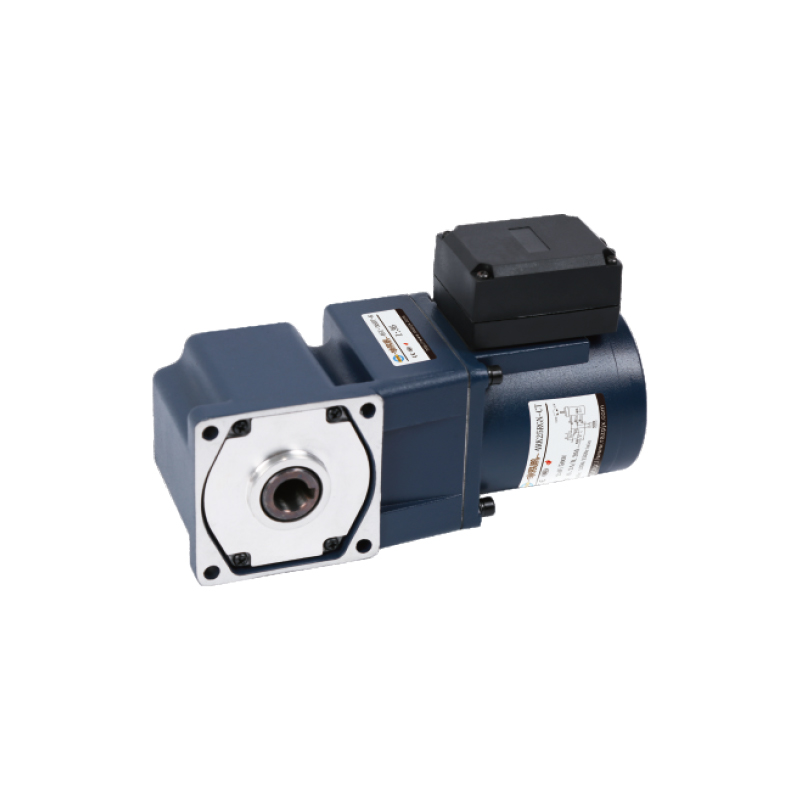
Cat:Right-Angle
The 90mm 40W VT Reduction Motor is a small motor that does the job without taking up much space. It’s got a small footprint, but handles light automat...
See Details -
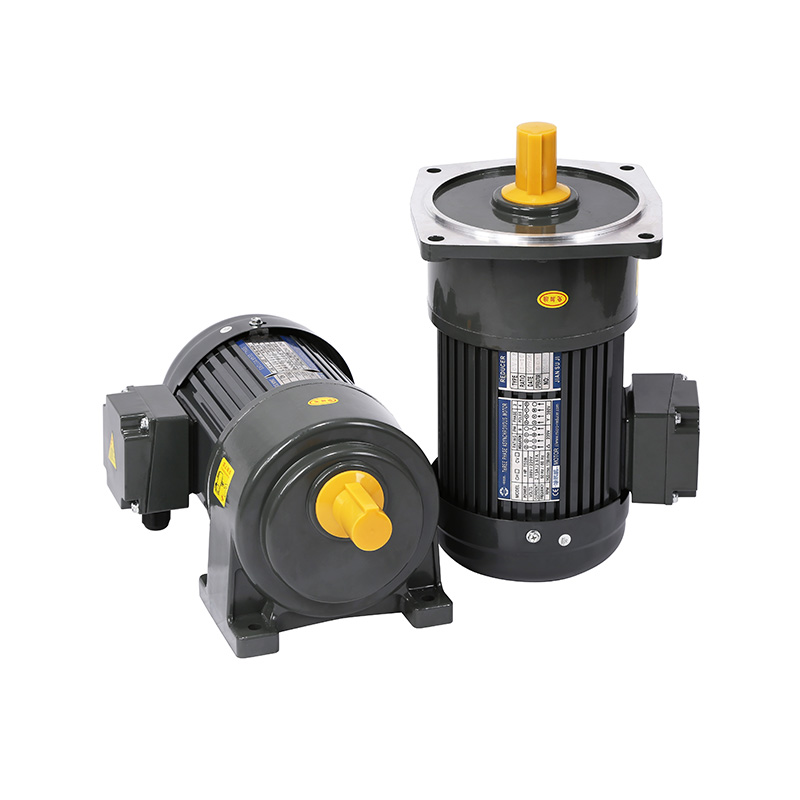
Cat:CH
The Mirco and Special Electronic product series is designed for compact electronic equipment and precision transmission applications requiring stable ...
See Details -
Cat:CH
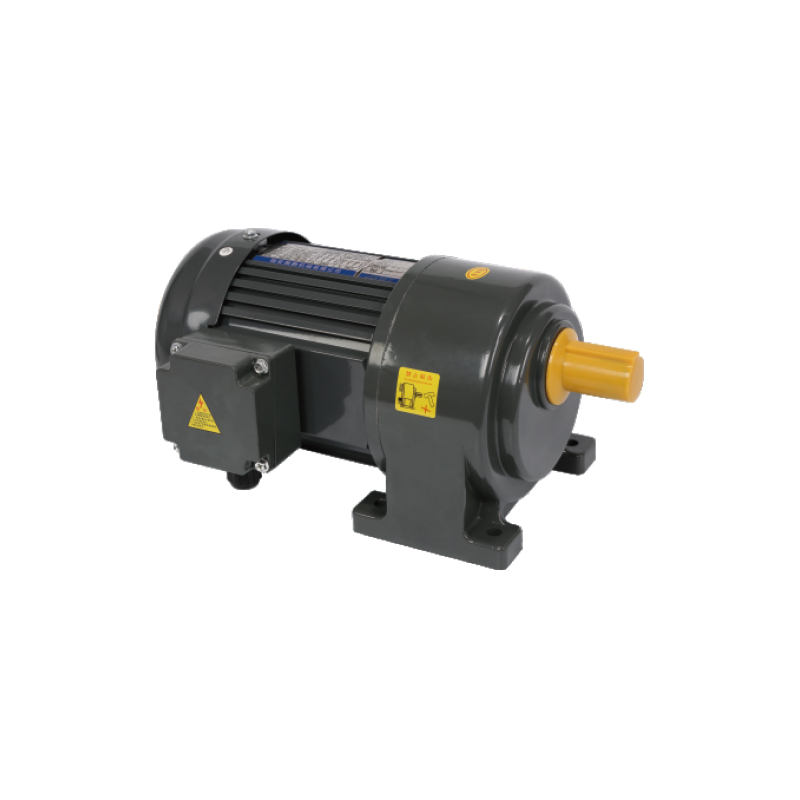
AC Brake Gear Motor is designed with an integrated braking system to ensure precise stopping and stable control during operation. This AC Gear Motor W...
See Details -
Cat:CH
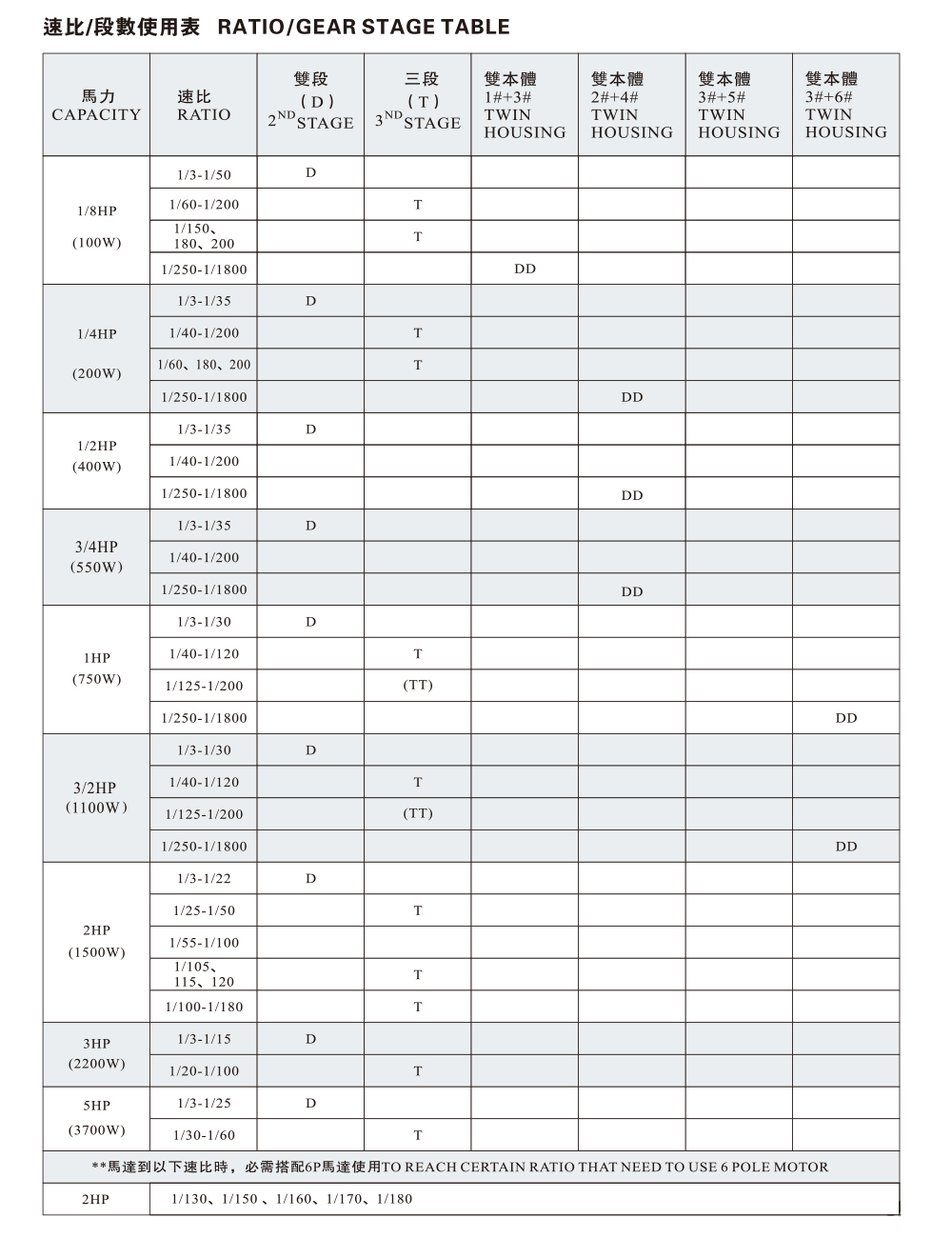
The CH, CV Ratio / Gear Stage Table provides standardized transmission ratio and gear stage information to support equipment selection and system desi...
See Details
Looking For Business Opportunity?
Request for a call today

Zhanpeng Machinery sincerely cooperates with people at home and
abroad to create common development and achieve win-win
results!
Contact Us
-
 sales@razhanpeng.com
-
 +86 13335770176
-
 No. 2807, Huaming Road, Ruian City, Wenzhou City,Zhejiang Province,China
Quick Links
Message


Copyright 2024 Ruian Zhanpeng Machinery Co., Ltd.
Gear Motor Factory


Contact Us