


 English
 中文简体
中文简体 عربى
عربى
Why a Low Noise Gear Motor Matters in Medical Equipment Design
A piece of medical equipment does more than deliver a clinical function. It operates in a space where people rest, recover, and receive care. Every sound that comes from the device joins the ambient noise of the room. Some of those sounds are expected. Others draw attention away from the task at hand. The moving parts inside the equipment contribute to that acoustic environment, and among those parts, the motor often produces the most noticeable sound.
Motion control components are found in many types of medical devices. Beds that adjust position, pumps that deliver fluids, and diagnostic instruments that move sensors into place all rely on some form of motor. The question is not whether the motor makes sound. All moving parts produce some level of noise. The question is whether that sound interferes with the purpose of the room where the equipment sits.
In clinical settings, a Low Noise Gear Motor is often chosen for applications where quiet operation matters alongside mechanical function. The selection reflects a practical recognition that sound output affects both patient experience and staff working conditions. The following discussion looks at how motor noise influences clinical environments, what design factors affect acoustic output, and how motor choice interacts with overall equipment performance.
Why Noise Levels Matter in Clinical Environments
Sound levels in a hospital room or clinic are different from those in an office or factory. Patients in treatment areas need rest. Sleep is part of recovery, and sleep requires periods of quiet. A motor that runs continuously near a patient bed can interrupt sleep cycles without the patient consciously waking. The effect may not be obvious, although it accumulates over days of treatment.
Staff members also work in these environments. Nurses and technicians need to hear each other during procedures. Alarms and monitoring equipment rely on audible signals that must be distinguishable from background noise. A persistent motor hum can mask quieter sounds or make conversation more tiring. That adds to the cognitive load of an already demanding job.
Multiple devices operating in the same room create cumulative background sound. A typical patient room may have an adjustable bed, a pump, a monitor, and a ventilation device running simultaneously. Each unit contributes its own acoustic signature. The total effect is greater than any single source. Lowering the noise from each individual motor reduces the combined level.
Consider a patient room with several electrically operated devices. The bed motor adjusts position during the night. The pump runs at intervals. The monitor beeps occasionally. Each sound is small by itself. Together they create a background that makes rest more difficult. Reducing the output from any one source improves the overall acoustic environment.
The connection between device noise and patient experience has become part of how clinical spaces are evaluated. Designers consider acoustic output alongside other performance measures. A device that operates quietly does not guarantee patient comfort, although it removes one source of disturbance from the room.
| Noise Source in a Patient Room | Effect on Environment |
|---|---|
| Adjustable bed motor | May interrupt sleep during repositioning |
| Fluid pump | Runs at intervals, adds to background level |
| Monitoring device | Produces intermittent audible signals |
| Ventilation support | Continuous operation, contributes to ambient noise |
How Gear Motor Design Affects Acoustic Output
Sound generation in a gear motor comes from several sources. Each contributes to the total output in different ways. Understanding these sources helps explain why some motors run more quietly than others under similar operating conditions.
Gear geometry matters. The shape of the teeth and the way they engage during rotation affect vibration transmission. Teeth that mesh smoothly produce less impact during each engagement cycle. Surface finish on the tooth faces also affects how the gears slide past each other. Smoother surfaces generate less friction and associated vibration.
Bearing selection influences rotational smoothness. Bearings support the rotating shaft and determine how freely it turns. Bearings with higher precision allow the shaft to run with less lateral movement. That reduces the vibration transmitted to the housing and the surrounding structure. The type of bearing material also affects sound transmission characteristics.
Motor winding quality and commutation affect electrical noise and magnetic hum. Windings that are balanced produce more consistent magnetic fields. That consistency reduces the vibration caused by magnetic forces within the motor. Commutation, the process of switching current between windings, can produce electrical noise that may be audible in sensitive applications.
Housing design and mounting configuration affect how sound travels from the motor to the surrounding air. A housing that is rigid and well-sealed can contain some of the internal sound. Mounting methods that isolate the motor from the equipment frame prevent vibration from traveling through the structure and radiating as sound.
A few design factors typically receive attention during development:
- Gear material selection affects wear and acoustic behavior over time.
- Motor winding configuration influences magnetic field smoothness.
- Mechanical tolerances between moving parts affect vibration levels.
- Housing isolation determines how much sound escapes.
Those factors are not always obvious from specification sheets. The acoustic performance of a motor depends on how the design details come together in production.
What Installation Considerations Influence Motor Noise Levels
A motor that runs quietly on a test bench may not perform the same way once installed in equipment. The mounting arrangement, surrounding structure, and connection to driven components all affect how the motor sounds in actual use.
Mounting surface rigidity affects how much vibration passes from the motor into the equipment frame. A flexible mounting may absorb some vibration, while a rigid mounting transmits more. The material and thickness of the mounting surface also influence transmission. Designers consider the entire assembly, not just the motor alone.
Coupling alignment between the motor and the driven mechanism matters. Misalignment creates additional forces that translate into vibration and sound. The coupling type also affects how much of the motor's motion transfers efficiently and how much gets dissipated as vibration.
Surrounding structure can amplify or dampen acoustic output. Large flat surfaces tend to radiate sound effectively, much like a speaker cone. Mounting a motor near such a surface can increase the perceived noise level. Conversely, mounting near sound-absorbing materials can reduce the level.
Airflow around the motor affects cooling and associated sound. Motors generate heat during operation, and cooling airflow can produce audible noise. The path and velocity of cooling air influence the total acoustic output. Designers balance cooling requirements with noise control measures.
Installation factors that often affect observed noise include:
- Motor mounting position relative to sound-reflective surfaces.
- Connection details between motor and driven components.
- Airflow path design for motor cooling.
- Isolation measures between motor and equipment frame.
Those factors are usually addressed during equipment development. The final acoustic performance depends on how well the motor integrates with the rest of the device.
How Operating Conditions Shape Motor Acoustic Behavior
A motor inside a patient bed sounds different when the bed is empty compared to when it holds a patient. The load changes, and the motor responds to that change. The same motor running at half speed produces a different tone than when running at full speed. These variations are not defects. They are simply how mechanical systems behave.
Think about a motor used in a infusion pump. The pump runs at different rates depending on the medication being delivered. At slow delivery rates, the motor turns slowly and produces a low, steady hum. At faster rates, the pitch rises. Nurses working near these pumps learn to recognize the normal sounds of each operating mode. An unusual sound at a particular speed may indicate a problem.
Temperature also plays a role. A motor that has been running for several hours will sound different from one that just started. Internal parts expand as they warm up. Clearances between gears change. The sound shifts accordingly. In a busy hospital, equipment runs continuously. The acoustic behavior of each motor evolves throughout the day.
The mounting surface matters in real installations. A motor bolted directly to a thin metal panel will transmit vibration to that panel. The panel acts like a speaker cone, amplifying the sound. Mounting the same motor to a thick, rigid frame reduces that amplification. This difference is noticeable in actual equipment. Two identical motors can sound completely different based on how they are attached.
Airflow around the motor contributes to the total sound. Many motors have cooling fans that draw air across the housing. The fan itself produces noise. The air moving through restricted spaces creates additional sound. In equipment with tight enclosures, the airflow path affects the overall acoustic experience.
| Operating Factor | Real-World Effect |
|---|---|
| Patient weight on a bed motor | Changes gear loading, alters sound level during adjustment |
| Infusion pump speed variation | Shifts motor pitch at different delivery rates |
| Continuous vs. intermittent running | Thermal expansion changes clearance and sound over time |
| Mounting surface material | Thin panels amplify vibration, thick frames dampen it |
Why Motor Selection Impacts Equipment Maintenance Schedules
A maintenance technician walking through a hospital corridor can often tell which equipment needs attention just by listening. The ear picks up changes that instruments might miss. A motor that develops a slight whine may be telling the technician that a bearing is wearing. A gear that produces a clicking sound may indicate tooth damage.
One hospital maintenance team noticed that certain bed motors became louder after several years of use. The increase was gradual. Patients did not complain directly. The nursing staff mentioned that the beds seemed "noisier than before." The team replaced the motors before any failures occurred. The repair took less time than an emergency replacement would have.
Another example involves diagnostic equipment. A CT scanner table moves patients into position. The motor that raises and lowers the table operates many times each day. The maintenance schedule includes regular listening checks. A change in the motor sound prompts inspection before the motor fails. This approach reduces unexpected downtime.
In facilities that use a Special Electric Motor for continuous-duty applications, maintenance teams often track acoustic patterns over time. They know what each motor should sound like at start-up, during operation, and under load. A deviation from that pattern triggers investigation. This listening practice costs nothing but saves time and money.
What Clinical Applications Need Quiet Motion Control
A neonatal intensive care unit presents one of the more demanding acoustic environments. Premature infants are sensitive to sound. Their developing hearing systems can be affected by continuous noise. The motors in incubators, ventilators, and monitoring equipment all contribute to the sound level in these units. Quiet operation is not optional; it is a clinical requirement.
Operating rooms have their own acoustic demands. Surgical teams need to hear each other clearly during procedures. Equipment such as surgical tables, microscope positioners, and instrument shakers all contain motors. A noisy motor can make communication difficult. The surgeon may need to repeat instructions. The anesthesiologist may miss an alarm.
Sleep study centers conduct overnight testing. Patients are connected to monitoring equipment while they sleep. Motors in the equipment must operate without disturbing the patient. A bed adjustment motor that wakes the patient ruins the study. The test must be repeated. Quiet motors reduce the need for retesting.
Rehabilitation gyms contain multiple pieces of motorized equipment. Patients use treadmills, exercise bikes, and resistance machines during therapy sessions. The motors in these devices run for extended periods. Patients recovering from injury or surgery need a calm environment. Loud or grating motor sounds add stress to an already difficult recovery process.
How Motor Consistency Supports Medical Device Design
Device designers need motors that perform the same way every time. A motor that produces different torque on different days creates problems for the control system. The electronics must compensate for these variations. That compensation adds complexity and cost.
A consistent motor allows the designer to simplify the control system. The electronics can be tuned to match the motor's known characteristics. This tuning works the same way across all units. Production becomes more predictable. Service calls decrease.
Certain applications use a Special Electric Motor selected for particular operating parameters. These motors are chosen because they meet specific requirements that standard motors may not address. The selection process is deliberate. The motor must work with the control electronics. It must fit within the available space. It must produce the expected output under all operating conditions.
The relationship between motor consistency and equipment reliability is direct. Equipment that performs reliably builds trust with clinical staff. The staff focuses on patient care rather than equipment behavior. The equipment becomes part of the background, which is exactly where it belongs.
Related Products
-
-
Cat:Motor Controller & Accessories
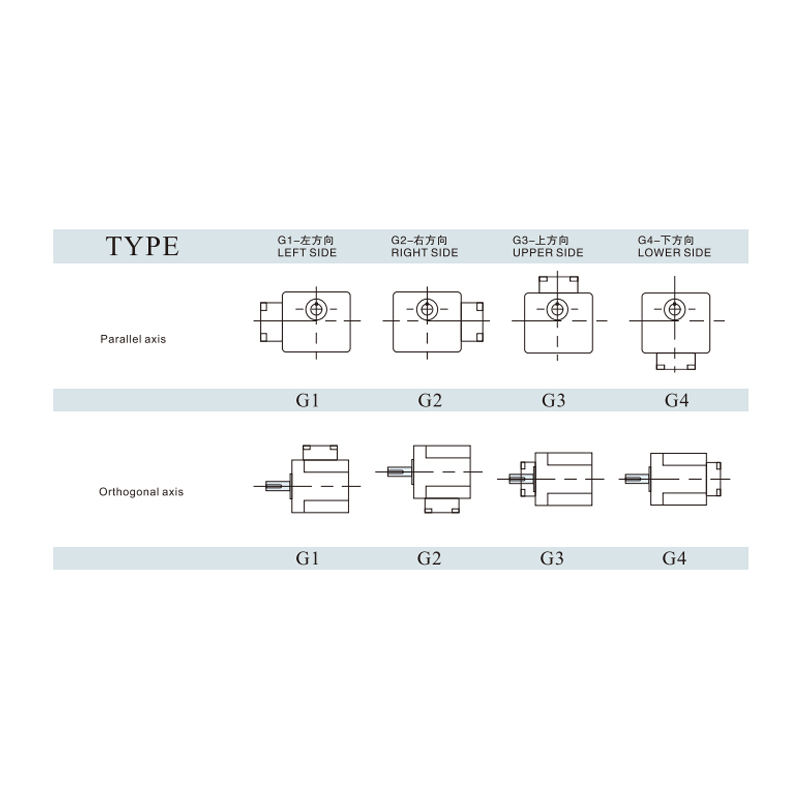
Junction Box Orientation Selected offers flexible installation options to match different equipment layouts and wiring requirements. Available in four...
See Details -
Cat:CH
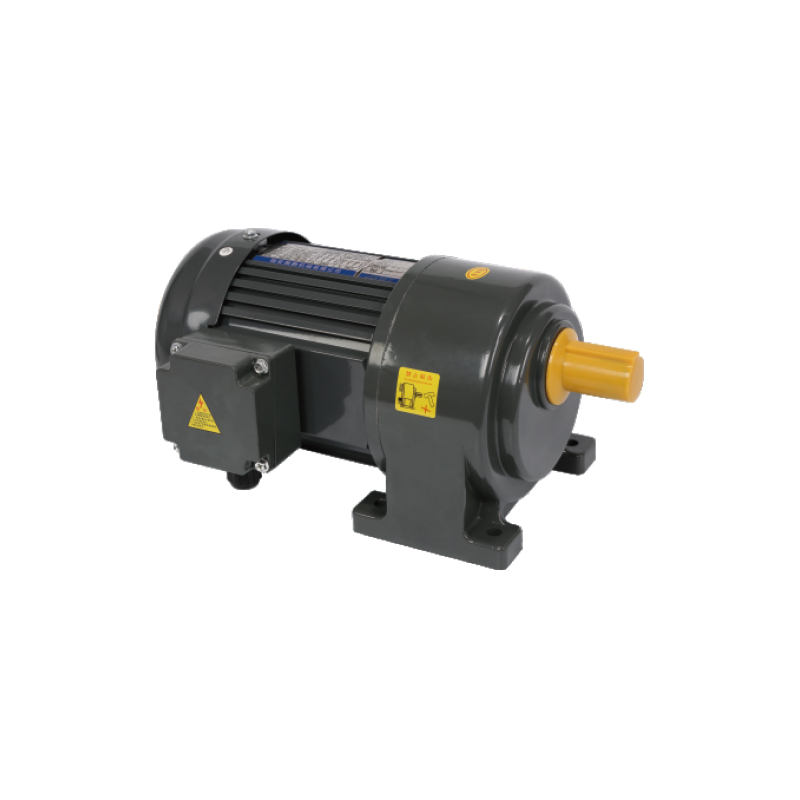
AC Brake Gear Motor is designed with an integrated braking system to ensure precise stopping and stable control during operation. This AC Gear Motor W...
See Details -
Cat:CH
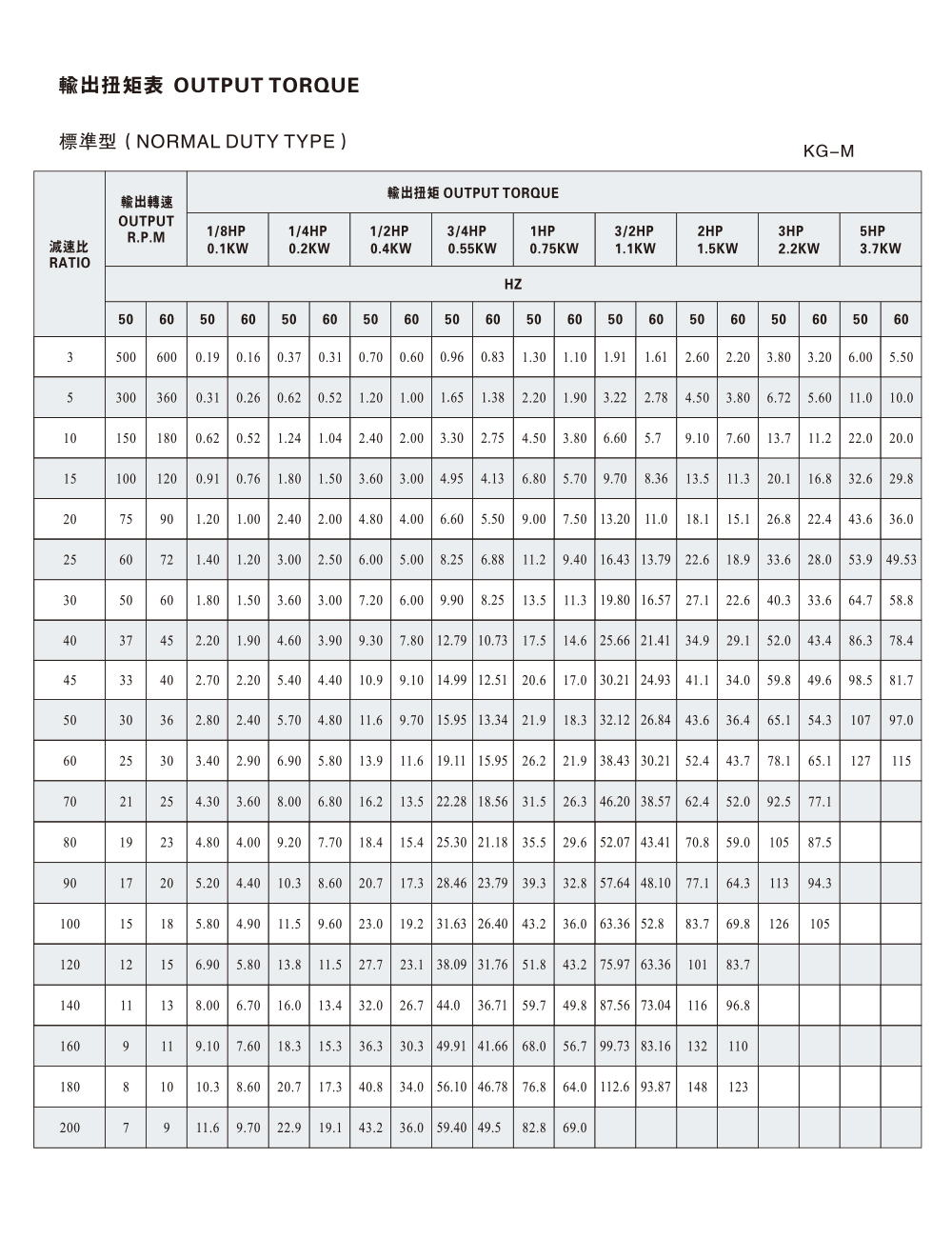
The CH, CV Output Torque provides essential performance data for evaluating transmission capacity and equipment matching. It specifies torque output v...
See Details -
Cat:CH
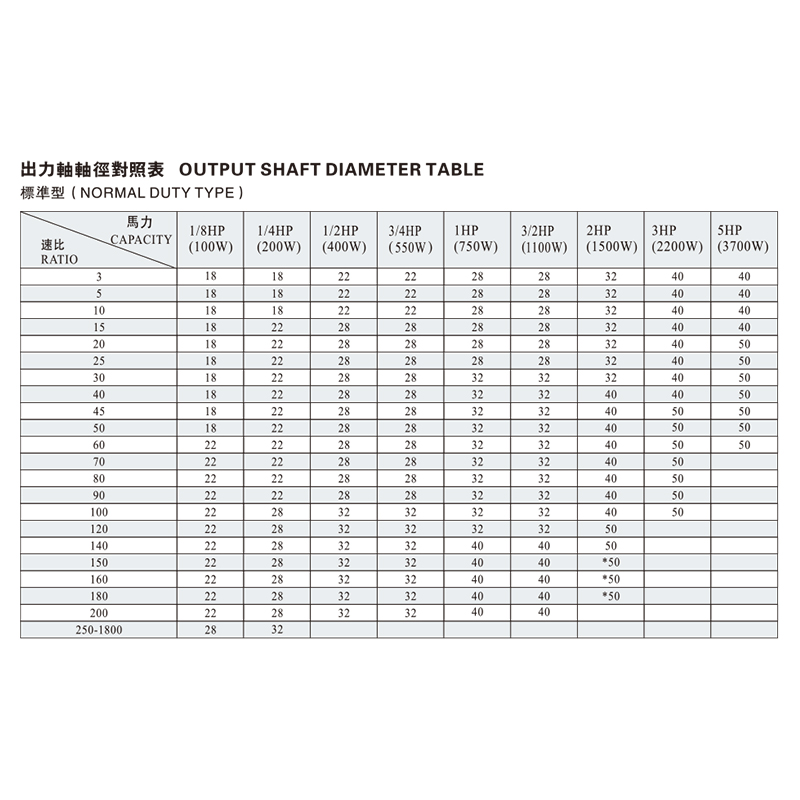
The CH, CV Output Shaft Diameter Table provides standardized dimensional data for selecting compatible transmission components and mechanical assembli...
See Details -
Cat:CH
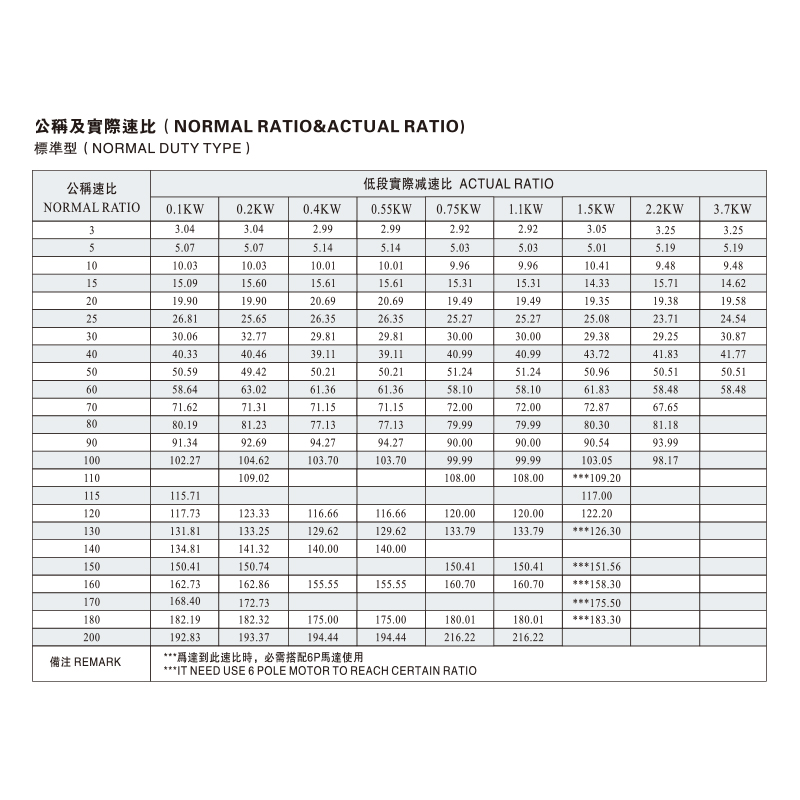
The CH, CV Normal Ratio & Actual Ratio provides accurate reference data for matching transmission requirements and optimizing reducer performance....
See Details -
Cat:CH
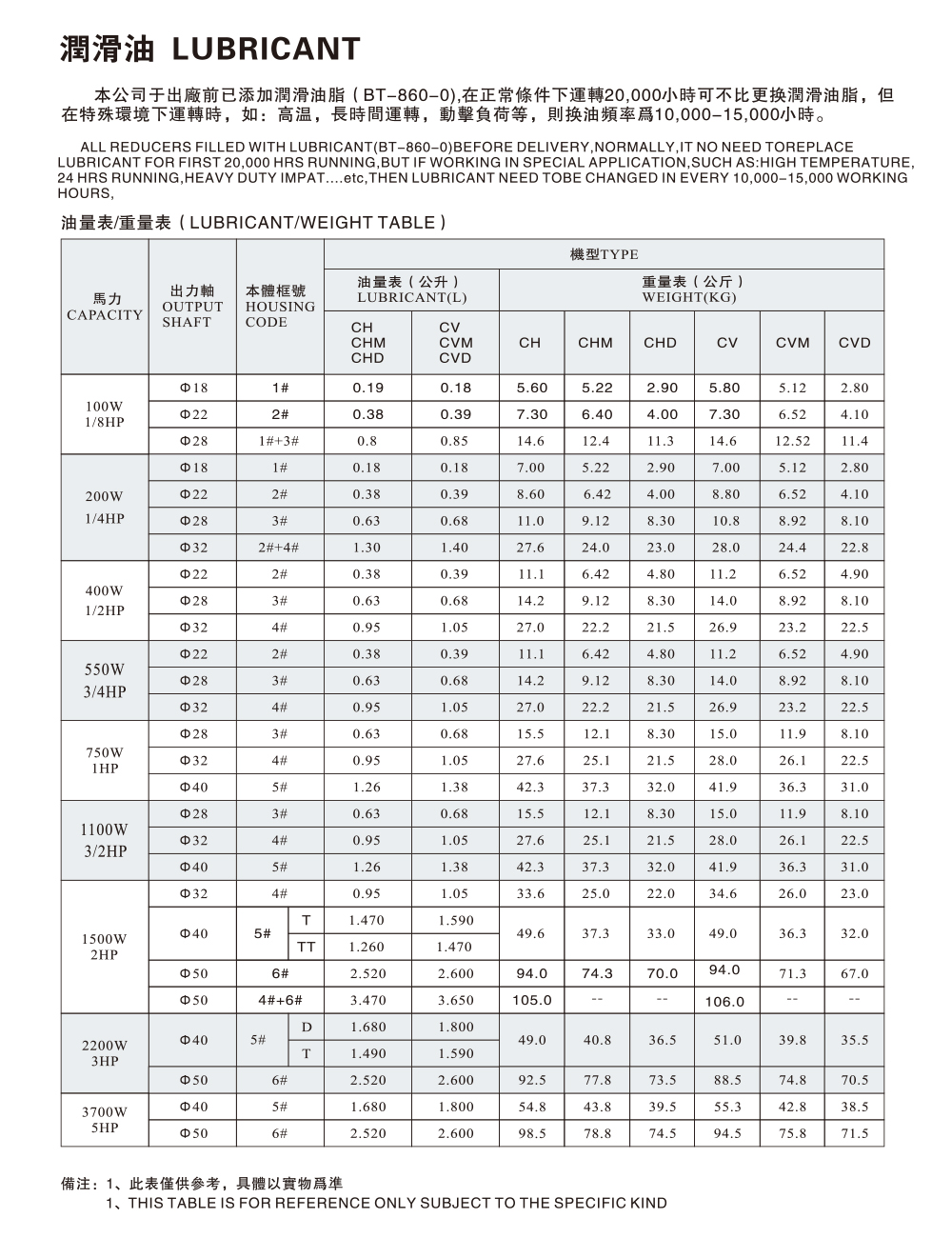
Our company has added lubricating grease (BT-860-0) before leaving the factory. It is not necessary to replace the lubricating grease after 20,000 hou...
See Details
Looking For Business Opportunity?
Request for a call today

Zhanpeng Machinery sincerely cooperates with people at home and
abroad to create common development and achieve win-win
results!
Contact Us
-
 sales@razhanpeng.com
-
 +86 13335770176
-
 No. 2807, Huaming Road, Ruian City, Wenzhou City,Zhejiang Province,China
Quick Links
Message


Copyright 2024 Ruian Zhanpeng Machinery Co., Ltd.
Gear Motor Factory


Contact Us