


 English
 中文简体
中文简体 عربى
عربى
What to Check Before Buying High Speed Micro Motor
A motor that looks right on paper doesn't always work right once it's screwed into the actual device. Physical size gets most of the attention during shopping, but a compact motor still has to survive real use — resistance from moving parts, changes in voltage supply, heat building up in a tight enclosure. These are the things that separate a motor that runs smoothly from one that stalls, overheats, or wears out sooner than expected.
What Should Be Checked Before Buying a High Speed Micro Motor
Start with what the motor actually has to do day to day. A cooling fan inside a laptop runs almost nonstop. A cordless screwdriver starts and stops constantly under load. A small pump might sit idle for hours then switch on suddenly. Each pattern puts different stress on the same basic motor design.
Before comparing specs sheets, it helps to write down:
- Required operating speed
- Load during normal operation
- Available working voltage
- Available installation space
- Expected running pattern
- Heat dissipation conditions
- Shaft and mounting requirements
Load matters more once mechanical parts get involved. A motor spinning freely on a test bench tells you very little about how it'll behave once connected to a belt, a gear, or a shaft carrying real friction.
Power supply compatibility is often overlooked until something goes wrong. A cordless vacuum running off a battery pack has different voltage behavior than a device plugged into a fixed household supply. Testing the motor in isolation, without checking it against the actual power source, skips a step that matters.
Installation space causes its own headaches. A motor might fit the measured dimensions but still crowd nearby wiring, block airflow, or make the housing difficult to close during assembly.
How Should Speed and RPM Range Match the Application
Speed needs matching against what the equipment is trying to accomplish, not treated as a single number on a spec sheet. A rotary tool used for polishing needs consistent motion. A small conveyor mechanism needs steady, controlled movement instead of a burst of speed.
Check the motor's usable range, not just its rated speed. Once a load gets attached, actual rotation often drops from the unloaded number — sometimes noticeably.
Faster rotation is also less forgiving of imbalance. A shaft that's slightly off‑center might feel fine at moderate speeds but starts producing noise or vibration as speed increases. In a handheld device, that vibration reaches the user's hand directly.
Useful questions before buying:
- Does the required equipment movement match the motor's operating range?
- Will the motor face resistance during normal operation?
- Is stable rotation needed when the load changes?
- Could vibration affect the surrounding mechanism?
- Does the application need a narrow or flexible speed range?
Why Does Load Torque Matter During Motor Operation
Torque is the force available at the shaft to overcome resistance. A motor might spin freely with nothing attached, then slow down or hesitate once it's actually connected to a mechanism.
Torque needs checking at different points:
- Starting: resistance is often higher the moment a mechanism begins moving.
- Normal operation: the motor needs enough turning force to keep going without straining.
- Changing load: moving parts can shift resistance mid‑operation — a fan blade encountering dust buildup, for example.
- Mechanical connection: gears, belts, and shafts each add their own resistance.
Testing torque only under light or no‑load conditions doesn't reveal much for equipment that faces changing resistance during regular use. Speed and torque interact — a motor built around fast rotation may respond differently once mechanical resistance enters the picture, so neither should be checked alone.
How Should Voltage and Power Compatibility Be Checked
| Check Item | What to Confirm | Possible Concern |
|---|---|---|
| Working Voltage | Whether the supply matches motor requirement | Unstable operation |
| Power Source | Battery, fixed supply, or control unit | Incompatible input |
| Operating Load | Electrical demand during actual work | Performance changes |
| Wiring | Connection method and available space | Installation difficulty |
| Control Method | How starting and speed adjustment are handled | Irregular operation |
A motor might pass a basic bench test and still behave differently once it's under actual load. For battery‑powered devices, space for the battery pack and wiring often competes directly with space for the motor itself — these two considerations rarely get decided separately in practice.
Which Motor Technology Fits the Intended Use
Motor construction should follow the working pattern, not general preference. A brushed motor suits intermittent operation where occasional maintenance is manageable — a household blender, for instance. A brushless design fits longer operating periods or situations where reduced contact wear matters, such as a drone motor running continuously during flight.
A special electric motor becomes relevant when standard configurations don't fit the equipment's shape, connection style, or working conditions.
Questions worth asking before deciding:
- How frequently will the motor operate?
- Will operation continue for long periods?
- Is maintenance access limited?
- Does the equipment require a particular motor shape or connection?
- Are vibration, weight, or installation restrictions important?
Electrical supply, mechanical load, running pattern, and installation space work together — checking them as a group gives a clearer picture than judging motor type by structure alone.
How Should Physical Dimensions Be Checked Before Purchase
A motor can meet the required electrical conditions and still create installation problems when the available space is limited. Small equipment often places several components close together, leaving little room around the motor body, shaft, wiring, and mounting points.
Physical measurements should cover more than the motor diameter. The overall length can affect nearby components, while the shaft position may determine whether the motor can connect correctly with the driven part. Weight also matters when the motor is installed inside a handheld or movable product.
Several dimensions deserve attention before purchase:
- Motor diameter and overall length
- Shaft position and available shaft space
- Mounting points and fixing direction
- Clearance around the motor body
- Weight limits of the equipment
- Space available for wiring and heat release
An enclosed housing requires additional care. A motor placed tightly against surrounding parts may have less room for heat to escape. Contact with other components can also create mechanical interference during operation.
For a High Speed Micro Motor, installation space has an added connection with rotational behavior. A compact housing that restricts mounting accuracy can contribute to vibration or uneven operation. Measuring the complete installation area before purchase gives a clearer basis for checking motor dimensions.
How Does Duty Cycle Affect Motor Selection
The way a motor operates can be as important as the task itself. Some equipment runs for a short period and then stops. Other equipment repeats the same movement throughout its working period. A motor intended for one pattern may not suit another without considering heat and operating load.
Duty cycle can be viewed through the actual rhythm of the equipment:
- Short operation The motor works briefly, followed by a longer rest period. Heat has more opportunity to dissipate between operating periods.
- Repeated operation The motor starts and stops regularly. Repeated acceleration places changing demands on the motor and connected mechanism.
- Continuous operation The motor remains active for a longer period. Heat accumulation and surrounding ventilation become important factors.
Frequent starting and stopping can also change the mechanical demand placed on the shaft. A system that repeatedly accelerates a moving part may require different conditions from one that maintains a relatively steady rotation.
A purchase decision should account for the actual operating rhythm rather than treating running time as a secondary detail. Information about continuous and intermittent operation can also help when discussing whether a particular Special Electric Motor configuration fits the equipment.
What Should Be Checked About Heat Dissipation
Heat develops during motor operation and can become more noticeable when the motor works under load or operates for extended periods. A small motor installed inside a compact housing has limited surrounding space, so heat management needs to be considered alongside physical dimensions.
Several conditions can affect heat dissipation:
- Restricted air movement around the motor
- Continuous operation
- Repeated starting and stopping
- Mechanical resistance from the driven component
- Limited distance between the motor and nearby parts
- Housing materials and internal layout
A motor does not operate in isolation from its enclosure. Even when the motor itself has suitable operating characteristics, a tightly enclosed installation can change the temperature conditions around it.
The relationship between heat and operating time is also important. Short periods of operation may create a different thermal condition from extended use. When equipment requires longer running periods, the available space around the motor and the path for heat to leave the housing should be checked during the design stage.
Heat can also influence nearby components. Wiring, plastic parts, electronic components, and lubricated mechanical parts may have their own operating limits. Motor selection should take the surrounding assembly into account rather than focusing on the motor body alone.
How Do Vibration and Balance Affect High Speed Operation
High rotational speed places greater attention on mechanical balance. Small irregularities in the rotating assembly can become noticeable through vibration, particularly when the motor is connected directly to a precision mechanism or a handheld tool.
Vibration can affect several aspects of equipment operation:
- Movement stability
- Handling comfort
- Noise
- Mechanical connection
- Surface quality during precision work
- Wear on connected components
Installation accuracy has a role as well. A motor mounted at an angle or connected to a misaligned shaft may transfer additional vibration into the surrounding structure. The motor itself may not be the only source of the problem.
For compact equipment, the housing can amplify or transmit vibration. A rigid connection may pass movement directly into the outer casing, while an unsuitable mounting arrangement can create additional mechanical stress.
A High Speed Micro Motor intended for a vibration‑sensitive application should be assessed together with its mounting method and connected mechanism. Looking at rotational speed alone does not provide enough information about the final operating experience.
What Should Be Checked for Handheld Applications
Handheld equipment introduces another layer of practical requirements. The motor becomes part of the overall weight distribution, and its position inside the housing can affect how the product feels during operation.
Dental equipment, engraving tools, and other precision handheld devices may require attention to:
- Overall weight
- Weight distribution
- Grip position
- Vibration transmission
- Heat around the housing
- Motor placement
- Operating duration
A motor with a suitable output may still create handling difficulties when its weight is concentrated too far from the grip area. Vibration can also become tiring during repeated or extended use.
The relationship between motor size and housing design matters here. Reducing motor dimensions does not automatically resolve every ergonomic issue. Space saved around the motor may be needed for insulation, wiring, structural support, or heat management.
A Special Electric Motor can be considered when the equipment has unusual dimensional, connection, or handling requirements. The decision should remain tied to the actual design conditions, including the available housing space and expected operating pattern.
What Should Be Confirmed Before Placing an Order
Before purchasing, the motor specifications should be checked against the complete working environment rather than reviewed as isolated values. A simple comparison can help identify gaps before the motor is installed.
| Purchase Check | Key Question |
|---|---|
| Speed | Does the operating range match the required movement? |
| Load Torque | Can rotation remain stable under working resistance? |
| Voltage | Does the available power supply match the motor requirement? |
| Motor Type | Does the structure suit the intended operating pattern? |
| Dimensions | Is enough space available for installation and wiring? |
| Duty Cycle | Can the motor handle the expected running rhythm? |
| Heat | Is there enough room for heat to dissipate? |
| Vibration | Will the motor and mounting arrangement provide suitable handling? |
The mechanical connection should also be checked before an order is placed. Shaft dimensions, mounting direction, available clearance, and surrounding components all influence whether the motor can be integrated without redesigning the equipment.
For applications with changing loads, attention should remain on operating conditions rather than unloaded testing alone. For compact housings, heat and clearance deserve equal consideration. For handheld products, vibration and weight distribution become part of the motor selection process.
A suitable purchase check brings electrical, mechanical, thermal, and handling requirements into the same decision. The result is a clearer match between the motor and the equipment in which it will operate.
Related Products
-
-
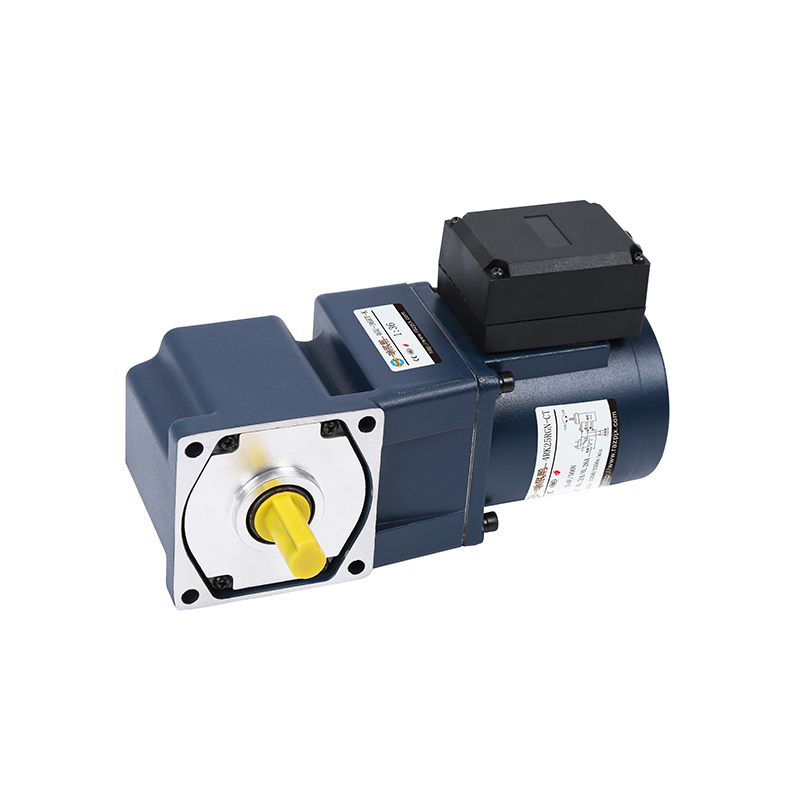
Cat:Right-Angle
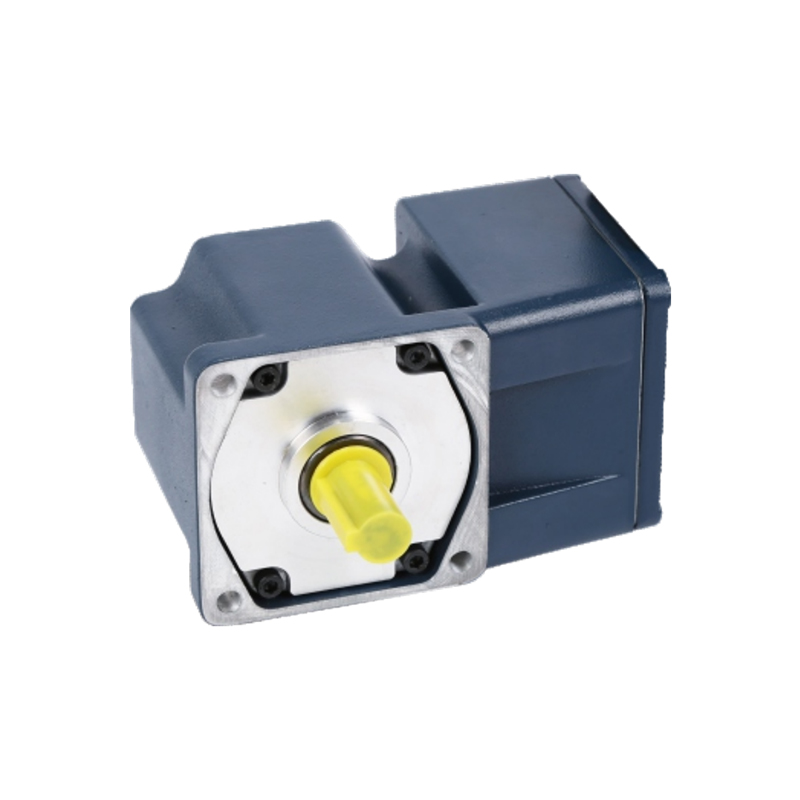
The Micro and Special Electronic Motor is designed for compact drive systems requiring reliable performance in limited installation spaces. Its small ...
See Details -
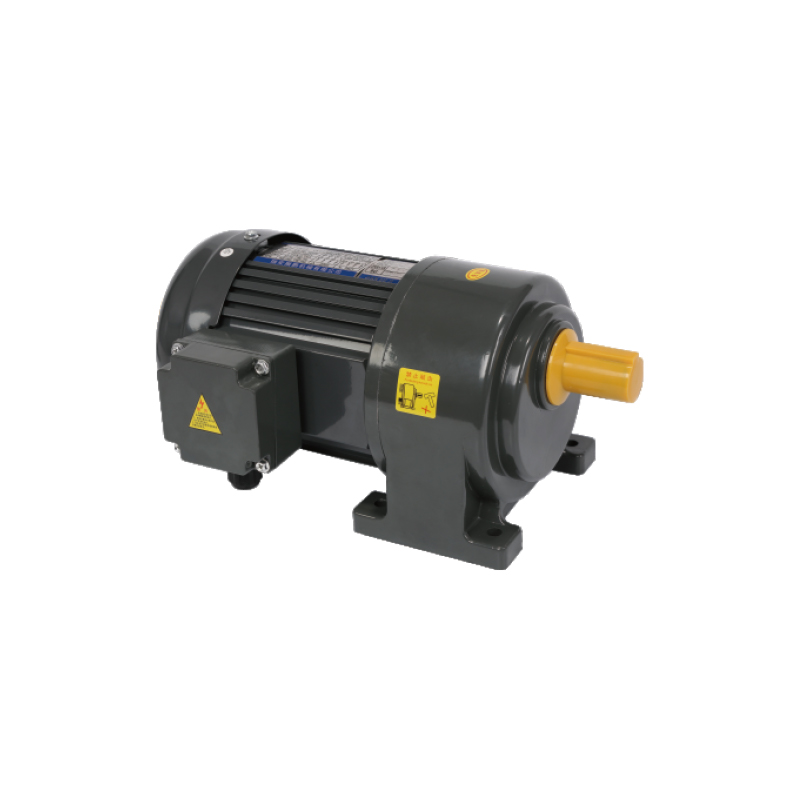
Cat:CH
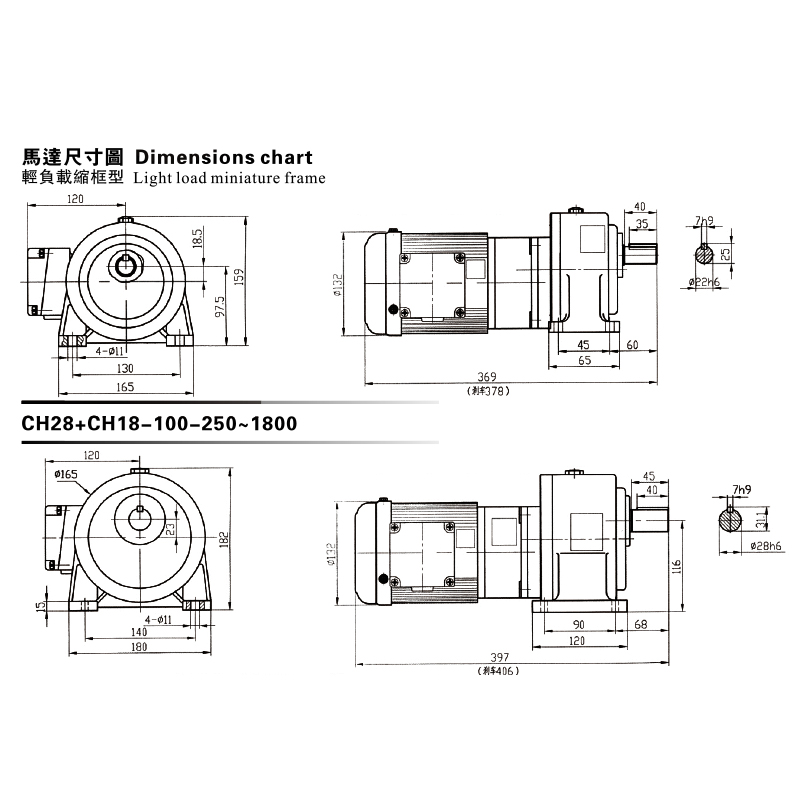
This CH, CV Dimensions Chart showcases a premium Gear Reduced Electric Motor series engineered for light-load, miniature frame applications. The chart...
See Details -
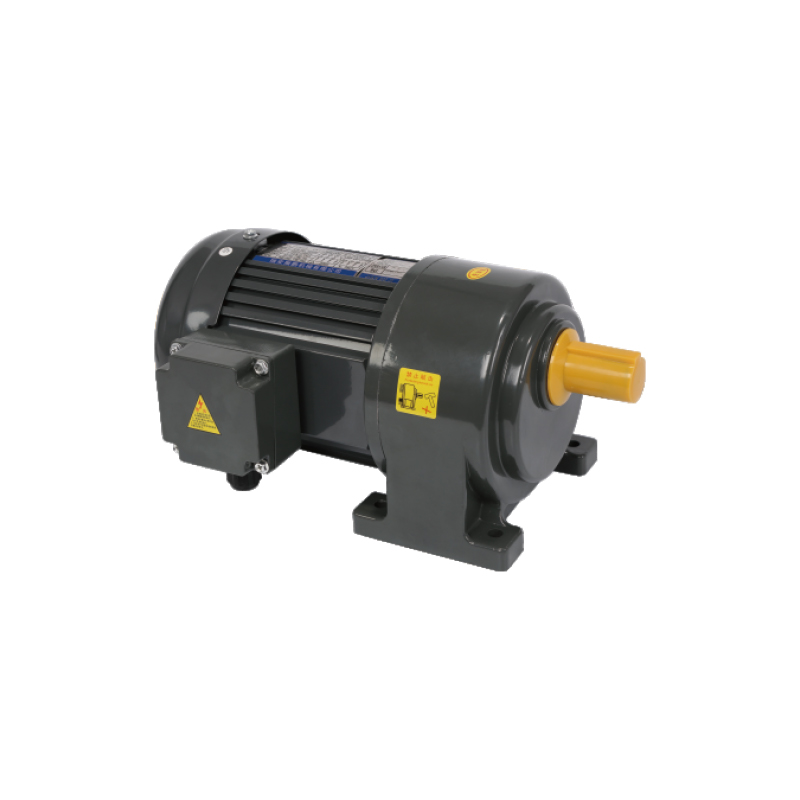
Cat:CH
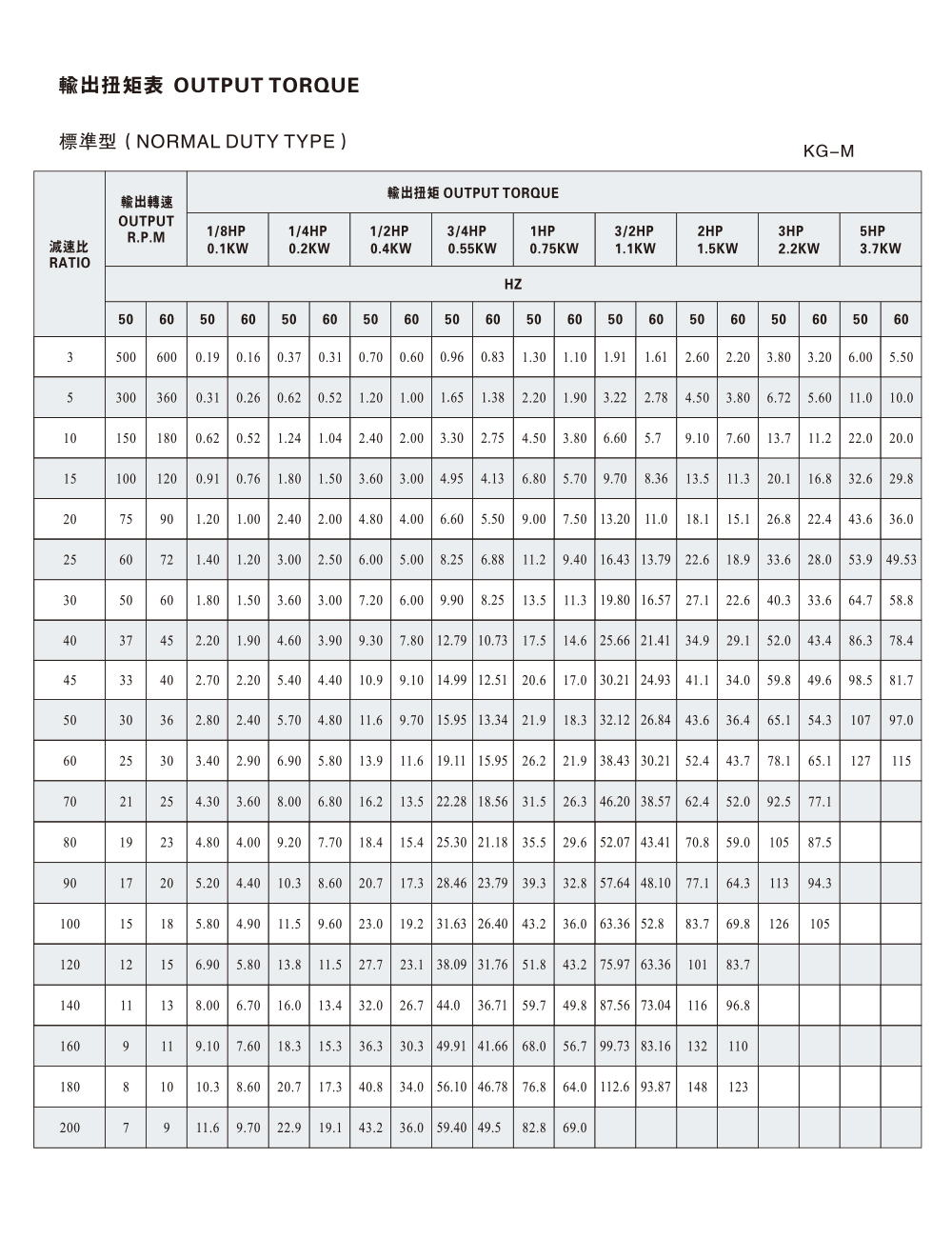
The CH, CV Output Torque provides essential performance data for evaluating transmission capacity and equipment matching. It specifies torque output v...
See Details -
Cat:CH
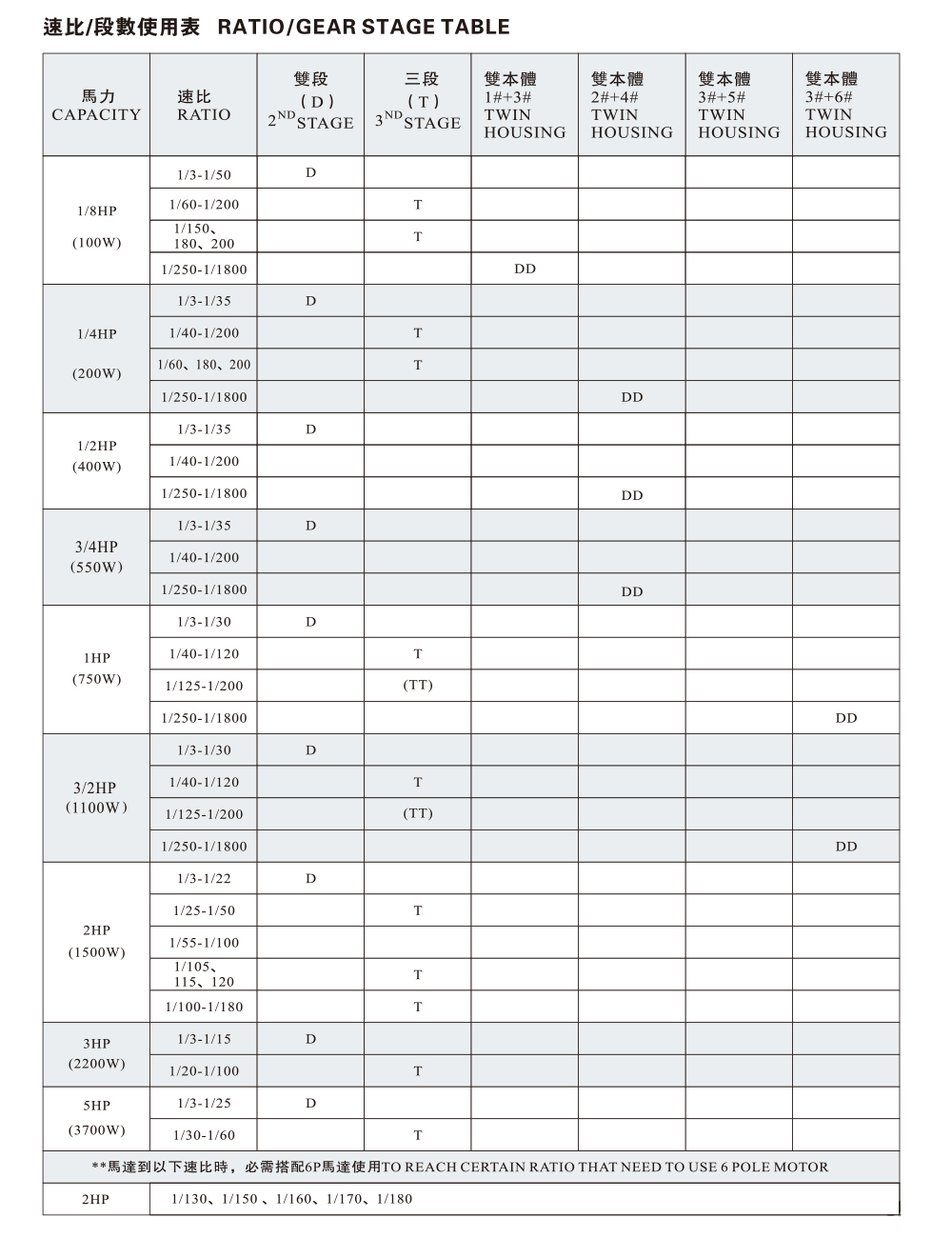
The CH, CV Ratio / Gear Stage Table provides standardized transmission ratio and gear stage information to support equipment selection and system desi...
See Details
Looking For Business Opportunity?
Request for a call today

Zhanpeng Machinery sincerely cooperates with people at home and
abroad to create common development and achieve win-win
results!
Contact Us
-
 sales@razhanpeng.com
-
 +86 13335770176
-
 No. 2807, Huaming Road, Ruian City, Wenzhou City,Zhejiang Province,China
Quick Links
Message


Copyright 2024 Ruian Zhanpeng Machinery Co., Ltd.
Gear Motor Factory


Contact Us