


 English
 中文简体
中文简体 عربى
عربى
Cat:Right-Angle
The Micro and Special Electronic Motor is designed for compact drive systems requiring reliable performance in limited installation spaces. Its small ...
See DetailsIn many machines, movement is not just about turning a shaft. What really matters is how that movement behaves under load, how smoothly it starts, and how well it stays controlled when conditions change. A Custom DC Gear Motor is often used in this kind of situation, where a basic motor alone cannot fully match the way the equipment is expected to run.
A DC motor on its own tends to rotate freely once power is applied, yet most real systems need something more controlled. Adding a gearbox changes that behavior. Speed drops, torque rises, and the output becomes more suitable for pushing, lifting, positioning, or feeding materials through a mechanical path.
The "custom" part is usually not about complexity, more about fitting. One machine may have limited space inside a housing. Another may need a very specific shaft direction or mounting angle. Some setups need smoother low-speed movement, while others need stable force at start-up. Instead of forcing the machine to adapt to a standard drive, the motor system is shaped around the actual working condition.
In practical use, this type of motor often appears in equipment that runs in repeated cycles. Movement starts, slows, pauses, then starts again. That kind of rhythm puts pressure on how stable the motor behaves across changing conditions, not just how powerful it is on paper.
Both DC and AC gear motors end up doing the same basic job: turning electrical energy into rotation. The path they take to get there is where things begin to feel different in real operation.
A Custom DC Gear Motor responds directly to the nature of the supplied current. When input changes, the rotation behavior can shift in a relatively immediate way. That is why DC-based systems are often chosen in setups where movement does not stay at one fixed rhythm for long periods.
An AC gear motor works through a different electrical pattern that is tied to alternating current. Instead of reacting in a direct step-by-step manner, it tends to follow a more steady operating rhythm once running conditions settle. In many industrial environments, that steady behavior is useful when machines are expected to keep running with fewer changes in speed.
From an operator's point of view, both motors spin shafts and move loads. The difference shows up more clearly when the system is pushed into real working conditions. A sudden load change, a stop-start cycle, or a shift in required speed can reveal how each type reacts.
It is less about which one is stronger, and more about how each one behaves when the work is not perfectly stable.
At a glance, many gear motor units look quite similar. A metal housing, a shaft output, and a gearbox section are usually present in both types. Inside that shell, the layout is shaped by different design priorities.
A Custom DC Gear Motor is often arranged with flexibility in mind. The motor body and gearbox can be adapted in position, size, or output direction depending on how the machine is built. In tighter installations, even small changes in shape or mounting can make a difference, so the structure tends to follow the equipment rather than forcing the equipment to follow it.
AC gear motors, on the other hand, are often designed around stable integration. The structure is typically aligned with standard installation patterns used in many machines, which makes it easier to replace or fit into existing systems without major adjustments.
Gearbox design also affects structure. Different gear arrangements change how torque is transferred and how compact the unit can be. Some setups focus on reducing speed more aggressively, while others aim to keep the structure compact even if output changes are less dramatic.
| Aspect | Custom DC Gear Motor | AC Gear Motor |
|---|---|---|
| Power input | Direct current | Alternating current |
| Structural flexibility | More adaptable to layout needs | More aligned with standard mounting |
| Motion response | Easier to adjust during operation | More stable once running |
| Integration style | Application-shaped design | System-aligned design |
| Typical focus | Adaptation and control | Consistency and continuity |
Speed behavior is one of the areas where differences become noticeable during daily operation, especially in machines that do not run at a fixed rhythm.
A Custom DC Gear Motor is often used where speed needs to shift during operation. A machine may slow down when positioning a component, then speed up when moving between stages, then slow again during final adjustment. That kind of movement pattern fits well with a system that responds easily to input changes.
AC gear motors are more commonly used in situations where speed does not change often during a cycle. Once the system reaches its operating state, it tends to stay there with less variation. When changes are needed, they are usually planned into the control system rather than adjusted frequently during use.
Speed control is not only about reaching a number. Smoothness matters just as much. Sudden changes in speed can create vibration, stress on gears, or uneven load behavior. In practice, the way the motor reacts during transition often matters more than the final speed itself.
So instead of asking how fast the motor can go, the more practical question becomes how it behaves when the speed needs to change under real load.
Torque is where real working power becomes visible. A motor may rotate easily without load, but once resistance appears, torque decides whether that motion can continue smoothly.
A gearbox plays a major role here. By reducing speed, it increases usable force at the output shaft. That is why gear motors are widely used in lifting, pushing, rotating, and controlled feeding systems where raw motor rotation alone would not be enough.
A Custom DC Gear Motor is often selected when load conditions are not constant. A machine might start light, become heavier during operation, then change again near the end of a cycle. In that situation, the way torque is delivered through the gearbox matters as much as total output capability.
AC gear motors follow similar mechanical principles once torque is transmitted through gears, yet the feel of acceleration and load response can differ depending on how the system is designed and controlled.
In real applications, torque considerations usually come down to a few working situations:
A system that manages these changes smoothly tends to feel more stable in real use, even when specifications look similar on paper.
In many machines, movement is only part of the task. Stopping at the right moment can be just as important, especially when position matters or when loads do not stop moving naturally.
An AC Brake Gear Motor adds a braking element to the normal gear motor setup. Instead of allowing the shaft to keep turning freely after power is removed, the brake helps bring motion under control more quickly and hold position when needed.
This becomes useful in systems where inertia plays a role. Even after the motor stops supplying power, mechanical parts may continue moving due to stored energy in the system. Without a braking function, that movement can affect positioning accuracy or create unwanted drift.
The braking function works alongside the motor and gearbox rather than replacing them. It simply changes how the system behaves at the end of a motion cycle.
Common situations where this setup appears include:
In practice, the quality of stopping is often treated as part of the motion design itself, not a separate detail added later.
Installation work for gear motors often looks similar at first, yet the practical details can differ once the system is placed into real equipment. A Custom DC Gear Motor is usually installed with more attention to layout matching, since its configuration may be adjusted to suit a specific machine structure. That can include shaft direction, mounting position, and spacing inside the housing area where the motor sits.
AC gear motors tend to follow a more standardized installation pattern, which makes replacement and integration into existing systems feel more straightforward in many industrial setups. The wiring side also reflects the difference in power supply type, so the surrounding control system is often arranged in a way that fits alternating current operation.
Maintenance behavior is less about frequent intervention and more about checking whether the system stays consistent over time. Gear wear, lubrication condition, and alignment between motor and load all play a role in long-term stability. When these elements are ignored, small changes in movement quality can slowly appear, even if the motor still runs normally.
In daily operation environments, attention is usually given to:
A stable installation tends to reduce maintenance effort later, while a poorly aligned setup often creates gradual performance changes that are harder to trace.
Energy use in motor systems is not only about power input, since operating pattern has a strong influence on how energy is consumed over time. A Custom DC Gear Motor often appears in systems where movement changes during operation, meaning energy use can rise and fall depending on speed and load conditions. When speed is reduced for positioning or controlled movement, energy demand may also shift accordingly.
AC gear motors are commonly associated with more continuous running conditions. In many cases, once the system reaches stable operation, energy usage follows a more consistent pattern. That does not mean it stays identical at all times, since load variation still affects consumption, yet the overall rhythm is often less variable compared with systems that adjust speed frequently.
In real equipment, energy behavior is influenced by several factors working together rather than a single element:
When a machine runs through repeated cycles with different motion stages, energy use tends to reflect that pattern. Systems with smoother operating rhythm often show more stable energy demand, while systems with frequent adjustment naturally shift more often.
Different working environments tend to favor different motion behaviors, not because one system is universally better, but because movement requirements vary from one application to another.
A Custom DC Gear Motor is often used in equipment where motion needs to adapt during operation. Machines that involve positioning, variable speed movement, or changing load conditions can benefit from that flexibility. In such environments, movement is rarely identical from one cycle to another, so the ability to adjust behavior during operation becomes useful.
AC gear motors are widely used in environments where operation remains steady for longer periods. Conveyor systems, continuous processing equipment, and machines with consistent load patterns often rely on stable rotational output rather than frequent adjustment.
There are also situations where braking functions become relevant, especially in systems that stop and start repeatedly or carry loads that must remain in position after movement ends. In those cases, AC Brake Gear Motor configurations are used to control stopping behavior more directly.
| Environment Type | Custom DC Gear Motor Use | AC Gear Motor Use |
|---|---|---|
| Variable motion systems | Frequently used | Less common |
| Continuous operation systems | Used in specific cases | Common choice |
| Positioning equipment | Often suitable | Used with control systems |
| Load holding systems | Sometimes used | Brake type often preferred |
| Simple drive systems | Used when adjustment needed | Common due to stability |
Many industrial systems are not limited to a single motor type, since different stages of operation may require different motion behavior within the same production line.
Choosing between a Custom DC Gear Motor and an AC gear motor is less about comparison in isolation and more about matching motion behavior to real working conditions. The decision usually starts with how the machine needs to move rather than how powerful the motor appears in specification terms.
One of the key considerations is how often speed needs to change during operation. Systems that require frequent adjustment in movement patterns tend to align more naturally with DC-based control behavior, while systems that operate at a steady rhythm may suit AC-driven setups.
Load variation is another important factor. When load changes significantly during operation, the way torque responds through the gearbox becomes important. Some systems require smoother adaptation to changing resistance, while others maintain relatively constant load conditions.
Installation space and mechanical layout also influence selection. A Custom DC Gear Motor may be shaped around space limitations or specific mounting requirements, while AC gear motors often follow more consistent structural patterns that fit standardized equipment layouts.
Practical decision points often include:
In many real applications, selection is not absolute. A single production system may use different motor types in different sections, depending on whether the task requires flexible movement, steady operation, or controlled stopping behavior.
The overall performance of a motion system often depends less on the motor type alone and more on how well the chosen drive matches the actual working rhythm of the equipment.
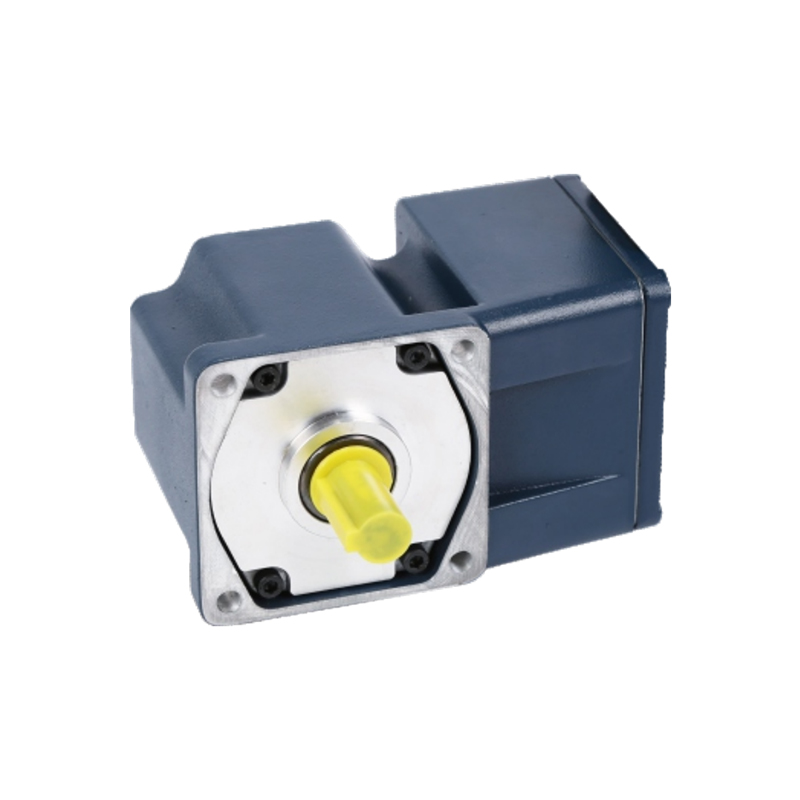
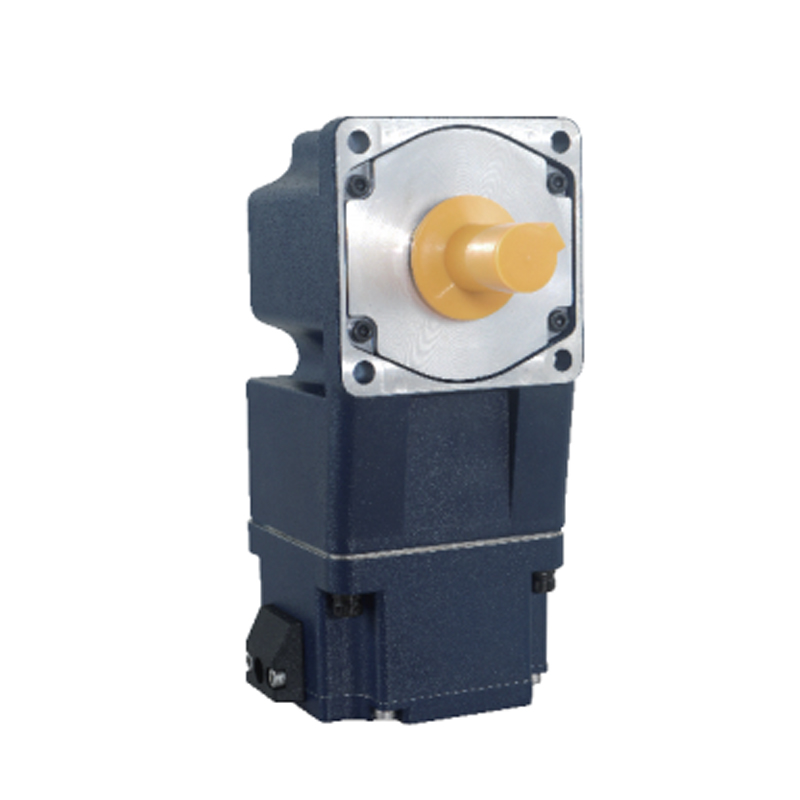
The Micro and Special Electronic Motor is designed for compact drive systems requiring reliable performance in limited installation spaces. Its small ...
See Details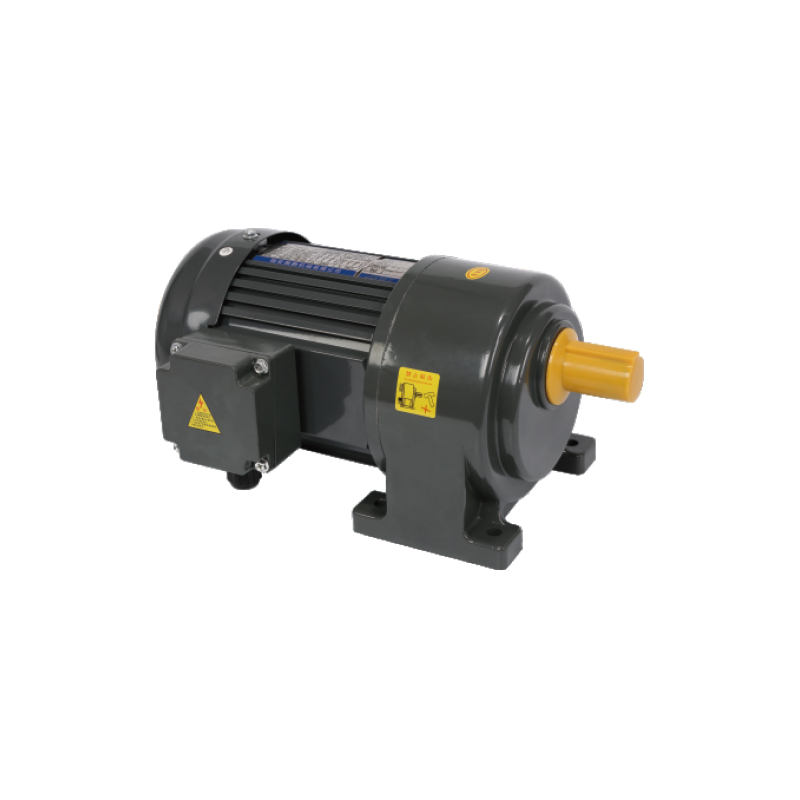
AC Brake Gear Motor is designed with an integrated braking system to ensure precise stopping and stable control during operation. This AC Gear Motor W...
See Details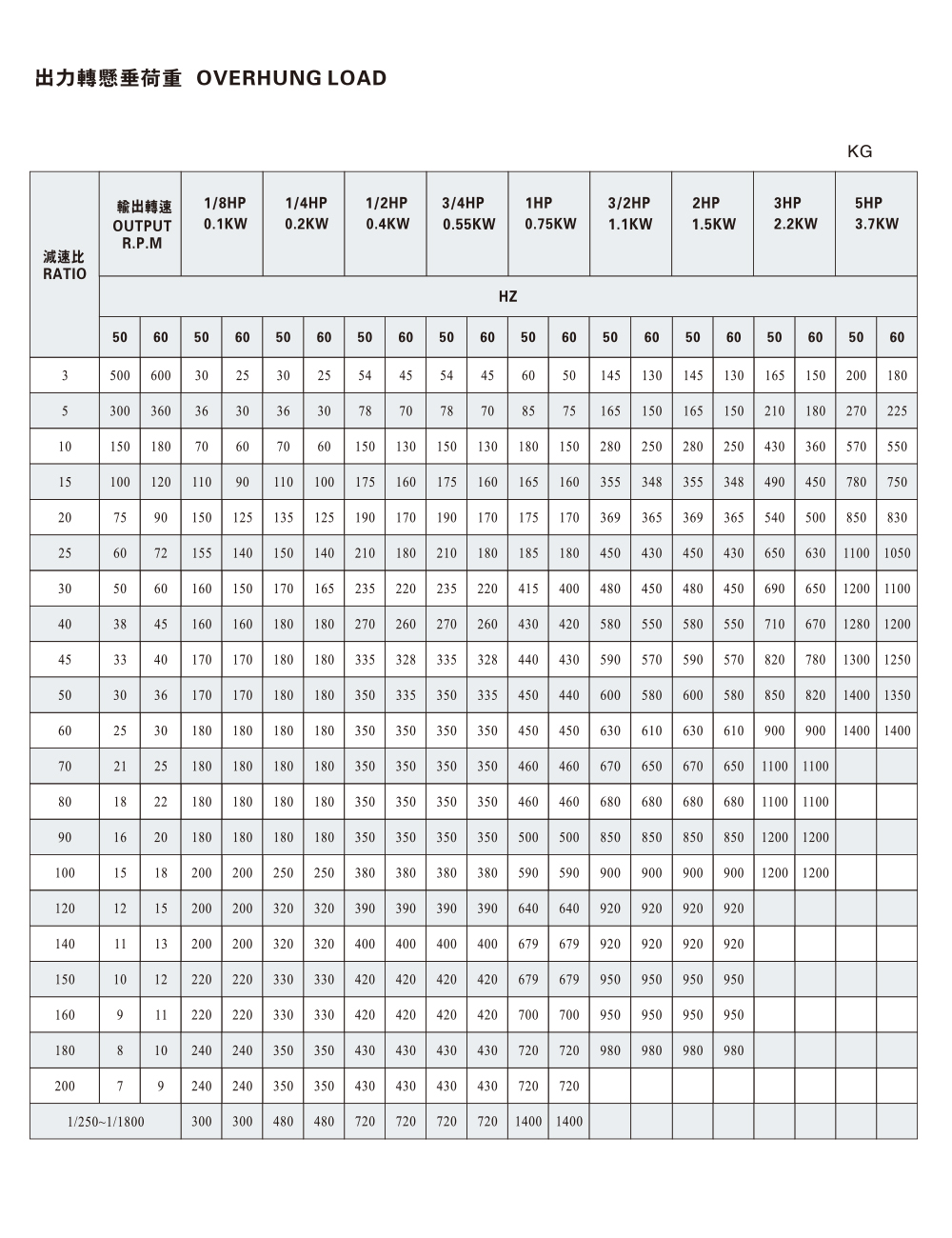
The CH, CV Overhung Load component is designed to provide reliable support and load management for transmission systems, helping improve the stability...
See Details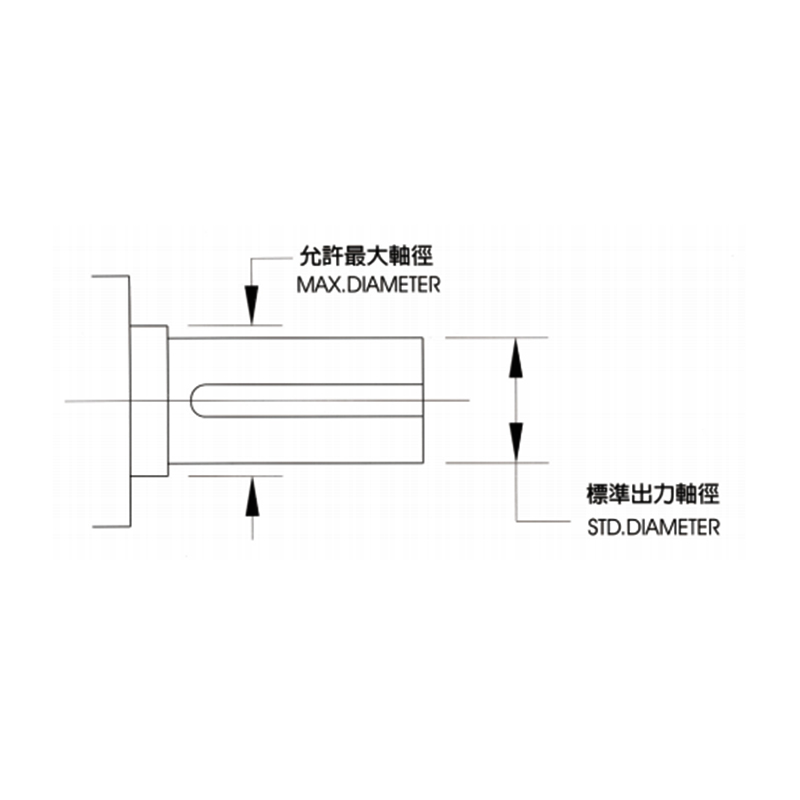
The CH, CV Available Max Output Shaft Diameter provides detailed reference data for selecting suitable shaft dimensions in transmission systems. It he...
See Details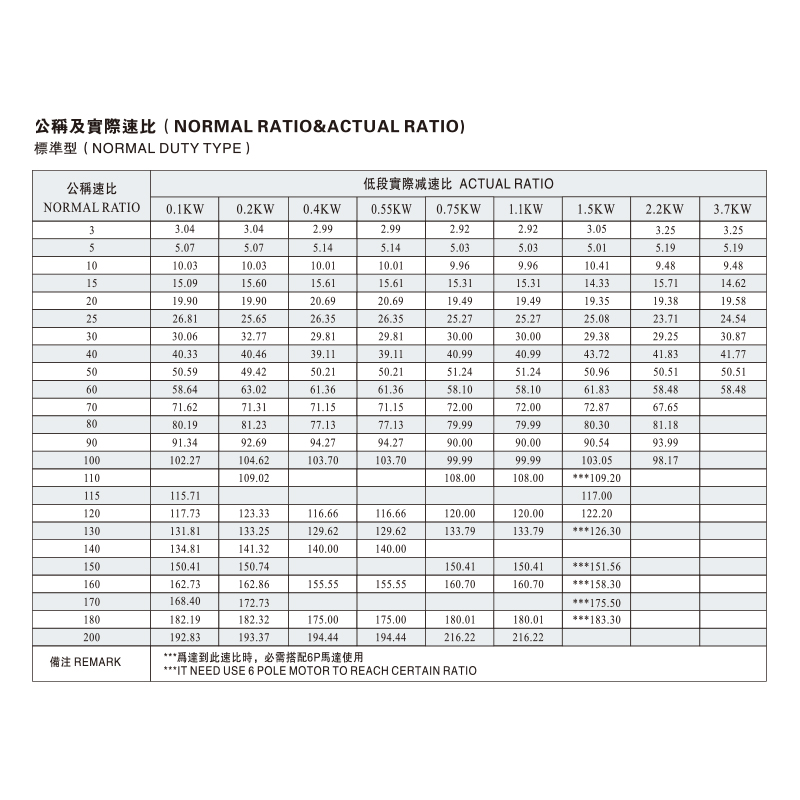
The CH, CV Normal Ratio & Actual Ratio provides accurate reference data for matching transmission requirements and optimizing reducer performance....
See Details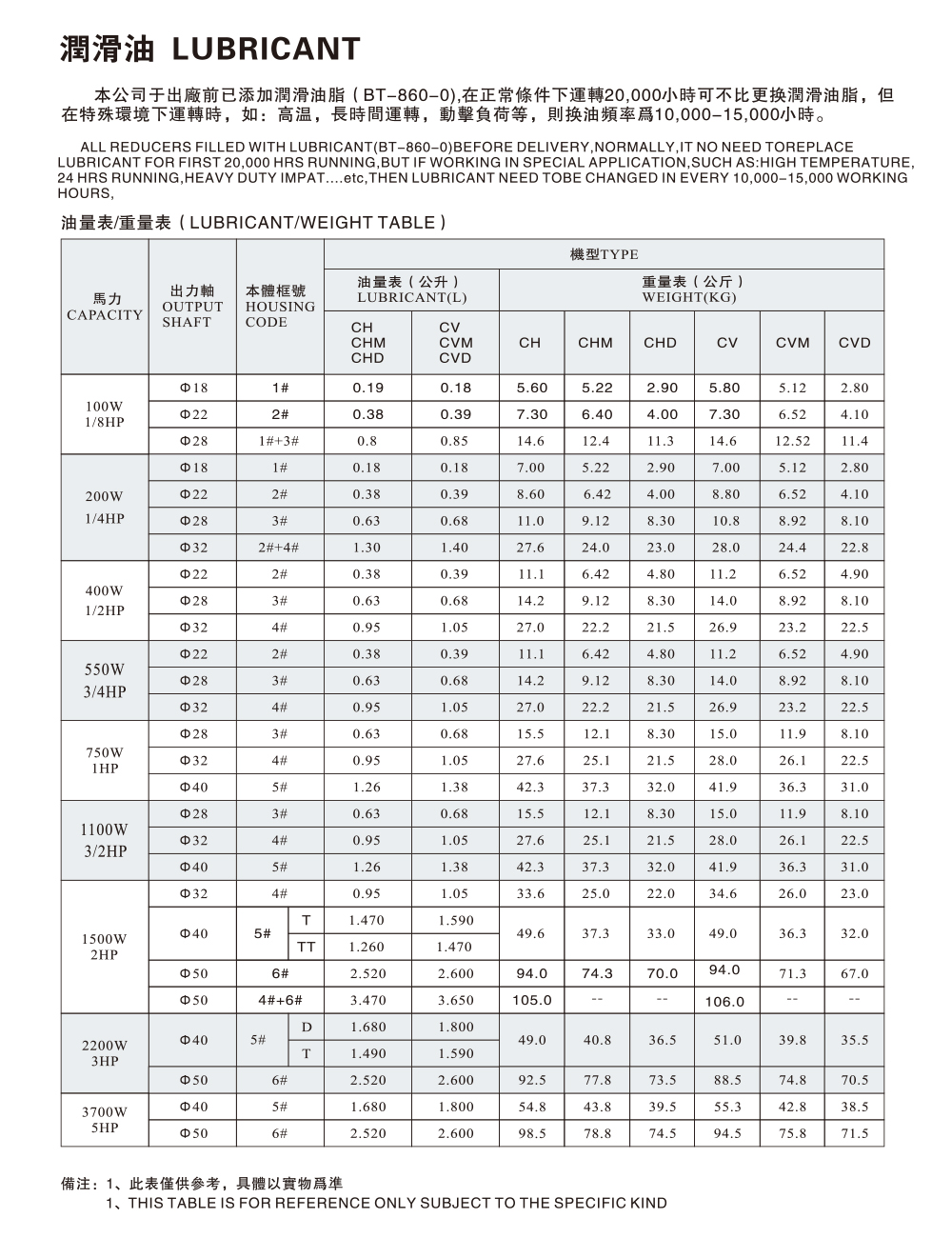
Our company has added lubricating grease (BT-860-0) before leaving the factory. It is not necessary to replace the lubricating grease after 20,000 hou...
See Details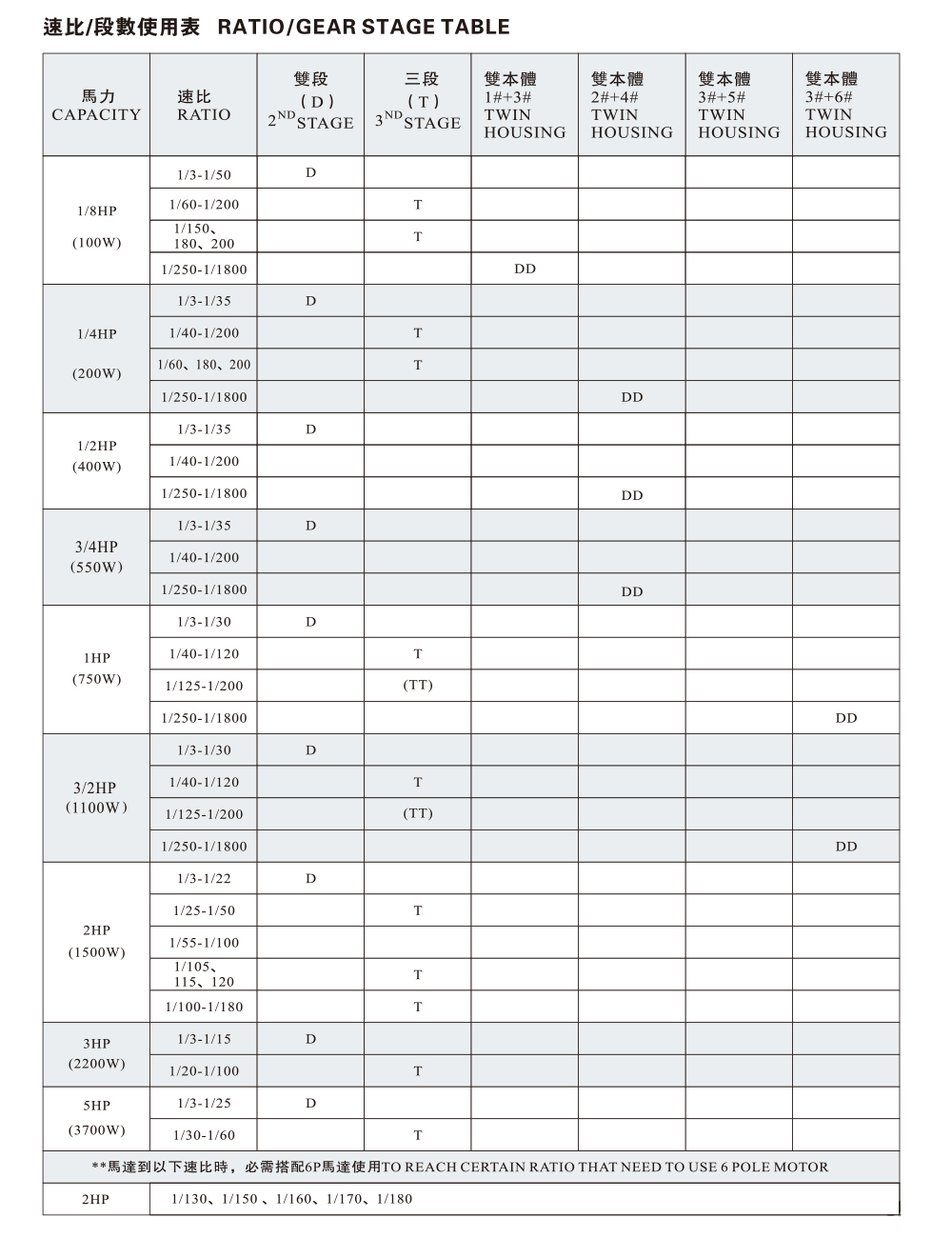
The CH, CV Ratio / Gear Stage Table provides standardized transmission ratio and gear stage information to support equipment selection and system desi...
See DetailsRequest for a call today

 sales@razhanpeng.com
 +86 13335770176
 No. 2807, Huaming Road, Ruian City, Wenzhou City,Zhejiang Province,China


Copyright 2024 Ruian Zhanpeng Machinery Co., Ltd.
Gear Motor Factory


Contact Us