


 English
 中文简体
中文简体 عربى
عربى
What Voltage Range a Custom DC Gear Motor Typically Accepts
A motor never really works alone inside a machine. It depends on the power source, control parts, mechanical structure, and the working environment surrounding it. Among all these factors, voltage compatibility stands out as one of the basic conditions shaping how smoothly a motor responds during operation.
A Custom DC Gear Motor typically gets designed around the needs of a specific application. Different equipment brings different power sources, operating habits, and space conditions along with it, so the acceptable voltage range rarely separates cleanly from the actual working situation on the ground.
Plenty of people look at voltage as just a value printed on a spec sheet. In practical use, though, voltage represents the relationship between motor and electrical system. A suitable power supply lets the motor receive energy in a stable way, while an unsuitable one can change how the motor starts, runs, or reacts once load conditions shift.
Before choosing a motor, a handful of questions genuinely deserve consideration:
- Where does the power actually come from?
- Will the equipment run continuously or only now and then?
- Does the load stay steady or change during operation?
- Are other electrical components sharing the same supply?
A clear grasp of these conditions helps sidestep problems that would otherwise surface during later assembly. The motor and the power system really need to work together rather than getting selected in isolation from each other.
Why a Motor Needs a Defined Voltage Working Range
Voltage shapes how electrical energy enters a motor. When input matches the motor's design requirements, energy transfer tends to stay easy to manage. When input drifts beyond the expected range, the motor may behave differently from what the original design intended.
Starting movement is one area where voltage conditions show up clearly. A motor needs enough electrical support to begin turning, especially once connected to a mechanical load. After movement begins, demand can shift depending on resistance, operating speed, and working conditions overall.
A stable voltage range helps maintain a predictable relationship between electrical input and mechanical movement across the board.
A few points connect closely with voltage selection:
- Starting ability depends on available electrical support
- Running conditions get shaped by continuous power input
- Load changes may raise or lower electrical demand
- Long operating periods call for attention to heat and energy balance
Voltage isn't only about whether a motor can move at all. It shapes how the motor behaves throughout the whole working process too. A system designed without weighing voltage conditions carefully may end up needing additional adjustments further down the line.
For equipment designers, voltage planning often begins well before the motor gets installed. The available power source, control method, and expected workload all feed into determining a suitable electrical arrangement from the outset.
How the Suitable Voltage Range Gets Decided During Motor Development
Choosing a voltage range usually starts with understanding the equipment rather than picking a motor in isolation. A small portable device and a fixed machine might both use a DC motor, yet their power requirements can end up quite different from each other.
A battery‑powered product may need a motor that keeps working across changing energy levels during use. A fixed installation tends to focus more on stable power delivery instead. Because applications differ this much, motor design often follows the actual conditions the equipment will face in operation.
A Custom DC Gear Motor lets designers weigh these differences during the planning stage rather than after the fact. Instead of applying the same electrical setting everywhere, the motor can get matched to its intended working environment directly.
A number of factors can influence voltage selection:
- Available power source type
- Required movement speed
- Mechanical load conditions
- Operating frequency
- Surrounding installation space
Equipment used in a mobile environment, for instance, may place more weight on power supply flexibility, while equipment installed in a fixed location tends to focus more heavily on consistent operation instead.
The process really isn't just about landing on a voltage value. It involves looking at the complete system and understanding how electrical input ends up supporting the final mechanical task.
What Happens When Supplied Voltage Doesn't Match the Motor Requirement
A mismatch between power supply and motor requirement can affect operation in several different ways. Problems don't always show up right away, which is exactly why electrical matching deserves attention during the design stage rather than after installation.
When supplied voltage runs lower than expected, the motor may respond more sluggishly or struggle with certain loads. The equipment may still operate, sure, but movement consistency tends to become harder to maintain over time.
When supplied voltage runs higher than suitable, the motor may face additional electrical stress instead. That extra energy input can drive up heat generation and accelerate component wear during operation.
Possible effects include:
- Changes in starting response
- Unstable movement under shifting loads
- Increased heat during operation
- Reduced consistency across long working periods
The surrounding system plays a role here too. A motor connected with controllers, batteries, or other electrical parts needs coordination across each component involved. Suitable voltage conditions help different parts communicate and operate together more naturally as a result.
Checking voltage before installation is a simple step that can head off later adjustments entirely. It lets designers and technicians confirm the motor genuinely fits the actual working environment ahead of committing to it.
How Different Power Supply Environments Change Motor Selection
Power sources shape motor requirements because each environment brings its own set of operating conditions. A motor paired with a battery doesn't face quite the same situation as one connected to a fixed electrical source.
| Power Supply Environment | Common Situation | Design Consideration |
|---|---|---|
| Battery‑powered equipment | Portable devices with changing power levels | Matching motor operation with available energy |
| Fixed electrical equipment | Stable workplace installations | Coordinating with existing power supply |
| Mobile machines | Equipment that moves during use | Balancing space, weight, and electrical needs |
| Automated systems | Equipment with coordinated control | Matching motor response with control requirements |
Battery‑powered systems often need real attention to energy changes during use. As battery condition shifts, available power can shift right along with it, which can influence motor behavior in turn.
Fixed power environments usually offer a more stable source overall, though the motor still needs to match equipment requirements and operating conditions rather than being treated as an afterthought.
Mobile applications bring another consideration into play, since available space often runs limited. The motor, power source, and control parts all need to fit together within the equipment structure without crowding each other out.
A suitable electrical design really starts with understanding where and how the motor will actually be used. The same voltage approach won't necessarily fit every application, which is exactly why early planning carries real weight in the process.
Why Load Condition Affects Voltage Requirements
Voltage selection ties closely to the mechanical work a motor needs to complete. A motor rarely operates under one fixed condition throughout its entire working process. Starting, stopping, changing direction, handling different levels of resistance — all of it can influence electrical demand at different moments.
A motor starting from a stopped position usually needs a different amount of support compared with one maintaining regular movement already. Mechanical parts connected to the motor can create resistance, and shifts in that resistance affect how much electrical energy actually gets required.
For equipment designers, understanding the expected load condition helps build a better connection between power source and motor from the outset. A power supply matching normal working conditions lets the system operate in a noticeably more stable way.
A few load‑related factors deserve real attention:
- Starting movement may call for additional electrical support
- Continuous operation may create different energy requirements
- Mechanical resistance can shift during actual use
- Frequent movement changes may influence power demand
A Custom DC Gear Motor gets considered together with the expected load rather than treated as an independent component. Gear structure, working speed, connected equipment — all of it shapes how voltage gets used during operation.
Load planning also helps sidestep situations where the electrical system gets selected based purely on basic movement requirements. Equipment carrying changing loads may need different consideration entirely from equipment performing simple, repeated movement.
Which Electrical Factors Should Get Checked Besides Voltage
Voltage matters plenty in motor selection, though it's hardly the only electrical factor shaping operation. A complete power system involves several connected elements, and each part can influence the final working condition in its own way.
Power supply stability deserves genuine attention here. A source that fluctuates frequently may affect motor response, especially in equipment requiring steady movement throughout. Stable electrical conditions generally make system adjustment easier down the line.
Connection quality matters too. Poor connections, unsuitable cables, loose contact points — any of it can create unnecessary energy loss between power source and motor.
A few electrical details are worth reviewing carefully:
- Stability of the power source
- Condition of electrical connections
- Compatibility between motor and control parts
- Cable arrangement within the equipment structure
Cable length and installation position can influence electrical performance as well. In some applications, distance between power source and motor introduces additional considerations during system planning.
Another point worth noting is the relationship between motor and control system. A motor may need to work alongside speed adjustment, movement control, or other electrical functions. Proper coordination helps create smoother operation and cuts down on unnecessary changes during installation.
Electrical planning tends to work better when all connected parts get considered together rather than separately. Focusing only on the motor while ignoring the surrounding system can create real difficulties during later testing.
How Designers Can Reduce Voltage‑Related Problems Before Installation
Plenty of voltage‑related problems can get reduced during the early design stage itself. Once equipment enters production or assembly, changing electrical arrangements often requires substantially more work.
Checking the available power source before selecting the motor makes for a practical starting point. The motor should match the actual environment it'll operate in, rather than getting chosen from general requirements alone.
Testing the relationship between motor and power supply also provides useful information. A motor performing well under one condition may react differently once connected to another system carrying different electrical characteristics.
Early planning usually involves a handful of steps:
- Confirm the available power source
- Review expected operating conditions
- Check compatibility with control components
- Consider future replacement needs
Documentation plays a genuinely useful role too. Clear records of voltage requirements, connection methods, and operating conditions can make future maintenance considerably easier.
Flexibility deserves consideration as well. Equipment may receive modifications during its service life, and leaving reasonable adjustment space in the electrical design can reduce difficulties that would otherwise surface later.
A well‑planned system doesn't rely on one component working in isolation. Motor, power source, and control parts need to form a genuinely coordinated structure together.
What Questions Should Be Asked Before Finalizing a Custom DC Gear Motor Choice
Before settling on a motor for equipment, several practical questions can help define suitable electrical requirements clearly. These questions connect not only to voltage but to the whole environment the motor will operate within.
The power source makes for an important starting point. Battery systems, external power supplies, integrated electrical systems — each can create different conditions for motor operation.
Working pattern deserves consideration too. Equipment running occasionally may carry different requirements from equipment operating for long periods without interruption.
Worthwhile questions include:
- What type of power source will support the equipment?
- How often will the motor operate during normal use?
- Will the mechanical load stay stable or shift over time?
- Are control components connected with the motor?
- Will maintenance require easy access to electrical parts?
A Custom DC Gear Motor should fit the complete equipment design — electrical conditions, mechanical requirements, installation environment, all of it together. A clear grasp of these factors helps build a more suitable connection between motor and system.
Voltage planning isn't purely a technical selection step. It's part of the wider equipment design process as a whole. When power supply conditions, load changes, and operating habits get considered together, the motor ends up working within a genuinely more suitable environment.
Careful electrical preparation helps avoid unnecessary adjustments after installation and supports smoother cooperation between different parts of the equipment. A practical motor selection process really begins with understanding the system surrounding the motor, rather than fixating on one specification in isolation.
Related Products
-
-
Cat:Right-Angle
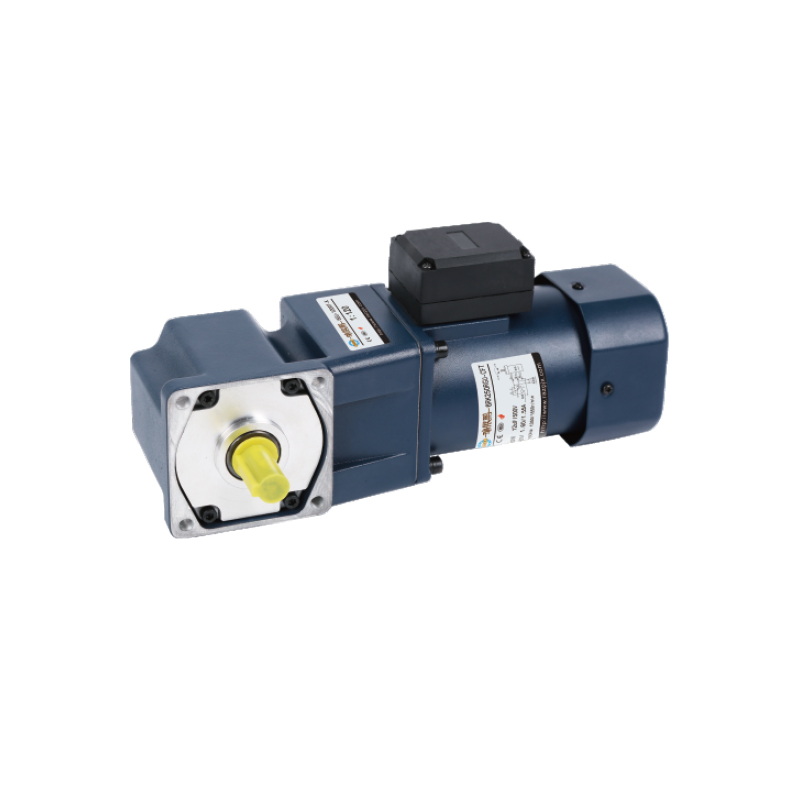
The 100mm 120W/140W VT Reduction Motor is designed for compact transmission systems requiring stable torque output and controlled operating speed. Fea...
See Details -
Cat:Right-Angle
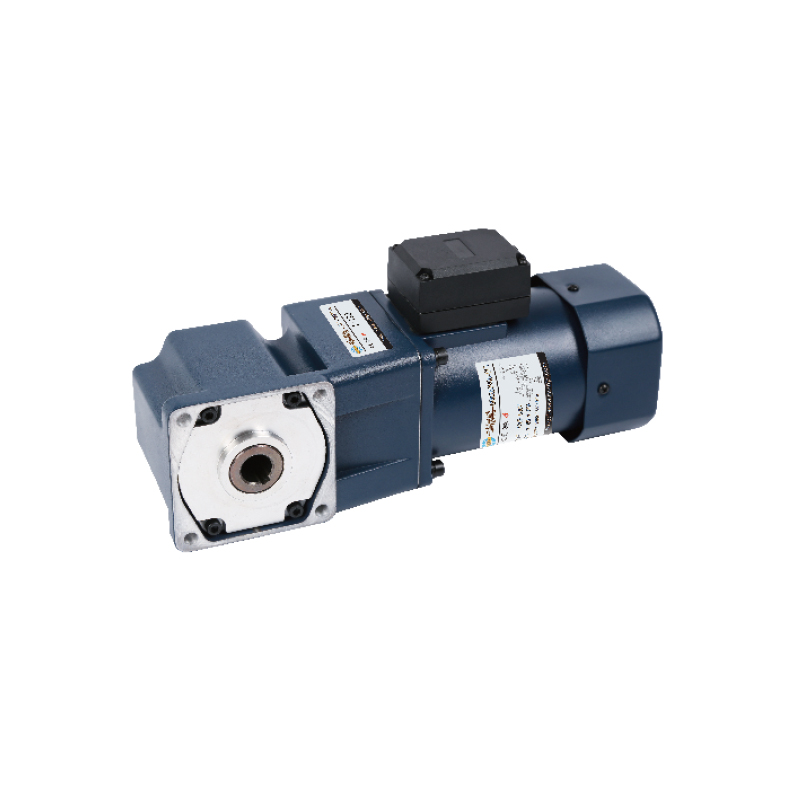
Electric Reduction Motor is designed for stable torque output and controlled low speed operation. This AC Gear Motor Low Rpm provides efficient power ...
See Details -
Cat:CH
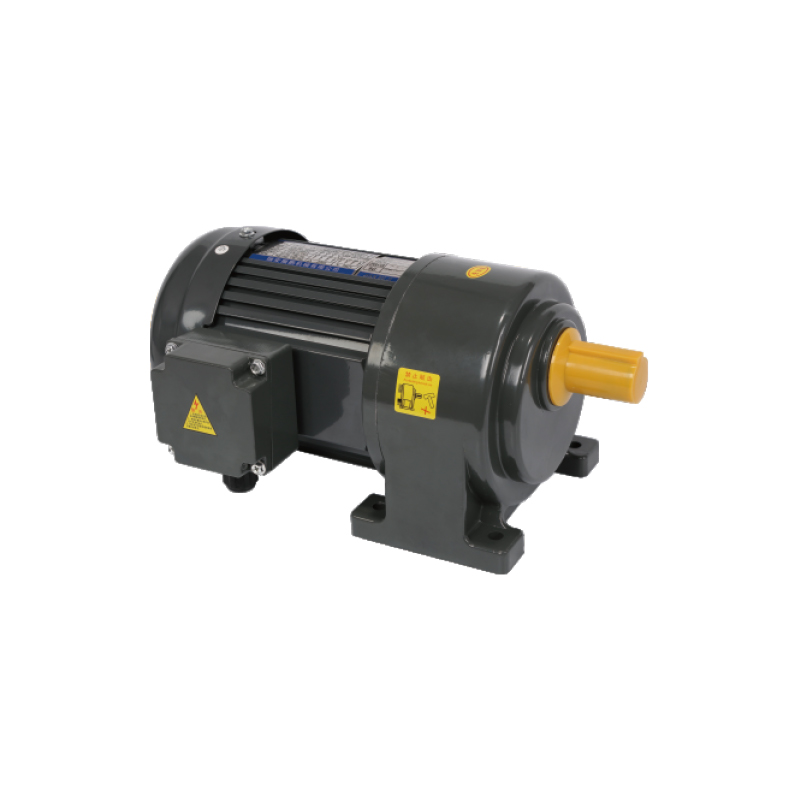
Small AC Gearmotors are designed for compact power transmission with stable torque output and efficient performance. These Fractional HP Gearmotors ar...
See Details -
Cat:CH
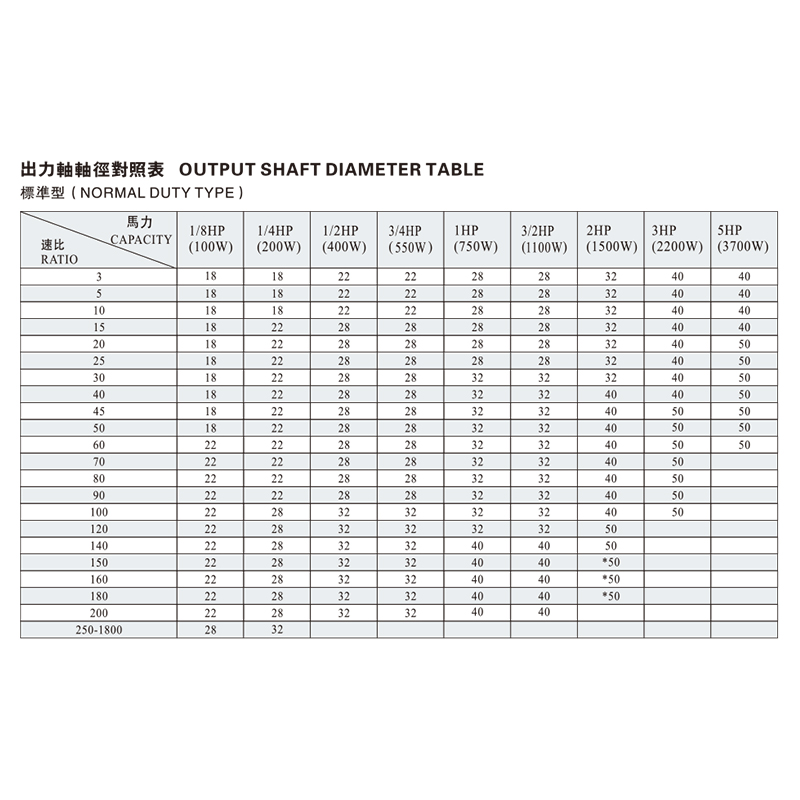
The CH, CV Output Shaft Diameter Table provides standardized dimensional data for selecting compatible transmission components and mechanical assembli...
See Details
Looking For Business Opportunity?
Request for a call today

Zhanpeng Machinery sincerely cooperates with people at home and
abroad to create common development and achieve win-win
results!
Contact Us
-
 sales@razhanpeng.com
-
 +86 13335770176
-
 No. 2807, Huaming Road, Ruian City, Wenzhou City,Zhejiang Province,China
Quick Links
Message


Copyright 2024 Ruian Zhanpeng Machinery Co., Ltd.
Gear Motor Factory


Contact Us