


 English
 中文简体
中文简体 عربى
عربى
Cat:Right-Angle
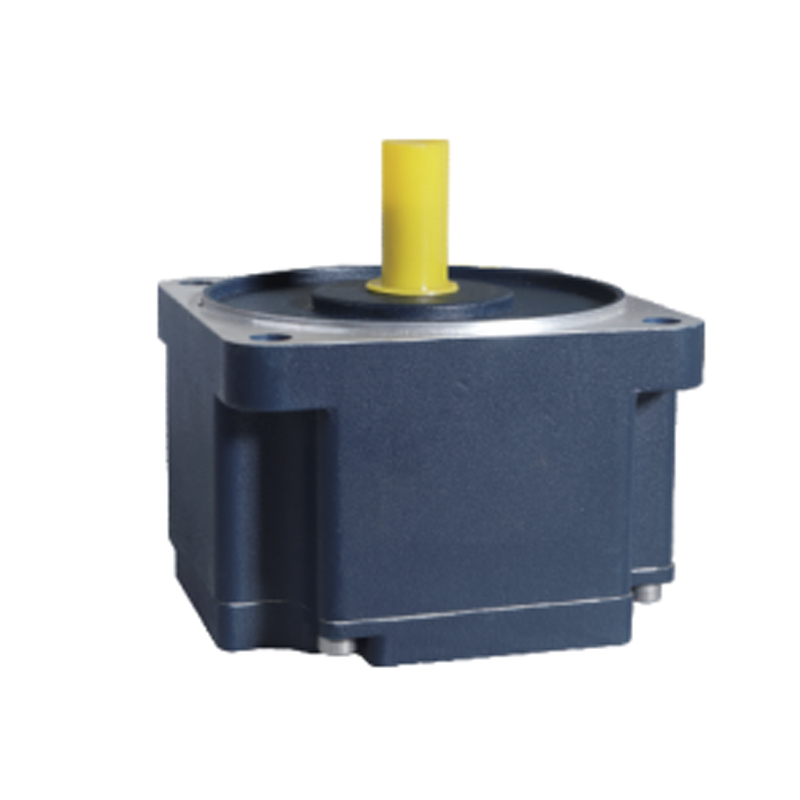
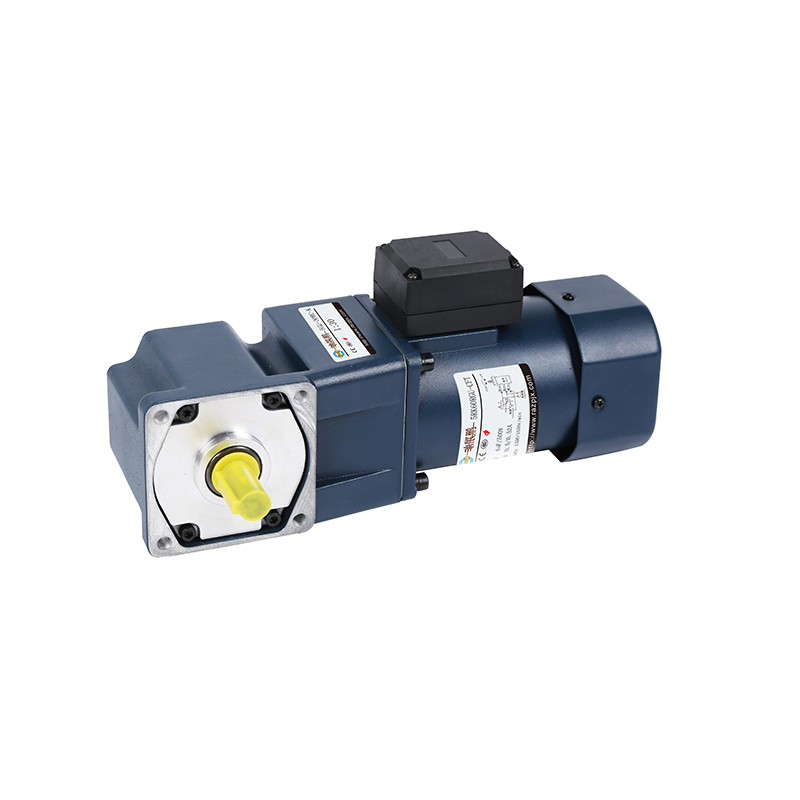
The 90mm 60W VT Reduction Motor is designed for compact equipment that needs a bit more power while keeping a small installation size.It handles autom...
See DetailsConnect an Industrial DC Gear Motor to one power source, and it runs smoothly. Connect that same motor to another supply with identical voltage and current ratings, yet the experience can differ noticeably. The motor may start sluggishly, struggle under load, or generate unexpected heat. Observing this behavior raises an obvious question—what changed?
The answer lies in how power supplies deliver their rated output. Two units with identical specifications on paper may behave quite differently in practice. One might maintain stable voltage under load while the other dips significantly. One might handle brief overloads gracefully while the other trips or folds back its output. These differences directly affect how the motor starts, runs, and responds to changing demands.
Performance variation goes deeper than nameplate numbers. The internal design of the power supply—its control loop response, its energy storage capacity, its thermal characteristics—all shape how the motor experiences power delivery. Understanding why identical motors in similar applications may need different supplies requires looking beyond the surface ratings.
The motor itself has no way of knowing what power source it connects to. It simply draws what it needs. When the supply cannot deliver those needs promptly, the motor responds with reduced performance. The interaction between supply characteristics and motor demands determines the overall experience. A mismatch that is acceptable in one setting may prove problematic in another.
Those first moments after power application reveal a lot about the supply‑motor relationship. The sequence begins when voltage appears across the motor terminals. Current immediately flows into the windings, and the motor begins to develop torque. The gearbox, connecting the motor to the load, adds its own rotational characteristics to the system.
During that initial instant, the motor draws significantly more current than it will once running. The starting phase demands energy to overcome the inertia of both the rotor and the driven load. Motionless components resist movement more strongly than those already turning. Current levels in those first seconds can far exceed the running current.
The gearbox changes how the motor experiences the load. Gearing multiplies torque but also reflects the load's inertia back to the motor. A high gear ratio makes the load feel lighter to the motor, reducing starting current. A low ratio demands more motor effort to get things moving. The gearbox becomes a factor in determining what the power supply must deliver during startup.
Operators notice when the supply cannot support the starting phase. The motor may hesitate before turning. The acceleration might feel weak or uneven. In worse cases, the supply's protection circuitry may activate, cutting power before the motor reaches running speed. The smoothness of those first few seconds provides immediate feedback about the sizing decision.
Navigating motor specifications to select an appropriate power supply requires knowing which numbers matter and which do not. Data sheets contain ample information, yet not every rating serves as a useful guide for sizing the power source.
The running current rating provides the baseline. Motor manufacturers specify the current drawn under normal operating conditions, typically at rated load. Power supplies must at least match this value for continuous operation. Going beyond this basic match requires some judgment.
Another specification relates to what occurs during startup. Some motor data sheets include starting current ratings or indicate the ratio between starting and running current. Other sheets omit this detail entirely. Starting current matters because it imposes momentary demands that the power supply must accommodate without faulting.
Temperature ratings and duty cycle information also inform selection. Motors designed for continuous operation draw current across extended periods. Motors intended for intermittent duty see more thermal cycling. Both factors affect how the power supply performs and what capacity proves sufficient.
| Specification | What It Indicates |
|---|---|
| Nameplate current | The current under normal full‑load operation |
| Starting current ratio | How much extra current is needed during startup |
| Thermal protection rating | Built‑in safeguards and their effect on motor operation |
| Duty cycle | Expected pattern of running and rest periods |
| Insulation class | Thermal limits that affect allowable operating conditions |
Reading a motor data sheet with power supply selection in mind means asking what each specification implies for the power source. Some ratings matter more depending on the application—a motor in an infrequent‑duty application may need less supply consideration than one running continuously.
Motors rarely run under a single unchanging condition. They start, they stop, they change speed, they reverse. Each movement pattern imposes different demands on the power supply. The intended duty cycle shapes the sizing decision as much as the motor's nameplate does.
Continuous rotation represents one type of duty. The motor runs in one direction, at a relatively constant speed, for extended periods. The power supply must provide steady current at a consistent voltage over time. Thermal accumulation in both motor and supply occurs gradually.
Intermittent operation changes the picture entirely. Frequent starts and stops mean the motor repeatedly draws starting current. Each start demands a burst of energy from the supply. If those starts happen often enough, the power supply must deliver that burst repeatedly without overheating or tripping.
Reversing duty adds another dimension. When the motor changes direction, it often passes through a braking phase before accelerating in the opposite direction. That braking may return energy to the supply or draw additional current, depending on the control method. The power supply must handle whatever the control scheme demands.
Duty cycle information often gets overlooked during selection. Many specifiers focus on the motor's rating without considering how its movement pattern affects the supply. A motor that draws modest running current but starts frequently may stress the supply more than one running continuously at higher current.
The motor drives a mechanical load, and that load determines how much power the motor needs. Understanding the relationship between physical load and electrical draw is essential for proper sizing.
The physical load translates into electrical current draw through the motor's torque‑current characteristic. Higher torque demands increase current draw. The load's inertia affects starting current—more inertia means more current during acceleration. A motor turning a high‑inertia load will draw more current during startup than one driving a low‑inertia load.
Loads rarely remain constant during operation. Some applications impose varying loads as the machine cycles through different phases. Others involve loads that change with speed or position. The power supply must handle the motor's current draw under all these conditions. Sizing to the running current alone may prove insufficient when the load increases.
The following considerations help characterize the load for power supply sizing:
Designers who focus exclusively on motor specifications while ignoring load characteristics often end up with mismatched systems. The motor's current draw reflects the load it drives. Without understanding that load, the power supply selection remains incomplete.
Operating environments differ quite a bit across facilities, and those differences affect how both motor and supply actually perform. Temperature stands out as a significant factor here. Motor windings generate heat during operation, and the power supply produces its own thermal output alongside that. As ambient temperatures climb, the ability of both components to shed heat tends to shrink.
Heat affects electrical resistance in fairly predictable ways. Higher temperatures raise winding resistance, which increases current draw for the same torque output. The motor ends up demanding more from the supply right when the supply itself faces reduced cooling capacity. This compounding effect means a supply working fine in a controlled environment can prove insufficient in warmer settings.
Ventilation availability shapes thermal capacity as well. Supplies installed in enclosed cabinets or confined spaces see less air movement than those sitting in open areas. Heat accumulates rather than dissipating away. Effective sizing accounts for actual installation conditions rather than assuming ideal ventilation will always be there.
Altitude introduces another environmental variable worth weighing. At higher elevations, air density drops, reducing cooling effectiveness for air‑cooled equipment. The same power supply rated for sea‑level operation may need derating once installed at altitude. Understanding these derating requirements helps avoid installations that look fine on paper but fall short in practice.
Power leaving the supply terminals doesn't all arrive at the motor intact. Losses occur along the path, and those losses eat into delivered power. Voltage drop along cables represents a common source of this. Every conductor carries resistance, and current flowing through that resistance causes voltage to drop across the cable length.
Longer cables produce greater voltage drop. The relationship between cable length and voltage drop matters especially during startup, when current draw spikes. A motor receiving reduced voltage during starting may struggle to accelerate, or draw even more current trying to compensate for the shortfall. The supply might look adequate when measured right at its terminals yet fail to deliver enough power once it reaches the motor.
Multiple connections and terminations add cumulative losses along the way. Each terminal connection introduces a small resistance of its own. Several connections in series can produce noticeable voltage drop when stacked together. Distribution panels, protection devices, disconnect switches — all of it contributes to the total path resistance.
Cable sizing affects current‑carrying capacity and voltage drop directly. Undersized cables raise resistance and reduce delivered voltage. Oversized cables cost more and take up more space but keep losses to a minimum. Selecting appropriate conductors means weighing both current levels and the length of the run together.
Reserve capacity offers real operational peace of mind, yet overdoing it carries its own drawbacks. Larger supplies cost more, take up more space, and consume more energy even under light loads. Finding an appropriate margin means balancing genuine need against unnecessary excess.
Certain factors genuinely justify additional capacity. Applications with frequent starts, high‑inertia loads, or variable operating conditions benefit from carrying some reserve. Environments with temperature swings or questionable power quality warrant consideration too. Each factor adds its own weight to the case for extra margin.
A reasonable margin accommodates normal variation without tipping into extravagant overcapacity. Experienced practitioners often select supplies rated somewhat above the motor's nameplate rating. The exact percentage depends on the application and the practitioner's own judgment built from experience.
Waste begins once excess capacity serves no real purpose. A supply twice the needed size consumes more floor space and costs more without delivering any corresponding benefit. The supply runs at lower efficiency when lightly loaded, wasting energy in the process. Proper sizing means selecting capacity appropriate to actual needs, not arbitrary multiples chosen out of caution alone.
Certain symptoms reveal when a power supply doesn't meet motor demands well. Watching for these signs helps catch mismatches before they turn into outright failures.
During starting, an undersized supply can cause sluggish acceleration. The motor turns slowly, struggles to reach speed, or fails to start at all. Supply voltage may sag significantly under starting load, and protection circuitry might trip in response.
During running, an inadequate supply can affect torque output noticeably. The motor may fall short of expected performance under load. Speed may fluctuate, heat may build up in the motor, and current readings may run past expected values. The supply itself may run hot or produce audible noise under load too.
Thermal performance offers another useful indicator. A supply running consistently hot under normal operation may be working beyond its comfortable range. Thermal protection may cycle on and off repeatedly, or the unit may shut down entirely during heavy use.
Some observable signs a power supply may not be well matched include:
Power supply sizing involves plenty of numbers, yet the best calculations still can't replace genuine application knowledge. Specifications provide a useful starting point, but the real decision emerges from understanding what the motor actually does in service.
The motor's nameplate tells one story. The load reveals another. Installation conditions add further context on top of both. Combining these sources of information yields a far more complete picture than any single data source alone could offer. Practitioners weighing the entire system rather than the motor in isolation tend to make better sizing decisions.
Field experience shapes practical sizing decisions in ways calculations simply can't replicate. Engineers who've worked with similar applications know what tends to work and what doesn't. They recognize patterns and anticipate challenges that specifications alone wouldn't reveal.
Motors carrying identical specifications can require different supplies once installed in different applications. A motor driving a light, constant load needs less supply capability than one running heavy, variable‑duty service. The application context shifts the sizing requirement even when the motor itself stays the same.
The value of understanding the entire system extends well beyond the initial selection moment. Sizing decisions made with genuine system awareness tend to hold up better over time. They accommodate normal variation without failure and need less adjustment during commissioning. Knowledge of the total system, not just the motor sitting at its center, drives successful power supply selection in the end.
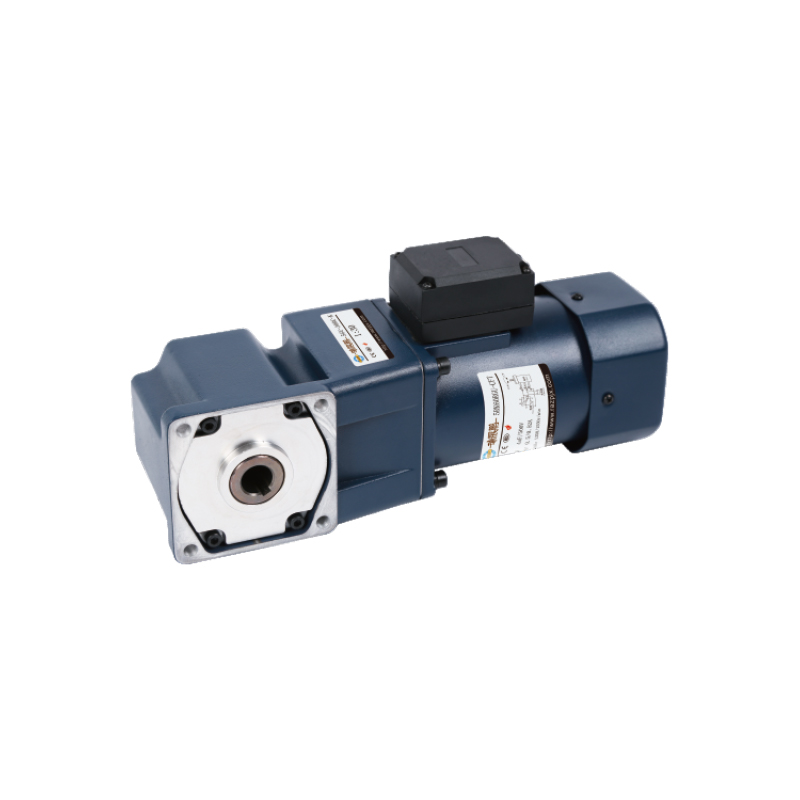
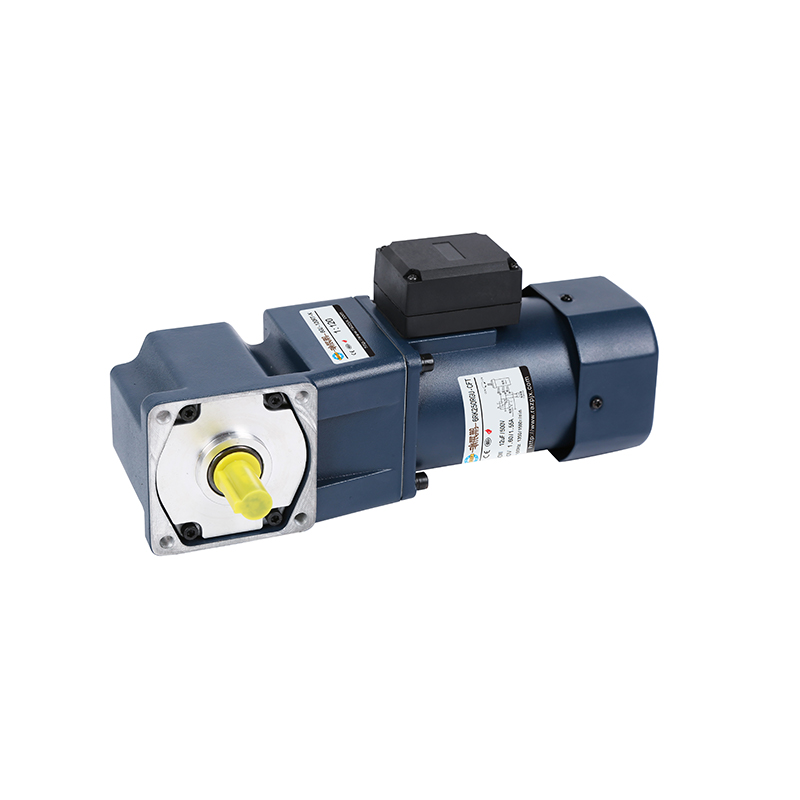
The 90mm 60W VT Reduction Motor is designed for compact equipment that needs a bit more power while keeping a small installation size.It handles autom...
See Details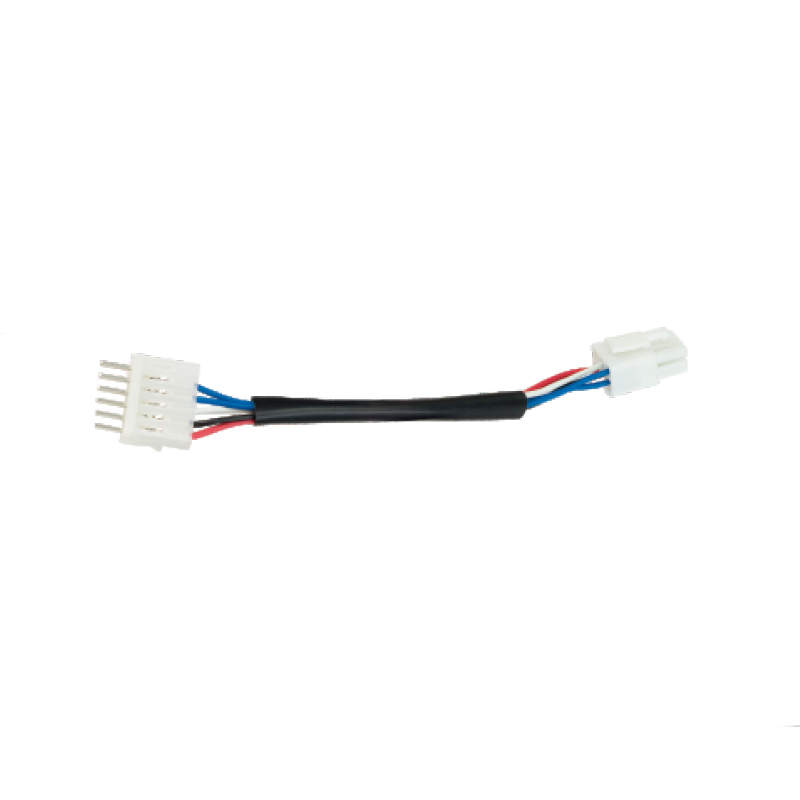
Prolonging line used between speed motor and controller.Additional sale product.When buying the controller, there will be a prolonging line with 0.5 m...
See Details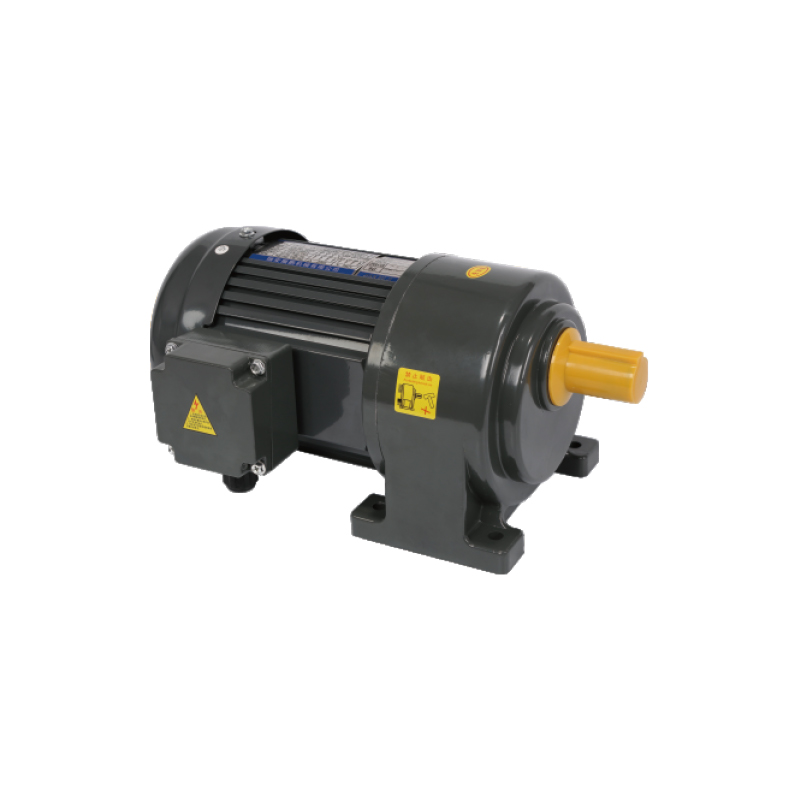
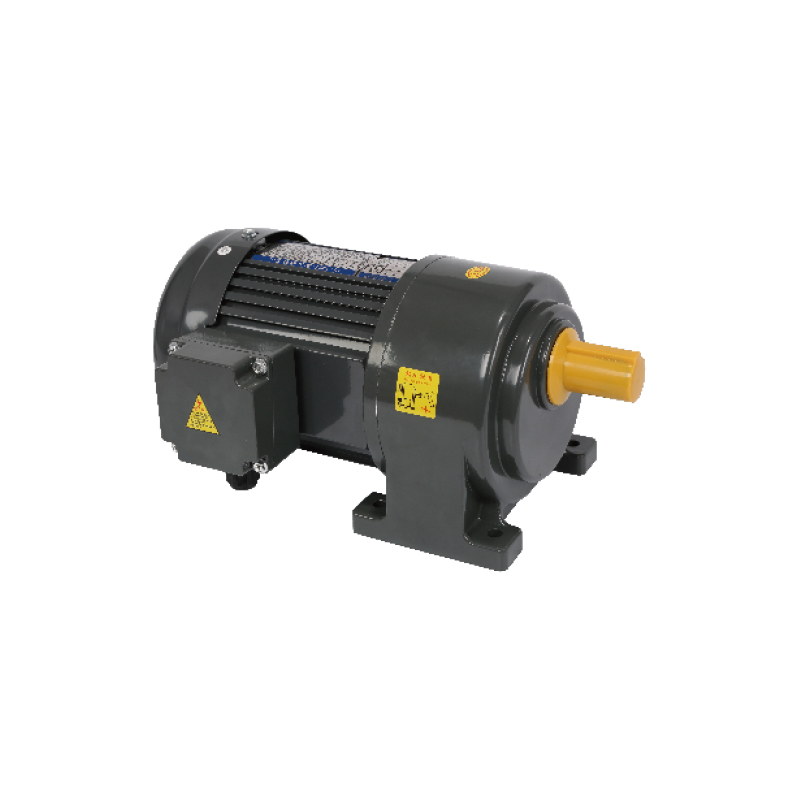
Small AC Gearmotors are designed for compact power transmission with stable torque output and efficient performance. These Fractional HP Gearmotors ar...
See Details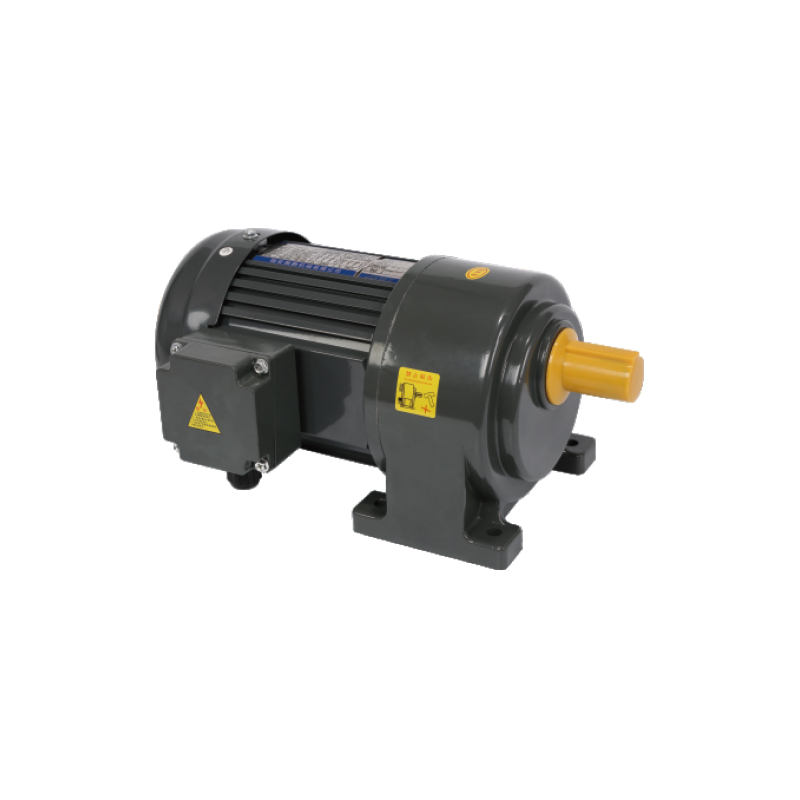
AC Brake Gear Motor is designed with an integrated braking system to ensure precise stopping and stable control during operation. This AC Gear Motor W...
See Details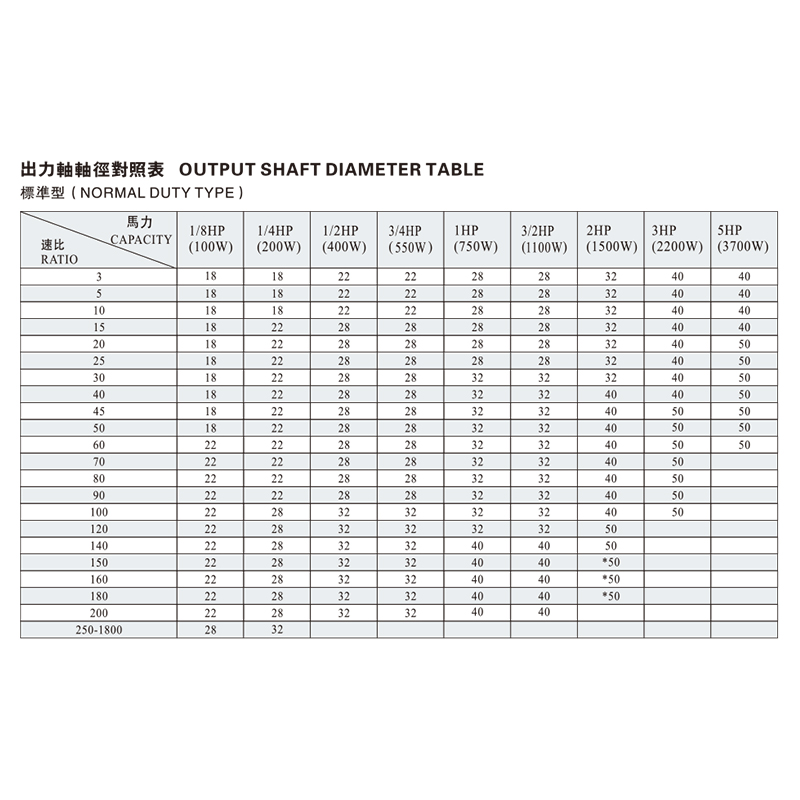
The CH, CV Output Shaft Diameter Table provides standardized dimensional data for selecting compatible transmission components and mechanical assembli...
See Details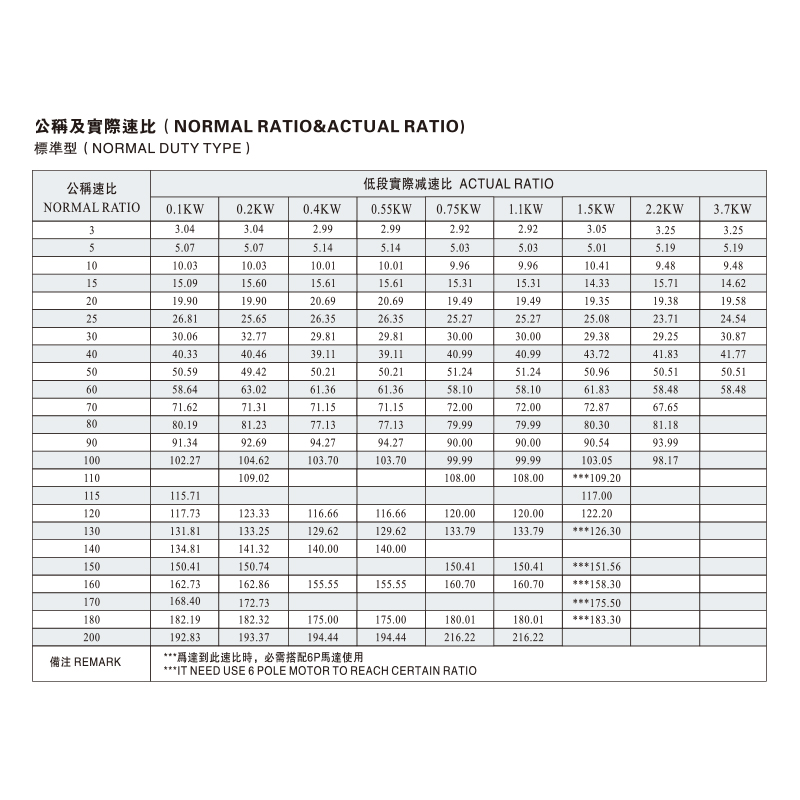
The CH, CV Normal Ratio & Actual Ratio provides accurate reference data for matching transmission requirements and optimizing reducer performance....
See DetailsRequest for a call today
 sales@razhanpeng.com
 +86 13335770176
 No. 2807, Huaming Road, Ruian City, Wenzhou City,Zhejiang Province,China


Copyright 2024 Ruian Zhanpeng Machinery Co., Ltd.
Gear Motor Factory


Contact Us