


 English
 中文简体
中文简体 عربى
عربى
How to Control Speed on a Custom DC Gear Motor
Many machines do not work well at only one fixed speed. A conveyor may need a steady pace during one stage and a slower movement during another. A lifting device may need careful starting. A rotating part may need to match a different load after the working condition changes. In situations like these, speed becomes part of the design instead of a simple setting on the side.
A gear motor changes rotation into a more useful output for equipment. The gear section helps shape the movement so the machine can work in a way that fits the task. Once speed is controlled properly, the connected parts usually move with less strain and the whole system feels easier to manage.
That is why Custom Gear Motors often appear in equipment where movement needs to follow a certain pattern rather than run in one plain direction at one constant pace. Some machines only need simple adjustment, while others require a much finer response when the load shifts or the working stage changes.
A few common needs usually show up in practice:
- keeping movement smooth during operation
- matching speed with different loads
- reducing sudden changes at start or stop
- protecting connected mechanical parts
A motor that starts too sharply may create an extra push on the parts around it. A motor that stops too suddenly may cause the system to shake or lose stability. Speed control helps reduce those effects and gives the equipment a more balanced motion.
How Does A Custom DC Gear Motor Adjust Operating Speed
A Custom DC Gear Motor does not control speed on its own. It responds to the way power is supplied and to the way the control system is arranged around it. Once that setup changes, output movement changes as well.
One simple way to change speed is to adjust the power going into the motor. Lower power usually slows the movement. Higher power usually makes the motor run faster. That idea is easy to understand, although real operation is not always that simple because the load can also change while the motor is working.
Another way is to control the average power the motor receives through rapid switching. Rather than lowering the supply in one straight line, the controller turns power on and off in a regular pattern. The motor reacts to the average effect of that switching, which gives more room for speed adjustment.
A third method uses feedback from the motor itself. When a sensor reads the movement and sends that information back to the controller, the system can make changes during operation. If the load becomes heavier, the controller may adjust the output so the motor stays closer to the desired speed.
Each method fits a different kind of application.
Some systems need a simple setup and only occasional adjustment. Other machines need speed to stay steady even when the resistance changes during work. The right control method depends on the equipment and the way it is expected to run.
How Does PWM Control Motor Speed Without Reducing Performance Too Much
Pulse-style control is often used when equipment needs speed adjustment without losing too much movement response. The basic idea is not to cut the motor off completely or reduce power in a rough way. Instead, the controller keeps switching the supply on and off at a fast rate, and the motor reacts to the average result.
Because of that method, the motor can keep a more active response even when the running speed is lower. That makes it useful in situations where movement needs to stay steady while the power level changes.
Three parts usually shape the result.
Rapid Power Switching
The controller sends power in short repeated cycles. The motor does not treat each tiny switch as a separate start or stop. It works with the average effect of those cycles.
Duty Adjustment
The time the power stays on compared with the time it stays off changes the motor speed. A longer active period pushes the output higher. A shorter active period lowers the average movement.
Controller Connection
A controller or driver sits between the power source and the motor. It decides how the power is delivered and how the speed changes. When the setup is matched correctly, the motor can respond more smoothly to the setting changes.
This method is common because it gives more room for adjustment than a simple direct power change. It also fits equipment that may need different speeds at different points during one working cycle.
What Are The Differences Between Voltage Control And PWM Speed Adjustment
Different speed control methods create different results during actual use. A direct power change and a switching-based method may both adjust movement, although they do not behave in exactly the same way.
| Control Method | Working Principle | Practical Consideration |
|---|---|---|
| Voltage Control | Changes the input power directly | Simple setup, though speed may shift when the load changes |
| PWM Control | Changes the average power through fast switching | Gives more flexible speed adjustment |
| Feedback Control | Uses movement information to correct output | Helps the motor stay closer to the needed speed |
Voltage control is easy to arrange in some machines. A manual adjustment device can change the power level and make the motor run slower or faster. That works well when the load stays fairly stable.
The limitation appears when working conditions change. A heavier load may slow the motor down more than expected, since the system is not automatically correcting the difference.
PWM control works in another way. Since the motor receives power in a controlled switching pattern, it can keep a useful response even during lower-speed running. That often makes the movement feel smoother in equipment where the load varies.
Feedback control adds another layer. The system watches the actual movement and adjusts the output when needed. That kind of control is often useful in equipment where speed consistency matters more than simple adjustment.
The choice between these methods usually depends on the machine itself. A compact device, a moving mechanism, or a machine that handles changing loads may need a different control approach from one that runs in a more stable condition.
How Does Closed Loop Feedback Improve Speed Stability?
Some equipment can probably accept small speed changes during operation, while other machines need movement to stay closer to a planned condition. When resistance changes during use, a motor without correction may slow down or respond somewhat differently from the original setting.
Feedback control tends to work by checking actual movement and comparing it with the expected condition. A sensor connected to the motor can collect information about rotation and send it back to the controller. The controller then tends to make adjustments when movement changes.
A simple example can be seen in a machine that handles different loads during the same working process. When the load becomes heavier, the motor may need some additional adjustment to maintain roughly similar movement. Without feedback, operators may need to change settings manually instead.
A few parts tend to get involved in this process:
Movement Detection
A sensor monitors the motor shaft or output movement. The collected information tends to show how the motor is actually running during operation.
Signal Comparison
The controller compares actual movement with the required setting. Any difference between the two conditions can trigger an adjustment.
Output Correction
The controller changes power delivery according to the detected difference. The adjustment tends to help reduce the effect of changing resistance or unexpected working conditions.
Feedback control tends to be useful when equipment needs a more stable response over changing situations. It probably isn't only related to speed, either. Position, movement timing, and overall machine behavior can also get affected by how the control system responds.
For designers working with Custom Gear Motors, choosing a suitable control method probably requires looking at the complete machine rather than only the motor itself. Load changes, working cycles, and movement requirements all tend to influence the final setup.
How Can Acceleration Settings Change Gear Motor Movement?
Starting movement tends to be a fairly important part of motor operation. A machine probably doesn't always need to reach working speed immediately. In many cases, a gradual increase tends to let connected parts move in a smoother way.
Acceleration settings control roughly how quickly a motor changes from a stopped condition to the required running speed. A shorter acceleration period tends to create a faster response, while a longer setting allows movement to build up more gradually.
Before changing acceleration settings, a few conditions probably need attention:
- Check whether the controller supports adjustment functions
- Confirm wiring between power source and control equipment
- Review the motor operating environment
- Consider the connected load before testing
After preparation, adjustment usually tends to follow a fairly simple process.
The controller settings get opened through the related interface. Parameters connected with acceleration time or ramp movement can then get adjusted according to the equipment requirement.
Testing tends to be an important part of the process too. A setting that works well in one machine may not feel suitable in another system at all. Running the motor at a lower operating condition during testing tends to let operators observe whether starting movement feels smooth.
Acceleration probably affects more than just speed change. It can influence how gears, shafts, and connected mechanical parts experience force during startup.
A carefully adjusted acceleration process can help create a more balanced movement pattern, especially in equipment that starts and stops fairly frequently.
Why Is Deceleration Control Important During Motor Stopping?
Stopping movement also tends to require some attention. A motor that reaches a stop too quickly may transfer unnecessary force to connected parts. A slower stopping process can let the equipment reduce movement in a more controlled way.
Deceleration settings determine roughly how the motor changes from running speed to a stopped condition. Similar to acceleration, the setting tends to depend on the machine structure and working requirements.
A few situations may require somewhat careful stopping control.
Reducing Mechanical Impact
A sudden stop can create stress within connected components. A gradual reduction in speed tends to let the movement finish in a smoother manner.
Improving Position Control
Some machines need to stop near a specific position. Controlled deceleration tends to help reduce overshooting caused by sudden stopping.
Supporting Operator Safety
Equipment with smoother movement changes tends to create a more predictable working environment for operators.
Deceleration adjustment usually tends to follow a fairly similar process to acceleration adjustment. The controller settings get checked, suitable values get selected, and the motor gets tested under actual working conditions.
Small adjustments may be needed after testing, since every machine tends to have different weight, resistance, and movement characteristics.
How Do Custom Gear Motors Adapt to Different Speed Requirements?
Different machines rarely tend to have identical movement requirements. A compact mechanism may need a small output speed, while another device may require faster rotation with a fairly different load response.
That difference tends to create demand for flexible motor design. Custom Gear Motors let designers consider factors connected with actual application conditions instead of using one fixed arrangement for every machine.
| Design Consideration | Influence On Operation | Practical Purpose |
|---|---|---|
| Output Speed | Changes movement pace | Matches equipment requirements |
| Gear Structure | Affects rotation and force balance | Supports suitable mechanical action |
| Control Method | Changes speed response | Provides adjustment options |
| Load Condition | Influences motor behavior | Helps prepare suitable settings |
| Installation Space | Affects motor arrangement | Supports equipment design |
A motor used in a moving platform may need somewhat different control characteristics from a motor installed inside a small automatic mechanism. The surrounding system often tends to decide which speed range and control method are actually appropriate.
Customization probably isn't only about changing one part. It tends to involve looking at how the motor connects with the machine, how often it operates, and what conditions it experiences during use.
What Should Be Checked Before Adjusting Motor Parameters?
Changing motor settings tends to require attention to the complete system. Adjusting speed, acceleration, or deceleration without checking surrounding conditions may create some unexpected movement.
Before parameter adjustment, operators can review a few areas:
- Controller Compatibility
- Wiring Condition
- Power Supply Condition
- Load Situation
- Testing Environment
Controller Compatibility
The controller needs to support the required adjustment functions. Different control devices may provide fairly different setting options.
Wiring Condition
Loose connections or incorrect wiring can influence motor response. Checking connections tends to help avoid problems caused by installation issues.
Power Supply Condition
Stable power input tends to support more predictable operation. Changes in supply conditions may affect movement response somewhat.
Load Situation
The connected equipment tends to influence how the motor reacts. Testing under a realistic load probably provides more useful information than checking movement without resistance.
Testing Environment
Small changes in installation conditions may affect the result. A controlled testing process tends to help identify whether adjustments are actually suitable.
Motor settings tend to be fairly closely connected with machine behavior overall. A change that improves one part of operation may influence another part, so adjustment usually requires observation rather than a single isolated change.
How Does a Custom DC Gear Motor Support Controlled Movement?
Movement control probably depends on the relationship between the motor, control method, mechanical structure, and working environment together. Speed adjustment alone probably doesn't decide how a machine performs. Starting, stopping, load changes, and operating habits all tend to influence the final movement.
A Custom DC Gear Motor can get arranged with different control approaches according to application needs. PWM adjustment, direct power control, and feedback methods each tend to provide different ways to manage output movement.
For equipment requiring regular speed changes, the control system tends to become a fairly important part of the design. A suitable combination of motor structure and adjustment method tends to help create movement that matches the machine's purpose reasonably well.
Practical operation also tends to depend on maintenance and observation. Checking unusual changes, reviewing settings, and understanding how the motor responds during work can help maintain more stable use over time.
Speed control and acceleration settings tend to connect fairly closely with everyday equipment performance. When motor selection, control methods, and operating conditions get considered together, movement management tends to become a bit easier to organize and adjust.
Related Products
-
-
Cat:Right-Angle
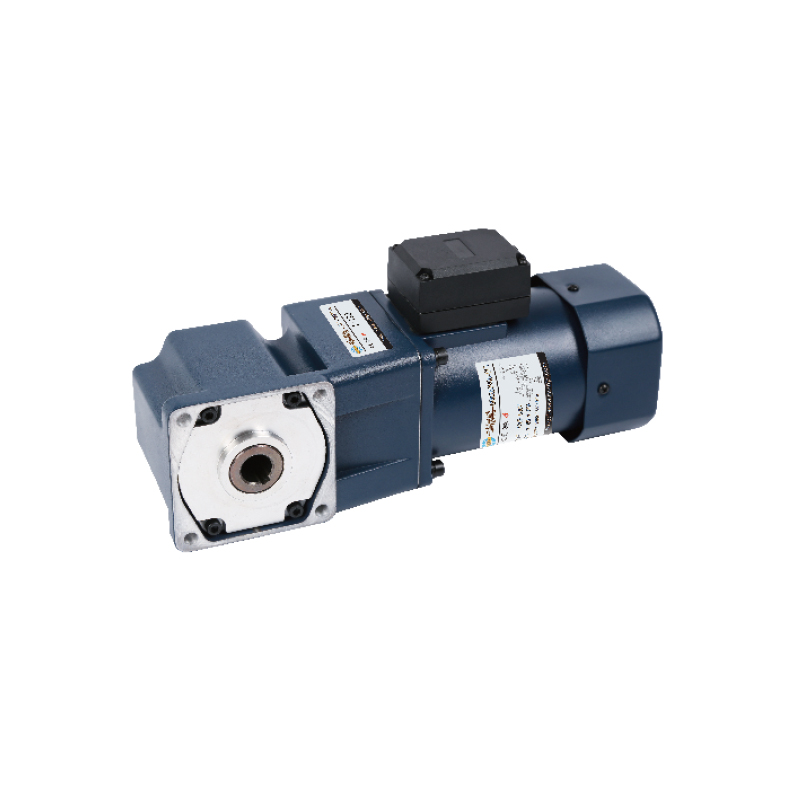
Electric Reduction Motor is designed for stable torque output and controlled low speed operation. This AC Gear Motor Low Rpm provides efficient power ...
See Details -
Cat:Right-Angle
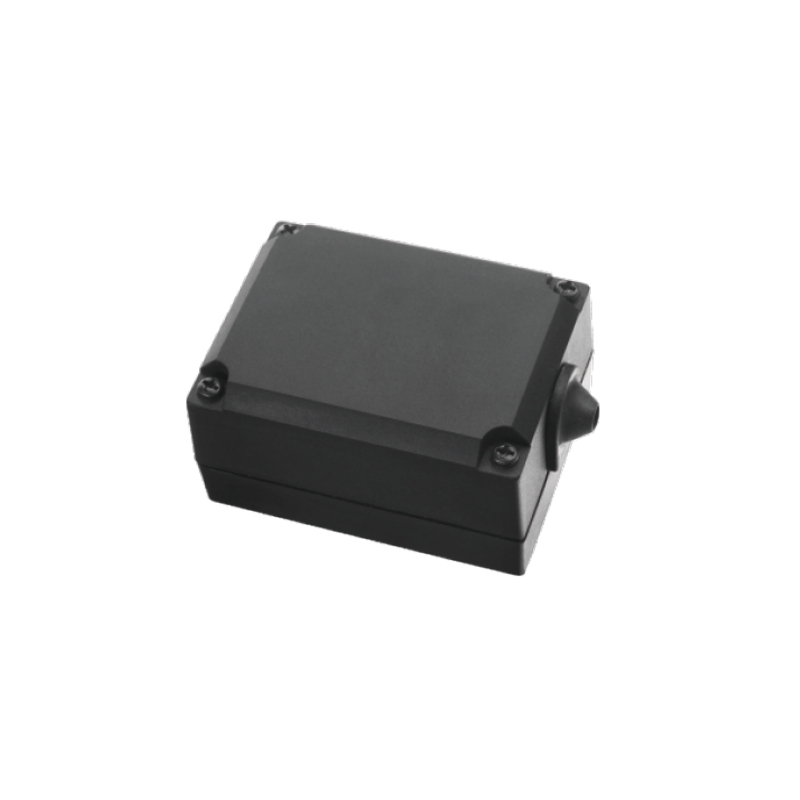
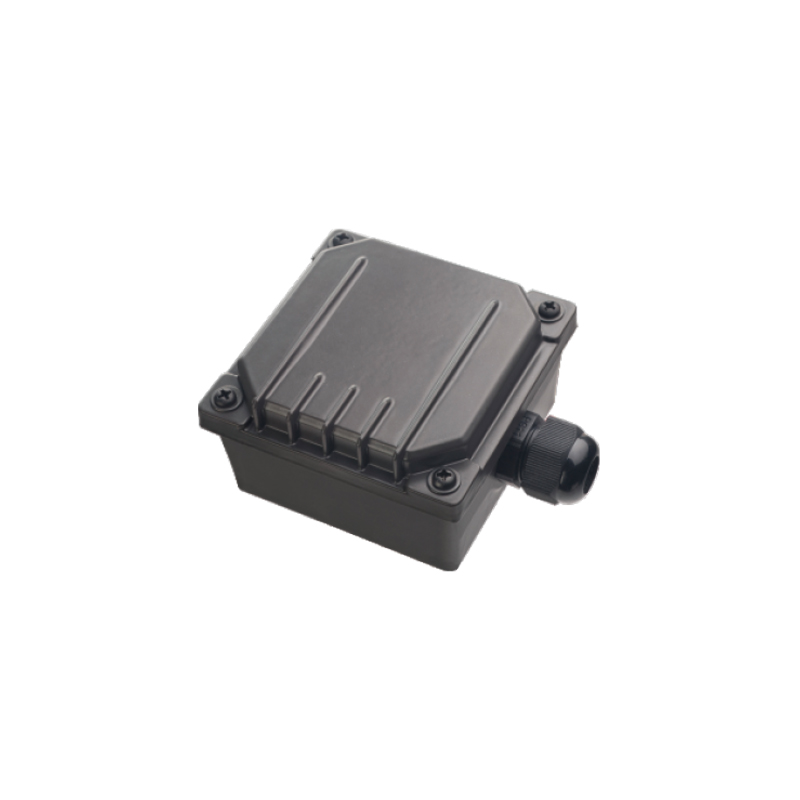
The Power Distribution Junction Box is designed for safe and stable electrical wiring management. With a durable External Junction Box Black structure...
See Details -
Cat:CH
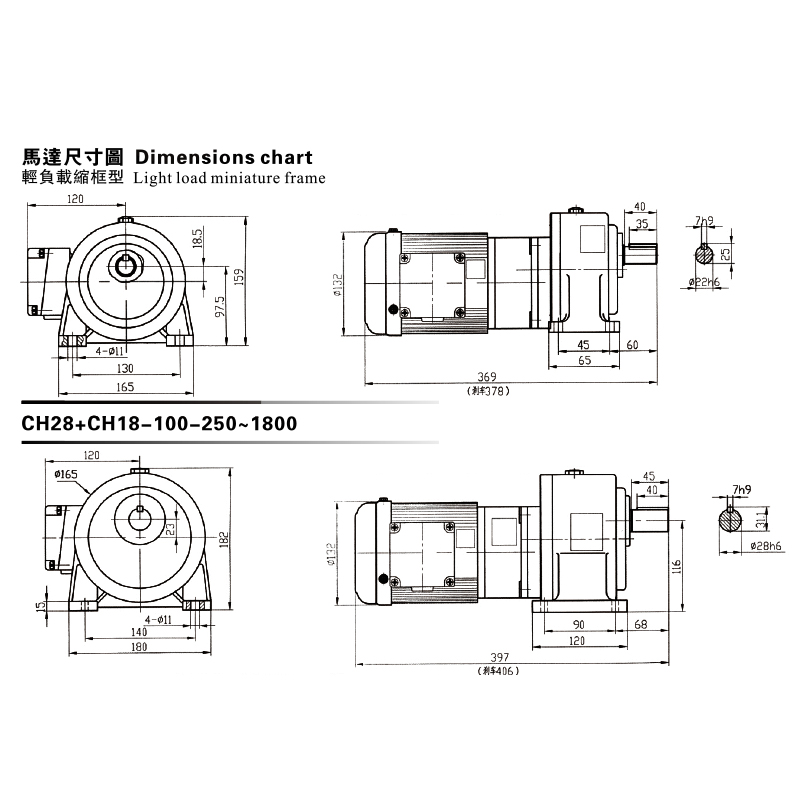
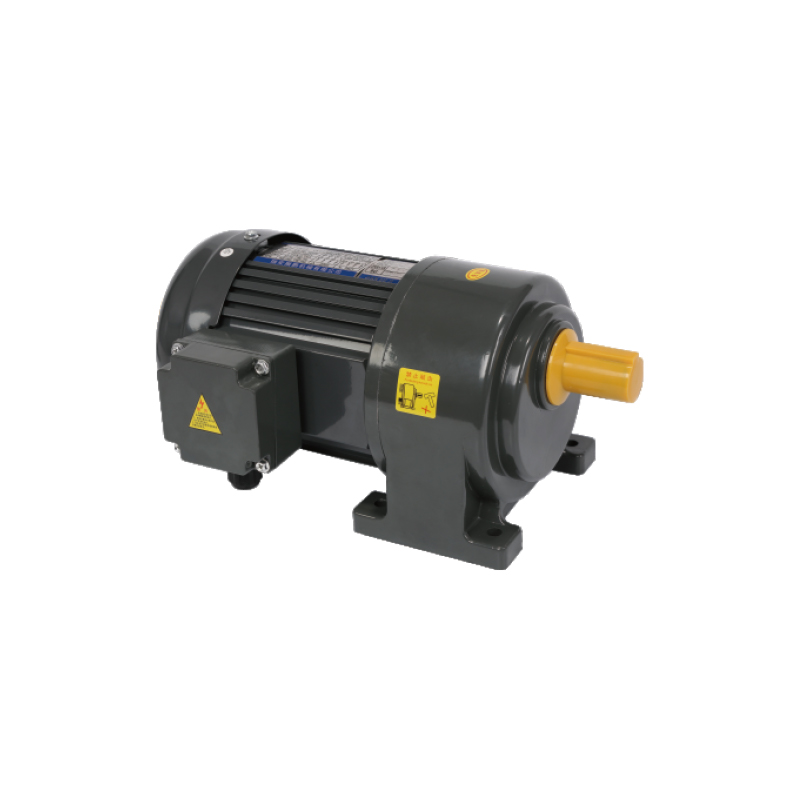
This CH, CV Dimensions Chart showcases a premium Gear Reduced Electric Motor series engineered for light-load, miniature frame applications. The chart...
See Details
Looking For Business Opportunity?
Request for a call today

Zhanpeng Machinery sincerely cooperates with people at home and
abroad to create common development and achieve win-win
results!
Contact Us
-
 sales@razhanpeng.com
-
 +86 13335770176
-
 No. 2807, Huaming Road, Ruian City, Wenzhou City,Zhejiang Province,China
Quick Links
Message


Copyright 2024 Ruian Zhanpeng Machinery Co., Ltd.
Gear Motor Factory


Contact Us