


 English
 中文简体
中文简体 عربى
عربى
How Compact Dc Gear Motor Handles Lightweight Portable Products
Portable products are becoming increasingly dependent on small mechanical movements. A compact device may need to open a cover, rotate a small component, move a latch, adjust a position, or drive a lightweight internal mechanism. Manual movement can work for simple products, while automated functions require a small drive system that fits within a limited enclosure.
Weight matters because a portable product needs to remain easy to carry and operate. A motor that occupies too much internal space can also affect the arrangement of batteries, switches, control boards, wiring, and structural parts.
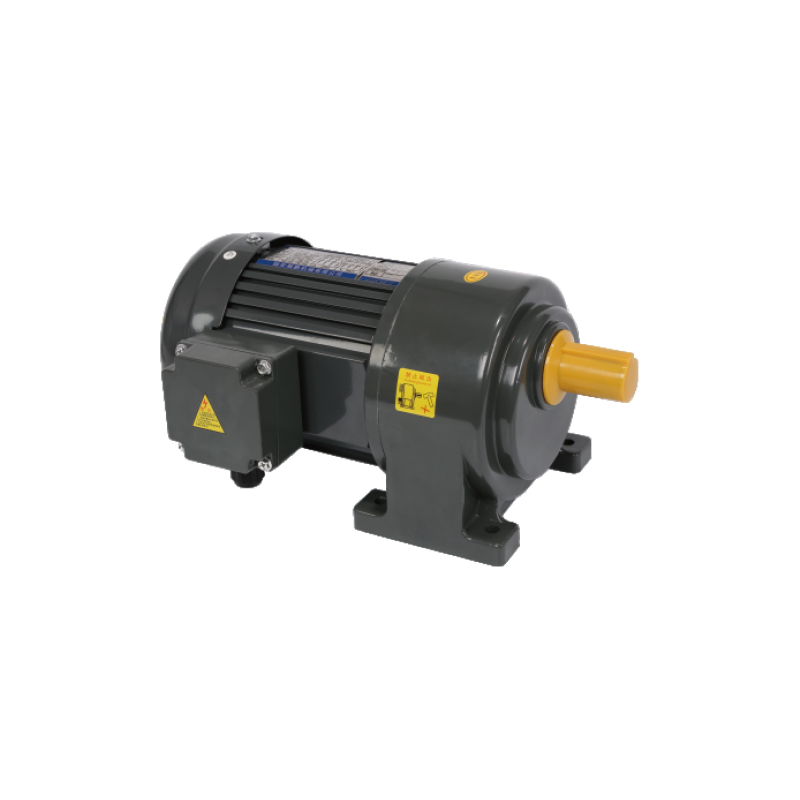
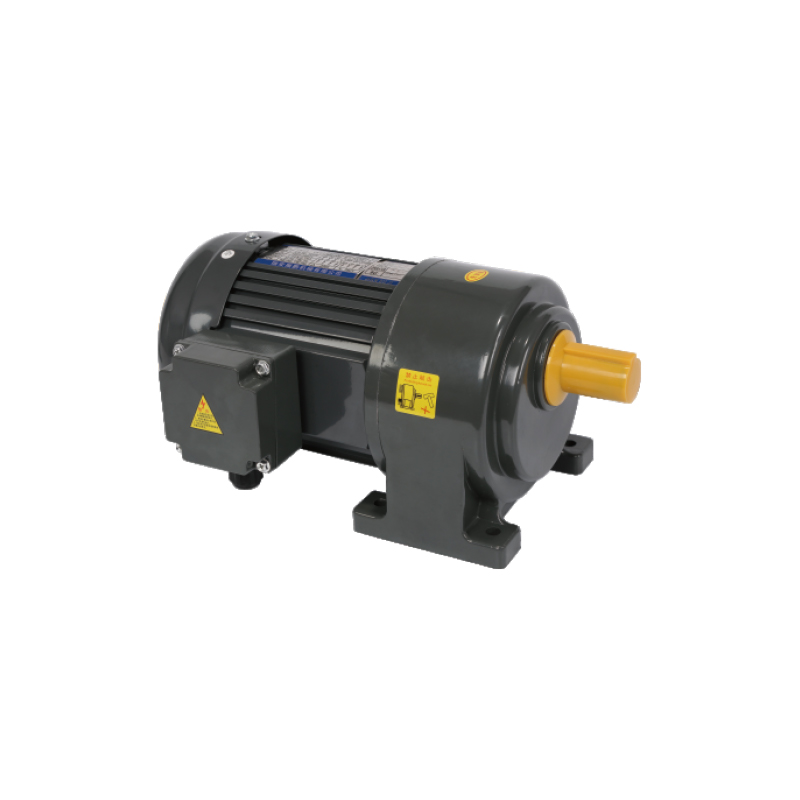
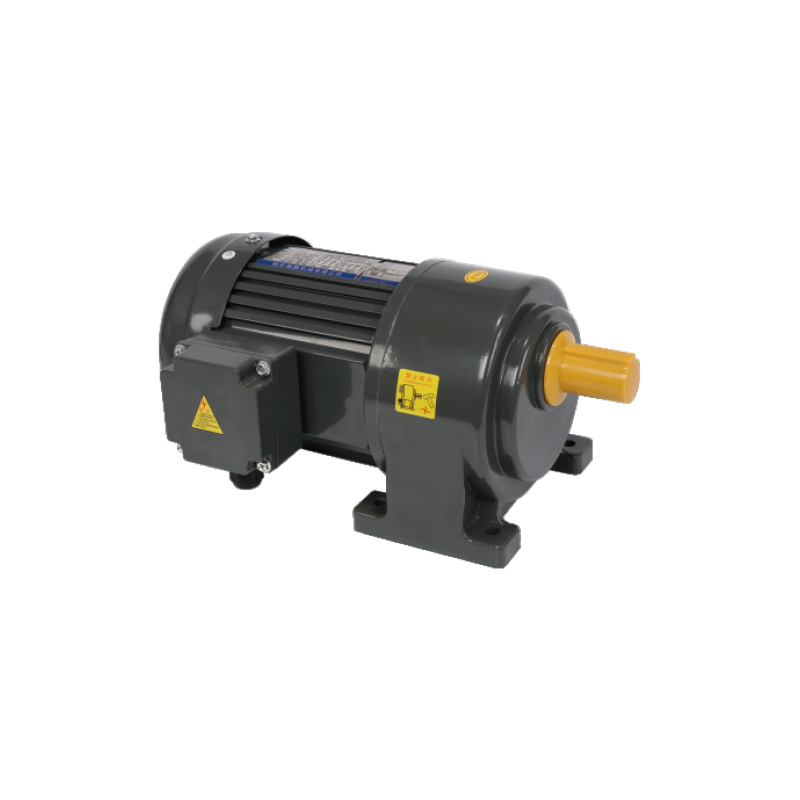
A Compact DC Gear Motor combines a motor with a reduction mechanism, allowing rotational movement to be adapted for a specific mechanical task. Gear reduction can slow output movement while increasing usable turning force, making the arrangement suitable for mechanisms that do not need rapid motion.
Internal layout often becomes part of motor selection. A product may have a narrow housing or irregular internal shape, so available mounting space can be as important as electrical requirements.
Common design considerations include:
- Overall motor size
- Motor and gearbox position
- Output shaft direction
- Available installation space
- Product weight
- Battery location
- Mechanical connection method
A small drive also needs to work with surrounding components rather than simply occupying an empty section of the enclosure. Careful placement can reduce interference with moving parts and leave reasonable room for later inspection.
How Does Gear Reduction Support Lightweight Movement
A motor naturally produces rotational movement, while a portable product may require slower rotation with greater usable force at the output. Gear reduction creates a connection between those two requirements.
For example, a small mechanism may need to move a cover gradually rather than spin rapidly. Direct motor output may not match that movement. A gearbox can change the output behavior so that rotation becomes more suitable for the mechanical task.
Lightweight products often contain simple movement paths. A small gear train may drive a rotating arm, sliding section, latch, or adjustment mechanism. Actual arrangement depends on product structure and the type of movement required.
| Product Movement | Main Consideration |
|---|---|
| Cover Opening | Controlled Rotation |
| Small Latch | Short Movement |
| Sliding Part | Output Direction |
| Position Adjustment | Movement Control |
| Internal Mechanism | Space and Mounting |
Operating pattern matters as well. A portable product used occasionally may require a different drive arrangement from a device that performs repeated movement throughout normal use.
Starting and stopping also influence mechanical behavior. Sudden movement can create unnecessary stress around gears and connecting parts, while controlled movement may suit lightweight structures more naturally.
Gear reduction therefore should not be viewed as a separate component choice. Motor, gearbox, output shaft, and driven mechanism need to work as one arrangement.
Which Portable Products Can Use Compact DC Gear Motors
Portable equipment can contain many small automated functions. A drive may operate a latch, move a cover, adjust an internal part, or provide controlled rotation for a compact mechanism.
Battery‑powered products are one area where compact motor systems can be useful. Limited battery space creates pressure on the entire internal layout, while the motor still needs to provide the movement required by the product.
Small office equipment can also contain motorized functions. Compact mechanisms may move covers, rollers, holders, or adjustment sections without requiring a large drive assembly.
Household portable products offer another group of applications. A compact motor can support automatic movement where manual operation would otherwise be required.
Potential applications include:
- Portable household equipment
- Small battery‑powered devices
- Compact office equipment
- Lightweight automated tools
- Small dispensing mechanisms
- Portable storage devices
- Compact positioning systems
Each product creates a different mechanical requirement. A small latch does not need the same movement pattern as a rotating adjustment mechanism, so the motor should be selected according to the actual task.
Product weight also affects mechanical design. A lightweight cover may move with relatively little force, while friction around hinges or guides can change the required output. Testing the complete mechanism can therefore provide more useful information than evaluating the motor alone.
What Makes a Compact Motor Suitable for Limited Space
Size is only one part of compact motor design. Shape, shaft location, mounting arrangement, and gearbox position can determine whether a motor can actually fit into a portable product.
A rectangular enclosure may leave room for a motor in one direction while creating a conflict in another. An output shaft pointing toward a battery compartment can also make an otherwise suitable motor difficult to integrate.
Mechanical layout should therefore be considered early. Designers can identify moving parts, fixed structures, electrical components, and service areas before deciding where the motor should sit.
A compact arrangement may help with:
- Reducing interference between components
- Leaving space for batteries
- Simplifying shaft connection
- Supporting a smaller enclosure
- Improving internal component organization
- Allowing access for maintenance
Mounting holes and fixing surfaces deserve attention as well. A motor that fits physically still needs a stable connection to the product frame. Movement from the motor can otherwise transfer vibration into the enclosure.
Output shaft length and direction can also affect the number of additional mechanical parts required. A suitable shaft position may reduce the need for extra gears, brackets, or transmission components.
How Does a Compact Brushless Motor Work in Portable Devices
A Compact Brushless Motor can be used where a portable device needs controlled electrical rotation within a small space. Unlike a conventional brushed arrangement, a brushless design uses electronic control to manage motor movement.
Such a structure can suit devices where internal wear, operating sound, maintenance requirements, or repeated operation need consideration. Actual suitability still depends on the complete product design and control system.
A brushless motor may be paired with a gearbox when the product requires slower movement or greater output force at the driven section. Gear reduction changes the output characteristics, while electronic control determines how the motor operates.
Portable equipment also needs to consider its power source. Battery‑powered products have limited energy available, so motor operation should match the actual use pattern.
For example, an intermittently operated device may spend long periods inactive and only activate during a specific task. Continuous motor operation would create a different design condition.
Control coordination is another consideration. Start, stop, direction, and movement timing need to correspond with the product mechanism. Sensors may also be used to detect position or movement, depending on product requirements.
A Compact Brushless Motor therefore should not be selected solely because of its physical size. Motor structure, gearbox arrangement, control method, power source, and mechanical load all influence how well a drive fits a portable application.
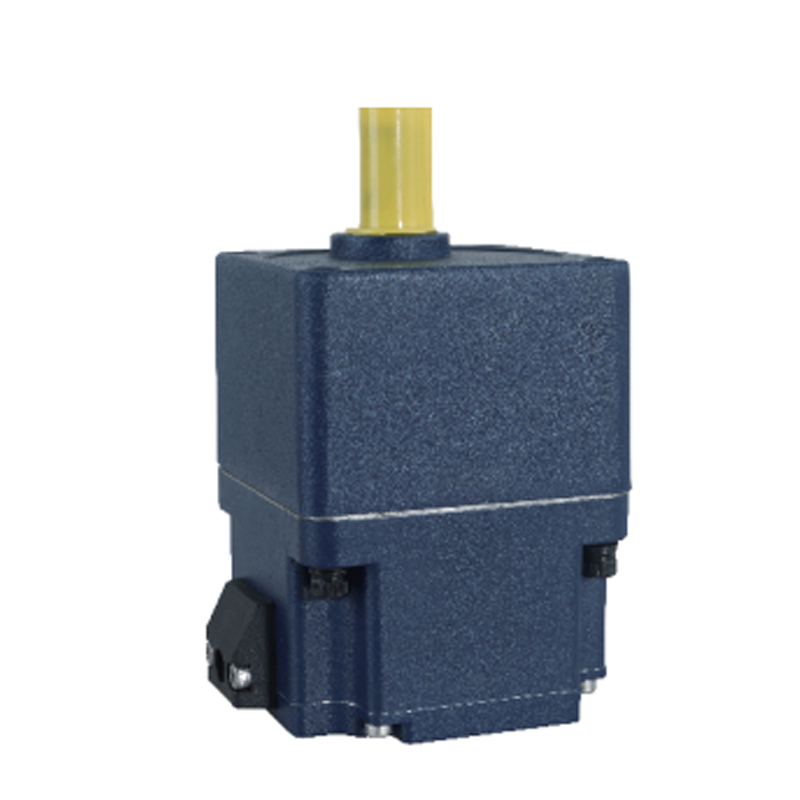
How Do Weight And Noise Affect Portable Product Design
Weight becomes an important design factor when a product needs to be carried, moved, or held during use. A motor may occupy only a small section of the enclosure, yet its weight combines with the gearbox, mounting parts, wiring, and other components.
Reducing motor size alone does not always solve a weight problem. A lighter drive still needs to provide suitable movement for the mechanism. Removing material or reducing component size without checking the mechanical load can create problems during operation.
Noise also deserves attention. Portable products are often used close to people, so repeated mechanical sound can become noticeable. Motor rotation, gear contact, mounting surfaces, and housing panels can all contribute to the sound heard during operation.
Vibration can travel through the motor mount into the product shell. A lightweight enclosure may respond differently from a heavier structure, making mounting design an important part of noise management.
Smooth movement can be supported through several design choices:
- Suitable motor speed
- Appropriate gear reduction
- Stable mounting
- Controlled starting and stopping
- Proper alignment between moving parts
- Adequate clearance around mechanical components
A Compact DC Gear Motor may operate at a speed that needs to be reduced before reaching the driven part. Gear selection can therefore influence both movement and mechanical sound.
Product designers also need to consider how the device will be used. A portable household product may require quiet operation in an indoor environment, while a compact tool may face different expectations. Actual use conditions should guide the design rather than applying one fixed approach to every product.
What Motor Features Matter for Lightweight Applications
Motor selection needs to begin with the movement required by the product. A lightweight mechanism may not need a large output force, although friction, hinges, springs, gears, and other moving parts can change the actual load.
Output force and speed should be considered together. Increasing one characteristic can affect another, particularly when a gearbox is introduced into the system.
Operating direction also matters. Some products need rotation in a single direction, while covers, locks, and adjustment mechanisms may need forward and reverse movement.
Work cycles provide another useful reference. A motor used briefly during occasional operation faces a different condition from one that starts and stops repeatedly.
A practical selection checklist can include:
- Required movement
- Mechanical load
- Output speed
- Rotation direction
- Operating frequency
- Power source
- Installation space
- Control method
- Noise requirements
- Maintenance access
Starting behavior deserves attention for lightweight products. A small mechanism can react quickly to sudden movement, especially when its moving parts have little mass. Controlled acceleration may therefore help prevent unnecessary impact around gears, hinges, or sliding sections.
Stopping behavior also affects the finished product. A mechanism that stops abruptly may create vibration or noise, while controlled stopping can produce a smoother movement pattern.
Power conditions should remain connected to mechanical requirements. Battery‑powered products have different operating constraints from equipment connected to a fixed electrical supply. Actual use patterns should be considered before selecting a drive.
How Does Customization Affect Portable Product Integration
Portable products often have unusual internal layouts, making standard motor dimensions difficult to accommodate. A custom drive can be designed around physical restrictions such as mounting location, shaft direction, housing shape, or gearbox arrangement.
Customization does not necessarily mean changing every part of a motor. A project may require only a particular shaft position or mounting pattern, while another product may need changes to the gear arrangement.
For compact equipment, small structural differences can have a noticeable effect on assembly. A motor that sits a little differently may interfere with a battery, wiring route, cover, or moving section.
Useful customization considerations include:
- Motor length and outer shape
- Gearbox position
- Output shaft direction
- Shaft dimensions
- Mounting points
- Electrical connection location
- Gear reduction arrangement
Mechanical and electrical teams can review such requirements together during early product development. Waiting until the enclosure is finalized may limit available choices and create unnecessary redesign work.
A custom arrangement can also reduce the number of extra mechanical components needed between the motor and driven part. Fewer connecting pieces may simplify internal layout, although the final design still needs to be checked through testing.
What Should Be Checked Before Choosing a Motor
Selecting a motor for a lightweight portable product starts with the product rather than the motor catalog. A clear description of the intended movement can help narrow the required characteristics.
Available space should be measured around the actual installation area. Designers need to account for batteries, circuit boards, wires, fasteners, moving parts, and service access rather than measuring an empty cavity alone.
Mechanical load should also be evaluated under realistic conditions. Friction from hinges, guides, gears, or sliding surfaces can increase the force needed for movement.
| Design Area | Key Point |
|---|---|
| Product Weight | Keep Drive Mass in Context |
| Internal Space | Check Full Installation Area |
| Movement | Define Required Motion |
| Load | Consider Friction and Resistance |
| Power | Match the Available Supply |
| Control | Check Start Stop and Direction |
| Noise | Review Motor and Gear Sounds |
| Maintenance | Allow Reasonable Access |
Prototype testing can reveal problems that drawings cannot show clearly. A mechanism may fit correctly while producing unexpected vibration, noise, slow movement, or interference during operation.
Testing should involve the complete product structure. Evaluating a motor outside the final enclosure may give a different result from running it after installation because housing materials and mounting conditions can affect movement and sound.
Temperature can also be observed during testing, particularly where repeated operation is expected. Heat generated during normal use may affect surrounding components in a tightly packed enclosure.
How Will Compact Motor Design Influence Portable Products
Portable product development continues to place attention on smaller internal layouts, lighter structures, battery operation, and automated functions. Motor design is part of that wider change because mechanical movement needs to fit alongside electronic controls and power components.
A compact drive can support automated functions without requiring a large internal mechanism. Gear reduction allows motor rotation to be adapted to covers, locks, sliders, adjustment parts, and other lightweight movements.
Integration is also becoming more important. Rather than treating the motor as an isolated component, designers can consider its gearbox, mounting, control connection, shaft position, and surrounding structure during the early layout stage.
A Compact DC Gear Motor may therefore serve different roles depending on the product. One device may use it for a small locking action, while another uses a geared output to move a cover or adjustment mechanism.
A Compact Brushless Motor can also form part of such systems where its operating structure fits the electrical and mechanical requirements. Selection still needs to account for the gearbox, controller, power source, working cycle, and actual load.
Future portable designs are likely to keep balancing several practical factors:
- Smaller internal space
- Lower overall weight
- Controlled mechanical movement
- Suitable battery use
- Reduced operating noise
- Easier assembly
- Reasonable maintenance access
No single motor arrangement suits every portable product. Housing structure, movement requirements, operating conditions, and power arrangements all shape the final choice.
For engineers, starting with the complete mechanical task can make motor selection more straightforward. Once movement, load, space, power, control, and maintenance needs are defined, suitable drive configurations become easier to compare.
Compact motor design is therefore closely tied to product design. A small drive has value when its physical form and operating characteristics fit the mechanism around it, allowing lightweight portable equipment to perform controlled movements without creating unnecessary conflicts inside the enclosure.
Related Products
-
-
Cat:Right-Angle
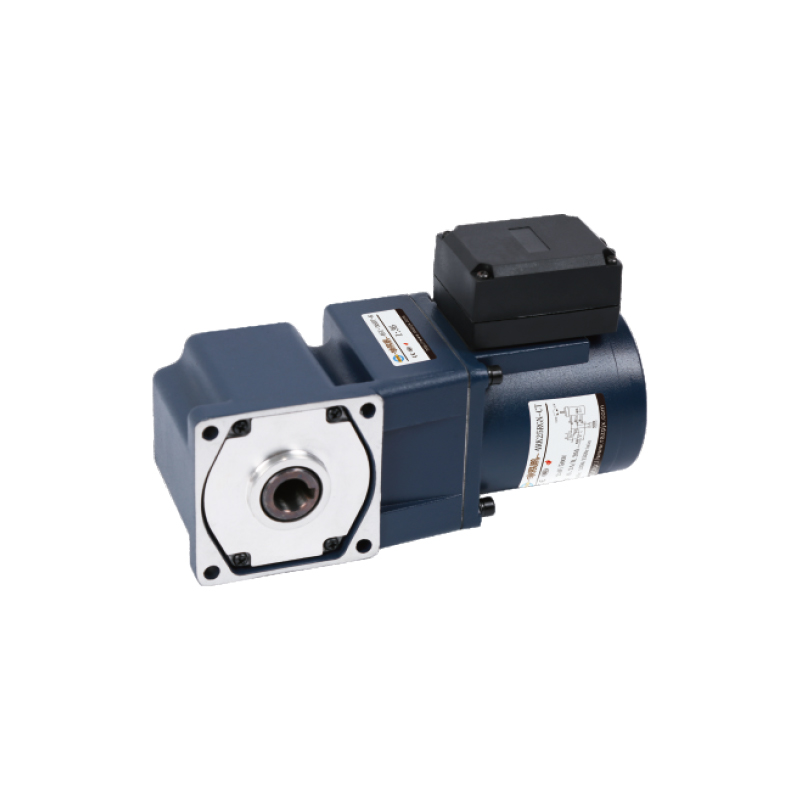
The 90mm 40W VT Reduction Motor is a small motor that does the job without taking up much space. It’s got a small footprint, but handles light automat...
See Details -
Cat:Right-Angle
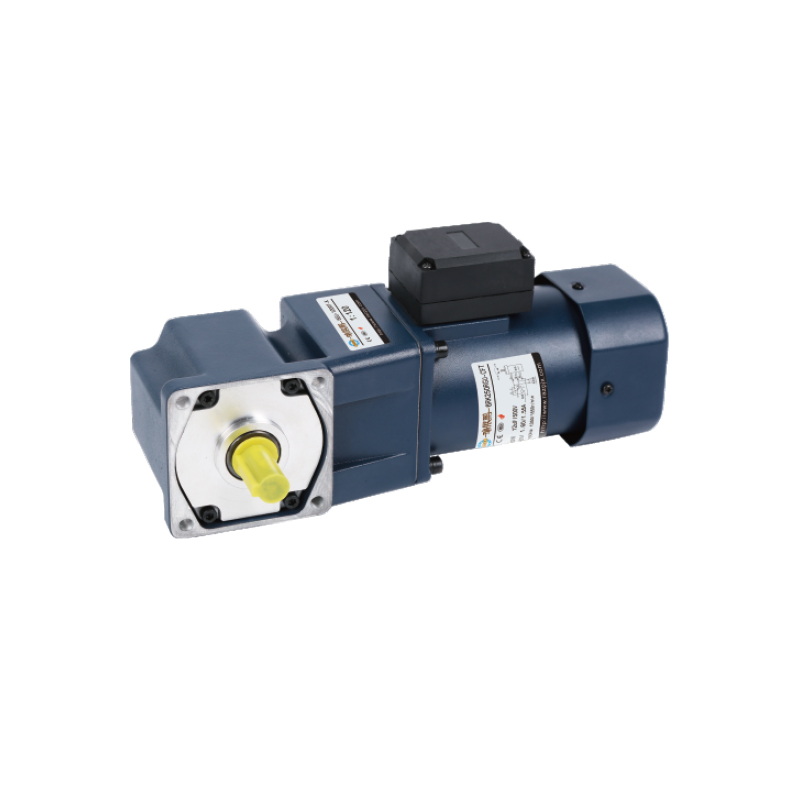
The 100mm 120W/140W VT Reduction Motor is designed for compact transmission systems requiring stable torque output and controlled operating speed. Fea...
See Details -
Cat:CH
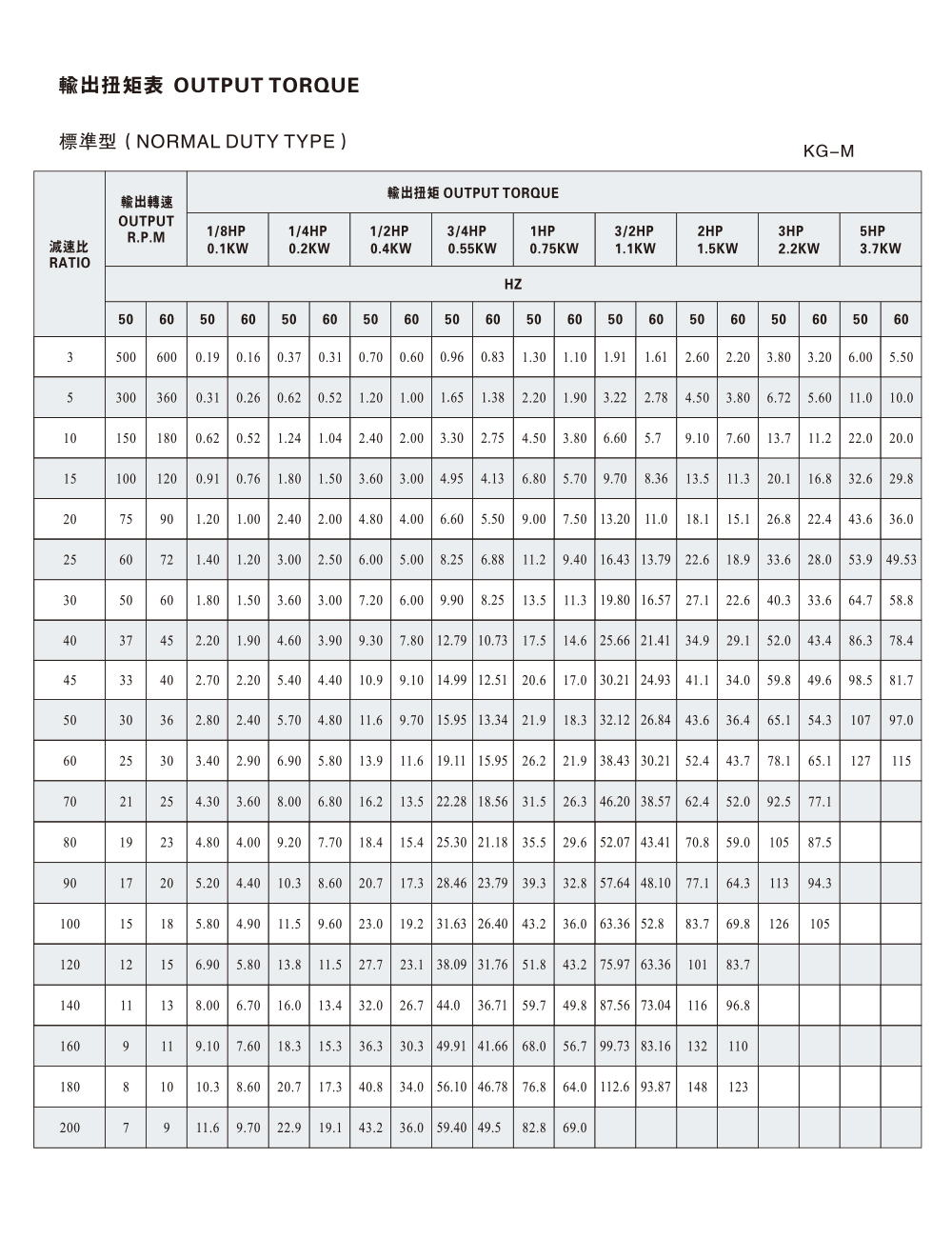
The CH, CV Output Torque provides essential performance data for evaluating transmission capacity and equipment matching. It specifies torque output v...
See Details
Looking For Business Opportunity?
Request for a call today

Zhanpeng Machinery sincerely cooperates with people at home and
abroad to create common development and achieve win-win
results!
Contact Us
-
 sales@razhanpeng.com
-
 +86 13335770176
-
 No. 2807, Huaming Road, Ruian City, Wenzhou City,Zhejiang Province,China
Quick Links
Message


Copyright 2024 Ruian Zhanpeng Machinery Co., Ltd.
Gear Motor Factory


Contact Us