


 English
 中文简体
中文简体 عربى
عربى
How to Choose an Electric Reduction Motor for Equipment
Motor selection usually begins with the movement required by a machine rather than with the motor itself. A conveyor, lifting mechanism, feeding unit, rotating table, and processing machine may all need rotary motion, yet their working conditions can be quite different.
Speed, load, stopping behavior, direction changes, and operating frequency all affect how a drive system should be arranged. A machine running at a steady pace may need controlled speed reduction, while another machine may need to stop at a particular position and remain still after power is removed.
An Electric Reduction Motor combines an electric motor with a reduction mechanism so that rotational speed can be changed before power reaches the driven equipment. Lower output speed can provide a more suitable movement for machinery that does not need direct motor rotation.
A brake‑equipped arrangement adds another function. Braking can help bring moving equipment to a stop and, depending on the design and application, help prevent unwanted movement after stopping.
Choosing between configurations therefore requires more than comparing motor size or external appearance. Mechanical movement, load behavior, installation conditions, and stopping requirements all need to be considered together.
Useful questions during equipment design include:
- How fast should the output shaft rotate?
- What load will the motor drive?
- Does movement need to stop frequently?
- Must the load remain still after shutdown?
- Will rotation need to reverse?
- Does the machine run continuously or intermittently?
- How much installation space is available?
Answering such questions creates a clearer starting point for selecting a suitable drive arrangement.
What Is The Difference Between An AC Brake Gear Motor And An Electric Reduction Motor
Both configurations can transmit rotary power to equipment, although their functions are not identical. A reduction arrangement changes motor speed and transfers rotational force to a driven mechanism. A brake arrangement adds controlled stopping to the drive.
An Electric Reduction Motor can suit equipment where steady low‑speed movement is required. Reduction allows a motor running at one rotational speed to produce a slower output suitable for mechanical work.
A brake gear motor adds a braking function to the drive. Such a feature becomes useful where stopping needs to occur within a controlled operating sequence or where movement after shutdown could create a problem.
Consider a conveyor carrying material through a production area. Continuous movement may be the main requirement, so speed reduction and suitable output torque can form the central selection criteria. A lifting mechanism presents a different situation because unwanted movement after stopping can affect operation and safety.
Speed reduction and braking should therefore be viewed as separate functions:
Speed reduction → Controls output movement
Braking → Controls stopping behavior
Some machines may require both functions, while others can operate without an integrated brake. Selection depends on what happens before, during, and after movement rather than on the motor name alone.
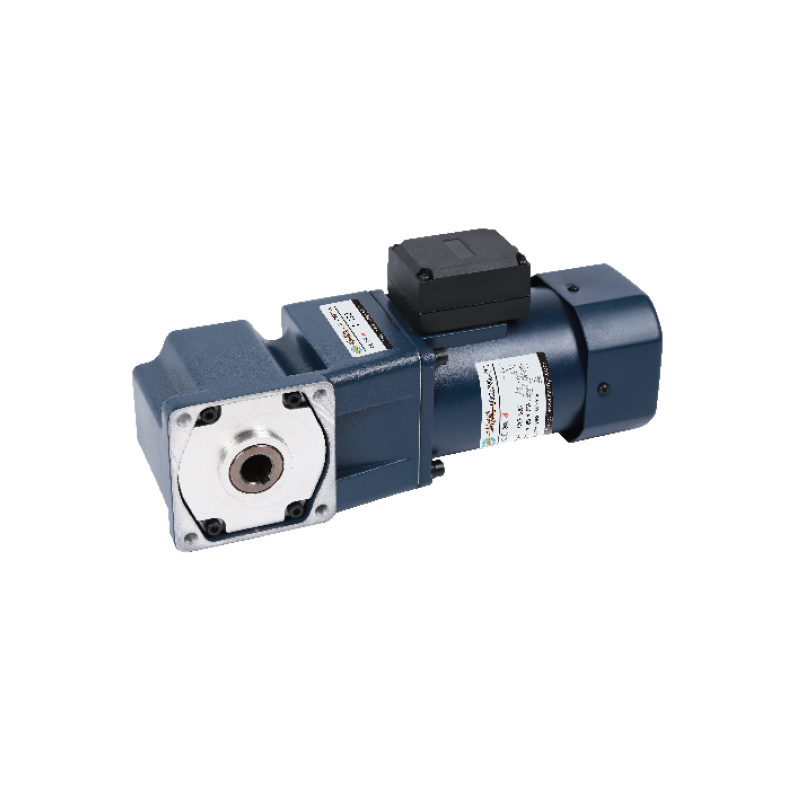
When Does Equipment Need A Braking Function
A braking function becomes relevant when stopping forms part of normal machine operation. Frequent starts and stops, positioning tasks, lifting movements, and mechanisms with significant moving mass can create situations where simply cutting motor power does not provide the desired stopping behavior.
Moving parts naturally carry momentum. Once electrical power is removed, mechanical components may continue moving for a period depending on load, speed, friction, and system design.
For equipment that only transports material along a continuous path, gradual stopping may be acceptable. A positioning mechanism may need a more controlled stop because the final location affects the next operation.
Lifting equipment introduces another concern. Gravity can influence the driven load after the motor stops, so holding requirements need careful assessment during system design.
Typical situations where braking may need consideration include:
- Repeated stopping during normal operation
- Position‑related movement
- Vertical lifting or lowering
- Rotating parts with noticeable momentum
- Equipment where unwanted movement can disturb the process
- Machines requiring a defined stop sequence
Braking requirements should not be judged from one operating condition alone. Starting, running, stopping, and shutdown behavior all form part of the mechanical cycle.
A machine that rarely stops may have little need for a brake, while another machine with frequent positioning movements may place greater importance on stopping behavior. Proper selection comes from understanding how the equipment actually works.
How Does An Electric Reduction Motor Suit Continuous Movement
Continuous movement applications generally focus on suitable output speed, available torque, and stable operation. A reduction mechanism allows the output shaft to rotate at a lower speed than the motor shaft, making the drive suitable for equipment that needs controlled mechanical movement.
Conveyors, feeding mechanisms, rotating equipment, and material handling systems can all involve such requirements. Each application still needs individual assessment because load characteristics and operating cycles differ.
Output speed needs to match the machine's intended movement. Excessive speed can make a process difficult to control, while insufficient speed may reduce useful operating efficiency.
Torque also needs attention. A motor must provide enough mechanical force to start and operate the connected load under expected conditions. Starting a stationary load can place different demands on the drive compared with maintaining movement after the equipment is already running.
Load changes should be considered as well. Some machines handle relatively stable loads, while others experience changes as material enters or leaves the working area.
A suitable reduction drive therefore needs to match several mechanical conditions:
| Equipment Requirement | Selection Consideration |
|---|---|
| Continuous movement | Output speed |
| Starting a loaded machine | Starting torque |
| Variable load | Operating load range |
| Limited installation space | Mounting arrangement |
| Steady rotation | Reduction configuration |
| Frequent direction changes | Motor and control arrangement |
A brake may not be necessary when equipment can stop naturally without causing unwanted movement. Adding a braking function where no practical stopping requirement exists can introduce unnecessary complexity into the drive arrangement.
Which Equipment Factors Should Be Checked Before Selection
Motor selection becomes clearer when mechanical and electrical conditions are reviewed together. A specification that appears suitable on paper may not match actual machine behavior once starting loads, operating cycles, and installation restrictions are considered.
Output speed remains an important starting point. Machinery often needs a specific range of movement, so the relationship between motor speed and reduction needs to be considered carefully.
Load characteristics come next. A machine carrying a stable load can behave differently from equipment handling changing material or starting under heavy conditions.
Stopping behavior should be assessed separately from running behavior. A machine may operate smoothly at a steady speed yet require controlled braking during shutdown.
Installation conditions can influence the choice as well. Available space, shaft arrangement, mounting direction, ventilation, surrounding temperature, dust, and moisture may affect which configuration can be integrated into the equipment.
A practical assessment can cover:
- Required output speed
- Expected load
- Starting condition
- Stopping requirement
- Operating cycle
- Rotation direction
- Mounting arrangement
- Electrical supply
- Surrounding environment
- Maintenance access
Looking at the complete machine helps prevent selection based on one isolated specification. A motor is part of a mechanical system, so its operating role needs to match the movement, load, and control requirements of the equipment.
How Do Load And Gear Ratio Affect Motor Choice
Load and speed cannot be considered separately when selecting a drive system. A machine may require slow movement at the output shaft while still needing enough force to start and move its connected load.
A reduction mechanism changes rotational speed between the motor and driven equipment. As output speed decreases through suitable reduction, available output torque can increase according to the mechanical arrangement and operating conditions. Actual performance still depends on motor characteristics, transmission efficiency, load behavior, and the selected configuration.
Starting conditions deserve particular attention. A conveyor carrying material may require greater force when starting from rest than when already moving. A rotating machine may also experience different resistance during startup and normal operation.
Changing loads create another concern. Feeding equipment, lifting mechanisms, and material handling systems can experience variations as working conditions change. Selection based only on normal running conditions may overlook the demands placed on the motor during starting or heavier operating periods.
Gear ratio should therefore be chosen together with the required output movement. A larger reduction ratio is not automatically suitable for every machine. Excessive reduction can produce an output speed that does not match the intended process, while insufficient reduction may leave the equipment moving too quickly.
A practical selection process can consider:
- Required output speed
- Starting load
- Running load
- Changes in load during operation
- Direction of rotation
- Starting frequency
- Stopping requirements
- Available installation space
Mechanical calculations should be completed by qualified personnel when equipment has significant loads or complex movement. Product information alone cannot replace an assessment of the complete machine.
How Should Braking Requirements Be Compared With Reduction Requirements
Reduction and braking address different stages of machine movement. Reduction influences how fast rotational power reaches the driven mechanism, while braking affects how movement comes to a stop.
A machine may need slow, steady rotation without requiring a brake. A feeding mechanism, for example, can operate continuously at a controlled output speed. Once operation ends, natural deceleration may be acceptable for the process.
Another machine may run at a similar output speed yet need controlled stopping. A positioning mechanism can require movement to end at a particular point before another operation begins. In such a case, stopping behavior becomes part of the machine cycle.
Lifting equipment creates another type of requirement because a suspended load can respond to gravity when motor power is removed. Holding behavior therefore needs to be considered during the overall equipment design rather than assumed from the reduction mechanism alone.
| Equipment Requirement | Main Consideration | Possible Drive Direction |
|---|---|---|
| Continuous slow movement | Output speed and torque | Reduction drive |
| Frequent stopping | Stop response | Brake‑equipped drive |
| Load holding after shutdown | Holding requirement | Brake may be required |
| Simple material transport | Stable rotation | Reduction drive |
| Position‑related movement | Stop and hold behavior | Brake may be useful |
| Changing loads | Starting and running conditions | Complete system assessment |
A brake should not be selected simply because an application involves stopping. Every motor‑driven machine stops at some point, yet not every machine requires a dedicated braking function.
The important question is what happens during and after stopping. Where continued movement can affect positioning, load control, process sequence, or safe operation, braking deserves closer attention.
What Role Does An AC Gear Reduction Motor Play In Equipment
An AC Gear Reduction Motor can be used where an alternating‑current motor and mechanical speed reduction are needed within one drive arrangement. Such equipment can provide controlled output movement for machinery that operates below the direct motor speed.
Conveyors, feeders, rotating tables, material handling equipment, and similar machines can use a reduction drive when their mechanical movement requires a lower rotational speed.
Mounting arrangement matters during selection. A machine may have limited space around its drive section, while shaft direction and mounting position need to correspond with the equipment structure.
Output torque also needs to match the driven load. A motor that fits the available space may still be unsuitable when its output conditions do not correspond with the machine's actual requirements.
Operating cycle should be considered as well. Continuous operation creates different thermal and mechanical conditions from intermittent movement with repeated starts and stops.
A suitable configuration therefore depends on several connected factors:
Motor → Reduction → Output shaft → Machine movement
Each part influences the next. Changing the reduction arrangement can alter output speed and torque, while changing the load can alter the demands placed on the motor.
Equipment designers should therefore avoid selecting a drive from motor size alone. Shaft arrangement, load behavior, operating cycle, electrical supply, and surrounding conditions all have a place in the selection process.
How Do Operating Conditions Affect The Final Choice
Operating conditions can change how a motor behaves during normal use. Two machines may perform similar movements while operating in very different surroundings.
Continuous operation can create sustained heat within the drive. Frequent starting and stopping can place repeated mechanical and electrical demands on the system. Reversing operation introduces another consideration because the drive needs to accommodate changes in rotational direction.
Surrounding conditions also matter. Dust, moisture, heat, vibration, and limited ventilation can influence equipment selection and maintenance requirements.
Installation space should be checked before a motor is chosen. A drive that cannot be properly mounted or ventilated may create problems even when its basic output characteristics appear suitable.
Power supply conditions need confirmation as well. Voltage, frequency, phase arrangement, control method, and available electrical protection should correspond with the selected motor configuration.
A practical review can include:
- Operating duration
- Starting and stopping frequency
- Direction changes
- Load variation
- Ambient conditions
- Ventilation
- Mounting space
- Electrical supply
- Maintenance access
Maintenance access is easy to overlook during machine design. Motors and reduction mechanisms need inspection and servicing, so surrounding components should not make routine access unnecessarily difficult.
Environmental protection should also match the installation. Equipment placed in a clean indoor room can face different conditions from a drive located near dust‑producing machinery or damp areas.
Selection becomes more reliable when operating conditions are considered before installation rather than after problems appear.
How Can Equipment Designers Make A Practical Selection
A practical selection process can begin with the machine's movement and work backward toward the drive. Starting with a product name can narrow the decision too early, while starting with equipment behavior provides a clearer basis for comparison.
Begin by defining the required output movement. Identify the desired speed, direction, load, and operating cycle. Next, determine whether the machine needs controlled stopping or load holding.
Once those requirements are clear, reduction and braking functions can be compared separately. A machine requiring steady low‑speed movement may focus on reduction characteristics, while equipment with frequent controlled stops may require a brake‑equipped configuration.
Installation conditions should then be checked. Mounting position, shaft arrangement, available space, ventilation, environmental conditions, and maintenance access can remove unsuitable options before installation begins.
A simple selection sequence can follow:
Machine movement → Load assessment → Output speed → Stopping requirement → Drive configuration → Installation check → Maintenance planning
Technical documentation should be reviewed before final installation. Qualified personnel can confirm electrical compatibility, mechanical fit, protective arrangements, and operating conditions.
Future maintenance also deserves consideration. Equipment may need replacement, inspection, cleaning, or adjustment during its service life. Clear access and compatible components can make later work easier.
For equipment manufacturers and system designers, communication with a motor supplier can help clarify configuration requirements. A supplier may need information about load behavior, output speed, mounting conditions, operating cycle, and braking needs before a suitable arrangement can be identified.
An Electric Reduction Motor can suit machinery centered on controlled speed reduction and steady movement, while an arrangement with an integrated brake can be considered when stopping or holding forms an important part of machine operation. An AC Gear Reduction Motor may fit applications requiring an AC‑driven reduction arrangement, provided its electrical and mechanical characteristics correspond with the equipment.
Motor selection is therefore closely tied to how a machine moves, stops, carries loads, and operates within its surroundings. Looking at those conditions together provides a practical basis for choosing between reduction and braking configurations without treating either arrangement as a universal answer.
Related Products
-
-
Cat:Motor Controller & Accessories
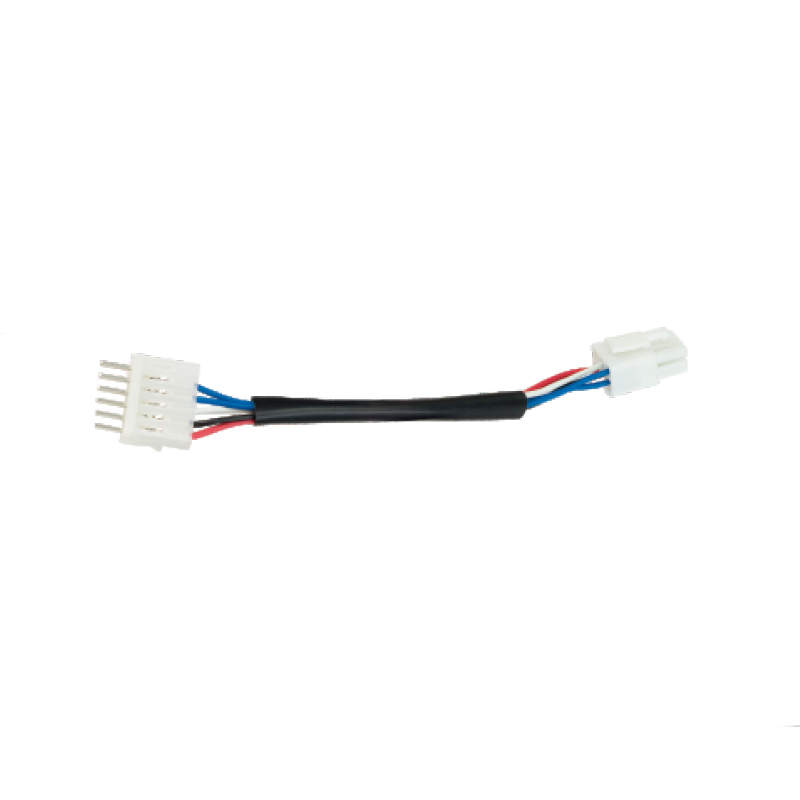
Prolonging line used between speed motor and controller.Additional sale product.When buying the controller, there will be a prolonging line with 0.5 m...
See Details -
Cat:CH
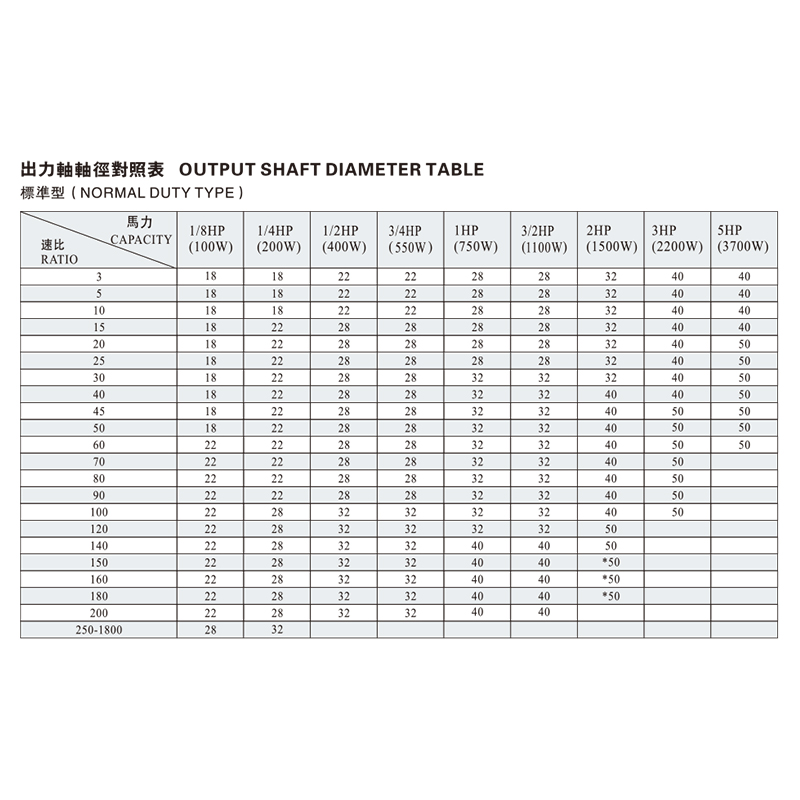
The CH, CV Output Shaft Diameter Table provides standardized dimensional data for selecting compatible transmission components and mechanical assembli...
See Details -
Cat:CH
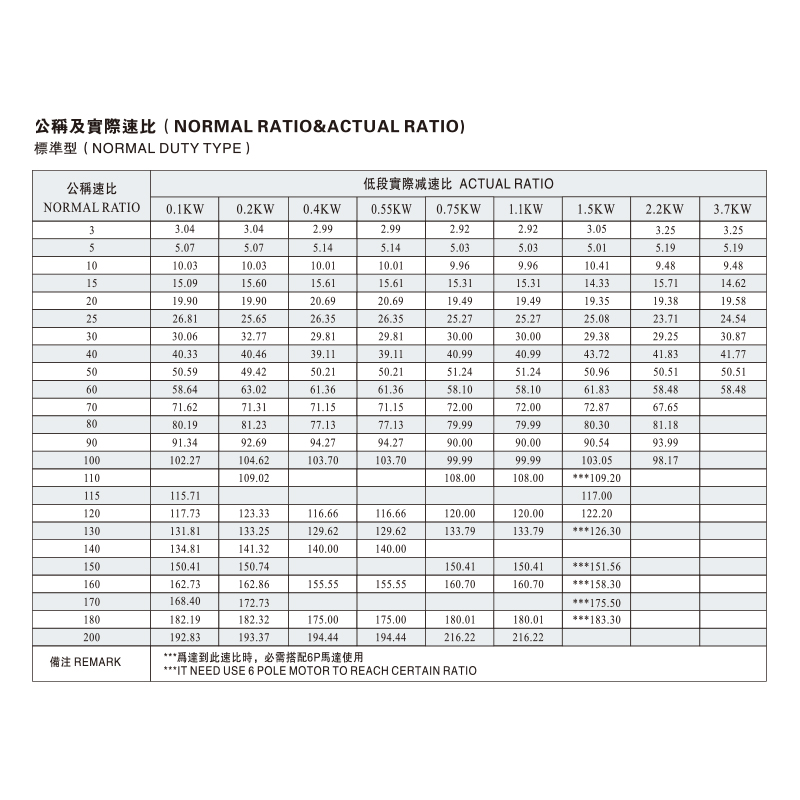
The CH, CV Normal Ratio & Actual Ratio provides accurate reference data for matching transmission requirements and optimizing reducer performance....
See Details
Looking For Business Opportunity?
Request for a call today

Zhanpeng Machinery sincerely cooperates with people at home and
abroad to create common development and achieve win-win
results!
Contact Us
-
 sales@razhanpeng.com
-
 +86 13335770176
-
 No. 2807, Huaming Road, Ruian City, Wenzhou City,Zhejiang Province,China
Quick Links
Message


Copyright 2024 Ruian Zhanpeng Machinery Co., Ltd.
Gear Motor Factory


Contact Us