


 English
 中文简体
中文简体 عربى
عربى
Why Humidity Control Matters for an Industrial DC Gear Motor
Humidity is easy to overlook in an industrial setting because it often has no obvious effect during normal operation. Dust can be seen, water can be felt, while moisture in the air remains largely unnoticed until a mechanical or electrical problem appears. A motor working in a damp area may continue running normally for some time before signs of moisture exposure become visible.
Inside a geared motor, electrical parts and moving metal surfaces work together. Moisture can affect both areas in different ways. Electrical insulation may lose part of its protective function when damp conditions persist, while exposed metal surfaces can begin to corrode. Maintenance guidance for electric motors also links moisture exposure with changes in insulation condition and corrosion around mechanical parts.
Humidity control therefore belongs to ordinary equipment management rather than being limited to unusually wet workplaces. Production areas with poor ventilation, outdoor installations, washing processes, enclosed spaces, and locations with frequent temperature changes can all create conditions where moisture deserves attention.
A practical approach starts with the surroundings. Checking where a motor is installed, how air moves around it, whether water can reach the housing, and how the equipment behaves during shutdown can reveal risks that are easy to miss during normal production.
How Can Moisture Affect Internal Electrical Components
Moisture can reach internal areas through openings, seals, cable entry points, ventilation paths, or changes in temperature. Even when liquid water never enters directly, humid air can still interact with internal surfaces over time.
Electrical insulation is particularly sensitive to moisture. Damp material may provide easier paths for unwanted current movement, reducing the separation that normally exists between electrical sections. For a direct current motor, moisture can also affect parts associated with current transfer and internal insulation.
A motor does not need to be running for moisture to create concern. During a long shutdown, internal surfaces can cool along with the surrounding environment. When a surface becomes cooler than the nearby air, moisture may collect on it. Such conditions can leave a previously dry motor damp before the next start.
Several environmental details are worth checking:
- Is the motor installed near a water source?
- Does warm air meet a cooler housing?
- Can humid air remain trapped around the equipment?
- Are covers, seals, and cable entry areas in good condition?
- Does ventilation allow moisture to leave the surrounding space?
A dry-looking exterior cannot always confirm the condition inside. When moisture is suspected internally, inspection should follow the equipment's maintenance instructions rather than relying on appearance alone.
What Happens to Metal Parts in a Humid Environment
Metal surfaces respond differently from electrical insulation, although humidity can still create long-term problems. Shafts, bearings, gears, fasteners, and other exposed parts may develop corrosion when moisture remains around them.
A small area of surface corrosion may seem harmless at the beginning. As corrosion changes a contact surface, movement can become less smooth. Gear teeth may no longer meet in quite the same condition, while bearing surfaces can become rougher. Lubricant may also become contaminated when moisture enters areas that should remain protected.
Mechanical resistance can then increase gradually. A motor may still operate, although unusual sound, vibration, or movement can appear during operation. Separating a humidity-related problem from ordinary mechanical wear requires inspection rather than assumption.
For equipment installed in a damp environment, routine observation can focus on simple signs:
| Area to Check | Possible Moisture Effect | Useful Observation |
|---|---|---|
| Housing | Condensation or surface corrosion | Look for damp marks or rust |
| Shaft | Surface corrosion | Check visible exposed areas |
| Bearings | Corrosion or lubricant contamination | Watch for unusual movement or sound |
| Gears | Surface deterioration | Pay attention to changes in operation |
| Electrical section | Damp insulation | Follow suitable inspection procedures |
Humidity does not act alone. Dust, poor ventilation, temperature changes, and direct water exposure can add further stress, making environmental control a broader maintenance issue rather than a single moisture problem.
Why Can Condensation Be More Concerning Than Humid Air
Humid air becomes particularly important when conditions allow water to form on a cooler surface. A motor placed in a warm, damp room may cool during shutdown, allowing moisture to collect on internal or external surfaces.
Condensation deserves separate attention because liquid water has a different effect from moisture suspended in surrounding air. Once droplets form, they can remain around joints, metal surfaces, or other areas where drying is slow.
Shutdown periods can create a quiet risk. During operation, heat generated by the motor may keep internal surfaces warmer than the surrounding air. Once operation stops, that heat gradually disappears. A cooler housing can then become a place where moisture collects.
A simple environmental review can therefore include both operating and non-operating conditions. Asking only how the motor behaves while running may leave out part of the problem.
For installations where temperature changes are common, ventilation and suitable enclosure arrangements can help manage moisture exposure. Storage guidance for geared equipment also places attention on enclosed, protected, and reasonably controlled environments, showing that moisture management matters even when machinery is not operating.
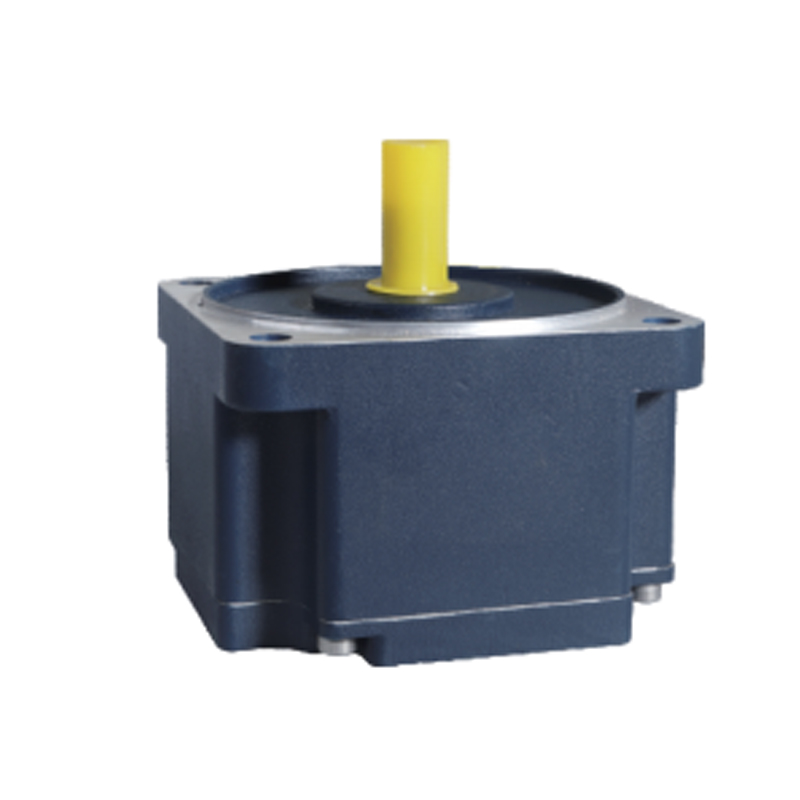
How Does Humidity Affect a Motor During Storage and Standby
Unused equipment is sometimes treated as maintenance-free simply because it is not producing mechanical movement. In reality, storage introduces its own environmental concerns. A motor sitting idle can remain exposed to damp air, condensation, dust, and changing temperatures.
During standby, moisture may remain on metal surfaces for longer because normal operating heat is absent. Corrosion can gradually develop around exposed parts, while damp conditions may affect internal electrical materials.
Storage conditions should therefore be considered alongside operating conditions. A protected indoor area with reasonable airflow is generally easier to manage than a location exposed to rain, condensation, or persistent dampness. Manufacturer instructions should guide storage preparation, especially where a motor will remain unused for an extended period.
Before returning equipment to service, a basic inspection can include:
- Checking the housing for moisture marks
- Looking for visible corrosion
- Confirming that ventilation paths are clear
- Checking exposed mechanical surfaces
- Looking for signs of damaged seals
- Following the specified inspection procedure before energizing the unit
A long idle period is also a useful point for reviewing the surrounding installation. Recurring condensation may indicate an environmental issue that needs attention rather than a simple motor fault.
Humidity control is therefore part of equipment care from installation through storage. For an Industrial DC Gear Motor, keeping moisture conditions in view can help maintenance teams distinguish environmental deterioration from ordinary operating wear.
What Environmental Conditions Should Be Considered During Installation
Installation conditions can shape how a motor behaves long after commissioning. A unit placed inside a dry production room faces a different environment from one located near washing areas, outdoor equipment, cooling systems, or spaces where warm and cool air meet regularly.
Moisture exposure should therefore be considered before installation rather than only after a fault appears. Gear motor guidance commonly advises avoiding locations with persistent humidity, dust, sudden temperature changes, or corrosive surroundings during storage and operation.
Physical placement also matters. A housing positioned directly below a pipe, close to a drain, or beside a source of spray can face repeated water exposure even when surrounding humidity seems manageable. Poor airflow can create another problem because damp air may remain around the housing instead of dispersing naturally.
Several installation details deserve attention:
- Keep the unit away from direct water sources where practical.
- Avoid areas where condensation regularly forms on nearby surfaces.
- Check whether airflow around the housing is restricted.
- Inspect cable entry points and seals for signs of deterioration.
- Consider how the surrounding environment changes during shutdown.
- Keep drainage paths clear around equipment installed near wet processes.
Protection should match the actual surroundings. A sealed housing may help limit moisture entry, while unsuitable installation can still expose external shafts, connections, or other vulnerable areas to water. Environmental protection is therefore not simply a housing issue; placement, airflow, cleaning practices, and nearby equipment all have a role.
How Can Humidity Control Support Custom Gear Motors
Application requirements can vary considerably from one machine to another. A drive unit used inside a dry conveyor system may face different environmental demands from one installed near washing equipment or in an enclosed production area with persistent moisture.
For Custom Gear Motors, environmental conditions can become part of the specification discussion rather than an afterthought. Housing arrangements, sealing, exposed materials, ventilation, shaft protection, and maintenance access may all need consideration according to where the equipment will operate.
Customization should start with the working environment. Useful information includes:
- Whether the equipment operates indoors or outdoors
- Whether water spray is present
- Whether cleaning involves direct water contact
- Whether temperature changes are frequent
- Whether the surrounding air contains dust or corrosive substances
- Whether the motor remains idle for long periods
Such information gives equipment designers a clearer picture of the conditions surrounding the drive. A motor intended for a damp location may require a different protection approach from one used in a dry indoor space.
Environmental control also affects maintenance planning. A sealed arrangement may reduce moisture entry, while easier access may simplify inspection and cleaning. Neither approach should be selected without considering how the machine will actually be used.
What Signs May Indicate Moisture Related Problems
Moisture-related deterioration can appear in several forms, and early signs may resemble ordinary mechanical wear. Careful observation helps separate environmental concerns from other causes.
A change in operating sound may indicate that moisture has affected a bearing or another moving section. Visible rust around an exposed shaft can suggest prolonged damp exposure. Condensation around the housing may point toward temperature changes that allow moisture to collect.
Electrical behavior can also change when internal moisture becomes a concern. Starting irregularities, unexpected operation, or other electrical symptoms should not automatically be attributed to humidity, since wiring, power supply, internal wear, and other conditions may produce similar results.
A simple observation table can help organize inspection:
| Observation | Possible Environmental Link | Next Step |
|---|---|---|
| Rust on exposed metal | Persistent moisture | Inspect the surrounding area |
| Condensation on housing | Temperature change | Check ventilation and moisture sources |
| Unusual mechanical sound | Possible corrosion or contamination | Stop and inspect as required |
| Irregular starting | Possible internal moisture or another fault | Follow suitable electrical checks |
| Damp storage area | Long-term exposure risk | Improve storage conditions |
One symptom rarely provides enough information for a clear diagnosis. Looking at the environment together with the equipment condition gives a more useful picture.
How Should Humidity Related Motor Inspection Be Handled
Inspection should begin from the outside. Looking for water marks, corrosion, damaged seals, blocked airflow, and unusual residue can reveal environmental problems without immediately opening the equipment.
A damp motor should not simply be powered on to see whether it still works. Moisture inside electrical components can affect insulation, while direct current machines may contain parts whose condition changes when moisture remains present. Guidance on moisture management for DC motors notes possible effects on insulation and surface condition around several internal components.
When internal moisture is suspected, the appropriate inspection and drying procedure depends on the equipment design. Maintenance personnel should follow the supplied service instructions and use suitable testing methods before returning a damp unit to operation.
For stored motors, condition checks are particularly important because moisture can remain unnoticed during long idle periods. Industry maintenance guidance recommends paying attention to humidity during storage and checking insulation condition before equipment returns to service.
How Can Routine Maintenance Reduce Moisture Exposure
Humidity control does not always require complicated equipment. In many industrial settings, simple housekeeping and regular inspection can remove avoidable sources of moisture.
A useful maintenance routine can include:
- Keeping the area around the motor clean and dry
- Checking seals and covers for visible damage
- Removing standing water near the installation
- Keeping ventilation openings clear
- Inspecting exposed metal surfaces for corrosion
- Checking storage areas for damp conditions
- Recording unusual condensation or environmental changes
Storage deserves particular care. Guidance for geared motors commonly recommends clean, dry indoor locations away from moisture and sudden temperature changes.
When a spare motor is kept in storage, environmental control should continue rather than stopping after packaging. Moisture can affect stored equipment even without operating heat or mechanical movement.
Maintenance records can make recurring problems easier to spot. When condensation appears repeatedly after certain environmental changes, the issue may relate to the installation rather than the motor itself.
How Do Humidity and Other Environmental Factors Work Together
Humidity rarely acts alone. Dust can combine with moisture around exposed surfaces, poor ventilation can slow drying, and temperature changes can encourage condensation. Outdoor equipment may face rain or damp air, while indoor machinery may experience moisture from cleaning processes.
Such conditions can interact in ways that are easy to overlook. A small amount of moisture may not create an immediate operating problem, while repeated exposure can gradually change metal surfaces, lubricant condition, seals, or electrical insulation.
For that reason, environmental inspection should look beyond a humidity reading. The location of water sources, airflow, cleaning methods, temperature changes, storage arrangements, and equipment condition all provide useful information.
A Custom Gear Motors application also benefits from considering the complete surroundings during specification and maintenance planning. A drive unit designed around its actual working conditions can be easier to maintain because environmental risks have been considered before installation.
What Should Be Checked Before Returning a Motor to Service
A motor that has been exposed to damp conditions should receive a careful inspection before normal operation resumes. External dryness alone does not confirm that internal areas are ready for use.
A practical check can cover:
- Housing condition and visible moisture
- Exposed metal surfaces and signs of corrosion
- Seals, covers, and cable entry areas
- Mechanical movement where inspection procedures allow it
- Internal moisture concerns identified through suitable testing
- Any unusual sound, heat, or vibration during controlled testing
Electrical inspection should be handled by qualified personnel when internal moisture or insulation damage is suspected. Manufacturer instructions should take priority because motor construction and maintenance requirements can differ between applications.
For an Industrial DC Gear Motor, humidity control is closely connected with installation, storage, inspection, and daily maintenance. Managing moisture at the environmental level can help reduce conditions that place unnecessary stress on electrical and mechanical parts, while regular inspection provides a practical way to catch changes before normal operation is affected.
Related Products
-
-
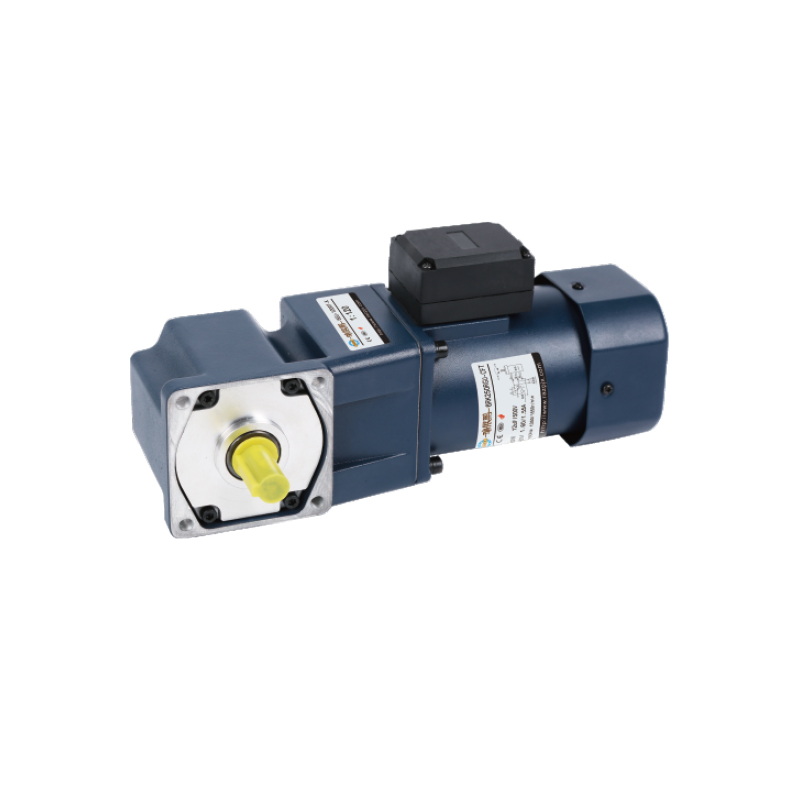
Cat:Right-Angle
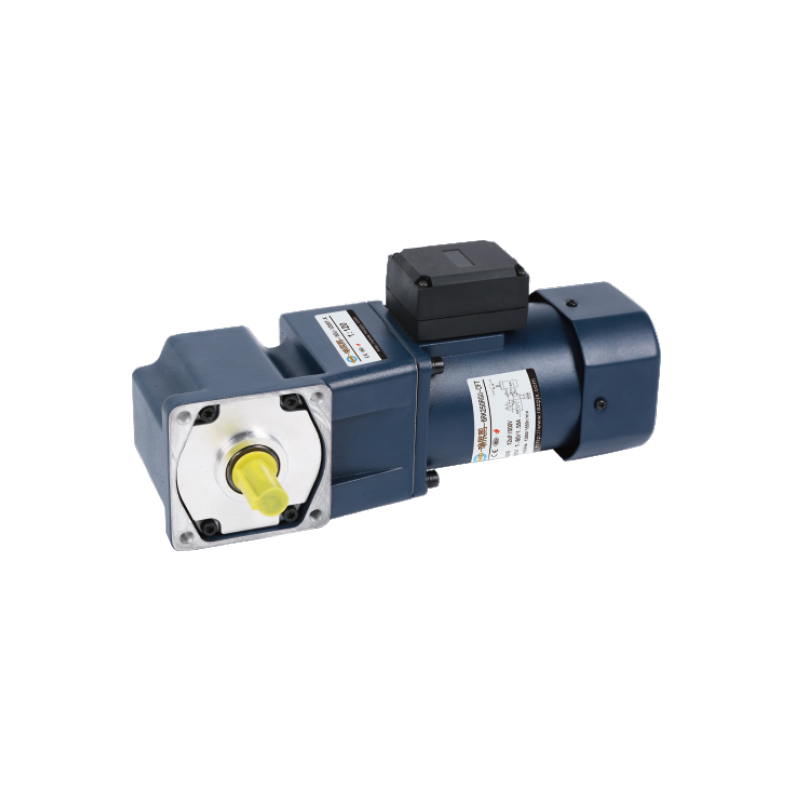
The 100mm 120W/140W VT Reduction Motor is designed for compact transmission systems requiring stable torque output and controlled operating speed. Fea...
See Details -
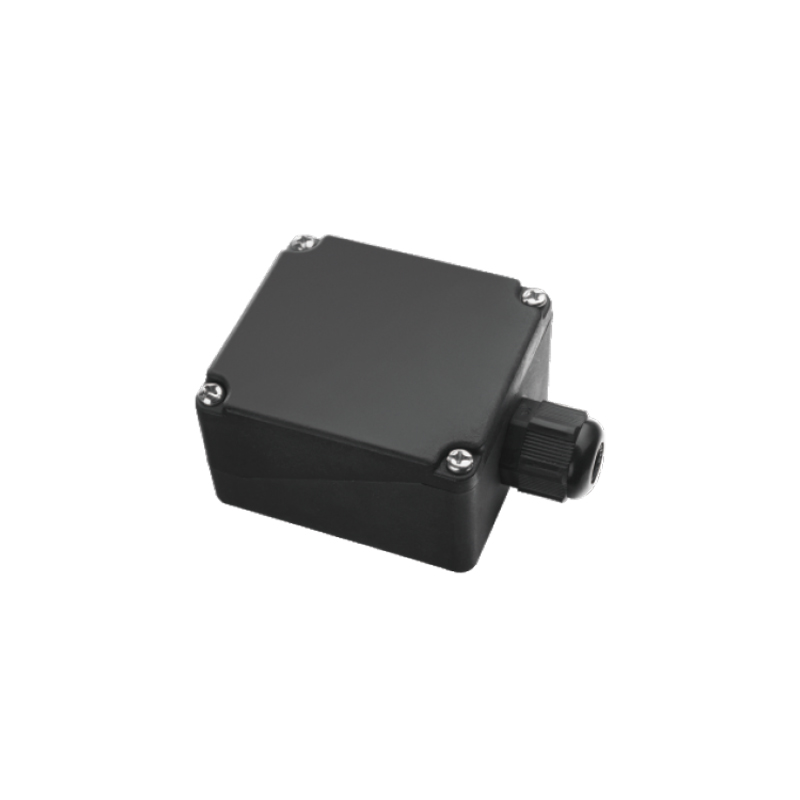
Cat:Right-Angle
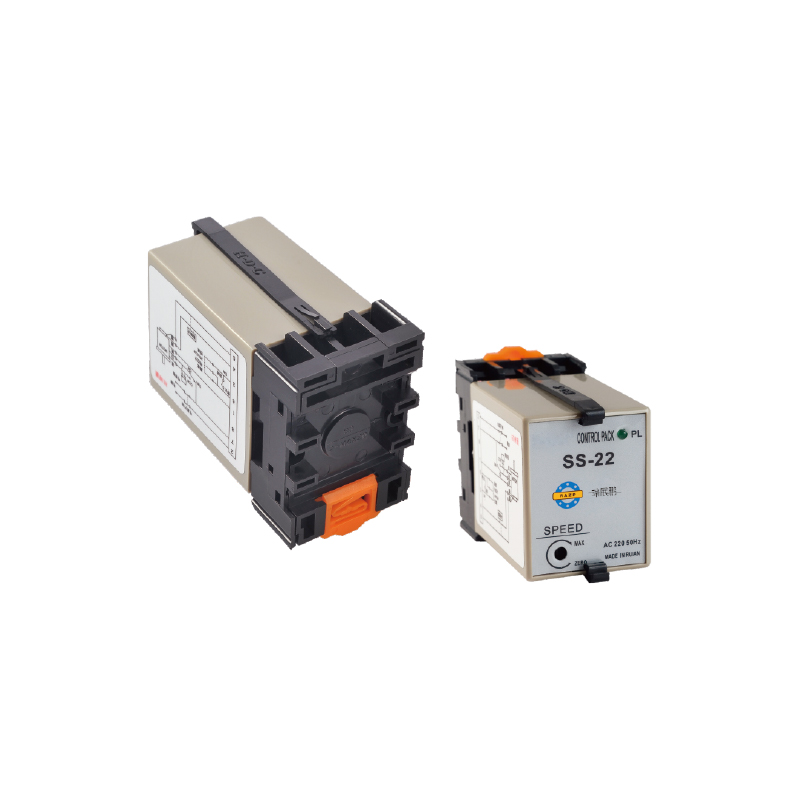
The SX Type Junction Box is designed for safe and reliable electrical connection and cable management in motor and industrial equipment systems. Featu...
See Details -
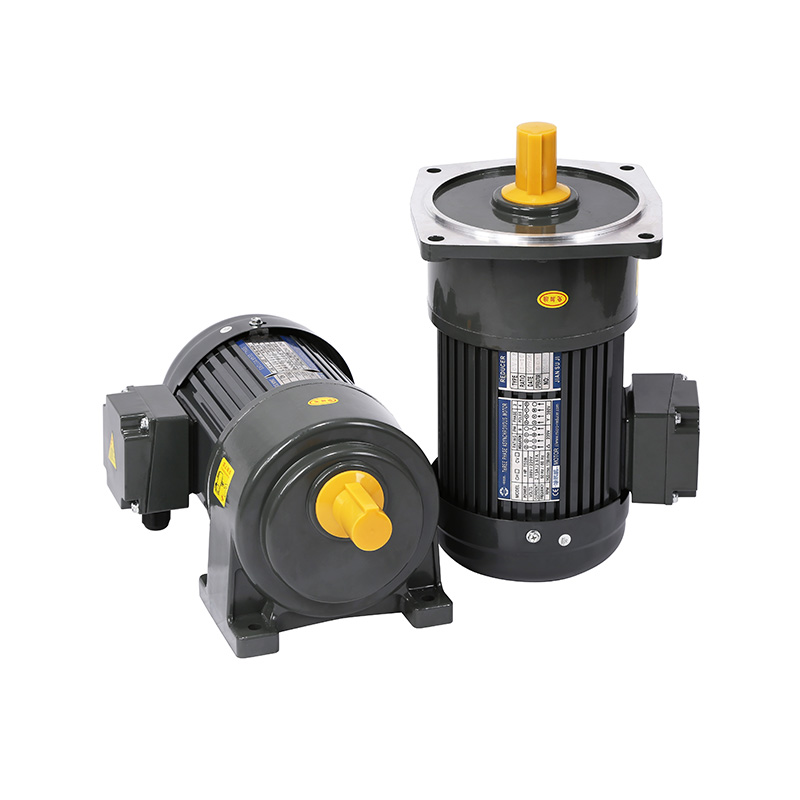
Cat:CH
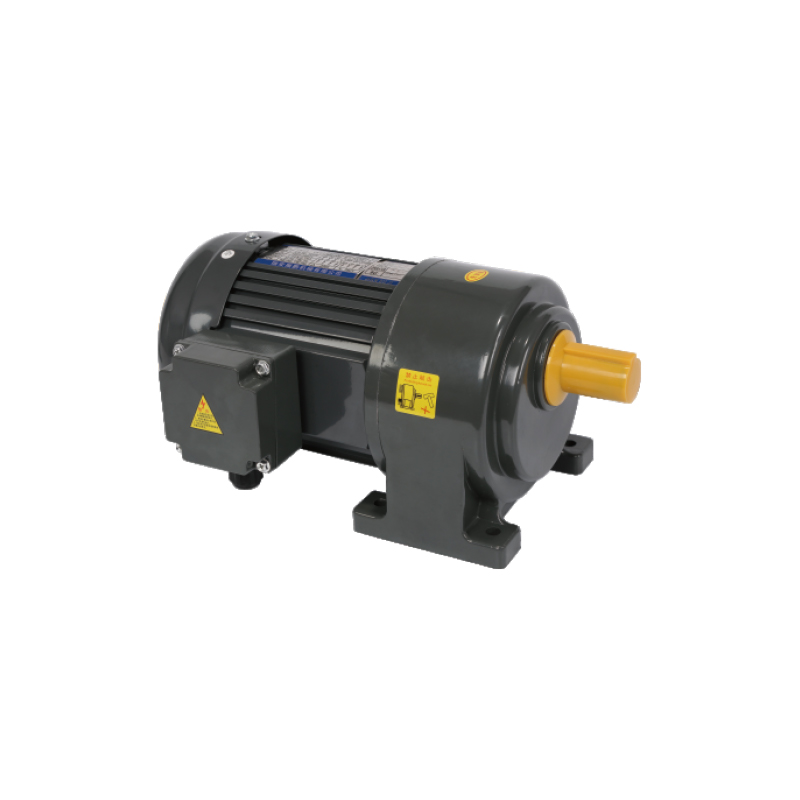
The Mirco and Special Electronic product series is designed for compact electronic equipment and precision transmission applications requiring stable ...
See Details
Looking For Business Opportunity?
Request for a call today

Zhanpeng Machinery sincerely cooperates with people at home and
abroad to create common development and achieve win-win
results!
Contact Us
-
 sales@razhanpeng.com
-
 +86 13335770176
-
 No. 2807, Huaming Road, Ruian City, Wenzhou City,Zhejiang Province,China
Quick Links
Message


Copyright 2024 Ruian Zhanpeng Machinery Co., Ltd.
Gear Motor Factory


Contact Us