


 English
 中文简体
中文简体 عربى
عربى
How Gear Tooth Design Affects the Noise of a Low Noise Gear Motor
Gear teeth do more than transfer movement from one shaft to another. Their shape determines how two gears meet, carry force and move apart during rotation. A small change in contact behavior can alter the way force travels through the gear set, which may then be felt as vibration or heard as a change in operating sound.
Noise in a gear motor does not come from one part alone. Motor movement, gear contact, shafts, bearings and the surrounding housing can all contribute to what a user hears. Gear tooth design sits near the center of that process because contact between teeth creates repeated changes in force during operation. Research on gear vibration has linked tooth form variation and gear geometry with changes in vibration and noise.
A Low Noise Gear Motor therefore requires attention to how teeth behave during normal movement rather than simply how the gears look on a drawing. Smooth contact helps keep changes in force more gradual. Poor contact can create small impacts or irregular movement, which may travel through the shafts and housing.
Several design details can influence the result:
- Shape of the tooth surface
- Way teeth enter and leave contact
- Area over which force is transferred
- Consistency between individual teeth
- Relationship between the two mating gears
Noise can also change when operating conditions change. A gear set may sound relatively quiet during light operation and become more noticeable under greater mechanical demand. Such behavior shows why tooth design needs to be considered together with the rest of the transmission structure.
How Tooth Engagement Changes Operating Sound
Gear teeth do not remain in contact with the same tooth surface throughout a complete rotation. Contact moves along the tooth as one gear drives another, with one pair of teeth leaving contact while another pair begins to carry the load.
A smooth transition between contact points helps prevent sudden changes in force. When the transition is less even, small changes in movement can occur each time teeth meet or separate. Repeated movement creates vibration, and vibration can then travel into nearby parts.
The way a tooth enters contact matters as much as the shape it has while carrying force. A sharp change in contact can create a small impact, especially when the gear is moving under load. Repeated impacts can produce a recognizable running sound.
Tooth engagement also affects how evenly force is shared. When contact moves smoothly from one tooth pair to another, the load can pass through the gear train with less abrupt change. A less stable contact pattern may create greater fluctuation during rotation.
For a motor used in a quiet environment, small changes can become noticeable because background sound may be limited. Equipment used around people, office machinery or household systems can therefore place more attention on gear movement and structural vibration.
Noise should not be treated as a simple result of gear speed. Tooth engagement creates a repeating pattern, while the motor and housing influence how that pattern is transmitted. A change in tooth design can therefore affect not only the sound produced at the contact point, but also how much of that sound reaches the outside of the motor.
How Spur and Helical Tooth Designs Affect Noise
Gear tooth direction changes the way contact develops between mating gears. Spur gears have teeth arranged across the gear face in a straightforward pattern, so contact begins across the tooth width in a relatively direct manner. Such a structure can work well for many compact transmissions, although the contact transition can produce noticeable changes in force.
Helical gears use angled teeth, allowing contact to develop progressively across the tooth width. Several areas of the tooth can share the transfer of movement as rotation continues. Such gradual engagement can help reduce abrupt changes in force and may create a smoother operating sound.
Choice of gear type still depends on the full mechanical arrangement. Space, load, direction of force, shaft arrangement, manufacturing process and lubrication all have a role. A gear cannot be selected only because one tooth arrangement is commonly associated with quieter operation.
The difference can be viewed in a simple way:
| Gear Tooth Arrangement | Contact Behavior | Possible Noise Influence |
|---|---|---|
| Spur teeth | More direct tooth engagement | Sound can become noticeable when contact changes are abrupt |
| Helical teeth | Contact develops progressively | Force changes can be distributed more gradually |
| Modified tooth shape | Contact adjusted around working areas | May help control unwanted changes in movement |
Gear design also needs to account for the surrounding structure. A quieter contact pattern may still produce noticeable sound when vibration passes into a thin housing or poorly supported shaft. Gear tooth geometry is therefore one part of a larger mechanical system.
How Tooth Profile and Contact Shape Influence Vibration
Tooth profile describes the shape followed by the working surface of a gear tooth. During rotation, mating surfaces need to maintain a controlled relationship so that movement is transferred smoothly.
A suitable profile allows the contact point to travel naturally along the working surface. A poorly matched shape can create changes in movement as the teeth pass through the contact area. Such changes may be small during one cycle, yet repeated motion can turn them into a clear vibration pattern.
Profile adjustments can also be used to manage how a tooth begins and ends contact. Research into gear profile modification has shown that changes in tooth shape can influence vibration caused by geometric variation.
For practical gear design, several areas deserve attention:
- Contact should develop without a sudden jump in force
- Tooth surfaces should remain compatible during movement
- Load should not concentrate unnecessarily in a small area
- Tooth shape should suit the expected operating condition
A gear tooth is not working alone. Shaft movement, bearing support and housing stiffness can change the way force travels after contact occurs. Vibration created at the tooth surface may become more noticeable once it reaches another component.
Such interaction explains why changing a tooth profile does not always produce the same sound change in every motor. A gear set installed in one housing may behave differently from a similar set installed in another structure.
Why Gear Tooth Accuracy Affects Noise
Even when the intended tooth shape is carefully designed, actual gears can differ slightly from the planned geometry. Variation may appear from machining, forming, finishing, handling or assembly. Differences between individual teeth can create uneven contact during rotation.
When one tooth behaves slightly differently from the next, force transfer can change from one engagement to another. Repetition of that change can create a rhythmic vibration that becomes part of the operating sound. Research examining variations in tooth flank form has connected differences among teeth with gear vibration and changes in perceived noise quality.
Accuracy does not mean every gear must behave in an abstract ideal condition. Practical production always involves manufacturing limits. The important point is that tooth geometry, production capability and assembly conditions need to fit together.
A gear motor may therefore require attention to the full production chain:
Tooth design → gear forming → surface finishing → inspection → assembly → operating condition
A change introduced during one stage can affect the final contact pattern. For example, a tooth surface that appears acceptable visually may still create different contact behavior when rotating against its mating gear.
For a Gear Motor Factory, production consistency is closely connected with tooth design. Design choices need to consider what can be produced repeatedly, how surfaces will be finished and how gears will be positioned during assembly. Noise control is consequently not limited to drawing the tooth shape; it involves keeping the intended contact behavior through manufacturing and final assembly.
A Low Noise Gear Motor is shaped by the interaction between gear geometry and the rest of the transmission. Tooth engagement, tooth profile and production consistency all influence how smoothly force moves through the gear set. Once those factors are considered together, noise becomes easier to view as a mechanical behavior rather than simply an unwanted sound.
How Tooth Surface Finish Changes Gear Noise
Tooth shape is only part of the contact condition. Surface quality also affects how two gears move against each other. A rough or uneven surface can create small changes in friction during rotation, while a cleaner contact surface allows movement to remain more consistent.
Surface condition can change during production and use. Machining marks, small irregular areas or residue from processing may affect how teeth meet. As gears continue to work together, contact areas can change gradually, making the running sound different from the sound heard during initial operation.
Lubrication also has a close relationship with surface condition. Suitable lubrication helps separate contacting surfaces and allows teeth to move with less resistance. Poor lubrication can increase friction, while excessive residue may collect around the gear set and affect movement.
Several conditions can influence the sound produced around the gear contact area:
- Uneven tooth surfaces
- Inconsistent finishing
- Insufficient lubrication
- Contamination around moving parts
- Changes caused by continued wear
A quiet gear system therefore depends on more than tooth geometry alone. Surface preparation and regular operating conditions need to support the intended contact pattern. When surface condition changes, vibration may increase even though the original tooth design has not changed.
For manufacturing operations, surface treatment needs to remain compatible with the tooth profile. A change in finishing practice can alter the way mating surfaces behave, making production inspection an important part of noise control.
How Gear Tooth Design Interacts With Motor Speed and Load
Gear noise can change when the working condition changes. A motor operating with little resistance may produce a different sound from one carrying a heavier mechanical load. Force passing through the teeth changes with operating demand, which can alter contact pressure and vibration.
Speed also affects how often teeth move into and out of contact. Faster movement means contact changes occur more frequently, making small variations easier to notice through sound or vibration. Slower movement can produce a different pattern, particularly when the load remains substantial.
Gear tooth design needs to account for such changes rather than being considered under only one operating condition. A shape that works smoothly during one part of the operating range may behave differently under another condition.
Load can also influence how widely force spreads across the tooth surface. When contact becomes concentrated, small surface variations may have a greater influence on movement. Proper tooth geometry helps maintain a stable relationship between the mating gears as working conditions change.
A practical evaluation can therefore consider:
- Light and heavy mechanical demand
- Changes in rotational speed
- Different directions of movement
- Starting and stopping conditions
- Changes in resistance during operation
Noise should be observed together with mechanical behavior. A sound that appears only under load may point toward gear contact, while a sound that remains during unloaded operation may involve another part of the motor structure.
Such differences are useful during design and testing because they help separate gear-related noise from other sources. Listening alone cannot identify a precise cause, yet changes under different working conditions can provide valuable clues.
How Assembly Alignment Can Change Gear Noise
Even carefully shaped teeth can produce unwanted sound when gears are not positioned correctly. Gear shafts need to maintain a suitable relationship during rotation so that mating teeth meet across the intended working area.
Misalignment can cause contact to move toward one side of the tooth. Instead of sharing force across a suitable area, contact may become concentrated. Such a condition can increase vibration and create a different operating sound.
Assembly also affects the relationship between gears and supporting parts. Shaft position, bearing seating and housing fit can all influence how the gear pair behaves after installation.
A simple way to view the relationship is:
Gear Shape → Gear Position → Contact Area → Force Transfer → Vibration → Sound
Each stage can affect the next. Changing the tooth shape may improve contact behavior, while poor positioning during assembly can reduce that benefit. For the same reason, a gear set that performs well during individual inspection may produce different results after being installed into a complete motor.
Assembly accuracy therefore needs to remain connected with gear design. Parts should be designed with practical installation conditions in mind, including how gears are supported and how their positions are maintained during operation.
Housing design also matters. Vibration generated around the gear set can travel into surrounding structures. A rigid or flexible housing may respond differently to the same internal movement, changing how much sound reaches the outside.
What Gear Motor Factory Needs to Consider in Tooth Design
Gear production involves several stages, and noise behavior can be influenced at each stage. Tooth geometry needs to match the available manufacturing process, while finishing methods and assembly procedures need to preserve the intended contact condition.
Design teams may need to consider several questions before production begins:
- Can the selected tooth shape be produced consistently?
- Can the working surfaces be finished in a controlled way?
- Will assembly keep the mating gears correctly positioned?
- Can worn or contaminated areas be inspected during service?
- Does the gear structure suit the expected operating conditions?
Production inspection also needs to look beyond the visible appearance of a gear. A surface can appear acceptable while small geometric differences still affect contact during rotation. Checking tooth shape, surface condition and assembly position together gives a clearer view of possible noise sources.
Manufacturing changes can also affect sound without any obvious change to the outside appearance. A small change in forming, cutting, finishing or assembly may alter how force moves through the teeth. Consistent production methods therefore have a practical connection with sound control.
For a Gear Motor Factory, noise management is not limited to selecting a particular gear type. Tooth design, production methods, surface condition and assembly practice need to support one another. A mismatch between any of those areas can create vibration that becomes noticeable during operation.
Design documentation can also support production consistency. Clear information about tooth shape, assembly position and surface requirements helps different production stages work toward the same mechanical result.
How Gear Tooth Design Shapes Overall Noise Behavior
Gear tooth design influences noise through a chain of connected mechanical conditions. Tooth shape affects contact, contact affects force transfer, force creates movement, and movement can travel through shafts, supports and housing structures.
Looking at one component alone can therefore give an incomplete picture. A gear with carefully formed teeth may still create noticeable sound when lubrication is unsuitable, assembly alignment is poor or surrounding parts transmit vibration easily.
Likewise, a gear that produces some operating sound does not automatically indicate a design fault. Normal mechanical movement always creates some level of sound. What matters in a Low Noise Gear Motor is how smoothly the gear set operates under its intended conditions and whether unusual vibration or sound appears during use.
Several design areas work together:
- Tooth geometry controls how mating surfaces meet
- Surface condition affects friction and contact behavior
- Manufacturing consistency helps maintain the intended tooth form
- Assembly alignment supports stable contact
- Housing and shaft structures influence vibration transmission
- Operating load and speed change how the gear set behaves
Such interaction has practical importance across equipment where operating sound needs to remain controlled. Household machinery, compact automation equipment and other enclosed mechanical systems may have different requirements, yet each depends on predictable gear movement.
Gear tooth design is therefore closely connected with the wider mechanical structure. Noise cannot be managed through tooth geometry alone, while tooth geometry remains an important part of the process because gear contact is repeated throughout operation.
A Low Noise Gear Motor develops its operating sound through many connected movements rather than one isolated component. Careful attention to tooth engagement, surface condition, production consistency and assembly alignment can help keep those movements controlled. For manufacturers, the broader task is to make design and production work together so that the intended gear behavior remains stable after the complete motor is assembled.
Related Products
-
-
Cat:Right-Angle
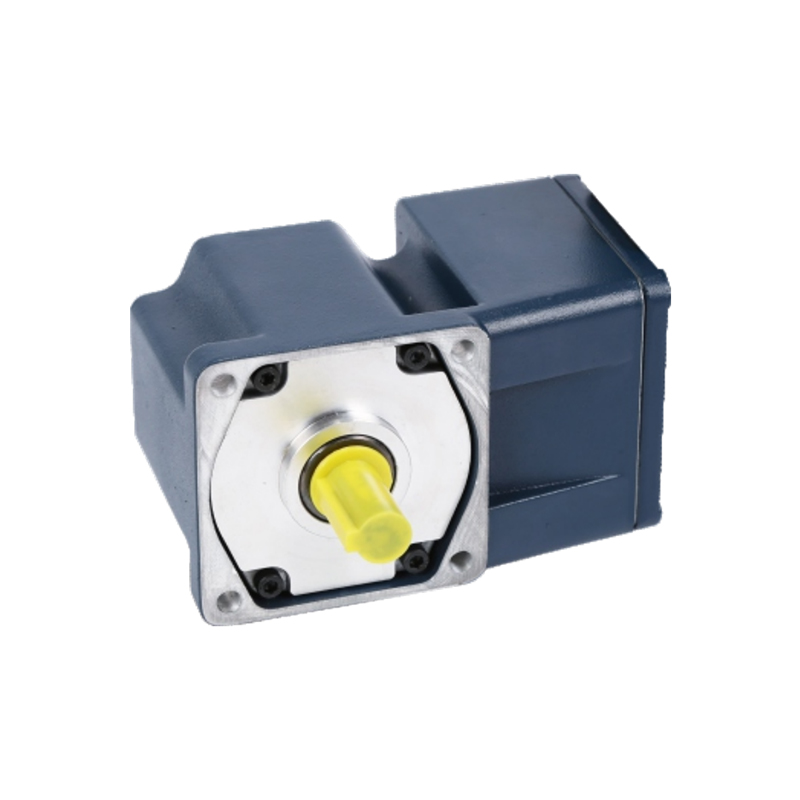
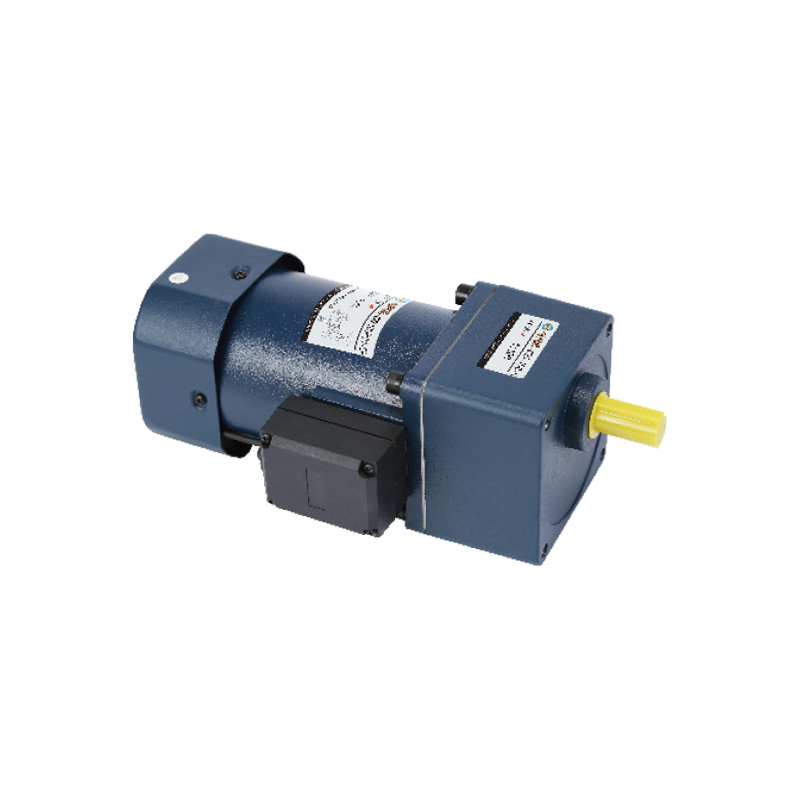
The Micro and Special Electronic Motor is designed for compact drive systems requiring reliable performance in limited installation spaces. Its small ...
See Details -
Cat:Motor Controller & Accessories
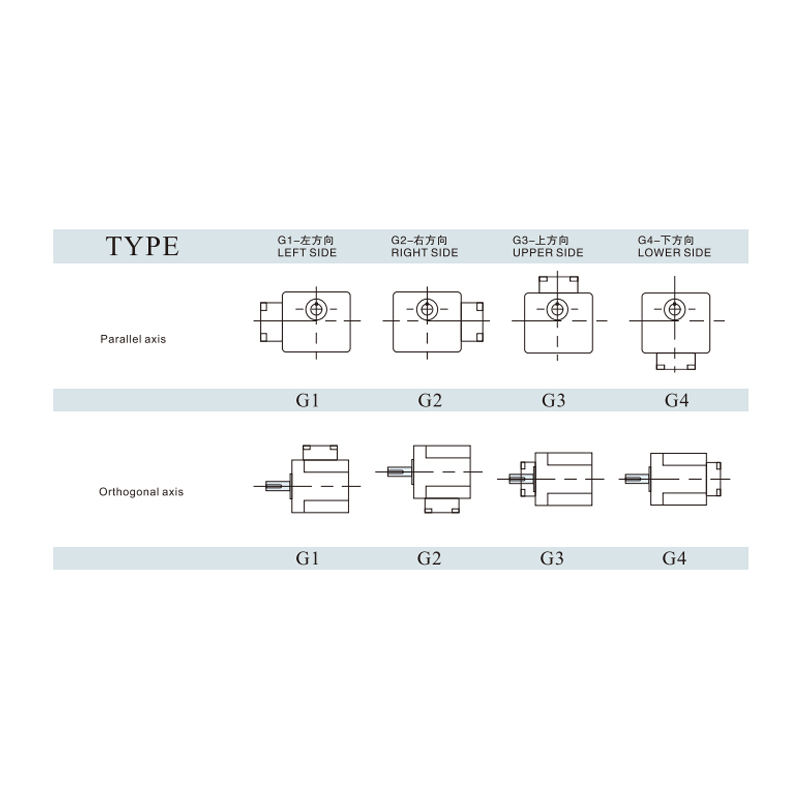
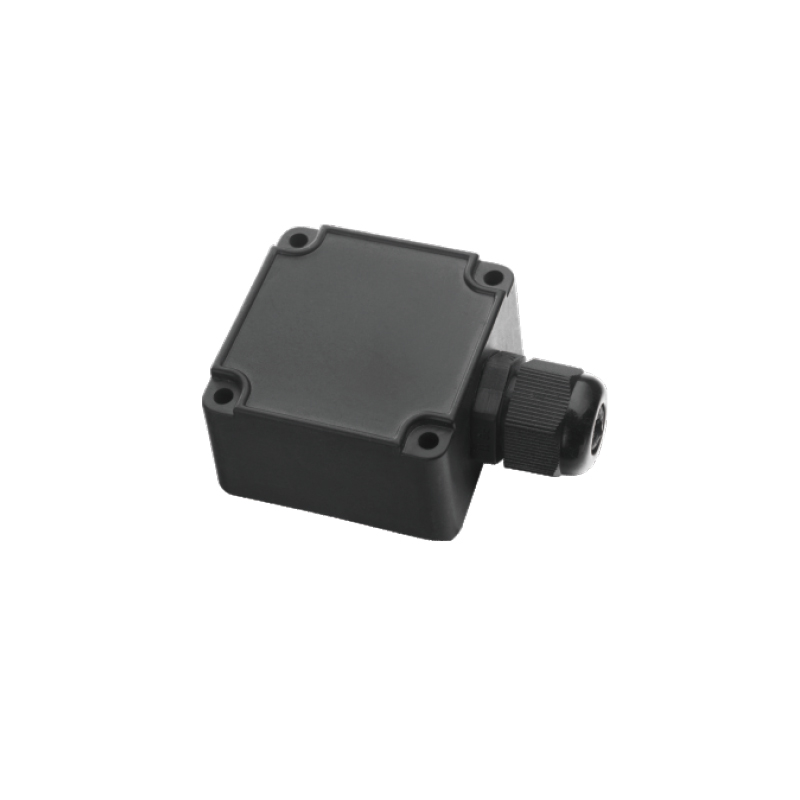
Junction Box Orientation Selected offers flexible installation options to match different equipment layouts and wiring requirements. Available in four...
See Details -
Cat:Motor Controller & Accessories
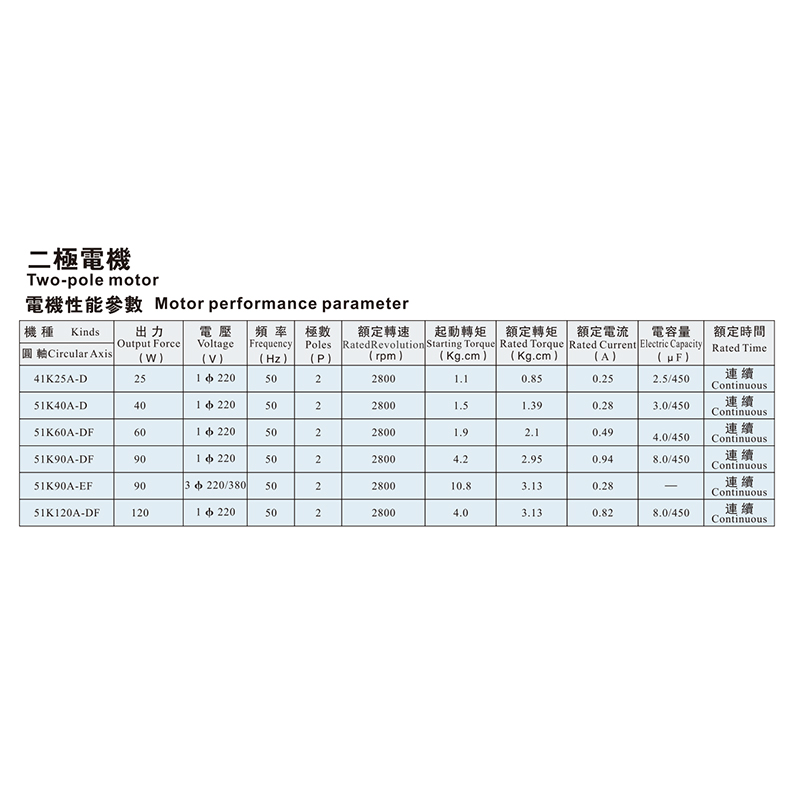
The Two-pole Motor is designed to provide stable and efficient power output for a variety of industrial and automation applications. Its compact struc...
See Details -
Cat:CH
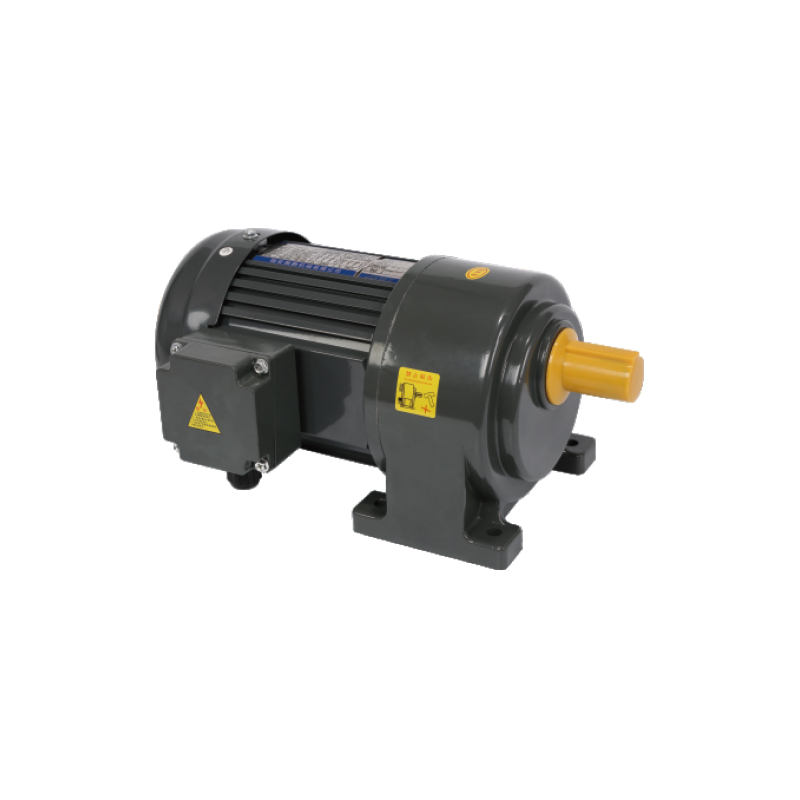
AC Brake Gear Motor is designed with an integrated braking system to ensure precise stopping and stable control during operation. This AC Gear Motor W...
See Details -
Cat:CH
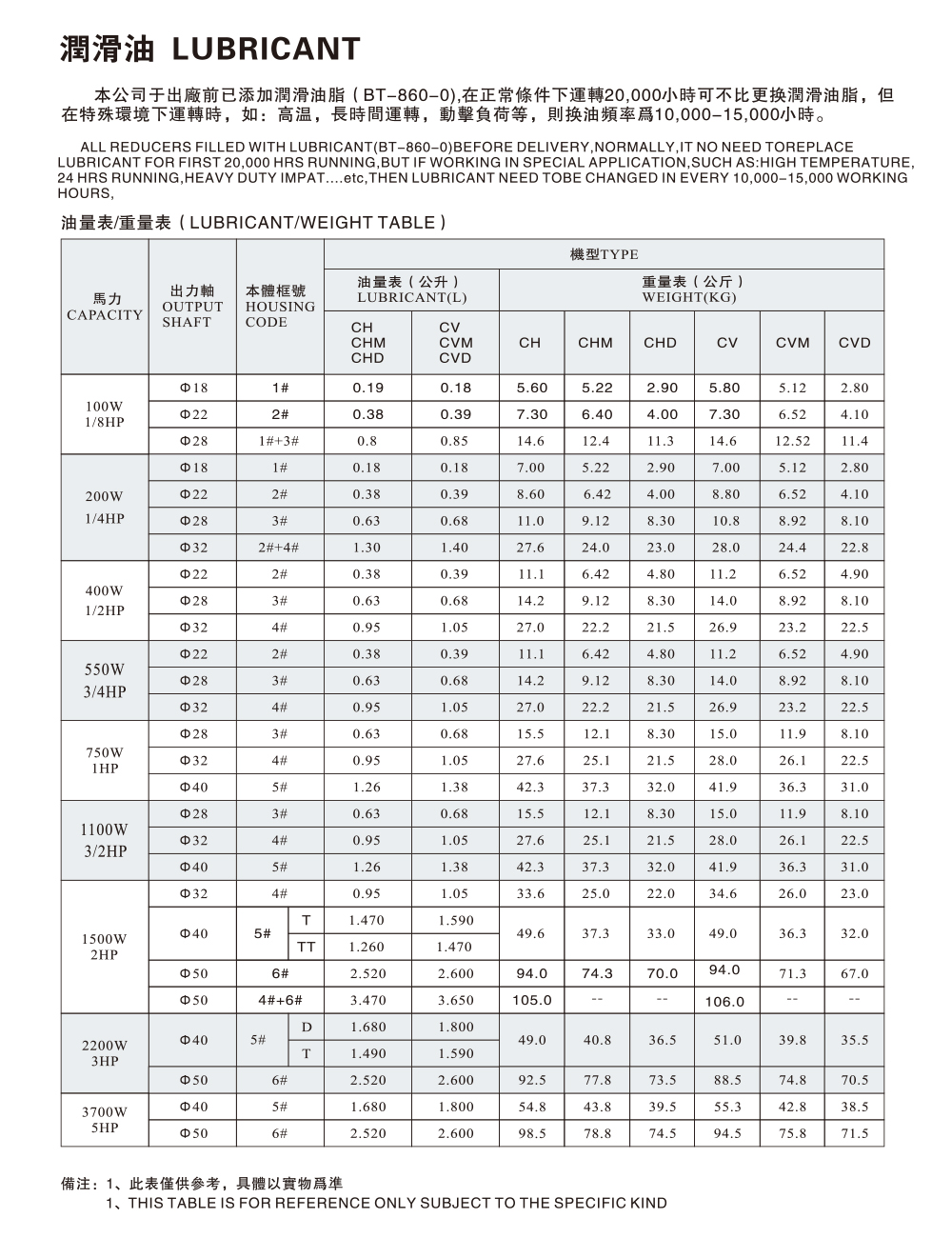
Our company has added lubricating grease (BT-860-0) before leaving the factory. It is not necessary to replace the lubricating grease after 20,000 hou...
See Details
Looking For Business Opportunity?
Request for a call today

Zhanpeng Machinery sincerely cooperates with people at home and
abroad to create common development and achieve win-win
results!
Contact Us
-
 sales@razhanpeng.com
-
 +86 13335770176
-
 No. 2807, Huaming Road, Ruian City, Wenzhou City,Zhejiang Province,China
Quick Links
Message


Copyright 2024 Ruian Zhanpeng Machinery Co., Ltd.
Gear Motor Factory


Contact Us