


 English
 中文简体
中文简体 عربى
عربى
What Materials Are Used in Custom Gear Motors and Why They Matter
Material selection quietly shapes how a gear motor behaves during regular operation. Different parts carry different responsibilities, so placing the same material throughout an assembly would rarely make practical sense. A housing needs to protect internal parts and manage heat, while gears must handle repeated contact and shafts need to remain stable during rotation.
Working conditions also influence material decisions. A motor used in a dry indoor setting may face relatively mild environmental exposure, whereas equipment installed near moisture, dust, heat, or mechanical vibration can place different demands on its components.
Several factors usually need consideration together:
- Mechanical load
- Operating temperature
- Moisture exposure
- Frequency of operation
- Available installation space
- Lubrication conditions
- Required maintenance
Material properties such as strength, wear resistance, heat handling, and corrosion resistance each matter for a different reason. A material with good mechanical properties may not necessarily suit an environment where moisture is a concern. Likewise, a lightweight material may require careful consideration when a housing faces repeated mechanical stress.
For Custom Gear Motors, material selection becomes closely connected with the intended application. A customized design may use several materials within one assembly because each component has a different job.
Which Materials Are Used for Housings and Gears
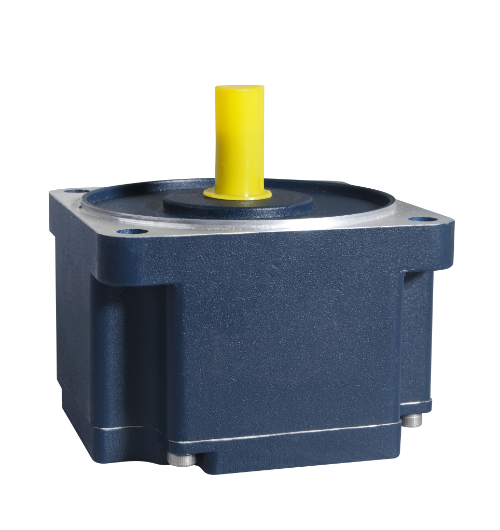
Housing materials generally need to provide protection for internal components while supporting heat transfer and mechanical stability. Aluminum is often considered when reducing overall weight is useful. Its relatively light structure can make handling and installation easier, while its heat transfer characteristics may also support housing design.
Cast iron offers a different set of properties. A rigid structure can be useful where the housing needs to remain stable under mechanical loading. Weight becomes a consideration during equipment design, so cast iron may not suit every installation.
Steel can also be used for selected structural parts. Its characteristics allow manufacturers to consider it where mechanical demands require a firm metal construction.
Plastic materials have a place in certain compact or less demanding designs. Low weight and resistance to particular environmental conditions can be useful, although temperature and mechanical loading need careful attention.
Gear materials are selected according to a different set of requirements. Repeated contact between gear surfaces creates wear, so material hardness, surface condition, lubrication, and operating load all influence the choice.
| Component | Possible Material Choices | Main Considerations |
|---|---|---|
| Housing | Aluminum, Cast Iron, Steel, Plastic | Weight, Protection, Heat, Mechanical Load |
| Gears | Steel, Brass, Plastic | Wear, Load, Lubrication, Noise |
| Shaft | Steel and Related Alloys | Rotation, Strength, Surface Condition |
| Insulation | Suitable Electrical Materials | Heat, Electrical Separation |
Steel gears may suit applications involving repeated mechanical contact, while plastic gears can be considered where lower weight or reduced operating sound has greater importance. Brass and other metals may also have a place in selected mechanisms.
Material choice therefore starts with function rather than appearance. Gear teeth, housing walls, and internal supports all experience different forms of stress.
How Do Shafts and Internal Parts Affect Operation
A shaft transfers rotational movement from one part of the assembly to another, so stability becomes important during continuous operation. Steel is commonly considered for shafts because suitable steel materials can provide the mechanical properties needed for repeated rotation.
Surface condition also matters. A shaft may remain structurally sound while its contact areas experience gradual wear through friction or poor lubrication. Supporting components need to work with the shaft rather than creating unnecessary resistance.
Internal parts often operate in a confined space, which makes accurate fitting important. Small differences in alignment can influence friction, noise, heat generation, and wear.
A practical design therefore considers the relationship among:
- Shaft size and material
- Supporting components
- Gear position
- Lubrication
- Housing structure
- Operating load
Different materials may be used inside one motor because each part faces a different task. Selecting a shaft material without considering surrounding components can create compatibility issues during assembly or operation.
For customized equipment, internal structure can also change according to available space and the required output arrangement. Material decisions need to follow those structural changes rather than remain fixed from one design to another.
Why Do Electrical Parts Need Different Materials
Mechanical components are only one part of a gear motor. Electrical sections require materials with suitable conductive and insulating characteristics.
Copper is commonly used for motor windings because electrical current needs to travel through the winding with controlled resistance. Surrounding insulation separates electrical components and helps prevent unwanted contact.
Heat becomes important here as well. Electrical resistance generates heat during operation, while mechanical friction adds another source. Insulating materials therefore need to tolerate the expected operating conditions without losing their intended function.
A motor assembly may contain metal, plastic, insulating materials, and magnetic materials at the same time. Each serves a separate purpose.
Electrical material selection can involve:
- Conductivity
- Heat resistance
- Electrical separation
- Mechanical stability
- Compatibility with surrounding components
Good coordination between electrical and mechanical sections helps the complete assembly work as intended. A housing needs enough space and suitable protection for electrical parts, while internal components need to avoid unnecessary contact with wiring or insulation.
Material decisions also affect maintenance. Heat‑related changes, damaged insulation, or loose internal components can influence motor operation, so material selection should consider inspection and service conditions from the beginning.
How Do Heat Moisture and Lubrication Affect Material Choice
Heat, moisture, and lubrication can change how materials behave during regular operation. A gear motor produces heat through electrical resistance and friction, while surrounding conditions may add another source of temperature change.
Housing material has a role in heat movement. Metal housings can transfer heat away from internal areas, while other materials may behave differently. Choice of housing material therefore needs to consider both mechanical protection and the thermal conditions around the motor.
Moisture creates another concern. Steel parts exposed to damp surroundings may require surface protection, while stainless steel can be considered where corrosion resistance has greater importance. Plastic materials may avoid certain corrosion problems, although temperature and mechanical conditions still need attention.
Lubrication also needs to match the materials inside the gearbox. Gear surfaces rely on suitable lubrication to reduce friction and wear, while seals and plastic components may respond differently to particular lubricants.
A practical material check can cover:
- Operating temperature
- Moisture around the equipment
- Gear contact conditions
- Lubricant compatibility
- Housing heat transfer
- Sealing material
- Expected maintenance conditions
Material and lubricant choices should therefore be considered together rather than treated as separate decisions.
How Are Materials Selected for Different Custom Applications
Different machines place different demands on a gear motor. A compact mechanism with limited installation space may require a lighter housing, while equipment facing regular mechanical loading may need a more rigid structure.
Operating patterns matter as well. A motor that runs intermittently may experience different thermal conditions from one that operates for long periods. Repeated starting, stopping, and reversing can also influence component wear.
Noise can become another consideration in equipment used near people or in enclosed working areas. Gear material, surface condition, lubrication, and assembly accuracy can all affect operating sound.
Application‑based selection may consider:
- Required output and load
- Rotation speed
- Operating pattern
- Available space
- Ambient temperature
- Moisture exposure
- Noise conditions
- Maintenance access
Custom Gear Motors may therefore contain several material combinations within one assembly. Aluminum could be selected for a housing, steel for gears and shafts, suitable insulating materials for electrical sections, and another material for seals.
Such combinations are not simply a matter of adding different materials together. Each part needs to work with the surrounding components during operation.
What Role Does a Gear Motor Factory Play in Material Selection
A Gear Motor Factory has to connect material selection with production requirements and the intended working environment. Application information can guide decisions about housings, gears, shafts, electrical parts, and sealing components.
Material consistency is also important during manufacturing. Substituting a material without considering its effect on the surrounding components may alter wear behavior, heat transfer, or mechanical fit.
Machining can influence how materials perform after production. Gear teeth need suitable dimensions and surface condition, while shafts need accurate contact areas. Housing surfaces and mounting points also need to match the overall assembly.
Production work may involve attention to:
- Raw material selection
- Component dimensions
- Gear surface condition
- Shaft accuracy
- Threaded or mounting areas
- Electrical insulation
- Assembly fit
- Surface protection
Heat treatment may be used for selected metal parts where changes in surface or internal properties are required. Surface finishing can also influence contact between moving components.
A manufacturing process should therefore be viewed as part of material performance. Even a suitable material can create operating problems when machining, finishing, or assembly does not match the component's purpose.
What Should Be Checked Before Choosing a Gear Motor
Choosing a gear motor starts with the equipment where it will be installed. A clear understanding of operating conditions helps narrow the material options before production or purchasing decisions are made.
Load is an important starting point, followed by rotation speed and operating pattern. Space restrictions may affect housing construction, while moisture or heat can influence material selection.
Electrical conditions need attention alongside mechanical requirements. Windings, insulation, and other internal electrical parts must remain suitable for the expected operating environment.
A simple checklist can include:
- Load: What mechanical demand will the motor handle?
- Operating pattern: Will operation be continuous, occasional, or frequently interrupted?
- Temperature: What conditions will surround the motor during use?
- Environment: Is moisture, dust, or corrosion a concern?
- Housing: Is weight, rigidity, or heat transfer an important factor?
- Gears: Which material suits the expected contact and lubrication conditions?
- Shaft: What mechanical and rotational demands will apply?
- Maintenance: Can internal and external parts be inspected when needed?
Clear application information gives a Gear Motor Factory a better basis for selecting materials and arranging production.
Material choice is ultimately tied to component function. Housing materials protect and support internal parts, gears transfer movement, shafts handle rotation, while electrical materials manage current and insulation. When those choices are coordinated with temperature, moisture, load, lubrication, and installation conditions, the resulting assembly can be better suited to its intended working environment.
Related Products
-
-
Cat:CH
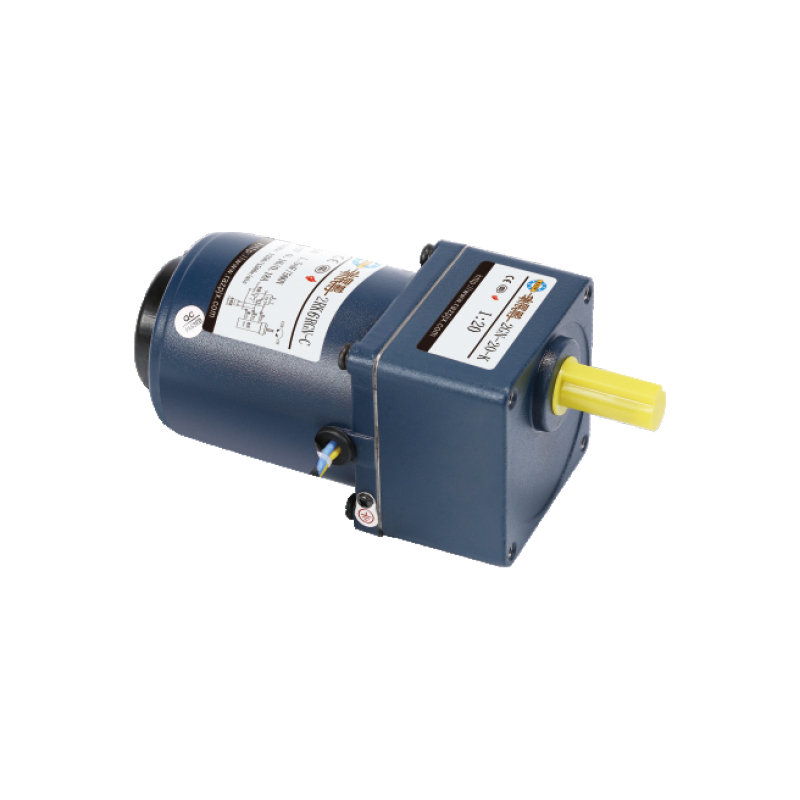
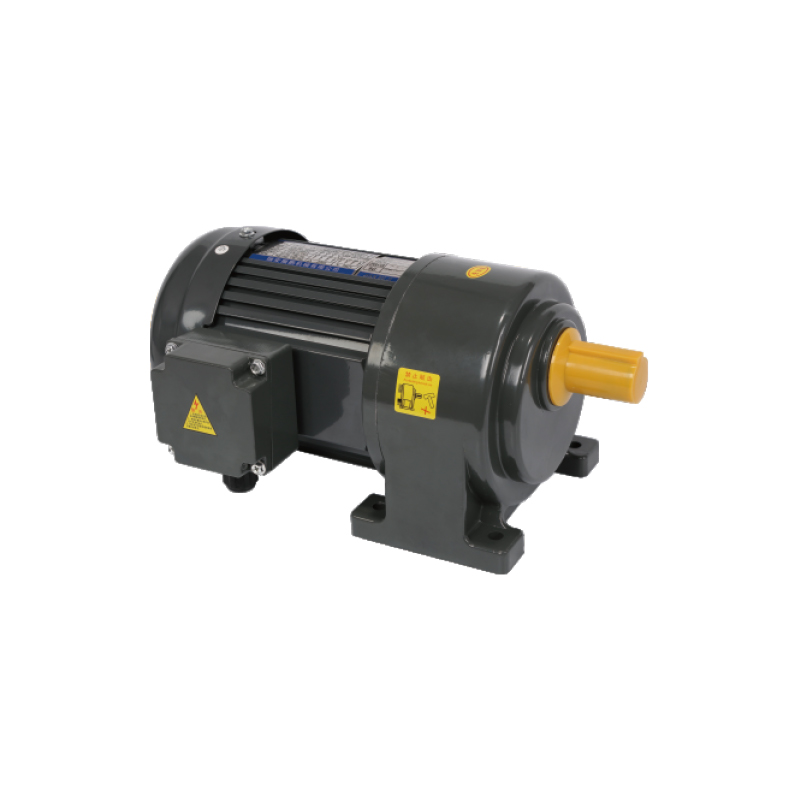
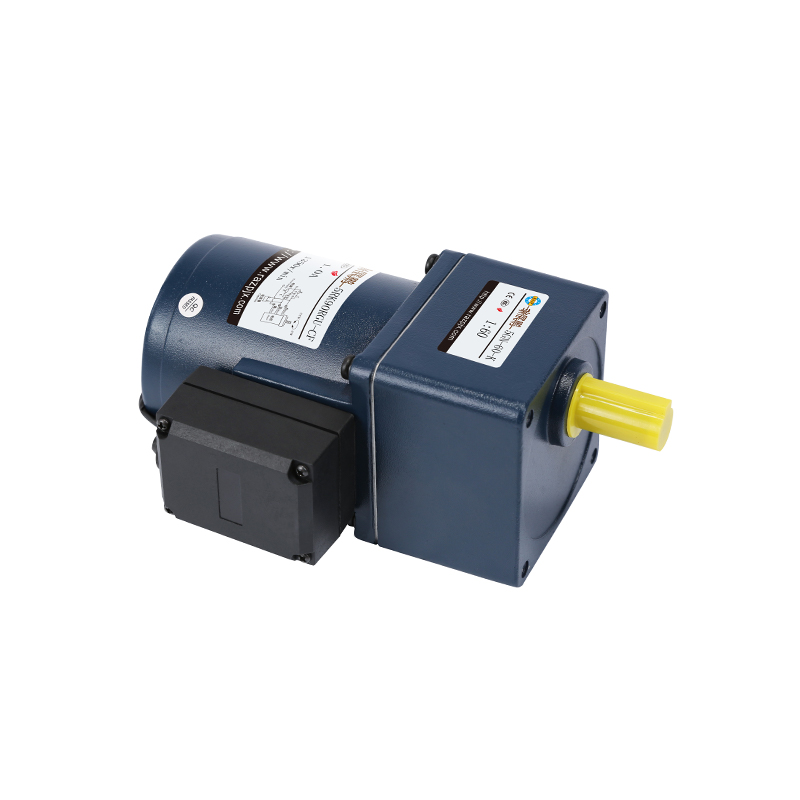
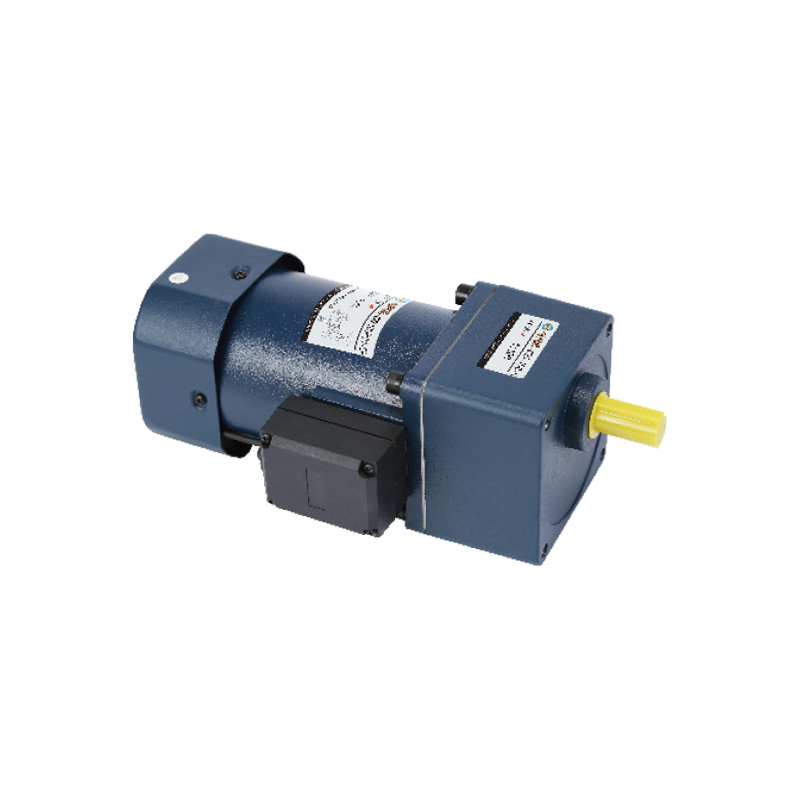
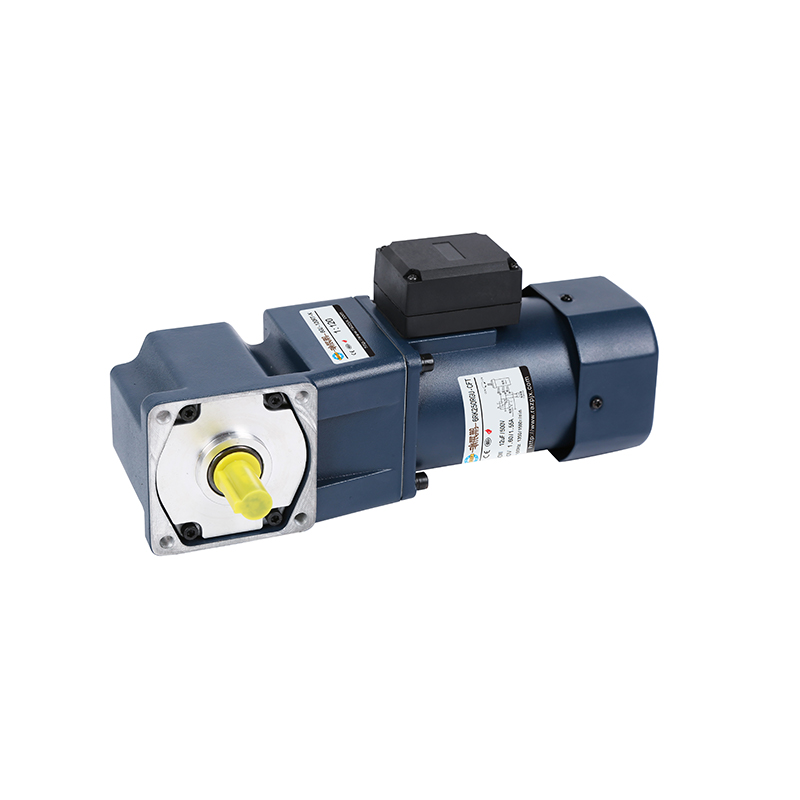
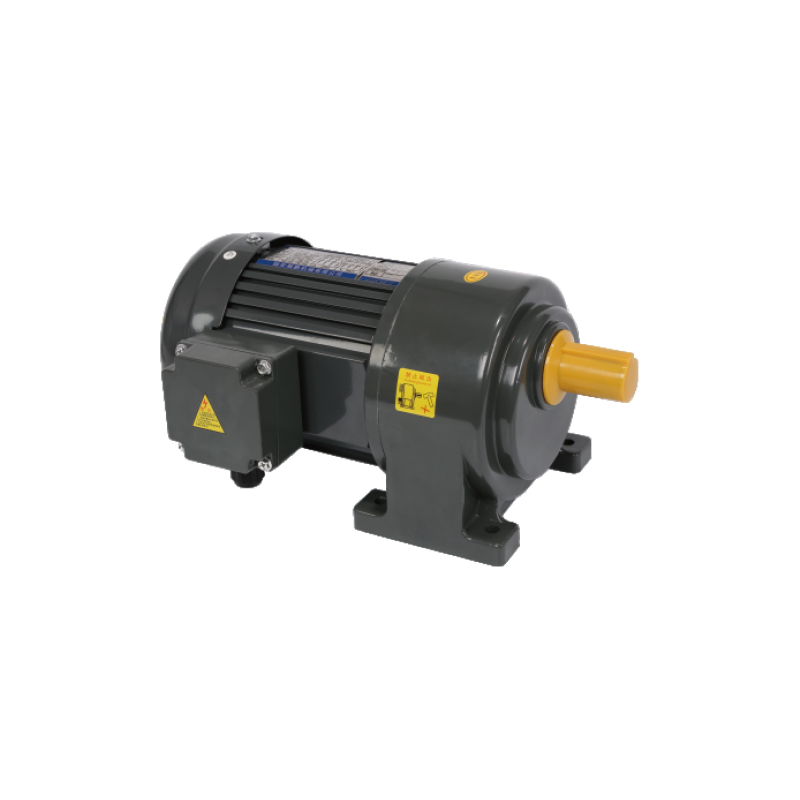
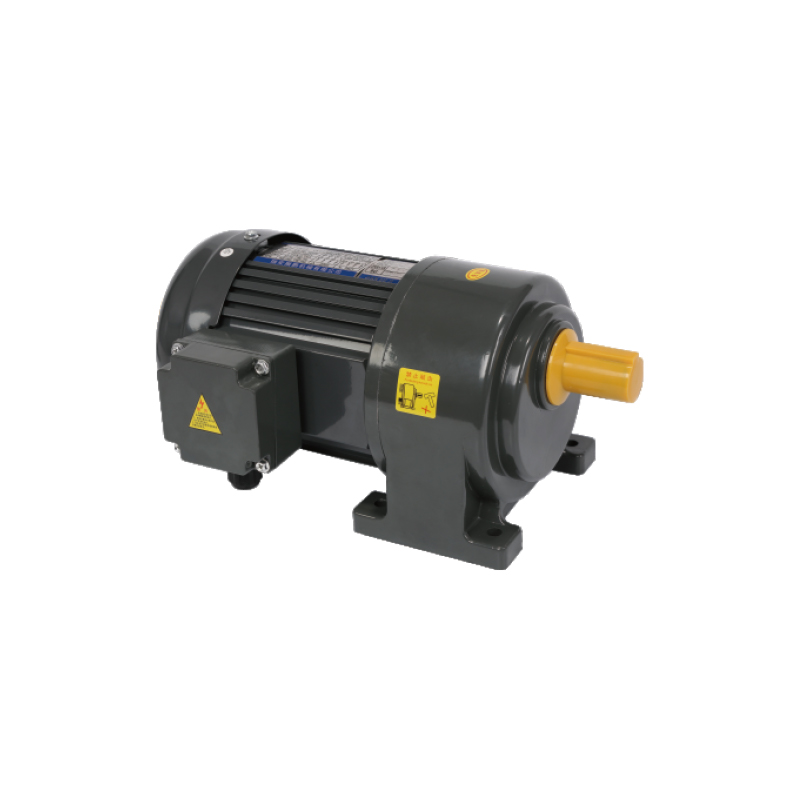
Small AC Gearmotors are designed for compact power transmission with stable torque output and efficient performance. These Fractional HP Gearmotors ar...
See Details
Looking For Business Opportunity?
Request for a call today

Zhanpeng Machinery sincerely cooperates with people at home and
abroad to create common development and achieve win-win
results!
Contact Us
-
 sales@razhanpeng.com
-
 +86 13335770176
-
 No. 2807, Huaming Road, Ruian City, Wenzhou City,Zhejiang Province,China
Quick Links
Message


Copyright 2024 Ruian Zhanpeng Machinery Co., Ltd.
Gear Motor Factory


Contact Us