


 English
 中文简体
中文简体 عربى
عربى
Tips for Selecting a Custom DC Gear Motor for an Agricultural Machine
Agricultural machinery often works in conditions that change from one task to another. A machine may move through loose soil, handle crops, transport materials, or operate a mechanism that needs steady movement. Such differences place different demands on its drive system, so selecting a motor based only on general machine size may not give a useful result.
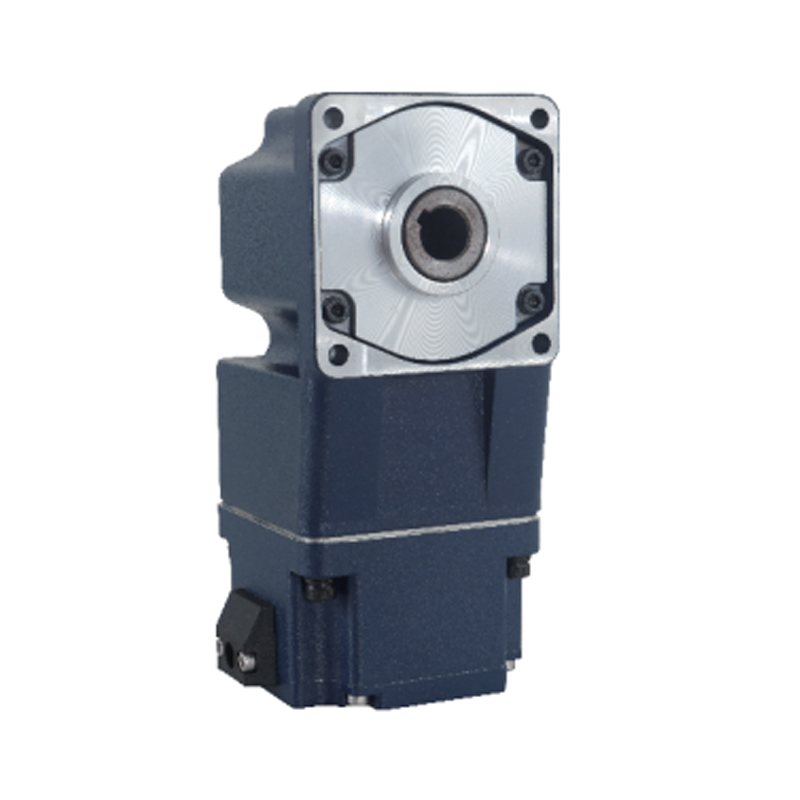
A Custom DC Gear Motor can be adjusted around the actual movement required by a machine. Speed, torque, mounting position, shaft shape, and available electrical supply all have a connection with how the motor will fit into the equipment.
A small mechanism may need controlled movement rather than fast rotation, while another part of a machine may need stronger starting force. A motor that works well during an empty test may behave differently once material, soil resistance, or mechanical pressure is added.
For that reason, selection should begin with the task itself. Knowing what needs to move, how it moves, and under what conditions it operates gives a clearer starting point for motor design.
How Should the Working Load Be Considered Before Selection
Load is rarely constant during agricultural work. A mechanism can move freely at one moment and face greater resistance when it contacts soil, carries material, or reaches a particular position.
Starting movement deserves special attention because a motor may need more force at the beginning than during continuous operation. A machine that starts under resistance places a different demand on its motor from one that begins with little mechanical load.
It helps to look at the complete movement rather than checking only the normal running condition. Ask several practical questions before choosing a motor:
- What part of the machine will be moved?
- Does movement begin while carrying a load?
- Can resistance change during operation?
- Does the mechanism stop and start regularly?
- Are there points where movement becomes harder?
An empty machine test may provide useful information, although it does not represent every condition found during actual agricultural work. Soil, crops, transported materials, and mechanical contact can all change the resistance faced by the drive system.
Understanding such changes helps determine whether a Custom DC Gear Motor needs a particular combination of output force and speed. It can prevent a situation where the motor appears suitable during basic testing yet struggles once the machine enters normal operation.
How Does Output Speed Affect Motor Selection
Speed influences how quickly a driven mechanism moves, so it needs to match the working rhythm of the agricultural machine. A rotating motor may operate at a speed that is not directly suitable for the mechanism connected to it. Gear reduction can then help bring the output movement closer to the required range.
Too much output speed can make a mechanism difficult to control, especially when gradual movement is needed. A slower output may be more appropriate for lifting, positioning, feeding, or other tasks where movement needs to remain steady.
The relationship between motor speed and machine movement should therefore be considered together. Changing the gear arrangement can affect output speed and available force, so selection should not focus on one feature alone.
For practical evaluation, observe how the driven part behaves during its complete movement. A suitable output speed should allow the mechanism to start, move, and stop in a manner that fits the machine's working process.
What Role Does Torque Play in Agricultural Equipment
Torque describes the turning force available at the output side of the motor. Agricultural equipment can place changing resistance on a driven mechanism, making available torque an important part of motor selection.
Starting conditions deserve attention again here. A mechanism may require stronger turning force when it begins moving, while the force needed during steady movement may be lower. Repeated starting under load can therefore influence the design of a Custom DC Gear Motor.
Insufficient torque may appear through slow movement, hesitation, or difficulty starting. Adding more electrical power is not always a simple solution, since the motor still needs to fit the mechanical structure and electrical system of the equipment.
A useful way to approach selection is to consider the entire movement:
Starting load → Continuous load → Changes in resistance → Required output movement
Space can influence the decision as well. A larger gear arrangement may provide different output characteristics, although available installation room can place limits on the physical design. Mechanical requirements and available space need to be considered together.
How Should the Power Supply Match a Custom DC Gear Motor
Electrical compatibility needs to be checked before a motor is designed or selected. Agricultural machines may use batteries or another available DC power source, and the motor needs to operate within the conditions provided by the machine.
Starting and running conditions can place different demands on the electrical system. A motor that appears suitable during light operation may behave differently when the machine starts under resistance. For that reason, the available supply should be considered alongside the expected mechanical load.
Wiring and connection position can matter during installation as well. A motor may have suitable mechanical characteristics yet become inconvenient to install when its wire outlet or connection arrangement does not fit the equipment.
Before discussing a Custom DC Gear Motor with a manufacturer, it is useful to prepare:
- Available electrical supply
- Expected starting condition
- Normal operating condition
- Motor installation space
- Required output movement
- Connection and wiring position
A clear description of the machine gives the motor designer a better basis for matching electrical and mechanical requirements. When power supply, load, speed, torque, and installation conditions are considered together, the resulting motor design is more closely connected with the actual work the agricultural machine needs to perform.
Why Does Installation Space Matter in Custom Motor Design
Agricultural machines often have limited room around their moving parts, so physical dimensions need to be considered before choosing a motor. A unit that fits the electrical requirements may still be difficult to install when its housing is too long, the mounting points do not match, or the output shaft sits in the wrong position.
Space around the motor can change during operation as well. Nearby gears, belts, covers, brackets, or other moving parts may leave only a small area for installation and maintenance. Checking the available space before production helps avoid changes after the motor has already been made.
Output shaft position deserves particular attention. A shaft that is slightly different from the original design can affect how the motor connects with the driven mechanism. Shaft length and shape should therefore be discussed together with mounting holes and housing dimensions.
A simple drawing or clear description of the installation area can make communication easier. Useful information may include:
- Available installation space
- Mounting hole positions
- Output shaft direction
- Shaft length and shape
- Wire outlet position
- Nearby moving or fixed parts
A Custom DC Gear Motor is easier to integrate when physical requirements are defined before electrical and mechanical details are finalized.
How Can Outdoor Conditions Affect Motor Selection
Agricultural machinery often operates outside buildings, where dust, moisture, mud, changing temperatures, and contact with plant material can become part of normal use. Such conditions may influence how the motor housing, connections, and moving sections need to be arranged.
Dust can collect around exposed areas, while moisture may reach the motor during cleaning, rain, or work in damp surroundings. A motor intended for indoor equipment may therefore need different protection when used on agricultural machinery.
Temperature changes can affect operation as well. A motor may start in a cool environment and later work in warmer conditions after continuous operation. Allowing enough space for heat to leave the motor can help maintain suitable operating conditions.
Environmental information should be provided before customization rather than after installation. Describing where the machine operates and what the motor may encounter gives the manufacturer a clearer basis for choosing suitable construction.
| Working Condition | Possible Effect on Motor | Design Consideration |
|---|---|---|
| Dusty surroundings | Dust may collect around exposed areas | Suitable housing and protection |
| Damp conditions | Moisture may reach external parts | Appropriate surface and connection design |
| Mud or plant material | Debris may gather around the machine | Easier cleaning and suitable placement |
| Changing temperatures | Motor conditions may vary during operation | Adequate heat dissipation |
| Outdoor storage | Long periods of exposure may affect parts | Suitable storage and protection |
No single housing arrangement suits every agricultural machine. Environmental conditions should be connected with the actual location and working process.
What Custom Features May Be Needed for Agricultural Machines
Customization becomes useful when the standard motor shape does not match the machine structure. Mechanical dimensions are often the starting point, although electrical connections and output behavior may need adjustment as well.
A shaft can be changed in length or shape to suit the driven part. Mounting holes may need to follow an existing bracket, while the housing may require a different form to fit into a narrow space.
Wire position can matter during installation. A connection placed near a moving part may create an unnecessary installation problem, while a suitable outlet position can make routing easier.
Rotation direction and control requirements should be clarified during the design stage. Such details influence how the motor works with the surrounding mechanism, especially when movement needs to follow a particular sequence.
A customization request can be organized around several areas:
- Mechanical dimensions
- Mounting arrangement
- Output shaft design
- Gear reduction
- Electrical connection
- Rotation direction
- Control requirements
- Working environment
Providing complete information reduces unnecessary changes during development. It gives both sides a clearer picture of how the motor needs to function inside the agricultural machine.
What Should a Gear Motor Factory Consider Before Ordering
Communication with a Gear Motor Factory should begin with the application rather than only the motor name. A manufacturer needs to know what the motor will move, where it will be installed, how often it operates, and what conditions surround the equipment.
Drawings can make physical requirements easier to discuss, while photos of the installation area may help show nearby components. A simple description of the working process can clarify how the motor starts, runs, stops, and responds to changing loads.
Sample testing can provide another useful stage before regular production. Testing a motor under conditions close to actual machine use can reveal problems that may not appear during an empty running test.
Communication should cover areas such as:
- Machine function and driven mechanism
- Load changes during operation
- Required movement and rotation direction
- Available electrical supply
- Installation dimensions
- Outdoor working conditions
- Maintenance expectations
Consistency between the agreed design and later production should be considered as well. Clear drawings, specifications, and samples can give both the manufacturer and equipment maker a common reference.
How Should a Custom DC Gear Motor Be Tested Before Use
Testing should reflect how the agricultural machine will actually operate. Running a motor without a connected load can show whether it starts and rotates, although such a test does not reveal how the unit behaves when resistance changes during normal work.
A more useful check connects the motor with the intended mechanism and observes movement from beginning to end. Starting under load, continuous movement, stopping, and repeated operation can all reveal different characteristics.
Attention should be given to unusual noise, vibration, heat, or changes in movement. A mechanism that moves smoothly at the beginning may behave differently after repeated operation, especially when surrounding parts warm up or the working load changes.
Installation should be checked during testing as well. Mounting points need to remain secure, the shaft should stay properly aligned with the driven part, and wires should remain away from moving components.
A practical test can include:
- Starting with the intended mechanical load
- Observing movement during normal operation
- Checking changes when resistance increases
- Watching for unusual noise or vibration
- Checking motor temperature during use
- Inspecting mounting and shaft connection
- Repeating the working cycle under normal conditions
For agricultural equipment, motor selection is closely tied to how the machine works in its actual environment. A Custom DC Gear Motor needs to match electrical conditions, mechanical movement, available space, and outdoor use rather than being selected from one specification alone. Careful communication with a Gear Motor Factory and testing with the intended machine can make the final choice more practical for everyday operation.
Related Products
-
-
Cat:Right-Angle
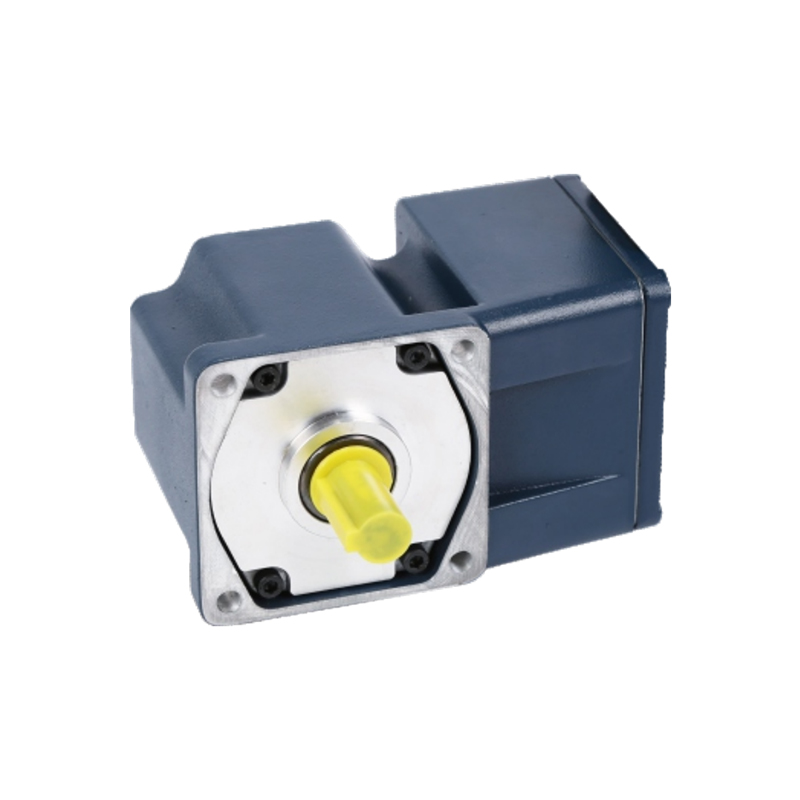
The Micro and Special Electronic Motor is designed for compact drive systems requiring reliable performance in limited installation spaces. Its small ...
See Details -
Cat:Right-Angle
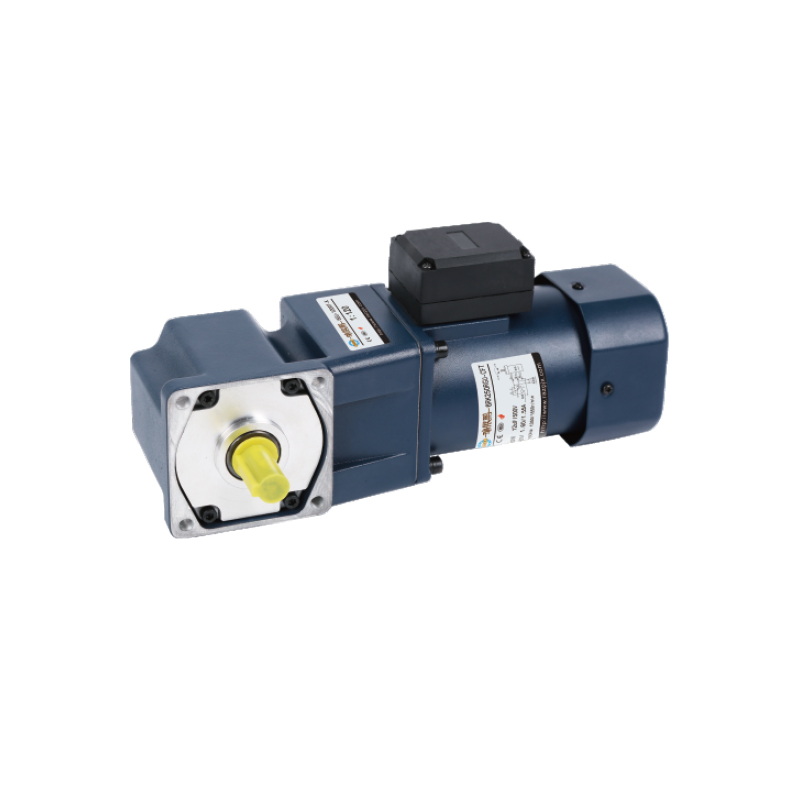
The 100mm 120W/140W VT Reduction Motor is designed for compact transmission systems requiring stable torque output and controlled operating speed. Fea...
See Details -
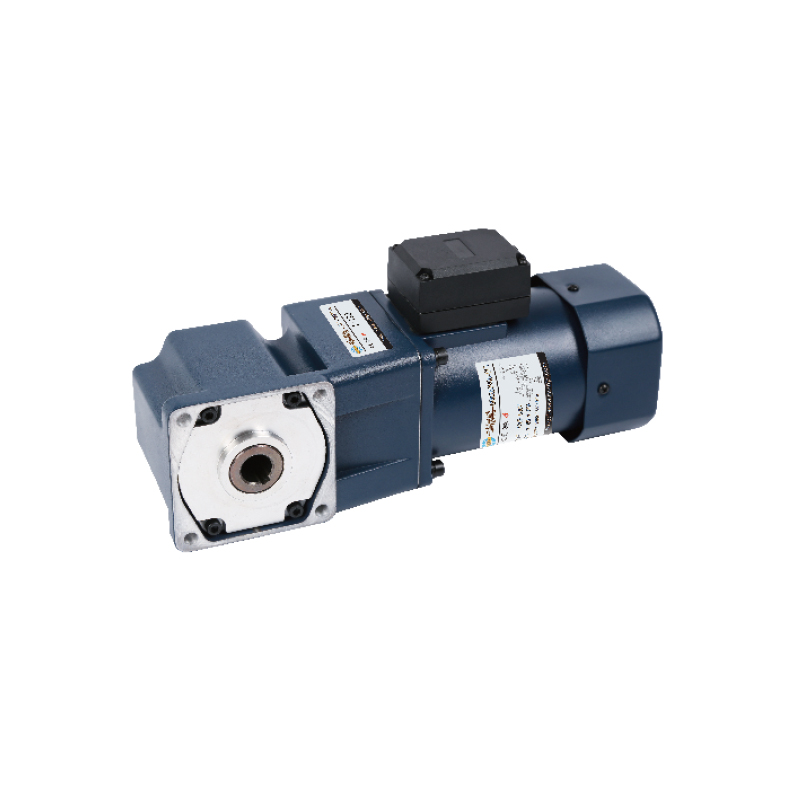
Cat:Right-Angle
Electric Reduction Motor is designed for stable torque output and controlled low speed operation. This AC Gear Motor Low Rpm provides efficient power ...
See Details -
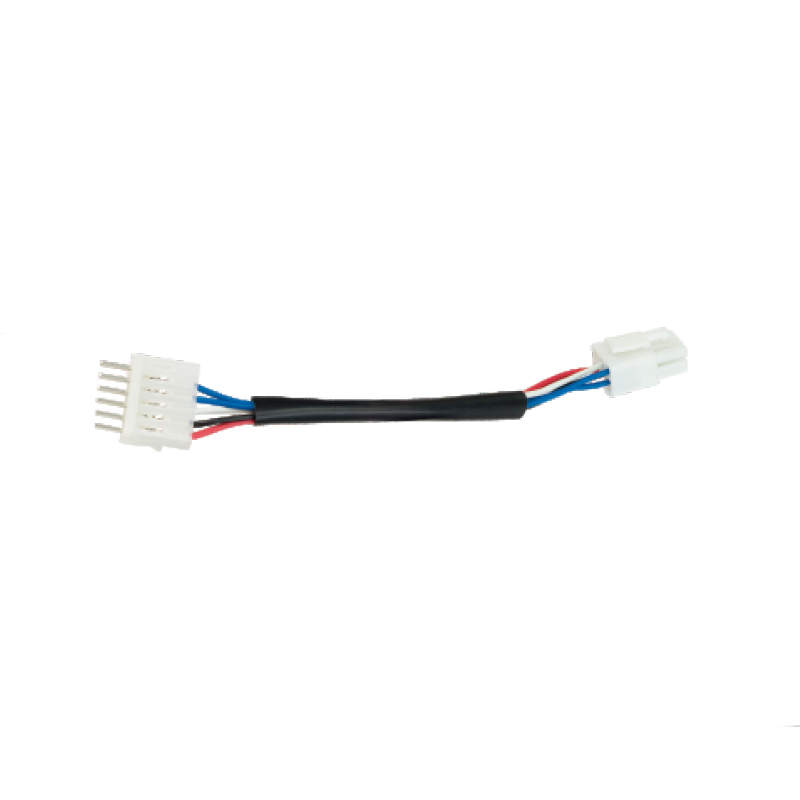
Cat:Motor Controller & Accessories
Prolonging line used between speed motor and controller.Additional sale product.When buying the controller, there will be a prolonging line with 0.5 m...
See Details -
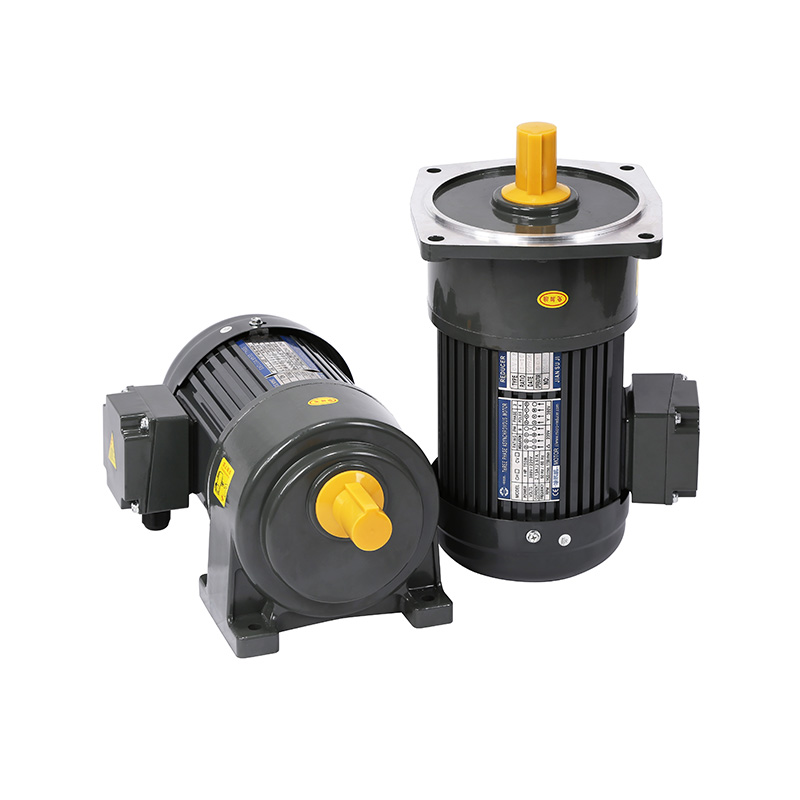
Cat:CH
The Mirco and Special Electronic product series is designed for compact electronic equipment and precision transmission applications requiring stable ...
See Details -
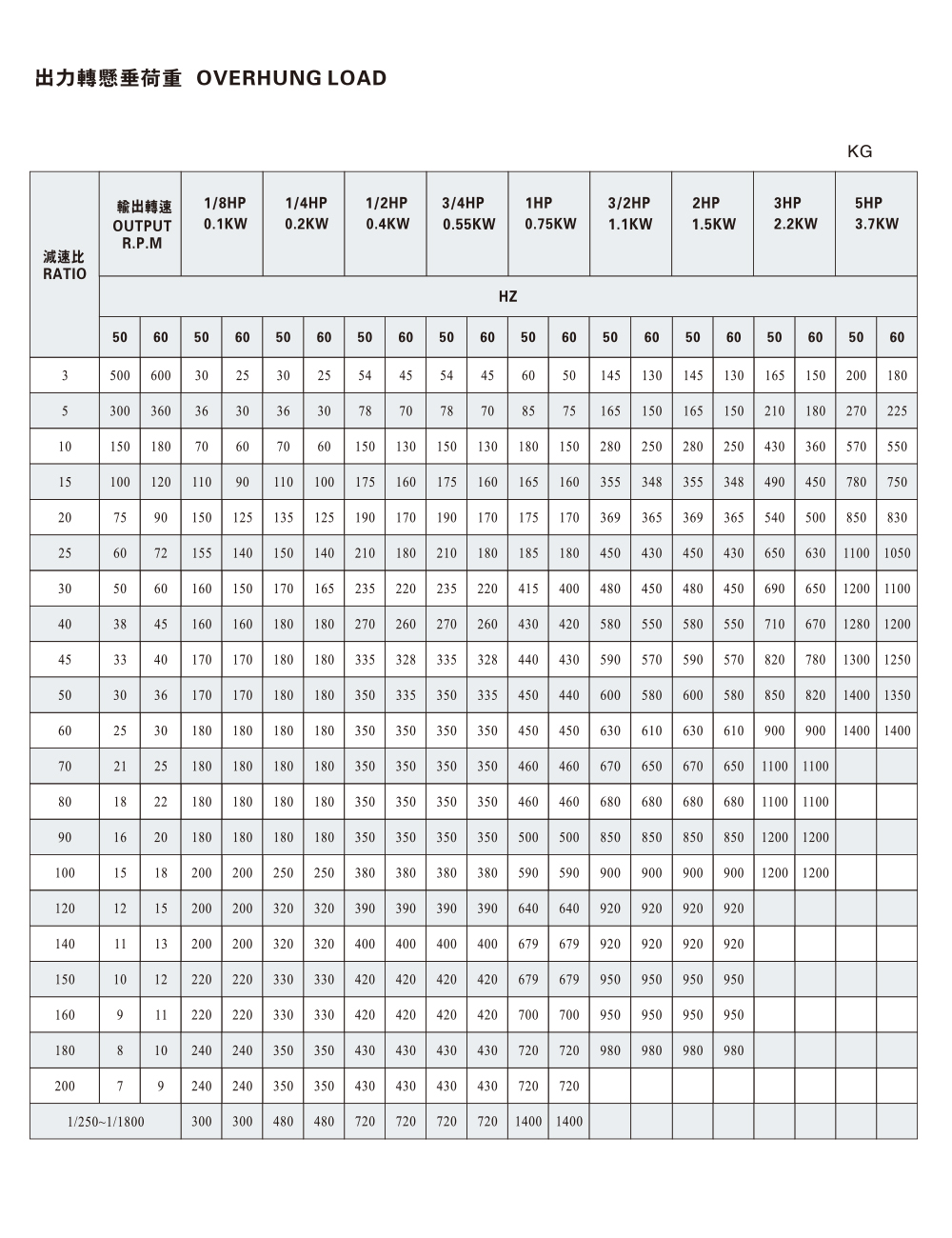
Cat:CH
The CH, CV Overhung Load component is designed to provide reliable support and load management for transmission systems, helping improve the stability...
See Details
Looking For Business Opportunity?
Request for a call today

Zhanpeng Machinery sincerely cooperates with people at home and
abroad to create common development and achieve win-win
results!
Contact Us
-
 sales@razhanpeng.com
-
 +86 13335770176
-
 No. 2807, Huaming Road, Ruian City, Wenzhou City,Zhejiang Province,China
Quick Links
Message


Copyright 2024 Ruian Zhanpeng Machinery Co., Ltd.
Gear Motor Factory


Contact Us