


 English
 中文简体
中文简体 عربى
عربى
What Makes Custom Gear Motors Suitable for Storage Mechanisms
What Makes Custom Gear Motors Suitable for Storage Mechanisms
Storage systems used in industrial and commercial environments often rely on controlled movement rather than speed. Items need to be placed, retrieved, or shifted within limited space, and every motion tends to follow a fixed path that repeats many times during operation. In such systems, motion stability becomes more important than raw output, since even small inconsistency in driving force may affect alignment, positioning, or smooth transfer between storage levels.
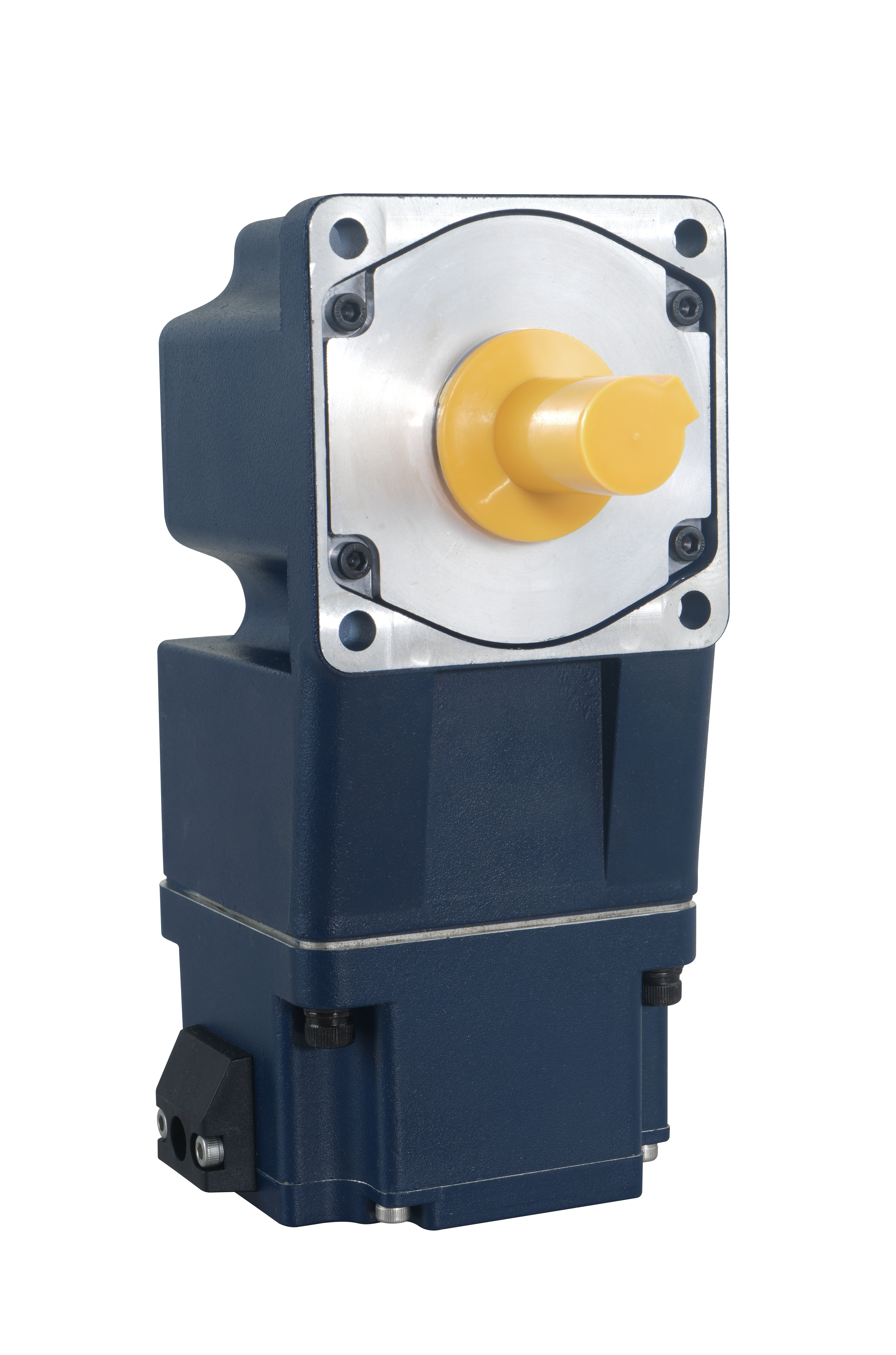
Within this background, Custom Gear Motors have become a common driving solution for storage mechanisms that require controlled torque delivery and adaptable structure. Their role is not limited to rotation power, as they often determine how smoothly a storage unit behaves during repeated movement cycles. Selection is rarely based on a single factor, since load condition, installation space, and motion pattern all influence final performance.
Why Are Storage Mechanisms Becoming More Dependent on Motor Precision
Storage structures are gradually shifting toward more compact and multi-layered designs. Instead of open layouts with wide movement space, many systems now operate inside restricted frameworks where components move close to each other. In such environments, motion accuracy becomes a direct factor affecting stability.
Another noticeable change comes from repeated operation cycles. Storage units are often activated many times within a short period, especially in systems that handle continuous loading and unloading. Each cycle introduces small mechanical stress, and over time, those small effects may accumulate into visible movement deviation.
Several operational factors contribute to this dependence on precision:
- Movement paths becoming narrower and more controlled
- Repeated start and stop actions during daily operation
- Increased load variation within a single system
- Limited tolerance for positioning deviation
- Higher interaction between mechanical parts inside confined space
Storage mechanisms no longer rely on simple rotation or lifting motion. Many designs involve layered movement, directional changes, or synchronized actions across multiple sections. Under such conditions, motor consistency plays a direct role in maintaining smooth operation across the entire structure.
What Role Do Custom Gear Motors Play in Storage Systems
In storage applications, motors are not only responsible for providing movement, since they also influence how that movement is delivered. A gear motor combines driving force with speed adjustment inside one structure, which allows motion to be controlled more precisely before reaching mechanical output points.
Customization adds another layer to this behavior. Instead of using a fixed mechanical configuration, adjustments can be made to match specific storage requirements. Torque output, rotation speed, and installation shape may vary depending on system layout, which makes adaptability an important factor.
In many storage mechanisms, movement is not linear or uniform. Load distribution may shift during operation, especially when storage units are filled unevenly. Custom gear motors help maintain consistent output even when mechanical resistance changes across different positions.
Common roles in storage systems include:
- Supporting controlled lifting and lowering actions
- Maintaining steady rotation during positioning tasks
- Reducing sudden mechanical impact during movement start
- Assisting alignment in multi-level storage frameworks
- Stabilizing repeated motion under variable load conditions
The connection between motor behavior and storage accuracy becomes clearer in systems where multiple motion stages are involved. A small variation in torque output may influence final positioning, especially when mechanical linkage is sensitive to movement changes.
How Do Gear Structures Influence Storage Mechanism Performance
Gear structure inside a motor determines how energy is transferred from input to output. Instead of delivering raw rotation directly, gears modify speed and force, shaping how movement behaves once it reaches the storage mechanism.
A key function of gear systems is reduction of speed while increasing usable force. Storage mechanisms often require controlled movement rather than fast rotation, and gear transmission helps achieve that balance without requiring external control complexity.
Another important aspect is motion stability. When load changes during operation, direct drive systems may react more sharply to resistance variation, while gear-based systems tend to distribute that change more evenly across internal components.
The effect of gear ratio becomes especially noticeable in repetitive movement systems. Different ratios create different movement characteristics, and selection often depends on how smooth or firm the motion needs to be within the storage structure.
| Gear Behavior Aspect | Influence in Storage Systems |
|---|---|
| Speed reduction | Supports controlled movement in limited space |
| Torque adjustment | Helps handle variable load conditions |
| Load distribution | Reduces stress concentration during operation |
| Motion consistency | Maintains stable repeated movement cycles |
| Mechanical buffering | Reduces sudden impact during start or stop |
In storage environments, motion is rarely isolated. One movement stage often triggers another, and gear structure helps maintain coordination between these stages by smoothing internal force transmission.
What Operating Conditions Affect Custom Gear Motor Behavior
Storage systems often operate under conditions that are not constant. Load changes, movement repetition, and confined installation space all influence how a gear motor performs over time. Unlike open mechanical systems, storage mechanisms tend to restrict airflow and space, which may influence heat accumulation and mechanical response.
Repeated start and stop cycles represent one of the more common operating conditions. Each activation introduces a short period of higher stress, especially when load is already present. Over time, such repetition can influence wear behavior inside gear contact surfaces.
Load variation also plays a role in performance stability. Storage units may not always carry uniform weight distribution, and uneven load can shift mechanical balance during movement. Gear motors need to maintain stable output under these changing conditions to avoid irregular motion.
Space limitation inside storage equipment creates another constraint. Motors are often placed in compact positions where airflow and maintenance access are restricted. This makes structural design and internal alignment more relevant for long-term behavior.
Operating conditions that commonly influence performance include:
- Continuous cycle movement with short pauses
- Uneven load distribution during operation
- Restricted ventilation inside equipment housing
- Mechanical vibration from surrounding components
- Extended running periods without interruption
Each condition does not act alone. In many cases, several conditions appear together, creating a combined effect on motor behavior during storage operation.
How Do Storage Mechanisms Evolve With Gear Motor Development
Storage systems tend to look simple from outside, yet inside the structure the movement paths are often layered and tightly arranged. Items are no longer shifted in a single straight line, instead they pass through controlled stages where position, direction, and timing all matter at the same time. Under this kind of layout, motion stability starts to matter more than movement speed, since every small deviation may affect the next step in the process.
Custom Gear Motors gradually fit into this kind of structure because the driving behavior can be shaped according to the way storage units actually move. Instead of forcing the system to adjust around a fixed motor output, the motor itself can be aligned with the movement pattern, which helps reduce unnecessary mechanical tension during repeated cycles.
In many storage environments, several changes appear together:
- movement routes become narrower and more guided
- repeated operation becomes part of daily use
- multiple layers share the same motion source
- load conditions shift during different stages
- mechanical parts work closer to each other
These conditions create a situation where even small irregular motion can affect positioning accuracy. Gear-based driving helps soften sudden changes in force, which makes repeated motion feel more consistent across long operating periods.
How Does Integration Between Motor and Structure Affect Storage Operation
A storage mechanism is rarely built around a single moving part. Racks, guides, lifting units, and transfer sections often work together in a shared space. Once a gear motor is placed inside such a structure, its position becomes part of the overall mechanical balance rather than an isolated component.
Space limitation is often the first constraint. Many storage systems are enclosed or semi-enclosed, leaving only narrow gaps for installation. In such conditions, even slight mismatch in motor shape or shaft direction can affect how smoothly the surrounding parts move.
Another point comes from vibration transfer. When motion starts and stops repeatedly, small vibration spreads through the frame. If the motor structure is not well balanced with the rest of the system, those vibrations may accumulate at certain points and influence alignment over time.
Common integration conditions include:
- tight installation space inside storage frames
- multiple moving parts sharing close distance
- limited airflow around mechanical zones
- mixed movement directions in one system
- continuous mechanical contact during operation
In some cases, storage equipment may run for long periods without interruption. Under such operation style, the way force enters the structure becomes more important than the force itself.
What Structural Adjustments Support More Stable Storage Motion
Inside a gear motor, small structural changes can lead to noticeable differences in how storage systems behave. Gear arrangement, shaft position, and housing form all influence how force spreads through the mechanism once operation begins.
When gear transmission is balanced, movement tends to feel smoother during both start and stop phases. In storage systems where items are positioned in sequence, this balance helps avoid sudden shifts that might disturb alignment.
Shaft alignment is another detail that quietly affects performance. If alignment stays consistent, force transfer remains stable even when load changes. Once deviation appears, movement may feel uneven, especially during repeated cycles.
Typical structural adjustments often seen in storage-related designs:
- gear ratio tuned for controlled movement speed
- shaft layout adapted to installation direction
- housing shape adjusted for compact frames
- reinforcement added in load-bearing sections
- internal spacing adjusted for smoother contact
These adjustments are not always visible from outside, yet they influence how the entire storage system reacts during operation. In practice, stability often comes from how well these internal details match the surrounding mechanical environment.
How Do Operating Conditions Influence Long-Term Behavior
Storage systems rarely run under identical conditions each time. Load may change depending on what is stored, movement frequency may vary depending on usage patterns, and surrounding equipment may introduce vibration or temperature changes during operation.
Inside such conditions, gear motors respond through internal wear behavior rather than sudden failure. Small changes appear gradually in movement smoothness, noise level, or response timing.
Heat buildup becomes noticeable in enclosed spaces where airflow is limited. As operation continues, internal temperature slowly rises, which can influence lubrication behavior and surface contact between gears. Over time, this may slightly change how smooth the movement feels during repeated cycles.
Common operating influences include:
- repeated start and stop motion during daily use
- uneven load distribution across storage layers
- limited ventilation inside mechanical housing
- continuous running without long pauses
- vibration from nearby equipment structures
These factors do not act separately. In real use, they combine and shape the overall condition of the motor inside the storage system. Even when changes are small, long exposure can gradually affect motion consistency.
How Does Coordination Between Components Affect Stability
A storage mechanism works as a connected system rather than independent parts. When one section moves, other sections respond in sequence. Because of this, the behavior of a gear motor influences more than its own output point.
If motion is delivered in a steady pattern, downstream components can follow without sudden adjustment. When movement becomes uneven, small timing differences may appear between stages, which can influence positioning accuracy.
Vibration transfer also plays a role in system coordination. When vibration spreads unevenly through the frame, nearby components may experience slight shifts in alignment. Over time, this can affect how smoothly the system operates during repeated cycles.
In many storage layouts, overall stability depends on how well motion is shared across the structure rather than how strong a single part performs. Gear motors help in this context by shaping force delivery in a more controlled way, allowing surrounding parts to move in a more coordinated pattern.
How Do Storage Systems Reflect Changes in Mechanical Design Direction
Storage equipment continues to move toward tighter layouts and more layered structures. Instead of wide open space, movement now takes place inside compact frames where every component shares limited room.
Within this environment, controlled motion becomes more important than raw driving force. Gear motors fit into this direction because internal transmission naturally adjusts speed and force before reaching the output stage, which helps match the needs of storage movement.
Several design shifts can be observed across modern storage systems:
- movement paths designed with higher precision
- closer interaction between mechanical sections
- increased use of compact drive structures
- stronger focus on repeated motion stability
- more coordinated multi-stage movement patterns
In such systems, Gear Motor Factory work often focuses on matching mechanical behavior with real installation conditions rather than producing identical units. Different storage layouts require different torque behavior, shaft positioning, and housing structure, so internal configuration tends to change depending on application needs.
As storage mechanisms continue to develop in this direction, motion control becomes more closely tied to system structure itself, and gear motors remain positioned as a key part of that balance between space, force, and controlled movement.
Related Products
-
-
Cat:Right-Angle
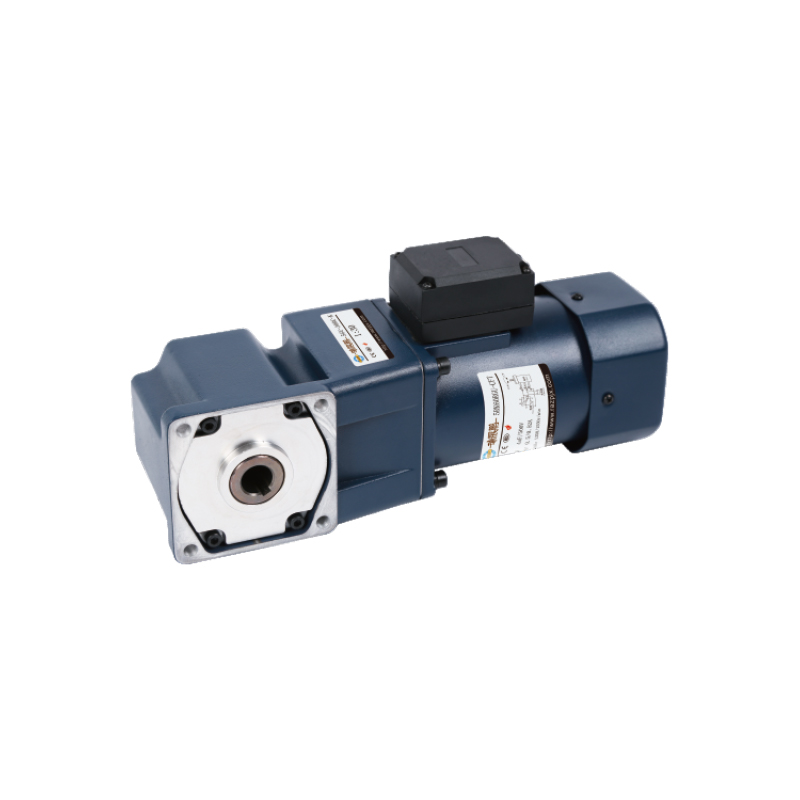
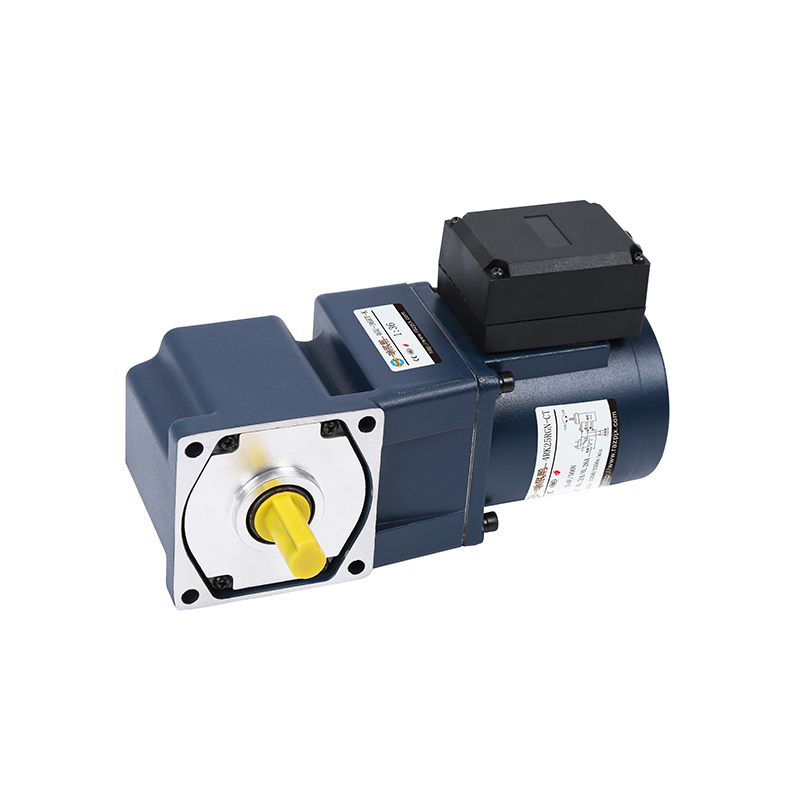
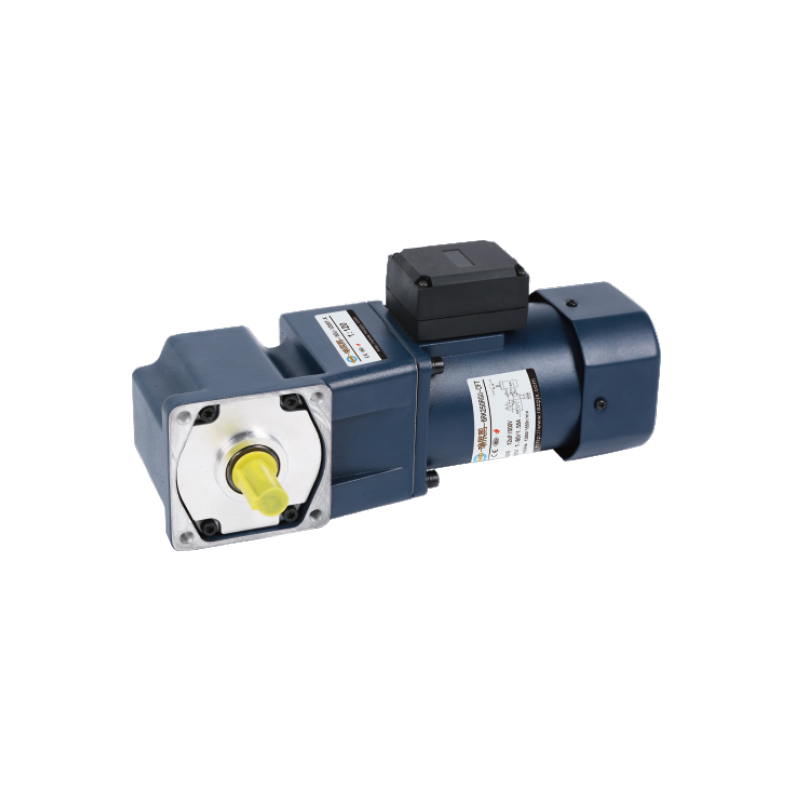
The 90mm 60W VT Reduction Motor is designed for compact equipment that needs a bit more power while keeping a small installation size.It handles autom...
See Details -
Cat:Motor Controller & Accessories
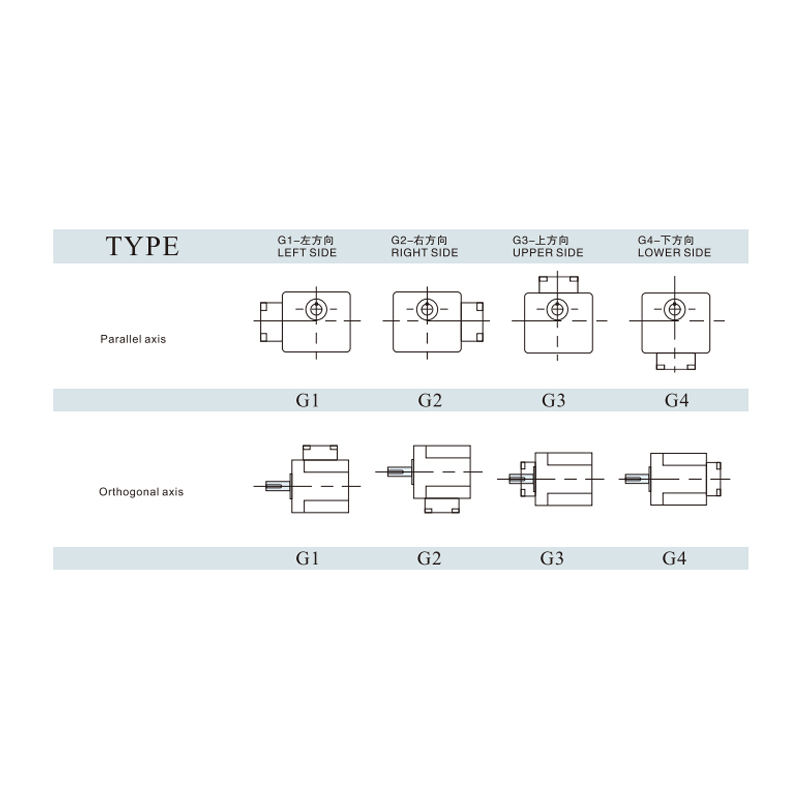
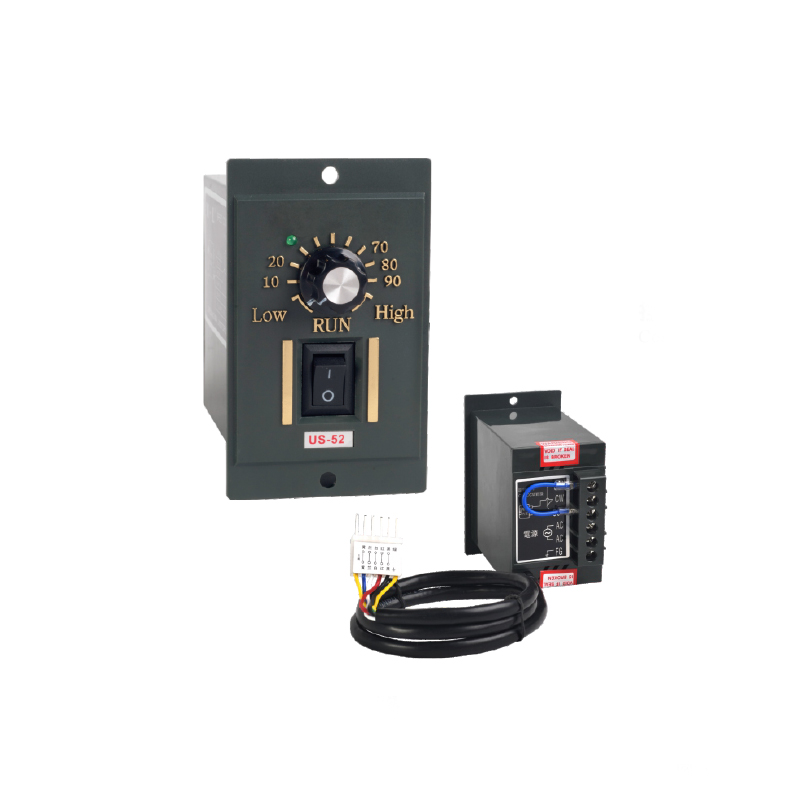
Junction Box Orientation Selected offers flexible installation options to match different equipment layouts and wiring requirements. Available in four...
See Details -
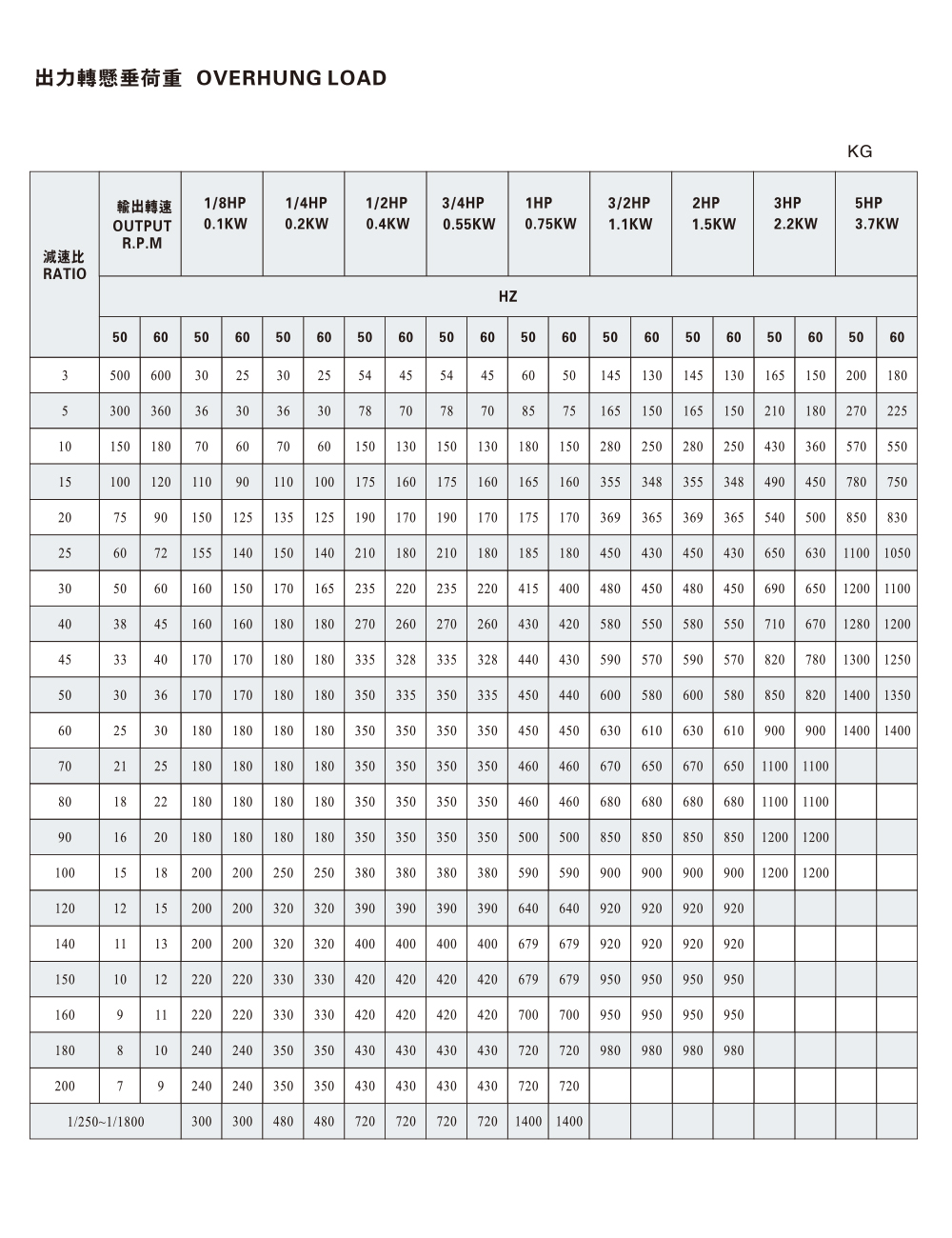
Cat:CH
The CH, CV Overhung Load component is designed to provide reliable support and load management for transmission systems, helping improve the stability...
See Details -
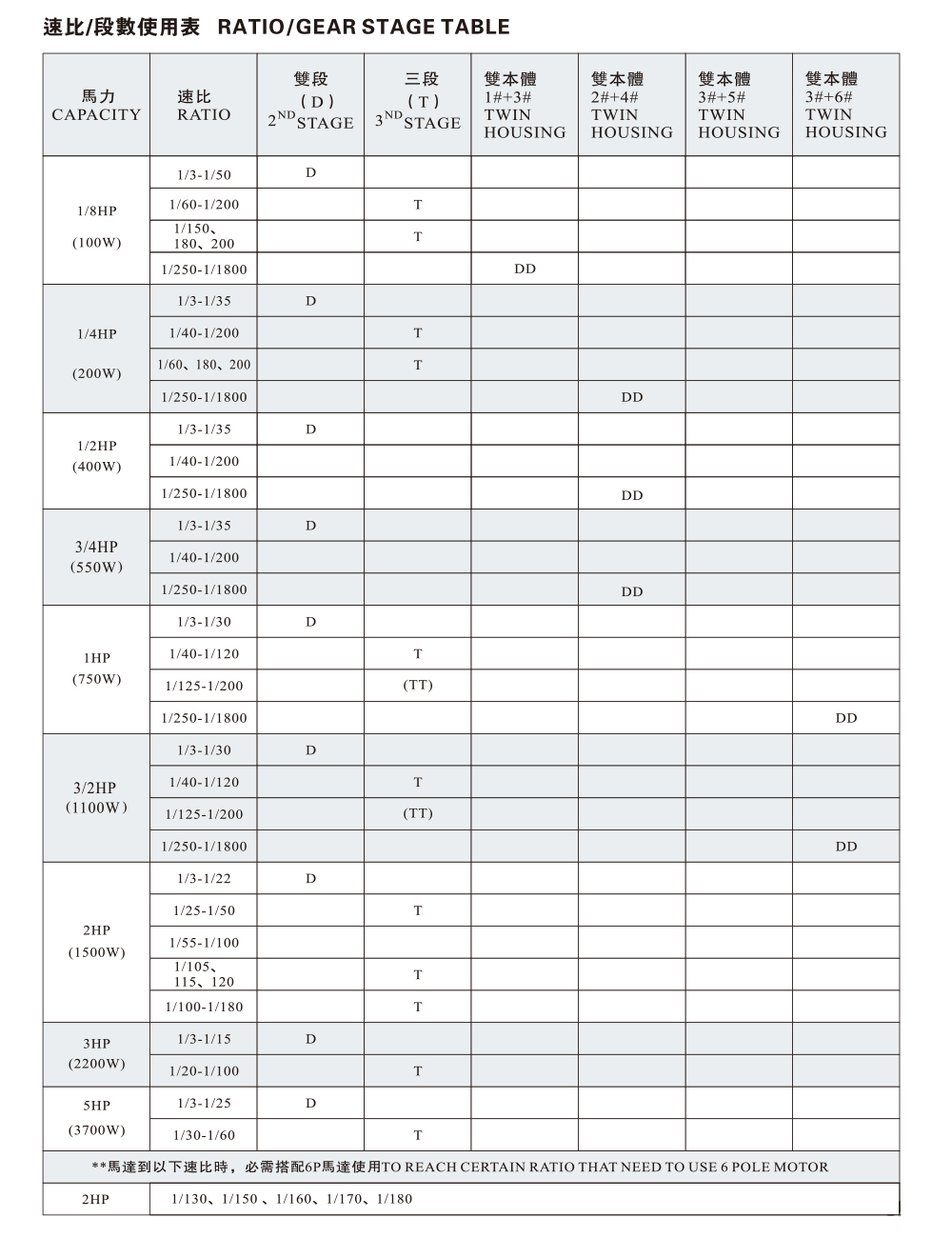
Cat:CH
The CH, CV Ratio / Gear Stage Table provides standardized transmission ratio and gear stage information to support equipment selection and system desi...
See Details
Looking For Business Opportunity?
Request for a call today

Zhanpeng Machinery sincerely cooperates with people at home and
abroad to create common development and achieve win-win
results!
Contact Us
-
 sales@razhanpeng.com
-
 +86 13335770176
-
 No. 2807, Huaming Road, Ruian City, Wenzhou City,Zhejiang Province,China
Quick Links
Message


Copyright 2024 Ruian Zhanpeng Machinery Co., Ltd.
Gear Motor Factory


Contact Us