


 English
 中文简体
中文简体 عربى
عربى
Which Gear Ratio Works for a Compact DC Gear Motor in a Conveyor
Conveyors are expected to move products at a steady pace rather than simply moving as fast as possible. During packing, sorting, inspection, or assembly, uneven movement can cause products to arrive too early, too late, or too close together. A stable drive often makes later production steps easier to manage.
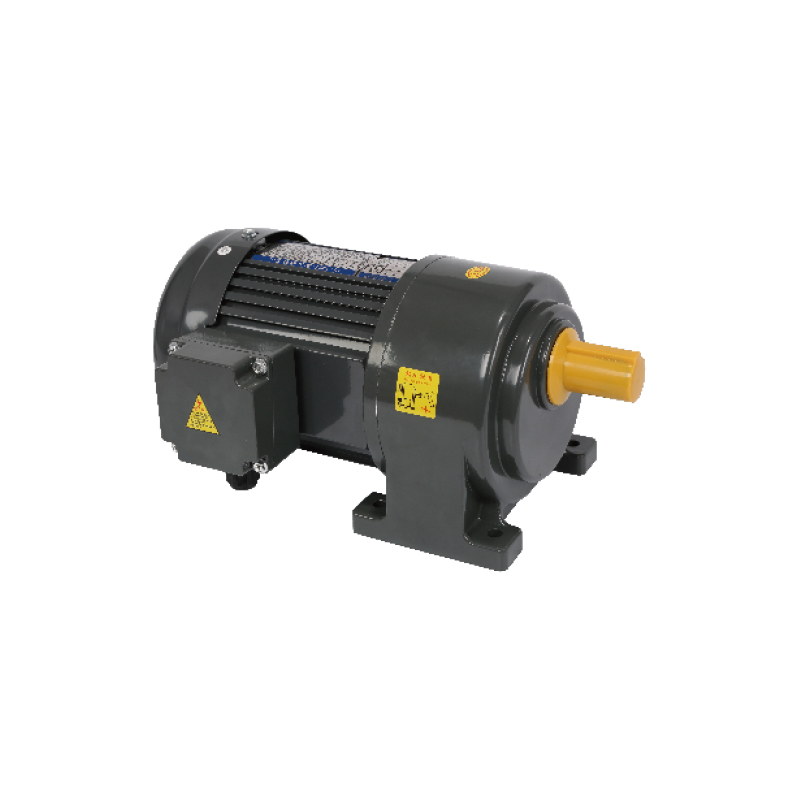
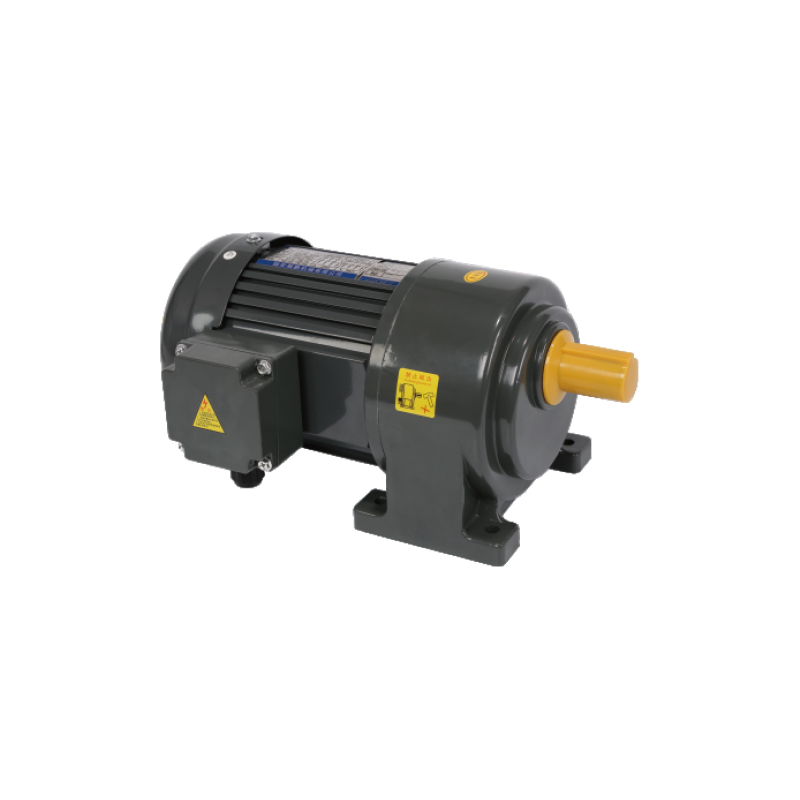
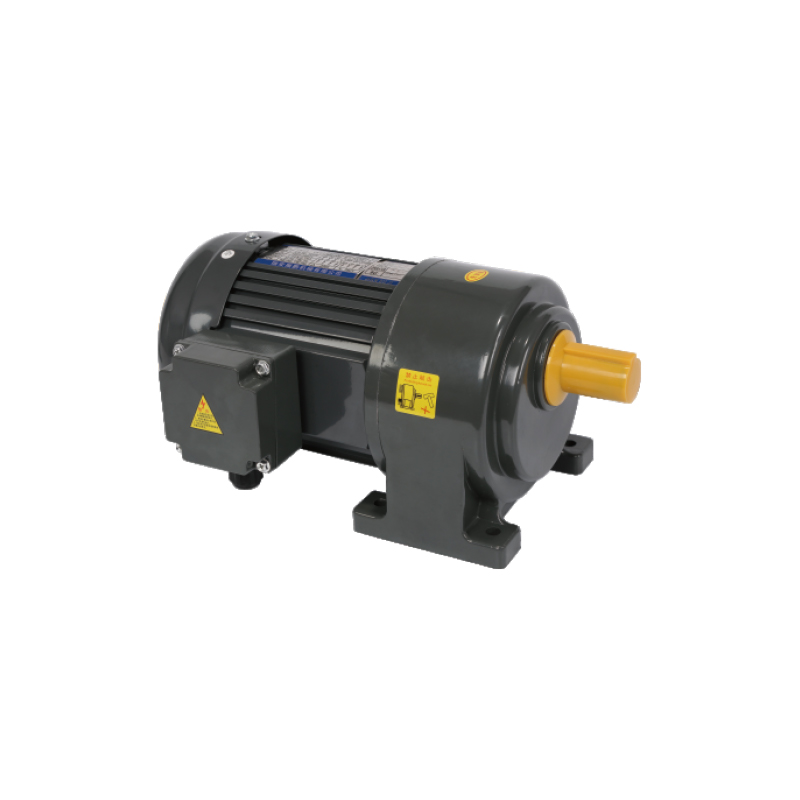
A Compact DC Gear Motor combines a motor and a reduction gearbox in one unit, making it suitable for conveyor equipment where installation space is limited. Gear ratio determines how motor rotation changes before reaching the drive roller. Changing that ratio changes both output speed and available turning force.
Choosing a suitable ratio begins with the conveyor rather than the motor itself. A short conveyor carrying empty plastic trays does not need the same drive arrangement as another system moving metal parts or filled cartons. Weight, conveyor structure, operating rhythm, and surrounding equipment all influence the final choice.
A practical example can be seen in a small packaging line. Cartons leaving one machine may need a steady gap before entering another process. When conveyor speed changes too quickly, spacing becomes uneven, creating extra adjustment work later. A suitable gear ratio helps maintain smoother movement from one stage to the next.
How Does Gear Ratio Change Conveyor Performance
Motor speed is only one part of conveyor movement. Before power reaches the drive roller, the gearbox changes how that rotation is delivered.
A larger reduction ratio lowers output speed while increasing available torque. A smaller reduction ratio allows the roller to turn faster, although available driving force becomes lower. Neither arrangement is suitable for every conveyor because working conditions are rarely identical.
Many technicians compare the idea with riding a bicycle. Flat roads allow higher gears because less driving force is needed. Climbing a hill requires lower gears that provide stronger pushing force even though speed becomes lower. Conveyor systems follow a similar principle.
Load weight changes the picture further.
Moving lightweight packages along a short conveyor usually creates less resistance than moving containers filled with metal components. During startup, heavier products need more force before steady movement begins. Once the conveyor reaches normal speed, the drive continues working against rolling resistance, belt tension, and the weight of carried materials.
Stopping deserves equal attention. Products placed close together may slide or shift when conveyor movement changes suddenly. Gradual acceleration and deceleration often help keep materials in position throughout the conveying process.
Instead of asking which gear ratio is generally suitable, engineers usually begin with another question.
How will the conveyor actually be used?
Answering that question often provides more useful guidance than comparing motor specifications alone.
Which Operating Conditions Influence Gear Ratio Selection
Every conveyor has its own operating pattern. Similar equipment can require different drive arrangements simply because working conditions are different.
Product weight is one consideration, although it is not the only one. Long conveyors contain more rollers, bearings, and moving parts than shorter systems. Extra mechanical resistance changes how much torque is required during operation.
Starting frequency also deserves attention.
A conveyor running continuously throughout the day places one type of load on the drive. Another system that starts and stops whenever products arrive creates repeated acceleration cycles. Repeated starts gradually increase demand on gears and the motor.
Installation space often limits available options. Conveyor frames may already contain sensors, protective covers, electrical wiring, and supporting brackets. Selecting equipment that fits naturally inside the available space can simplify installation and later inspection.
Working surroundings also influence selection.
Dust from packaging materials, moisture in washing areas, or limited airflow around enclosed equipment may all affect long-term operation. Planning around actual operating conditions usually produces a more balanced result than selecting equipment only by appearance or dimensions.
Questions often discussed before selecting a drive include:
- What kind of products will move on the conveyor?
- Does production require continuous movement or frequent stopping?
- How much installation space is available?
- Will operating conditions change during different production tasks?
- Can maintenance be carried out without removing surrounding equipment?
Looking at several practical questions together usually gives a clearer direction than relying on one specification.
Why Motor Size and Gear Ratio Should Be Considered Together
Gear ratio should never be viewed on its own. Motor dimensions, conveyor layout, available space, and mechanical load all influence one another during equipment design.
A larger motor occupies more installation space and may require changes to mounting brackets or protective covers. A smaller drive saves space, although it still needs enough output capability for daily operation.
Heat is another practical consideration. Motors and gearboxes naturally become warmer during continuous use. Leaving enough clearance around the drive helps air move more freely and also provides easier access during inspection.
Mechanical alignment affects performance as well. Shaft position, coupling arrangement, and mounting accuracy influence how smoothly power reaches the conveyor roller. Even a suitable gear ratio cannot compensate for poor alignment during installation.
Some conveyor designs cannot use standard drive dimensions because surrounding equipment limits available space. Under those conditions, a Custom DC Gear Motor may provide a practical solution. Changes may involve shaft length, mounting position, housing dimensions, or connection methods while keeping the conveyor structure largely unchanged.
Choosing a drive becomes much easier after considering the conveyor as a complete system instead of selecting the motor and gearbox separately. Equipment planned around actual operating conditions is generally simpler to install, inspect, and adjust during everyday production.
When Does a Custom DC Gear Motor Become a Practical Choice
Conveyor layouts do not all leave the same amount of room around the drive section. Some machines keep the motor area open enough for easy access, while others pack sensors, covers, guards, and frame parts into a tight space. Under that kind of layout, a standard drive unit may work on paper yet still feel awkward during installation.
A Custom DC Gear Motor becomes useful when the conveyor needs a shape or connection style that matches the machine instead of forcing the machine to change around the drive. In many cases, the adjustment is small. Shaft length may need to change. Mounting holes may need a different position. Cable exit direction may need to fit a nearby panel. Output speed may also need to match how products move through the line.
A simple packaging conveyor shows the point clearly. Cartons may move from one station to another with very little space beside the frame. If the motor sticks out too far, it can interfere with guards or nearby equipment. A shorter housing or another mounting style can solve that kind of problem without changing the whole conveyor.
A different line may need a slower, steadier motion for small parts. Another may need a faster transfer between stations. Matching the drive to the conveyor often comes down to how the system actually works day after day, not just how it looks during planning.
Common items checked during customization include:
- shaft shape and length
- mounting direction
- housing size
- cable arrangement
- output speed
- working environment
Good communication between equipment designers and suppliers helps here. Clear details about load, space, and operating rhythm usually prevent later adjustment work.
What Should Be Checked Before Installing a Compact DC Gear Motor
Installation has a strong effect on how a conveyor feels during operation. A drive unit may be well matched on paper, yet still cause trouble when the mounting or connection work is rushed.
A stable mounting surface is one of the first things to check. Loose fixing can create vibration once the conveyor starts moving. Even small movement at the base may slowly affect nearby parts.
Shaft alignment matters just as much. If the motor shaft and conveyor connection do not sit in line, the system may run with extra resistance. That kind of pressure can show up later as noise, heating, or uneven movement.
Wiring also deserves a careful look. Rotation direction needs to match the way the conveyor is meant to move. A quick test before regular use can save time later.
Space around the motor should not feel cramped. Maintenance becomes harder when the drive sits too close to guards, brackets, or other equipment. A little extra room makes inspection, cleaning, and later replacement much easier.
| Check Area | What It Affects | Practical Check |
|---|---|---|
| Mounting position | Stability during running | Fix securely before startup |
| Shaft connection | Smooth power transfer | Keep alignment straight |
| Wiring direction | Correct conveyor movement | Test rotation before use |
| Surrounding space | Ease of maintenance | Leave room for inspection |
| Initial run | Early fault detection | Watch sound and vibration |
After installation, a short trial run often gives useful clues. A clean, steady run is a good sign. Unusual vibration, irregular speed, or strange sound usually means something needs another look.
How Regular Maintenance Helps Extend Daily Operation
Conveyors often run in repeated cycles, so wear does not always show up at once. Small changes build slowly. Regular care helps catch them before they affect production.
Dust is one of the simplest issues to watch. In packaging areas, fine particles from cartons or film can gather around the drive section. In other spaces, residue may come from product handling or nearby work processes. Cleaning around the motor area keeps inspection easier and helps the unit stay ventilated.
Mounting screws and connection points should also stay under regular check. A drive that starts making more noise than usual may be telling a simple story, such as a loose fastener or slight shift in the connection. Catching that early usually means a smaller repair.
Operators often notice change through daily use before any formal inspection takes place:
- startup feels slower than normal
- movement sounds rougher than usual
- product spacing changes during transport
- motor housing feels warmer than expected
- slight vibration appears during running
None of those signs should be ignored, though none of them automatically point to a major fault either. They are useful reminders that the drive needs attention.
A practical maintenance routine usually stays simple:
- check mounting parts
- clean dust around the drive area
- inspect shaft connection
- listen during running
- note anything unusual
Keeping brief maintenance notes can help later. A line about vibration, sound, or cleaning makes it easier to compare current behavior with earlier operation.
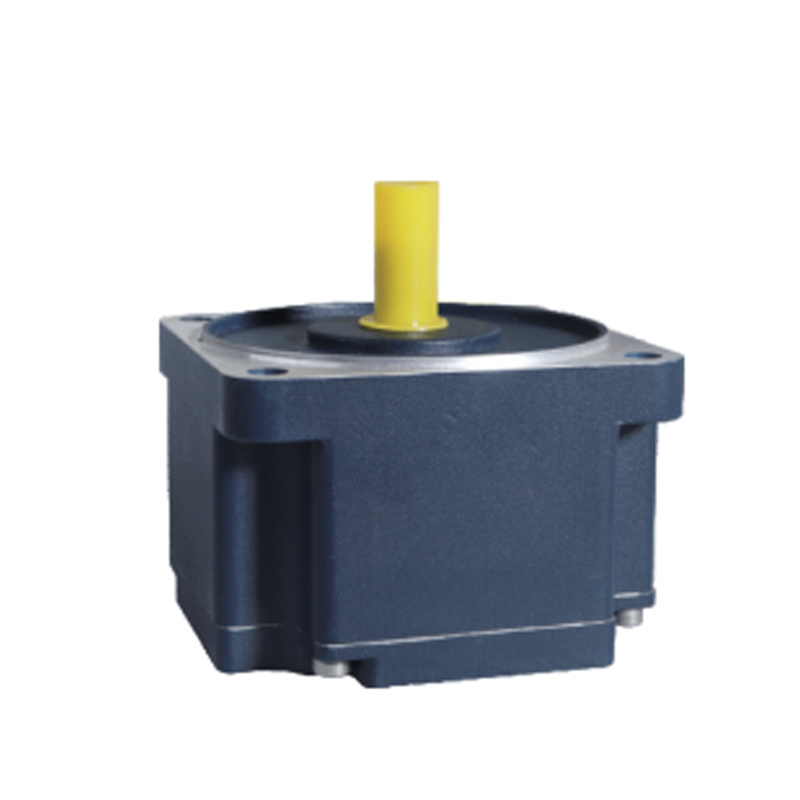
How Conveyor Drive Systems Continue to Adapt to Practical Manufacturing Needs
Production lines keep moving toward tighter layouts and more flexible use of space. Many conveyor systems now need to fit into smaller machine frames while still moving products smoothly from one step to the next.
Drive design follows that change. Space around the machine often matters as much as output performance. Maintenance access matters too. A unit that can be checked without removing half the surrounding equipment usually saves time during daily work.
A compact drive arrangement can help in those situations, though size alone never solves every problem. Load, speed, mounting position, and working conditions still need to match the conveyor structure.
For buyers and equipment designers, discussion about real use conditions usually gives better results than looking at isolated specifications. Questions about product weight, start frequency, line length, and available space often point toward a more suitable drive choice.
A Compact DC Gear Motor works well when it fits the machine in a practical way. A Custom DC Gear Motor becomes useful when the conveyor needs a different shaft, housing, or mounting form to suit the line. In both cases, the aim stays the same: keep the conveyor moving in a steady, manageable way during ordinary production work.
Related Products
-
-
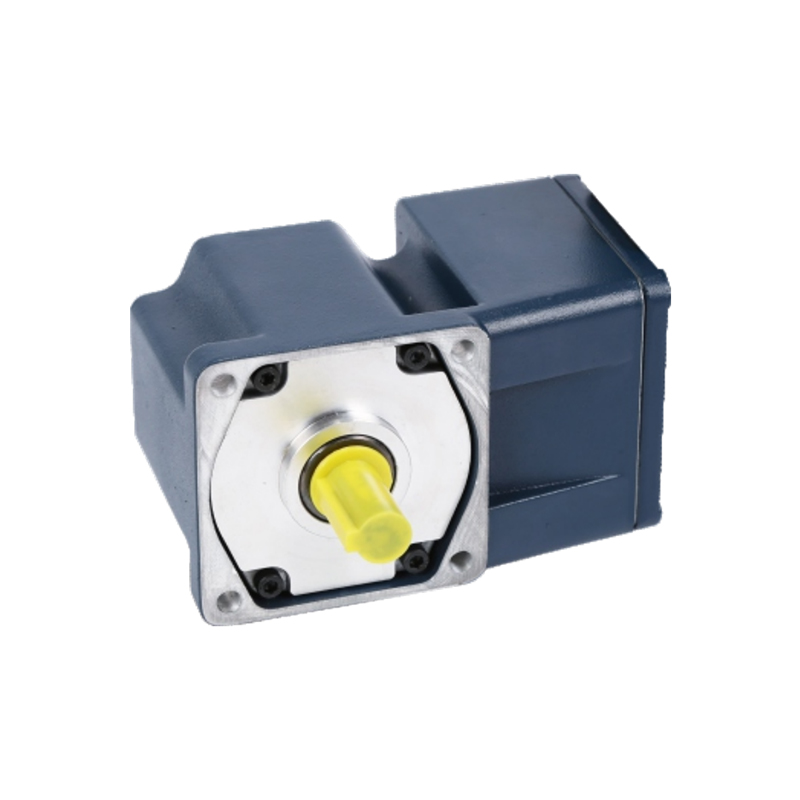
Cat:Right-Angle
The Micro and Special Electronic Motor is designed for compact drive systems requiring reliable performance in limited installation spaces. Its small ...
See Details -
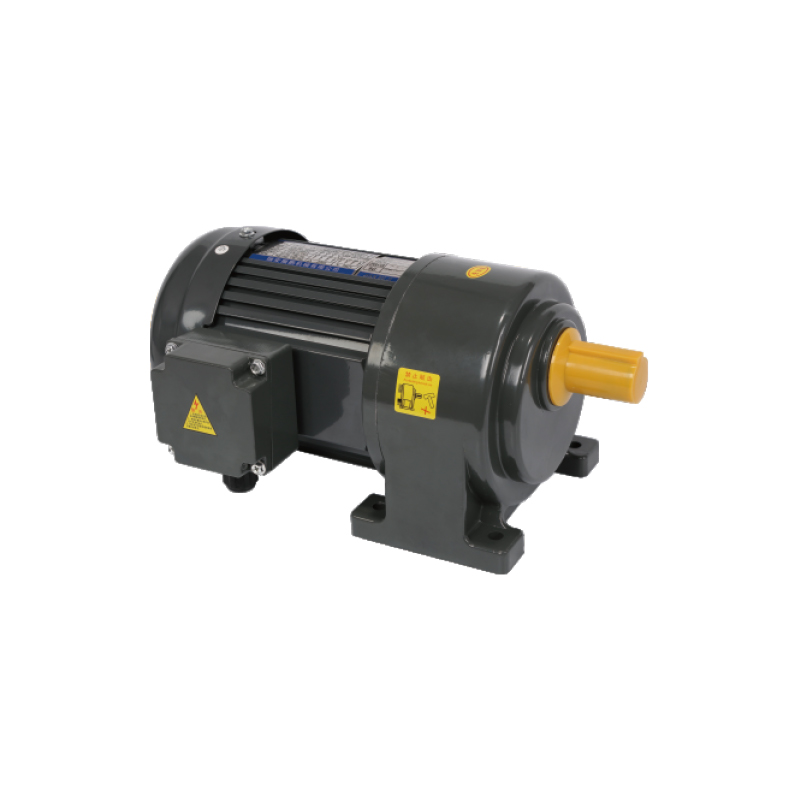
Cat:CH
Small AC Gearmotors are designed for compact power transmission with stable torque output and efficient performance. These Fractional HP Gearmotors ar...
See Details -
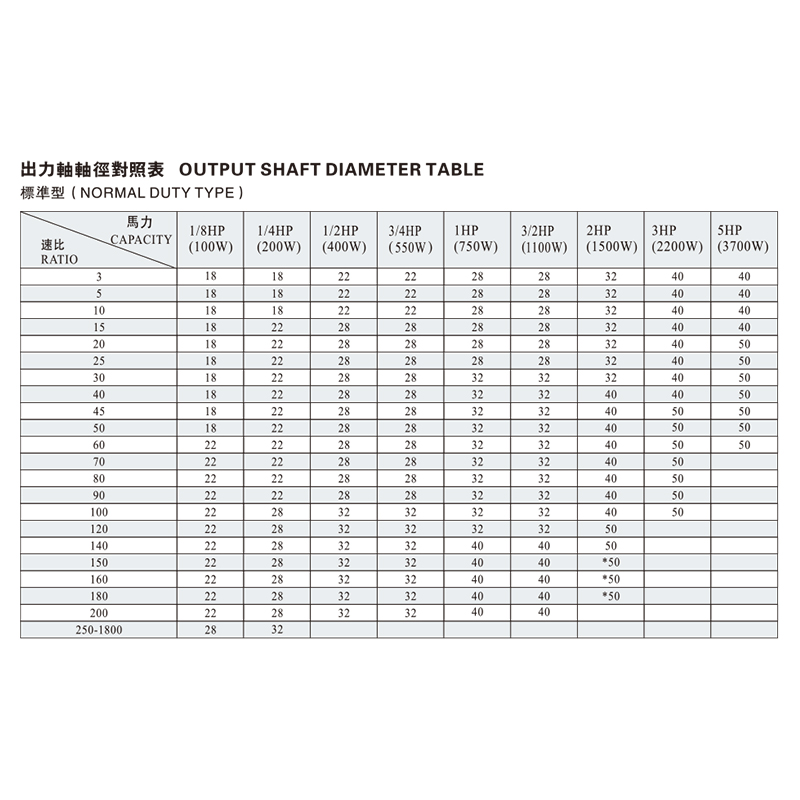
Cat:CH
The CH, CV Output Shaft Diameter Table provides standardized dimensional data for selecting compatible transmission components and mechanical assembli...
See Details -
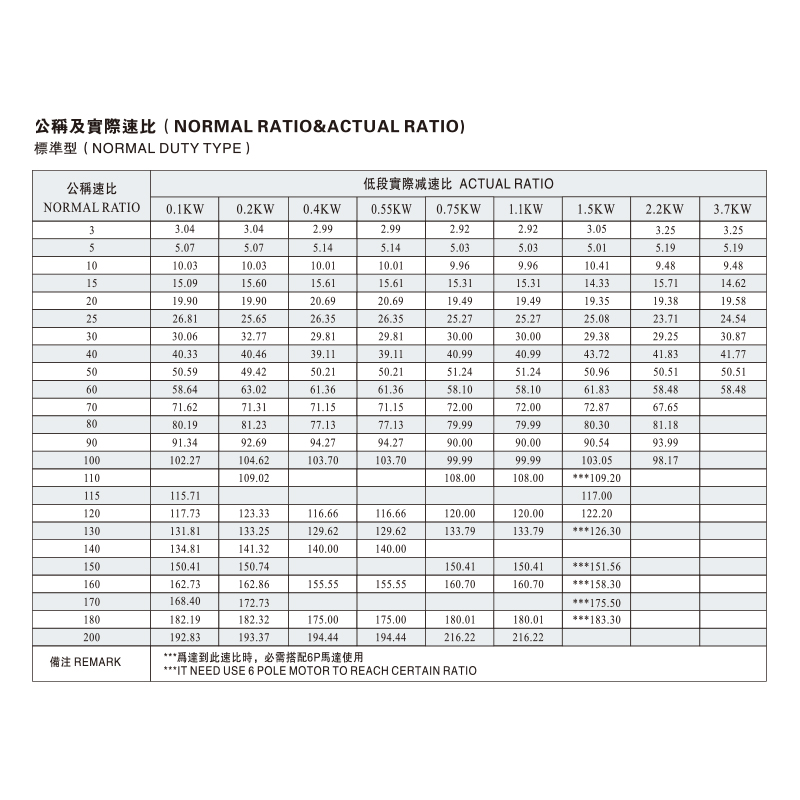
Cat:CH
The CH, CV Normal Ratio & Actual Ratio provides accurate reference data for matching transmission requirements and optimizing reducer performance....
See Details
Looking For Business Opportunity?
Request for a call today

Zhanpeng Machinery sincerely cooperates with people at home and
abroad to create common development and achieve win-win
results!
Contact Us
-
 sales@razhanpeng.com
-
 +86 13335770176
-
 No. 2807, Huaming Road, Ruian City, Wenzhou City,Zhejiang Province,China
Quick Links
Message


Copyright 2024 Ruian Zhanpeng Machinery Co., Ltd.
Gear Motor Factory


Contact Us