


 English
 中文简体
中文简体 عربى
عربى
Which Custom DC Gear Motor Works for Foldable Equipment Design
Foldable equipment depends on controlled movement inside a very limited structure. Chairs, portable frames, adjustable tools, and compact mechanical devices all require motion that stays smooth while the shape changes repeatedly. A Custom DC Gear Motor often becomes the hidden driving element that supports this movement inside tight internal spaces.
Space inside foldable structures is rarely generous. Every internal section may already be occupied by hinges, locking parts, or support arms. Motor placement must follow the movement path of the structure rather than occupy free space randomly. A small mismatch in position can affect how evenly the folding motion behaves.
In practical use, foldable systems often follow simple movement patterns:
- opening with gradual acceleration
- holding position with stable support
- closing with controlled deceleration
- repeated cycles under daily use
Each stage places different mechanical demands on internal motion control. Smooth transitions matter more than strong output alone.
What Defines A Custom DC Gear Motor In Practical Use
A Custom DC Gear Motor combines electrical rotation with mechanical reduction through internal gears. The electrical part produces rotation, while the gear section adjusts how that rotation behaves at the output shaft. The result is controlled movement rather than fast spinning.
Customization allows adjustment of motion behavior to match different mechanical environments. Foldable structures rarely share identical load patterns. Some require steady torque for heavier movement, while others need softer motion for lightweight frames.
Core functional characteristics include:
- adjustable torque response through gear structure
- controlled rotation speed for smooth mechanical movement
- compact form for limited installation space
- adaptability to different mechanical linkages
A Gear Motor Factory typically works with mechanical requirements provided by structural designers. Instead of a fixed output style, internal design parameters are adjusted to match movement needs of foldable systems.
How Foldable Equipment Places Demands On Gear Motor Design
Foldable systems create repeated mechanical cycles. Each cycle includes motion from closed state to open state and back again. That repetition builds a specific type of load behavior inside the motor system.
Resistance does not remain constant. During early movement, resistance may stay light. As the structure reaches mid-range positions, joints may create higher load. Near full extension or full folding, alignment forces may increase again.
Typical mechanical expectations include:
- steady movement across repeated folding cycles
- controlled transition between motion stages
- stable response under changing resistance
- consistent alignment during repeated operation
A Custom DC Gear Motor used in these systems must avoid sudden motion changes. Even small irregularities can transfer into visible vibration in the foldable structure.
Selection of a suitable motor for foldable equipment depends on how motion behaves under real mechanical conditions. Output alone does not define suitability. Movement consistency often plays a more noticeable role.
Important factors include:
- torque stability when load changes during motion
- smooth rotation without sudden speed shifts
- vibration control during direction change
- stable response in compact structural spaces
Foldable equipment reacts directly to motion inconsistency. A slight imbalance inside the motor output can appear as uneven folding movement. That effect becomes more noticeable in lightweight or portable structures.
Mechanical Fit Between Gear Motor And Folding Mechanisms
Foldable structures rely on hinge points, sliding arms, or rotating joints. A Custom DC Gear Motor must connect with these movement paths in a stable and aligned way.
Installation position affects how motion transfers through the structure. Some motors connect directly near hinge axes. Others operate through linkage systems that redirect force into movement paths.
Common mechanical considerations include:
- alignment between output shaft and motion axis
- limited internal space for installation
- clearance during full folding range
- stable mounting under repeated movement cycles
Even small misalignment can introduce uneven load distribution. Over time, that condition may affect both motor behavior and mechanical smoothness of the foldable system.
How Custom DC Gear Motor Adjusts To Different Load Conditions
Foldable equipment does not maintain a constant load during operation. Mechanical resistance changes as the structure moves through different positions.
A Custom DC Gear Motor responds to these variations through its internal gear configuration. Gear ratios influence how rotation translates into torque and speed at different stages of movement.
Typical response behavior includes:
- lighter load phases with faster motion
- moderate load phases with balanced movement
- higher resistance phases with stronger torque and slower speed
Motion behavior shifts depending on structural position. The motor adjusts naturally through mechanical design rather than external control systems.
A Gear Motor Factory plays a direct role in aligning motor behavior with foldable equipment structure. Instead of producing identical units for all systems, adjustments are made based on mechanical layout and movement requirements.
| Selection Factor | Low Adaptation Setup | Balanced Adaptation Setup | High Adjustment Setup |
|---|---|---|---|
| Torque Response | Limited under load change | Stable across motion stages | Strong support under resistance |
| Speed Behavior | Fast but less controlled | Moderate and steady | Controlled and consistent |
| Structural Fit | Basic space match | Moderate integration | Precise compact alignment |
| Motion Smoothness | Noticeable variation | Even transition | Highly stable movement |
| Load Handling | Suitable for light use | Suitable for mixed use | Suitable for repeated load change |
Factory-level adaptation often includes:
- adjustment of internal gear structure
- matching output characteristics with motion design
- alignment of shaft structure for mechanical fit
- modification of internal resistance behavior
Foldable equipment design often changes from one application to another. Factory coordination helps ensure that motor behavior matches structural movement rather than forcing design changes in the equipment itself.
Material And Structural Considerations Inside Gear Motor Units
Inside a Custom DC Gear Motor, most behavior comes from small internal interactions rather than any single visible part. Foldable equipment places repeated mechanical stress on motion systems, so internal structure needs to stay stable during long use cycles.
The housing keeps everything aligned. When folding happens again and again, small vibrations travel through the frame. A steady casing helps keep those movements contained instead of spreading inside the motor.
Gears inside carry the real workload. Each folding cycle means contact, separation, and contact again. Over time, surfaces gradually adapt to that pattern. Movement may feel slightly different compared to early use, though still within controlled range.
Key internal aspects include:
- housing stability during repeated vibration
- gear surface contact under continuous load
- friction balance across moving parts
- shaft alignment staying steady during rotation
Even minor internal resistance changes can be noticed in foldable motion, especially when the structure is light and responsive.
Common Application Areas Of Foldable Equipment Systems
Foldable systems appear in many everyday environments where space is limited and movement needs to stay practical. A Custom DC Gear Motor often sits inside these systems, hidden from direct view but directly influencing how movement feels.
Typical usage areas include:
- portable frames that change shape for transport
- compact structures used in tight storage spaces
- furniture that folds and unfolds for daily adjustment
- tools that shift position depending on task need
Each situation has its own movement rhythm. Furniture often needs smooth and quiet motion. Portable systems care more about compact design. Tools may require stronger push during specific actions.
Because of these differences, one fixed motor style rarely fits all designs. Adjustment becomes part of matching movement behavior with real use conditions.
How Power Supply Influences Motor Behavior In Foldable Systems
A Custom DC Gear Motor depends on steady electrical input to keep motion predictable. Foldable systems often rely on compact energy sources, which makes consistency even more important.
When power stays stable, movement feels even across folding stages. When power shifts slightly, rotation may feel less smooth during transition points.
Typical behavior patterns include:
- steady input supporting smooth folding
- uneven input creating small speed changes
- lower input reducing torque during load moments
- recovery once input stabilizes again
Foldable motion involves several stages in one cycle. Any change in power can show up as hesitation or uneven movement, especially during mid-position where resistance often increases.
Installation Challenges In Compact Foldable Designs
Installing a Custom DC Gear Motor inside foldable equipment is rarely about open space. Most of the time, the internal layout already contains hinges, support arms, and locking parts.
Positioning must follow movement paths. If alignment is slightly off, motion may feel uneven when the structure moves through different angles.
Common installation challenges include:
- very limited space for motor placement
- alignment between motor shaft and folding axis
- routing wires through moving sections
- avoiding contact with moving joints
Small layout changes can have visible effects on final motion. Even slight pressure on one side may create uneven folding behavior later.
Choosing a Custom DC Gear Motor for foldable equipment is less about raw strength and more about how movement behaves in real conditions. Folding is a repeated cycle, not a single action.
Important points usually include:
- smooth transition between movement stages
- stable reaction when load changes during folding
- consistent behavior over repeated cycles
- fitting inside narrow internal space
Foldable systems are sensitive to uneven motion. A small delay in response can become noticeable when the frame moves. A slightly unstable output may affect the feel of the entire structure.
Selection usually comes down to balance between space, motion control, and structural interaction.
Integration Behavior In Real Foldable Systems
In real use, a Custom DC Gear Motor works together with hinges, arms, and support frames. Motion does not come from the motor alone. It comes from the way all parts respond together.
When everything aligns, folding feels smooth from start to end. When alignment shifts, certain points may feel tighter or slower during movement.
Typical integration behavior includes:
- steady start when alignment is correct
- slight resistance during mid movement zones
- smooth locking at end positions
- gradual improvement after repeated cycles
Foldable equipment becomes more stable when mechanical structure and motor behavior follow the same movement direction instead of working against each other.
A Custom DC Gear Motor supports movement in foldable systems in a quiet and steady way. It does not act alone, yet its behavior shapes how the entire structure feels during use.
Gear design manages torque changes. Electrical input sets motion consistency. Mechanical layout connects everything into one movement path.
When these parts stay balanced, foldable equipment moves in a controlled way across repeated use. Over time, the system relies on that steady interaction between motor and structure rather than any single strong action.
Related Products
-
-
Cat:Right-Angle
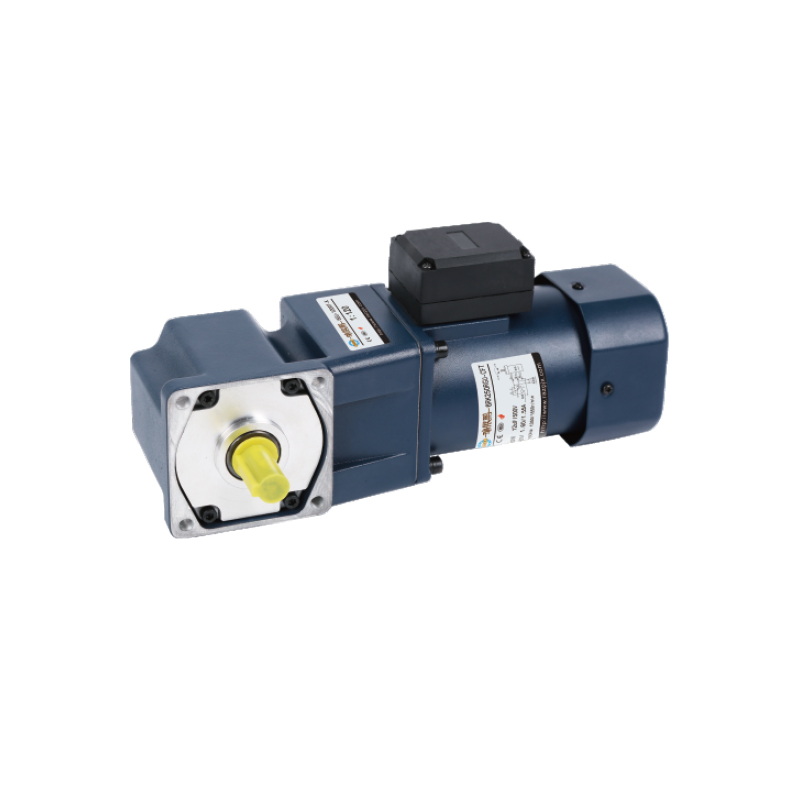
The 100mm 120W/140W VT Reduction Motor is designed for compact transmission systems requiring stable torque output and controlled operating speed. Fea...
See Details -
Cat:Right-Angle
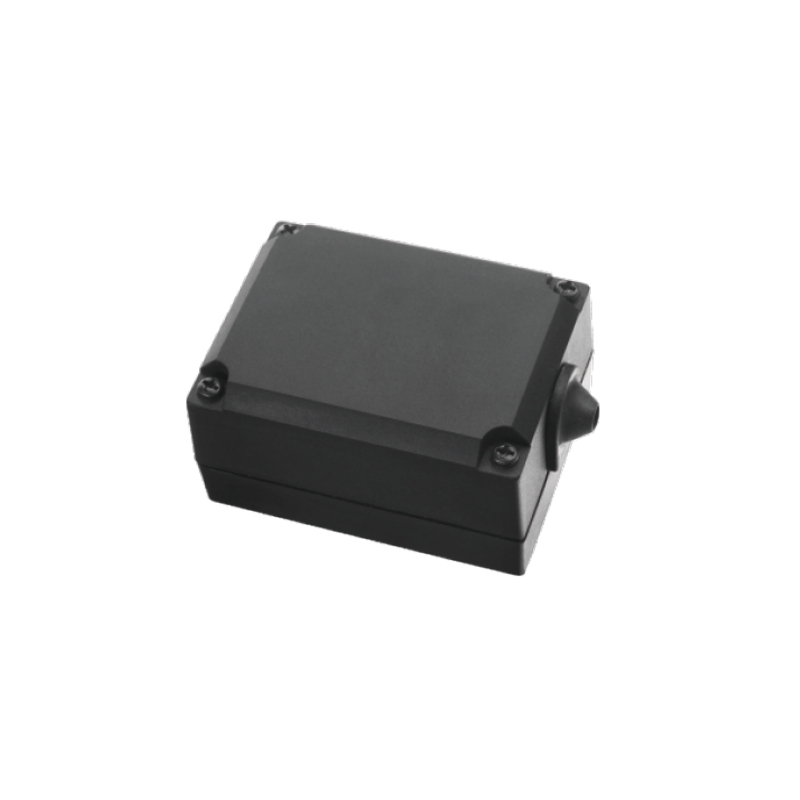
The Power Distribution Junction Box is designed for safe and stable electrical wiring management. With a durable External Junction Box Black structure...
See Details -
Cat:Motor Controller & Accessories
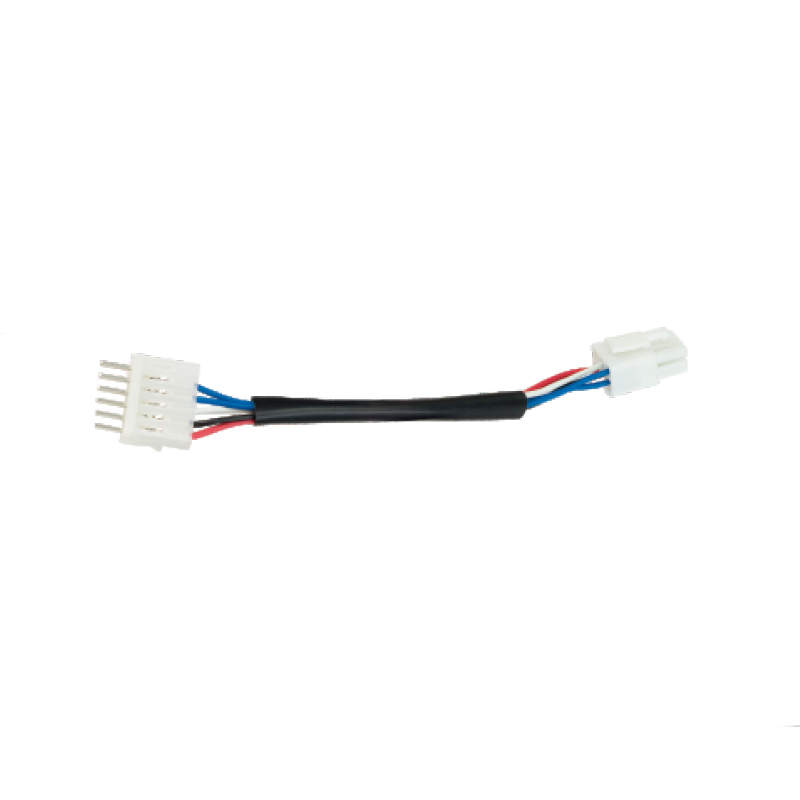
Prolonging line used between speed motor and controller.Additional sale product.When buying the controller, there will be a prolonging line with 0.5 m...
See Details -
Cat:CH
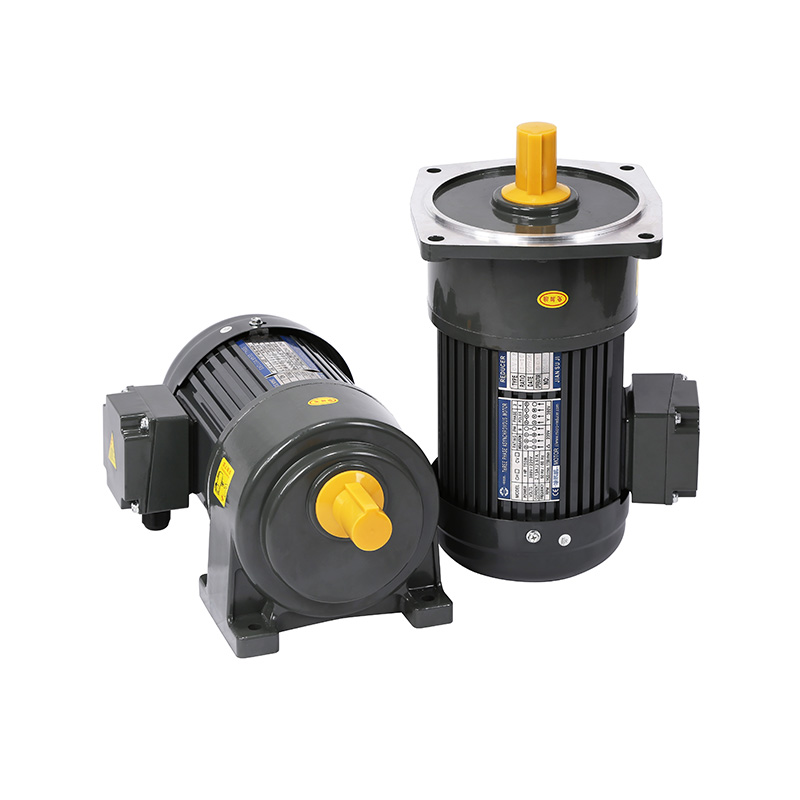
The Mirco and Special Electronic product series is designed for compact electronic equipment and precision transmission applications requiring stable ...
See Details -
Cat:CH
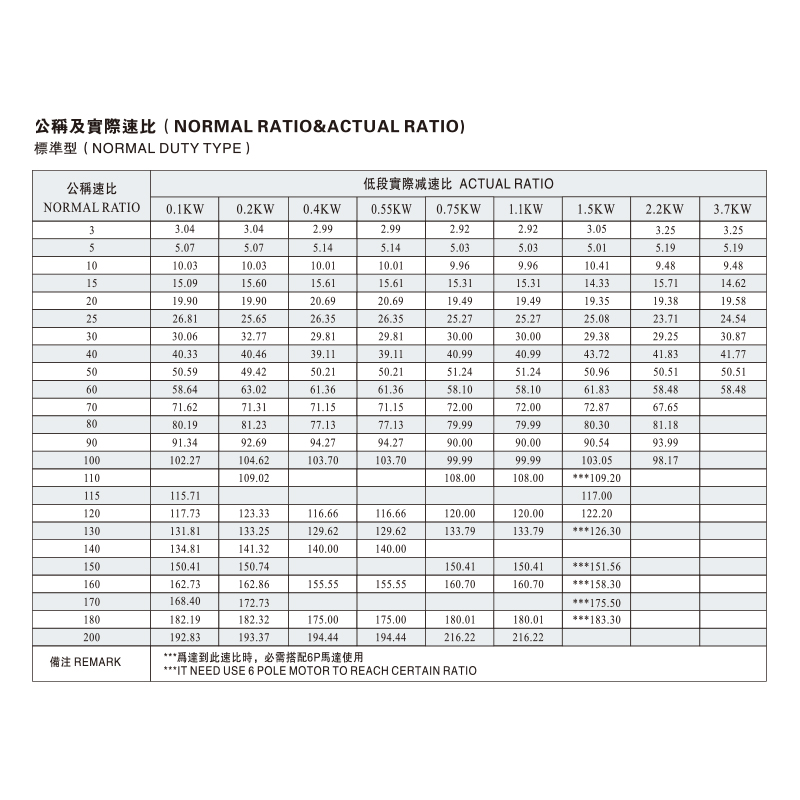
The CH, CV Normal Ratio & Actual Ratio provides accurate reference data for matching transmission requirements and optimizing reducer performance....
See Details
Looking For Business Opportunity?
Request for a call today

Zhanpeng Machinery sincerely cooperates with people at home and
abroad to create common development and achieve win-win
results!
Contact Us
-
 sales@razhanpeng.com
-
 +86 13335770176
-
 No. 2807, Huaming Road, Ruian City, Wenzhou City,Zhejiang Province,China
Quick Links
Message


Copyright 2024 Ruian Zhanpeng Machinery Co., Ltd.
Gear Motor Factory


Contact Us