


 English
 中文简体
中文简体 عربى
عربى
How Temperature Extremes Affect a Heavy Duty Gear Motor Operation
Temperature often receives less attention than load or speed when a gear motor is put into service. A machine may work in a warm workshop, a cold storage area, or an outdoor location where conditions change during the day. Each setting can create a different working environment for the drive.
Heat comes from normal operation. Gears turn, bearings move, and the motor produces heat as it runs. Part of that heat leaves through the housing and surrounding air. Problems can appear when the surrounding environment is already hot, when airflow is restricted, or when another machine nearby adds heat.
Cold weather brings a different concern. Lubricant can become thicker, starting movement may feel less smooth, and some sealing materials may behave differently. A unit that runs without difficulty in a moderate environment may need more care when placed somewhere much colder.
For a Heavy Duty Gear Motor, temperature is therefore connected with several everyday operating conditions rather than one individual part. Load, ventilation, lubricant condition, mounting position, and the surrounding environment all have an effect on how heat is produced and released.
How Does High Temperature Affect Gear Motor Operation
Warm surroundings leave less room for heat to escape. A motor and gearbox already produce heat during normal work, so placing them in an enclosed space or close to another heat source can make the situation harder to manage.
Air movement around the housing matters. Dust on cooling surfaces can restrict heat transfer, while a crowded installation may prevent warm air from moving away. Even without a change in workload, a drive can therefore run warmer after its surroundings become hotter.
Lubricant is another part of the picture. Rising temperature changes its flow behavior, and prolonged heating can gradually affect its condition. Gear systems rely on suitable lubrication to keep moving surfaces separated and to help carry heat away from contact areas.
Heat can also influence seals, bearings, and other mechanical parts. A warmer housing does not automatically mean something is damaged, although a steady rise from normal operating conditions is worth checking.
Possible sources of additional heat include:
- Limited airflow around the housing
- Dirt or dust covering cooling surfaces
- Heat from nearby machinery
- Changes in working load
- Poor lubricant condition
- Friction caused by mechanical wear
Looking at the surroundings can sometimes reveal a simple reason for higher operating temperature. Moving a heat source, clearing an airflow path, or correcting a maintenance issue may change the thermal condition without altering the drive itself.
What Happens to Lubrication Under Temperature Extremes
Lubricant changes as temperature moves up or down. Warm lubricant generally flows more easily, while cold lubricant tends to become thicker. Gearbox operation depends partly on having lubricant move to the areas where gears and bearings need it.
During prolonged hot operation, excessive heat can reduce lubricant viscosity and speed up aging. Once lubricant condition changes, friction and heat generation may change as well. A warmer gearbox can therefore create a situation where lubrication needs closer attention.
Cold conditions bring a different problem. Thick lubricant may resist movement when equipment starts. Gears and bearings can need more effort to begin moving, and the drive may feel less smooth during the early part of operation.
For that reason, lubricant should be selected according to the working conditions of the equipment rather than simply based on what is already available. Gear design, load, speed, operating temperature, and maintenance arrangements all matter.
Storage conditions deserve attention too. A unit kept in a cold location may have a different starting condition from one stored indoors and brought into service later. Allowing equipment to reach a suitable operating condition according to the applicable instructions can help avoid unnecessary strain.
How Can Temperature Affect Bearings Seals and Gears
Mechanical parts respond to temperature in different ways, although their working conditions are closely connected. A bearing with increased friction can generate extra heat, while poor lubrication can make movement less smooth. Additional heat may then spread into nearby parts.
Seals have their own concerns. Heat can gradually affect sealing materials, while cold surroundings may reduce flexibility in some materials. A small amount of leakage should not simply be ignored, although its cause needs to be identified before deciding what action is appropriate.
Gear surfaces depend on stable lubrication during movement. When lubricant becomes too thin, too thick, or degraded, contact conditions can change. Noise, vibration, or unusual resistance may then appear during operation.
| Temperature Change | Possible Operating Change | Area to Inspect |
|---|---|---|
| Warmer surroundings | Heat leaves the housing less easily | Airflow and housing |
| Prolonged heating | Lubricant condition may change | Lubricant |
| Cold startup | Movement may feel more resistant | Gears and bearings |
| Very cold surroundings | Lubricant movement may slow | Gearbox |
| Rapid environmental change | Sealing behavior may change | Seals and connections |
A single symptom rarely tells the whole story. Noise may come from wear, vibration can relate to alignment, and higher temperature may result from load rather than weather. Checking several conditions together gives maintenance personnel a better starting point.
For a Heavy Duty Gear Motor, temperature management is closely tied to ordinary maintenance. Keeping airflow clear, watching lubricant condition, checking for leakage, and paying attention to changes in sound or movement can help reveal developing problems before normal operation is seriously affected.
Why Can Extreme Temperatures Change Motor Starting and Load Behavior
Starting conditions can feel quite different from steady operation. A gear motor that has been sitting in a cold environment may need more effort to begin moving because lubricant has become thicker and internal resistance has increased. Gears and bearings may take longer to reach their normal working condition.
Cold surroundings can also affect how quickly heat develops during startup. A short period of extra resistance may not indicate a fault, although repeated difficult starts deserve attention, particularly where the machine is already carrying a heavy load.
Warm environments create another kind of pressure. Heat generated by the motor has to leave the housing, and a hot surrounding space gives that heat less room to dissipate. Continued operation under such conditions can gradually raise the temperature of internal parts.
Load should be considered alongside temperature. A drive working under a demanding load naturally produces more heat than one doing lighter work. When high load and high ambient temperature occur together, the cooling system may have less opportunity to bring operating conditions back toward normal.
Starting and running conditions can therefore be looked at separately. Useful observations include:
- Whether startup feels smooth or unusually resistant
- Whether operating temperature continues to rise
- Whether load changes coincide with temperature changes
- Whether unusual sound appears during startup
- Whether the drive behaves differently after reaching a stable operating condition
A Heavy Duty Gear Motor may handle temperature variation differently depending on its construction and application. Operating instructions for the actual unit should guide decisions about acceptable conditions rather than relying on a general assumption.
How Does the Installation Environment Influence Temperature
Where a gear motor is installed can have a noticeable effect on heat management. An enclosed cabinet, crowded machine area, or location near another heat‑producing device may limit the movement of air around the housing.
Ventilation openings should remain clear. Dust can build up on surfaces over time, while dirt around cooling areas may make heat transfer less effective. Moisture can create another concern, particularly where equipment is exposed to changing outdoor conditions.
Mounting position matters as well. Gearboxes are designed with particular arrangements for lubrication and heat management, so changing their orientation without checking the relevant instructions may affect operation.
Nearby equipment should be considered during installation planning. A drive may operate normally during a test carried out in an open area, then run warmer after being installed inside a compact machine enclosure.
Simple environmental checks can help:
- Look for blocked airflow paths
- Check for nearby heat sources
- Keep surrounding surfaces reasonably clean
- Watch for moisture around the housing
- Confirm that mounting follows the equipment instructions
- Leave enough space for inspection and maintenance
A suitable ambient environment does not guarantee a suitable internal operating condition. Heat created inside the motor and gearbox still needs to move outward, so both internal heat generation and external conditions deserve attention.
What Should Be Checked When Temperature Changes During Operation
A change in operating temperature is worth observing rather than treating as a problem on its own. Conditions around the machine may have changed, or the drive may be carrying a different load from normal.
Start with simple observations. Look at airflow, housing cleanliness, lubricant condition, and signs of leakage. Listen for unusual sound and pay attention to vibration or changes in movement.
A sudden change can deserve quicker attention than a gradual difference noticed over a longer period. Repeated temperature increases during similar working conditions can also provide useful information for maintenance.
A basic inspection can follow a simple path:
Environment → Load → Lubrication → Mechanical condition → Operating behavior
Such an order can help prevent premature conclusions. For example, higher housing temperature may come from restricted ventilation rather than an internal mechanical problem. A difficult startup may relate to cold lubricant rather than motor damage.
Inspection records can also be useful. Notes about operating conditions, maintenance work, unusual sounds, or changes in lubricant condition can make later comparisons easier.
How Can a Gear Motor Factory Help With Temperature Selection
Temperature requirements should be considered during equipment selection rather than after installation. A Gear Motor Factory can provide information about suitable operating conditions, mounting arrangements, lubrication requirements, and environmental limitations for a particular design.
Different gear motor constructions may respond differently to heat and cold. A unit intended for an enclosed machine may have different requirements from one installed in an open working area. Matching the equipment with its intended environment can reduce avoidable operating problems.
Application details are useful during selection. Information about expected load, operating pattern, installation position, surrounding conditions, and required movement can help determine whether a particular design fits the intended use.
Clear operating guidance can also make maintenance easier. Personnel can refer to the relevant instructions when checking lubrication, ventilation, installation position, or temperature changes instead of relying entirely on general habits.
For a Heavy Duty Gear Motor, temperature should be considered as part of the whole operating environment. Heat from the motor, resistance inside the gearbox, lubricant behavior, load, airflow, and surrounding conditions all interact during normal use. Paying attention to those factors can make temperature‑related changes easier to recognize and address during routine equipment care.
Related Products
-
-
Cat:Right-Angle
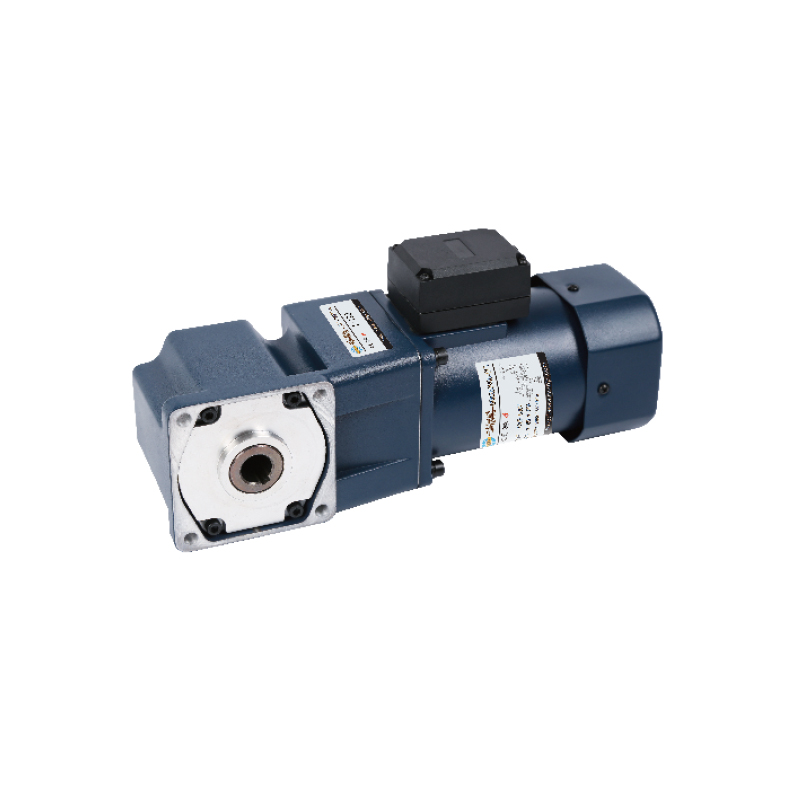
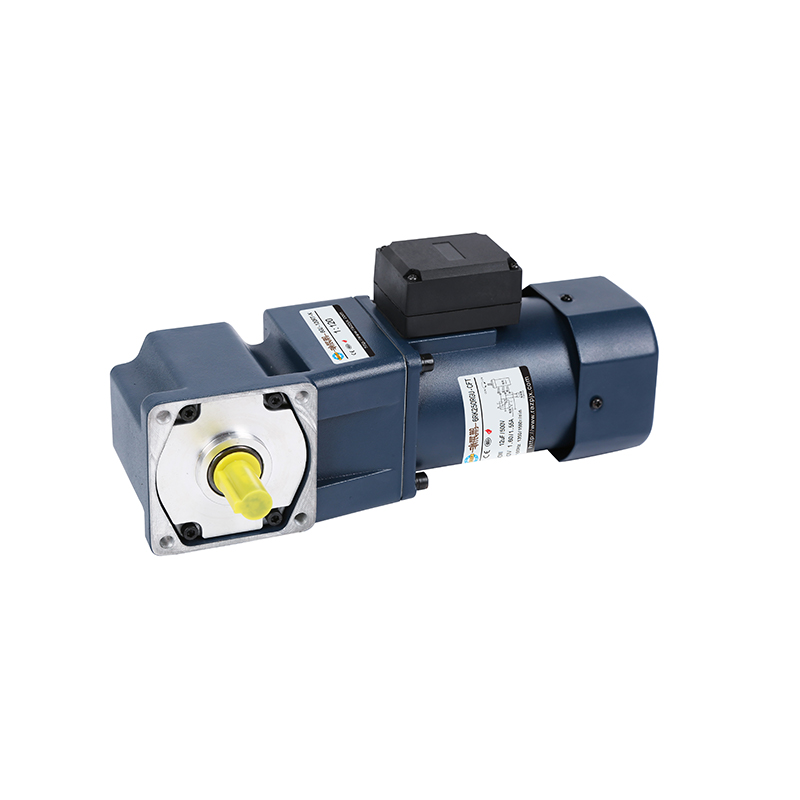
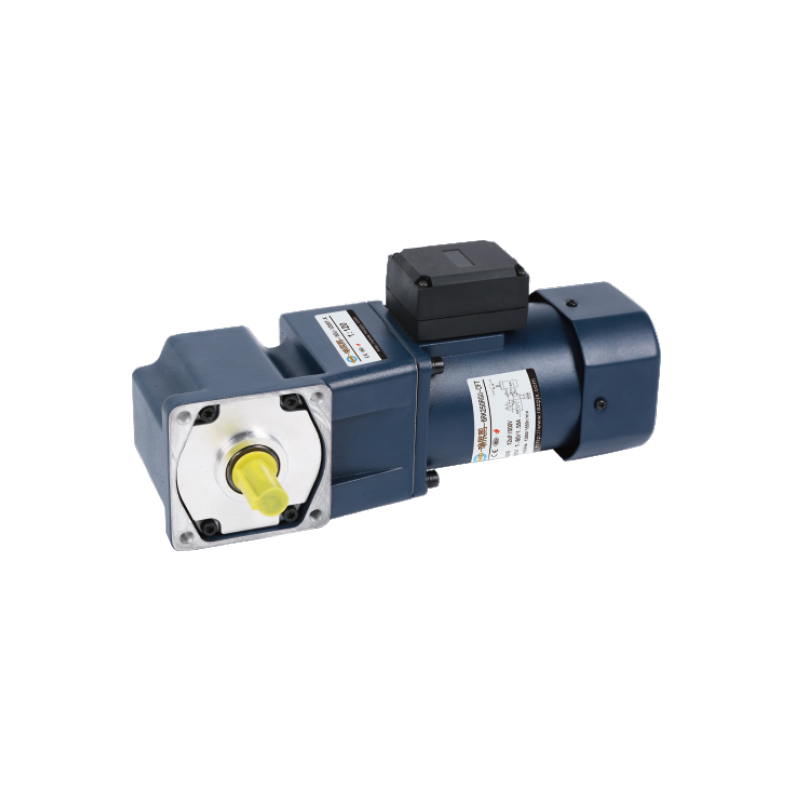
Electric Reduction Motor is designed for stable torque output and controlled low speed operation. This AC Gear Motor Low Rpm provides efficient power ...
See Details -
Cat:CH
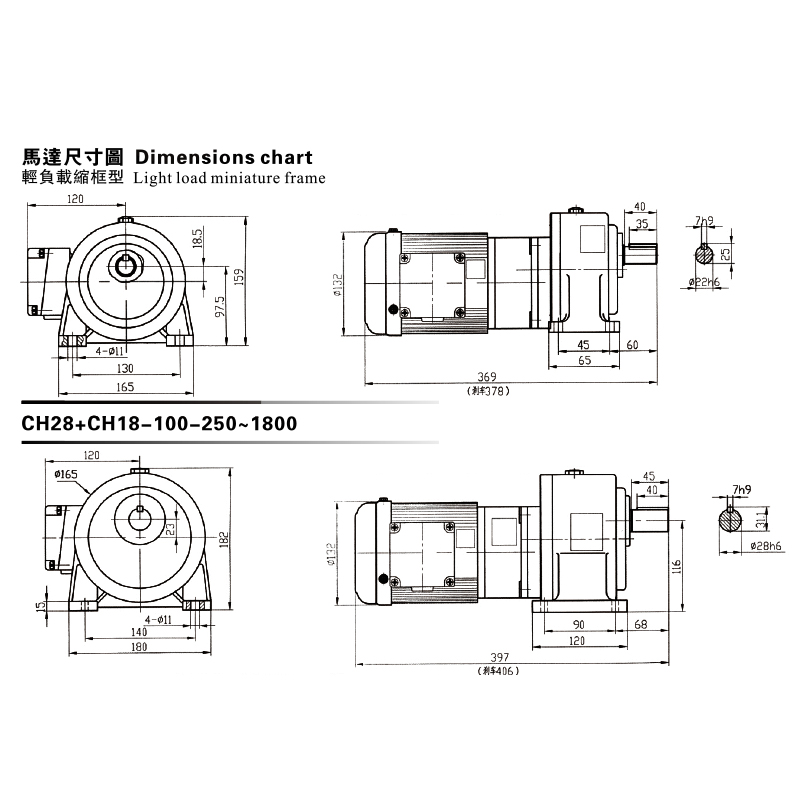
This CH, CV Dimensions Chart showcases a premium Gear Reduced Electric Motor series engineered for light-load, miniature frame applications. The chart...
See Details -
Cat:CH
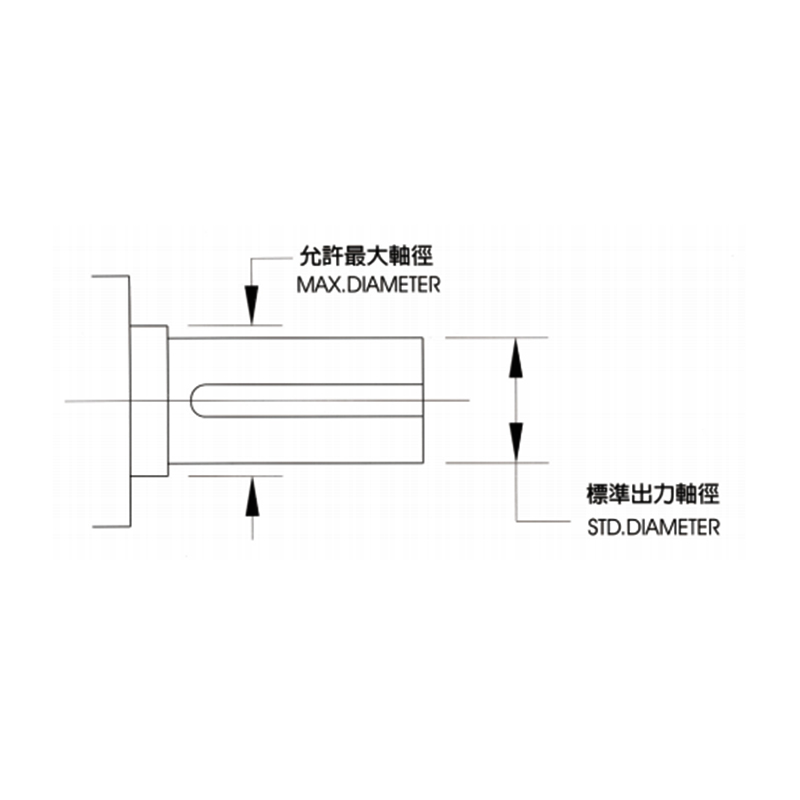
The CH, CV Available Max Output Shaft Diameter provides detailed reference data for selecting suitable shaft dimensions in transmission systems. It he...
See Details -
Cat:CH
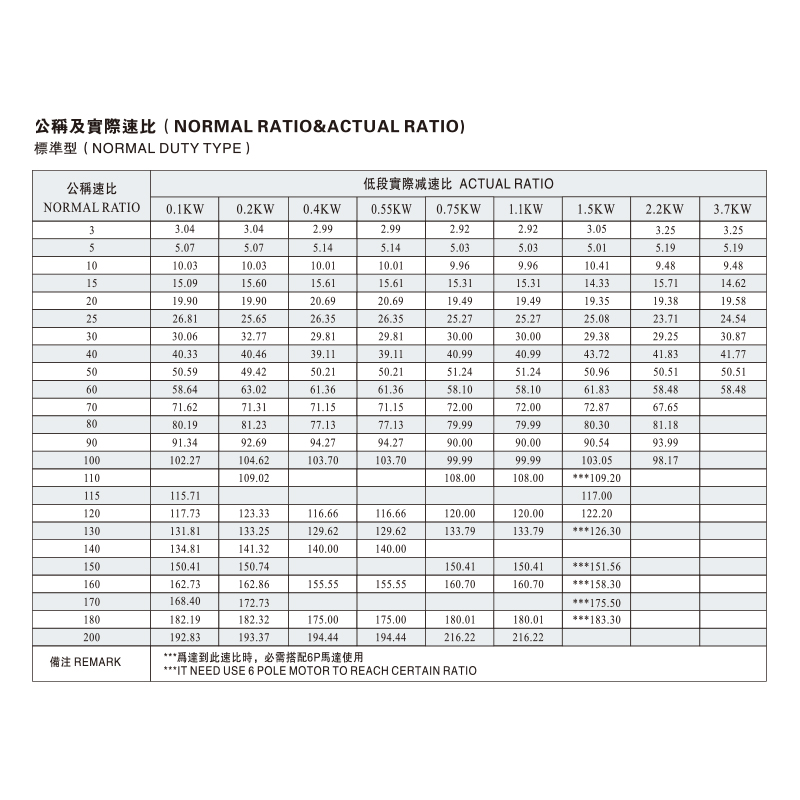
The CH, CV Normal Ratio & Actual Ratio provides accurate reference data for matching transmission requirements and optimizing reducer performance....
See Details
Looking For Business Opportunity?
Request for a call today

Zhanpeng Machinery sincerely cooperates with people at home and
abroad to create common development and achieve win-win
results!
Contact Us
-
 sales@razhanpeng.com
-
 +86 13335770176
-
 No. 2807, Huaming Road, Ruian City, Wenzhou City,Zhejiang Province,China
Quick Links
Message


Copyright 2024 Ruian Zhanpeng Machinery Co., Ltd.
Gear Motor Factory


Contact Us