


 English
 中文简体
中文简体 عربى
عربى
Why Industrial Dc Gear Motor Is Used in Daily Automation Tools
Automation tools appear in homes and workplaces every day. A coffee grinder spins at a consistent speed. An electric screwdriver turns screws into wood. A garage door opener lifts a heavy door. These tools share a common component. An Industrial DC Gear Motor drives the motion.
A DC motor runs on direct current. The current flows in one direction. The motor responds instantly when power arrives. The speed adjusts easily with voltage changes. A simple switch starts and stops the motor without delay.
The internal construction of a DC motor suits automation. The motor has few moving parts. The brushes carry current to the spinning rotor. The magnetic field interacts with the rotor to create rotation. The design stays simple and reliable.
A DC motor provides the precise control that automation tools need. The motor starts without a delay. The speed stays steady even when the load changes. The motor reverses direction easily for tools that need both forward and reverse motion.
| Tool Type | Motor Task | Why DC Works |
|---|---|---|
| Electric screwdriver | Turn screws with controlled torque | Instant start, adjustable speed |
| Coffee grinder | Spin blades at consistent speed | Steady rotation under load |
| Garage door opener | Lift and lower heavy door | High torque at low speed |
| Electric lock | Extend and retract bolt | Precise positioning |
| Power window | Raise and lower glass | Reversible direction |
| Robotic vacuum | Move across floors | Variable speed, frequent stops |
How the Gearbox Changes Motor Speed Into Usable Torque
A DC motor spins fast. The rotor turns thousands of times per minute. Automation tools need slower rotation with more force. The gearbox connects between the motor and the tool output.
Gears inside the gearbox reduce the speed. A small gear turns a larger gear. The larger gear turns more slowly but with greater force. Multiple gear stages reduce the speed further. Each stage multiplies the torque.
The gear ratio determines the output speed. A ratio of 100 to 1 means the motor turns 100 times for each output turn. The output torque increases by roughly the same factor. A small motor with a high ratio gearbox produces surprising force.
The gearbox also changes the direction of rotation. Some gearboxes have a 90 degree output. The motor spins one way while the output turns a different direction. The gearbox fits into tight tool designs.
The gearbox material affects performance. Steel gears handle heavy loads. Plastic gears run quietly but wear faster. A Gear Motor Factory chooses materials based on the tool's intended use.
A person using an automation tool does not see the gearbox. The tool works smoothly. The speed feels right for the task. The force matches the job. The gearbox inside makes that possible.
Why Low Speed High Torque Matters for Daily Automation
Automation tools need controlled force. A coffee grinder turns slowly but crushes hard beans. An electric screwdriver turns at a low speed but drives a screw into wood. Low speed and high torque work together.
High torque overcomes resistance. A screw encounters friction from the wood. The torque drives the screw through the resistance. A tool with low torque stalls or stops. The person must restart the task.
Low speed provides control. A person positions a screw with precision at low speed. High speed would strip the screw head or damage the material. The tool operates at a pace the person can follow.
The Industrial DC Gear Motor produces both low speed and high torque. The gearbox reduces the motor speed. The torque increases as the speed drops. The tool output matches the task requirements.
Different tasks need different torque levels. A small screw requires less torque than a large bolt. The gear ratio changes between tools. A screwdriver uses a lower ratio than a garage door opener.
A tool with the right torque works efficiently. The tool completes the task without straining. The motor does not overheat. The gears do not wear prematurely. The tool lasts longer with proper torque matching.
How a Gear Motor Factory Ensures Consistent Performance
A Gear Motor Factory produces many motors. Each motor must perform the same way. The factory follows quality control steps to achieve consistency.
The incoming materials get tested. The steel for gears meets specifications. The copper wire for the motor windings has the right thickness. The magnets have the correct strength. The factory rejects materials that do not meet standards.
The assembly process follows strict procedures. Workers or machines put the motor together the same way every time. The gear meshing gets checked. The lubricant applied to the gears measured exactly. The motor gets tested after assembly.
Testing verifies the motor performance. Each motor runs at its rated speed and torque. The noise level gets measured. The current draw checked against specifications. A motor that fails any test gets reworked or rejected.
The factory also tests the motor under load. The motor drives a simulated tool. The torque and speed stay within specifications. The motor temperature remains within limits. The factory confirms the motor works as intended.
A person buying an Industrial DC Gear Motor from a reliable factory gets a consistent product. Every motor from the same batch performs similarly. The tool manufacturer designs the tool around that consistency.
Where the Industrial DC Gear Motor Fits in Common Tools
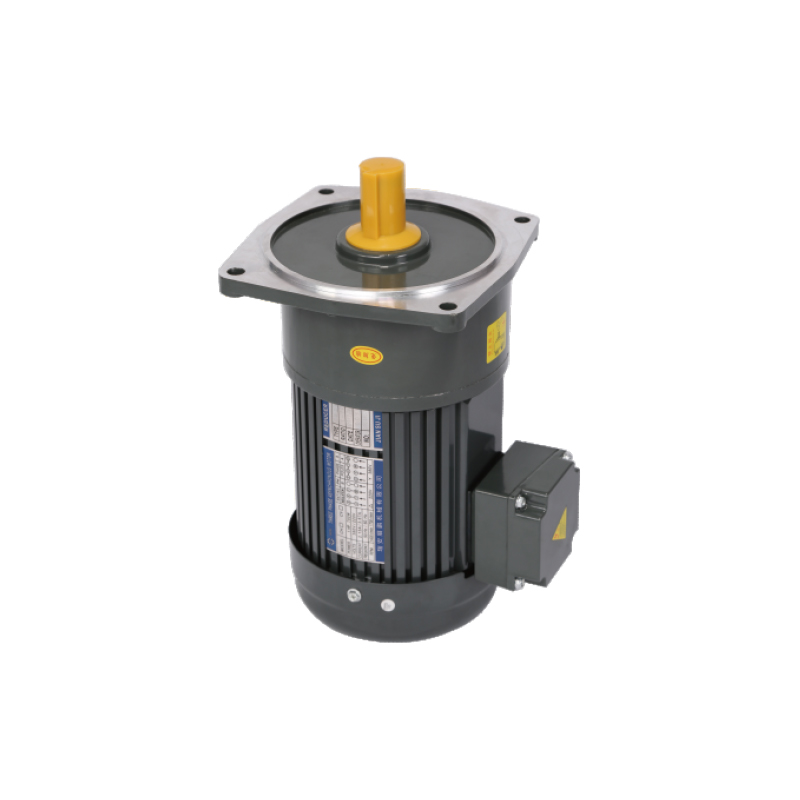
An Industrial DC Gear Motor fits inside many common tools. The motor sits hidden behind a housing. The user sees only the tool output. The motor does the work inside.
An electric screwdriver contains a small DC gear motor. The motor spins a gearbox that drives the chuck. The chuck holds the screw bit. The motor provides the torque to drive the screw.
A power drill uses a larger DC gear motor. The motor drives a gearbox with multiple ratios. The user selects high speed for drilling and low speed for driving screws. The motor adapts to both tasks.
A coffee grinder uses a DC motor with a gearbox. The motor spins a set of burrs. The burrs crush coffee beans. The gearbox provides the torque to crush the beans without stalling.
Common locations for Industrial DC Gear Motors in daily tools:
- Inside electric screwdrivers and drills
- Under the hood of electric can openers
- Within the base of coffee grinders
- In the mechanism of garage door openers
- Behind the panel of electric locks
- Inside the body of robotic vacuum cleaners
The motor selection depends on the tool requirements. A small tool needs a small motor. A heavy tool needs a larger motor. The motor size and power match the tool's intended use.
Why DC Power Works Well for Portable and Stationary Tools
Direct current comes from batteries or from power supplies that convert AC to DC. Batteries provide portable power. A tool with a battery works anywhere without a cord. The Industrial DC Gear Motor operates efficiently on battery power.
Batteries store DC power. The motor draws current directly from the battery. No conversion loses energy. The motor uses the stored power effectively. A tool runs longer on a single charge.
Batteries also provide consistent voltage for most of their discharge. The motor speed stays steady. The tool performs the same way from the start of the charge to the end. A person does not adjust the technique as the battery drains.
Stationary tools also use DC power. A power supply converts building AC into DC. The motor runs on the converted power. The conversion adds a component, but the motor benefits from DC control.
The DC motor responds to voltage changes. A variable speed trigger changes the voltage. The motor speed changes instantly. AC motors do not respond the same way. DC gives better speed control for precision tools.
The low voltage operation adds safety. Battery powered tools run at safe voltages. A person uses the tool in wet or damp conditions with less risk. The Industrial DC Gear Motor operates safely within the voltage range.
A tool manufacturer chooses DC for portable, variable speed, and safety reasons. The motor design fits these requirements. The user receives a tool that performs well in any location.
How Gear Material Affects Long Term Reliability
The gears inside the gearbox transfer the motor force. The gears experience stress with every revolution. The material of the gears determines how long they last.
Steel gears resist wear and handle high loads. A steel gear set lasts for many years in daily use. The gears maintain their shape and tooth profile. The mesh remains tight between the gears.
Plastic gears offer lower cost and quieter operation. The plastic absorbs some vibration. A plastic gear set works well for light duty tools. The gear teeth wear faster than steel teeth with heavy use.
Powdered metal gears provide a middle option. The material is formed from metal powder under pressure. The gears cost less than machined steel. The wear resistance stays higher than plastic.
The gear material affects the tool's duty cycle. A tool used for short periods can use plastic gears. A tool running continuously needs steel gears. A Gear Motor Factory selects the material based on the application.
Lubrication extends gear life. A gearbox filled with grease reduces friction. The gears run cooler and wear more slowly. A sealed gearbox keeps the grease inside and contamination out.
A tool owner notices gear wear in several ways. The tool makes more noise than before. The output feels rough or jerky. The tool stalls under light loads. These signs mean the gears need replacement or the tool needs service.
What Happens Inside the Motor When Load Changes
The motor responds to changes in load. A person pushes harder on a drill. The screw meets more resistance. The motor must work harder. The internal response happens automatically.
The motor current increases with load. More torque requires more current from the power source. The motor draws additional current. The speed drops slightly under heavy load.
The magnetic field inside the motor adjusts. The current creates a stronger magnetic field. The rotor spins with more force. The motor produces the needed torque.
Heat increases with load. The motor windings carry more current. The resistance of the windings turns current into heat. The motor temperature rises. A well designed motor dissipates the heat through the housing.
The brushes experience wear under load. Brushes carry current to the rotor. Higher current means more brush wear. A motor with quality brushes lasts longer under heavy use.
The motor operation remains smooth under normal load changes. The speed changes gradually. The torque matches the load. The person using the tool feels the motor respond to the work.
Overloading the motor causes problems. The motor stalls. The current stays high. The heat builds without movement. The windings may overheat. A person should not force a tool beyond its capacity.
How Different Gear Ratios Serve Different Applications
Gear ratios change between different tools. A high ratio produces low speed and high torque. A low ratio produces higher speed and lower torque. The application determines the ratio.
A screwdriver uses a high ratio. The screw turns slowly with strong torque. The screw drives into wood without stripping. The ratio matches the screwing task.
A drill uses a lower ratio. The tool spins faster for drilling holes. The torque supports the drilling action without stalling. The operator controls the feed rate into the material.
Multiple ratios allow one tool to do many tasks. A drill with a two speed gearbox changes ratios. Low speed for driving screws. High speed for drilling holes. The user selects the ratio based on the task.
The gear ratio selection for common applications:
- Screwdriving tasks use high ratios for torque
- Drilling tasks use lower ratios for speed
- Mixing tasks use medium ratios for controlled speed
- Lifting tasks use very high ratios for lifting force
- Cutting tasks use moderate ratios with controlled feed
A Gear Motor Factory provides motors with various ratios. A tool manufacturer chooses the ratio for the tool. The ratio selection affects the tool performance and user satisfaction.
The motor speed and gear ratio together determine output. A motor turning at 10,000 RPM with a 100 to 1 ratio outputs 100 RPM. A 50 to 1 ratio outputs 200 RPM. The tool designer selects the combination for the intended task.
Why Maintenance Needs Stay Low With Proper Design
An Industrial DC Gear Motor requires little maintenance. The sealed gearbox holds lubrication. The motor brushes wear slowly. The bearings last for many hours of operation.
The sealed design keeps contamination out. Dust and dirt cannot enter the gearbox. The lubricant stays clean. The gears run without abrasive wear.
The brushless motor design eliminates brush wear. The motor uses electronic commutation instead of mechanical brushes. The motor runs longer between maintenance intervals. Some brushless motors need no maintenance at all.
The bearings use permanent lubrication. The sealed bearing holds grease for its life. The bearing does not need re greasing. The motor runs quietly for years.
Simple checks keep the motor working. A person keeps the motor housing clean. The cooling vents remain clear. The motor runs cooler with clean vents.
The tool owner notices when the motor needs service. The tool runs slower than normal. The motor makes unusual noise. The tool produces a burning smell. The owner stops using the tool and arranges for service.
Proper design extends the motor life. A motor matched to the application does not overload. The motor stays within its temperature limits. The gears handle the required load. The motor serves the tool for many years.
The Industrial DC Gear Motor fits into daily automation tools because of these characteristics. The motor provides the right speed and torque. The motor runs on DC power from batteries or supplies. The motor lasts with little maintenance. These qualities make the motor a practical choice for tool manufacturers and users.
Related Products
-
-
Cat:Motor Controller & Accessories
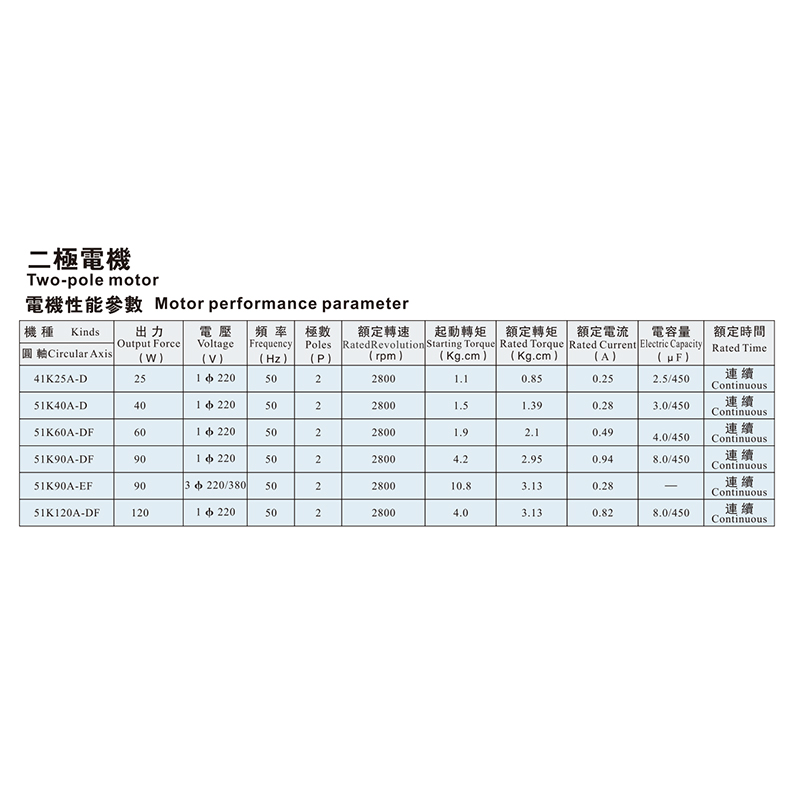
The Two-pole Motor is designed to provide stable and efficient power output for a variety of industrial and automation applications. Its compact struc...
See Details -
Cat:CH
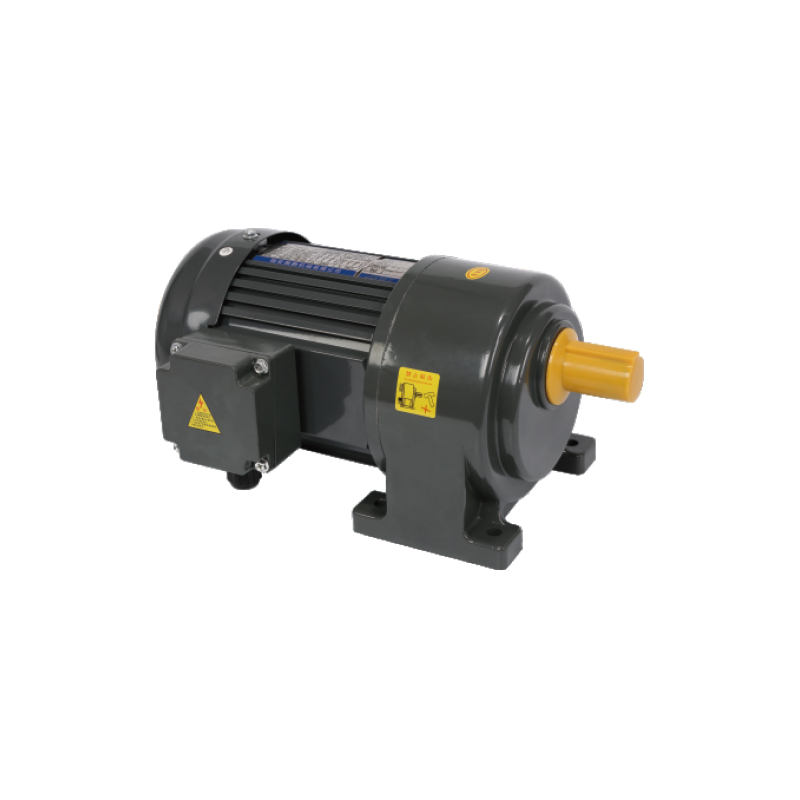
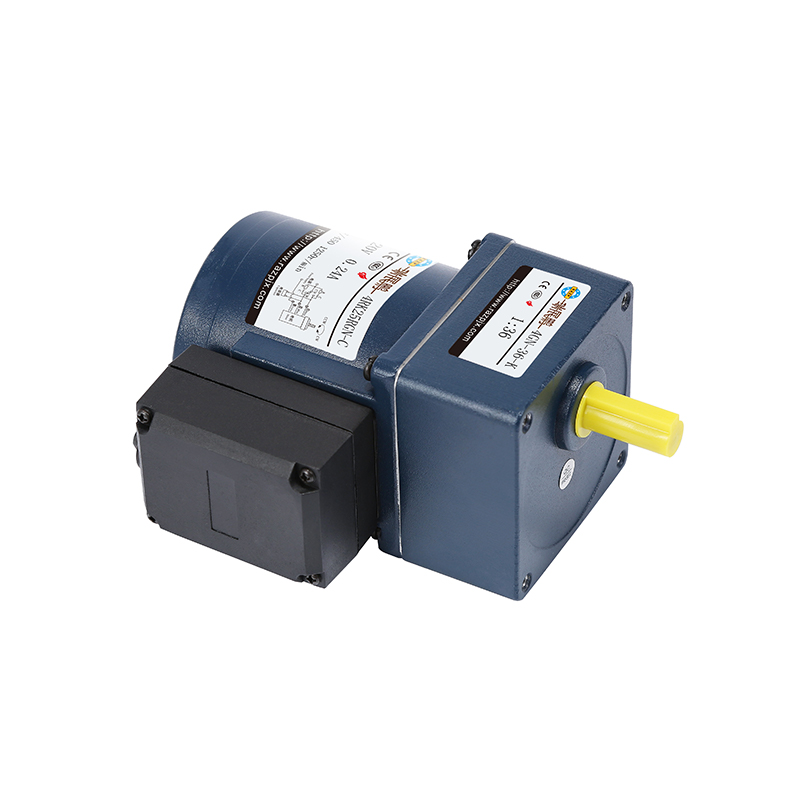
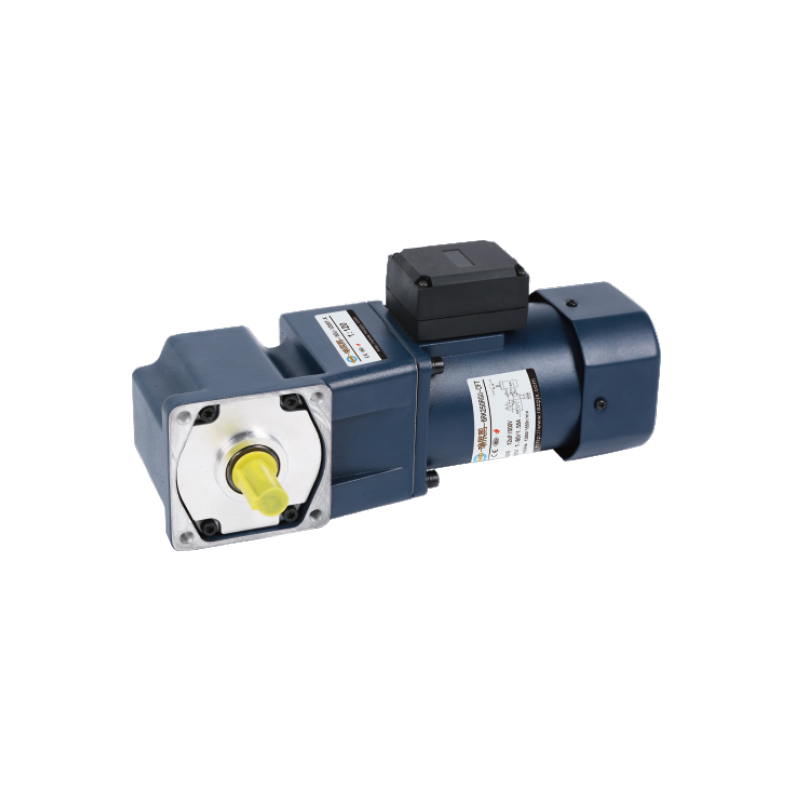
AC Brake Gear Motor is designed with an integrated braking system to ensure precise stopping and stable control during operation. This AC Gear Motor W...
See Details -
Cat:CH
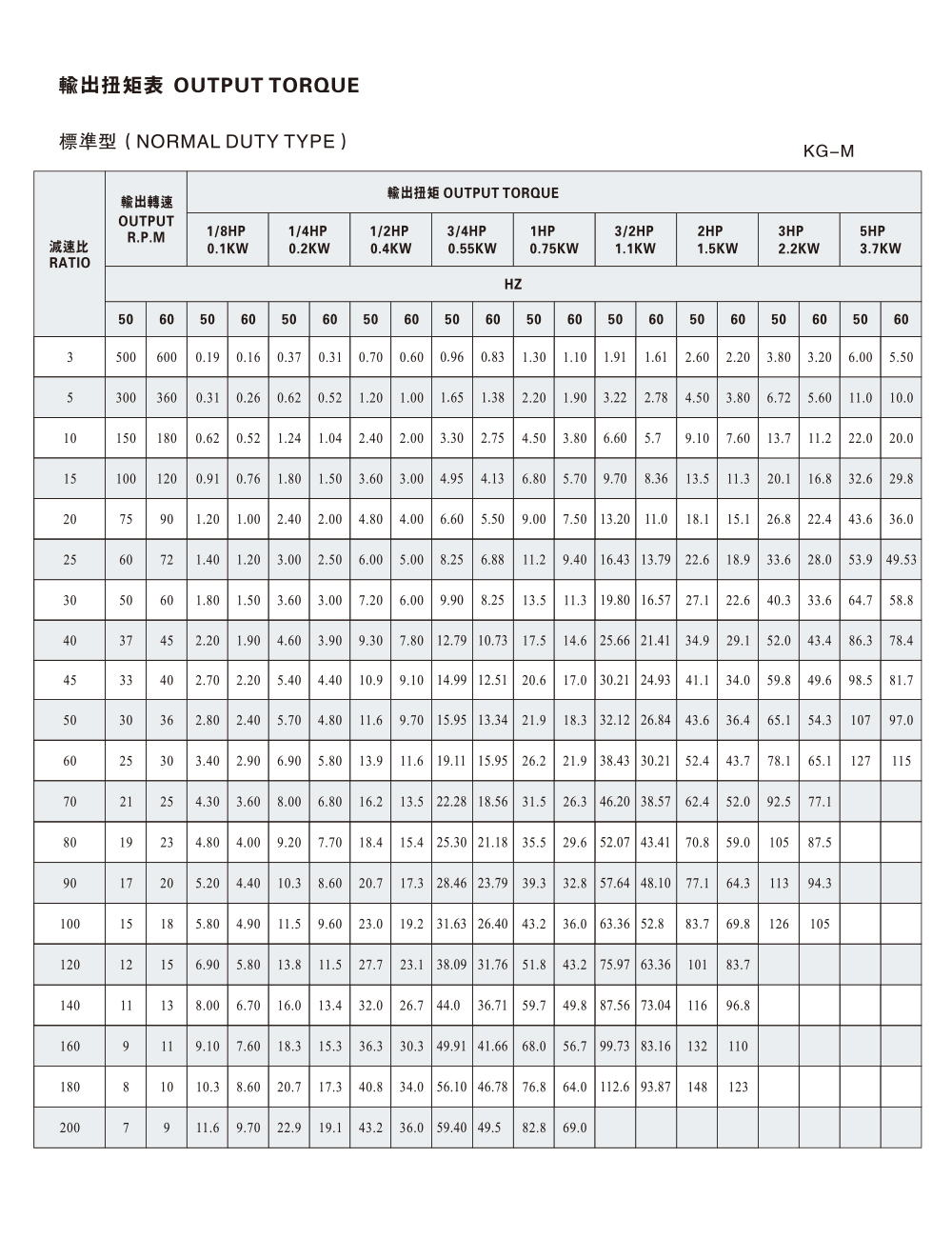
The CH, CV Output Torque provides essential performance data for evaluating transmission capacity and equipment matching. It specifies torque output v...
See Details -
Cat:CH
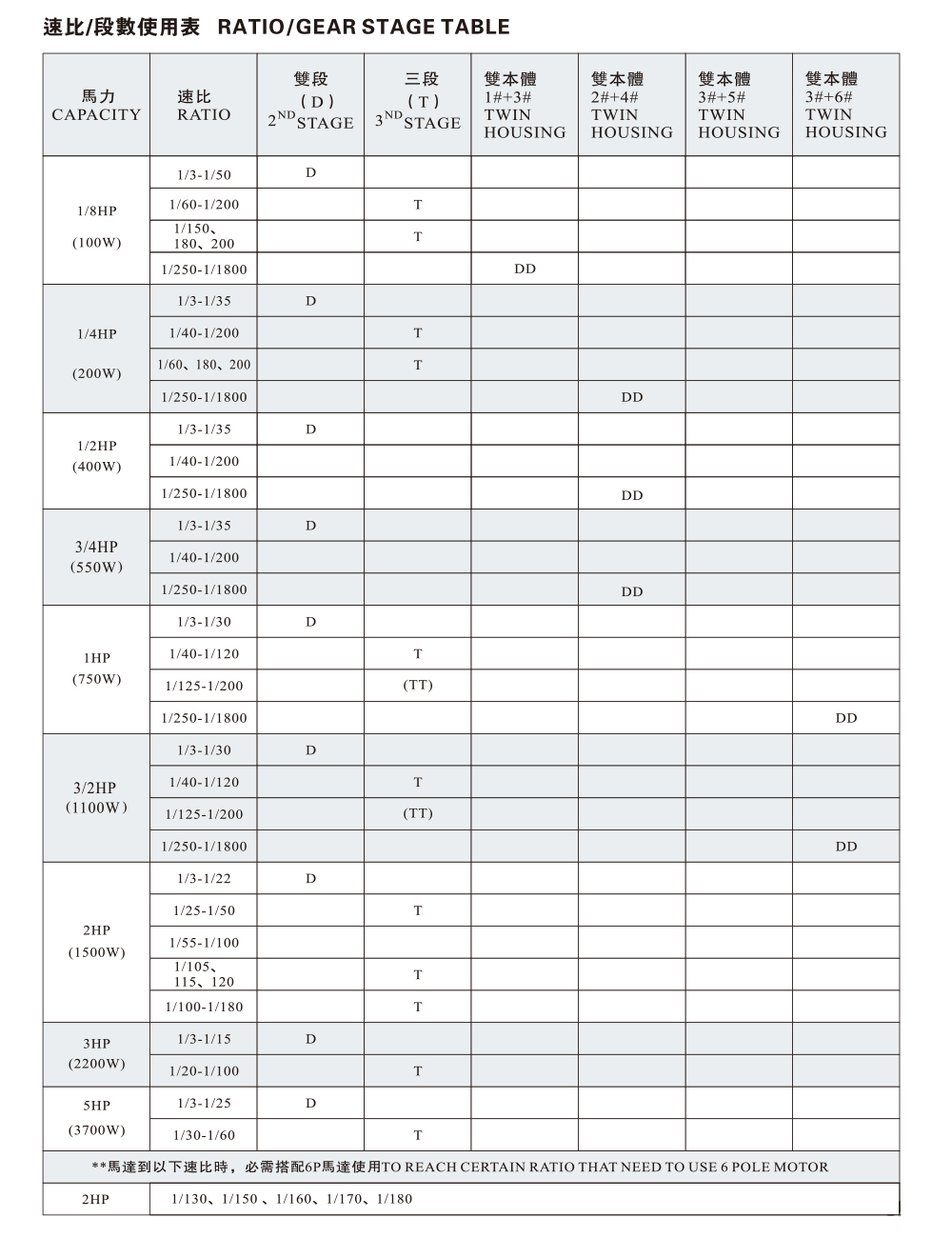
The CH, CV Ratio / Gear Stage Table provides standardized transmission ratio and gear stage information to support equipment selection and system desi...
See Details
Looking For Business Opportunity?
Request for a call today

Zhanpeng Machinery sincerely cooperates with people at home and
abroad to create common development and achieve win-win
results!
Contact Us
-
 sales@razhanpeng.com
-
 +86 13335770176
-
 No. 2807, Huaming Road, Ruian City, Wenzhou City,Zhejiang Province,China
Quick Links
Message


Copyright 2024 Ruian Zhanpeng Machinery Co., Ltd.
Gear Motor Factory


Contact Us