


 English
 中文简体
中文简体 عربى
عربى
Which Custom Gear Motors Are Used in Smart Storage Devices Today
Smart storage devices increasingly combine mechanical movement with electronic control. Automatic cabinet doors, storage lockers, access panels, and movable shelves all need some form of controlled motion when manual operation is replaced by an electrical system. Existing storage mechanisms show how motors can be placed inside or behind cabinet structures to move doors, shelves, or lifting parts.
Space is often limited inside a storage unit. A motor cannot simply occupy any available area because shelves, hinges, locks, wiring, sensors, and structural supports also need room. Compact drive components therefore become part of the mechanical design rather than an add‑on considered near the end of production.
Movement requirements vary from one device to another. A small cabinet lock may need short rotational movement, while a sliding panel may require longer mechanical travel through a separate transmission system. Some storage mechanisms also need movement in two directions, making reversible motor operation useful.
Custom Gear Motors are relevant in such situations because gear reduction can change the relationship between motor speed and output movement. Instead of relying on the motor alone, a gearbox helps adapt rotation to the mechanical requirements of the storage mechanism.
What Motion Tasks Can Small Gear Motors Handle
Automated storage equipment can contain several moving parts, although each task may place a different demand on the drive.
A locking mechanism may require a short movement to release or secure a latch. A cabinet door can require slower rotation to open smoothly, while a small internal mechanism may need repeated short movements during normal operation.
Gear reduction changes how rotational movement is delivered. A motor can rotate at a relatively high internal speed, while the gearbox provides a slower output that is more suitable for mechanical movement.
Common movement tasks include:
- Moving a locking mechanism
- Opening or closing a small door
- Driving a sliding section
- Moving a cover or panel
- Adjusting an internal storage mechanism
- Returning a mechanism to its original position
Storage systems with lifting or sliding structures may use a motor together with gears, belts, tracks, or other mechanical parts. Motorized storage designs have already used gear‑driven assemblies to raise and lower shelves within cabinet structures.
Such arrangements show why motor selection cannot be separated from the rest of the mechanism. A motor may provide rotation, while gears and mechanical transmission determine how that rotation becomes useful movement.
How Does a Custom Gear Motor Match Device Space
Internal layout is an important part of motor selection. A storage device may have a narrow housing, a shallow cabinet wall, or limited room around a moving panel. Even a motor with suitable output characteristics can become difficult to use when its shape conflicts with the available structure.
Custom design can address several physical requirements at once. Motor length, gearbox position, output shaft direction, mounting arrangement, and connection points can be considered alongside the storage mechanism.
A useful design process starts with the available space rather than selecting a motor in isolation. Engineers can map out the movement path, identify areas occupied by other components, and then determine where a drive unit can fit without interfering with normal operation.
Output shaft position can also affect the layout. A side‑facing shaft may suit one mechanism, while another arrangement may need the shaft positioned along a different axis.
Compact construction is especially relevant for smart cabinets where electronics and mechanical components share a small enclosure. Keeping the drive arrangement organized can leave more room for wiring, control boards, sensors, and service access.
Which Motor Features Matter for Automated Storage Movement
Motor selection depends on how a storage mechanism needs to move rather than on motor size alone. Speed, output force, rotation direction, operating frequency, and starting behavior can all affect the finished device.
A door that opens gradually needs a different movement pattern from a latch that only turns through a short range. Repeated opening and closing also creates a different operating condition from occasional movement.
| Storage Movement | Main Motor Consideration |
|---|---|
| Lock Release | Controlled Short Movement |
| Cabinet Door | Smooth Rotation |
| Sliding Panel | Suitable Output Direction |
| Internal Lift | Output Force and Stability |
| Repeated Access | Appropriate Operating Cycle |
A gearbox helps adapt motor rotation to the required movement. Gear selection therefore becomes part of system design, since the output characteristics need to match the mechanical load.
Direction control is another consideration. Automatic doors and locks may need forward and reverse operation, while some mechanisms use one direction together with a separate return arrangement.
Control requirements should also be considered early. A motor that physically fits inside a cabinet may still be unsuitable when its operating behavior does not match the control system.
Where Can a Custom DC Gear Motor Be Used
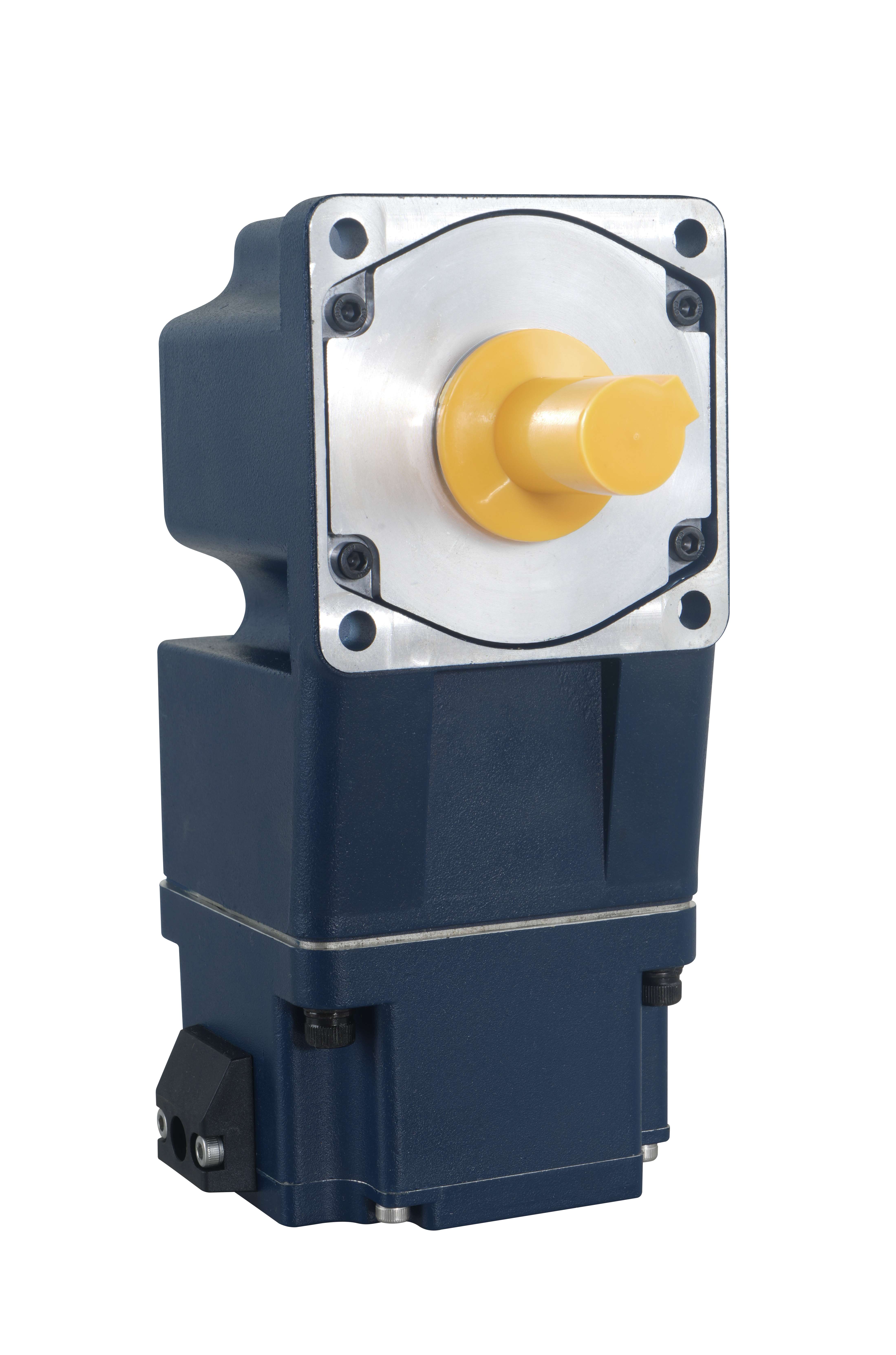
A Custom DC Gear Motor can suit compact storage equipment where electrical control and mechanical movement need to work together. Small access mechanisms are one example. Smart cabinet locks can use a geared drive to move a locking part after an electronic command.
Automated storage boxes provide another application. A lid or internal mechanism can be connected to a geared motor when controlled opening or closing is required.
Parcel storage equipment may also use motorized mechanisms for doors, locks, or internal moving sections. Similar ideas appear in automated cabinet systems where motors are integrated with doors and other mechanical structures.
Other possible applications include:
- Smart household storage cabinets
- Automated lockers
- Small access panels
- Electronic cabinet locks
- Compact dispensing storage units
- Movable internal shelves
Each application creates a different mechanical requirement. A lock mechanism may prioritize controlled short movement, while a moving shelf may require greater output force and a different transmission arrangement.
Smart storage design also connects the motor with sensors and electronic controls. Research into intelligent storage cabinets has shown how motorized movement can be coordinated with electronic control systems for automated cabinet functions.
How Do Noise And Vibration Affect Smart Storage Devices
Sound becomes noticeable when a motor operates inside a cabinet or storage enclosure. In a workshop, ordinary mechanical noise may receive little attention. In a home, office, hotel, or shared indoor space, repeated movement can make sound more noticeable.
Gear engagement, motor operation, mounting surfaces, and cabinet structure can all contribute to perceived noise. A quiet motor does not automatically create a quiet storage device because vibration can travel through the housing and surrounding panels.
Mounting therefore deserves attention during design. A poorly supported motor may transmit vibration into the cabinet structure, while a rigid connection can behave differently from a flexible mounting arrangement.
Movement speed also affects the user experience. Rapid changes in motion can create mechanical noise or sudden movement, while controlled operation may make opening and closing feel more natural.
What Should Be Considered During Motor Customization
Motor customization works better when the mechanical requirements are defined before the drive is selected. Changing the outside shape alone may solve a space problem while leaving speed, output force, operating cycle, or connection issues unresolved.
A storage device usually has several parts working together. Motor selection therefore needs to consider the door, latch, gear train, mounting structure, controller, sensors, and available power source as one system.
Important points can include:
- Available installation space
- Required movement direction
- Output shaft position
- Mounting arrangement
- Desired movement speed
- Required output force
- Operating frequency
- Power requirements
- Control method
Output shaft design can have a noticeable effect on mechanical layout. A shaft positioned in the wrong direction may require additional transmission parts, increasing the space needed inside a cabinet.
Gearbox selection also deserves attention. A gear reduction arrangement changes rotational speed and output behavior, so the selected gear structure needs to match the movement required by the storage mechanism.
Operating frequency matters as well. A cabinet opened occasionally has a different working pattern from a storage system that moves repeatedly throughout daily operation. Heat, wear, and mechanical stress can develop differently according to how often movement occurs.
Customization should therefore begin with the complete working condition. A clear mechanical requirement gives motor designers a better basis for choosing the motor structure and gearbox arrangement.
How Does Motor Selection Affect Storage Device Maintenance
Maintenance can easily be overlooked when a compact drive is placed inside a storage cabinet. Limited space may help reduce the size of the finished product, although it can also make inspection and replacement harder.
Motor position should allow reasonable access to surrounding components. Wiring, mounting points, gears, and moving parts may all require attention during service, so placing a drive behind permanent structures can create unnecessary repair work.
Dust and moisture can also affect equipment depending on the storage environment. A household cabinet may have different conditions from a storage unit located near an entrance, workshop, or semi‑open area.
Repeated movement can gradually affect mechanical connections. Loose mounting, unusual sounds, irregular movement, or changes in operating behavior may indicate that inspection is needed.
A practical maintenance design can consider:
- Access to mounting screws or fixing points
- Space around wiring connections
- Visibility of moving parts where practical
- Protection from unsuitable surroundings
- Ease of removing the drive during service
Maintenance access should be considered before production begins. Changing the position of a motor after the cabinet structure has been finalized can affect several other components.
What Role Does a Custom DC Gear Motor Play in Compact Designs
A Custom DC Gear Motor can be adapted around the movement requirements of a storage device rather than forcing the storage structure to accept an unsuitable motor arrangement.
Compact storage equipment often has several restrictions at once. A motor may need to fit inside a narrow housing, connect with a particular mechanism, operate in a specific direction, and respond to electronic commands. Combining motor and gearbox considerations during design can simplify the relationship between electrical and mechanical sections.
For example, a motorized cabinet latch may require controlled rotation rather than fast movement. A sliding storage panel may need a different output arrangement, while an internal lifting mechanism can place greater demand on the transmission system.
Such differences mean that motor selection should start with movement requirements:
- What needs to move?
- How far does it need to move?
- How often will movement occur?
- Where can the drive be installed?
- How will the controller operate it?
Answers to such questions help narrow the suitable motor structure before physical prototypes are produced.
How Are Custom Drives Supporting Smarter Storage Designs
Smart storage equipment is moving toward greater integration between mechanical movement and electronic control. A cabinet may receive a command from a control system, check a sensor state, and then activate a motor to complete a movement.
Motorized movement can therefore become part of a wider sequence rather than an isolated mechanical action.
For example, a storage unit may use a sensor to detect a door position. A controller can then stop motor operation after the required movement has been reached. Similar arrangements can be used for locks, covers, sliding sections, or internal mechanisms.
Such designs place greater attention on coordination between components. Motor speed, output movement, sensor response, and mechanical travel need to work together.
Miniaturization also affects layout. Electronics, wiring, sensors, and mechanical parts increasingly share limited internal space. A compact drive can provide more freedom during structural design when its dimensions and output arrangement suit the available space.
Energy use can also influence system planning. Storage equipment that operates intermittently may have different electrical requirements from a mechanism that moves repeatedly. Motor selection should reflect the actual operating pattern rather than relying on a general specification.
What Should Engineers Check Before Choosing a Motor
Motor selection can become clearer when the entire movement process is described before comparing available components. A basic checklist helps connect mechanical requirements with electrical and installation conditions.
| Design Area | Questions to Review |
|---|---|
| Installation Space | Where Can the Motor Fit |
| Movement | What Part Needs to Move |
| Output | How Much Mechanical Force Is Needed |
| Direction | Is Reversible Movement Required |
| Operation | How Often Will the Mechanism Move |
| Connection | How Will the Shaft Join the Mechanism |
| Control | How Will Motor Commands Be Sent |
| Maintenance | Can the Drive Be Reached Later |
Prototype testing can reveal issues that are difficult to predict from drawings alone. A mechanism may appear suitable on paper while producing unexpected noise, vibration, movement delay, or interference with nearby components.
Testing under realistic operating conditions can also show whether the gearbox and motor remain suitable during repeated movement. Attention should be given to changes in sound, temperature, movement smoothness, and mechanical alignment during testing.
Mounting should be checked alongside motor performance. A suitable drive can still behave poorly when the supporting structure allows excessive movement.
Control compatibility also deserves early attention. Electrical signals, direction changes, stopping behavior, and sensor feedback should be considered together with the mechanical movement.
Why Does Motor Design Need to Match the Whole Storage System
A motor is only one part of an automated storage mechanism. Gear reduction, mounting, wiring, sensors, controls, doors, locks, and structural parts all affect how movement finally appears to the user.
Custom Gear Motors can be useful when a storage device has physical or mechanical requirements that cannot be handled conveniently by a general motor arrangement. Customization may involve dimensions, shaft position, gear structure, mounting points, or operating characteristics.
A suitable design begins with the actual task rather than with a motor specification. Smart cabinets, automated lockers, movable shelves, and access mechanisms can require different movement patterns, so the drive needs to reflect the intended application.
Maintenance, noise, available space, control compatibility, and operating frequency also belong in the selection process. Ignoring one area can create difficulties elsewhere during assembly or later service.
For storage equipment manufacturers, early coordination between mechanical and electrical design can reduce unnecessary changes during development. Motor requirements can be defined alongside the cabinet structure, moving mechanism, and control system rather than being added after the main design is complete.
Custom drive development is therefore closely connected with the overall movement strategy. A motor that fits the physical space still needs to match the required motion, operating conditions, control method, and maintenance plan.
As smart storage systems continue to combine automation with compact mechanical structures, motor selection becomes increasingly tied to the design of the entire device. Careful matching of the drive, gearbox, mechanism, and control system provides a practical basis for stable operation without relying on exaggerated performance claims.
Related Products
-
-
Cat:Right-Angle
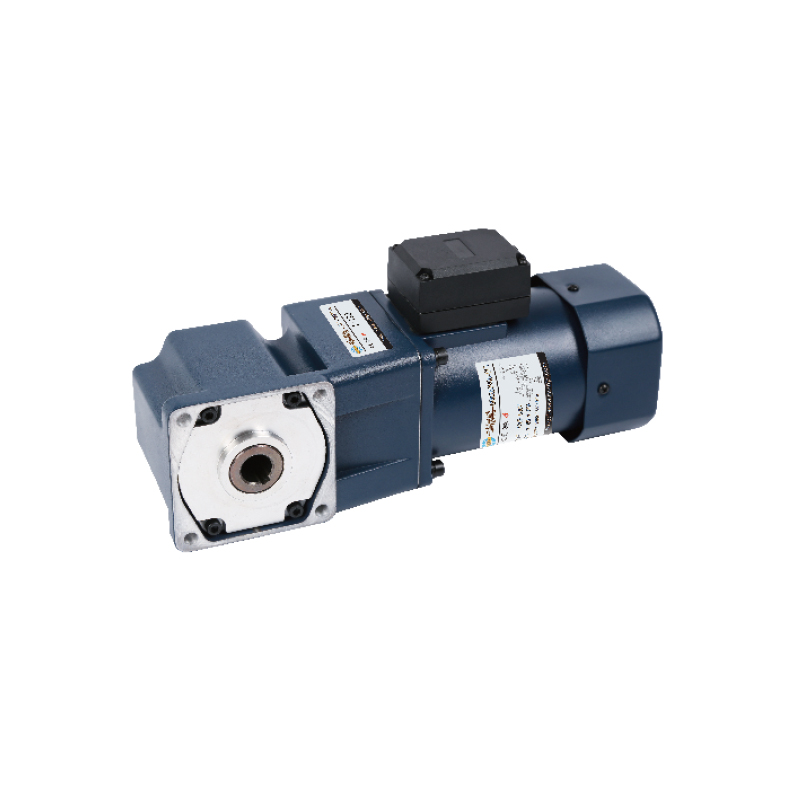
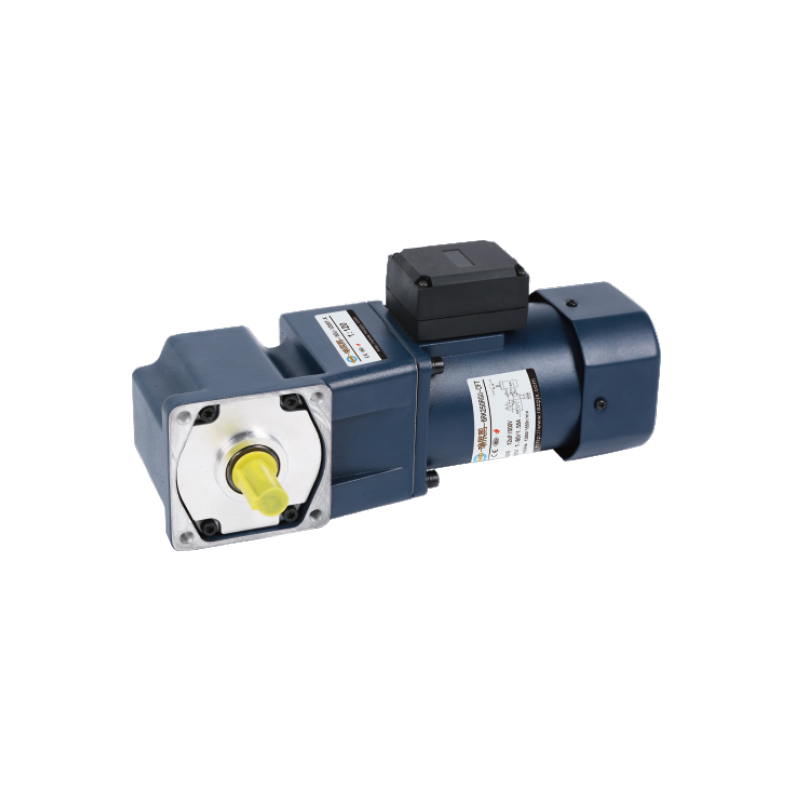
Electric Reduction Motor is designed for stable torque output and controlled low speed operation. This AC Gear Motor Low Rpm provides efficient power ...
See Details -
Cat:Motor Controller & Accessories
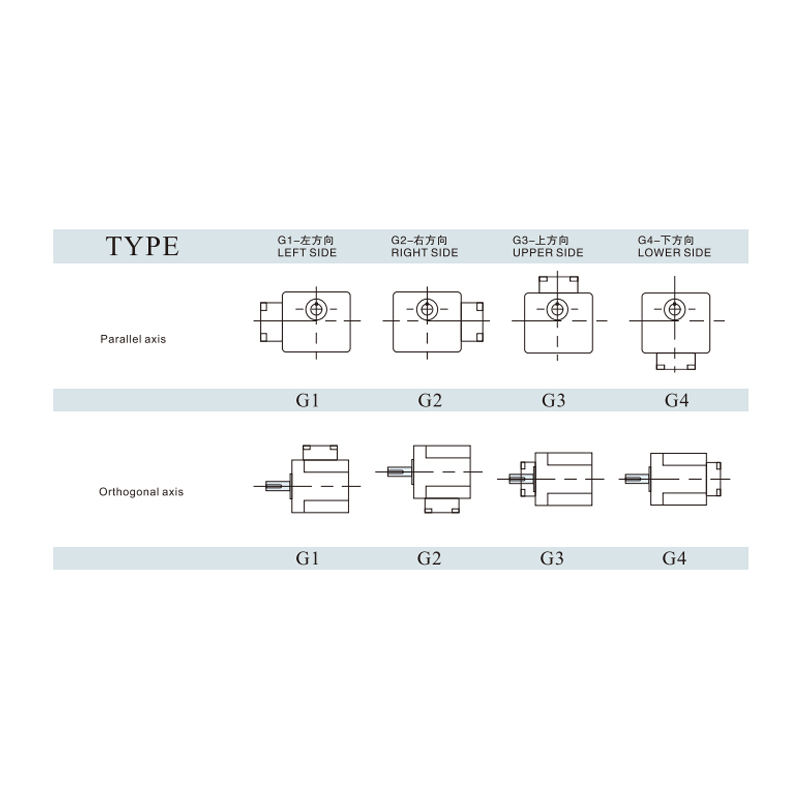
Junction Box Orientation Selected offers flexible installation options to match different equipment layouts and wiring requirements. Available in four...
See Details -
Cat:Motor Controller & Accessories
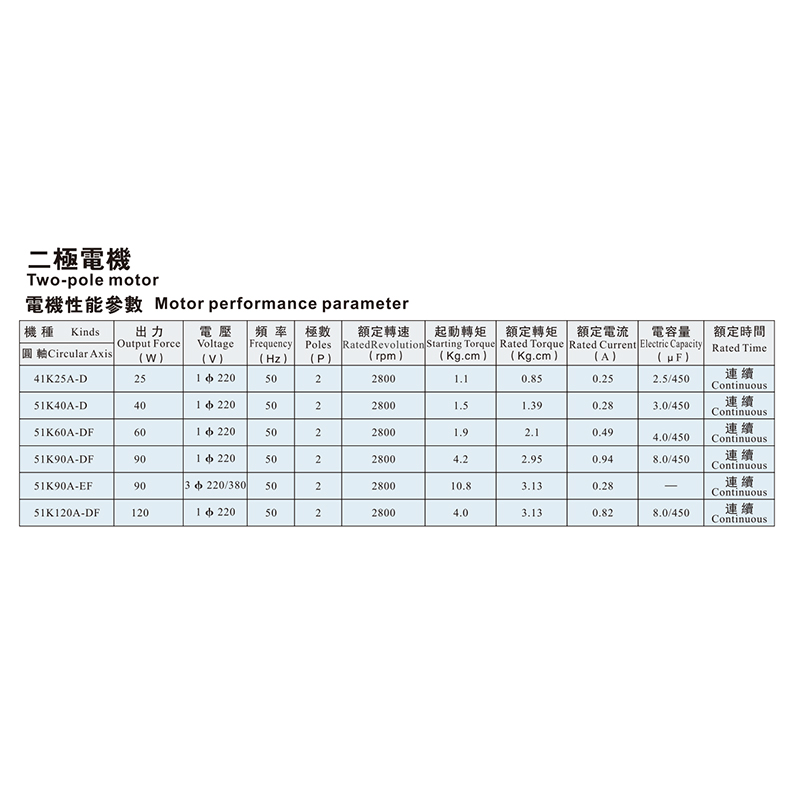
The Two-pole Motor is designed to provide stable and efficient power output for a variety of industrial and automation applications. Its compact struc...
See Details -
Cat:Motor Controller & Accessories
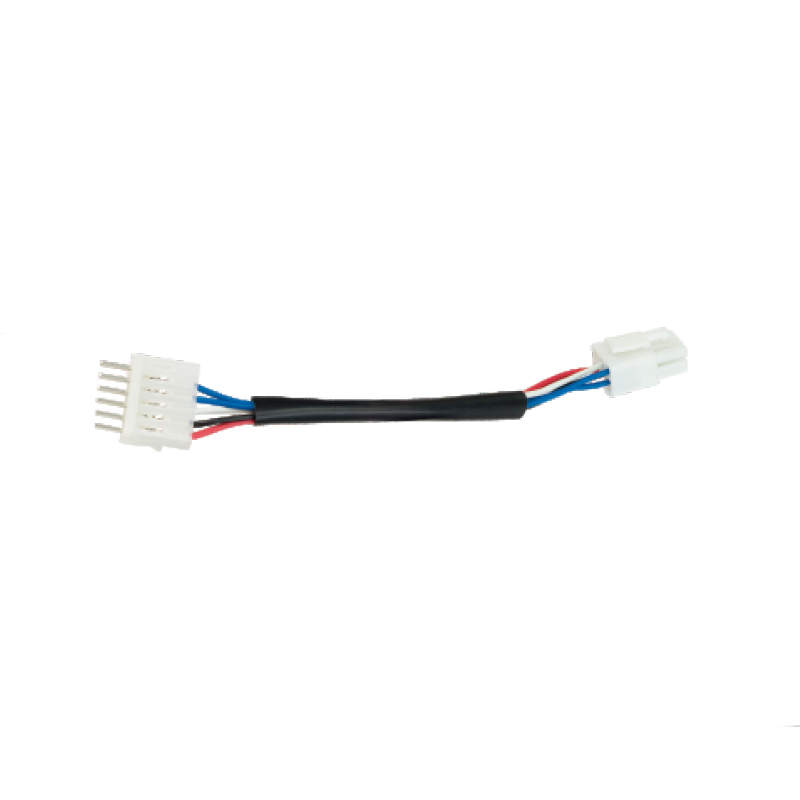
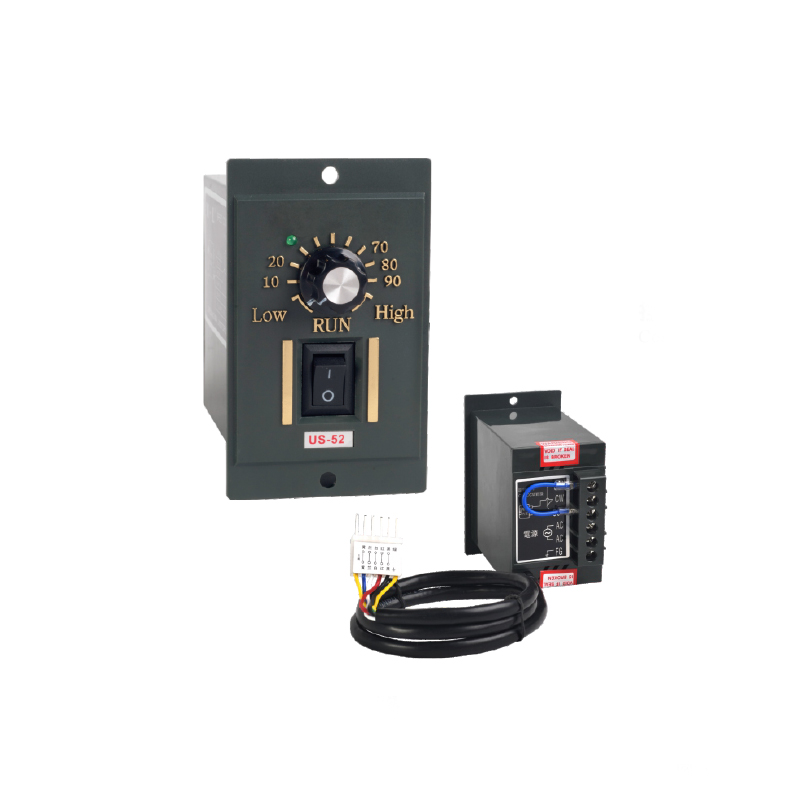
Prolonging line used between speed motor and controller.Additional sale product.When buying the controller, there will be a prolonging line with 0.5 m...
See Details -
Cat:CH
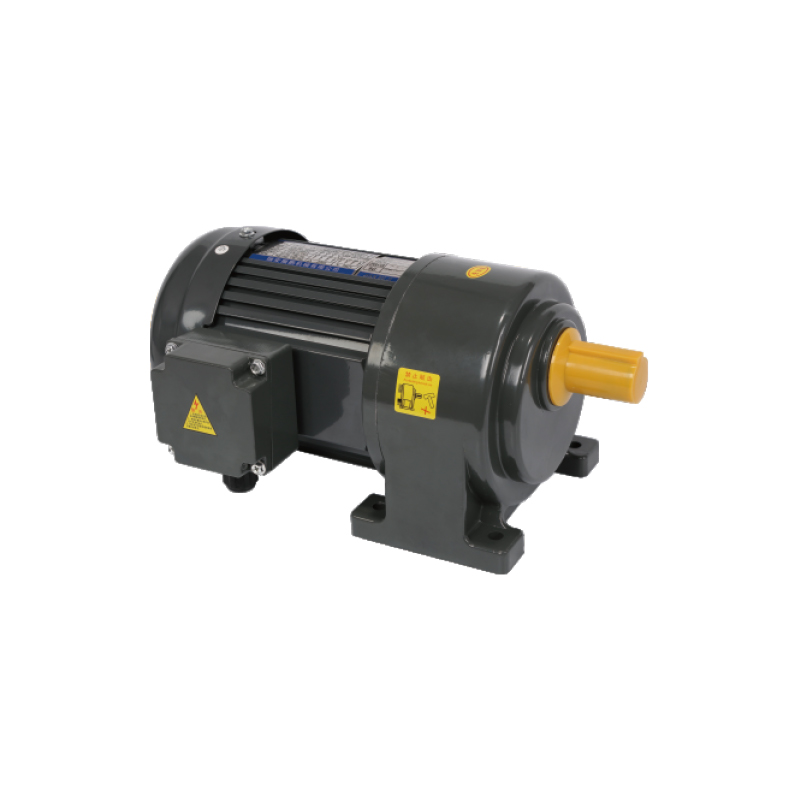
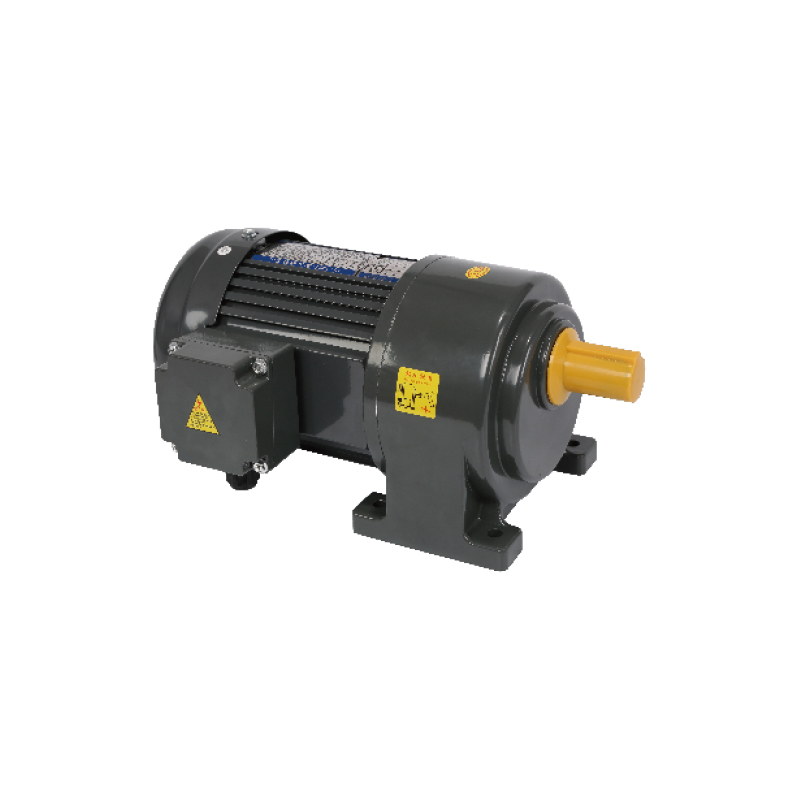
Small AC Gearmotors are designed for compact power transmission with stable torque output and efficient performance. These Fractional HP Gearmotors ar...
See Details -
Cat:CH
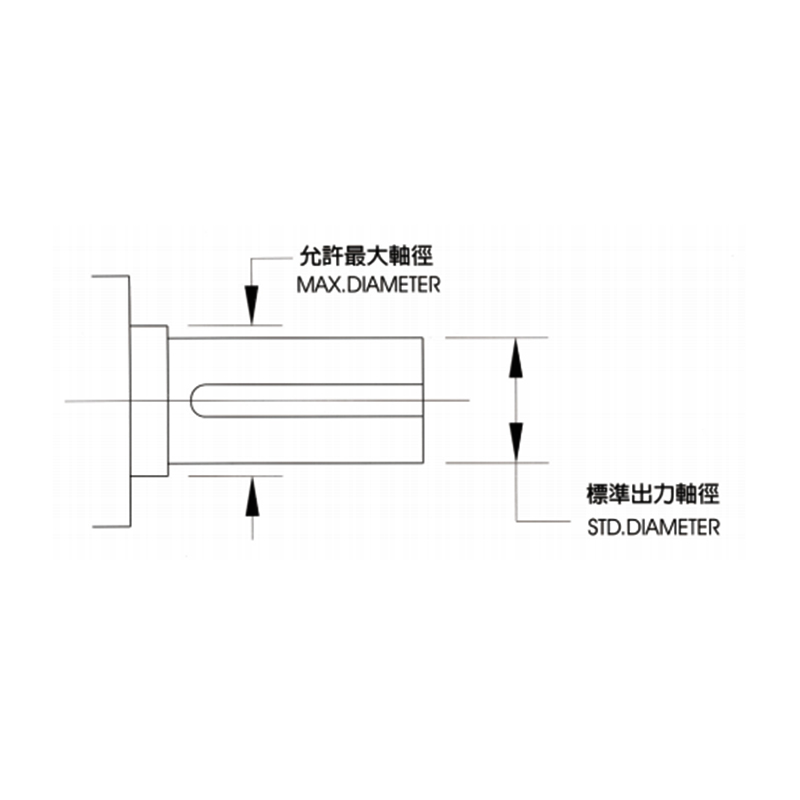
The CH, CV Available Max Output Shaft Diameter provides detailed reference data for selecting suitable shaft dimensions in transmission systems. It he...
See Details
Looking For Business Opportunity?
Request for a call today

Zhanpeng Machinery sincerely cooperates with people at home and
abroad to create common development and achieve win-win
results!
Contact Us
-
 sales@razhanpeng.com
-
 +86 13335770176
-
 No. 2807, Huaming Road, Ruian City, Wenzhou City,Zhejiang Province,China
Quick Links
Message


Copyright 2024 Ruian Zhanpeng Machinery Co., Ltd.
Gear Motor Factory


Contact Us