


 English
 中文简体
中文简体 عربى
عربى
Why Do Many Systems Choose Electric Reduction Motor For Stable Motion Output
Mechanical systems have shifted toward long running motion tasks. Equipment no longer works in short bursts only. Movement stays active for longer periods, often repeating the same action many times without pause.
In that kind of condition, motion stability becomes more noticeable than raw speed. A small change in rotation speed may cause uneven mechanical response. Over time, that can affect how parts align and interact.
An Electric Reduction Motor is often selected in such situations because motion feels more controlled. Instead of sudden variation, output tends to follow a smoother pattern.
In many layouts, mechanical motion is not just about moving parts. It is also about keeping timing and rhythm steady so connected components behave in a predictable way.
What Is An Electric Reduction Motor And How It Works
An Electric Reduction Motor combines a driving unit with a gear reduction section. The motor produces rotation first, then the gear system modifies that rotation before sending it to the output side.
The purpose of that structure is not to make movement complex. It is to adjust speed and strengthen usable torque in a controlled way.
Inside the unit, the process follows a simple path:
- electrical input creates rotation
- internal rotor keeps steady motion
- gear system adjusts speed level
- output shaft delivers controlled force
Instead of direct transfer, motion passes through gears. That step reduces sudden changes and helps smooth out irregular movement.
Gear contact also spreads load across multiple points. That reduces pressure on a single area and keeps operation more balanced during continuous use.
Why Electric Reduction Motor Is Widely Used In Motion Systems
Many systems prefer Electric Reduction Motor because it behaves in a stable way under different working conditions. When load increases or decreases, output does not shift sharply.
That kind of behavior is useful in machines that run repetitive cycles. Even small inconsistency in motion can build up over time and affect the process.
Common reasons for use include:
- steady torque output during operation
- smoother movement under changing load
- reduced vibration during continuous work
- predictable start and stop behavior
A simple comparison helps show the difference:
| Motion Situation | Direct Drive Behavior | Reduction Motor Behavior |
|---|---|---|
| Load change | speed shifts quickly | speed stays controlled |
| Start movement | sudden response | gradual movement |
| Continuous running | variation appears | steady repetition |
| Stop phase | less controlled | smoother reduction |
What Role Does AC Brake Gear Motor Play In Motion Control Systems
AC Brake Gear Motor adds a braking function to the gear motor structure. That function becomes important when motion needs to stop and stay in position.
In mechanical systems, stopping is not always simple. After rotation stops, residual movement may still appear due to inertia or load pressure. Brake function helps control that behavior.
The braking part works by holding internal rotation when power is reduced or stopped. That prevents unwanted drifting.
Main roles include:
- holding position when system is idle
- preventing reverse movement under load
- supporting controlled stopping behavior
- keeping alignment during pause periods
Gear section and brake section work together. One controls motion, the other controls stopping behavior.
How Electric Reduction Motor Improves System Motion Stability
Motion stability is influenced by how energy transfers inside the system. Electric Reduction Motor changes that transfer through gear reduction.
Instead of direct rotation reaching the output, motion passes through gear stages. That reduces sudden changes in speed and smooths overall movement.
Key effects include:
- reduced sudden mechanical shock
- smoother transition between speed changes
- steadier torque delivery
- more consistent movement across cycles
In continuous operation systems, that kind of behavior helps reduce uneven stress on connected parts.
Over time, smoother motion also supports better alignment between mechanical components, especially in systems with repeated movement patterns.
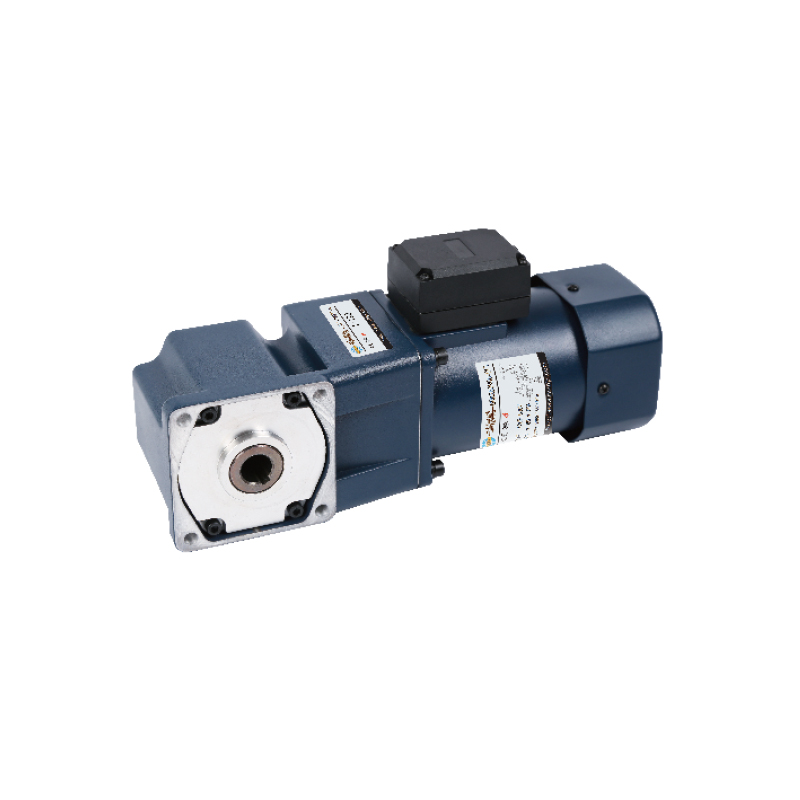
How AC Brake Gear Motor Supports Position Holding Performance
In many mechanical setups, stopping is not only about cutting motion. A stopped shaft still faces small external forces from load weight or internal tension. Without control, slight drifting may appear after shutdown.
AC Brake Gear Motor adds a braking layer to handle that condition. When power drops, the brake section locks internal rotation. Movement slows down in a controlled way, then settles into a fixed position.
Gear structure works alongside the brake. Even after motion ends, gear resistance helps reduce unwanted shifting. The result feels more settled, especially in systems that carry uneven loads.
Common behavior in use:
- motion ends with gradual settling
- shaft stays in fixed position longer
- reverse creep becomes harder to notice
- alignment holds steady during idle time
In practical use, that stability reduces repeated manual adjustment.
Which Industrial Systems Commonly Use Electric Reduction Motor
Electric Reduction Motor appears in systems where motion repeats many times under similar conditions. The focus is not only movement, but how consistent each cycle feels.
Typical systems include:
- conveyor movement paths
- packaging transfer units
- material sorting platforms
- lifting and positioning structures
- rotating work tables and fixtures
Each system depends on steady motion rhythm. Even small speed variation may change timing between steps.
A clearer view:
| System Type | Motion Demand | Motor Contribution |
|---|---|---|
| Conveyor paths | continuous flow | stable movement rhythm |
| Packaging units | repeated cycles | smooth start and stop |
| Sorting systems | frequent switching | controlled speed shift |
| Lifting structures | load change | steady torque support |
| Rotary platforms | positioning | stable hold behavior |
In these applications, stability often matters more than fast response alone.
What Factors Influence Motor Selection In Mechanical Design
Motor selection usually depends on how motion behaves under real working load. Electric Reduction Motor is often chosen when systems need balance between force and control.
Key considerations include:
- torque needed during load variation
- speed range during operation cycle
- available installation space
- surrounding temperature and working condition
- expected operation duration across cycles
When motion includes repeated starts and stops, smoother output becomes more important than quick acceleration.
Compact structure also plays a role. Smaller drive units help simplify mechanical layout while still keeping stable motion behavior.
How Does Gear Reduction Structure Affect Motor Performance
Gear reduction changes the nature of output motion. Instead of direct rotation transfer, motion passes through gear stages that adjust speed and force.
Output speed becomes lower, while torque increases. That change allows stronger movement at a more controlled pace.
Main effects include:
- smoother transfer of rotational energy
- reduced sudden speed variation
- stronger output force under load
- better handling of repeated mechanical stress
Inside gear contact points, load spreads across multiple teeth. That reduces pressure concentration and supports more stable operation during long cycles.
Over time, that structure helps maintain steadier motion behavior compared with direct drive systems.
Why Stability Is Preferred In Continuous Motion Systems
Continuous motion systems operate for long periods without frequent interruption. In that environment, uneven movement becomes more noticeable over time.
Stable output helps reduce stress between connected parts. When motion changes less abruptly, mechanical interaction feels more predictable.
Main reasons stability is valued:
- reduces irregular force changes
- supports consistent cycle timing
- improves alignment between components
- limits variation during long operation
Instead of focusing on fast movement, many systems shift toward smoother and repeatable motion patterns.
How Maintenance Practices Affect Motor Longevity
Long-term motion stability depends on how the system is maintained. Even well-built structures can lose smooth behavior if wear conditions are ignored.
Gear sections need attention because continuous contact creates gradual surface change. Light maintenance helps reduce uneven movement.
Important practices include:
- checking gear condition from time to time
- keeping lubrication at stable level
- observing brake response in AC Brake Gear Motor
- removing dust around housing areas
When maintenance becomes regular, motion behavior stays closer to expected level for longer periods.
Small changes in vibration or movement feel often appear early when maintenance is delayed. Early correction keeps system behavior more stable.
How Motion Control Systems Are Evolving In Industrial Environments
Motion systems are gradually moving toward integrated structures. Instead of separating drive and braking functions, more designs combine both into a single compact unit.
Electric Reduction Motor and AC Brake Gear Motor often appear in such integrated setups because they support both movement and stopping control in one structure.
Current direction of development includes:
- compact motor structures with multiple functions
- smoother motion across full operation cycle
- more controlled start and stop behavior
- closer coordination between drive and brake action
Industrial systems now place stronger focus on repeatable movement behavior. That shift keeps increasing demand for stable and controlled motion output systems.
Related Products
-
-
Cat:Right-Angle
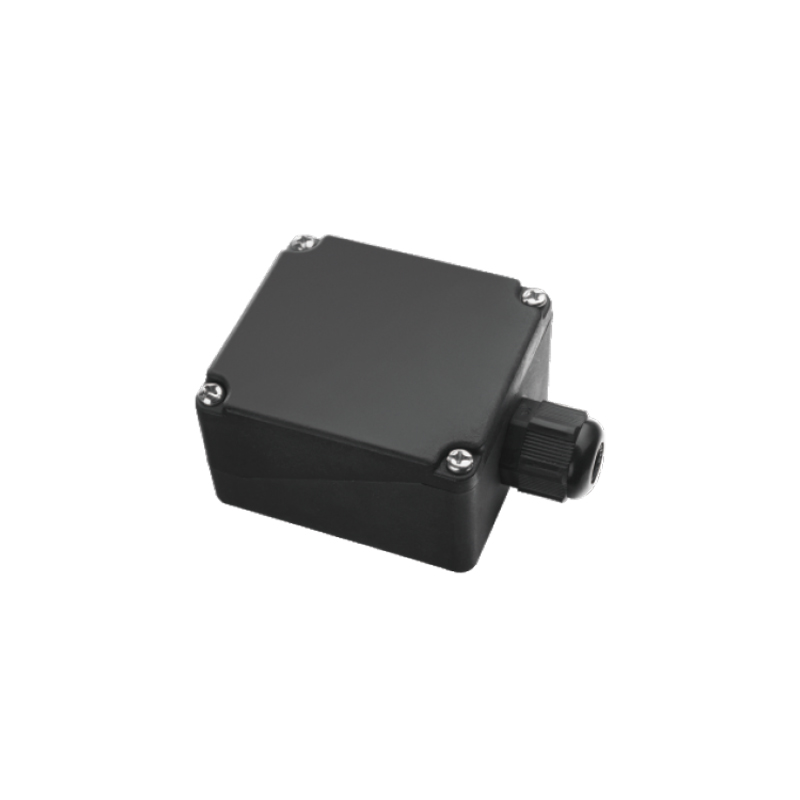
The SX Type Junction Box is designed for safe and reliable electrical connection and cable management in motor and industrial equipment systems. Featu...
See Details -
Cat:Motor Controller & Accessories
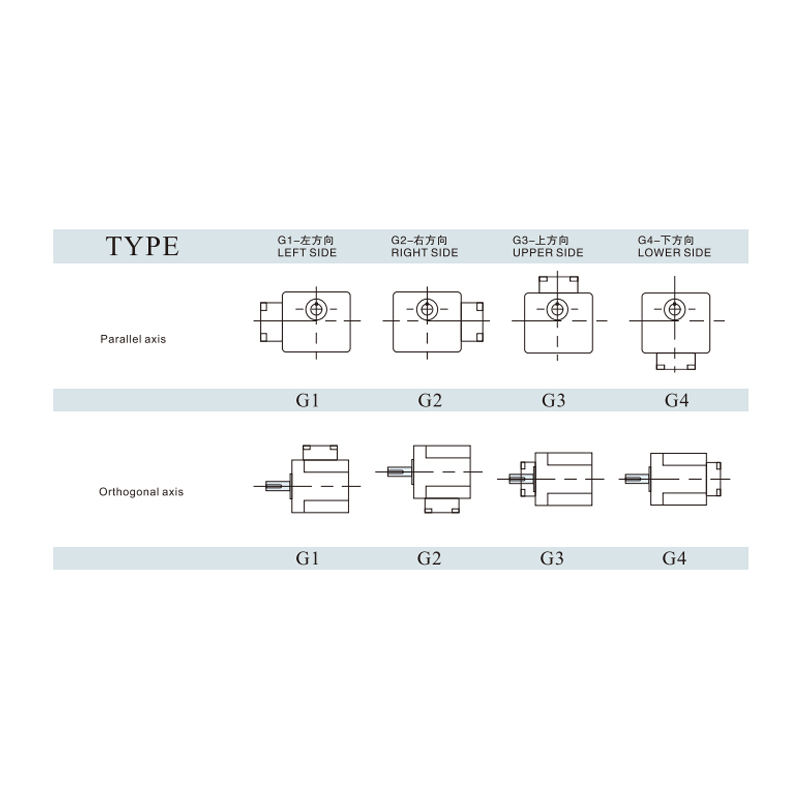
Junction Box Orientation Selected offers flexible installation options to match different equipment layouts and wiring requirements. Available in four...
See Details -
Cat:CH
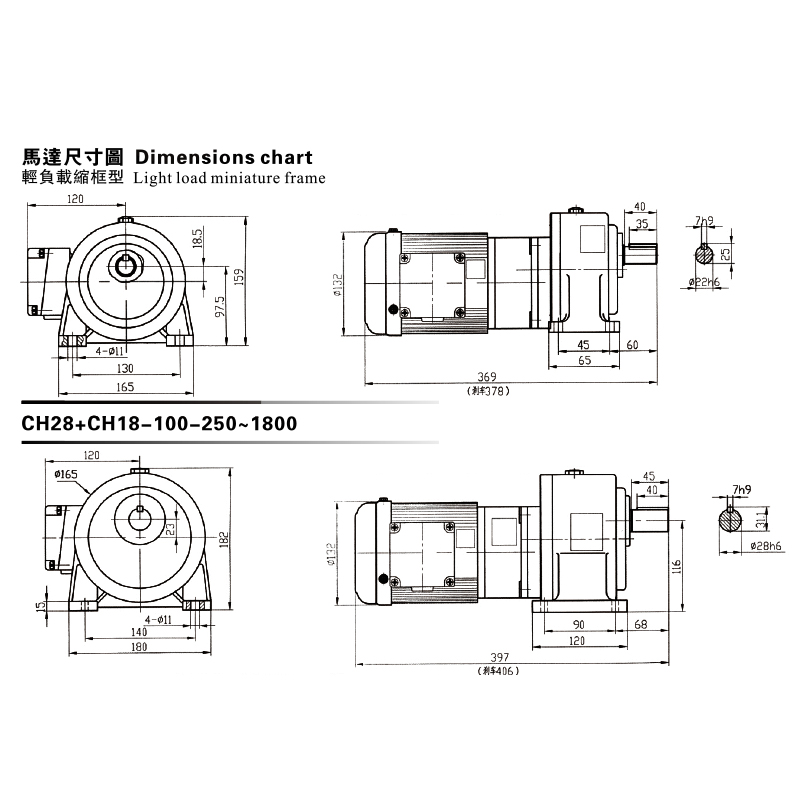
This CH, CV Dimensions Chart showcases a premium Gear Reduced Electric Motor series engineered for light-load, miniature frame applications. The chart...
See Details -
Cat:CH
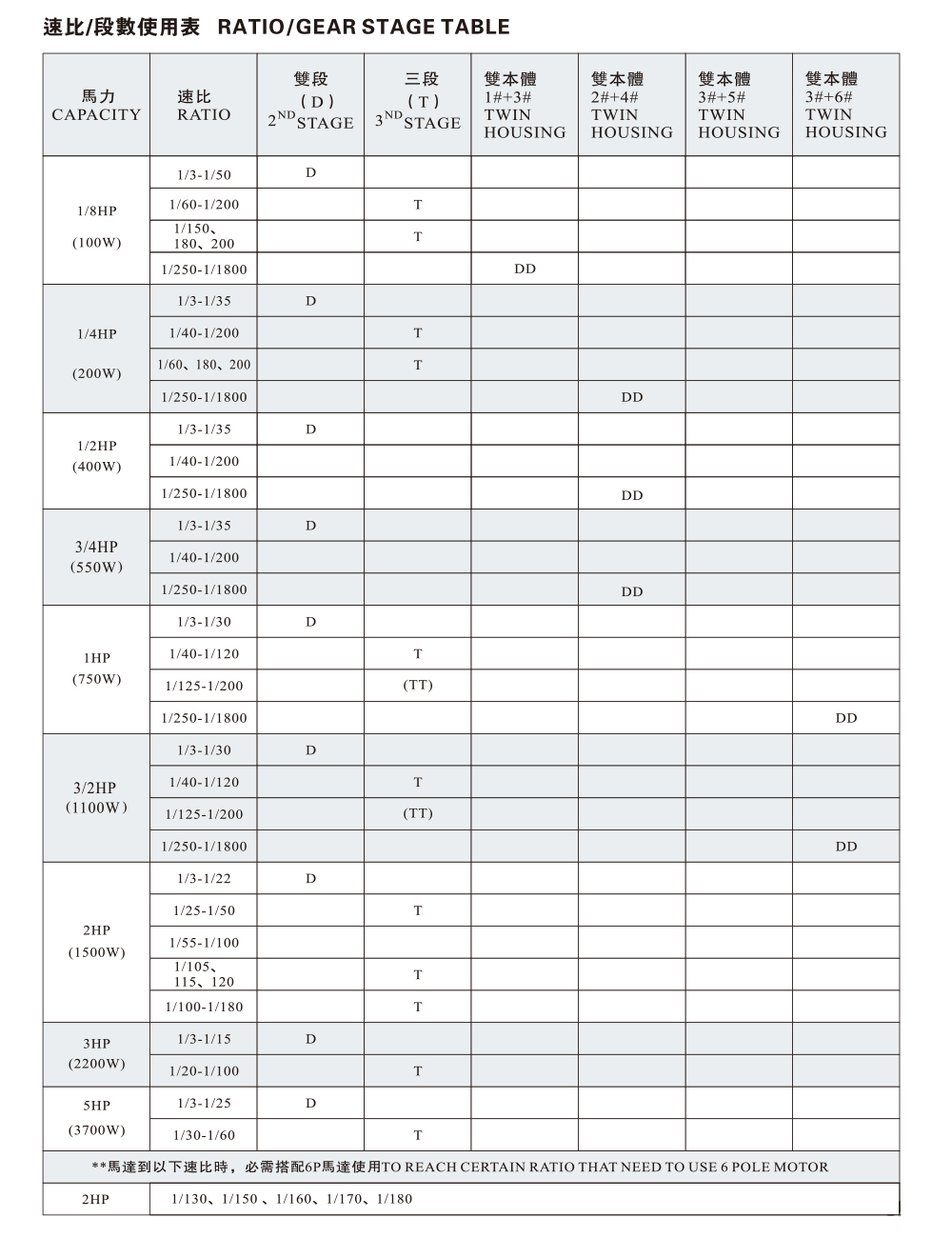
The CH, CV Ratio / Gear Stage Table provides standardized transmission ratio and gear stage information to support equipment selection and system desi...
See Details
Looking For Business Opportunity?
Request for a call today

Zhanpeng Machinery sincerely cooperates with people at home and
abroad to create common development and achieve win-win
results!
Contact Us
-
 sales@razhanpeng.com
-
 +86 13335770176
-
 No. 2807, Huaming Road, Ruian City, Wenzhou City,Zhejiang Province,China
Quick Links
Message


Copyright 2024 Ruian Zhanpeng Machinery Co., Ltd.
Gear Motor Factory


Contact Us