


 English
 中文简体
中文简体 عربى
عربى
How Compact DC Gear Motor Fits Into Small Portable Devices
Portable devices keep moving toward smaller bodies while carrying more functions inside limited shells. Inside such products, space is no longer free to arrange. Every small section is already planned for batteries, sensors, circuit boards, and structural frames. Movement parts have to fit into the remaining gaps, and that space is often irregular rather than open.
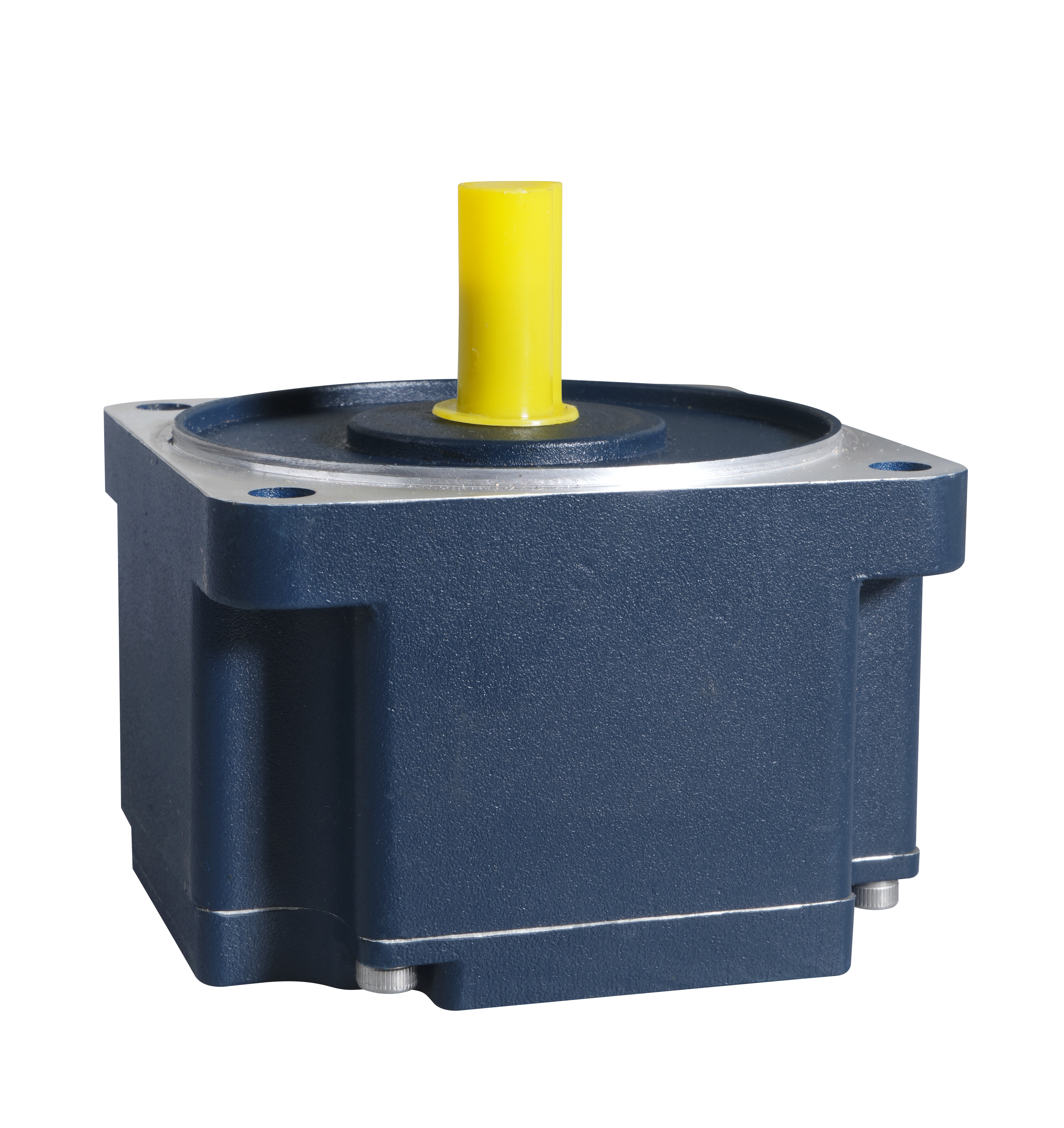
Compact DC Gear Motor enters this kind of structure as a compact driving unit that combines rotation and reduction inside a single housing. Instead of spreading gears, shafts, and transmission elements across different zones, the internal structure stays contained. That change makes a noticeable difference in how designers organize internal layouts, especially when device thickness or width cannot expand.
In many portable systems, motion demand stays modest in size but sensitive in control. A folding action, a small rotation, or a slight push mechanism may be enough to complete a function. Even with small output requirements, stability and repeatability remain important because movement happens close to users and often in visible ways.
A Gear Motor Factory working in this field usually adjusts production thinking around space constraints. Internal alignment accuracy and compact assembly behavior become more relevant than external complexity. The goal stays on fitting motion capability into restricted environments without disturbing surrounding components.
What structural design makes Compact DC Gear Motor different
The internal structure of Compact DC Gear Motor is built around integration rather than separation. A small electric motor sits directly connected to a gear reduction system, forming a single mechanical chain inside one housing. Movement starts at the motor core and travels through gear stages before reaching the output shaft.
Traditional arrangements often place gear systems away from the motor body, connected through additional parts. That approach increases spatial spread and creates more mechanical connections. In compact devices, such layout becomes difficult to manage because surrounding components already occupy most of the internal volume.
Integrated structure changes that pattern. External transmission parts reduce significantly, and internal motion paths become shorter and more direct. Designers gain more flexibility when arranging other elements like batteries or control boards.
Main structural traits can be described in a simple way:
- Motor and gearbox placed within one enclosure
- Internal reduction replacing external transmission parts
- Direct output alignment for cleaner mechanical routing
- Reduced number of separate moving interfaces
A simplified comparison helps clarify the difference:
| Structure Form | Internal Space Use | Mechanical Routing | Assembly Load |
|---|---|---|---|
| Separated parts system | Spread across multiple zones | Longer connection paths | Higher assembly steps |
| Compact DC Gear Motor | Concentrated inside one unit | Short internal path | Fewer connection steps |
This structure suits portable equipment where internal planning must stay tight and predictable.
How torque conversion supports movement in small devices
Small motors naturally rotate fast while producing limited driving force. In portable devices, that kind of output alone cannot move parts that carry load or require controlled motion. A gear system inside Compact DC Gear Motor changes this balance.
When rotation passes through gear stages, speed decreases while force increases at the output side. The result becomes more suitable for mechanical tasks like small lifting, controlled rotation, or precise positioning.
Instead of relying on a larger motor, torque conversion allows compact systems to keep size small while still handling basic mechanical tasks.
Common movement roles include:
- Small rotational joints in folding mechanisms
- Controlled motion in compact optical parts
- Light pushing or pulling actions in dispensing units
- Repetitive motion in micro mechanical assemblies
In practical use, the motor rarely works alone. It connects with guiding structures that shape how movement is transferred. The gear system provides the strength, while the external design defines direction and range.
Why precision control matters in portable environments
Portable devices often operate near users, which places attention on how movement behaves rather than only how strong it is. Sudden motion or uneven rotation can affect user experience, especially when mechanical parts are visible or directly involved in interaction.
Compact DC Gear Motor is frequently used with control circuits that regulate movement step by step. Instead of continuous uncontrolled spinning, motion becomes segmented and easier to manage. Some systems also include feedback elements that monitor position changes.
Typical control behavior includes:
- Smooth start and stop response
- Incremental movement adjustment
- Repeatable positioning under similar input
- Stable operation under changing load conditions
Such control makes the motor suitable for devices where accuracy matters more than raw speed. Small adjustments in movement often define how well a function performs in compact environments.
How space efficiency changes internal device layout
Space inside portable devices is often divided into functional layers. Motion systems, electronic boards, and power units share the same enclosure, and their placement must avoid interference. Compact DC Gear Motor supports this structure by reducing the number of external mechanical parts.
When transmission components are reduced, internal routing becomes less complex. Designers can place motion units closer to the parts they drive without adding extra space for belts or external gears.
Space-related effects include:
- Reduced distance between driving and driven parts
- More flexible arrangement of electronic components
- Lower interference between mechanical and electrical zones
- Simpler internal routing paths
In many designs, compact motor units sit near the center of mechanical activity, surrounded by control and power modules arranged in layers. This layered approach helps keep device shape controlled while maintaining function.
How Compact DC Gear Motor is used across portable device scenarios
Portable equipment keeps moving toward smaller housings while adding more functions inside the same enclosure. In that kind of layout, motion parts cannot stay large or spread out. Compact DC Gear Motor often appears in places where movement is required, yet available space feels irregular and limited.
In handheld medical tools, small controlled motion may support pumping or dosing actions. The movement itself is not large, yet it must stay stable and repeatable inside a sealed structure. A compact motor unit fits into narrow internal channels where longer transmission systems would not fit without changing the device shape.
Consumer electronics follow a similar pattern. Small lens adjustments, tiny rotational parts, or sliding mechanisms often depend on compact drive units. Movement is subtle, sometimes barely noticeable, yet it still needs to remain consistent over repeated use.
Wearable products bring another constraint. Devices worn on the body leave almost no spare space inside. Components sit closely together, and mechanical movement must avoid disturbing nearby sensors or power units. In such layouts, compact motor structure becomes part of the internal balance rather than a separate module.
Typical usage can be seen in:
- small positioning structures inside handheld devices
- micro movement systems in portable dispensers
- folding or retracting mechanisms with limited space
- low-force feedback motion in wearable designs
Across these cases, the same idea appears again: movement is needed, space is not available in large amount.
How energy use shapes portable motion design
Portable systems rely on limited power storage, which means motion units cannot consume energy without control. Compact DC Gear Motor is often selected because operation can be matched with low-voltage environments and short activation cycles.
Instead of running continuously, movement usually happens in short bursts. A motor activates, completes a small task, then stops until the next signal arrives. This pattern keeps energy use under control while still supporting repeated mechanical actions.
- Designers often work with several practical considerations:
- short movement cycles rather than continuous running
- coordination between control signals and motor response
- reduction of unnecessary load during idle periods
- balanced energy flow across different modules
Energy behavior also affects heat inside compact housings. When internal space is tight, heat has fewer paths to spread. Lower energy demand helps keep temperature rise under control, which indirectly supports stability of nearby electronic parts.
Why noise and vibration matter in compact environments
As devices become smaller, mechanical movement sits closer to users. Sound that once stayed inside larger housings becomes more noticeable. Vibration also travels more directly through compact structures.
Compact DC Gear Motor usually depends on internal gear arrangement that aims to keep motion smooth. Gear contact quality, alignment, and housing support all influence how vibration spreads during operation.
Points that often affect performance:
- smooth engagement between gear stages
- reduced internal backlash during rotation
- balanced load transfer across the gear system
- firm housing support to limit vibration spread
In handheld or wearable products, even slight irregular movement can be felt directly. Because of that, mechanical smoothness becomes part of user experience, not just internal engineering detail.
How Gear Motor Factory processes support compact integration
Behind every compact motion unit, production consistency plays a quiet role. A Gear Motor Factory dealing with compact structures usually focuses on alignment stability and repeatable assembly rather than complex external design.
When devices become smaller, installation tolerance also becomes smaller. There is little room for adjustment once the motor is placed inside a housing. Any variation in shaft alignment or gear fitting can influence how movement feels during use.
Common production concerns include:
- stable alignment between motor core and gear stages
- consistent fitting of internal transmission parts
- controlled assembly pressure inside housing
- repeatable motion output across units
In compact systems, even small differences between units can affect final device behavior. For that reason, production control links directly with how smoothly devices operate after assembly, not just how parts look before installation.
What integration challenges appear in compact device design
Compact layouts often bring several structural limitations that affect how motion systems are arranged. Internal space is usually divided among batteries, sensors, and control boards, leaving only irregular gaps for mechanical parts.
One frequent difficulty comes from component interference. Motion units must sit close enough to perform their function, yet not so close that vibration or movement affects nearby electronics. Positioning becomes a careful balance rather than a fixed placement.
Heat inside enclosed spaces adds another layer of concern. Multiple active components inside a small body can raise internal temperature, and limited airflow makes heat control less flexible.
Common challenges include:
- restricted installation zones inside device housing
- overlap between mechanical and electronic layouts
- heat buildup in enclosed environments
- limited space for maintenance access
Even with these constraints, compact motor systems continue to be used because they reduce the need for external transmission structures. Instead of expanding the device, internal design adapts around smaller motion units.
Related Products
-
-
Cat:Motor Controller & Accessories
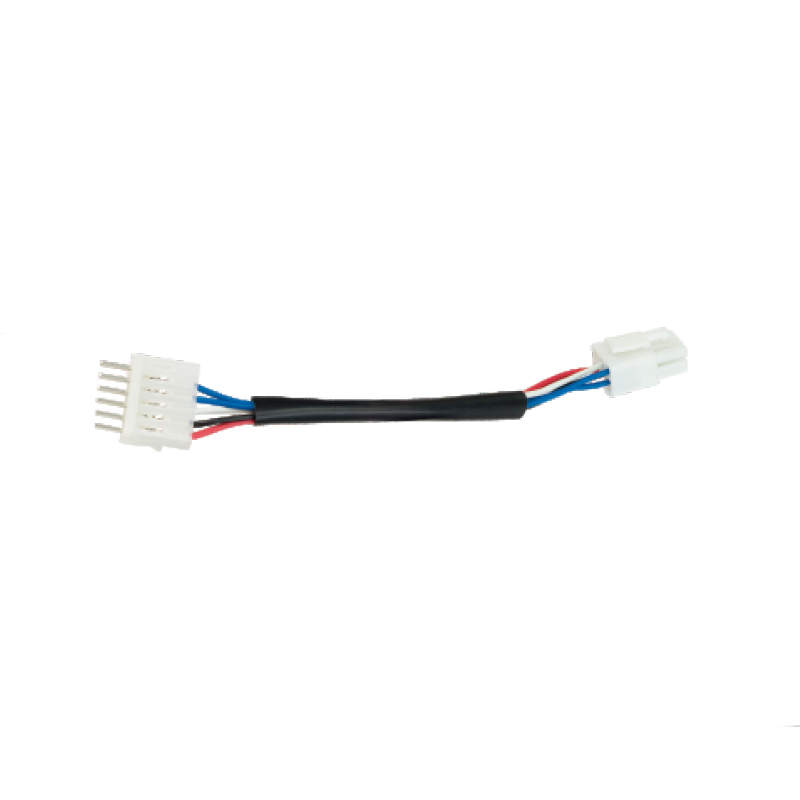
Prolonging line used between speed motor and controller.Additional sale product.When buying the controller, there will be a prolonging line with 0.5 m...
See Details -
Cat:CH
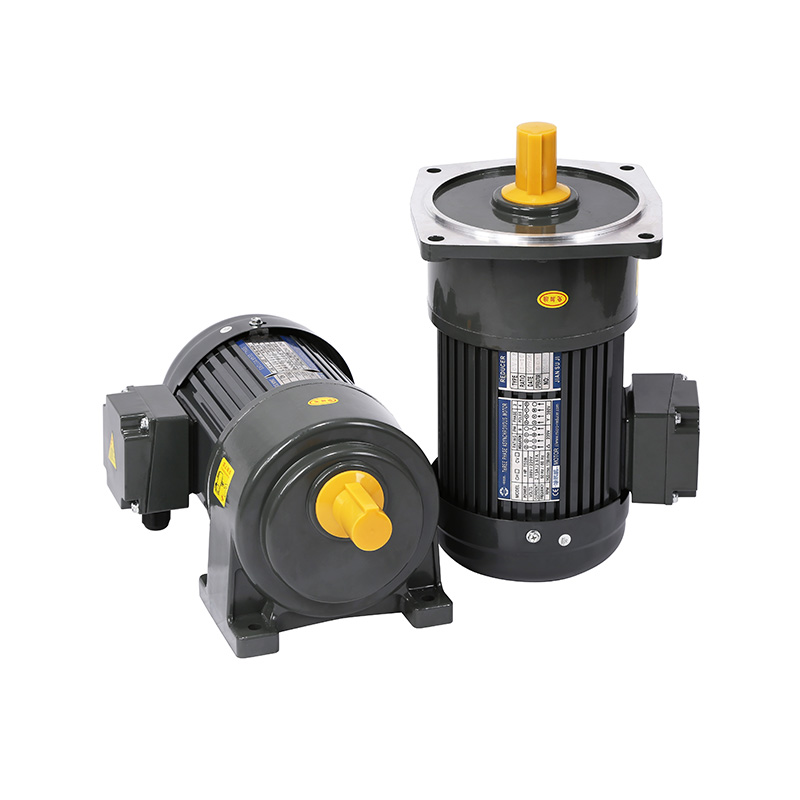
The Mirco and Special Electronic product series is designed for compact electronic equipment and precision transmission applications requiring stable ...
See Details -
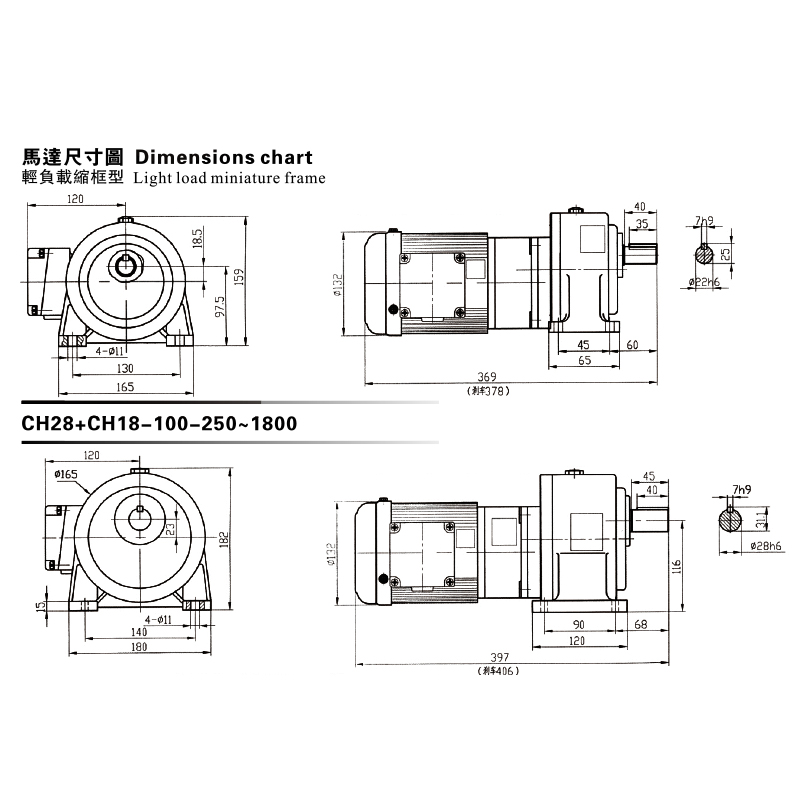
Cat:CH
This CH, CV Dimensions Chart showcases a premium Gear Reduced Electric Motor series engineered for light-load, miniature frame applications. The chart...
See Details -
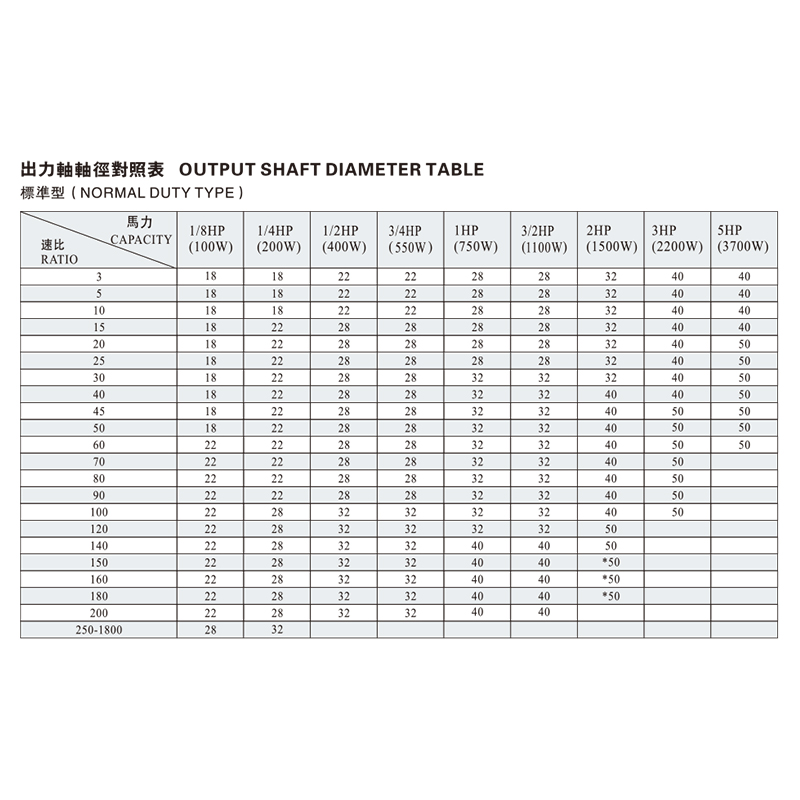
Cat:CH
The CH, CV Output Shaft Diameter Table provides standardized dimensional data for selecting compatible transmission components and mechanical assembli...
See Details
Looking For Business Opportunity?
Request for a call today

Zhanpeng Machinery sincerely cooperates with people at home and
abroad to create common development and achieve win-win
results!
Contact Us
-
 sales@razhanpeng.com
-
 +86 13335770176
-
 No. 2807, Huaming Road, Ruian City, Wenzhou City,Zhejiang Province,China
Quick Links
Message


Copyright 2024 Ruian Zhanpeng Machinery Co., Ltd.
Gear Motor Factory


Contact Us