


 English
 中文简体
 عربى

Why Lubrication Compatibility Is Critical for Long-Life Small DC Geared Motor Assemblies
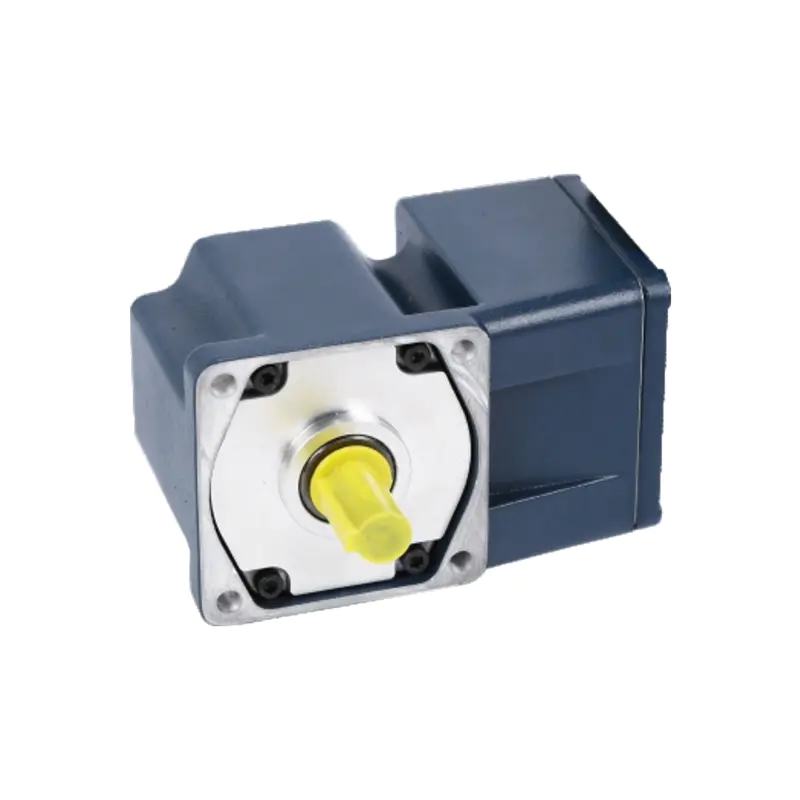
A small DC geared motor may contain several different materials packed into a surprisingly limited space. Steel gears, plastic components, shafts, bearings and rubber seals all operate close together. The lubricant used inside the gearbox must protect moving surfaces without damaging the materials around them.
This is not always straightforward. A grease that works well with metal gears may react differently with certain plastics or elastomers. The wrong viscosity can also increase starting resistance or leave insufficient lubrication under load. For manufacturers producing Small DC Geared Motors, lubricant selection needs to happen alongside material and gearbox design, rather than being treated as a final assembly detail.
What Lubrication Does Inside a Small Gear Motor
Every time a geared motor runs, its internal gears transfer torque through repeated contact. Friction occurs between meshing teeth, shafts and supporting components. Without a suitable lubricant, these contact surfaces can wear more quickly.
Lubrication helps by:
- Reducing friction: Limits direct contact between moving surfaces.
- Controlling wear: Protects gear teeth and other loaded components.
- Managing heat: Helps distribute heat generated during operation.
- Limiting corrosion: Protects compatible metal surfaces from moisture-related damage.
- Reducing noise: Can minimize friction-related noise when the lubricant and filling quantity are appropriate.
The amount of protection depends on gear speed, contact pressure, surface finish and operating temperature. A lubricant suitable for a larger industrial gearbox may not perform well inside a compact motor with limited internal space.
Check Compatibility With Every Internal Material
A small geared motor may combine materials that respond differently to the same lubricant. Steel gears, brass parts, engineering plastics and elastomer seals cannot automatically be treated as one compatible system.
Certain base oils or additives may cause plastic components to swell or soften. Some lubricant formulations can also affect rubber seals, changing their dimensions or reducing their sealing performance.
Before approving a lubricant, manufacturers should check its compatibility with:
- Gear and shaft materials.
- Bearing materials and cage construction.
- Plastic gears and housing components.
- Rubber seals and gaskets.
- Internal adhesives and protective coatings.
Material grade matters here. Two plastics belonging to the same general material family may react differently to a particular grease.
Technical data sheets provide an initial reference, but physical compatibility tests are advisable when changing lubricant brands or introducing a new material into an existing gearbox design.
Grease or Oil: Which Is More Suitable?
Most compact geared motors use grease because it can remain around the gear contact areas without requiring a complicated circulation system. Oil may be suitable for certain gearbox structures, particularly where the design allows controlled circulation and effective sealing.
| Lubricant type | Potential advantages | Points to consider |
|---|---|---|
| Mineral-oil-based grease | Common industrial option with various formulations | Temperature limits and additive compatibility |
| Synthetic grease | Can offer stable performance across wider temperature conditions | Higher cost and material compatibility |
| Silicone-based lubricant | Useful in selected applications requiring specific material compatibility | Not suitable for every gear contact |
| Gear oil | Suitable for certain enclosed gearbox designs | Viscosity, leakage and sealing requirements |
There is no universal winner. Gear geometry, rotational speed, loading and internal clearance determine which lubricant works best.
For example, a grease that is too thick may create substantial resistance when a small motor starts. An oil that is too thin may not maintain sufficient lubrication under the specified contact conditions.
Viscosity and Operating Temperature Need to Be Considered Together
Lubricant viscosity changes with temperature. Oil and grease generally become more resistant to movement as temperatures fall, while higher temperatures can reduce viscosity and affect the lubricant's protective film.
These changes matter in compact motors because their available starting torque may be limited. If the lubricant becomes too stiff during cold startup, the motor may draw more current to overcome internal resistance.
At higher temperatures, lubricant oxidation and degradation can shorten its useful life. The effect depends on the formulation, operating duration and heat generated inside the gearbox.
During lubricant selection, engineers should examine the minimum and maximum operating temperatures, startup torque, gear loading and expected duty cycle. A motor used intermittently in outdoor equipment may need a different lubrication specification from one running continuously inside factory machinery.
Lubricant Quantity Can Be Just as Important as Lubricant Type
Overfilling a small gearbox can increase churning resistance. The motor then needs additional energy to move the lubricant, potentially increasing current consumption and operating temperature.
Too little grease creates the opposite problem. Gear teeth and bearings may not receive adequate lubrication, accelerating wear during operation.
Because compact gearboxes have limited internal volume, filling quantity needs to be controlled carefully. Manufacturers should establish a defined amount for each motor model and use appropriate dispensing equipment rather than relying on manual estimation.
Assembly quality checks should cover lubricant type, batch identification, dispensing quantity and visible contamination. Operating-current and temperature tests can help identify abnormal resistance before products leave the factory.
Test the Lubricant in the Finished Motor Assembly
A lubricant's published specifications do not necessarily show how it will perform inside a particular gear motor. Gear materials, housing geometry and operating loads all influence the result.
Endurance testing provides a better indication of long-term behavior. Depending on the application, testing may include continuous running, repeated startup, temperature cycling and operation under different loads.
During these tests, manufacturers should monitor:
- Changes in operating current.
- Gearbox temperature.
- Mechanical noise and vibration.
- Output speed and torque.
- Visible wear on gears and bearings.
- Lubricant condition after testing.
Plastic gear assemblies deserve particular attention. Changes in material dimensions or surface condition may indicate incompatibility with the lubricant. Metal gear systems should also be inspected for abnormal contact wear and corrosion.
The test cycle should reflect actual use. A small motor operating a consumer appliance intermittently does not experience the same duty cycle as one driving an industrial mechanism throughout a production shift.
Include Lubrication Specifications in OEM Requirements
When purchasing a Small DC Geared Motor, OEM buyers should ask manufacturers which lubricant is used, whether its compatibility has been checked against internal materials, and what endurance testing supports the assembly.
Lubrication details should also be recorded in the production specification. Changing the grease during manufacturing without checking material compatibility can affect starting current, noise and component life, even when the motor's external dimensions remain unchanged.
A suitable lubricant, controlled filling quantity and repeatable assembly process make a measurable difference to gearbox reliability. For compact geared motors, getting these details right during development is much easier than investigating premature wear after the motors have entered service.
Related Products
-
-
Cat:Right-Angle
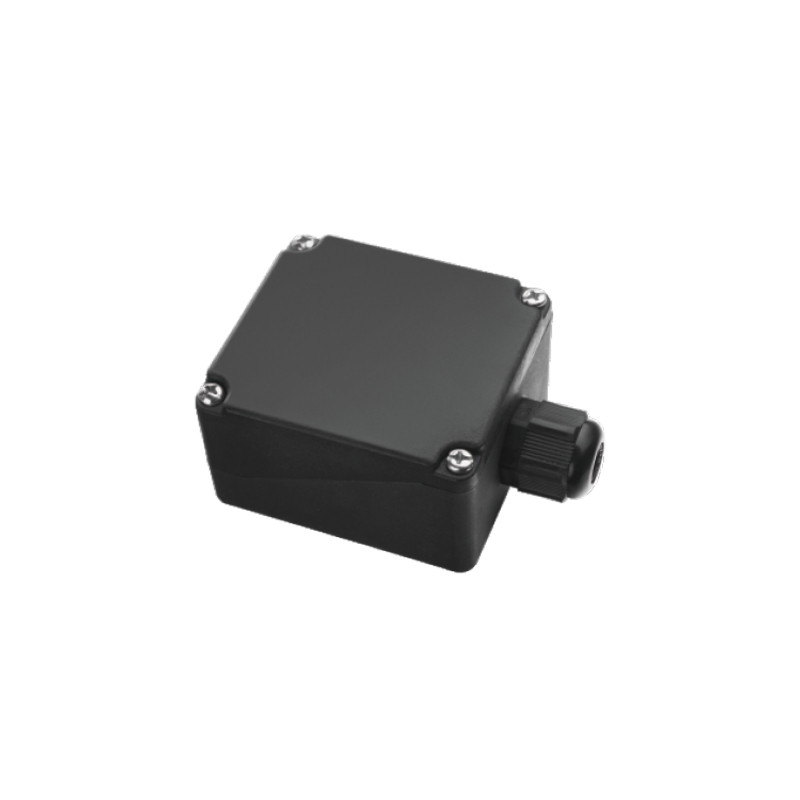
The SX Type Junction Box is designed for safe and reliable electrical connection and cable management in motor and industrial equipment systems. Featu...
See Details -
Cat:Motor Controller & Accessories
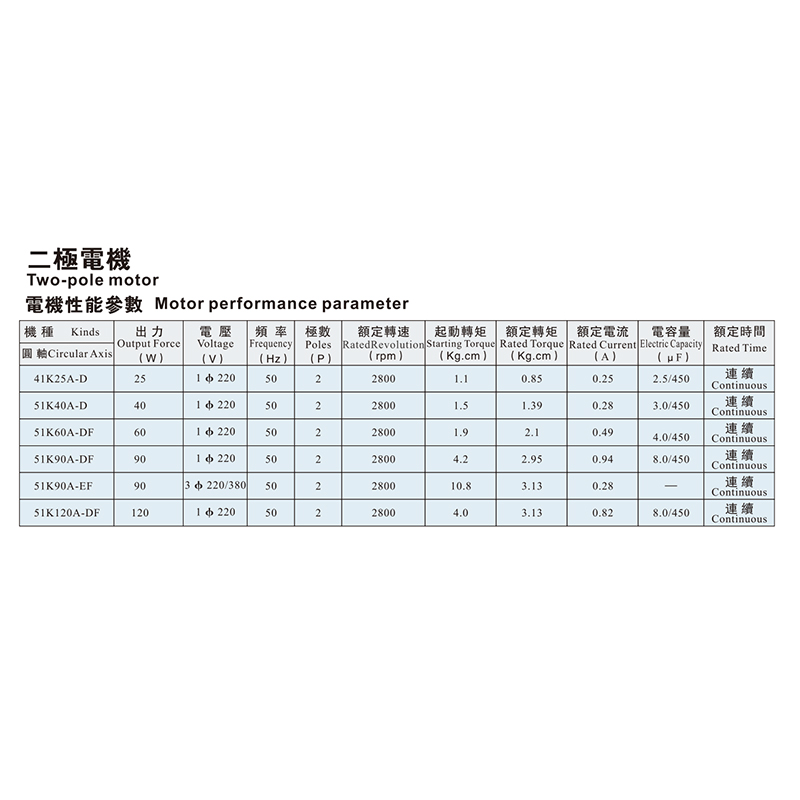
The Two-pole Motor is designed to provide stable and efficient power output for a variety of industrial and automation applications. Its compact struc...
See Details -
Cat:CH
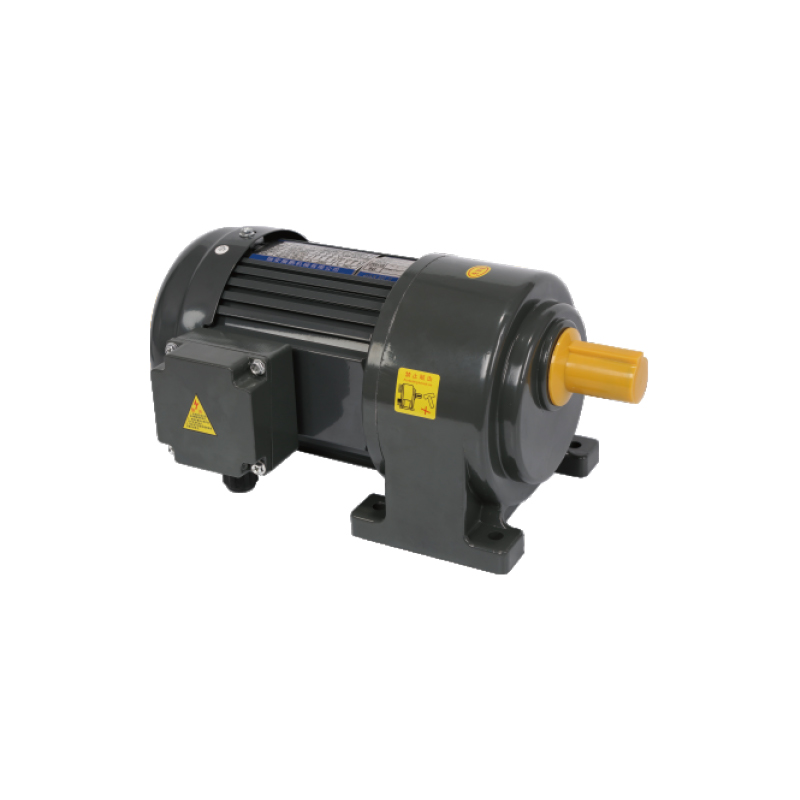
Small AC Gearmotors are designed for compact power transmission with stable torque output and efficient performance. These Fractional HP Gearmotors ar...
See Details -
Cat:CH
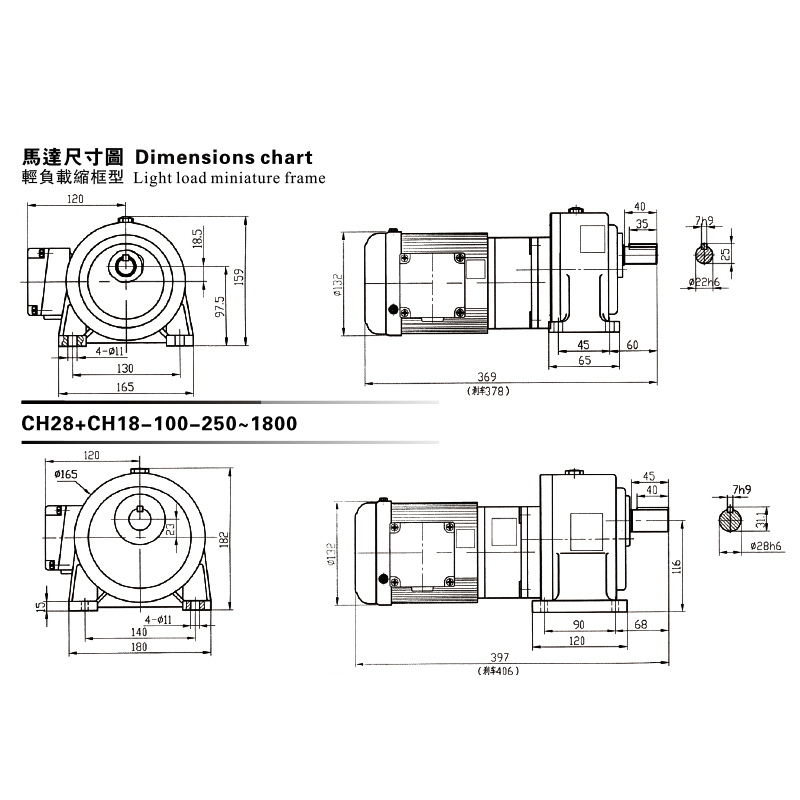
This CH, CV Dimensions Chart showcases a premium Gear Reduced Electric Motor series engineered for light-load, miniature frame applications. The chart...
See Details -
Cat:CH
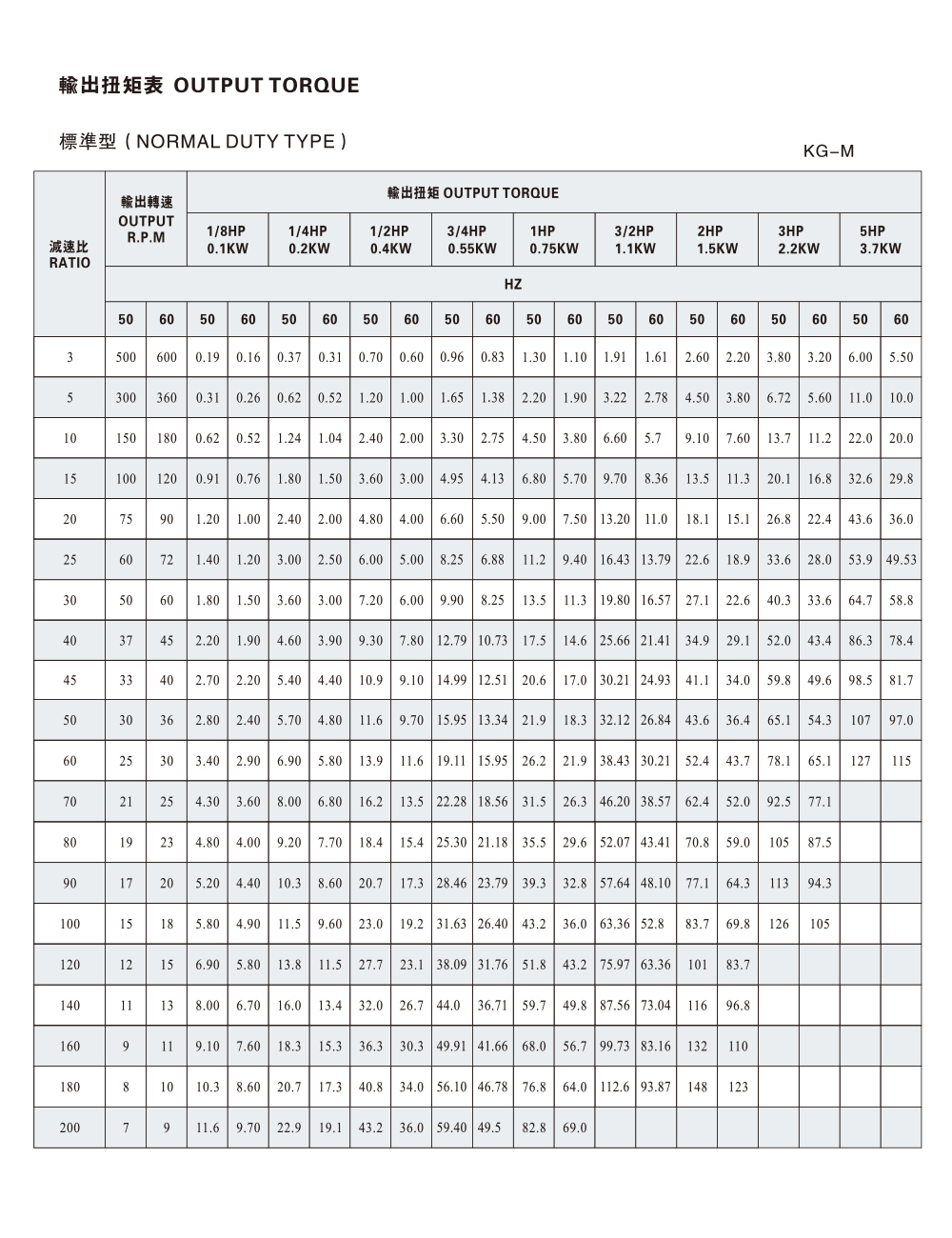
The CH, CV Output Torque provides essential performance data for evaluating transmission capacity and equipment matching. It specifies torque output v...
See Details
Looking For Business Opportunity?
Request for a call today

Zhanpeng Machinery sincerely cooperates with people at home and
abroad to create common development and achieve win-win
results!
Contact Us
-
 sales@razhanpeng.com
-
 +86 13335770176
-
 No. 2807, Huaming Road, Ruian City, Wenzhou City,Zhejiang Province,China
Quick Links
Message


Copyright 2024 Ruian Zhanpeng Machinery Co., Ltd.
Gear Motor Factory


Contact Us