


 English
 中文简体
中文简体 عربى
عربى
Why Might a Special Electric Motor Suit Unusual Equipment
Electric motors are often treated as one part of a larger machine, yet their working conditions are closely tied to how the equipment operates. A motor installed in a production machine, small automated device, ventilation unit, or mobile mechanism may face very different demands from another motor with a similar basic output.
Unusual operating conditions can come from several directions. Limited installation space may restrict the motor body. A machine may need rapid movement followed by a period of low-speed operation. Some equipment works in places where heat, moisture, dust, or vibration is present. Other systems may place changing loads on the drive as different mechanical parts move.
These conditions affect motor selection because electrical output is only one part of the operating requirement. Physical dimensions, speed behavior, connection position, cooling conditions, and the way the motor starts and stops can all influence whether a motor fits the equipment.
A useful selection process therefore begins with the machine rather than the motor itself. The operating cycle needs to be considered alongside the available installation space and the surrounding environment. When these conditions are clearly defined, it becomes easier to identify what kind of motor structure can work with the equipment.
What Makes a Special Electric Motor Different in Practical Equipment
A Special Electric Motor is generally considered when standard motor dimensions or operating characteristics do not match the equipment layout. The difference does not necessarily come from one unusual feature. It may result from several small requirements that need to work together.
For example, a machine may have very little room around the mounting position. A motor with a suitable output may still be difficult to install because its body extends into the path of another component. Changing the motor size or connection arrangement can therefore become part of the equipment design rather than an isolated motor decision.
Operating behavior also matters. Some machines require steady rotation, while others repeatedly change speed or direction. A mechanism that moves a small component may need a different response from a system that drives a heavier moving part. The motor has to work within the rhythm of the equipment rather than simply run continuously under a fixed condition.
Practical considerations often include:
- available mounting space and motor orientation
- required rotation speed and operating pattern
- changes in mechanical load during operation
- surrounding temperature and ventilation
- connection position and shaft arrangement
- access needed for inspection or replacement
The interaction between these factors is important. A compact design may help with installation, for instance, while the same limited space may make heat removal more difficult. A suitable choice therefore involves looking at the complete operating situation instead of treating each specification separately.
How Speed Requirements Influence Motor Selection
Speed becomes an important consideration when equipment needs quick movement, precise positioning, or repeated operation. A motor that works well under steady rotation may not behave in the same way when the machine repeatedly accelerates, slows down, or changes its operating state.
Small mechanisms often have limited room for their drive components. In such applications, a High Speed Micro Motor can be considered when the equipment requires relatively quick rotation without a large motor body. Typical applications may include compact mechanisms, small pumps, miniature tools, optical equipment, and other devices where movement needs to take place within a restricted area.
Speed should not be considered on its own. Higher rotational speed can affect heat generation, vibration, bearing conditions, and the connection between the motor and driven component. The surrounding mechanical structure also needs to accommodate the movement produced by the motor.
For equipment with changing speed requirements, several questions can help clarify the actual need:
- Does the machine run continuously or in short operating cycles?
- Is rapid starting important to the working process?
- Does the load remain similar throughout operation?
- Does the driven component require a particular speed range?
- Is there enough room around the motor for heat to escape?
These questions help separate a genuine speed requirement from a situation where a smaller or differently configured motor may simply be more appropriate.
The relationship between speed and equipment size becomes even more noticeable when installation space is restricted. This leads naturally to another consideration: how the physical dimensions of the motor affect the rest of the machine.
Why Compact Design Matters in Space Limited Equipment
Space restrictions are common in small machinery and equipment with several components arranged closely together. In such systems, the motor cannot be considered separately from nearby gears, shafts, housings, wiring, or moving parts. Even a small change in motor dimensions can affect the overall layout.
A Compact Brushless Motor may be considered for equipment where the available installation area is limited and the drive needs to fit within a compact structure. Its suitability depends on the machine's actual requirements, including mounting method, operating speed, load pattern, and available cooling space.
Compact construction also creates a design balance. Reducing the available physical space around a motor can affect ventilation and maintenance access. The motor may fit into the machine while still creating difficulties for inspection or heat dissipation. For this reason, the available clearance around the motor should be considered during equipment design rather than after installation.
| Installation Consideration | Practical Question |
|---|---|
| Motor dimensions | Can the housing fit without interfering with nearby parts? |
| Mounting position | Does the fixing arrangement match the machine structure? |
| Clearance | Is there enough space for wiring, movement, and inspection? |
| Heat conditions | Can heat move away from the motor during normal operation? |
Compact equipment also needs attention to service access. A motor positioned inside a crowded housing may be difficult to inspect even when its dimensions appear suitable on paper. Allowing room for connections and routine checks can make later maintenance less disruptive.
As equipment becomes more compact, motor selection becomes increasingly connected to the mechanical layout. Speed, size, load, and environmental conditions need to be considered together because a change in one area can influence the others.
How Load Changes Affect Motor Operation
Motor selection becomes more complicated when the equipment does not place the same mechanical demand on the drive throughout its working cycle. A machine may move easily at one stage and encounter greater resistance at another. The motor therefore needs to respond to the way the load changes rather than being judged only by its normal running condition.
Starting is one point worth considering. Some equipment needs a short movement at the beginning of each cycle, followed by steady operation. Other machines may stop and restart repeatedly. Frequent changes in operating conditions can influence how the motor behaves and how much heat develops during use.
The driven mechanism also matters. A motor connected to a light moving component may experience a different working pattern from one connected to a mechanism that must move against changing resistance. In compact equipment, the relationship between the motor and the mechanical load can be particularly noticeable because there is less room for additional components to compensate for unsuitable operation.
Several practical details can help define the load pattern:
- whether the equipment starts and stops frequently
- whether resistance changes during movement
- whether the motor runs continuously or intermittently
- whether rotation speed changes during operation
- whether the driven component has sudden changes in movement
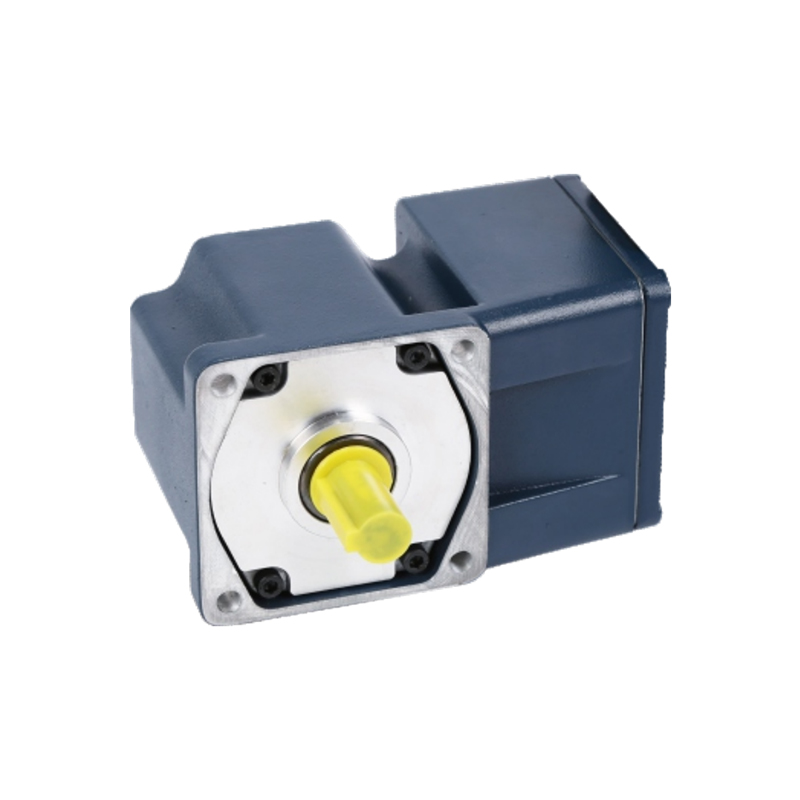
A Special Electric Motor may be considered when these operating conditions do not fit a standard motor arrangement. The purpose is not simply to accommodate a changing load, but to match the motor's physical and operating characteristics with the actual movement required by the equipment.
Load conditions also interact with the surrounding environment. A motor working under changing mechanical demand may produce different heat conditions from one operating at a steady level. This makes the installation environment another part of the selection process.
Which Environmental Conditions Should Be Considered
The area around a motor can influence how it operates over time. Heat, moisture, dust, vibration, and restricted ventilation may all affect the conditions in which the motor works. The surrounding environment should therefore be considered before the equipment layout is finalized.
Temperature is particularly relevant when the motor is installed inside an enclosed machine. A small housing may protect the motor from outside contact while also limiting air movement around it. When heat cannot move away easily, the internal working conditions can change even when the machine itself appears to operate normally.
Moisture and dust require a different kind of attention. Equipment used in workshops, processing areas, outdoor machinery, or cleaning environments may be exposed to particles or moisture that are less common in a clean indoor setting. The motor structure and surrounding housing need to suit the conditions in which the machine will actually be used.
Vibration can also affect the connection between the motor and the driven mechanism. When a motor is mounted on equipment that moves or vibrates, the fixing method and alignment become important. Poor mechanical coordination can create additional movement and place unwanted stress on connected parts.
A practical environmental check can cover:
- Temperature — Consider the heat around the motor rather than only the general room condition.
- Moisture — Identify whether water vapor, splashing, or damp surroundings may occur.
- Dust — Check whether particles can reach the motor through openings or nearby processes.
- Vibration — Consider movement from the machine and from connected equipment.
- Ventilation — Leave suitable space for heat to move away during normal operation.
Environmental conditions should be considered together with the equipment enclosure. A motor that fits the mechanical layout may still require changes to ventilation or housing design. Looking at both sides early can prevent installation problems later.
How Installation Conditions Shape Motor Compatibility
Physical installation is often where an otherwise suitable motor encounters practical limitations. The motor may have the required operating characteristics, yet its mounting position, connection direction, shaft arrangement, or available clearance may not fit the equipment.
The mounting structure needs to support the motor without interfering with nearby parts. Connection points should also be accessible enough for installation and later inspection. In a compact machine, even wiring space can become a design concern when several components are placed close together.
Shaft alignment deserves attention as well. The motor and driven component need to work together without placing unnecessary mechanical stress on the connection. When the two parts are not properly aligned, vibration or uneven movement can occur during operation.
Installation direction can also affect equipment layout. A motor mounted horizontally may require a different housing arrangement from one mounted vertically. The position of cables, connectors, and nearby components should be considered at the same time rather than treated as separate tasks.
Before installation, it can be useful to check:
- mounting dimensions and fixing points
- available clearance around the housing
- shaft position and connection direction
- cable or connector access
- space required for inspection
- relationship with nearby moving components
These details become especially important in equipment that has been designed around a small footprint. A compact motor can save installation space, yet the surrounding components still need enough room to operate and be serviced.
Installation compatibility is therefore not simply a question of whether the motor can physically enter the machine. The complete connection between the motor, housing, wiring, and driven mechanism needs to make sense as part of the equipment structure.
What Should Be Checked Before Choosing a Special Electric Motor
The selection process becomes easier when the equipment requirements are described in practical terms. Instead of starting with a motor model, it is useful to identify how the machine operates, where the motor will be installed, and what kind of movement it needs to produce.
Operating conditions can be organized into several basic groups:
- Working pattern: continuous, intermittent, repeated start and stop, or changing speed
- Mechanical demand: steady movement or changing resistance
- Installation space: available length, width, height, and service clearance
- Environment: heat, moisture, dust, vibration, and ventilation
- Connection: mounting position, shaft arrangement, and wiring access
Clear information helps narrow the range of suitable motor structures. It also gives the supplier a better basis for discussing the actual application rather than relying on general assumptions.
When communicating with a Radiator Valve Supplier or another equipment component supplier, buyers should provide the operating conditions that directly affect component selection. For motor applications, useful information can include the machine's working cycle, available installation space, expected movement, surrounding environment, and connection arrangement.
A High Speed Micro Motor may be suitable for one compact mechanism while another machine may require a different speed and load arrangement. Likewise, a Compact Brushless Motor may fit a restricted housing but still need to be assessed alongside heat conditions, mounting space, and the connected mechanism.
Good selection is therefore a process of matching several practical conditions. The motor needs to fit the machine physically, operate within its working pattern, and remain compatible with the surrounding environment. When those requirements are considered together, unusual operating conditions become easier to describe and evaluate without relying on a single specification.
Related Products
-
-
Cat:CH
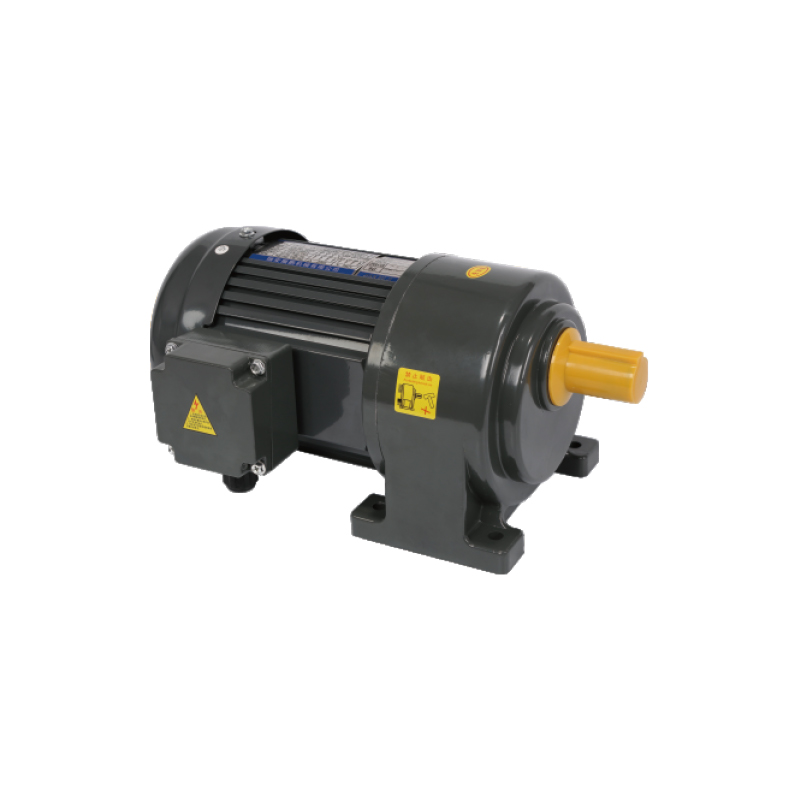
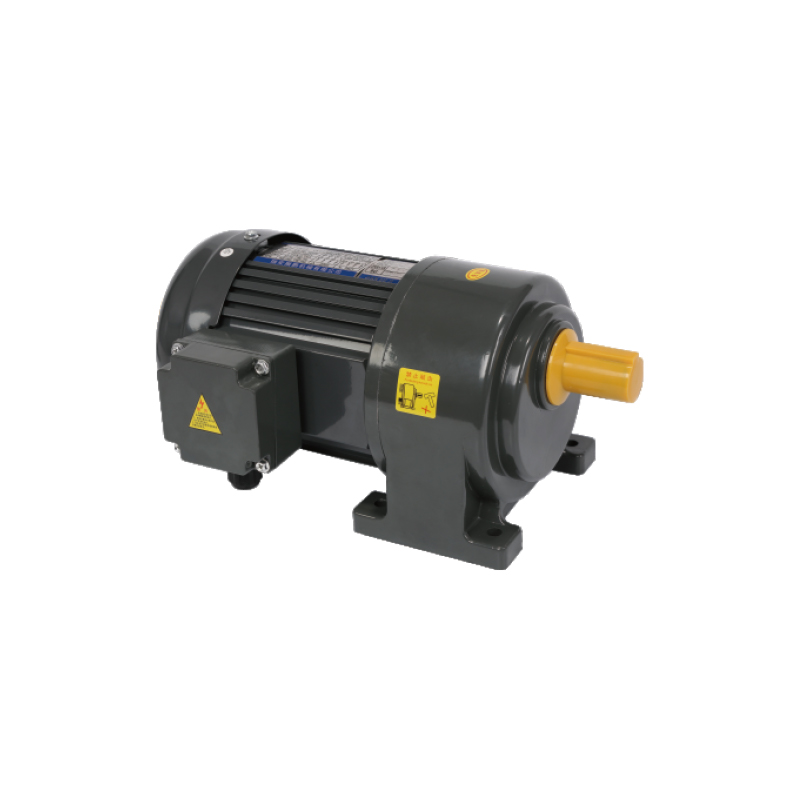
Small AC Gearmotors are designed for compact power transmission with stable torque output and efficient performance. These Fractional HP Gearmotors ar...
See Details -
Cat:CH
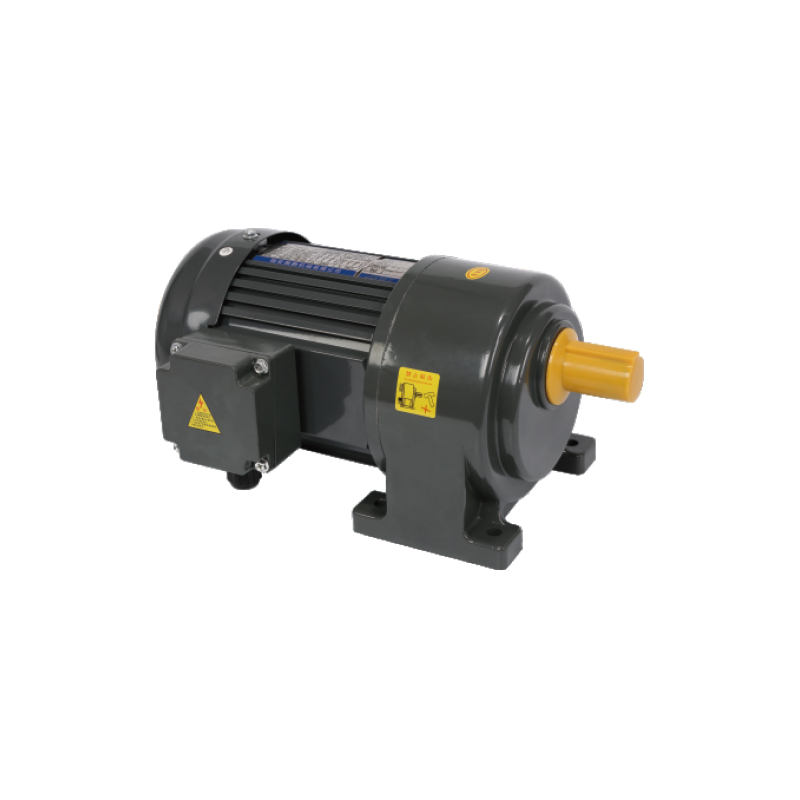
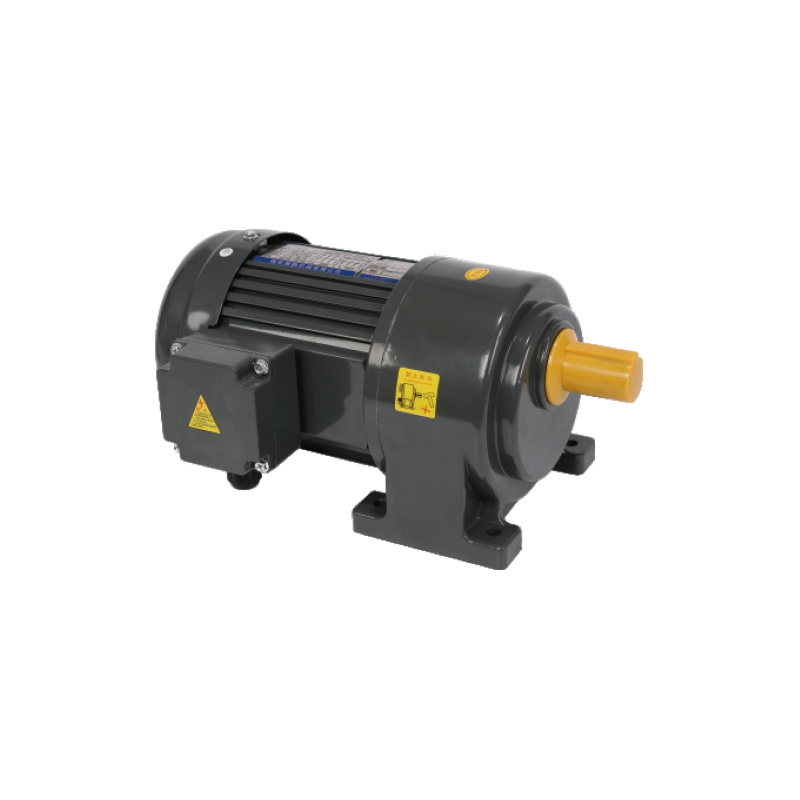
AC Brake Gear Motor is designed with an integrated braking system to ensure precise stopping and stable control during operation. This AC Gear Motor W...
See Details -
Cat:CH
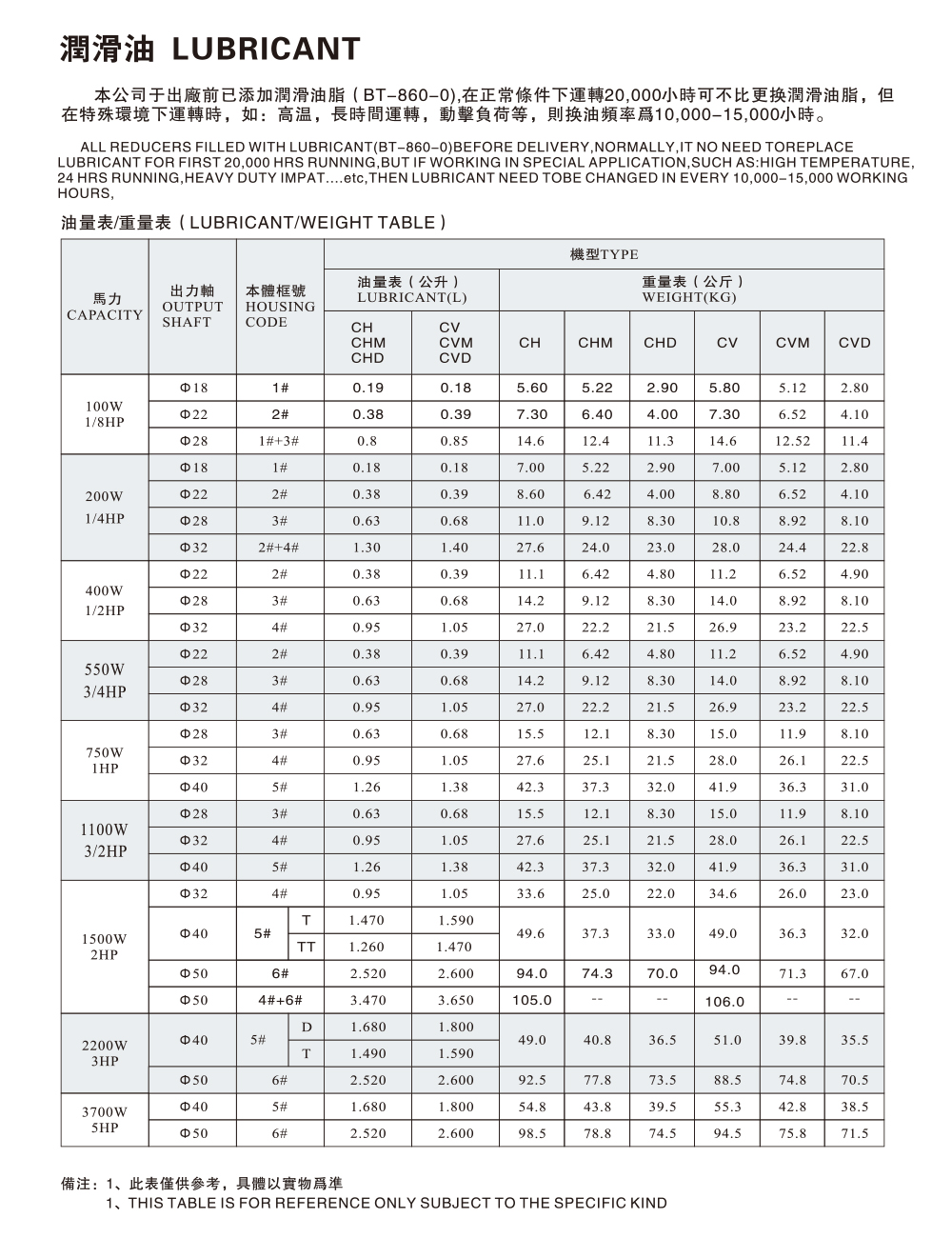
Our company has added lubricating grease (BT-860-0) before leaving the factory. It is not necessary to replace the lubricating grease after 20,000 hou...
See Details
Looking For Business Opportunity?
Request for a call today

Zhanpeng Machinery sincerely cooperates with people at home and
abroad to create common development and achieve win-win
results!
Contact Us
-
 sales@razhanpeng.com
-
 +86 13335770176
-
 No. 2807, Huaming Road, Ruian City, Wenzhou City,Zhejiang Province,China
Quick Links
Message


Copyright 2024 Ruian Zhanpeng Machinery Co., Ltd.
Gear Motor Factory


Contact Us