


 English
 中文简体
中文简体 عربى
عربى
Cat:Right-Angle
The 90mm 60W VT Reduction Motor is designed for compact equipment that needs a bit more power while keeping a small installation size.It handles autom...
See DetailsTorque is related to the turning force produced at the shaft. It becomes relevant whenever the motor has to overcome resistance from gears, bearings, fans, pumps, or other moving parts. Startup can be particularly demanding because a stationary load does not behave in the same way as a component that is already moving.
Speed has a different role. It determines how quickly the shaft turns and, in turn, affects the movement of the connected equipment. The suitable operating range depends on the machine. A ventilation device, for example, may need continuous rotation, while a small positioning mechanism may require controlled movement rather than constant high‑speed rotation.
Voltage belongs to the electrical side of the system. The motor receives electrical power through its supply, and the available voltage affects how the motor operates. A mismatch between the supply and the motor's intended working conditions can change startup behavior, operating speed, current demand, or heat generation.
A useful way to look at the three parameters is to connect each one with a practical question:
Motor size alone cannot answer these questions. Two compact motors may occupy a similar amount of space while having different electrical and mechanical characteristics. Their suitability depends on the equipment they are expected to drive.
Imagine a small machine starting after a period of rest. The motor has to set several stationary components into motion before normal operation begins. Friction, the weight of connected parts, and resistance from the driven equipment can all affect this moment.
Once movement starts, the mechanical demand may change. A rotating fan, for instance, does not necessarily present the same resistance at startup and during continuous operation. A pump can also experience changing load conditions as fluid movement develops.
For a Compact Brushless Motor, torque needs to be considered across the working process rather than at one point alone. Relevant conditions may include:
Insufficient turning force can show up as slow acceleration, difficulty starting, or a noticeable reduction in operating speed when resistance increases. On the other hand, selecting a motor without considering the actual mechanical requirement can create unnecessary electrical and thermal demands.
The connection between shaft force and rotation also changes when gearing is introduced. A reduction arrangement can lower the rotational speed delivered to the equipment while changing the torque available at the output. This makes the mechanical transmission part of the motor selection process rather than an afterthought.
A motor's rotation rate matters because the driven equipment does not necessarily need the same movement speed in every situation.
Consider three simple examples. An air‑moving device may need smooth continuous rotation. A small pump may depend on a particular rotational range to maintain fluid movement. A mechanical actuator may require slower movement so that the connected part can reach its intended position without excessive motion.
The effect of speed becomes easier to see when the load changes. Added resistance can reduce the actual operating rate. If the equipment relies on consistent movement, even a modest change may influence airflow, fluid delivery, positioning, or cycle timing.
Higher rotational speed can also bring additional mechanical considerations. Bearings, couplings, gears, and other connected parts all experience the movement generated by the shaft. Noise and vibration may become more noticeable when the operating condition does not suit the surrounding mechanical structure.
A practical selection process can look at:
Speed should be treated as an equipment requirement rather than a standalone motor feature. The useful output is determined by what happens after the shaft connects to the machine.
Electrical supply conditions can change the way a motor behaves. A Compact Brushless Motor is designed around particular operating conditions, so the available voltage needs to be considered before installation.
A lower supply condition may affect startup or make it harder to maintain the desired operating state when mechanical resistance increases. A higher supply can place additional electrical stress on the motor and may alter speed or heat generation. The actual response depends on the motor design and its control system.
Power source characteristics also matter in portable equipment. Battery‑powered devices can experience changes in available voltage during use. Compact equipment connected to an external power supply may face a different set of conditions, particularly when other components share the same source.
Rather than looking at voltage in isolation, the surrounding system can be checked from several angles:
Voltage is closely tied to electrical behavior, but it does not determine motor suitability on its own. Mechanical resistance and required movement still have to be considered.
The relationship becomes clearer when the motor is viewed as part of a working machine. Suppose a compact pump begins with a relatively heavy mechanical resistance. The motor needs enough turning force to start. Once the pump is running, the required speed becomes important. Throughout the process, the electrical supply has to support the operating condition.
A change in load can alter the balance. More resistance may demand additional torque, while the actual shaft speed may fall. Continued operation under heavier mechanical demand can also affect heat generation. If the electrical supply is not suitable for the new condition, the motor may have difficulty maintaining normal operation.
| Factor | What It Influences | What To Check |
|---|---|---|
| Torque | Shaft turning force | Starting and running load |
| Speed | Movement rate | Required equipment motion |
| Voltage | Electrical operating condition | Available power supply |
| Load | Mechanical demand | Changes during operation |
| Gearing | Output speed and force | Relationship between motor and machine |
This interaction is particularly relevant in compact equipment because the motor, power source, transmission parts, and driven load are often installed close together. A change made to one part can affect the working conditions of the others.
For that reason, motor selection can begin with the equipment's actual movement and load. The required shaft speed can then be considered alongside the mechanical resistance, while the available electrical supply provides another boundary for the design. This approach gives torque, speed, and voltage a practical place within the wider machine rather than treating them as isolated specifications.
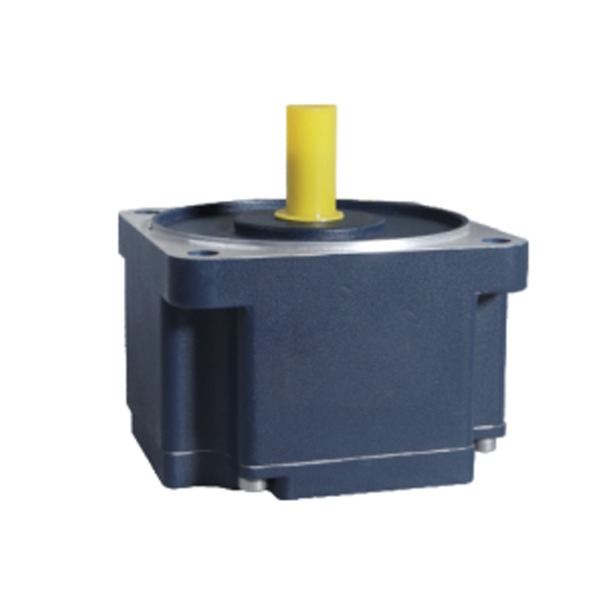
A motor does not always need to rotate at the same speed as the equipment it drives. Small machines often require slower movement with greater turning force at the output shaft. A gear arrangement can change this relationship without requiring the motor itself to operate at the same speed as the final mechanism.
When gears are introduced, rotational speed and output torque change according to the transmission arrangement. A reduction system lowers the output rotation while increasing the turning force available at the driven side, allowing a motor to work with equipment that has different mechanical requirements.
This arrangement can be useful in:
The gear ratio also affects how the motor responds to the load. A suitable arrangement can allow the motor to operate within a practical working range while delivering movement appropriate for the machine.
Gear transmission introduces additional considerations, including friction, mechanical clearance, lubrication, alignment, and wear. The motor and gearbox should be viewed as one working unit when assessing the final output rather than judging the motor shaft alone.
A gear motor needs to match the equipment on both the electrical and mechanical sides. The required output speed may be quite different from the motor's direct rotational speed, while the available torque depends on the transmission arrangement.
A useful starting point is the driven load. Its resistance, movement pattern, and operating position help determine the output requirements. The available power supply then needs to be checked against the motor's electrical conditions.
Other practical points include:
A Gear Motor Factory may handle different motor and transmission combinations for equipment with varying requirements. From a technical perspective, the important point is how the selected motor and gear arrangement correspond with the actual machine rather than how the components are described individually.
Installation space can also affect the choice. A gearbox adds length or changes the shape of the motor assembly, which may matter in compact equipment. Shaft position and mounting direction need to correspond with the surrounding structure.
The load placed on a motor rarely stays completely unchanged throughout operation. A mechanism may face greater resistance during startup, while a pump or fan can experience different conditions once it reaches normal movement.
A distinction between starting load and running load is useful. Starting requires the motor to overcome stationary resistance and accelerate the connected parts. Once movement becomes stable, the mechanical demand may settle into a different range.
Changing loads can also appear during normal operation. A mechanical arm may encounter resistance at a particular position. A pump may face changes in fluid conditions. A small conveyor mechanism may carry different weights at different times.
For a Compact Brushless Motor, these conditions affect how the available torque and speed are used. Selecting a motor from the continuous running condition alone may overlook the additional demand created during startup.
The surrounding mechanical structure matters as well. Friction from bearings, misalignment between shafts, excessive tension, or resistance within the driven equipment can increase the required motor output. In some cases, correcting the mechanical issue can change the motor requirement without changing the motor itself.
Electrical energy entering a motor is not converted entirely into mechanical movement. Part of the energy becomes heat, and the amount can change with load, operating condition, and motor design.
Compact equipment can present a particular challenge because there may be limited space around the motor for heat to dissipate. A motor enclosed inside a small housing may experience different thermal conditions from one installed in an open mechanical structure.
High mechanical load can increase the demand placed on the motor. Extended operation under that condition may raise temperature and affect nearby components. Electrical conditions can also contribute to heat generation.
The surrounding installation therefore deserves attention:
Efficiency is also connected with the overall system. Unnecessary mechanical resistance, poor alignment, or unsuitable gearing can increase the work required from the motor. Improving the mechanical arrangement can reduce the demand placed on the electrical side.
Different machines place different priorities on motor performance. A fan generally needs consistent rotation, while a pump may require adequate torque when starting against resistance. Automated mechanisms may place greater attention on controlled movement and repeatable operation.
| Equipment type | Main consideration | Related motor condition |
|---|---|---|
| Fan | Continuous rotation | Stable speed and suitable load capacity |
| Pump | Fluid resistance | Starting and running torque |
| Automation mechanism | Controlled movement | Speed and transmission |
| Portable equipment | Limited space and power | Voltage and heat |
| Small handling system | Variable mechanical load | Torque and gear reduction |
The selection process becomes clearer when the actual movement is described before choosing a motor. How fast should the equipment move? What resistance appears during startup? Does the load change during operation? Is a gearbox needed to match the output with the machine?
A final check can bring the electrical and mechanical requirements together without relying on a single specification.
A Compact Brushless Motor works within a larger mechanical and electrical system. Torque describes the force needed to move the load, speed relates to the required movement, and voltage defines an important part of the electrical operating condition. When these factors are considered together with gearing, installation, and heat, motor selection becomes closely tied to the actual requirements of the equipment.
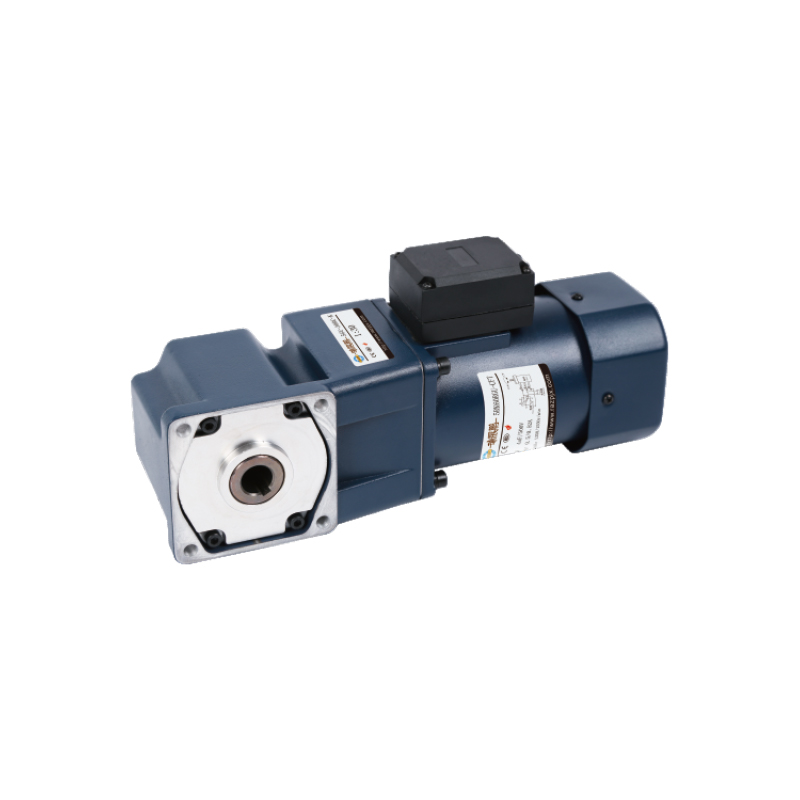
The 90mm 60W VT Reduction Motor is designed for compact equipment that needs a bit more power while keeping a small installation size.It handles autom...
See Details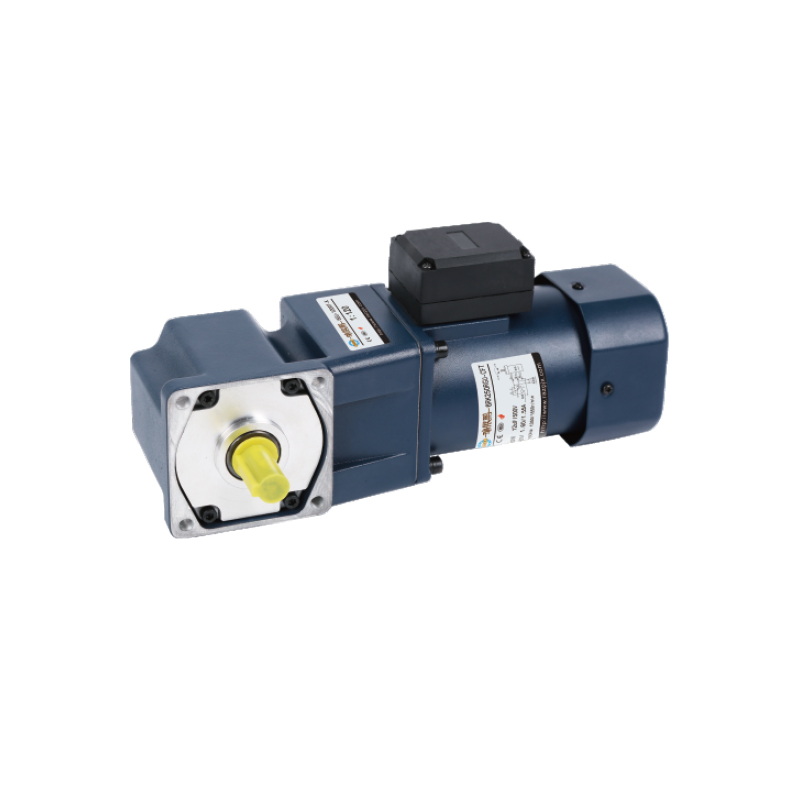
The 100mm 120W/140W VT Reduction Motor is designed for compact transmission systems requiring stable torque output and controlled operating speed. Fea...
See Details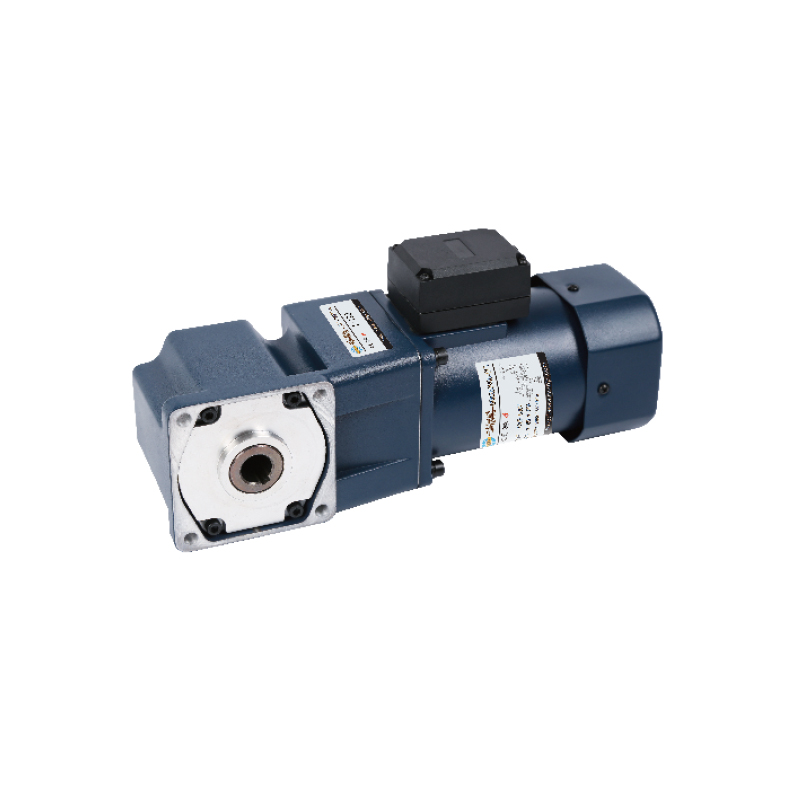
Electric Reduction Motor is designed for stable torque output and controlled low speed operation. This AC Gear Motor Low Rpm provides efficient power ...
See Details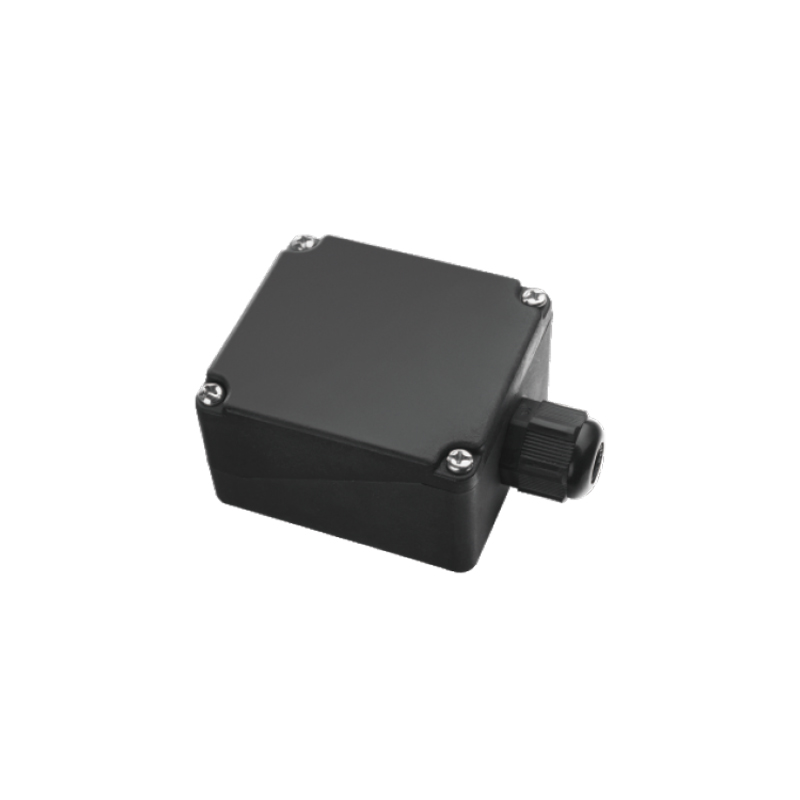
The SX Type Junction Box is designed for safe and reliable electrical connection and cable management in motor and industrial equipment systems. Featu...
See Details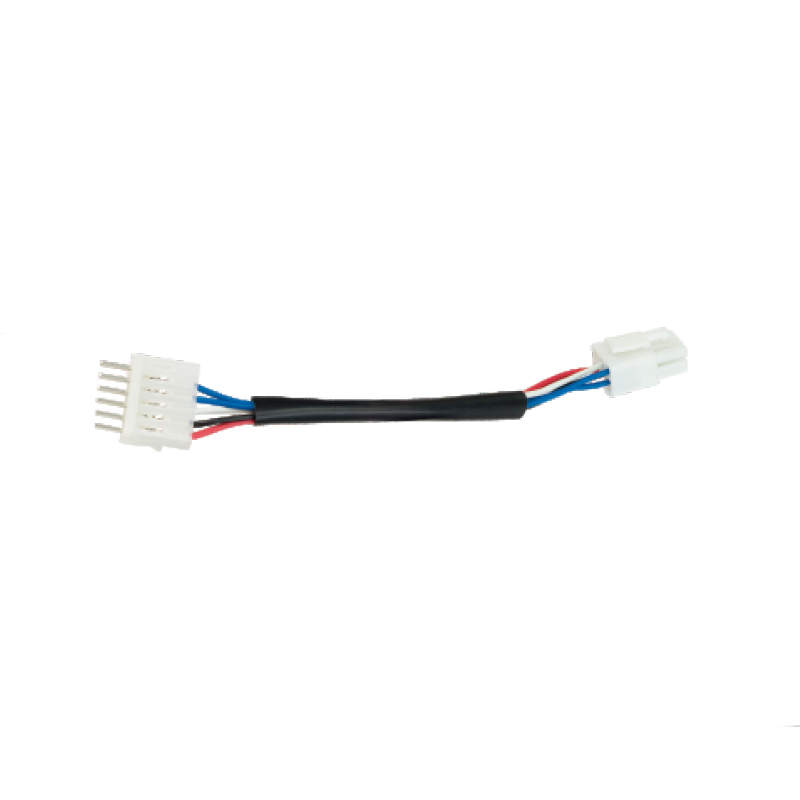
Prolonging line used between speed motor and controller.Additional sale product.When buying the controller, there will be a prolonging line with 0.5 m...
See Details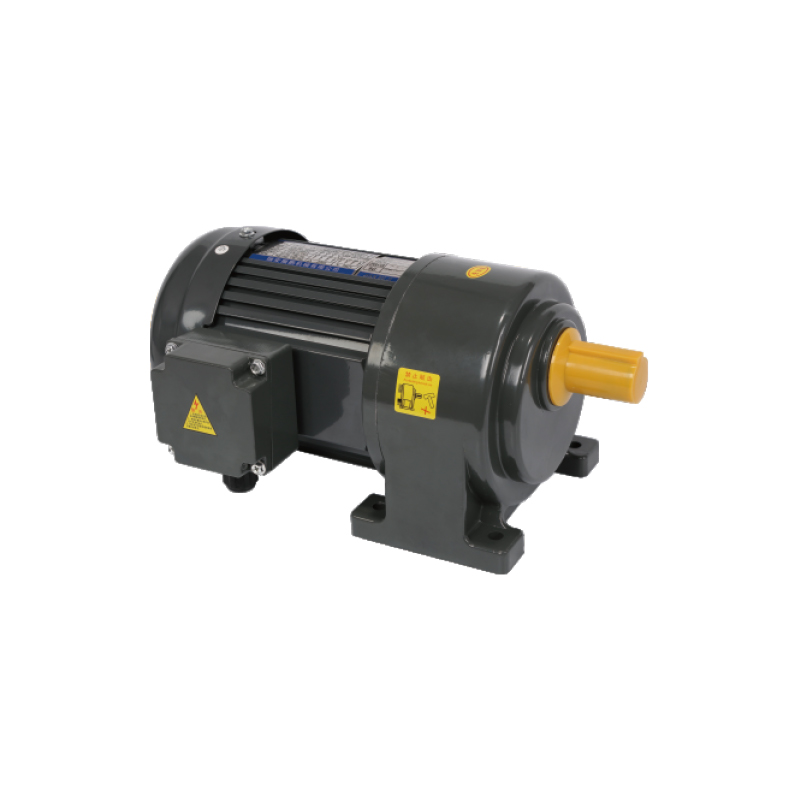
Small AC Gearmotors are designed for compact power transmission with stable torque output and efficient performance. These Fractional HP Gearmotors ar...
See Details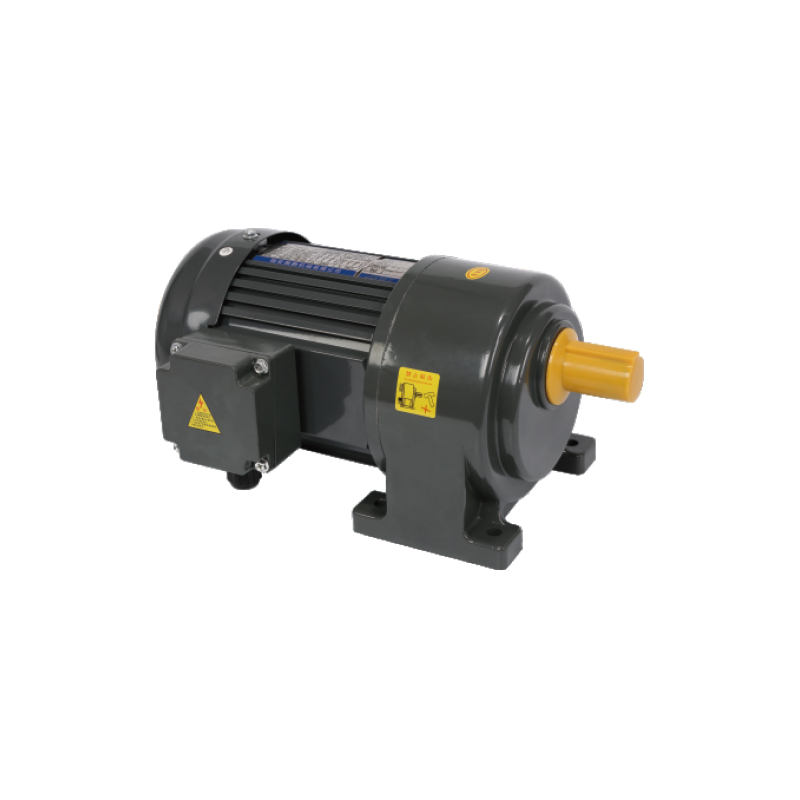
AC Brake Gear Motor is designed with an integrated braking system to ensure precise stopping and stable control during operation. This AC Gear Motor W...
See Details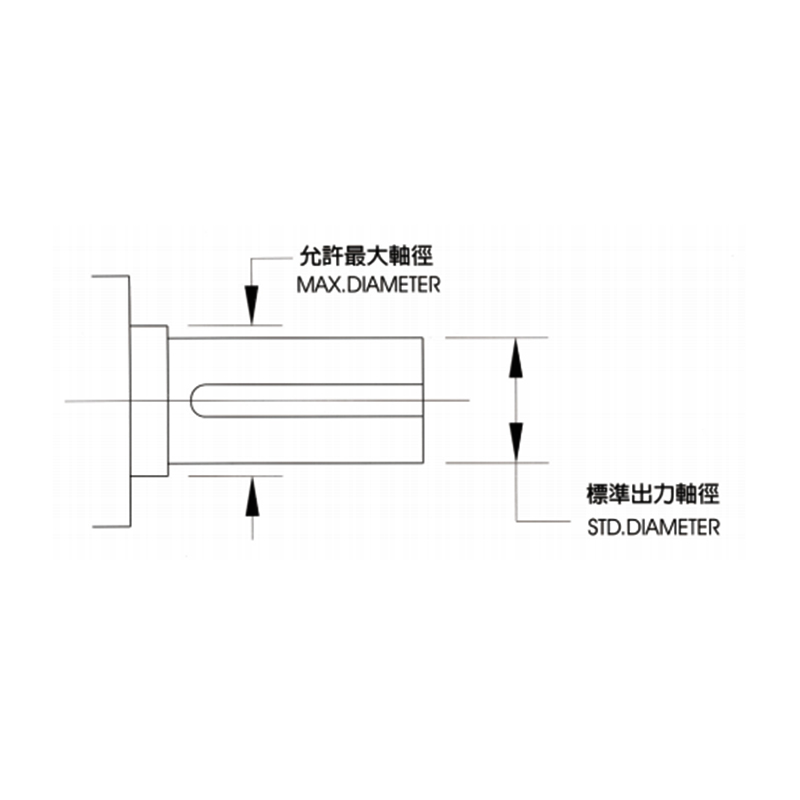
The CH, CV Available Max Output Shaft Diameter provides detailed reference data for selecting suitable shaft dimensions in transmission systems. It he...
See DetailsRequest for a call today

 sales@razhanpeng.com
 +86 13335770176
 No. 2807, Huaming Road, Ruian City, Wenzhou City,Zhejiang Province,China


Copyright 2024 Ruian Zhanpeng Machinery Co., Ltd.
Gear Motor Factory


Contact Us