


 English
 中文简体
中文简体 عربى
عربى
Inside the Facilities That Power Global Industry
The Scale of Modern Gear Motor Manufacturing
Walk through the production floors of any major industrial facility and witness manufacturing on an impressive scale. An industrial gear motor factory typically spans thousands of square meters, housing multiple production lines operating simultaneously to meet global demand for motion control equipment. These facilities combine precision machining operations, assembly lines, testing stations, and quality control laboratories under single roofs. The capital investment required for such operations runs into millions, explaining why gear motor manufacturing concentrates among established players with substantial resources.
Raw Material Receiving and Verification
Production begins at loading docks where raw materials arrive for inspection and testing. Steel bars in various grades and diameters await machining into shafts and gears. Cast iron housings arrive from foundries, each requiring verification of material properties and dimensional accuracy. Bearing suppliers deliver components that will support rotating elements through years of continuous operation. A quality-focused industrial gear motor factory maintains strict material traceability, documenting each component's origin and certification for future reference if issues arise.
Machining Operations Creating Precision
Rows of computer-controlled machining centers transform raw stock into finished components with tolerances measured in microns. Gear cutting machines generate tooth profiles using hobbing, shaping, or grinding processes depending on accuracy requirements. Housing machining centers create precise mounting surfaces and bearing pockets that determine final alignment. Shaft turning operations produce concentric surfaces where bearings and seals will ride smoothly. A well-equipped industrial gear motor factory maintains machine tools capable of holding consistent tolerances across high-volume production runs.
Heat Treatment Transforming Properties
Machined components possess insufficient strength for demanding service until heat treated properly. Furnace lines raise gears and shafts to specific temperatures before quenching in controlled baths. This process transforms metallurgical structure, creating hard wear-resistant surfaces while maintaining tough cores capable of absorbing shock loads. Carburizing adds carbon to surface layers of low-alloy steels, creating case-hardened depths measured precisely for each application. A thorough industrial gear motor factory monitors heat treatment parameters continuously, verifying results through hardness testing of sample parts from every batch.
Gear Grinding for Ultimate Precision
Many industrial applications demand gear accuracy exceeding what cutting alone can achieve. Grinding operations remove microscopic material from heat-treated gear teeth, correcting distortion and achieving final tolerances. This process creates smooth tooth surfaces that reduce noise and friction while increasing load capacity through improved contact patterns. CNC gear grinders with in-process measurement capabilities maintain consistency across production runs. A precision-focused industrial gear motor factory invests in grinding equipment capable of achieving quality grades required for demanding applications.
Assembly Line Organization
Components flow from machining departments to assembly areas where skilled workers unite them into complete gearmotors. Bearing installation requires careful attention to fit and lubrication. Seal placement must be precise to prevent leaks throughout service life. Gear meshing verification ensures proper contact patterns before housings close. Each assembled unit from a well-organized industrial gear motor factory receives identification allowing traceability back to individual component batches if performance questions arise later.
Testing and Validation Procedures
Every gearmotor undergoes performance verification before shipment reaches customers. Run testing confirms smooth operation without unusual noise or vibration. Load testing verifies torque capacity meets specifications under controlled conditions. Leak testing pressurizes housings to detect seal or gasket failures. Vibration analysis identifies imbalance or alignment issues needing correction. A thorough industrial gear motor factory maintains test documentation traceable to each unit, providing records for quality verification and troubleshooting.
Related Products
-
-
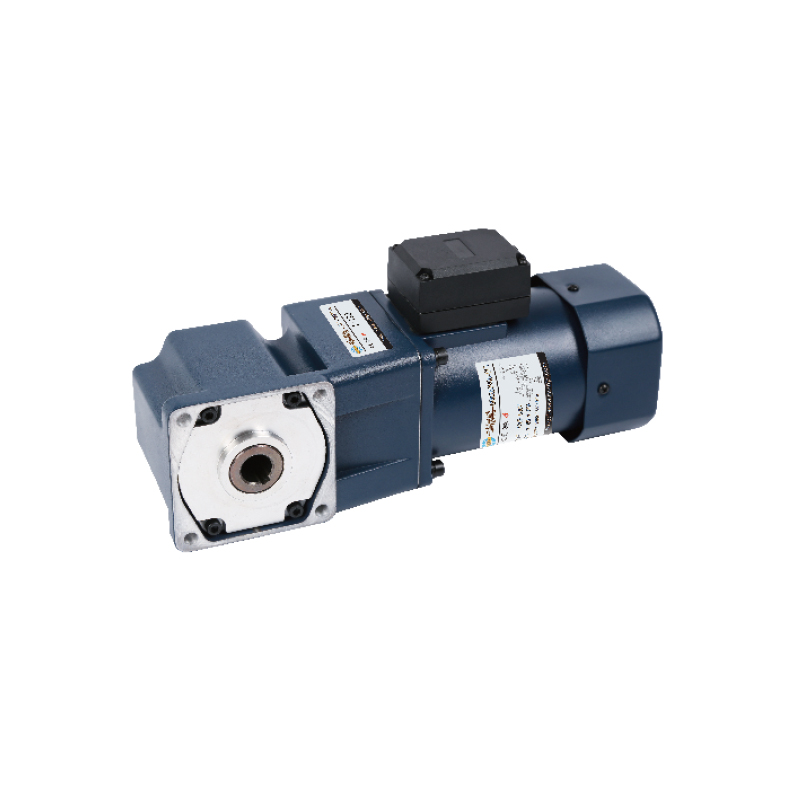
Cat:Right-Angle
Electric Reduction Motor is designed for stable torque output and controlled low speed operation. This AC Gear Motor Low Rpm provides efficient power ...
See Details -
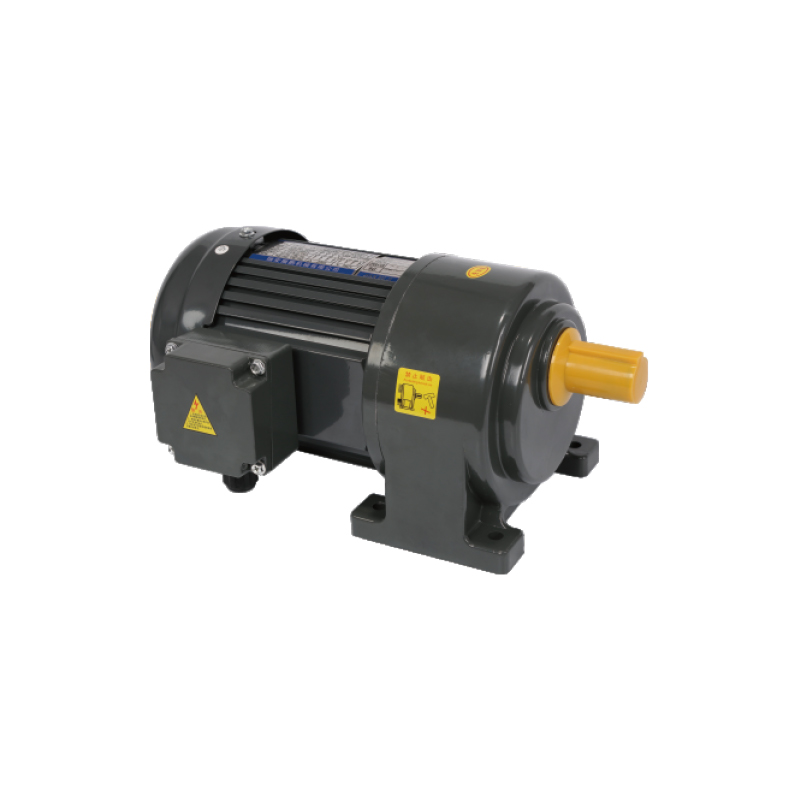
Cat:CH
Small AC Gearmotors are designed for compact power transmission with stable torque output and efficient performance. These Fractional HP Gearmotors ar...
See Details -
Cat:CH
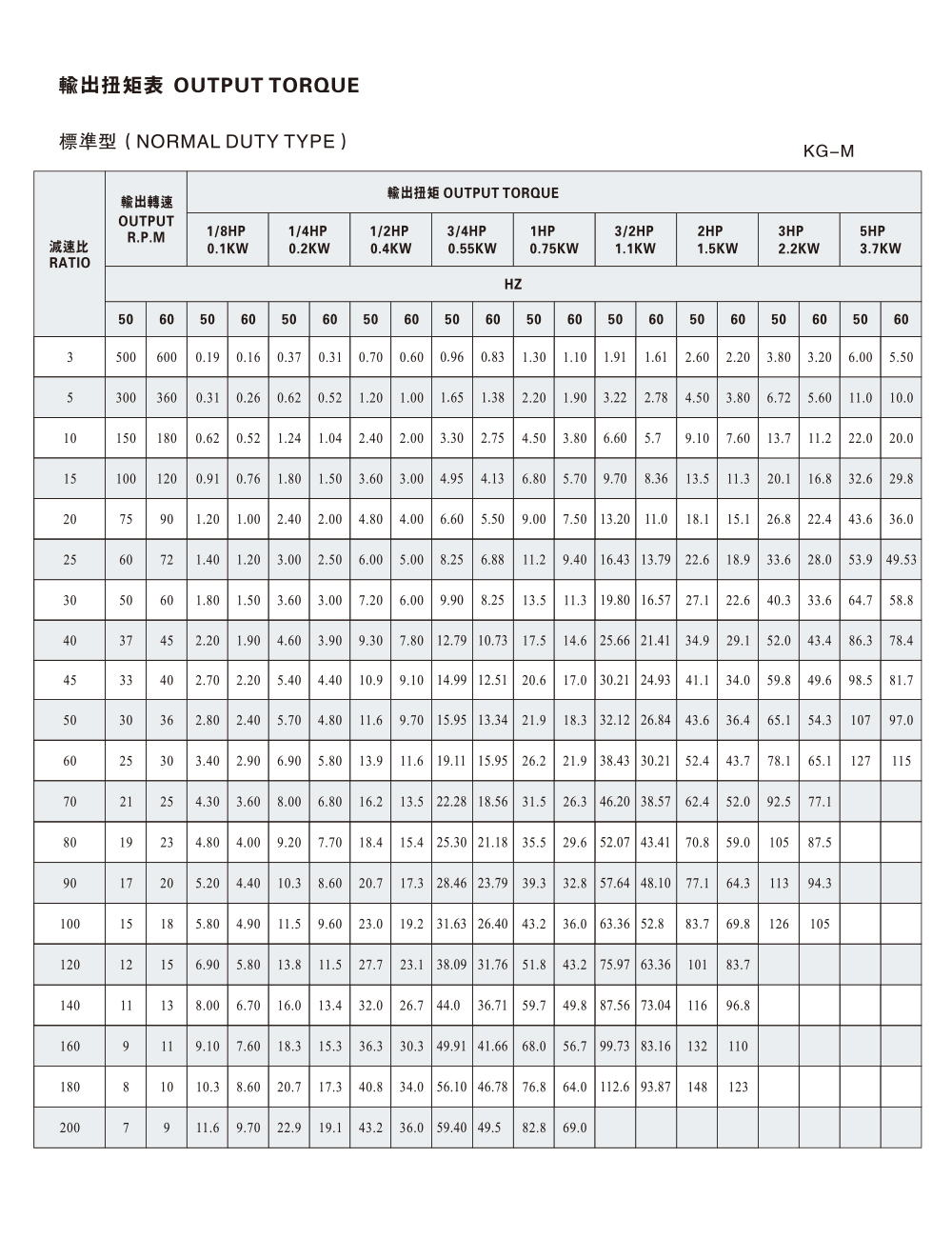
The CH, CV Output Torque provides essential performance data for evaluating transmission capacity and equipment matching. It specifies torque output v...
See Details -
Cat:CH
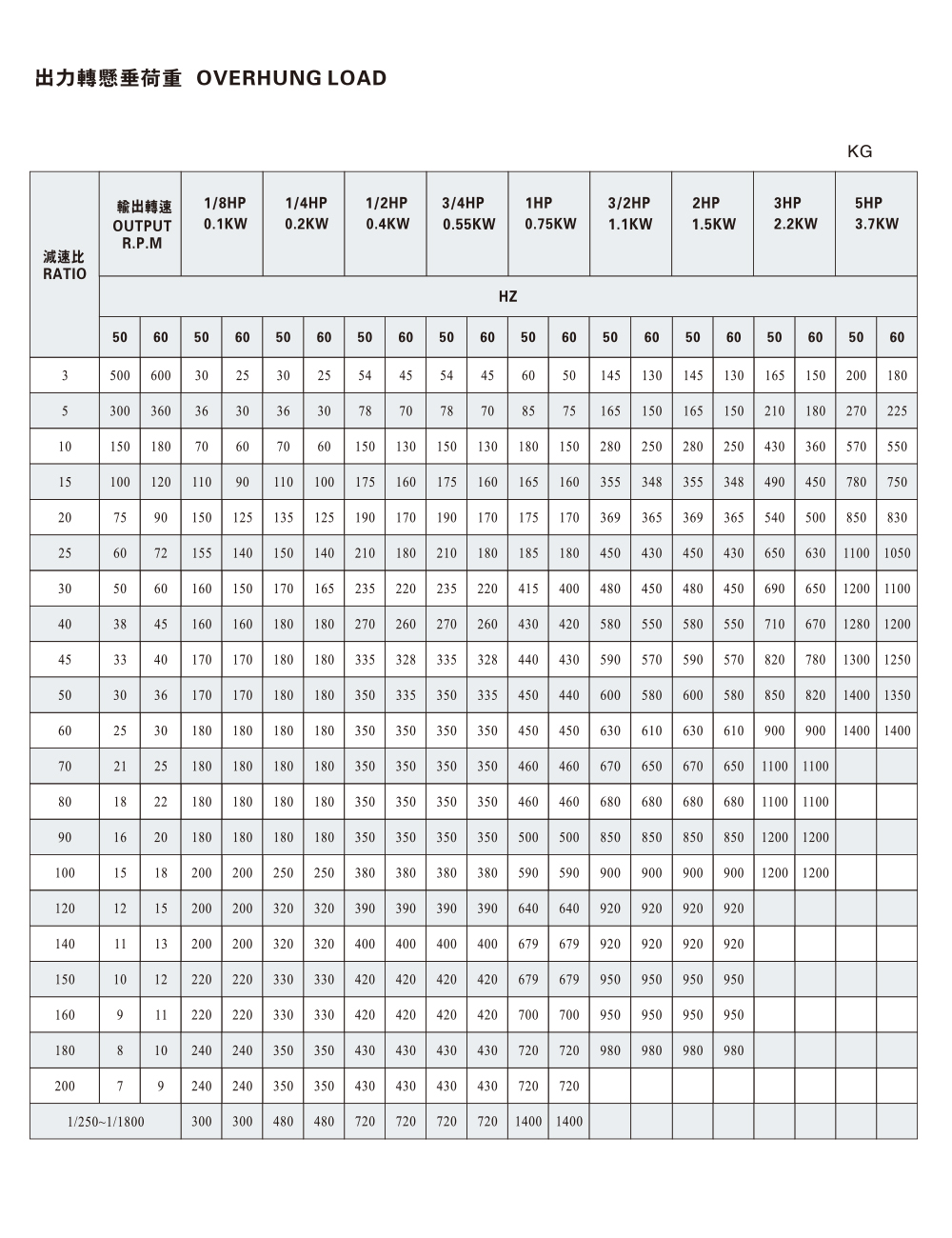
The CH, CV Overhung Load component is designed to provide reliable support and load management for transmission systems, helping improve the stability...
See Details -
Cat:CH
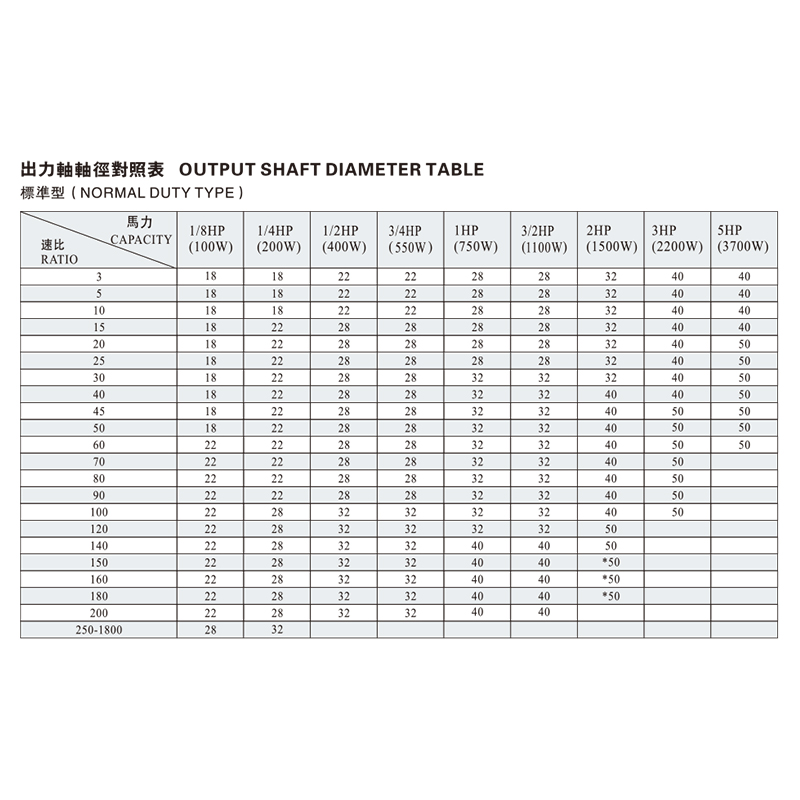
The CH, CV Output Shaft Diameter Table provides standardized dimensional data for selecting compatible transmission components and mechanical assembli...
See Details
Looking For Business Opportunity?
Request for a call today

Zhanpeng Machinery sincerely cooperates with people at home and
abroad to create common development and achieve win-win
results!
Contact Us
-
 sales@razhanpeng.com
-
 +86 13335770176
-
 No. 2807, Huaming Road, Ruian City, Wenzhou City,Zhejiang Province,China
Quick Links
Message


Copyright 2024 Ruian Zhanpeng Machinery Co., Ltd.
Gear Motor Factory


Contact Us